Eating for a Steadier Mind: What Psychonutrition Gets Right

Too beautiful to be true? When a book promises that better food can help lift depression, skepticism is the reasonable first reaction. Yet “Bien manger pour ne plus déprimer” (Eat Well to Stop Being Depressed), by the French psychiatrist and researcher Guillaume Fond, is an excellent book.

Fond is a psychiatrist and researcher at the university hospitals of Marseille, and one of the few French specialists working specifically on psycho-nutrition, the study of how nutrition influences psychological and cognitive functions. His book takes a claim that sounds like a lifestyle magazine headline and subjects it to the discipline of clinical research.

Two routes from plate to brain

The core argument runs along two paths. The first is direct: the brain is an organ with high nutritional demands, and what we eat changes the raw materials it has to work with. The second is less obvious and more interesting: the trillions of bacteria in our gut, the microbiota, communicate with the brain through neural, immune, hormonal and metabolic channels, a system researchers call the gut-brain axis. Recent reviews describe this bidirectional network as a genuine regulator of mood, and disruptions in gut microbiota have been linked to the onset and worsening of depressive symptoms.

This is where probiotics enter the picture: microorganisms that can modulate the microbiota, and which Fond presents as a possible complement, not a replacement, to conventional treatment of depression and other psychiatric conditions. That framing matters. Nobody serious is suggesting you trade your prescription for salads.

The evidence is not just plausible, it is experimental

What separates this book from the usual nutrition books is that its claims trace back to published studies, which Fond analyses and, when needed, criticizes. The most famous is the SMILES trial, run in Australia by Felice Jacka and her team: a 12-week randomised controlled trial testing dietary improvement as an adjunctive treatment for moderate to severe depression. Participants who followed a modified Mediterranean-style diet, with nutritional counselling, showed significantly greater reduction in depressive symptoms than the control group, which received social support alone. It was the first intervention study to test better eating as a treatment strategy for depression, and it opened a field that has grown considerably since.

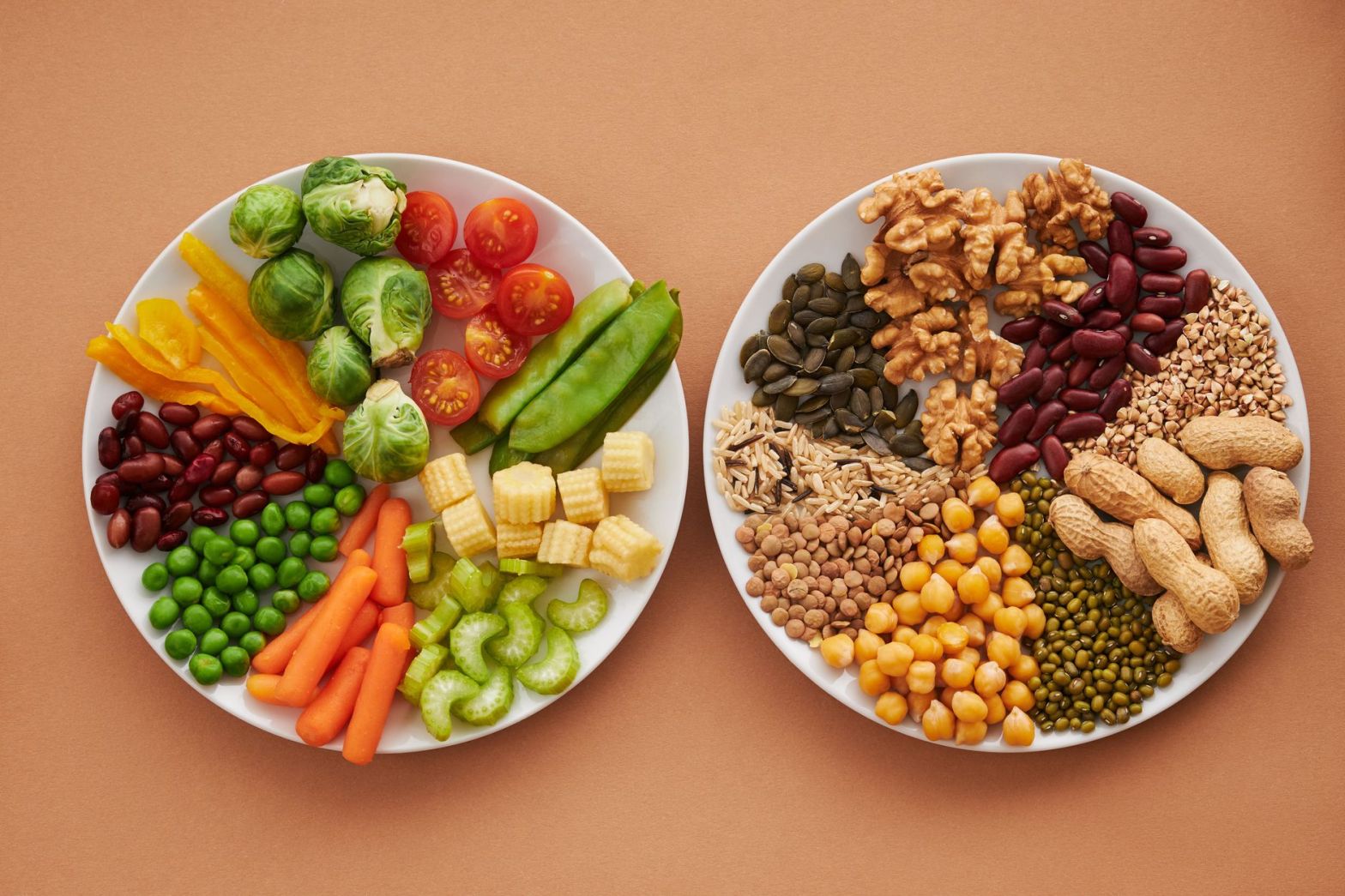
The Mediterranean pattern appears throughout the book, as it does throughout the literature: vegetables, legumes, olive oil, nuts, fish for those who eat it, and little ultra-processed food. Readers of this blog know I come at food from a plant-based angle, and the reassuring part is that the core of this pattern is easy to build without animal products: lentils, chickpeas, walnuts, whole grains and olive oil cover a lot of the ground.

Honesty about uncertainty is another strength. Fond flags which findings are solid and which remain obscure, a rare gesture in a genre that usually prefers certainty to nuance. Some conclusions will be refined as research progresses; the author says so himself.

A book designed to be read twice

One design choice deserves mention. The book runs on two font size levels: general-audience content in normal size, and deeper technical material in small print for readers who want the full scientific detail. You can read it as a practical guide or as a mini-textbook, or both, at your own pace.

The annexes are genuinely useful rather than decorative: a questionnaire for tracking your own diet, a glycemic index table for many common foods, and a ranking of the top 100 foods by protein-to-calorie ratio. Across nearly 300 pages, the tone stays serious, practical and readable, and I read it with real pleasure.

Should you read it?

If you manage depression, this is a complement to discuss with your doctor, never a substitute for treatment; if you are simply curious about how food shapes mood, it is probably the most rigorous introduction in French on the subject. Either way, the takeaway is modest and liberating: you do not need a perfect diet, just a better one, and your gut will notice before your scale does.

Do you think what we eat changes how we feel, or is that still too good to be true?

This post is informational and not medical advice. If you are struggling with depression, please speak with a health professional.

Thank you for reading! Please sign up for my blog crisbiecoach so you don’t miss out on any posts!

How What You Eat Shapes Your Brain

Most of us have accepted the idea that diet shapes our body. Heart health, weight, energy: the conversation feels settled. What far fewer people realize is how deeply nutrition is involved in the physiology of the brain. A recent read made that case so persuasively that I have decided to share some results with you.

Your second brain lives in your gut

The starting point is the relationship between our intestines and our head. The gut hosts trillions of microbes, a whole ecosystem that manufactures compounds our nervous system responds to. Gut and brain exchange signals continuously, largely through the vagus nerve, and much of the body’s serotonin, a chemical involved in mood and sleep, is produced in the gut rather than the brain. When the balance of that internal ecosystem shifts, the quality of the conversation changes too, and mental wellbeing often follows (Harvard Health Publishing).

This is the terrain of nutritional psychiatry, a young field exploring how diet relates to conditions such as depression and anxiety. Its best-known voice is Dr Uma Naidoo, a Harvard-trained psychiatrist and professional chef, whose work the French press recently described as nothing less than a “nutrition revolution” (umanaidoomd.com).

Can food help us think better as we age?

The book’s other promise concerns cognition. Diet may influence how sharp we stay over the years, and certain nutrients get particular attention, omega-3 fatty acids first among them. The honest picture here is genuinely mixed. Some reviews suggest that people with higher omega-3 levels face lower risks of cognitive decline, and that supplementation may slow shrinkage in memory-related brain areas among older adults (a 2025 meta-analysis in Scientific Reports). Other studies of supplements come back inconclusive or inconsistent, and results seem to depend on dose, baseline levels and who is studied (an overview of systematic reviews).

What this means for a normal person is not “take a capsule and stay sharp”. It means that the pattern of your diet over years is the more credible lever than any single pill. Fish is the classic source, but plant eaters are not left out: walnuts, flaxseed, chia and algae-based oils all provide omega-3s, and fibre-rich whole foods feed the gut microbes the whole story depends on.

What the revolution looks like on your plate

It is rather simple. Eat a variety of vegetables, fruit, legumes and whole grains. Include fermented foods such as yogurt, kefir, sauerkraut or miso. Favor freshness over ultra-processed food. Treat your gut microbes as tenants worth keeping happy, because your brain appears to be one of the places they pay rent.

Notice that none of this requires exotic superfoods or an expensive supplement. It requires willingness to decide what you eat. That is precisely what makes it achievable, and precisely why you shouldn’t postpone.

A warning worth keeping

Here is what separates a serious book from the usual wellness noise, and why I trust this one: the author includes her own health warning. As a clinician she observes striking effects in individual patients, and she is careful to say so without claiming that every dietary tip will deliver the same result for everyone. Eat better, yes. But the science is young, individual results vary, and no plate is a substitute for professional care when a mental health condition is serious.

In an industry that sells certainty by the kilo, this modesty is refreshing. It is also, paradoxically, what makes the underlying message more believable.

A small experiment to try

Rather than overhauling everything, run a two-week trial on yourself. Add one fibre-rich and one fermented food to your day, keep dinner honest and unprocessed, and jot down your energy and focus each evening. Not a clinical trial, but a fair test of how your own gut and brain are getting along. The most interesting data about your health is the kind you collect yourself.

Have you noticed your food choices affect your mood or concentration?

Thank you for reading! Please subscribe to my blog crisbiecoach to read more from me!

The summary of scientific articles referred to was drafted by a large language model (LLM) and closely edited by me for clarity and accuracy.

When Should You Actually Drink Coffee?

For many of us, coffee is the first decision of the day, made before any conscious thought. Alarm, bathroom, coffee. Somewhere in that sequence, caffeine becomes the switch we believe turns the brain on. I have colleagues in Brussels who claim they cannot hold a conversation before the first espresso, and for years I counted myself among them. But is coffee straight after waking really the best use of it? The science is less obvious than the ritual, and the interesting question turns out not to be whether to drink coffee, but when.

The cortisol argument

Cortisol, the hormone that helps regulate our sleep-wake rhythm, rises naturally in the morning. It makes us alert on its own, no caffeine required. This observation led neuroscientist Steven Miller, then at the Uniformed Services University of the Health Sciences in Bethesda, to apply chronopharmacology, the study of how drug effects change across the circadian cycle, to coffee. His reasoning: if cortisol is already doing the job, a caffeine hit on top of the peak delivers less than it could. For people with standard sleep schedules, he suggested a window roughly between 9:30 and 11:30 a.m., when the natural cortisol push starts to fade and caffeine can fill the gap.

Before you set an alarm for 9:29 with the cup in hand, a caveat. There is no universal hour. Cortisol rhythms shift with your wake time and your individual biology, so the honest version of the advice is a principle rather than a schedule: wait a little after getting up, especially if coffee on an empty morning makes you jittery, or if you wake up already wide awake.

The afternoon problem

The other half of the day is better documented, and the news is less forgiving. A study in the Journal of Clinical Sleep Medicine gave participants 400 milligrams of caffeine, about two to three strong cups, at different intervals before bed. Even six hours before bedtime, it measurably cut total sleep time, and participants mostly didn’t notice the damage they were doing to themselves. That doesn’t justify a ban on coffee after 4 p.m. People metabolise caffeine at very different speeds, and plenty of espresso-after-dinner drinkers sleep perfectly well. The more useful move is arithmetic: count back from your usual bedtime, factor in how sensitive you personally are, and let that decide your last coffee of the day.

What the morning pattern study adds

In 2025, a study in the European Heart Journal added a surprising layer. Analysing data from more than 40,000 US adults, researchers found that people who concentrated their coffee in the morning had lower all-round and cardiovascular mortality than non-drinkers. People who spread their coffee across the whole day did not show the same clear advantage.

This is an observational study, so it shows association, not proof that morning coffee extends life. But it fits neatly with everything else: if you’re going to drink coffee, the first part of the day seems to be where it does its best work.

And coffee on an empty stomach?

Here a common belief deserves scaling down. Coffee does stimulate acid secretion in the stomach, but there is insufficient evidence that a cup on an empty stomach causes gastritis or ulcers in healthy people. If you experience heartburn, reflux or a sensitive stomach, having coffee after food rather than before tends to reduce the discomfort. No elaborate breakfast required: just observe how your body responds, which is also the right approach to quantity. The US Food and Drug Administration puts 400 milligrams of caffeine a day, roughly five or six espresso cups, at the level not generally associated with negative effects for most healthy adults, while underlining that sensitivity, metabolism, medications and individual conditions make a real difference.

A strategy, not an hour

So, when should you drink your coffee? Rather than hunting for a magic hour, build a small daily strategy. Keep the first cup out of the first minutes after waking, so your natural cortisol gets a chance to work before caffeine joins it. Concentrate your coffee in the earlier part of the day. Count back from bedtime for the last one. And if your stomach protests, eat something first or move coffee to the end of a meal.

None of this asks you to give up one of the day’s most reliable pleasures. It only asks you to move the hands of the clock a little.

What about you? How many coffees do you drink each day? And when is your favorite time for having a coffee?

Thank you for reading! You can read more from me on my blog crisbiecoach and, please, subscribe!

The summary of scientific articles was drafted by a large language model (LLM) and closely edited by me for clarity and accuracy.

Three Plants to Get You Through Fall

Has it ever happened to you that in this period of time when you brush your hair, the brush comes back fuller than it did in during the summer? If this has ever made you wonder whether something is wrong with you, it probably isn’t: hair has its own seasons, and fall is when the largest share of it lets go. The good news is that nature offers a few well-stocked allies for exactly this moment of the year, and you don’t need a pharmacy aisle to find them.

Why does hair fall out more in autumn?

Hair grows in cycles, and one of them, the telogen or resting phase, ends in a collective shed that peaks in October and November. Dermatologists consider losing around 50 to 100 hairs a day normal, and a seasonal increase on top of that is no reason to panic. What you can do is nourish what remains, and that is where nettle comes in.

Nettle: the mineral-rich plant your hair is asking for

Nettle rarely gets the credit it deserves. Behind its reputation as a humble weed hides one of the most re-mineralizing plants in European herbal tradition, thanks to its high silicon content. It is also rich in iron, B vitamins and other minerals that hair, nails and skin all compete for.

I take it as a powder stirred into water or in capsules through the whole autumn season. The difference is not dramatic overnight, but by the end of the season you may notice it: hair that feels more voluminous, nails that stop splitting, skin that keeps its glow when the radiators come on. Early research is encouraging too: a six-month study on 120 people with hair loss found that a shampoo and serum containing nettle extract significantly reduced shedding compared with a placebo.

Nettle also comes cheap and in many forms: dried leaves for a detox-style infusion, powder, capsules, even shampoos. Choose what you will actually keep taking, because consistency matters more than the form.

Rhodiola: for the motivation the shorter days take away

Hair care is only half the story. When the days shorten, many of us feel our motivation drop with the light. For that, rhodiola, an adaptogen that grows in the cold mountains of Europe and Asia, is my go-to.

Adaptogens are plants that help the body manage different kinds of stress, and rhodiola is one of the best studied. Traditionally used against fatigue, it supports dopamine production in the brain, which translates into something very concrete: more enthusiasm, less burnout, at work and in your personal life. Its energizing effect is especially welcome in the darker, colder months, when fatigue creeps in before dinner and the sofa wins.

Orange leaves: the calming plant nobody talks about

Less known, but worth a detour: the leaves of the orange tree. The color of autumn does more than brighten the landscape, it seems to soothe it too. Orange leaf extract has a calming effect on anxiety, stress and nervousness, and it is believed to help you reconnect with some lightness.

It is also a natural antispasmodic, which makes it a gentle remedy for stress that shows up in the body: a nervous cough, a stomachache before a difficult meeting, those twinges that have no medical explanation but a very obvious emotional one. In infusion, it is one of the simplest evening rituals to adopt.

Before you start

Plants are powerful, and that is precisely why they deserve respect. Talk to your doctor or pharmacist before adding any of these remedies to your routine, especially if you are pregnant, breastfeeding or managing a health condition. Natural does not mean risk-free; it means the effects are real.

Your turn

Fall is not only a season of letting go. It is also the right moment to slow down, nourish yourself and give your body what it needs before winter arrives.

Would you pick one of these three plants and give it a try?

Thank you for reading! Please sign up for my blog crisbiecoach so you don’t miss out on any posts!

The analysis of some scientific articles used to draft this post was made by a large language model (LLM) and closely edited by me for clarity and accuracy.

Fat Is Good, But Not the Fat You Think

For thirty years, butter was a villain (for me still is, as I don’t like butter but this is another story). Diets preached lean proteins and low-fat everything; margarine sat on the shelf as the “healthy” option. Then the trend changed. Whole milk, eggs, olive oil, avocados: suddenly eating fat felt like a form of self-care. The question is no longer whether to eat fat, but which kind, in what quantity, and for what purpose.

The body needs fat

Fat is not a flaw in the diet. It’s infrastructure. Cell membranes are built from lipids; hormones are synthesized from cholesterol; vitamins A, D, E and K refuse to be absorbed without it. Even the body’s own fat stores have been reclassified: adipose tissue now counts as an endocrine organ, secreting leptin, adiponectin and dozens of other molecules that regulate metabolism, appetite and inflammation.

But where the fat is stored matters enormously. Subcutaneous fat — under the skin — is relatively quiet. Visceral fat, wrapped around the organs inside the abdomen, behaves differently: it pumps inflammatory cytokines (chemical messengers that help control inflammation, immunity, and cell  growht) straight into the portal vein feeding the liver, driving insulin resistance and metabolic dysfunction.

Saturated fat

Evidence supports clearly: the damage blamed on saturated fat may have been partly caused by its replacement with refined sugars and processed grains, rather than by the fat itself. Swapping butter for white bread was arguably the worse move.

Trans fats: the one real enemy

If there is a fat category with a unanimous scientific consensus against it, it’s artificial trans fat. Partially hydrogenated oils raise LDL, lower HDL, promote inflammation, and were banned from U.S. food manufacturing after the FDA revoked their “generally recognized as safe” status in 2015. Natural traces remain in meat and dairy at negligible levels.

Ketosis: medicine or marketing?

The ketogenic diet with very low carbohydrate, high fat, inducing a metabolic state called ketosis, has moved beyond fitness culture into clinical research. In Alzheimer’s disease, small trials show modest improvements in cognitive scores, possibly because ketone bodies offer an alternative fuel source when glucose metabolism falters in the brain.

In oncology, the picture is less encouraging. A meta-analysis of randomized controlled trials found that ketogenic diets lowered blood glucose in cancer patients but showed no significant effect on tumor markers, weight, or quality of life.

So, ketosis is a real metabolic state with genuine biological effects, but “eating fat burns fat” oversimplifies a relationship that varies dramatically by individual genetics, baseline health, and what exactly is being eaten.

Omega-3s: fish first, pills second

Eating fatty fish (salmon, sardines, mackerel, herring) twice a week carries robust evidence for cardiovascular benefit. Supplements tell a more complicated story. An AHA advisory found no benefit of omega-3 supplements for the general population or for diabetic patients preventing cardiovascular events.

Practical takeaway: get your omega-3s from food when possible. If you want to take supplements, ask your doctor, and don’t trust a wellness influencer.

What actually belongs in the shopping basket

  • Extra virgin olive oil — the most studied culinary fat, rich in monounsaturated oleic acid and polyphenols. The backbone of Mediterranean dietary patterns is associated with lower cardiovascular mortality.
  • Avocado, nuts, seeds — whole-food sources of monounsaturated and polyunsaturated fats, fiber, and micronutrients bundled together.
  • Fatty fish — the best practical source of marine omega-3s.
  • Butter and full-fat dairy — acceptable in moderation, especially grass-fed; the fear they inspired was disproportionate to the actual risk for most people, though those with familial hypercholesterolemia or established cardiovascular disease should still monitor intake.
  • Coconut oil — high in saturated fat (about 80%), mostly lauric acid. Popular in wellness circles, but the evidence base for unique benefits over other fats is thin. Fine occasionally; not a daily staple.
  • Partially hydrogenated — avoid. Check labels for “partially hydrogenated” even in products marketed as natural.

The bottom line

Fat isn’t the enemy it was painted to be, but “eat more fat” is not a good strategy. The body requires diverse lipid inputs, and the quality and context of those inputs shape outcomes more than any single nutrient number. Eat mostly plant-based fats, some animal fats, plenty of fish, skip anything with partially hydrogenated oil in the ingredient list, and treat extreme dietary regimens as medical interventions rather than lifestyle upgrades.

What do you think of the ketogenic diet?

Thank you for reading! Please sign up for my blog crisbiecoach so you don’t miss out on any posts!
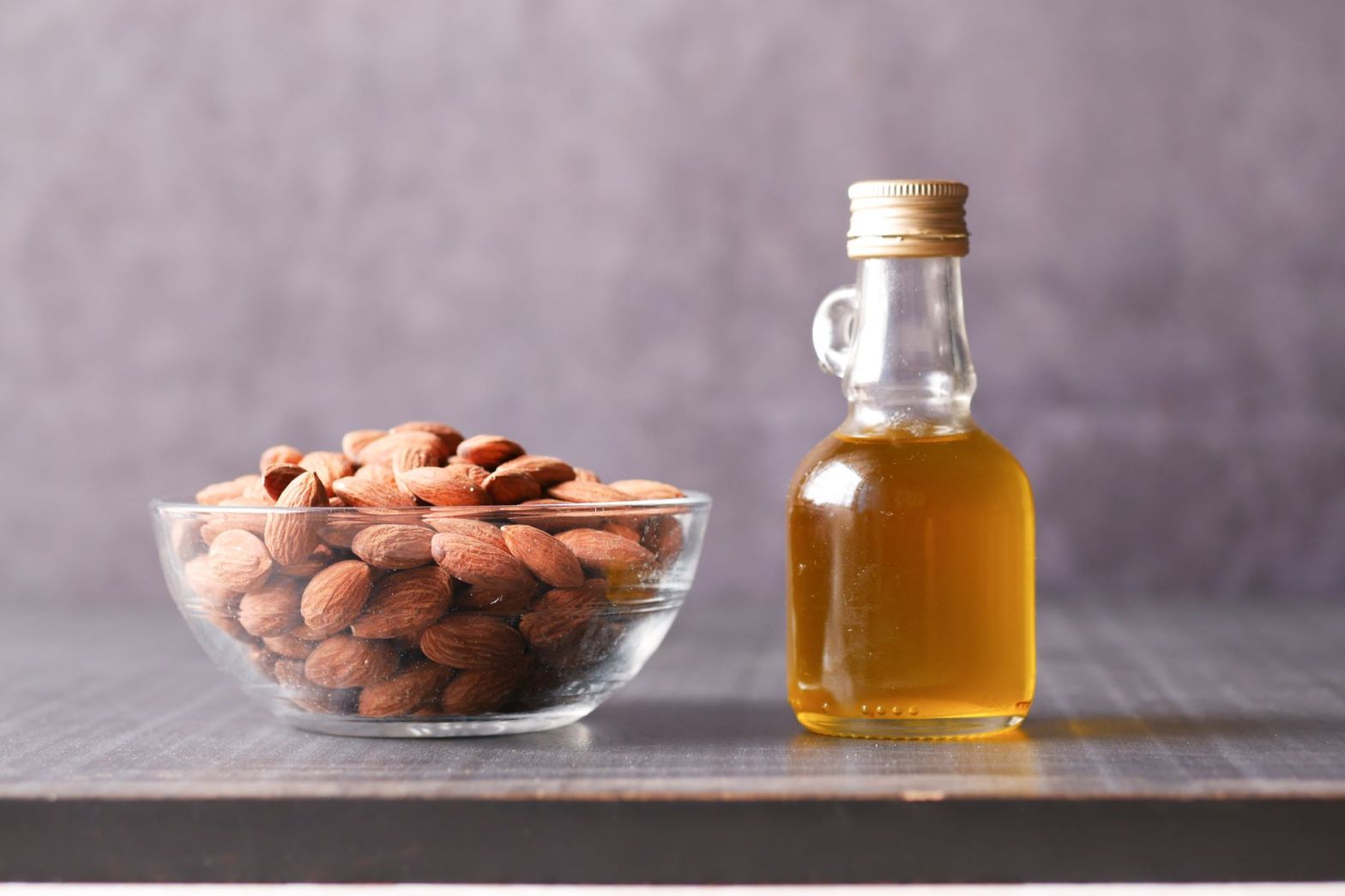

Eating Heart-healthy Food

Cardiovascular disease takes 19.8 million lives a year, roughly one in three deaths worldwide. Most of us think of prevention as something related to taking medicine, but a meaningful slice of that risk can be addressed at breakfast, lunch and dinner, in foods most people already own.

The encouraging part is that a handful of ordinary plant foods, eaten consistently, do measurable work on cholesterol and vascular health. No superfoods required. No expensive subscription boxes. Just beans, oats and greens finding their way into regular rotation.

What the evidence actually says

A large series of systematic reviews and meta-analyses published in The Lancet pooled decades of prospective studies and clinical trials. Compared with the lowest fibre consumers, those eating the most had a 15–30% lower risk of all-cause and cardiovascular mortality, and clinical trials showed higher fibre intake was associated with lower total cholesterol and body weight. The dose-response curve suggested benefits continued rising beyond 25–29 g per day.

For context: UK adults average around 20 g of fibre daily, well short of the government’s 30 g target. This is a rather important gap for your heart health.

A randomised trial in JAMA Network Open took an unusual approach: 22 pairs of identical twins were split, one twin following a healthy vegan diet, the other a healthy omnivorous diet, both rich in legumes, vegetables, whole grains and nuts. After eight weeks, the vegan-diet twins had LDL cholesterol that was 13.9 mg/dL lower than their siblings’, along with reductions in fasting insulin and body weight. Because the participants shared genetics, the design isolates dietary effect from inherited lipid metabolism, a level of control most nutrition studies can’t match.

If you’re not ready to go fully plant-based, a review in the Canadian Journal of Cardiology found that commercially available plant-based meat alternatives generally carry less saturated fat and more fibre per serving than the animal meats they replace, and randomised trials suggest swapping them in can lower LDL-C. The caveat the authors flag: sodium and saturated fat vary widely between brands, so label-reading matters a lot.

Three swaps to make this week

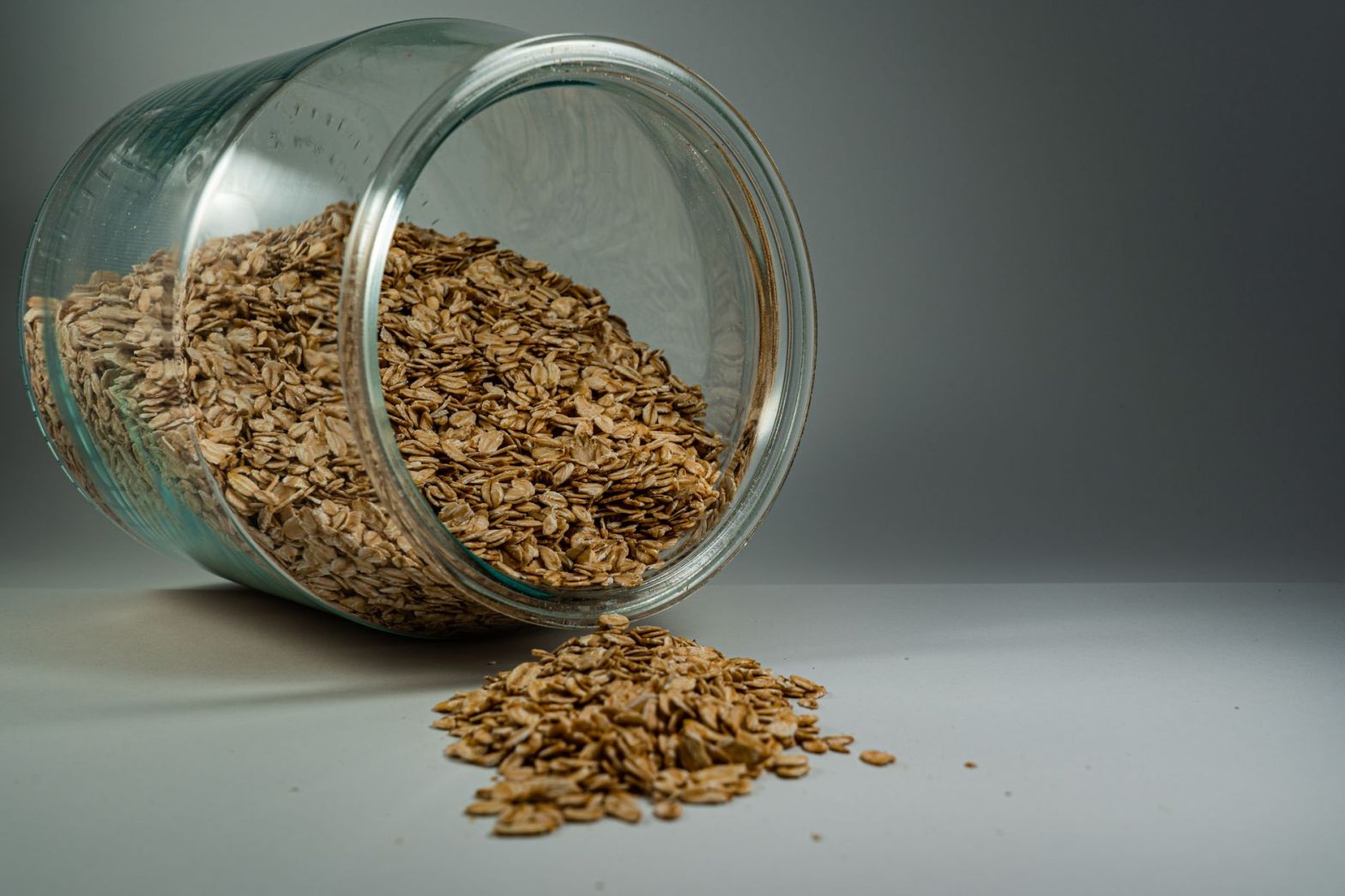
Oats instead of toast. Oats contain beta-glucan, a soluble fibre whose cholesterol-lowering effect is strong enough to have earned official health claims from both EFSA (European Food Safety Authority). The EU-approved claim applies when a food provides at least 3 g of oat beta-glucan per day, which corresponds to roughly 50–60 g of dry rolled oats. A typical bowl of porridge hits that threshold comfortably.

Beans as the main protein at dinner. Cooked black beans deliver about 15 g of fibre per cup; lentils around 15.6 g; chickpeas about 12.5 g. A single tin of drained beans contributes roughly 7–8 g toward your daily target while supplying complete-enough protein to anchor a plate. They’re also among the cheapest calorie-and-protein sources in any grocery aisle.

A handful of leafy greens, somewhere in the day. Kale stirred into soup, spinach blended into a smoothie, rocket scattered over pasta. People who eat more leafy greens tend to have a lower chance of developing heart disease. This has been demonstrated by studies pooling thousands of participants that suggest the risk drops by roughly 11–16%. Part of the explanation is nitrates, a compound in spinach and kale that helps blood vessels relax and work properly. The greens also pack folate, potassium and vitamin K into a single handful, nutrients that support the cardiovascular system on their own.

None of these changes requires abandoning anything you enjoy. We are not looking for perfection because consistency is what matters. A few grams of extra fibre a day, spread across meals, compounds quietly over months.

Are you ready to fill in the gap and eat more fibres? I could share with you my favourite heart-healthy recipes built around oats, beans and greens, quick, cheap and genuinely tasty.

Thank you for reading! You can read more from me on my blog crisbiecoach and, please, subscribe!

The summary of scientific articles was drafted by a large language model (LLM) and closely edited by me for clarity and accuracy.

Fibremaxxing: What It Is and Why It Has Become a Wellness Trend

I’m not usually the person who chases wellness trends. Give me a new supplement, a juice cleanse, or a “biohack” (the practice of making intentional changes to our biology, lifestyle, or environment to improve health, performance, or well-being) and my default reaction is a slow blink and a quiet “no thanks.” So when fibremaxxing started appearing everywhere, I braced myself for another overhyped fad.

Then I looked at the numbers, and honestly? This one earned its spot on my feed.

First, what even is fibremaxxing?

Strip away the internet slang and it’s disarmingly simple: fibremaxxing means making a deliberate effort to eat more fibre. It’s essentially the plant-based sibling of proteinmaxxing — the trend that had everyone counting grams of chicken at every meal. With fibremaxxing you’re reaching for beans, oats, fruit, and vegetables.

The term racked up well over 150 million views on TikTok, which tells you two things: it landed hard with younger audiences, and it arrived wrapped in very 2026 packaging. But underneath the meme label sits something researchers have been nudging us toward for decades: the recommendation that adults aim for roughly 30 grams of fibre a day.

And here’s the part that made me decide to embrace it: most of us aren’t anywhere near that mark. Government data puts it at about 96% of UK adults falling short, averaging just around 16 grams a day That gap between what we need and what we actually eat is the whole story. This isn’t a trend solving an invented problem; it’s filling a very real, very old nutritional hole.

Why I got on board

Fibre doesn’t get the same celebrity treatment as protein, but the case for it is strong. Adequate intake is linked to better gut and metabolic health, a lower risk of heart disease and type 2 diabetes, improved satiety so you feel fuller for longer, and even a reduced risk of certain cancers, particularly colorectal cancer. A nutrition professor put it bluntly: fibre has never been a “sexy” nutrient, and nobody eats enough of it.

Here’s where the trend is actually getting smarter

This is the twist that turned me fully around. The conversation is shifting from “eat more fibre” to “eat different fibres.”

Mintel’s 2026 report flags a move away from rigid maximisation goals toward diverse, functional diets. The focus is moving from quantity to balance. There’s a good biological reason for this: your gut microbiome thrives on variety, and pulling all your fibre from a single source isn’t the smartest play.

Experts are calling this “smart fibremaxxing”, when you should prioritise a wide range of plant-based prebiotic fibres over simply maxing out the gram count.

One honest caveat worth keeping in mind: if you jump from almost no fibre to a bean bowl a day overnight, your digestion may protest. Adding fibre gradually and drinking plenty of water makes a real difference.

How I’d actually do it

You don’t need supplements, or special products. Small, consistent swaps compound fast:

  • Go whole grain. Swap white bread, rice, or pasta for whole-grain versions. It’s the single easiest lever you can pull.
  • Add a tin. Stir chickpeas, lentils, or beans into a curry, soup, or salad. You get fibre and protein in one motion.
  • Keep the skins on. Potatoes, apples, carrots — a surprising amount of fibre hides right there. But wash them with care, to remove pesticides if you don’t buy organic.
  • Upgrade the snack drawer. Trade chips for a handful of nuts, seeds, or fruit.
  • Build meals plants-first. Try vegetables you rarely reach for and discover new plant-based dishes.

Plant-based eating makes this effortless precisely because fibre only comes from plants. Whole grains, legumes, fruit, and vegetables all bring it to the table, and many pack in protein alongside it. A bowl of lentil dahl or a bean chilli is quietly doing both jobs for you. If you’ve been cooking more plant-based lately, there’s a decent chance your fibre intake already crept up without you noticing.

Is it a fad or a foundation?

Here’s my take after watching it evolve: the label might fade and “fibremaxxing” could become normalised and forgettable. But the underlying habit, eating more and more varied plant foods, is exactly the kind of thing that sticks. It’s budget-friendly, satiating, and backed by decades of science rather than a viral moment.


Want to take this further? Drop a comment and let me know if you’d like some easy, high-fibre recipes I can share. I’ve got a few favourites that make adding fibre genuinely painless.

Thank you for reading! You can read more from me on my blog crisbiecoach and, please, subscribe!

Protein at breakfast will not build muscle on its own

Protein has become one of the most aggressively marketed nutrients in the modern food landscape. It appears in breakfast pastries, snack bars, puddings and drinks, often presented as a shortcut to strength, satiety and better health. That marketing rests on a partial truth. Protein does matter. It helps maintain muscle, supports growth and repair after injury, contributes to recovery, can help with fullness and weight regulation, and plays an important role in healthy ageing. But the leap from “protein is important” to “any extra protein product will build muscle” is where the science gets distorted.

A useful starting point is to separate protein’s biological role from the promises attached to it. Protein is necessary to build and sustain muscle, but it is not a magic trigger for muscle gain in the absence of the right stimulus. The body does not simply convert extra protein from a fortified breakfast into larger muscles because a label says “high protein”. Muscle tissue grows when the body is given a reason to adapt, and that reason is usually resistance training: exercise that places stress on muscles and signals the body to repair them and build them stronger. Some experts argue that doubling protein intake is less important for increasing muscle mass than doing this kind of training consistently.

That matters because many consumers are being sold a simplified message: eat more protein, especially early in the day, and you are making an inherently better health choice. In reality, adding protein to breakfast or snacks without adding the necessary physical work will not by itself produce more muscle. The science supports protein’s importance in muscle maintenance and recovery. The marketing encourages people to assume that a protein-enriched version of an ultra-processed or convenience food is automatically beneficial. Those are not the same claim.

The recent surge in protein branding reflects this confusion. When foods traditionally associated with sweetness and convenience begin presenting themselves as protein sources, it is a sign that companies are responding to consumer enthusiasm as much as to nutritional evidence. There is indeed “good science” behind part of the protein trend, but that does not validate every product or every implied benefit. A protein-labelled breakfast item may contain more protein than its conventional equivalent, yet still remain a food chosen mainly for convenience or taste rather than overall nutritional quality. The presence of protein alone does not settle whether it is a good breakfast choice.

This does not mean people should dismiss protein. Far from it. Protein is especially important beyond bodybuilding culture. Research has helped improve understanding of how dietary protein can help counter muscle loss linked to ageing, weight loss or injury. In these contexts, adequate protein intake can be genuinely valuable. Older adults, people recovering from illness, and those trying to preserve lean mass during weight loss may all benefit from paying closer attention to protein. But even here, nuance is essential. The broad public conversation often treats protein as a stand-alone solution, when in practice muscle health depends on a wider combination of factors including activity, appropriate diet, age, health status and recovery.

For anyone writing or reading about nutrition, this is the core lesson: context matters more than slogans. If the goal is building muscle, protein should be understood as one part of a process, not the process itself. Resistance exercise provides the stimulus. Protein provides material that helps the body respond. Without that stimulus, the promise of effortless muscle gain through a protein-fortified breakfast is more marketing narrative than biological reality.

There is also a broader media lesson here. Nutrition stories often travel badly because they reward exaggeration. “Protein is essential” becomes “more is always better”. “Protein supports muscle” becomes “this snack builds muscle”. “Breakfast matters” becomes “this breakfast product is performance nutrition”. You have to distinguish between evidence on dietary protein and the commercial use of that evidence to sell foods that may not deserve a health halo.

A better way to discuss protein is to ask more grounded questions. How much protein does a person actually need in their circumstances? Are they physically active, older, injured, or trying to maintain muscle during weight loss? Is the food in question nutritious overall, or merely reformulated to exploit a trend? And if muscle gain is the aim, is there any resistance training happening at all? These questions are less glamorous than front-of-pack claims, but they are much closer to what the science supports.

So yes, protein deserves its place in a healthy diet. But no, a high-protein breakfast eaten in isolation will not produce new muscle tissue by sheer nutritional virtue. My conclusion is not anti-protein; it is anti-hype. Protein supports muscle, maintenance, recovery and healthy ageing. What it cannot do is replace the work that muscle growth requires.

What do you think about this commercial trend?

Thank you for reading! You can read more from me on my blog crisbiecoach and, please, subscribe!

Greenwashing: How to Tell the Difference and the End of Vague Promises

Have you noticed how everything on supermarket shelves seems to have become “eco-responsible,” “green,” or “good for the planet”? Between the brown cardboard packaging, little leaf icons, and ecological promises in every aisle, it’s becoming difficult to separate truth from fiction.

To better understand the mechanics of greenwashing (or the art of appearing “greener” than one really is), let’s see how to have a clearer view.

The Three Faces of Deception

Greenwashing isn’t always a blatant lie, those are rarer and legally actionable. More often, it’s subtle manipulation. Experts generally categorize it into three tactics:

  1. The Context Trap: Highlighting a tiny positive detail while ignoring the bigger picture. Think of a major retailer touting ten organic items while 99% of their inventory relies on conventional, high-impact agriculture.
  2. Visual and Verbal Exaggeration: Using hyperbolic language (“saving the planet!”) or excessive green imagery to mask a heavy environmental footprint. The vibe is eco-chic; the reality is questionable.
  3. Vague Assertions: Relying on undefined terms like “natural” or “eco-friendly” without scientific backing or specific data.
What is changing in Europe

Faced with citizens’ loss of trust, the European Union voted for the EmpCo Directive (Empowering Consumers for the Green Transition). By September 27, 2026, new strict rules will govern brand communication:

  • The end of vague slogans: Goodbye to catch-all words like “eco-responsible,” “eco-friendly,” or “good for the planet.” From now on, if a brand uses this type of term, it will have to prove certified environmental excellence or specify exactly why (for example: “packaging made of 100% recycled cardboard” rather than “green packaging”).
  • The ban on artificial “carbon neutral”: A company will no longer be able to claim that a product is “carbon neutral” or “zero emission” based simply on carbon offsetting (such as tree planting). Only real reduction of impacts at the source counts.
  • Cleaning up the jungle of labels: With over 200 visual markers on the market approximating a label near or far, the consumer gets lost. Only labels based on public or independent certification systems will be authorized; self-certifications will be banned.

Why This Matters Beyond Compliance

Critics might call this bureaucratic overreach, but there’s a deeper logic at play: restoring trust. When consumers can no longer decipher which products are genuinely sustainable, they stop caring—or worse, they feel manipulated. Rigorous standards force honesty. They push companies to move from cosmetic gestures to operational change.

For retailers and producers, this is a challenge, but also an opportunity. Those who invest in transparent supply chains, rigorous data tracking, and genuine sustainability efforts will stand out in a crowded market. The directive rewards precision. It punishes laziness.

No product is perfectly zero-impact. Acknowledging that complexity is crucial. Leading brands are moving away from claiming perfection and toward demonstrating progress. Transparency tools, clear metrics, and open dialogue about areas for improvement are becoming the new currency of credibility.

The era of shouting “we love the planet!” from the top of the billboard is ending. The future belongs to those who can show their work.

For consumers, this is a relief. You no longer need to be an expert in environmental science to make informed choices. The regulations are designed to ensure that the information on the shelf is accurate, verifiable, and meaningful.

Ultimately, that’s what the transition needs: not more noise, but clearer signal.

The best way to shop with peace of mind remains choosing places and distribution networks that share global values of transparency.

Do you think that these new rules will help you do shopping?

Thank you for reading! You can read more from me on my blog crisbiecoach and, please, subscribe!

Four Foods to Beat the Afternoon Slump

Has it ever happened to you that early afternoon, especially if you had lunch, that suddenly your brain feels like it’s wrapped in cotton wool? You reach for another coffee or a sugary snack, hoping for a spark, but the fatigue persists. We often blame this exhaustion on a lack of sleep or sheer stress, but sometimes the culprit is far more mundane.

While hydration is the baseline requirement for vitality, what we eat plays a pivotal role in how our bodies process energy. Fatigue isn’t just a feeling; it’s a physiological signal that your organs are struggling to function efficiently due to nutrient gaps or chronic inflammation. To truly combat weariness, we need foods that do more than just fill us up, they need to optimize cellular efficiency. Here are four powerhouse foods that can help you reclaim your energy.

1. Avocado: The Anti-Inflammatory Anchor
Think of avocado not just as a trendy topping for toast, but as a shield for your body’s machinery. It is one of the richest plant-based sources of omega-3 fatty acids, nutrients typically associated with blue fish. These fats aren’t just “good fats”; they are active agents that reduce systemic inflammation. When inflammation runs high, your organs work harder to perform basic tasks, draining your overall energy reserves. By lowering this internal friction, avocado allows your body to operate with greater efficiency. Furthermore, these lipids play a crucial role in preventing muscle catabolism, the breakdown of lean tissue. Maintaining muscle mass is vital for long-term strength and metabolic health, making this creamy fruit a cornerstone of sustained vitality rather than just a quick fix.

2. Coffee: The Ergogenic Edge (Used Wisely)
Coffee is the world’s most popular stimulant for a reason. Its primary active compound, caffeine, is classified as an ergogenic aid, namely a substance that enhances physical performance and delays the onset of fatigue. But its benefits extend beyond the gym. Caffeine activates the central nervous system, sharpening mental focus and combating cognitive sluggishness. Research published in Neuroscience and Biobehavioral Reviews suggests that moderate caffeine intake can significantly boost productivity and alertness. However, there is a fine line between enhancement and overload. To reap the benefits without triggering anxiety or a crash, experts recommend keeping single servings under 200 mg—roughly equivalent to one large cup of brewed coffee. It’s a tool, not a crutch.

3. Rice: The Steady Burner
If you exercise regularly or lead an active life, carbohydrates are non-negotiable. They are the primary fuel source for your muscles and brain. Among carb options, rice stands out for its ability to provide complex sugars that stabilize blood glucose levels. Unlike refined grains that cause spikes and crashes, rice helps replenish glycogen stores steadily. This steady release prevents the “rollercoaster” effect where you feel wired after eating only to collapse an hour later. Interestingly, while pasta is often hailed as a healthy staple, many commercial varieties are made from heavily refined flours that can spike insulin rapidly, placing unnecessary strain on the pancreas. Choosing whole-grain or brown rice offers a more balanced, sustainable energy profile compared to overly processed alternatives.

4. Dark Chocolate: The Antioxidant Shield
Yes, chocolate belongs on this list, but only if you choose wisely. Industrial milk chocolates are sugar bombs that contribute to energy crashes. Real dark chocolate, however, is dense in flavonoids and antioxidants. These compounds neutralize free radicals, unstable molecules that damage cells and accelerate aging. This oxidative stress is a major contributor to chronic fatigue. By protecting your cells from this damage, dark chocolate supports better circulation and reduces inflammatory processes. The key is checking the label: aim for bars with a high cocoa percentage (70% or higher). You want the plant-derived benefits of cacao, not the added sugars that mask them.

Beyond the Plate: The Holistic Approach
Food is powerful, but it doesn’t work in a vacuum. Combating fatigue requires a holistic strategy. First, watch your weight. Excess adipose tissue is metabolically active and pro-inflammatory; carrying extra weight forces your body to work against constant low-grade inflammation, sapping your energy. Second, prioritize sleep hygiene. No amount of superfoods can compensate for chronic sleep deprivation. Finally, incorporate strength training into your routine. Building muscle increases your metabolic efficiency and combats premature aging, creating a positive feedback loop where your body becomes better at generating and storing energy.

Fatigue is rarely a mystery; it’s usually a sum of small deficits. By refining your fuel and supporting it with movement and rest, you can turn that afternoon slump into a plateau of consistent, clear-headed energy.

Which one are you adding to your grocery list this week? Let me know in the comment box here below!

Thank you for reading! You can read more from me on my blog crisbiecoach and, please, subscribe!