
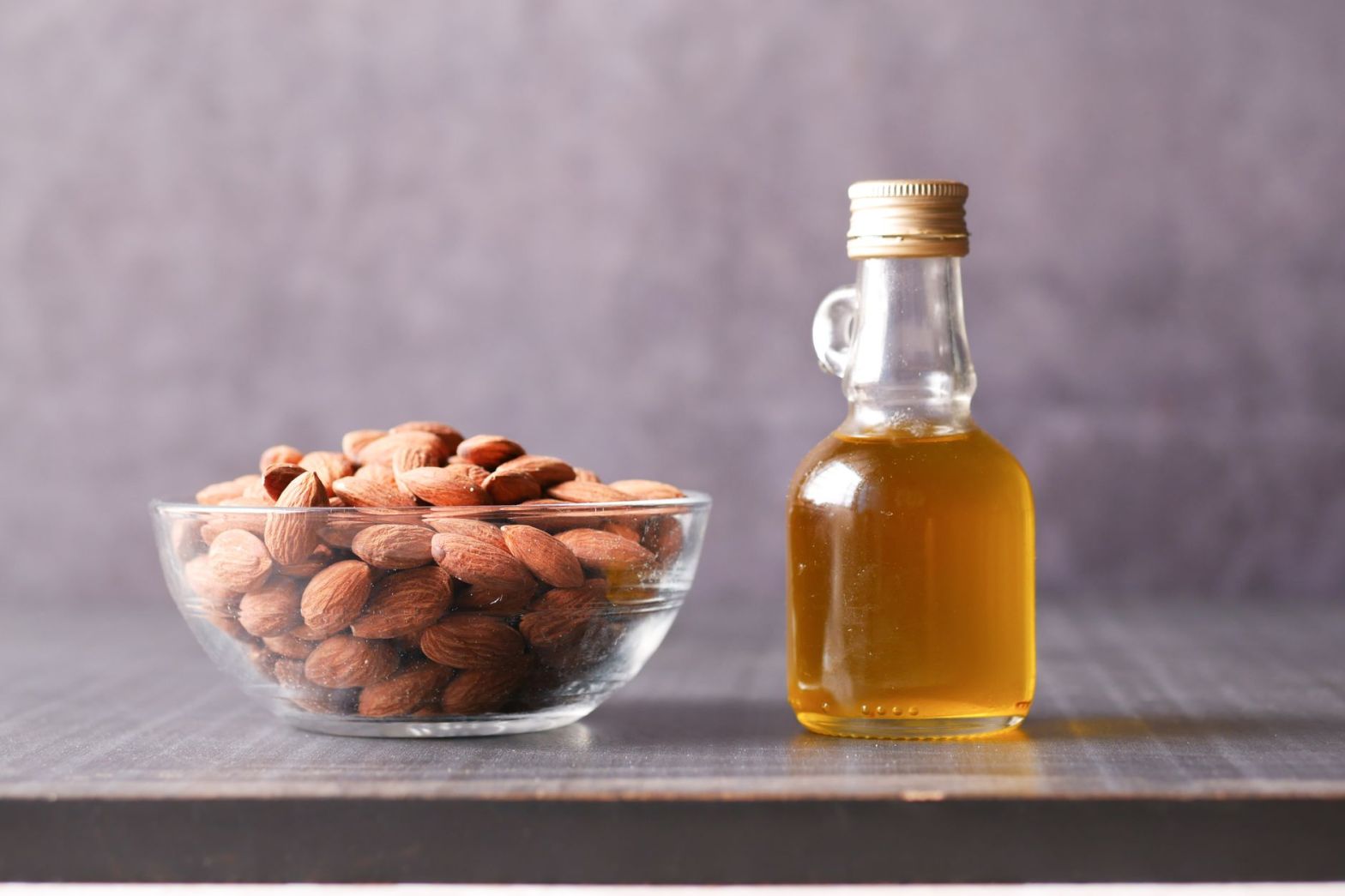
For thirty years, butter was a villain (for me still is, as I don’t like butter but this is another story). Diets preached lean proteins and low-fat everything; margarine sat on the shelf as the “healthy” option. Then the trend changed. Whole milk, eggs, olive oil, avocados: suddenly eating fat felt like a form of self-care. The question is no longer whether to eat fat, but which kind, in what quantity, and for what purpose.
The body needs fat
Fat is not a flaw in the diet. It’s infrastructure. Cell membranes are built from lipids; hormones are synthesized from cholesterol; vitamins A, D, E and K refuse to be absorbed without it. Even the body’s own fat stores have been reclassified: adipose tissue now counts as an endocrine organ, secreting leptin, adiponectin and dozens of other molecules that regulate metabolism, appetite and inflammation.
But where the fat is stored matters enormously. Subcutaneous fat — under the skin — is relatively quiet. Visceral fat, wrapped around the organs inside the abdomen, behaves differently: it pumps inflammatory cytokines (chemical messengers that help control inflammation, immunity, and cell growht) straight into the portal vein feeding the liver, driving insulin resistance and metabolic dysfunction.
Saturated fat
Evidence supports clearly: the damage blamed on saturated fat may have been partly caused by its replacement with refined sugars and processed grains, rather than by the fat itself. Swapping butter for white bread was arguably the worse move.
Trans fats: the one real enemy
If there is a fat category with a unanimous scientific consensus against it, it’s artificial trans fat. Partially hydrogenated oils raise LDL, lower HDL, promote inflammation, and were banned from U.S. food manufacturing after the FDA revoked their “generally recognized as safe” status in 2015. Natural traces remain in meat and dairy at negligible levels.
Ketosis: medicine or marketing?
The ketogenic diet with very low carbohydrate, high fat, inducing a metabolic state called ketosis, has moved beyond fitness culture into clinical research. In Alzheimer’s disease, small trials show modest improvements in cognitive scores, possibly because ketone bodies offer an alternative fuel source when glucose metabolism falters in the brain.
In oncology, the picture is less encouraging. A meta-analysis of randomized controlled trials found that ketogenic diets lowered blood glucose in cancer patients but showed no significant effect on tumor markers, weight, or quality of life.
So, ketosis is a real metabolic state with genuine biological effects, but “eating fat burns fat” oversimplifies a relationship that varies dramatically by individual genetics, baseline health, and what exactly is being eaten.
Omega-3s: fish first, pills second
Eating fatty fish (salmon, sardines, mackerel, herring) twice a week carries robust evidence for cardiovascular benefit. Supplements tell a more complicated story. An AHA advisory found no benefit of omega-3 supplements for the general population or for diabetic patients preventing cardiovascular events.
Practical takeaway: get your omega-3s from food when possible. If you want to take supplements, ask your doctor, and don’t trust a wellness influencer.
What actually belongs in the shopping basket
- Extra virgin olive oil — the most studied culinary fat, rich in monounsaturated oleic acid and polyphenols. The backbone of Mediterranean dietary patterns is associated with lower cardiovascular mortality.
- Avocado, nuts, seeds — whole-food sources of monounsaturated and polyunsaturated fats, fiber, and micronutrients bundled together.
- Fatty fish — the best practical source of marine omega-3s.
- Butter and full-fat dairy — acceptable in moderation, especially grass-fed; the fear they inspired was disproportionate to the actual risk for most people, though those with familial hypercholesterolemia or established cardiovascular disease should still monitor intake.
- Coconut oil — high in saturated fat (about 80%), mostly lauric acid. Popular in wellness circles, but the evidence base for unique benefits over other fats is thin. Fine occasionally; not a daily staple.
- Partially hydrogenated — avoid. Check labels for “partially hydrogenated” even in products marketed as natural.
The bottom line
Fat isn’t the enemy it was painted to be, but “eat more fat” is not a good strategy. The body requires diverse lipid inputs, and the quality and context of those inputs shape outcomes more than any single nutrient number. Eat mostly plant-based fats, some animal fats, plenty of fish, skip anything with partially hydrogenated oil in the ingredient list, and treat extreme dietary regimens as medical interventions rather than lifestyle upgrades.
What do you think of the ketogenic diet?
Thank you for reading! Please sign up for my blog crisbiecoach so you don’t miss out on any posts!


I do enjoy butter but most of the time it’s olive oil we use, even our spread/margarine is olive oil based. You’ve presented all the information about oil choices in our diets in a clear and easy to understand way.
"Mi piace""Mi piace"
Butter… what is real and what ants won’t even touch.
We use a lot of butter in my house, sometimes olive oil and even coconut oil.
"Mi piace""Mi piace"