
Eating Heart-healthy Food

Cardiovascular disease takes 19.8 million lives a year, roughly one in three deaths worldwide. Most of us think of prevention as something related to taking medicine, but a meaningful slice of that risk can be addressed at breakfast, lunch and dinner, in foods most people already own.

The encouraging part is that a handful of ordinary plant foods, eaten consistently, do measurable work on cholesterol and vascular health. No superfoods required. No expensive subscription boxes. Just beans, oats and greens finding their way into regular rotation.

What the evidence actually says

A large series of systematic reviews and meta-analyses published in The Lancet pooled decades of prospective studies and clinical trials. Compared with the lowest fibre consumers, those eating the most had a 15–30% lower risk of all-cause and cardiovascular mortality, and clinical trials showed higher fibre intake was associated with lower total cholesterol and body weight. The dose-response curve suggested benefits continued rising beyond 25–29 g per day.

For context: UK adults average around 20 g of fibre daily, well short of the government’s 30 g target. This is a rather important gap for your heart health.

A randomised trial in JAMA Network Open took an unusual approach: 22 pairs of identical twins were split, one twin following a healthy vegan diet, the other a healthy omnivorous diet, both rich in legumes, vegetables, whole grains and nuts. After eight weeks, the vegan-diet twins had LDL cholesterol that was 13.9 mg/dL lower than their siblings’, along with reductions in fasting insulin and body weight. Because the participants shared genetics, the design isolates dietary effect from inherited lipid metabolism, a level of control most nutrition studies can’t match.

If you’re not ready to go fully plant-based, a review in the Canadian Journal of Cardiology found that commercially available plant-based meat alternatives generally carry less saturated fat and more fibre per serving than the animal meats they replace, and randomised trials suggest swapping them in can lower LDL-C. The caveat the authors flag: sodium and saturated fat vary widely between brands, so label-reading matters a lot.

Three swaps to make this week

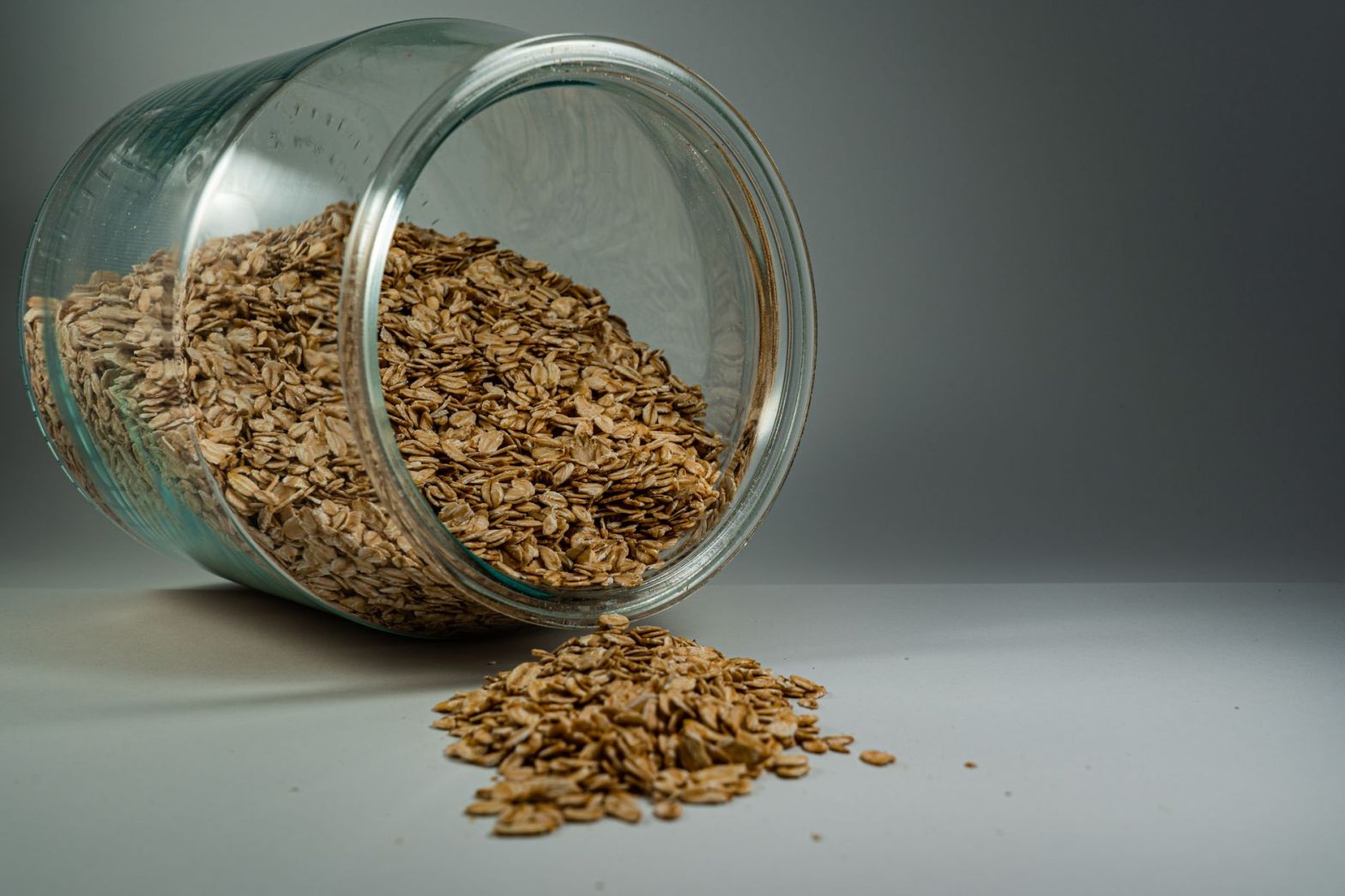
Oats instead of toast. Oats contain beta-glucan, a soluble fibre whose cholesterol-lowering effect is strong enough to have earned official health claims from both EFSA (European Food Safety Authority). The EU-approved claim applies when a food provides at least 3 g of oat beta-glucan per day, which corresponds to roughly 50–60 g of dry rolled oats. A typical bowl of porridge hits that threshold comfortably.

Beans as the main protein at dinner. Cooked black beans deliver about 15 g of fibre per cup; lentils around 15.6 g; chickpeas about 12.5 g. A single tin of drained beans contributes roughly 7–8 g toward your daily target while supplying complete-enough protein to anchor a plate. They’re also among the cheapest calorie-and-protein sources in any grocery aisle.

A handful of leafy greens, somewhere in the day. Kale stirred into soup, spinach blended into a smoothie, rocket scattered over pasta. People who eat more leafy greens tend to have a lower chance of developing heart disease. This has been demonstrated by studies pooling thousands of participants that suggest the risk drops by roughly 11–16%. Part of the explanation is nitrates, a compound in spinach and kale that helps blood vessels relax and work properly. The greens also pack folate, potassium and vitamin K into a single handful, nutrients that support the cardiovascular system on their own.

None of these changes requires abandoning anything you enjoy. We are not looking for perfection because consistency is what matters. A few grams of extra fibre a day, spread across meals, compounds quietly over months.

Are you ready to fill in the gap and eat more fibres? I could share with you my favourite heart-healthy recipes built around oats, beans and greens, quick, cheap and genuinely tasty.

Thank you for reading! You can read more from me on my blog crisbiecoach and, please, subscribe!

The summary of scientific articles was drafted by a large language model (LLM) and closely edited by me for clarity and accuracy.
Fibremaxxing: What It Is and Why It Has Become a Wellness Trend

I’m not usually the person who chases wellness trends. Give me a new supplement, a juice cleanse, or a “biohack” (the practice of making intentional changes to our biology, lifestyle, or environment to improve health, performance, or well-being) and my default reaction is a slow blink and a quiet “no thanks.” So when fibremaxxing started appearing everywhere, I braced myself for another overhyped fad.

Then I looked at the numbers, and honestly? This one earned its spot on my feed.

First, what even is fibremaxxing?

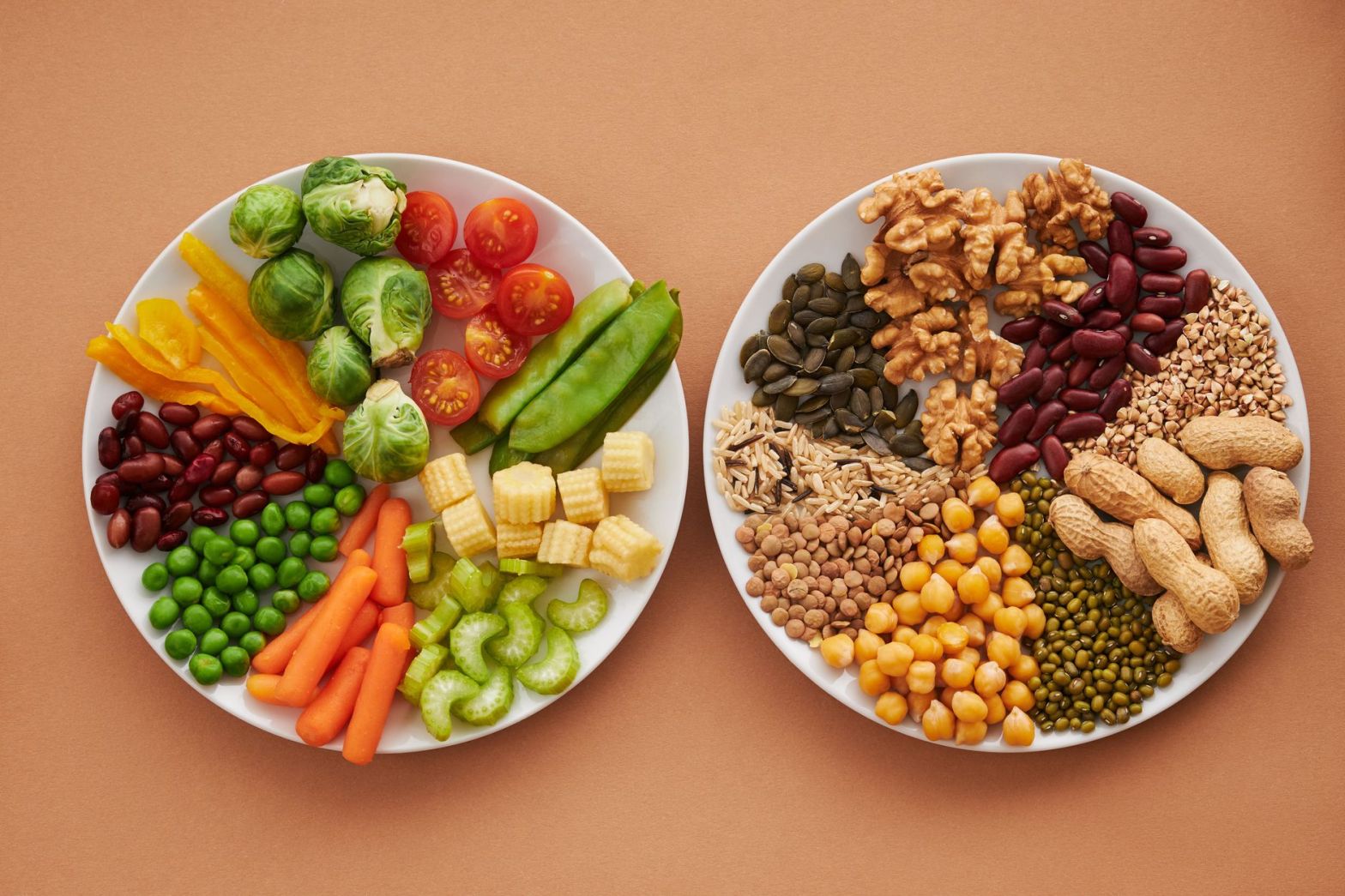
Strip away the internet slang and it’s disarmingly simple: fibremaxxing means making a deliberate effort to eat more fibre. It’s essentially the plant-based sibling of proteinmaxxing — the trend that had everyone counting grams of chicken at every meal. With fibremaxxing you’re reaching for beans, oats, fruit, and vegetables.

The term racked up well over 150 million views on TikTok, which tells you two things: it landed hard with younger audiences, and it arrived wrapped in very 2026 packaging. But underneath the meme label sits something researchers have been nudging us toward for decades: the recommendation that adults aim for roughly 30 grams of fibre a day.

And here’s the part that made me decide to embrace it: most of us aren’t anywhere near that mark. Government data puts it at about 96% of UK adults falling short, averaging just around 16 grams a day That gap between what we need and what we actually eat is the whole story. This isn’t a trend solving an invented problem; it’s filling a very real, very old nutritional hole.

Why I got on board

Fibre doesn’t get the same celebrity treatment as protein, but the case for it is strong. Adequate intake is linked to better gut and metabolic health, a lower risk of heart disease and type 2 diabetes, improved satiety so you feel fuller for longer, and even a reduced risk of certain cancers, particularly colorectal cancer. A nutrition professor put it bluntly: fibre has never been a “sexy” nutrient, and nobody eats enough of it.

Here’s where the trend is actually getting smarter

This is the twist that turned me fully around. The conversation is shifting from “eat more fibre” to “eat different fibres.”

Mintel’s 2026 report flags a move away from rigid maximisation goals toward diverse, functional diets. The focus is moving from quantity to balance. There’s a good biological reason for this: your gut microbiome thrives on variety, and pulling all your fibre from a single source isn’t the smartest play.

Experts are calling this “smart fibremaxxing”, when you should prioritise a wide range of plant-based prebiotic fibres over simply maxing out the gram count.

One honest caveat worth keeping in mind: if you jump from almost no fibre to a bean bowl a day overnight, your digestion may protest. Adding fibre gradually and drinking plenty of water makes a real difference.

How I’d actually do it

You don’t need supplements, or special products. Small, consistent swaps compound fast:

  • Go whole grain. Swap white bread, rice, or pasta for whole-grain versions. It’s the single easiest lever you can pull.
  • Add a tin. Stir chickpeas, lentils, or beans into a curry, soup, or salad. You get fibre and protein in one motion.
  • Keep the skins on. Potatoes, apples, carrots — a surprising amount of fibre hides right there. But wash them with care, to remove pesticides if you don’t buy organic.
  • Upgrade the snack drawer. Trade chips for a handful of nuts, seeds, or fruit.
  • Build meals plants-first. Try vegetables you rarely reach for and discover new plant-based dishes.

Plant-based eating makes this effortless precisely because fibre only comes from plants. Whole grains, legumes, fruit, and vegetables all bring it to the table, and many pack in protein alongside it. A bowl of lentil dahl or a bean chilli is quietly doing both jobs for you. If you’ve been cooking more plant-based lately, there’s a decent chance your fibre intake already crept up without you noticing.

Is it a fad or a foundation?

Here’s my take after watching it evolve: the label might fade and “fibremaxxing” could become normalised and forgettable. But the underlying habit, eating more and more varied plant foods, is exactly the kind of thing that sticks. It’s budget-friendly, satiating, and backed by decades of science rather than a viral moment.


Want to take this further? Drop a comment and let me know if you’d like some easy, high-fibre recipes I can share. I’ve got a few favourites that make adding fibre genuinely painless.

Thank you for reading! You can read more from me on my blog crisbiecoach and, please, subscribe!