
How What You Eat Impacts Joint Health

Joint pain can feel like an unwelcome companion, turning simple movements into challenges. For a while (some years actually, and yes it’s also linked to aging) I have been experiencing joint pain. As someone who practices a lot of physical activity and walk on average 5 kilometers a day, I had a test that revealed I was intolerant to 75% of what I was eating. So, my question was: what if changing diet could also be part of the solution? While nutrition alone won’t erase chronic conditions like arthritis, tendinitis, or osteoarthritis, the science is increasingly clear: what we eat plays a significant role in managing inflammation throughout our bodies.

The Hidden Connection: Food Processing and Inflammation

Not all food is equal when it comes to joint health. Ultra-processed food may be more problematic than we realize. According to Serge Pieters, professor of dietetics at Haute-Ecole Léonard de Vinci, this food doesn’t just affect us through their nutritional content. It’s the industrial processing itself that alters the food matrix and promotes inflammation.

Even products that appear healthy – those labeled “low-sugar” or “low-fat” – can contribute to inflammation if they’re heavily processed. The key lies in understanding how much manipulation the ingredients have undergone.

Understanding Food Processing: The Nova Classification

The Nova system helps classify foods by their degree of processing, which is particularly useful for those managing joint pain:

  • Nova 1: Unprocessed or minimally processed foods
  • Nova 2: Processed culinary ingredients
  • Nova 3: Processed foods
  • Nova 4: Ultra-processed foods

For joint health, limiting Nova 4 foods is advisable. These undergo multiple industrial operations that fundamentally change their structure and nutritional properties.

The Omega-3 vs Omega-6 Balance

The fatty acid composition of our diet significantly impacts inflammation. Omega-3 fatty acids, particularly those from marine sources like fatty fish, demonstrate notable anti-inflammatory properties.

Conversely, omega-6 fatty acids – found in certain vegetable oils – may promote inflammation when consumed in excess. Specifically you should:

  • Limit: Sunflower, sesame, corn, and peanut oils
  • Prefer: Olive and canola oils

This isn’t about eliminating omega-6 entirely, but about maintaining a healthier balance between these two essential fatty acid families.

Colorful Produce: More Than Just Pretty

While polyphenols in deeply colored fruits and vegetables don’t have direct anti-inflammatory effects, they appear to support immune function. This indirect support may help the body better manage inflammation.

Think of berries, red peppers, and other vibrantly colored produce as providing the building blocks for optimal immune response.

Frozen berries work well year-round and retain most of their nutritional benefits.

The Supplement Question: Collagen and Curcumin

Two supplements have gained significant attention for joint health: collagen and curcumin (from turmeric). However, the science tells a more nuanced story.

Collagen: Not a Quick Fix

While collagen is often touted as a joint health miracle, the reality is more complex. Traditional dietary sources like pig’s feet or beef stew, that I will never eat being vegetarian, contain collagen, but absorption is limited. Supplements offer better bioavailability, but dose matters significantly.

Effective studies typically use 10-15 grams of collagen per day. Many over-the-counter products contain only 40 milligrams, amounts unlikely to produce meaningful results.

Curcumin: Bioavailability Challenges

Curcumin, the active compound in turmeric, faces similar bioavailability hurdles. Achieving therapeutic doses through diet alone is difficult, as absorption is limited without proper formulation.

The Foundation: Hydration

Before chasing the latest supplement trend, remember this fundamental principle: adequate hydration. Water lubricates joints and reduces friction during movement. This simple, often overlooked factor is crucial for joint health.

The Bottom Line

Managing joint inflammation through nutrition isn’t about finding a single “miracle” food. It’s about:

  • Reducing ultra-processed foods
  • Balancing omega-3 and omega-6 intake
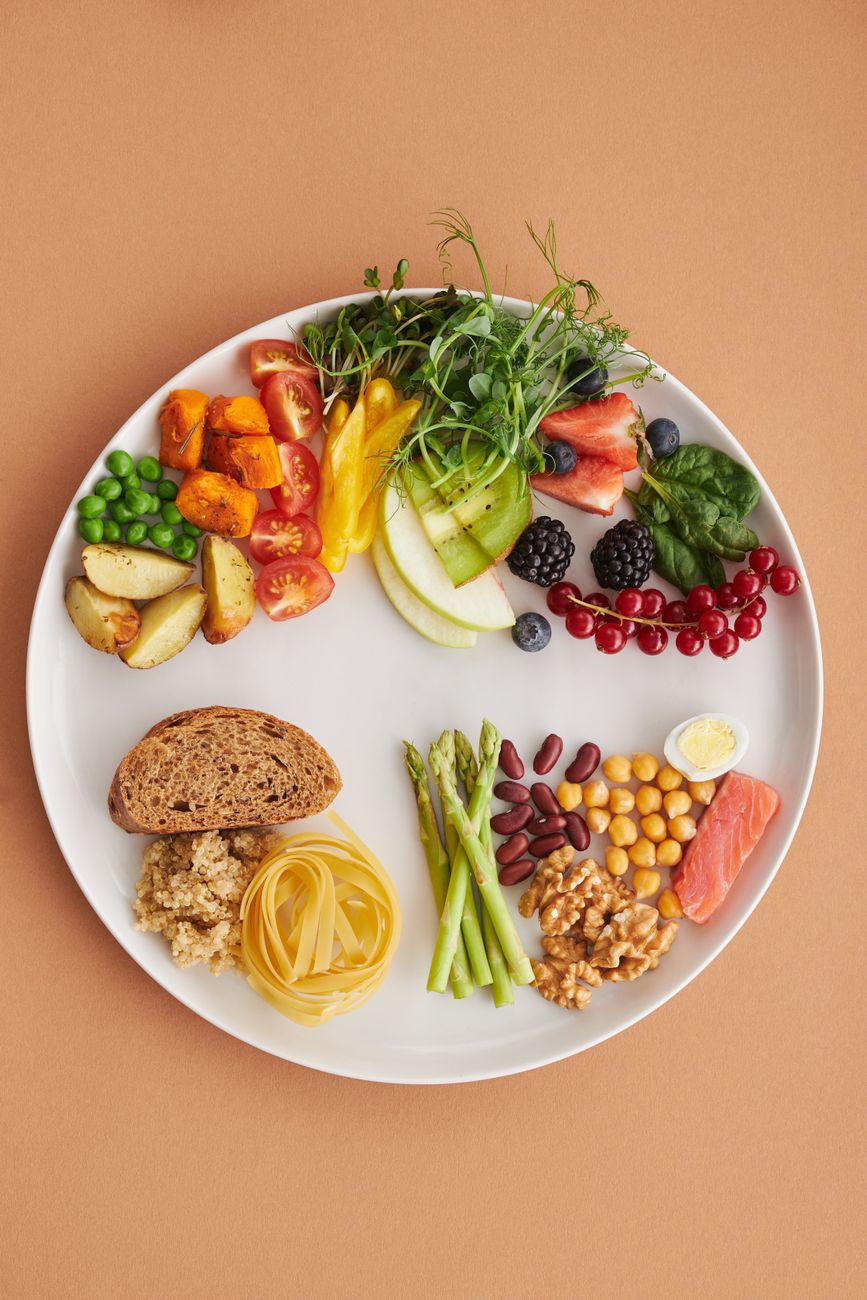
  • Eating a variety of colorful fruits and vegetables
  • Staying well-hydrated
  • Considering evidence-based supplements when appropriate

Small, consistent changes to your eating pattern may contribute significantly to how your joints feel over time. Prefer sustainable dietary changes rather than quick fixes.

Do you think you will consider these practical advice and avoid the miracle-cure mentality that often surrounds joint health supplements? 

Thank you for reading! You can read more from me on my blog crisbiecoach and, please, subscribe!

Note that I performed fact check with Thaura AI, an ethical AI built by two brothers from Syria migrated to Germany shortly before the war began in 2011. They established successful careers in Germany’s tech industry and then moved on with establishing themselves as the ethical AI alternative.

The Carbohydrate Conundrum: Why Complex Carbs Are Your Vegan Best Friend

In the world of nutrition, carbohydrates have gotten a bad rap. For decades, we’ve been told that carbs are the enemy of weight loss and health. But what if I told you that the right kind of carbohydrates could actually be your greatest ally on a plant-based journey?

Carbohydrates: More Than Just Energy

Contrary to popular belief, carbohydrates aren’t just about energy, they’re essential for optimal bodily function. They serve as the primary fuel source for both our brains and muscles. When we consume complex carbohydrates from whole plant foods, we’re not just getting calories; we’re getting a nutritional powerhouse that comes packaged with vitamins, minerals, and phytochemicals that our bodies crave.

Research consistently shows that populations consuming the most carbohydrates—particularly those from plant sources like beans, whole grains, fruits, and vegetables—demonstrate significantly lower risks of heart disease, type 2 diabetes, and obesity. These findings challenge the conventional wisdom that has demonized this macronutrient for decades.

Understanding the Carb Spectrum

Not all carbohydrates are equal. The nutritional landscape divides them into two main categories:

Simple carbohydrates consist of one or two sugar molecules. Think of these as the “quick energy” sources, often stripped of their natural fiber and nutritional value. These include added sugars, syrups (even the seemingly “healthy” agave), and refined white flour products.

Complex carbohydrates are the real stars of the plant-based world. Made up of multiple sugar molecules (polysaccharides), these include starch and fiber. Complex carbohydrates maintain their natural integrity and provide sustained energy release. Examples include beans, oatmeal, 100% whole-wheat bread, quinoa, barley, potatoes, and sweet potatoes.

The key distinction lies in their nutritional density. Complex carbohydrates come wrapped in a package that nature designed for optimal human health.

The Weight Loss Paradox

One of the most persistent myths in nutrition is that carbohydrates cause weight gain. Let’s look at the facts: gram for gram, fat contains more than twice the calories of carbohydrates. One gram of fat packs 9 calories, while one gram of carbohydrate contains only 4 calories.

The real culprit behind weight gain isn’t the carbohydrates themselves, but what we add to them. Consider the humble potato, nutritious and low in calories. Yet when we deep-fry it in oil to make French fries, or load it with butter and sour cream, we’re adding significant caloric density.

Quality matters immensely. A diet high in refined carbohydrates can indeed contribute to weight gain, as these foods are less filling and nutrient-dense compared to their complex counterparts. However, complex carbohydrates from whole grains, vegetables, and legumes are associated with less weight gain and greater satiety.

Diabetes Prevention Through Plant Power

The relationship between carbohydrates and diabetes is particularly significant. While some might fear that all carbs spike blood sugar, research tells a different story. A diet emphasizing healthful plant-based carbohydrates—vegetables, fruits, whole grains, and legumes—actually helps prevent diabetes and improves its management.

Studies revealed that consuming large amounts of animal protein increased diabetes risk by 13%. Remarkably, simply replacing 5% of daily calories from animal protein with vegetable protein decreased diabetes risk by 23%.

The Hidden Dangers of Low-Carb Diets

While some low-carb diets may produce short-term weight loss, they’re not sustainable or healthy long-term solutions. Many popular low-carb approaches severely limit or eliminate fruits, starchy vegetables, whole grains, and legumes, foods that are nutritional powerhouses.

The result? Diets that are often deficient in essential nutrients like thiamine, folate, vitamins A and E, vitamin B6, calcium, magnesium, iron, and potassium. Without proper supplementation, individuals on low-carb diets face multiple nutritional deficiencies.

Moreover, these diets tend to be low in fiber and high in saturated fat and cholesterol, factors known to contribute to additional health problems. Studies increasingly link low-carb diets to increased long-term health risks and difficulties in maintaining weight loss.

The Bottom Line

Complex carbohydrates from whole plant foods aren’t just acceptable in a healthy diet, they’re essential. They provide sustained energy, essential nutrients, and protective compounds that support optimal health. When we choose beans over added sugars, whole grains over refined flours, and fruits over syrups, we’re making choices that nourish our bodies rather than simply fill them.

The next time someone tells you to “cut the carbs,” you might want to ask them which carbs they’re referring to. Because when it comes to the complex, fiber-rich carbohydrates found in nature’s bounty, the science is clear: these are foods we should be embracing, not avoiding.

So I have to wonder. After learning about the incredible benefits of complex plant-based carbohydrates, would you be willing to change your mind about carbs? Or do you still believe that all carbohydrates are the enemy of a healthy diet? Let me know your opinion and experience in the comments!

Thank you for reading! You can read more from me on my blog crisbiecoach and, please, subscribe!

Note that I performed fact check with Thaura AI, an ethical AI built by two brothers from Syria migrated to Germany shortly before the war began in 2011. They established successful careers in Germany’s tech industry and then moved on with establishing themselves as the ethical AI alternative.

Beyond the Easter Lamb: Embracing Vegan Meal Prep for a Compassionate Future

Today is Easter. Many traditions center around symbolic meals and communal gatherings. Yet the traditional centerpiece of lamb on Easter tables represents a practice increasingly at odds with modern ethical and health considerations. This Easter, consider transforming your holiday celebrations through thoughtful vegan meal preparation that honors both compassion and well-being.

The ethical implications of lamb consumption extend beyond individual choices to environmental impact and animal welfare. Lamb production requires significantly more resources than plant-based alternatives, with higher carbon footprints and water usage. By shifting to plant-based meals, we reduce demand for industries that contribute to environmental degradation while aligning our actions with values of kindness and non-violence.

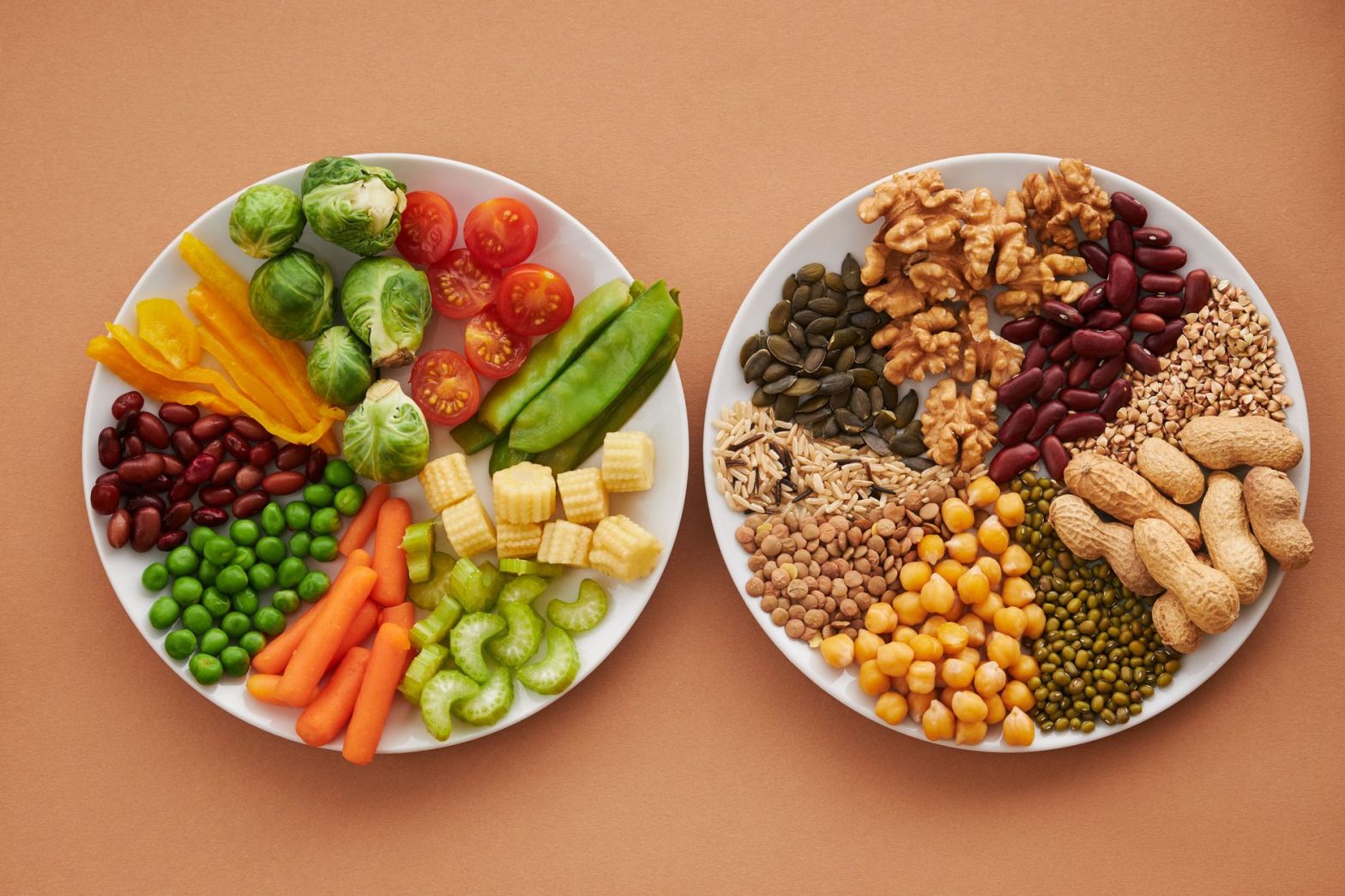
Health considerations further support the vegan transition. Plant-based meals naturally lower cholesterol intake while increasing fiber, vitamins, and antioxidants. The Mediterranean-inspired approach to vegan eating demonstrates that plant-based diets can be both nutritious and satisfying, providing complete protein through diverse whole foods like legumes, nuts, seeds, and whole grains.

Practical Vegan Meal Preparation

Successful vegan cooking begins with strategic planning. Batch cooking grains like quinoa and brown rice provides versatile foundations for multiple dishes. Roasting vegetables in advance develops deeper flavors while extending usability. Creating colorful plates naturally ensures nutrient diversity without complex tracking.

Flavor development without animal products relies on techniques like umami enhancement through fermentation (tempeh, miso), mushroom powders, and nutritional yeast. Healthy fats from avocados, nuts, and seeds contribute to satiety while adding richness.

The transition to vegan eating benefits from gradual changes rather than complete transformation. Starting with meatless meals during Easter and other holidays allows your body to slowly adjust while demonstrating that compassion can coexist with celebration. Each plant-based meal represents meaningful progress toward personal values and planetary health.

This Easter, consider how your food choices reflect your values. The shift from traditional lamb to plant-based meals creates opportunities to build new traditions that honor both life and well-being beginning with your own plate.

Happy Easter to you, your family and friends!

Thank you for reading! You can read more from me on my blog crisbiecoach and, please, subscribe!

The Evolving Mediterranean Diet: Add Timing to Your Table

For decades, the Mediterranean diet has stood as the gold standard of healthy eating. And like any living tradition, it continues to evolve. The latest revolution comes not from ingredient changes, but from temporal wisdom, a new approach that recognizes when we eat matters as much as what we eat.

Beyond Food Groups: The Chrononutrition Revolution

The Italian Society of Human Nutrition (SINU) has reimagined the classic Mediterranean pyramid, integrating cutting-edge chrononutrition research with traditional wisdom. This isn’t your grandmother’s food pyramid anymore. The new model preserves the plant-based foundation—fruits, vegetables, whole grains, legumes, and extra-virgin olive oil—but adds crucial timing cues.

What makes this approach revolutionary is its biological precision. The pyramid now incorporates circadian timing principles, using sun and moon symbols to indicate optimal consumption times throughout the day. This reflects how our bodies evolved to process foods differently at various hours.

Timing Your Way to Better Health

The science behind chrononutrition reveals fascinating insights about our internal clocks. The new pyramid recommends strategic timing: breakfast returns to its central importance, lunch remains the most substantial meal, and dinner becomes lighter and earlier. This approach aligns with our natural metabolic rhythms when digestion and nutrient absorption function most efficiently.

Research shows that aligning meal timing with our biological clock can improve metabolic health, enhance weight management, and potentially reduce chronic disease risk. The Italian Society of Endocrinology and the Italian Society of Dietetics and Clinical Nutrition collaborated on this innovative approach that preserves traditional dietary patterns while incorporating modern chronobiology.

Practical Implementation for Modern Life

Adopting this approach doesn’t require dramatic lifestyle overhauls. Start by gradually shifting dinner earlier by 30-60 minutes. Experiment with making lunch your most substantial meal. Listen to your body’s natural hunger cues while respecting the timing principles.

The beauty lies in its flexibility. While the pyramid offers general guidelines, it acknowledges individual differences. Our chronotypes (whether we’re natural early birds or night owls) influence optimal meal timing. This personalization makes the approach sustainable for diverse lifestyles.

Environmental and Cultural Sustainability

The updated pyramid also strengthens environmental considerations, emphasizing locally grown, seasonal foods and reducing red meat consumption compared to previous versions. This dual focus on personal and planetary health makes the Mediterranean approach uniquely comprehensive for our times.

Your Invitation to Temporal Wellness

As you consider your next meal choices, I hope you’ll reflect on not just what nourishes you, but when. The Mediterranean diet’s evolution reminds us that true wellness comes from honoring both the wisdom of tradition and the insights of modern science.

What do you think about this harmonious approach to eating? Would you agree that it feeds your body, respects your rhythms, and honors the timeless wisdom of Mediterranean living?

Thank you for reading! You can read more from me on my blog crisbiecoach and, please, subscribe!


Beyond Meat: How Cities Are Pioneering Healthier, Greener Food Systems

In communities across the world, local governments are quietly revolutionizing how they eat: school lunch, city hall meeting, and food procurement policy. The movement toward plant-based diets represents one of the most practical, scalable solutions to our interconnected climate, health, and sustainability challenges. As urban populations grow and climate impacts intensify, cities are uniquely positioned to lead the transition toward more sustainable food systems that benefit both people and the planet.

The Food-Climate Connection We Can’t Ignore

What we eat matters far more than most people realize. Animal agriculture accounts for approximately 14.5% of global greenhouse gas emissions – more than the entire transportation sector combined. Meanwhile, diet-related diseases like heart disease, diabetes, and certain cancers remain leading causes of death and disability worldwide. The Guarini Center research reveals that shifting toward plant-forward diets isn’t just an ethical choice but it’s a practical strategy that addresses multiple crises simultaneously. When cities prioritize plant-based foods in public institutions, they create ripple effects that extend far beyond cafeteria walls, influencing local economies, public health outcomes, and environmental quality for generations to come.

Smart Policy Tools for Plant-Forward Transformation

Cities have powerful levers to drive dietary change without restricting individual choice. The toolkit outlines several innovative approaches:

Procurement Power: By changing purchasing standards for schools, hospitals, and government facilities, municipalities can dramatically increase demand for plant-based foods. This creates market signals that ripple through the entire food system, encouraging farmers and food producers to adapt to shifting preferences.

Information Campaigns: Public education campaigns that highlight the health and environmental benefits of plant-forward eating can shift cultural norms. When combined with appealing, accessible plant-based options, these campaigns create lasting behavioral change.

Strategic Planning: Incorporating meat reduction targets into city climate action plans transforms abstract goals into concrete, measurable commitments. This approach allows cities to track progress and adjust strategies based on real-world results.

Regulatory Innovation: While more controversial, some cities are exploring regulatory approaches like meat taxes or subsidies for plant-based alternatives. These tools require careful design to ensure equity and avoid disproportionate impacts on vulnerable communities.

The AI Advantage in Food System Transformation

Artificial intelligence offers unprecedented opportunities to accelerate the plant-forward transition. AI-powered systems can optimize procurement processes, reduce food waste through demand forecasting, and personalize nutritional recommendations for diverse populations. Machine learning algorithms can analyze purchasing patterns to identify the most effective interventions, while predictive models help cities plan for changing dietary preferences and supply chain disruptions.

However, the Guarini Center emphasizes that technology must serve community needs rather than drive policy. AI solutions should prioritize accessibility, cultural sensitivity, and equity, ensuring that plant-forward eating remains inclusive across socioeconomic, cultural, and geographic boundaries. The most successful initiatives combine technological innovation with community engagement, ensuring that policies reflect local values and needs.

Building Healthier Communities, One Meal at a Time

The transition toward plant-forward diets represents hope in an era of complex challenges. By leveraging local government authority, embracing innovation, and centering community needs, cities can create food systems that are healthier, more sustainable, and more equitable for all residents. These initiatives prove that systemic change doesn’t always require massive federal action but sometimes the most powerful transformations begin right in our own communities.

The question for all of us is: What role will we play in building the food systems of tomorrow? Whether as consumers, advocates, or engaged citizens, each of us has the power to contribute to this vital transformation. The tools and strategies outlined by the Guarini Center show us that a plant-forward future is just possible.

Thank you for reading! You can read more from me on my blog crisbiecoach and, please, subscribe!


The Cheesy Truth: How Sustainable Dairy Practices Win Consumer Hearts

When shoppers reach for milk or cheese in the supermarket, they’re increasingly making decisions based on more than just price and taste. A growing body of research reveals that environmental and ethical practices in dairy production create powerful “humane halos” – positive perceptions that significantly influence purchasing behavior.

Beyond the Carton: What Consumers Really Want

Recent studies indicate that approximately 80% of dairy consumers now prioritize sustainability and brands that align with their social values. This shift represents a fundamental change in how people evaluate dairy products, moving beyond traditional factors like brand recognition and nutritional content to include environmental impact and animal welfare considerations.

The Humane Halo Effect

The concept of “humane halos” refers to how companies perceived as environmentally responsible or ethically operated benefit from enhanced brand reputation. When dairy farms implement sustainable practices – such as reducing carbon footprints, improving animal welfare standards, or implementing regenerative agricultural techniques, consumers develop positive associations that extend beyond the specific practice itself.

This psychological phenomenon means that once a brand establishes credibility in sustainability areas, consumers tend to view their entire product line more favorably, even if other aspects remain unchanged.

Marketing Realities vs. Consumer Expectations

The research highlights an important gap between what consumers expect and what they actually receive. Many companies recognize that ethical considerations strongly influence purchasing decisions, leading to increased marketing of sustainable practices. However, consumers have become more sophisticated in distinguishing between genuine commitment and superficial “greenwashing.”

What This Means for the Dairy Industry

For dairy producers, the message is clear: environmental and ethical practices are no longer optional extras but essential components of competitive strategy. Companies that authentically implement sustainable practices benefit from:

  • Enhanced brand loyalty
  • Willingness to pay premium prices
  • Positive word-of-mouth marketing
  • Improved employee satisfaction and retention

Making Informed Choices as Consumers

As conscious consumers gain more information about food production systems, they’re demanding greater transparency. The rise of certifications, blockchain traceability, and detailed sustainability reporting reflects this trend. Smart companies are responding by providing verifiable information about their environmental and ethical practices.

Looking Ahead

The dairy industry stands at a crossroads where profitability and sustainability must work together rather than compete. Forward-thinking companies are discovering that environmental stewardship and animal welfare aren’t just ethical obligations, they’re powerful business drivers that resonate deeply with today’s values-conscious consumers.


Key Takeaways:

  • 80% of consumers prioritize sustainability and ethical alignment when choosing dairy products
  • Humane halos create positive brand associations that extend across entire product lines
  • Consumers increasingly distinguish between genuine sustainability and marketing fluff
  • Environmental practices are becoming essential business strategy, not just ethical choices

Ready to make more informed dairy choices? Look beyond the marketing claims and research brands that provide transparent, verifiable information about their environmental and ethical practices. Share your favorite sustainable dairy brands in the comments below – let’s build a community of conscious consumers!

Thank you for reading! You can read more from me on my blog crisbiecoach and, please, subscribe!


How Retailers Can Win with Plant-Based Foods: Urban vs. Rural Strategies That Actually Work

Imagine walking into your local grocery store. You’re curious about trying plant-based burgers or almond milk, but the shelf is nearly empty. Or maybe you see a wall of options, but the prices make you pause. What makes you pick one over the other?

New research reveals that where you live, city or countryside, changes everything about how retailers should stock, price, and promote plant-based foods. And the results might surprise you.


What Actually Moves the Needle?

A four-year study of over 20,000 Italian grocery stores found that three retail strategies make the biggest difference:

  1. Assortment: More Choices, More Sales
    • Stores with a wider variety of plant-based options saw a consistent boost in sales, especially in rural areas.
    • Why? Limited choices push people back to familiar animal products. Rural people, in particular, respond strongly to variety, likely because they’ve had fewer options.
  2. Price Promotions: Urban Shoppers Love a Deal
    • Discounts and promotions worked best in cities and towns, where competition is fierce and people are used to comparing prices.
    • Rural consumers? Not so much. Promotions had little impact outside urban areas, except for plant-based.
  3. Relative Price: Not the Game-Changer You’d Expect
    • Even though plant-based products often cost more, price alone didn’t significantly sway market share.
    • Consumers choosing plant-based foods are often motivated by health, ethics, or the environment, not just cost. However, price sensitivity was slightly higher in rural areas, where budgets may be tighter.

The Bigger Picture: What Consumers Really Want in 2026

The plant-based market isn’t just for vegans anymore. More and more citizens have been buying plant-based foods during the last years, and most of them also buy animal products. The real growth is coming from flexitarians, those who mix plant and animal foods for health, convenience, or sustainability.

Trends to Watch:

  • Clean labels and whole foods are in. Consumers are reading ingredient lists and walking away from overly processed options.
  • Health and nutrition now drive purchases more than environmental concerns, which is a pity considering the impact that our food choices have. But let’s says that it’s a starting point to become more aware.
  • Convenience and taste are non-negotiable. Brands that deliver on both are winning.

Why This Matters for the Future

The plant-based market is projected to grow from 14.79 billion in 2026 to €46.04 billion by 2036, driven by mainstream adoption and innovation. Retailers who adapt their strategies to local needs, and focus on variety, smart promotions, and clear value will lead the change.

The future of plant-based food isn’t about replacing animal products overnight. It’s about giving everyone real choices, real value, and real reasons to try something new.

What’s your experience with plant-based shopping? Have you noticed these trends in your local stores? Let’s discuss in the comments!

Thank you for reading! You can read more from me on my blog crisbiecoach and, please, subscribe!

France’s Bold Step: Why Reducing Meat is a Win for Health and the Planet

France, a country synonymous with beef bourguignon among other meat based food, has made headlines by urging its citizens to “limit” meat consumption as part of its updated National Strategy for Food, Nutrition and Climate. This move is not just about climate action, it’s a recognition that our food choices have profound consequences for both our health and the environment.

As someone who has embraced vegetarianism for years and is now reducing dairy and fish for environmental reasons, I see France’s guidelines as a necessary and inspiring shift. Here’s why I support this change, and why you might consider it too.


France’s New Guidelines: What’s Changing?

France’s updated strategy aims to align food habits with climate goals by 2030. The key recommendations include:

  • Prioritizing whole foods: Fruits, vegetables, legumes, nuts, and whole grains take center stage.
  • Limiting meat and charcuterie: While not banning meat, the guidelines encourage moderation.
  • Reducing imported meat: A nod to the carbon footprint of global food chains.
  • Moderate dairy and fish: These are allowed in “sufficient” amounts, but the environmental impact of dairy, especially cow’s milk, which emits three times more greenhouse gases than plant-based alternatives, is acknowledged.

The guidelines also emphasize local and sustainable agriculture, supporting farmers while cutting emissions.


The Environmental Case for Less Meat

The numbers are stark:

  • Food and agriculture contribute one-third of global greenhouse gas emissions, second only to fossil fuels.
  • A 100g serving of beef emits 15.5 kg CO2 equivalent—the same as driving 78.7 km in a car.
  • Livestock farming drives deforestation, water depletion, and biodiversity loss.

France’s push to reduce meat aligns with global research. The EAT-Lancet Commission and the IPCC both highlight plant-based diets as critical for sustainability. Yet, critics argue that “limiting” meat isn’t enough—we need systemic change.


Health Benefits: A Double Win

Beyond the planet, reducing meat improves health:

  • Lower risk of heart disease, diabetes, and certain cancers (WHO).
  • More fiber and nutrients from plant-based diets.
  • Cost savings: With meat prices rising, many French citizens are already cutting back for financial reasons.

France’s guidelines reflect a growing awareness: what’s good for the planet is good for us.


My Journey: From Vegetarian to Plant-Based

I’ve been vegetarian for years, but my commitment to sustainability has led me to reduce dairy and fish too. Here’s why:

  • Dairy’s carbon footprint: Cow’s milk is far more resource-intensive than plant alternatives.
  • Overfishing: Our oceans are under strain, and even “sustainable” fish has an impact.

For two years, I’ve participated in Veganuary, a global pledge to try vegan for January. It’s a powerful way to explore plant-based living and the recipes are delicious!


Is “Limiting” Meat Enough?

France’s use of “limit” instead of “reduce” has drawn criticism. Activists argue for clearer targets, like the UK’s recommendation to cut meat by 20% by 2030. But this is a start, a cultural shift in a country where meat is deeply embedded in tradition.

What can you do?

  • Try Meat Free Mondays or join Veganuary next year.
  • Swap beef for lentils or mushrooms in classic dishes.
  • Explore French plant-based recipes (yes, they exist!).

Conclusion: A Plate for the Future

France’s guidelines are a reminder that food is climate action. As someone who’s seen the benefits firsthand for my health, I’m heartened by this step. It’s not about perfection; it’s about progress, and the will to give my contribution in an effective way.


Ready to try? Share your favorite plant-based recipe in the comments and start with joining the Meat Free Monday campaign and skip meat one day a week!

Thank you for reading! Please sign up for my blog crisbiecoach so you don’t miss out on any posts!


How Can Stress Shape Your Health

Stress is often misunderstood. While it’s commonly seen as harmful, it’s actually a vital biological response that helps us adapt, survive, and grow. The key lies in how we manage it, and how well our body can return to balance after a challenge.


Understanding Stress: A Biological Response

Stress is the body’s reaction to any demand or change. It activates the autonomic nervous system, which is divided into two branches:

  • The Sympathetic Nervous System (SNS): This is your “fight or flight” mode. It prepares the body to respond to danger by increasing heart rate, blood pressure, and energy availability.
  • The Parasympathetic Nervous System (PNS): This is your “rest and digest” mode. It calms the body down after the threat has passed, restoring balance and promoting recovery.

A healthy stress response involves a dynamic balance between these two systems. Problems arise when the SNS is chronically activated and the PNS doesn’t get a chance to do its job.


When Stress Is Helpful

Not all stress is bad. Short bursts of stress (called eustress) can improve focus, boost performance, and strengthen resilience. It’s the kind of stress you feel before a big event or when tackling a challenge. This type of stress helps the body adapt and grow stronger.


What Happens During Stress

When you encounter a stressful situation, your brain signals the adrenal glands to release cortisol and adrenaline. These hormones mobilize energy, sharpen attention, and prepare the body for action.

However, if stress becomes chronic, cortisol levels remain elevated. This can disrupt sleep, digestion, immunity, and even hormone production. Over time, it contributes to fatigue, anxiety, and inflammation.


Oxidative Stress, Calcium, and Magnesium

Stress also affects your cells at a deeper level. Oxidative stress occurs when there’s an imbalance between free radicals and antioxidants. This damages cells and accelerates aging.

Two minerals play a key role here:

  • Magnesium: Helps regulate the nervous system, supports mitochondrial function, and protects against oxidative damage.
  • Calcium: Essential for muscle contraction and nerve signaling, but too much calcium in cells can be harmful if not balanced by magnesium.

When magnesium is low, calcium floods the cells, leading to overstimulation and inflammation. This imbalance is linked to anxiety, poor sleep, and chronic fatigue.


Emotions, Inflammation, and the Stress Connection

Emotional stress is a major driver of inflammation, which underlies many chronic diseases. When stress is persistent, the body releases pro-inflammatory cytokines, the chemical messengers that promote inflammation.

This affects not only physical health but also mental well-being. Inflammation in the brain is associated with depression, anxiety, and cognitive decline. It also impairs digestion, immunity, and cardiovascular function.

Learning to regulate emotional stress is essential. Practices like mindfulness, journaling, and breathwork can reduce inflammation and restore balance.


Why We Struggle to Let Go

Many people live in a constant state of stress because they don’t know how to “switch off” the sympathetic nervous system. They stay in fight-or-flight mode even when the threat is gone.

Letting go, whether of control, expectations, or unresolved emotions, is a powerful way to activate the parasympathetic system. This allows the body to heal, digest, and regenerate.


What You Can Change

You can’t eliminate stress entirely, but you can change how you respond to it. Here are some practical steps:


To conclude, stress is not the enemy, it’s a messenger. It tells you when something needs attention, change, or healing. By understanding how stress works and learning to manage it, you can transform it from a source of harm into a catalyst for growth.

What are your strategies to fight stress? Share them in the comments!


Thank you for reading! You can read more from me on my blog crisbiecoach and, please, subscribe!

References and Further Reading


Rebuilding a Healthy Relationship with Food: 3 Steps to Ease Anxiety and Find Joy in Eating

For many of us, the journey toward healthier eating starts with good intentions: we want to feel better, improve our energy, or enhance our physical health. But what happens when the pursuit of “clean” or “healthy” eating crosses the line into obsession? When every meal becomes a source of stress, calculation, or guilt, it’s time to pause and reflect.

Psychologists specializing in eating disorders, highlight that when food occupies more mental space than it does on your plate, it’s no longer about wellness, it’s about anxiety. This phenomenon, often called orthorexia nervosa, is characterized by an extreme preoccupation with eating only “pure” or “healthy” foods, leading to rigid dietary rules, social isolation, and even malnutrition.


Recognizing the Signs: When Healthy Eating Becomes Harmful

1. The Slippery Slope from Healthy to Hyper-Controlled

At first, the shift is subtle. You might start by cutting out processed foods, then sugar, then carbs, then entire food groups. Before you know it, you’re carrying Tupperware everywhere, avoiding social events for fear of “slipping up,” and feeling intense guilt after eating anything not on your “approved” list.

Red flags to watch for:

  • Planning meals days or weeks in advance, with no room for spontaneity.
  • Avoiding social gatherings where food is involved.
  • Feeling no pleasure in eating, only control or fear.
  • Defining yourself by your dietary restrictions (e.g., “I’m the one who never eats gluten/dairy/meat”).

It’s important to know that orthorexia nervosa can lead to malnutrition, social withdrawal, and significant distress.


2. Listening to Your Body, Not Just Your Rules

Friends and family might notice physical changes like weight loss, fatigue, or a pale complexion but the real damage is often invisible. Internally, you may experience:

  • Unusual fatigue or low energy.
  • Loss of menstrual cycle (in women obviously).
  • Blood test abnormalities (low potassium, calcium, etc.).
  • Obsessive thoughts about food, guilt after eating, or shame about your habits.

Why it matters: These symptoms are your body’s way of signaling that something is wrong. You don’t need to “hit rock bottom” to seek help. Early intervention can prevent long-term health consequences.


3. Reconnecting Beyond the Plate

When food becomes a source of anxiety, even simple activities like dining out or family meals can feel overwhelming. You might dread comments like, “Are you sure you should eat that?” or “You’re so disciplined!”

How to rebuild connections:

  • Shift the focus: Plan activities with loved ones that don’t revolve around food, something like hikes, cinema, or craft workshops.
  • Set boundaries: Politely let others know if food is a sensitive topic for you. For example, “I’d love to catch up, but let’s talk about something other than what’s on my plate.”
  • Prioritize presence: Encourage friends and family to focus on the joy of being together, not on what or how much you’re eating.

Practical Steps to Heal Your Relationship with Food

1. Challenge Rigid Rules

Start small: allow yourself one “unplanned” meal a week. Notice how it feels to eat without strict guidelines. Gradually, this can help reduce anxiety and rebuild trust in your body’s signals.

2. Seek Support Without Shame

Therapy, support groups, or even confiding in a trusted friend can break the cycle of isolation. Remember, you’re not “weak” for asking for help, you’re brave.

3. Rediscover Joy in Eating

Mindful eating: slowly savoring flavors, textures, and the experience of a meal can help you reconnect with food as a source of pleasure, not stress.


Final Thought: Food is meant to nourish both body and soul. If your relationship with eating feels more like a battle than a celebration, it’s okay to ask for help. Healing starts with one small, compassionate step toward yourself.


What’s your biggest challenge with food and eating? Share in the comments, I’d love to hear your story.

Thank you for reading! Please sign up for my blog crisbiecoach so you don’t miss out on any posts!