
The Carbohydrate Conundrum: Why Complex Carbs Are Your Vegan Best Friend

In the world of nutrition, carbohydrates have gotten a bad rap. For decades, we’ve been told that carbs are the enemy of weight loss and health. But what if I told you that the right kind of carbohydrates could actually be your greatest ally on a plant-based journey?

Carbohydrates: More Than Just Energy

Contrary to popular belief, carbohydrates aren’t just about energy, they’re essential for optimal bodily function. They serve as the primary fuel source for both our brains and muscles. When we consume complex carbohydrates from whole plant foods, we’re not just getting calories; we’re getting a nutritional powerhouse that comes packaged with vitamins, minerals, and phytochemicals that our bodies crave.

Research consistently shows that populations consuming the most carbohydrates—particularly those from plant sources like beans, whole grains, fruits, and vegetables—demonstrate significantly lower risks of heart disease, type 2 diabetes, and obesity. These findings challenge the conventional wisdom that has demonized this macronutrient for decades.

Understanding the Carb Spectrum

Not all carbohydrates are equal. The nutritional landscape divides them into two main categories:

Simple carbohydrates consist of one or two sugar molecules. Think of these as the “quick energy” sources, often stripped of their natural fiber and nutritional value. These include added sugars, syrups (even the seemingly “healthy” agave), and refined white flour products.

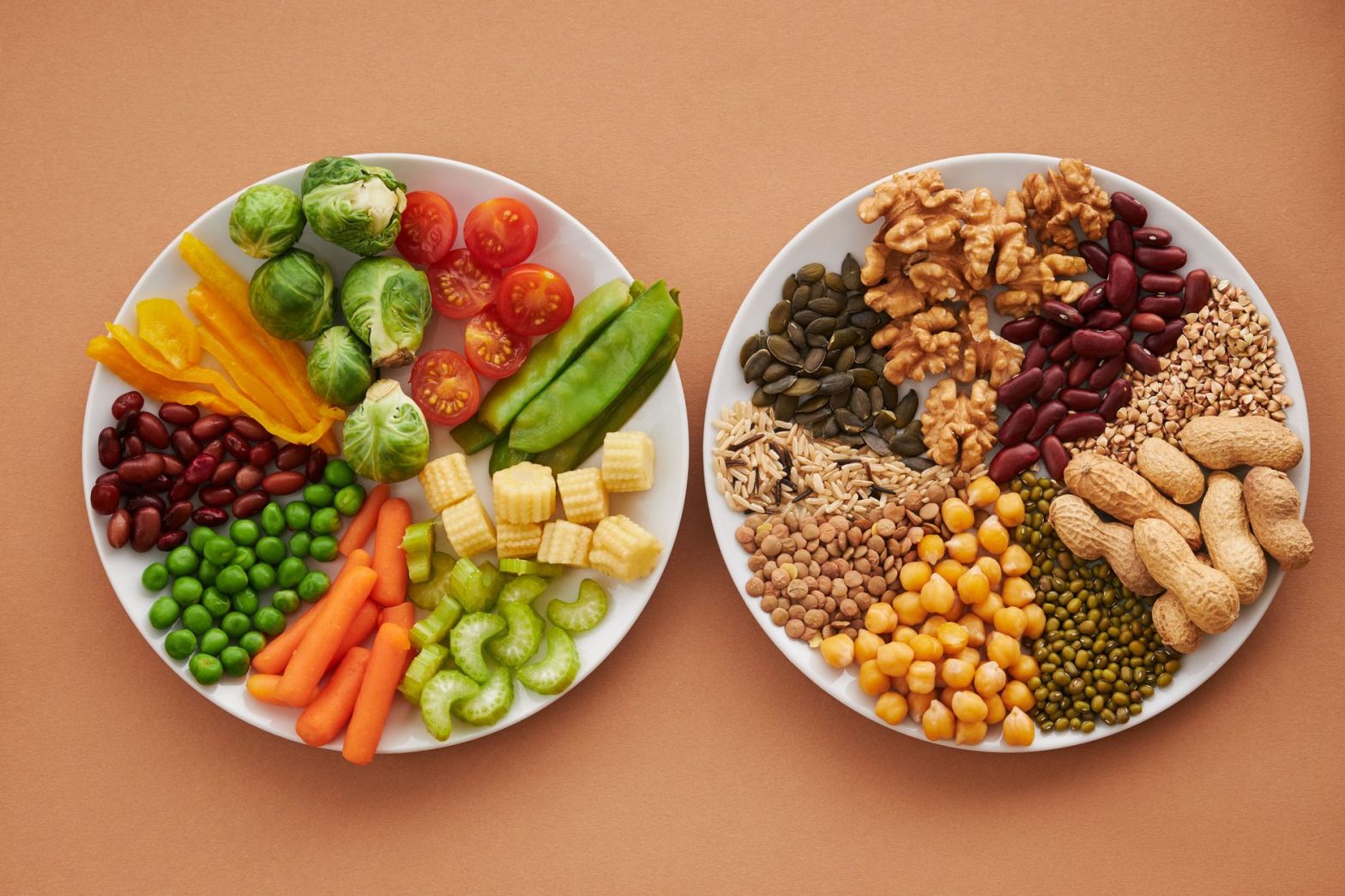
Complex carbohydrates are the real stars of the plant-based world. Made up of multiple sugar molecules (polysaccharides), these include starch and fiber. Complex carbohydrates maintain their natural integrity and provide sustained energy release. Examples include beans, oatmeal, 100% whole-wheat bread, quinoa, barley, potatoes, and sweet potatoes.

The key distinction lies in their nutritional density. Complex carbohydrates come wrapped in a package that nature designed for optimal human health.

The Weight Loss Paradox

One of the most persistent myths in nutrition is that carbohydrates cause weight gain. Let’s look at the facts: gram for gram, fat contains more than twice the calories of carbohydrates. One gram of fat packs 9 calories, while one gram of carbohydrate contains only 4 calories.

The real culprit behind weight gain isn’t the carbohydrates themselves, but what we add to them. Consider the humble potato, nutritious and low in calories. Yet when we deep-fry it in oil to make French fries, or load it with butter and sour cream, we’re adding significant caloric density.

Quality matters immensely. A diet high in refined carbohydrates can indeed contribute to weight gain, as these foods are less filling and nutrient-dense compared to their complex counterparts. However, complex carbohydrates from whole grains, vegetables, and legumes are associated with less weight gain and greater satiety.

Diabetes Prevention Through Plant Power

The relationship between carbohydrates and diabetes is particularly significant. While some might fear that all carbs spike blood sugar, research tells a different story. A diet emphasizing healthful plant-based carbohydrates—vegetables, fruits, whole grains, and legumes—actually helps prevent diabetes and improves its management.

Studies revealed that consuming large amounts of animal protein increased diabetes risk by 13%. Remarkably, simply replacing 5% of daily calories from animal protein with vegetable protein decreased diabetes risk by 23%.

The Hidden Dangers of Low-Carb Diets

While some low-carb diets may produce short-term weight loss, they’re not sustainable or healthy long-term solutions. Many popular low-carb approaches severely limit or eliminate fruits, starchy vegetables, whole grains, and legumes, foods that are nutritional powerhouses.

The result? Diets that are often deficient in essential nutrients like thiamine, folate, vitamins A and E, vitamin B6, calcium, magnesium, iron, and potassium. Without proper supplementation, individuals on low-carb diets face multiple nutritional deficiencies.

Moreover, these diets tend to be low in fiber and high in saturated fat and cholesterol, factors known to contribute to additional health problems. Studies increasingly link low-carb diets to increased long-term health risks and difficulties in maintaining weight loss.

The Bottom Line

Complex carbohydrates from whole plant foods aren’t just acceptable in a healthy diet, they’re essential. They provide sustained energy, essential nutrients, and protective compounds that support optimal health. When we choose beans over added sugars, whole grains over refined flours, and fruits over syrups, we’re making choices that nourish our bodies rather than simply fill them.

The next time someone tells you to “cut the carbs,” you might want to ask them which carbs they’re referring to. Because when it comes to the complex, fiber-rich carbohydrates found in nature’s bounty, the science is clear: these are foods we should be embracing, not avoiding.

So I have to wonder. After learning about the incredible benefits of complex plant-based carbohydrates, would you be willing to change your mind about carbs? Or do you still believe that all carbohydrates are the enemy of a healthy diet? Let me know your opinion and experience in the comments!

Thank you for reading! You can read more from me on my blog crisbiecoach and, please, subscribe!

Note that I performed fact check with Thaura AI, an ethical AI built by two brothers from Syria migrated to Germany shortly before the war began in 2011. They established successful careers in Germany’s tech industry and then moved on with establishing themselves as the ethical AI alternative.

Beyond the Easter Lamb: Embracing Vegan Meal Prep for a Compassionate Future

Today is Easter. Many traditions center around symbolic meals and communal gatherings. Yet the traditional centerpiece of lamb on Easter tables represents a practice increasingly at odds with modern ethical and health considerations. This Easter, consider transforming your holiday celebrations through thoughtful vegan meal preparation that honors both compassion and well-being.

The ethical implications of lamb consumption extend beyond individual choices to environmental impact and animal welfare. Lamb production requires significantly more resources than plant-based alternatives, with higher carbon footprints and water usage. By shifting to plant-based meals, we reduce demand for industries that contribute to environmental degradation while aligning our actions with values of kindness and non-violence.

Health considerations further support the vegan transition. Plant-based meals naturally lower cholesterol intake while increasing fiber, vitamins, and antioxidants. The Mediterranean-inspired approach to vegan eating demonstrates that plant-based diets can be both nutritious and satisfying, providing complete protein through diverse whole foods like legumes, nuts, seeds, and whole grains.

Practical Vegan Meal Preparation

Successful vegan cooking begins with strategic planning. Batch cooking grains like quinoa and brown rice provides versatile foundations for multiple dishes. Roasting vegetables in advance develops deeper flavors while extending usability. Creating colorful plates naturally ensures nutrient diversity without complex tracking.

Flavor development without animal products relies on techniques like umami enhancement through fermentation (tempeh, miso), mushroom powders, and nutritional yeast. Healthy fats from avocados, nuts, and seeds contribute to satiety while adding richness.

The transition to vegan eating benefits from gradual changes rather than complete transformation. Starting with meatless meals during Easter and other holidays allows your body to slowly adjust while demonstrating that compassion can coexist with celebration. Each plant-based meal represents meaningful progress toward personal values and planetary health.

This Easter, consider how your food choices reflect your values. The shift from traditional lamb to plant-based meals creates opportunities to build new traditions that honor both life and well-being beginning with your own plate.

Happy Easter to you, your family and friends!

Thank you for reading! You can read more from me on my blog crisbiecoach and, please, subscribe!

Beyond Meat: How Cities Are Pioneering Healthier, Greener Food Systems

In communities across the world, local governments are quietly revolutionizing how they eat: school lunch, city hall meeting, and food procurement policy. The movement toward plant-based diets represents one of the most practical, scalable solutions to our interconnected climate, health, and sustainability challenges. As urban populations grow and climate impacts intensify, cities are uniquely positioned to lead the transition toward more sustainable food systems that benefit both people and the planet.

The Food-Climate Connection We Can’t Ignore

What we eat matters far more than most people realize. Animal agriculture accounts for approximately 14.5% of global greenhouse gas emissions – more than the entire transportation sector combined. Meanwhile, diet-related diseases like heart disease, diabetes, and certain cancers remain leading causes of death and disability worldwide. The Guarini Center research reveals that shifting toward plant-forward diets isn’t just an ethical choice but it’s a practical strategy that addresses multiple crises simultaneously. When cities prioritize plant-based foods in public institutions, they create ripple effects that extend far beyond cafeteria walls, influencing local economies, public health outcomes, and environmental quality for generations to come.

Smart Policy Tools for Plant-Forward Transformation

Cities have powerful levers to drive dietary change without restricting individual choice. The toolkit outlines several innovative approaches:

Procurement Power: By changing purchasing standards for schools, hospitals, and government facilities, municipalities can dramatically increase demand for plant-based foods. This creates market signals that ripple through the entire food system, encouraging farmers and food producers to adapt to shifting preferences.

Information Campaigns: Public education campaigns that highlight the health and environmental benefits of plant-forward eating can shift cultural norms. When combined with appealing, accessible plant-based options, these campaigns create lasting behavioral change.

Strategic Planning: Incorporating meat reduction targets into city climate action plans transforms abstract goals into concrete, measurable commitments. This approach allows cities to track progress and adjust strategies based on real-world results.

Regulatory Innovation: While more controversial, some cities are exploring regulatory approaches like meat taxes or subsidies for plant-based alternatives. These tools require careful design to ensure equity and avoid disproportionate impacts on vulnerable communities.

The AI Advantage in Food System Transformation

Artificial intelligence offers unprecedented opportunities to accelerate the plant-forward transition. AI-powered systems can optimize procurement processes, reduce food waste through demand forecasting, and personalize nutritional recommendations for diverse populations. Machine learning algorithms can analyze purchasing patterns to identify the most effective interventions, while predictive models help cities plan for changing dietary preferences and supply chain disruptions.

However, the Guarini Center emphasizes that technology must serve community needs rather than drive policy. AI solutions should prioritize accessibility, cultural sensitivity, and equity, ensuring that plant-forward eating remains inclusive across socioeconomic, cultural, and geographic boundaries. The most successful initiatives combine technological innovation with community engagement, ensuring that policies reflect local values and needs.

Building Healthier Communities, One Meal at a Time

The transition toward plant-forward diets represents hope in an era of complex challenges. By leveraging local government authority, embracing innovation, and centering community needs, cities can create food systems that are healthier, more sustainable, and more equitable for all residents. These initiatives prove that systemic change doesn’t always require massive federal action but sometimes the most powerful transformations begin right in our own communities.

The question for all of us is: What role will we play in building the food systems of tomorrow? Whether as consumers, advocates, or engaged citizens, each of us has the power to contribute to this vital transformation. The tools and strategies outlined by the Guarini Center show us that a plant-forward future is just possible.

Thank you for reading! You can read more from me on my blog crisbiecoach and, please, subscribe!


How Retailers Can Win with Plant-Based Foods: Urban vs. Rural Strategies That Actually Work

Imagine walking into your local grocery store. You’re curious about trying plant-based burgers or almond milk, but the shelf is nearly empty. Or maybe you see a wall of options, but the prices make you pause. What makes you pick one over the other?

New research reveals that where you live, city or countryside, changes everything about how retailers should stock, price, and promote plant-based foods. And the results might surprise you.


What Actually Moves the Needle?

A four-year study of over 20,000 Italian grocery stores found that three retail strategies make the biggest difference:

  1. Assortment: More Choices, More Sales
    • Stores with a wider variety of plant-based options saw a consistent boost in sales, especially in rural areas.
    • Why? Limited choices push people back to familiar animal products. Rural people, in particular, respond strongly to variety, likely because they’ve had fewer options.
  2. Price Promotions: Urban Shoppers Love a Deal
    • Discounts and promotions worked best in cities and towns, where competition is fierce and people are used to comparing prices.
    • Rural consumers? Not so much. Promotions had little impact outside urban areas, except for plant-based.
  3. Relative Price: Not the Game-Changer You’d Expect
    • Even though plant-based products often cost more, price alone didn’t significantly sway market share.
    • Consumers choosing plant-based foods are often motivated by health, ethics, or the environment, not just cost. However, price sensitivity was slightly higher in rural areas, where budgets may be tighter.

The Bigger Picture: What Consumers Really Want in 2026

The plant-based market isn’t just for vegans anymore. More and more citizens have been buying plant-based foods during the last years, and most of them also buy animal products. The real growth is coming from flexitarians, those who mix plant and animal foods for health, convenience, or sustainability.

Trends to Watch:

  • Clean labels and whole foods are in. Consumers are reading ingredient lists and walking away from overly processed options.
  • Health and nutrition now drive purchases more than environmental concerns, which is a pity considering the impact that our food choices have. But let’s says that it’s a starting point to become more aware.
  • Convenience and taste are non-negotiable. Brands that deliver on both are winning.

Why This Matters for the Future

The plant-based market is projected to grow from 14.79 billion in 2026 to €46.04 billion by 2036, driven by mainstream adoption and innovation. Retailers who adapt their strategies to local needs, and focus on variety, smart promotions, and clear value will lead the change.

The future of plant-based food isn’t about replacing animal products overnight. It’s about giving everyone real choices, real value, and real reasons to try something new.

What’s your experience with plant-based shopping? Have you noticed these trends in your local stores? Let’s discuss in the comments!

Thank you for reading! You can read more from me on my blog crisbiecoach and, please, subscribe!