
Cholesterol Myths: How Eggs, Cheese, and Omegas Actually Affect Your Heart

Cholesterol gets a bad rap, but it’s not the villain you think it is. It’s a waxy, fat-like substance your body needs to build cells, produce hormones, and digest food. Your liver makes all the cholesterol you require, yet diet still plays a role in how much circulates in your blood. The real issue isn’t cholesterol itself—it’s the imbalance between low-density lipoprotein (LDL), which can clog arteries, and high-density lipoprotein (HDL), which clears excess cholesterol from your bloodstream. Understanding this dynamic is key to protecting your heart without falling for outdated nutritional myths.

What Is Cholesterol, Really?

Think of cholesterol as a delivery system. LDL particles transport cholesterol to tissues, but when levels run high, they deposit plaque in artery walls. This process is called atherosclerosis that narrows vessels and raises the risk of heart attack or stroke. HDL acts as a cleanup crew, ferrying unused cholesterol back to the liver for disposal. Genetics account for roughly 60 to 80 percent of your baseline cholesterol levels, meaning diet alone won’t fix everything, but it certainly matters. Saturated fats, trans fats, and refined carbohydrates drive up LDL more than dietary cholesterol does for most people. That distinction reshapes how we approach eating for heart health.

Omega-3, Omega-6, and Omega-9: Not Created Equal

These three fatty acids sound similar but behave very differently in your body. Omega-3s are anti-inflammatory powerhouses. Found in fatty fish like salmon, mackerel, and sardines, as well as flaxseeds, chia seeds, and walnuts, they lower triglycerides, reduce clotting tendency, and may improve arterial flexibility. Experts recommend at least two servings of fatty fish weekly to reap these benefits.

Omega-6s are essential too—they support skin health, bone density, and metabolism—but modern diets skew heavily toward them. Vegetable oils like soybean, corn, and sunflower oil dominate processed foods, pushing the omega-6 to omega-3 ratio far beyond what our ancestors consumed. High omega-6 intake relative to omega-3 promotes inflammation, which fuels cardiovascular disease. Aim for a closer balance by swapping seed oils for olive or avocado oil and boosting omega-3 sources.

Omega-9s aren’t technically essential because your body synthesizes them, but monounsaturated fats like those in olive oil, avocados, and almonds still deserve a place on your plate. They help raise HDL while lowering LDL, offering a protective effect against heart disease.

Do Supplements Actually Work?

The supplement aisle promises miracles, but the evidence is mixed. Fish oil capsules containing EPA and DHA can lower triglycerides significantly, particularly in people with existing heart conditions or elevated lipid levels. However, large-scale studies haven’t consistently shown that omega-3 supplements prevent first heart attacks in healthy individuals. Whole foods remain superior, as you get fiber, antioxidants, and synergistic nutrients alongside the fats.

Plant sterols and stanols, found in fortified margarines, yogurts, and cereals, genuinely block cholesterol absorption in the gut and can shave 5 to 15 percent off LDL levels. These work best when paired with an overall heart-healthy pattern, not as standalone fixes. Before loading up on any supplement, check with a healthcare provider, especially if you take blood thinners, since high-dose omega-3s can increase bleeding risk.

Eggs and Cheese: The Real Story

Eggs sit at the center of decades of controversy. One large egg contains about 186 milligrams of dietary cholesterol, mostly in the yolk. For most people, eating one egg daily doesn’t spike LDL dramatically or increase heart disease risk. The bigger concern lies in what accompanies eggs—bacon, sausage, white toast, and sugary drinks create a metabolic storm no single food causes alone. Some research even suggests that phospholipids in eggs may modestly reduce lipid absorption and inflammation markers. People with diabetes or familial hypercholesterolemia should moderate intake, aiming for no more than seven eggs per week, according to cardiac guidelines.

Cheese presents a different puzzle. Hard cheeses like cheddar and parmesan pack saturated fat that raise LDL in many individuals. Yet fermented dairy also delivers calcium, protein, vitamin K2, and bioactive peptides that may blunt some negative effects. Recent observational studies show neutral or even slightly protective associations between moderate cheese consumption and cardiovascular outcomes, possibly due to the fermentation process altering fat structure. Opt for reduced-fat varieties if you have diagnosed high cholesterol or heart disease, and pair cheese with fiber-rich foods like whole grains or vegetables to slow fat absorption.

Foods That Fight Back

Certain foods actively improve your lipid profile. Soluble fiber binds bile acids in the intestine, forcing your liver to pull cholesterol from blood to replenish them. Oats, barley, beans, lentils, apples, and citrus fruits excel here. A handful of almonds or walnuts daily lowers LDL by replacing less healthy snacks. Garlic shows mild cholesterol-lowering properties in meta-analyses, though results vary. Dark leafy greens provide nitrates that support endothelial function, keeping arteries flexible. Fermented foods like kefir and sauerkraut nurture gut microbiota, emerging research links diverse microbial communities to better lipid metabolism.

Final Tip: Watch What You Eat, But Don’t Obsess

Heart health isn’t about eliminating joy from meals. It’s about consistency over perfection. Track patterns, not individual indulgences. Build plates around vegetables, legumes, whole grains, nuts, seeds, and fatty fish. Use olive oil generously. Limit ultra-processed foods, added sugars, and refined carbs, which quietly drive inflammation and dyslipidemia. Move your body regularly, manage stress, sleep adequately, and avoid smoking. Check your blood annually. If lifestyle shifts don’t move the needle after six months, medication may be necessary, and there’s no shame in that. Prevention works best when it starts early and sticks through decades, not just weeks before a blood test.

What do you do if you suffer from LDL cholesterol problems?

Thank you for reading! You can read more from me on my blog crisbiecoach and, please, subscribe!

Note that Thaura AI, the ethical AI, helped me perform a scientific summary.

Heatwave Hydration. What Science Says About Water, Tea, and Beer

As global temperatures climb and heatwaves become more frequent, staying hydrated is no longer just a summer trendy thing but it is a critical health necessity. When the mercury rises, our bodies work overtime to cool down, primarily through sweating. But while we all know we need to drink water, the specifics of what to drink, when to drink it, and whether you need expensive supplements can be confusing.

The science of hydration is nuanced. It isn’t just about chugging litres of water; it’s about timing, balance, and understanding how your body regulates temperature. Here is what experts say about safe and effective hydration and effectively during extreme heat.

Why Thirst Is Not Enough

Our bodies are constantly producing heat as a byproduct of cellular energy use. In normal conditions, we dissipate this heat through radiation and convection. However, when the external temperature exceeds skin temperature, these mechanisms fail. Sweating becomes the primary—and often only—way to cool down.

The problem is that thirst is a lagging indicator. By the time you feel thirsty, you have likely already lost 1% to 2% of your body mass in fluid, meaning you are already mildly dehydrated. Mild dehydration can cause headaches, fatigue, reduced concentration, and poorer physical performance. Severe dehydration puts strain on circulation and temperature regulation, potentially leading to life-threatening situations.

The Best Indicator: Don’t wait for thirst. Use the “pee test.” Pale-colored urine generally indicates good hydration, while dark yellow or brown urine suggests you need to drink more immediately.

Timing Matters: Sip, Don’t Gulp

Many people wake up dehydrated after losing water overnight through respiration. Starting your day with 300–500ml of water sets a stable baseline before daytime heat spikes. However, do not try to pre-load your entire day’s intake at once. Your kidneys will simply excrete excess fluid that cannot be immediately processed.

Instead, aim for moderate amounts frequently. A practical rule of thumb is to drink a large glass of water with every meal. This slows absorption and helps maintain steady levels throughout the day. If you plan to exercise, drink about 500ml two hours beforehand to allow your body to balance blood volume without the discomfort of sloshing fluid around during activity.

The Tea Paradox: Can Hot Drinks Cool You Down?

It may seem counterintuitive, but drinking tea or coffee in hot weather can actually help cool you down under certain conditions. When you consume a warm drink, your body’s heat receptors signal the brain to initiate cooling responses. Blood vessels near the skin widen, and sweat rate increases. This evaporative cooling can offset the heat from the drink itself.

Conversely, very cold drinks can pull blood away from the skin to warm the stomach, potentially reducing heat loss. However, personal preference plays a huge role. If you prefer cold drinks, you are likely to consume more of them, which is beneficial. The caveat? If humidity is high or you are exercising intensely, sweat won’t evaporate efficiently. In those cases, relying on the “tea cooling effect” is less effective, and plain water or electrolyte solutions are better choices.

Alcohol: The One-Pint Rule

Alcohol is a diuretic, meaning it suppresses vasopressin, the hormone that tells your kidneys to retain water. While one low-ABV drink (around 4%) may have a net-hydrating effect due to its water content, this benefit disappears quickly. Consuming two or three drinks leads to significant fluid loss. If you choose to drink alcohol during a heatwave, limit yourself to one pint and follow it with water.

Do You Need Electrolyte Supplements?

Marketing campaigns have made electrolytes seem essential for everyone, but for the average person, they are unnecessary. Most people get sufficient sodium, potassium, and magnesium from their regular diet. Sports drinks are designed for athletes who sweat heavily for extended periods (over an hour).

For most individuals, eating fruits like bananas and apples provides enough electrolytes. However, there is a risk to over-drinking plain water without any salt if you are sweating profusely. This can lead to hyponatremia, a dangerous condition where blood sodium levels become too diluted. To prevent this, pair your water with salty snacks or eat foods rich in minerals like avocados, sweet potatoes, and spinach.

Practical Tips for Staying Hydrated

  1. Start Early: Drink 300–500ml of water upon waking.
  2. Eat Your Water: Incorporate high-water-content foods like cucumber, watermelon, strawberries, and mango (all over 80% water).
  3. Watch the Sugar: Limit fruit juice to 150ml per day. Opt for tap or filtered water as your primary source.
  4. Caffeine is Fine: Moderate coffee and tea consumption does not significantly dehydrate you. The water content outweighs the mild diuretic effect.
  5. Listen to Your Body: If you feel fatigued or get a headache, check your urine color. Dark urine means drink up.

Staying hydrated doesn’t require complex protocols or expensive supplements. Consistent, mindful water intake, combined with a balanced diet, is the most effective strategy to protect your health during rising temperatures.

Quick Checklist:

  • [ ] Did I drink water within 30 minutes of waking up?
  • [ ] Is my urine pale yellow today?
  • [ ] Have I eaten water-rich fruits or vegetables?
  • [ ] Am I limiting alcohol to one drink max if it’s hot?

Do you think using this checklist will help you cope with the heatwave?

Thank you for reading! Please sign up for my blog crisbiecoach so you don’t miss out on any posts!

7 Unique Legumes to Transform Your Health: Beyond the Ordinary Beans

When most people think of legumes, they picture chickpeas, lentils, or kidney beans. Most probably you too. But the world of legumes offers a treasure trove of nutritious, delicious alternatives that can revolutionize your health while expanding your culinary horizons. These seven unique legumes, each with their own distinctive properties and benefits, are waiting to take their place on your plate.

Discovering Global Legume Diversity

Legumes have been dietary staples across cultures for millennia, yet many remain underutilized in Western diets. According to research, these plants offer nutritional qualities that complement traditional grains perfectly, particularly their high lysine (an essential amino acid) content which many grains lack. The scientific consensus among health professionals demonstrates that incorporating diverse legumes can significantly reduce chronic disease risks.

Let’s explore seven extraordinary legumes that deserve a place in your kitchen:

1. Dried Broad Beans (Fava Beans)

Rich in plant-based protein, dried broad beans have been cherished in Italian and Southeast Asian cuisines for centuries. What makes them particularly appealing is their convenience – they’re easy to prepare and cook quickly, making them perfect for busy lifestyles. Nutritionally, they’re relatively low in calories while providing substantial protein content, making them an excellent addition to weight management diets.

2. Black Chickpeas

Don’t let their small size fool you – black chickpeas pack a powerful nutritional punch. These tiny legumes are exceptionally rich in dietary fiber and iron, making them particularly beneficial for digestive health and blood oxygenation. Their versatility in the kitchen is unmatched; they can be added to soups, salads, or main dishes to enhance both nutritional value and visual appeal.

3. Square Peas

Historically associated with Lenten meals, square peas offer remarkable health benefits with minimal caloric impact. They provide substantial protein and fiber content while being remarkably low in calories, making them ideal weight management allies. Their satisfying texture and nutritional density help promote feelings of fullness, reducing overall calorie intake without sacrificing nutrition.

4. Tamarind

Known as “date palm of India” in Arabic, tamarind offers unique digestive benefits with its distinctive sweet-sour flavor. This tropical legume is particularly valued for its potassium and iron content, supporting both cardiovascular health and energy metabolism. Beyond its nutritional benefits, tamarind’s versatility extends from savory dishes to desserts, making it a culinary gem.

5. Adzuki Beans

Often called “Japan’s red beans,” adzuki beans are nutritional powerhouses rich in antioxidants. Scientific studies suggest they offer significant benefits for satiety and cardiovascular health while helping stabilize blood sugar levels. Their mild, slightly sweet flavor makes them adaptable to both sweet and savory preparations, from traditional Asian sweets to hearty stews.

6. Edamame

These immature soybeans represent one of the most nutritionally complete legumes available. Edamame provides exceptional fiber content, vitamins, and essential minerals like magnesium and calcium. Their remarkably low fat content makes them an ideal snack or addition to meals, supporting both weight management and overall nutritional needs.

7. White Lupins (Tramousses)

Particularly popular in Mediterranean and South American cuisines, white lupins stand out for their exceptional protein content – up to 38% digestible plant protein. What makes them unique among legumes is their naturally low antinutrient content, allowing them to be consumed with minimal preparation. Research indicates they may help reduce “bad” cholesterol and blood pressure, making them valuable for cardiovascular health.

The Science Behind Legume Benefits

Extensive research validates the health advantages of incorporating diverse legumes into your diet:

  • Cardiovascular Protection: Multiple studies show that regular legume consumption significantly reduces LDL cholesterol and total cholesterol levels. One review found LDL reductions of approximately 8.0 mg/dL and total cholesterol reductions of 11.8 mg/dL in participants following legume-rich diets.
  • Diabetes Management: Research demonstrates that legume consumption, particularly lentils, is associated with reduced risk of type 2 diabetes. Studies show improved glycemic control and better insulin sensitivity.
  • Weight Management: Incorporating legumes into daily diets has been shown to support healthy weight loss.
  • Cancer Prevention: Epidemiological studies involving 1.9 million participants found that higher legume consumption is associated with reduced risk of colorectal cancer.
  • Digestive Health: The high fiber and resistant starch content in legumes promotes healthy gut microbiome and regular bowel function.

Practical Integration Strategies

Adding these unique legumes to your diet can be simple and enjoyable:

  • Start with familiar preparations: Try adding black chickpeas to salads or edamame as a snack
  • Experiment with global cuisines: Explore traditional recipes from Mediterranean, Asian, or South American cooking
  • Mix varieties: Combine different legumes for enhanced nutritional diversity
  • Smart substitutions: Use legumes instead of meat in dishes like chili, tacos, or curries
  • Convenience options: Utilize canned or frozen varieties for quick meal preparation

The Environmental and Ethical Advantage

Beyond individual health benefits, legumes offer significant environmental advantages. They require less water and land compared to animal protein sources while fixing nitrogen in the soil, reducing the need for synthetic fertilizers. This makes them not only nutritionally superior but also environmentally responsible choices for sustainable eating patterns.

Conclusion

The world of legumes extends far beyond the common beans we typically encounter. These seven unique varieties offer extraordinary nutritional profiles, diverse culinary applications, and scientifically validated health benefits. From the antioxidant-rich adzuki beans to the protein-packed white lupins, each brings something special to both our plates and our health.

The scientific evidence is compelling: regular consumption of diverse legumes is associated with reduced risks of cardiovascular disease, type 2 diabetes, colorectal cancer, and improved weight management outcomes. As we continue to understand the intricate relationship between diet and health, legumes emerge as nutritional powerhouses that deserve prominent placement in our diets.

By incorporating these global legume varieties, we not only enhance our individual health but also contribute to more sustainable food systems.

Are you ready to start this journey toward better health by expanding your culinary horizons?

Thank you for reading! You can read more from me on my blog crisbiecoach and, please, subscribe!


The scientific articles that are referred to in this blog post were summarized for me by Thaura AI.

Why You Should Seriously Consider a Savory Breakfast

For decades (at least in my country, Italy) breakfast has been dominated by sweet options like pastries, cereals, and toast with jam. But nutritional science is revealing a powerful shift: savory breakfasts might be the key to starting your day right. This isn’t just a passing trend—it’s backed by science about how our bodies respond to morning nutrition.

The Science Behind Morning Nutrition

After a full night of fasting, your body is particularly sensitive to what you consume first thing in the morning. Traditional sweet breakfasts—especially those loaded with refined sugars—can send your system into a rollercoaster of energy spikes and crashes.

When you eat sugary breakfasts, your blood sugar levels spike rapidly, triggering an insulin response that brings levels crashing down just as quickly. This cycle leaves you feeling tired, irritable, and craving more sugar by late morning. Savory breakfasts, on the other hand, provide steady energy that sustains you throughout the morning.

The Protein Advantage

One of the most significant benefits of savory breakfasts is their typically higher protein content. Whether from eggs, cheese, nuts, seeds, or legumes, protein plays a crucial role in morning nutrition.

Protein digests more slowly than carbohydrates, which means it keeps you feeling fuller for longer. This extended satiety helps prevent mid-morning snack attacks and supports muscle maintenance and skin health. Additionally, protein provides a more stable energy source that doesn’t trigger the same blood sugar fluctuations as sugary options.

Enhanced Mental Performance

Beyond physical energy, savory breakfasts support cognitive function. By avoiding rapid blood sugar changes, these meals help maintain steady glucose levels to the brain. This translates to improved concentration, better focus, and enhanced mental clarity throughout your morning routine. Students, professionals, and anyone needing peak mental performance can benefit significantly from this approach.

Building the Perfect Savory Breakfast

Creating a balanced savory breakfast follows a simple formula: combine protein sources with whole grains and fresh fruit.

Protein options include:

  • Eggs (scrambled, boiled, or in omelets)
  • Dairy products (yogurt, cheese, cottage cheese)
  • Meats (ham, turkey)
  • Fish (smoked salmon, sardines)
  • Plant-based options (if you are vegetarian tofu, tempeh, nuts, seeds, legumes are for you)

Whole grain choices:

  • Whole grain bread
  • Oats (not the instant sweetened varieties)
  • Quinoa
  • Brown rice
  • Whole grain crackers

Fruit additions:

  • Berries
  • Apple slices
  • Banana
  • Pear

Interestingly, whole fruits are far superior to fruit juices. The fiber in whole fruits slows sugar absorption, while juices concentrate sugars and lose most of their nutritional benefits during processing.

Beverage Considerations

What you drink with breakfast matters just as much as what you eat. Avoid sugary drinks, sweetened coffees, and fruit juices. Instead, opt for:

  • Plain coffee or tea
  • Herbal teas
  • Green tea (rich in antioxidants)
  • Water (hydration is crucial for morning energy)

Finding Balance

It’s important to note that embracing savory breakfasts doesn’t mean completely eliminating sweet foods from your morning routine. The key is balance and timing. If you enjoy sweet elements, consider them as additions to a primarily savory base rather than the main focus.

Making the Transition

Switching to savory breakfasts can take some adjustment, especially if you’re accustomed to sweet morning meals. Start gradually by adding savory elements to your existing breakfast, then gradually shift the balance. Many people discover that once they experience the sustained energy and satisfaction of savory breakfasts, they never want to go back.

The Bottom Line

Choosing savory breakfasts represents a more intelligent approach to morning nutrition. These meals provide better satiety, more stable energy, enhanced mental performance, and overall better health outcomes. It’s a simple change that can make a significant difference in your daily well-being.

The next time you’re planning your breakfast, consider stepping outside the traditional sweet box. Your body and mind will thank you for the sustained energy and balanced nutrition that only a savory breakfast can provide.

What is your favorite food at breakfast?

Thank you for reading! You can read more from me on my blog crisbiecoach and, please, subscribe!
The Sugar Trap: Uncovering Hidden Sugars in Your Everyday Food

We’ve all been there: carefully counting our sugar intake, avoiding obvious sweets and sodas, yet somehow our sugar consumption still creeps up. The culprit? Hidden sugars lurking in foods we’d never suspect. From salty meat to savory sauces, sugar has infiltrated our food in ways most of us don’t realize.

The Sugar Double Standard

When we think of sugar, our minds jump to desserts, candies, and sugary drinks. But the real sugar crisis is happening in our kitchens, disguised as “healthy” or “savory” options. The average person consumes about 17 teaspoons of added sugar daily, most of it unknowingly hidden in processed foods.

Understanding sugar types is crucial for making informed choices:

Complex sugars (slow sugars): Found in whole grains, legumes, and starchy vegetables, these sugars provide steady energy release. They’re digested slowly, preventing blood sugar spikes and supporting sustained energy levels throughout the day.

Simple sugars (fast sugars): Present in processed foods, sweetened beverages, and desserts, these cause rapid glycemic spikes. When unused by the body, they’re quickly stored as fat, contributing to weight gain and metabolic issues.

Becoming a Label Detective

Reading food labels isn’t just about calories – it’s about understanding what’s really in your food. Here’s what to look for:

Ingredient order matters: Ingredients are listed by quantity. If sugar appears early in the list, the product contains significant amounts.

The “sugars” vs. “of which sugars” distinction: The “of which sugars” line specifically shows added sugars – the red flag for hidden sugar content.

Foods to Pay Attention to

Some foods shock us with their sugar content:

Peanut butter: Many popular brands contain added sugars and sweeteners when natural peanut butter should contain just peanuts. Look for “100% peanuts” on the label.

Processed meats: Deli meats, sausages, and minced meat often contain glucose syrup or dextrose – unnecessary additives that add empty calories.

Sliced bread: Despite being a staple, many sliced breads contain significant added sugar, especially when combined with sweet toppings.

Sauces: Ketchup, mayonnaise, and even savory sauces use sugar as a flavor enhancer to stimulate appetite. A single serving of ketchup can contain nearly 4 grams of added sugar.

Ready-made soups: Even vegetable soups often contain added sugar, regardless of natural sweetness from ingredients like pumpkin.

Broth cubes: These convenient flavor boosters frequently contain hidden sugars alongside high sodium and fat content.

Practical Strategies for Sugar Reduction

Reducing hidden sugar intake doesn’t mean eliminating all pleasure from eating. It means becoming a conscious consumer:

Choose sugar-free alternatives: Opt for instance for unsweetened peanut butter, plain yogurts, and unsweetened sauces.

Cook from scratch: Making your own soups, sauces, and dressings gives you complete control over ingredients.

Compare labels: Similar products can have vastly different sugar content. Choose options where sugar doesn’t appear in the first five ingredients.

Limit processed staples: Reduce consumption of sliced bread and other highly processed foods that often contain hidden sugars.

The Path Forward

The journey to reducing hidden sugar consumption begins with awareness. By understanding food labels, recognizing common hidden sugar sources, and making conscious choices, we can take control of our sugar intake without sacrificing enjoyment of food.

Cooking at home, reading labels carefully, and prioritizing whole, unprocessed foods allows us to rediscover the true flavors of ingredients while supporting long-term health. Remember, reducing hidden sugar isn’t about deprivation, it’s about making informed choices that benefit our overall wellbeing.

Thank you for reading! You can read more from me on my blog crisbiecoach and, please, subscribe!

Note that I performed fact check with Thaura AI, an ethical AI built by two brothers from Syria migrated to Germany shortly before the war began in 2011. They established successful careers in Germany’s tech industry and then moved on with establishing themselves as the ethical AI alternative.

How What You Eat Impacts Joint Health

Joint pain can feel like an unwelcome companion, turning simple movements into challenges. For a while (some years actually, and yes it’s also linked to aging) I have been experiencing joint pain. As someone who practices a lot of physical activity and walk on average 5 kilometers a day, I had a test that revealed I was intolerant to 75% of what I was eating. So, my question was: what if changing diet could also be part of the solution? While nutrition alone won’t erase chronic conditions like arthritis, tendinitis, or osteoarthritis, the science is increasingly clear: what we eat plays a significant role in managing inflammation throughout our bodies.

The Hidden Connection: Food Processing and Inflammation

Not all food is equal when it comes to joint health. Ultra-processed food may be more problematic than we realize. According to Serge Pieters, professor of dietetics at Haute-Ecole Léonard de Vinci, this food doesn’t just affect us through their nutritional content. It’s the industrial processing itself that alters the food matrix and promotes inflammation.

Even products that appear healthy – those labeled “low-sugar” or “low-fat” – can contribute to inflammation if they’re heavily processed. The key lies in understanding how much manipulation the ingredients have undergone.

Understanding Food Processing: The Nova Classification

The Nova system helps classify foods by their degree of processing, which is particularly useful for those managing joint pain:

  • Nova 1: Unprocessed or minimally processed foods
  • Nova 2: Processed culinary ingredients
  • Nova 3: Processed foods
  • Nova 4: Ultra-processed foods

For joint health, limiting Nova 4 foods is advisable. These undergo multiple industrial operations that fundamentally change their structure and nutritional properties.

The Omega-3 vs Omega-6 Balance

The fatty acid composition of our diet significantly impacts inflammation. Omega-3 fatty acids, particularly those from marine sources like fatty fish, demonstrate notable anti-inflammatory properties.

Conversely, omega-6 fatty acids – found in certain vegetable oils – may promote inflammation when consumed in excess. Specifically you should:

  • Limit: Sunflower, sesame, corn, and peanut oils
  • Prefer: Olive and canola oils

This isn’t about eliminating omega-6 entirely, but about maintaining a healthier balance between these two essential fatty acid families.

Colorful Produce: More Than Just Pretty

While polyphenols in deeply colored fruits and vegetables don’t have direct anti-inflammatory effects, they appear to support immune function. This indirect support may help the body better manage inflammation.

Think of berries, red peppers, and other vibrantly colored produce as providing the building blocks for optimal immune response.

Frozen berries work well year-round and retain most of their nutritional benefits.

The Supplement Question: Collagen and Curcumin

Two supplements have gained significant attention for joint health: collagen and curcumin (from turmeric). However, the science tells a more nuanced story.

Collagen: Not a Quick Fix

While collagen is often touted as a joint health miracle, the reality is more complex. Traditional dietary sources like pig’s feet or beef stew, that I will never eat being vegetarian, contain collagen, but absorption is limited. Supplements offer better bioavailability, but dose matters significantly.

Effective studies typically use 10-15 grams of collagen per day. Many over-the-counter products contain only 40 milligrams, amounts unlikely to produce meaningful results.

Curcumin: Bioavailability Challenges

Curcumin, the active compound in turmeric, faces similar bioavailability hurdles. Achieving therapeutic doses through diet alone is difficult, as absorption is limited without proper formulation.

The Foundation: Hydration

Before chasing the latest supplement trend, remember this fundamental principle: adequate hydration. Water lubricates joints and reduces friction during movement. This simple, often overlooked factor is crucial for joint health.

The Bottom Line

Managing joint inflammation through nutrition isn’t about finding a single “miracle” food. It’s about:

  • Reducing ultra-processed foods
  • Balancing omega-3 and omega-6 intake
  • Eating a variety of colorful fruits and vegetables
  • Staying well-hydrated
  • Considering evidence-based supplements when appropriate

Small, consistent changes to your eating pattern may contribute significantly to how your joints feel over time. Prefer sustainable dietary changes rather than quick fixes.

Do you think you will consider these practical advice and avoid the miracle-cure mentality that often surrounds joint health supplements? 

Thank you for reading! You can read more from me on my blog crisbiecoach and, please, subscribe!

Note that I performed fact check with Thaura AI, an ethical AI built by two brothers from Syria migrated to Germany shortly before the war began in 2011. They established successful careers in Germany’s tech industry and then moved on with establishing themselves as the ethical AI alternative.

The Evolving Mediterranean Diet: Add Timing to Your Table

For decades, the Mediterranean diet has stood as the gold standard of healthy eating. And like any living tradition, it continues to evolve. The latest revolution comes not from ingredient changes, but from temporal wisdom, a new approach that recognizes when we eat matters as much as what we eat.

Beyond Food Groups: The Chrononutrition Revolution

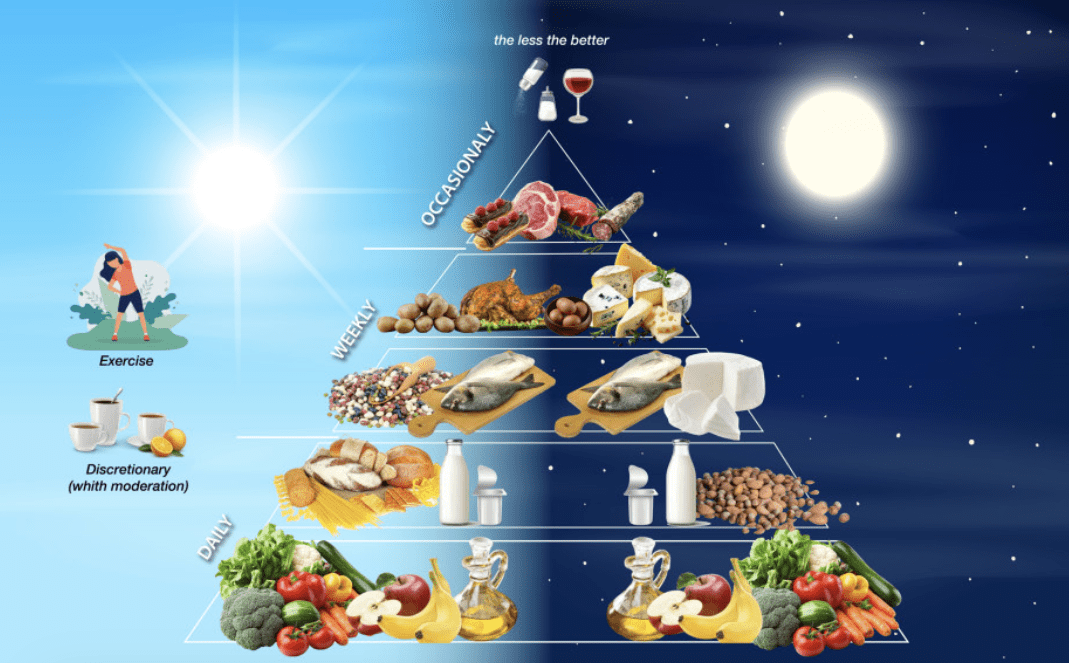
The Italian Society of Human Nutrition (SINU) has reimagined the classic Mediterranean pyramid, integrating cutting-edge chrononutrition research with traditional wisdom. This isn’t your grandmother’s food pyramid anymore. The new model preserves the plant-based foundation—fruits, vegetables, whole grains, legumes, and extra-virgin olive oil—but adds crucial timing cues.

What makes this approach revolutionary is its biological precision. The pyramid now incorporates circadian timing principles, using sun and moon symbols to indicate optimal consumption times throughout the day. This reflects how our bodies evolved to process foods differently at various hours.

Timing Your Way to Better Health

The science behind chrononutrition reveals fascinating insights about our internal clocks. The new pyramid recommends strategic timing: breakfast returns to its central importance, lunch remains the most substantial meal, and dinner becomes lighter and earlier. This approach aligns with our natural metabolic rhythms when digestion and nutrient absorption function most efficiently.

Research shows that aligning meal timing with our biological clock can improve metabolic health, enhance weight management, and potentially reduce chronic disease risk. The Italian Society of Endocrinology and the Italian Society of Dietetics and Clinical Nutrition collaborated on this innovative approach that preserves traditional dietary patterns while incorporating modern chronobiology.

Practical Implementation for Modern Life

Adopting this approach doesn’t require dramatic lifestyle overhauls. Start by gradually shifting dinner earlier by 30-60 minutes. Experiment with making lunch your most substantial meal. Listen to your body’s natural hunger cues while respecting the timing principles.

The beauty lies in its flexibility. While the pyramid offers general guidelines, it acknowledges individual differences. Our chronotypes (whether we’re natural early birds or night owls) influence optimal meal timing. This personalization makes the approach sustainable for diverse lifestyles.

Environmental and Cultural Sustainability

The updated pyramid also strengthens environmental considerations, emphasizing locally grown, seasonal foods and reducing red meat consumption compared to previous versions. This dual focus on personal and planetary health makes the Mediterranean approach uniquely comprehensive for our times.

Your Invitation to Temporal Wellness

As you consider your next meal choices, I hope you’ll reflect on not just what nourishes you, but when. The Mediterranean diet’s evolution reminds us that true wellness comes from honoring both the wisdom of tradition and the insights of modern science.

What do you think about this harmonious approach to eating? Would you agree that it feeds your body, respects your rhythms, and honors the timeless wisdom of Mediterranean living?

Thank you for reading! You can read more from me on my blog crisbiecoach and, please, subscribe!


France’s Bold Step: Why Reducing Meat is a Win for Health and the Planet

France, a country synonymous with beef bourguignon among other meat based food, has made headlines by urging its citizens to “limit” meat consumption as part of its updated National Strategy for Food, Nutrition and Climate. This move is not just about climate action, it’s a recognition that our food choices have profound consequences for both our health and the environment.

As someone who has embraced vegetarianism for years and is now reducing dairy and fish for environmental reasons, I see France’s guidelines as a necessary and inspiring shift. Here’s why I support this change, and why you might consider it too.


France’s New Guidelines: What’s Changing?

France’s updated strategy aims to align food habits with climate goals by 2030. The key recommendations include:

  • Prioritizing whole foods: Fruits, vegetables, legumes, nuts, and whole grains take center stage.
  • Limiting meat and charcuterie: While not banning meat, the guidelines encourage moderation.
  • Reducing imported meat: A nod to the carbon footprint of global food chains.
  • Moderate dairy and fish: These are allowed in “sufficient” amounts, but the environmental impact of dairy, especially cow’s milk, which emits three times more greenhouse gases than plant-based alternatives, is acknowledged.

The guidelines also emphasize local and sustainable agriculture, supporting farmers while cutting emissions.


The Environmental Case for Less Meat

The numbers are stark:

  • Food and agriculture contribute one-third of global greenhouse gas emissions, second only to fossil fuels.
  • A 100g serving of beef emits 15.5 kg CO2 equivalent—the same as driving 78.7 km in a car.
  • Livestock farming drives deforestation, water depletion, and biodiversity loss.

France’s push to reduce meat aligns with global research. The EAT-Lancet Commission and the IPCC both highlight plant-based diets as critical for sustainability. Yet, critics argue that “limiting” meat isn’t enough—we need systemic change.


Health Benefits: A Double Win

Beyond the planet, reducing meat improves health:

  • Lower risk of heart disease, diabetes, and certain cancers (WHO).
  • More fiber and nutrients from plant-based diets.
  • Cost savings: With meat prices rising, many French citizens are already cutting back for financial reasons.

France’s guidelines reflect a growing awareness: what’s good for the planet is good for us.


My Journey: From Vegetarian to Plant-Based

I’ve been vegetarian for years, but my commitment to sustainability has led me to reduce dairy and fish too. Here’s why:

  • Dairy’s carbon footprint: Cow’s milk is far more resource-intensive than plant alternatives.
  • Overfishing: Our oceans are under strain, and even “sustainable” fish has an impact.

For two years, I’ve participated in Veganuary, a global pledge to try vegan for January. It’s a powerful way to explore plant-based living and the recipes are delicious!


Is “Limiting” Meat Enough?

France’s use of “limit” instead of “reduce” has drawn criticism. Activists argue for clearer targets, like the UK’s recommendation to cut meat by 20% by 2030. But this is a start, a cultural shift in a country where meat is deeply embedded in tradition.

What can you do?

  • Try Meat Free Mondays or join Veganuary next year.
  • Swap beef for lentils or mushrooms in classic dishes.
  • Explore French plant-based recipes (yes, they exist!).

Conclusion: A Plate for the Future

France’s guidelines are a reminder that food is climate action. As someone who’s seen the benefits firsthand for my health, I’m heartened by this step. It’s not about perfection; it’s about progress, and the will to give my contribution in an effective way.


Ready to try? Share your favorite plant-based recipe in the comments and start with joining the Meat Free Monday campaign and skip meat one day a week!

Thank you for reading! Please sign up for my blog crisbiecoach so you don’t miss out on any posts!


Rebuilding a Healthy Relationship with Food: 3 Steps to Ease Anxiety and Find Joy in Eating

For many of us, the journey toward healthier eating starts with good intentions: we want to feel better, improve our energy, or enhance our physical health. But what happens when the pursuit of “clean” or “healthy” eating crosses the line into obsession? When every meal becomes a source of stress, calculation, or guilt, it’s time to pause and reflect.

Psychologists specializing in eating disorders, highlight that when food occupies more mental space than it does on your plate, it’s no longer about wellness, it’s about anxiety. This phenomenon, often called orthorexia nervosa, is characterized by an extreme preoccupation with eating only “pure” or “healthy” foods, leading to rigid dietary rules, social isolation, and even malnutrition.


Recognizing the Signs: When Healthy Eating Becomes Harmful

1. The Slippery Slope from Healthy to Hyper-Controlled

At first, the shift is subtle. You might start by cutting out processed foods, then sugar, then carbs, then entire food groups. Before you know it, you’re carrying Tupperware everywhere, avoiding social events for fear of “slipping up,” and feeling intense guilt after eating anything not on your “approved” list.

Red flags to watch for:

  • Planning meals days or weeks in advance, with no room for spontaneity.
  • Avoiding social gatherings where food is involved.
  • Feeling no pleasure in eating, only control or fear.
  • Defining yourself by your dietary restrictions (e.g., “I’m the one who never eats gluten/dairy/meat”).

It’s important to know that orthorexia nervosa can lead to malnutrition, social withdrawal, and significant distress.


2. Listening to Your Body, Not Just Your Rules

Friends and family might notice physical changes like weight loss, fatigue, or a pale complexion but the real damage is often invisible. Internally, you may experience:

  • Unusual fatigue or low energy.
  • Loss of menstrual cycle (in women obviously).
  • Blood test abnormalities (low potassium, calcium, etc.).
  • Obsessive thoughts about food, guilt after eating, or shame about your habits.

Why it matters: These symptoms are your body’s way of signaling that something is wrong. You don’t need to “hit rock bottom” to seek help. Early intervention can prevent long-term health consequences.


3. Reconnecting Beyond the Plate

When food becomes a source of anxiety, even simple activities like dining out or family meals can feel overwhelming. You might dread comments like, “Are you sure you should eat that?” or “You’re so disciplined!”

How to rebuild connections:

  • Shift the focus: Plan activities with loved ones that don’t revolve around food, something like hikes, cinema, or craft workshops.
  • Set boundaries: Politely let others know if food is a sensitive topic for you. For example, “I’d love to catch up, but let’s talk about something other than what’s on my plate.”
  • Prioritize presence: Encourage friends and family to focus on the joy of being together, not on what or how much you’re eating.

Practical Steps to Heal Your Relationship with Food

1. Challenge Rigid Rules

Start small: allow yourself one “unplanned” meal a week. Notice how it feels to eat without strict guidelines. Gradually, this can help reduce anxiety and rebuild trust in your body’s signals.

2. Seek Support Without Shame

Therapy, support groups, or even confiding in a trusted friend can break the cycle of isolation. Remember, you’re not “weak” for asking for help, you’re brave.

3. Rediscover Joy in Eating

Mindful eating: slowly savoring flavors, textures, and the experience of a meal can help you reconnect with food as a source of pleasure, not stress.


Final Thought: Food is meant to nourish both body and soul. If your relationship with eating feels more like a battle than a celebration, it’s okay to ask for help. Healing starts with one small, compassionate step toward yourself.


What’s your biggest challenge with food and eating? Share in the comments, I’d love to hear your story.

Thank you for reading! Please sign up for my blog crisbiecoach so you don’t miss out on any posts!

How Omega-3s Boost Brain Networks and Intelligence

Forget the myth that fat is the enemy. When it comes to brain health, the right kind of fat—unsaturated fats like omega-3s—could be your brain’s best friend. A groundbreaking study from the University of Illinois at Urbana-Champaign reveals that omega-3 fatty acids are directly linked to the organization of brain networks involved in intelligence.

Let’s see how your diet can shape the architecture of your brain.

🧬 Intelligence Is a Networked Affair

General intelligence isn’t a single skill—it’s a combination of abilities like:

  • Reasoning
  • Problem-solving
  • Decision-making
  • Social cognition
  • Professional performance

These abilities depend on the efficiency and synchronization of brain networks, especially:

  • Dorsal Attention Network (DAN): Active during demanding tasks and problem-solving.
  • Frontoparietal Network (FPN): Involved in decision-making and executive function.
  • Default Mode Network (DMN): Active during rest and introspection.

The study used functional MRI scans to examine how these networks are organized in relation to blood levels of fatty acids.

🧪 The Study: Blood, Brains, and Biomarkers

Researchers analyzed blood samples from 99 healthy adults, average age 69, to measure levels of saturated and unsaturated fats. They then assessed each participant’s general intelligence using the Wechsler Adult Intelligence Scale (WAIS) and mapped their brain network connectivity using MRI imaging.

Key Findings:

  • Higher levels of unsaturated fats, especially omega-3s, were strongly associated with better organization of the dorsal attention and frontoparietal networks.
  • Participants with more efficient brain networks scored higher on intelligence tests.
  • No significant link was found between saturated fats and intelligence-related brain networks.

🧠 Why Fat Matters for Your Brain

The brain is over 55% fat by dry weight. Fats are essential for:

  • Building neuron membranes
  • Synthesizing neurotransmitters
  • Producing enzymes and hormones
  • Supporting synaptic plasticity

While saturated and monounsaturated fats are abundant in most diets, polyunsaturated fats like omega-3s are harder to come by. These include:

  • EPA (Eicosapentaenoic acid) and DHA (Docosahexaenoic acid): Found in fatty fish like salmon and mackerel.
  • ALA (Alpha-linolenic acid): Found in flaxseed, walnuts, and canola oil.

These fats are key components of the Mediterranean diet, which has long been associated with better cognitive aging.

🥑 Where to Find Smart Fats

To boost your brain’s fatty acid profile, include these foods regularly:

  • Fatty fish: Salmon, sardines, mackerel (pay attention to their origins)
  • Nuts: Walnuts, almonds
  • Seeds: Flaxseed, chia
  • Oils: Olive oil, canola oil
  • Avocados

These foods are rich in omega-3s and monounsaturated fats, which support brain structure and function.

🧠 Brain Networks Respond to Nutrition

The study found that unsaturated fats influence the dorsal attention network, which is crucial for tasks requiring focus and problem-solving. This suggests that dietary fats don’t just fuel the brain—they help organize it.

Interestingly, the frontoparietal network, which supports decision-making, also showed improved connectivity with higher omega-3 levels. This means your ability to make smart choices may literally be shaped by what’s on your plate.

🧠 It’s Never Too Late to Feed Your Brain

Even in older adults, increasing omega-3 intake can enhance brain network efficiency. This supports the idea that nutritional interventions can improve cognitive function at any age.

So if you’re looking to stay sharp, don’t fear fat—choose the right kind!


Are you ready to eat smarter to think sharper? Let me know in the comment box here below.

Thank you for reading! You can read more from me on my blog crisbiecoach and of course you can subscribe!