

Exploring Portugal’s First Therapeutic Forest

In a world where stress and anxiety have become almost ubiquitous, the concept of therapeutic forests is gaining traction as a natural antidote. Portugal has recently stepped into the spotlight by unveiling the Iberian Peninsula’s first certified Therapeutic Forest—the Bussaco National Forest. This 105-hectare sanctuary, nestled in the parish of Luso, is not just a forest; it’s a pioneer in forest therapy joining an elite group of only four such certified sites worldwide.

A Forest Like No Other

The Bussaco National Forest, managed by the Mata do Bussaco Foundation, is a biodiversity hotspot with one of Europe’s most impressive tree collections. Home to around 250 species of trees and shrubs, it is divided into four distinct landscape units:

  • Arboretum: A curated collection of tree species.
  • Gardens and Fern Valley: A lush, green retreat.
  • Relic Forest: A remnant of ancient woodlands.
  • Pinhal do Marquês: A serene pine forest.

On July 17, 2026, the forest earned its certification from the Healing Forest – International Certification Office, a testament to its therapeutic potential. This recognition is not just a badge of honor—it’s a commitment to global wellness, as stated by Gonçalo Breda Marques, President of the Mata do Bussaco Foundation.

What Makes a Forest Therapeutic?

Therapeutic forests are not your average woodlands. They are meticulously designed to offer structured therapeutic experiences. According to the Healing Forest – International Certification Office, these forests must meet specific criteria:

  • Natural structures that dampen noise and provide visual and wind protection.
  • Trails with varying levels of difficulty to cater to different needs.
  • Dedicated areas for therapeutic applications and relaxation exercises.

The certification process is rigorous, involving documentation reviews, technical inspections, and assessments based on predefined criteria. For Bussaco, this certification is valid until 2031, ensuring its continued role in health tourism and therapeutic practices.

The Science Behind Forest Therapy

The benefits of immersing oneself in a forest environment are scientifically proven. Research, primarily from Asian countries, highlights the following advantages:

  • Improved cognitive abilities
  • Reduced stress, anxiety, and depression
  • Lower blood pressure
  • Stronger immune system
  • Better sleep quality

Forest therapy is not just a walk in the woods. It’s a clinically formalized practice led by accredited therapists, often tailored to address specific medical conditions such as cardiovascular, respiratory, or neurological diseases. The Forest Therapy Hub, an organization that trains and accredits professionals, describes forest therapy as a practice that:

“Promotes positive states of mental health and improves physical and social health, strengthening the connection with nature, interpersonal relationships, and social cohesion.”


Forest Bathing: A Global Wellness Trend

The concept of forest bathing, or shinrin-yoku, originated in Japan in 1982 as part of a national health program to combat stress. Unlike forest therapy, forest bathing is a guided mindfulness practice that doesn’t necessarily target specific medical conditions. Instead, it’s a holistic wellness activity, akin to eating a balanced diet or exercising regularly.

Why Therapeutic Forests Matter

In an era where mental health is a growing concern, therapeutic forests offer a natural, accessible, and effective solution. They provide a space where individuals can reconnect with nature, reduce stress, and improve their overall well-being.

For travelers and wellness enthusiasts, Bussaco is more than a destination—it’s an experience. Whether you’re looking to escape the hustle and bustle of city life or seeking a structured therapeutic program, this forest offers a unique blend of natural beauty and healing power.

The Benefits of Therapeutic Forests

The advantages of spending time in therapeutic forests extend beyond mere relaxation. Here’s how these natural sanctuaries can transform your well-being:

  • Mental Clarity: The serene environment helps clear the mind, fostering creativity and focus.
  • Emotional Balance: The calming effect of nature reduces symptoms of anxiety and depression.
  • Physical Health: Lower blood pressure, improved immune function, and better sleep are just a few of the physical benefits.
  • Social Connection: Group therapy sessions in these forests can strengthen interpersonal relationships and foster a sense of community.

Conclusion

The certification of Bussaco National Forest as a therapeutic site is a testament to the healing power of nature. Forests offer a sanctuary for the mind, body, and soul. Whether you’re a traveler, a wellness seeker, or someone simply looking to reconnect with nature, therapeutic forests like Bussaco provide an unparalleled opportunity to heal, grow, and thrive.

So, why not take a step into the woods and let nature work its magic?

Have you ever experienced forest therapy? Share your thoughts in the comments below!

Thank you for reading! Please sign up for my blog crisbiecoach so you don’t miss out on any posts!
Syntropy: The Regenerative Revolution in Agriculture


Introduction: Beyond Entropy

The narrative of entropy—where systems inevitably decay into disorder— dominates the world but the concept of syntropy emerges as a radical counterpoint. Coined by physicist Luigi Fantappiè, syntropy describes the tendency of systems to evolve toward higher states of organization, complexity, and cooperation. Nowhere is this principle more transformative than in syntropic agriculture, a farming paradigm that doesn’t just sustain but regenerates.

Unlike industrial agriculture, which treats nature as a resource to exploit, syntropic agriculture positions humans as participants in an intelligent, self-regulating system. Here, we don’t control nature; we cooperate with it.


The Philosophy: From Control to Cooperation

Industrial agriculture operates on a mechanistic worldview: nature is a machine to be optimized, and humans are its engineers. Syntropy flips this script. Inspired by the work of Ernst Götsch, a Swiss-Brazilian farmer and researcher, syntropic agriculture recognizes that ecosystems are inherently intelligent. Trees, fungi, insects, and microorganisms communicate, collaborate, and co-evolve in ways that surpass human comprehension.

Our role? To observe, learn, and align with these processes. Instead of monocultures and chemical inputs, syntropic systems mimic natural forests, layering plants of different species, sizes, and life cycles. This isn’t just farming, it’s ecosystem orchestration.


The Science: How Syntropy Works

1. Soil: The Living Foundation

Syntropic agriculture treats soil not as a substrate but as a living organism. Through agroforestry and successional planting, it:

  • Sequesters carbon: Healthy soils act as carbon sinks, mitigating climate change. Studies show regenerative practices can store up to 1 ton of CO₂ per hectare annually (Rodale Institute).
  • Enhances water retention: Diverse plant roots and organic matter improve soil structure, reducing erosion and drought vulnerability.
  • Eliminates synthetic inputs: By fostering symbiotic relationships (e.g., mycorrhizal fungi and plant roots), syntropy naturally boosts fertility, eliminating the need for chemical fertilizers.

2. Biodiversity: The Engine of Resilience

Monocultures are fragile. Syntropic systems, however, thrive on diversity. By integrating:

  • Perennial crops (e.g., fruit trees, nuts)
  • Nitrogen-fixing plants (e.g., legumes)
  • Pollinator-attracting species (e.g., flowers, herbs)

Farmers create self-sustaining loops. Predatory insects control pests; birds and bats pollinate and disperse seeds; and decomposers recycle nutrients. The result? Yields stabilize, pests diminish, and wildlife flourishes.

3. Wildlife: Rewilding the Farm

Syntropic farms are havens for wildlife. Unlike conventional fields—barren between harvests—these systems provide year-round habitat. At Fazenda da Toca in Brazil, one of the largest syntropic farms, researchers recorded a 40% increase in bird species and a 300% rise in native pollinators within five years.


The Human Shift: From Masters to Members

Syntropy demands a paradigm shift in human identity. We are not the intelligent designers of nature but part of its intelligence. This humility unlocks:

  • Lower costs: Reduced reliance on external inputs (fertilizers, pesticides) cuts expenses.
  • Higher profits: Diverse crops and value-added products (e.g., timber, fruits, medicines) create multiple revenue streams.
  • Climate resilience: Biodiverse systems adapt better to extreme weather, ensuring food security.

As Götsch notes: “The farmer who works with syntropy doesn’t fight nature. They dance with it.”


Case Studies: Syntropy in Action

Ernst Götsch’s Cacau Farm (Brazil)

On degraded land in Bahia, Götsch transformed a barren cattle pasture into a lush, productive forest in two decades. His system now yields cacao, bananas, and timber while hosting over 200 plant species and countless animals.

Singing Frogs Farm (USA)

This California farm uses syntropic principles to grow vegetables, fruits, and flowers with no tillage, no chemicals, and 80% less water than conventional farms. Their soil organic matter increased from 1% to 7% in a decade.


The Future: Scaling Syntropy

Syntropic agriculture isn’t a niche experiment, it’s a scalable solution for global challenges:

  • Food security: Smallholders in Africa and Asia are adopting syntropy to double yields without synthetic inputs (FAO).
  • Climate change: The 4 per 1000 Initiative (launched at COP21) advocates for soil carbon sequestration as a climate solution. Syntropy aligns perfectly with this goal.
  • Policy shifts: Governments from Costa Rica to France are incentivizing regenerative practices through subsidies and carbon credits.

Conclusion: A New Covenant with Nature

Syntropy isn’t just a farming technique, it’s a new way of being. In a time of ecological collapse, it offers a path to heal what we’ve broken. By cooperating with nature’s intelligence, we don’t just grow food; we grow ecosystems, resilience, and hope.

“A society grows great when old men plant trees whose shade they know they shall never sit in.” – ancient proverb

Syntropy is our tree. Will we plant it?


Further Reading & Resources


Have you heard before about these farming regenerative practices?

Thank you for reading! Please sign up for my blog crisbiecoach so you don’t miss out on any posts!
This post was drafted with the help of a large language model (LLM) and closely edited by me for fact checking, clarity and accuracy.

The Hidden Cost of Food Waste

A Startling Reality

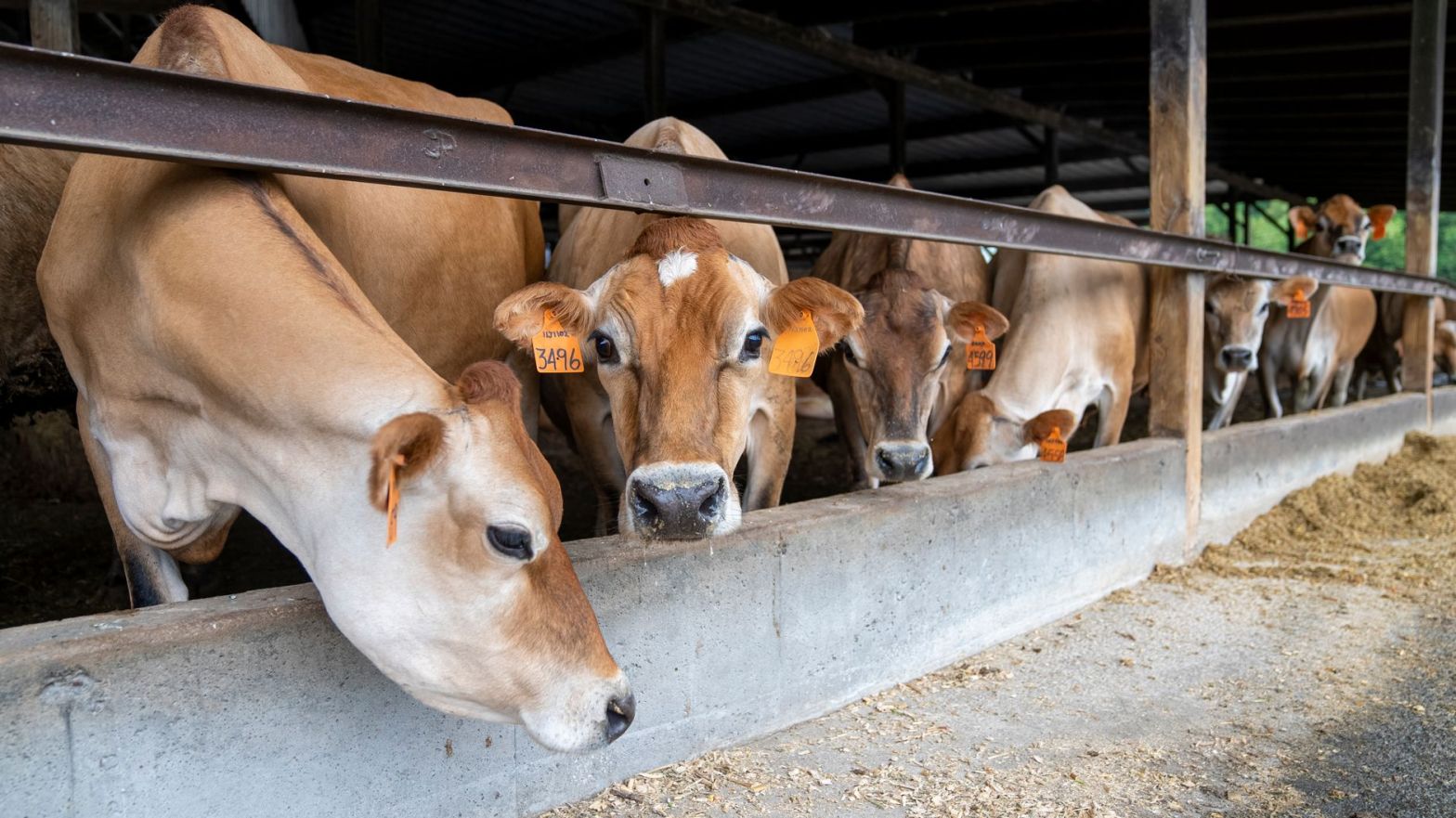
Did you know that every year, 18 billion animals—chickens, turkeys, pigs, sheep, goats, and cows—die or are killed without ever reaching our plates? This staggering figure, revealed in a 2023 study published in Sustainable Production and Consumption, highlights a often-overlooked consequence of food loss and waste (FLW): the ethical and environmental cost of wasted animal lives.

While discussions about food waste often focus on economic losses (1.3 billion tons annually, costing $1 trillion) or environmental impacts (greenhouse gas emissions, land use), the animal welfare dimension is rarely part of the conversation. This study bridges that gap, quantifying the number of animal lives lost due to inefficiencies in the global meat supply chain.

Why Does This Matter?

1. The Scale of the Problem

In 2019 alone, 77.4 million tons of meat from six major species (pig, cow, sheep, goat, chicken, turkey) were lost or wasted before consumption. This translates to 18 billion animal lives. Animals that were raised, transported, and slaughtered for no purpose. To put it in perspective:

  • Chickens account for 93.6% of all animal life loss (16.8 billion), due to their high production volumes and vulnerability to spoilage.
  • Cattle represent 0.4% (74.1 million), but their larger body size means their waste contributes disproportionately to greenhouse gas emissions.

2. Where Does Waste Occur?

Food loss happens at every stage of the supply chain:

  • Developing countries: Losses occur early, livestock die from disease, or meat spoils due to poor storage/transport.
  • Developed countries: Waste happens later, consumers and retailers discard edible meat due to overproduction, strict cosmetic standards, or poor inventory management.

3. The Ethical Dilemma

The study emphasizes that animal suffering is harder to quantify than economic or environmental costs. Yet, the sheer scale of unnecessary animal deaths raises moral questions about our food systems. If we accept that animals are sentient beings capable of suffering, then reducing waste is also an ethical imperative.


Leverage Points for Change

  • High-income countries (e.g., North America, Oceania, Industrialized Asia) have the highest per-capita waste and thus the greatest potential for impact.
  • Chicken and beef present a trade-off: Reducing chicken waste saves more lives, but reducing beef waste has a bigger environmental payoff (lower emissions, land use).

What Can You Do?

As a Consumer

  • Buy only what you need: Plan meals to avoid overbuying.
  • Embrace “ugly” produce: Support retailers that sell imperfect but edible meat/cuts.
  • Store food properly: Freeze meat before it spoils.

As a Business or Policymaker

  • Improve infrastructure: Better storage/transport in developing nations.
  • Standardize labeling: Clearer “use-by” dates to reduce premature discards.
  • Incentivize waste reduction: Tax breaks or subsidies for companies that cut waste.

The Bigger Picture

This study forces us to confront an uncomfortable truth: Our food systems are not just inefficient, they’re also ethically unsustainable. While reducing waste won’t eliminate animal farming, it can save billions of lives annually and align our actions with growing concerns for animal welfare, environmental stewardship, and food security.

What do you think about food waste put in this perspective?

Thank you for reading! Please sign up for my blog crisbiecoach so you don’t miss out on any posts.


Additional Reading