
Fibremaxxing: What It Is and Why It Has Become a Wellness Trend

I’m not usually the person who chases wellness trends. Give me a new supplement, a juice cleanse, or a “biohack” (the practice of making intentional changes to our biology, lifestyle, or environment to improve health, performance, or well-being) and my default reaction is a slow blink and a quiet “no thanks.” So when fibremaxxing started appearing everywhere, I braced myself for another overhyped fad.

Then I looked at the numbers, and honestly? This one earned its spot on my feed.

First, what even is fibremaxxing?

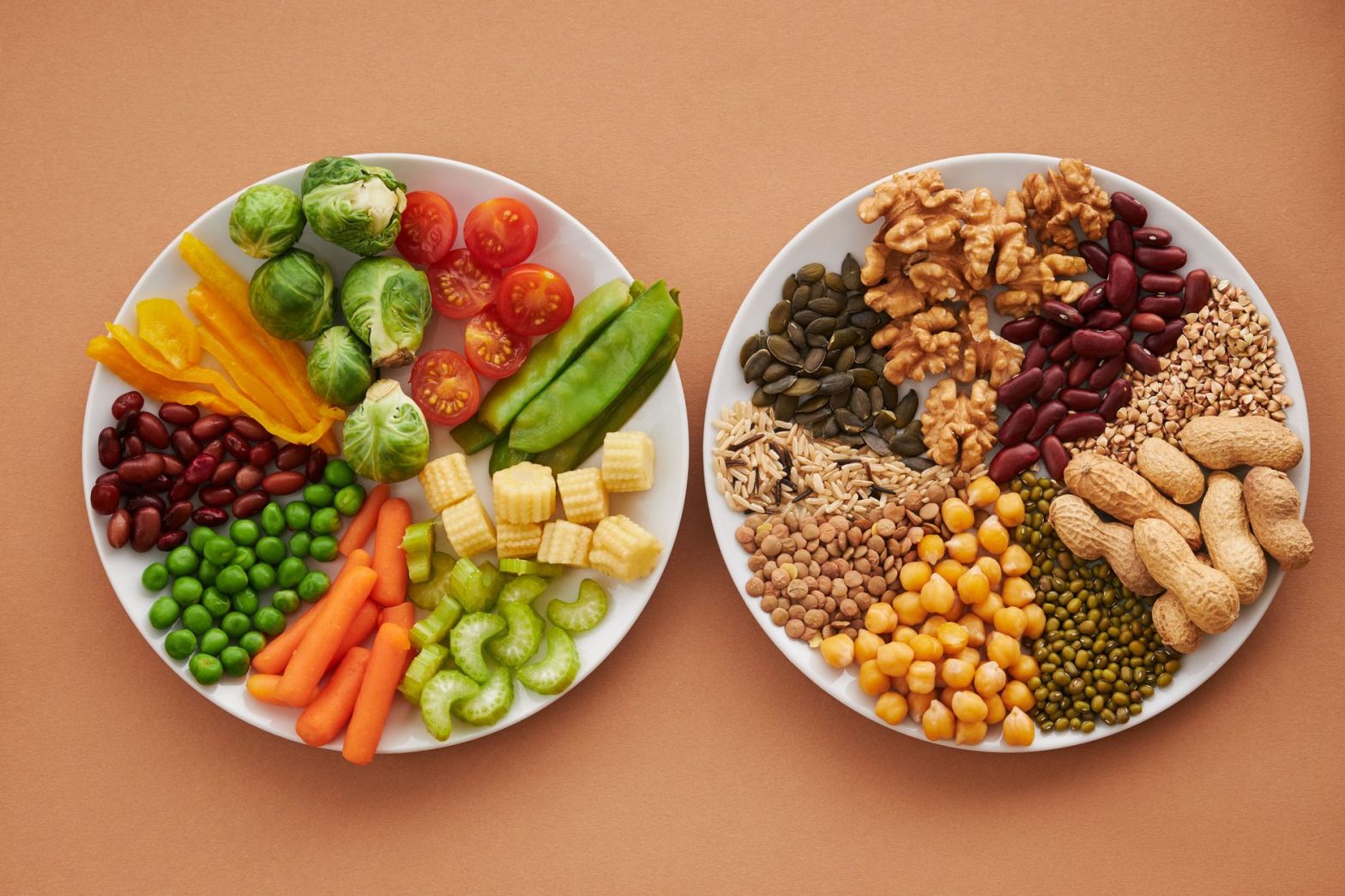
Strip away the internet slang and it’s disarmingly simple: fibremaxxing means making a deliberate effort to eat more fibre. It’s essentially the plant-based sibling of proteinmaxxing — the trend that had everyone counting grams of chicken at every meal. With fibremaxxing you’re reaching for beans, oats, fruit, and vegetables.

The term racked up well over 150 million views on TikTok, which tells you two things: it landed hard with younger audiences, and it arrived wrapped in very 2026 packaging. But underneath the meme label sits something researchers have been nudging us toward for decades: the recommendation that adults aim for roughly 30 grams of fibre a day.

And here’s the part that made me decide to embrace it: most of us aren’t anywhere near that mark. Government data puts it at about 96% of UK adults falling short, averaging just around 16 grams a day That gap between what we need and what we actually eat is the whole story. This isn’t a trend solving an invented problem; it’s filling a very real, very old nutritional hole.

Why I got on board

Fibre doesn’t get the same celebrity treatment as protein, but the case for it is strong. Adequate intake is linked to better gut and metabolic health, a lower risk of heart disease and type 2 diabetes, improved satiety so you feel fuller for longer, and even a reduced risk of certain cancers, particularly colorectal cancer. A nutrition professor put it bluntly: fibre has never been a “sexy” nutrient, and nobody eats enough of it.

Here’s where the trend is actually getting smarter

This is the twist that turned me fully around. The conversation is shifting from “eat more fibre” to “eat different fibres.”

Mintel’s 2026 report flags a move away from rigid maximisation goals toward diverse, functional diets. The focus is moving from quantity to balance. There’s a good biological reason for this: your gut microbiome thrives on variety, and pulling all your fibre from a single source isn’t the smartest play.

Experts are calling this “smart fibremaxxing”, when you should prioritise a wide range of plant-based prebiotic fibres over simply maxing out the gram count.

One honest caveat worth keeping in mind: if you jump from almost no fibre to a bean bowl a day overnight, your digestion may protest. Adding fibre gradually and drinking plenty of water makes a real difference.

How I’d actually do it

You don’t need supplements, or special products. Small, consistent swaps compound fast:

  • Go whole grain. Swap white bread, rice, or pasta for whole-grain versions. It’s the single easiest lever you can pull.
  • Add a tin. Stir chickpeas, lentils, or beans into a curry, soup, or salad. You get fibre and protein in one motion.
  • Keep the skins on. Potatoes, apples, carrots — a surprising amount of fibre hides right there. But wash them with care, to remove pesticides if you don’t buy organic.
  • Upgrade the snack drawer. Trade chips for a handful of nuts, seeds, or fruit.
  • Build meals plants-first. Try vegetables you rarely reach for and discover new plant-based dishes.

Plant-based eating makes this effortless precisely because fibre only comes from plants. Whole grains, legumes, fruit, and vegetables all bring it to the table, and many pack in protein alongside it. A bowl of lentil dahl or a bean chilli is quietly doing both jobs for you. If you’ve been cooking more plant-based lately, there’s a decent chance your fibre intake already crept up without you noticing.

Is it a fad or a foundation?

Here’s my take after watching it evolve: the label might fade and “fibremaxxing” could become normalised and forgettable. But the underlying habit, eating more and more varied plant foods, is exactly the kind of thing that sticks. It’s budget-friendly, satiating, and backed by decades of science rather than a viral moment.


Want to take this further? Drop a comment and let me know if you’d like some easy, high-fibre recipes I can share. I’ve got a few favourites that make adding fibre genuinely painless.

Thank you for reading! You can read more from me on my blog crisbiecoach and, please, subscribe!
7 Unique Legumes to Transform Your Health: Beyond the Ordinary Beans

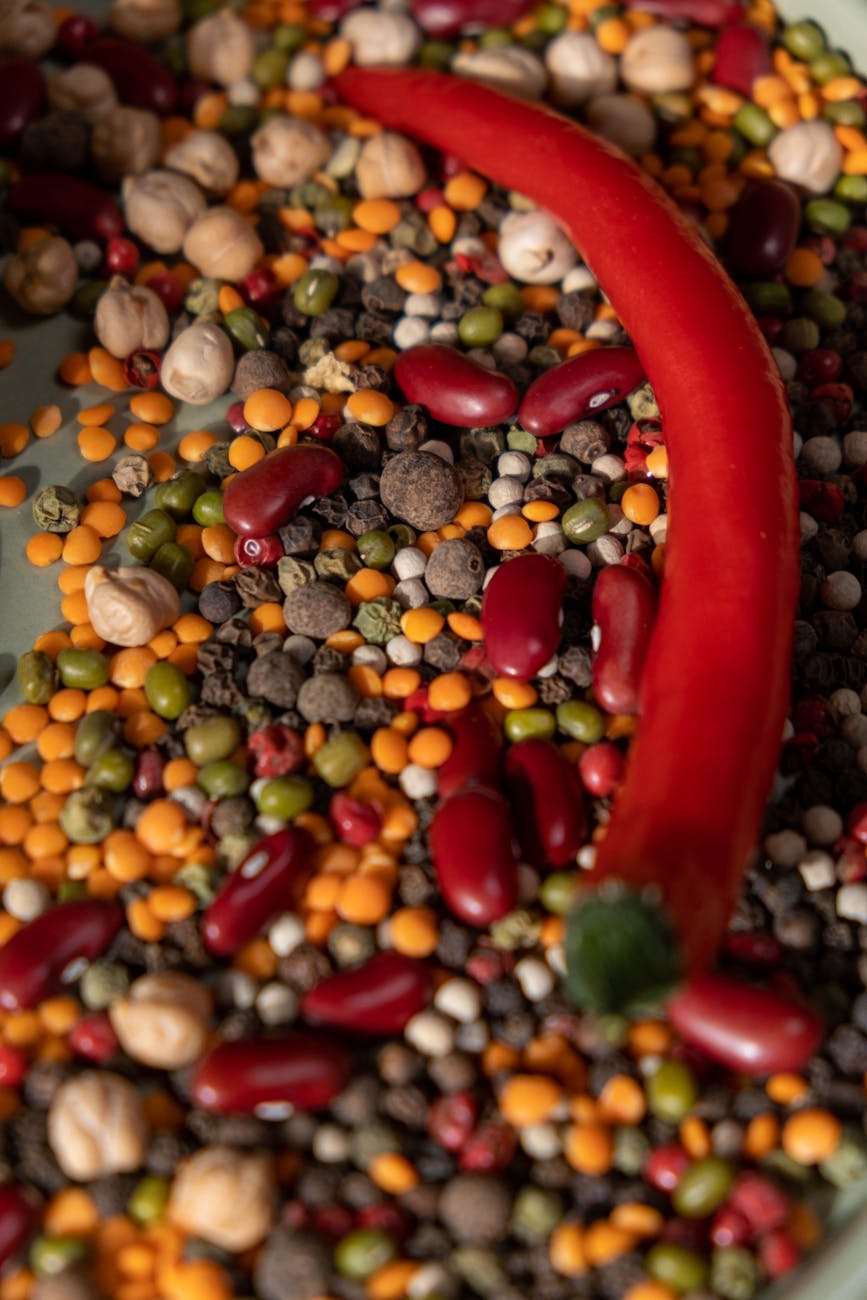
When most people think of legumes, they picture chickpeas, lentils, or kidney beans. Most probably you too. But the world of legumes offers a treasure trove of nutritious, delicious alternatives that can revolutionize your health while expanding your culinary horizons. These seven unique legumes, each with their own distinctive properties and benefits, are waiting to take their place on your plate.

Discovering Global Legume Diversity

Legumes have been dietary staples across cultures for millennia, yet many remain underutilized in Western diets. According to research, these plants offer nutritional qualities that complement traditional grains perfectly, particularly their high lysine (an essential amino acid) content which many grains lack. The scientific consensus among health professionals demonstrates that incorporating diverse legumes can significantly reduce chronic disease risks.

Let’s explore seven extraordinary legumes that deserve a place in your kitchen:

1. Dried Broad Beans (Fava Beans)

Rich in plant-based protein, dried broad beans have been cherished in Italian and Southeast Asian cuisines for centuries. What makes them particularly appealing is their convenience – they’re easy to prepare and cook quickly, making them perfect for busy lifestyles. Nutritionally, they’re relatively low in calories while providing substantial protein content, making them an excellent addition to weight management diets.

2. Black Chickpeas

Don’t let their small size fool you – black chickpeas pack a powerful nutritional punch. These tiny legumes are exceptionally rich in dietary fiber and iron, making them particularly beneficial for digestive health and blood oxygenation. Their versatility in the kitchen is unmatched; they can be added to soups, salads, or main dishes to enhance both nutritional value and visual appeal.

3. Square Peas

Historically associated with Lenten meals, square peas offer remarkable health benefits with minimal caloric impact. They provide substantial protein and fiber content while being remarkably low in calories, making them ideal weight management allies. Their satisfying texture and nutritional density help promote feelings of fullness, reducing overall calorie intake without sacrificing nutrition.

4. Tamarind

Known as “date palm of India” in Arabic, tamarind offers unique digestive benefits with its distinctive sweet-sour flavor. This tropical legume is particularly valued for its potassium and iron content, supporting both cardiovascular health and energy metabolism. Beyond its nutritional benefits, tamarind’s versatility extends from savory dishes to desserts, making it a culinary gem.

5. Adzuki Beans

Often called “Japan’s red beans,” adzuki beans are nutritional powerhouses rich in antioxidants. Scientific studies suggest they offer significant benefits for satiety and cardiovascular health while helping stabilize blood sugar levels. Their mild, slightly sweet flavor makes them adaptable to both sweet and savory preparations, from traditional Asian sweets to hearty stews.

6. Edamame

These immature soybeans represent one of the most nutritionally complete legumes available. Edamame provides exceptional fiber content, vitamins, and essential minerals like magnesium and calcium. Their remarkably low fat content makes them an ideal snack or addition to meals, supporting both weight management and overall nutritional needs.

7. White Lupins (Tramousses)

Particularly popular in Mediterranean and South American cuisines, white lupins stand out for their exceptional protein content – up to 38% digestible plant protein. What makes them unique among legumes is their naturally low antinutrient content, allowing them to be consumed with minimal preparation. Research indicates they may help reduce “bad” cholesterol and blood pressure, making them valuable for cardiovascular health.

The Science Behind Legume Benefits

Extensive research validates the health advantages of incorporating diverse legumes into your diet:

  • Cardiovascular Protection: Multiple studies show that regular legume consumption significantly reduces LDL cholesterol and total cholesterol levels. One review found LDL reductions of approximately 8.0 mg/dL and total cholesterol reductions of 11.8 mg/dL in participants following legume-rich diets.
  • Diabetes Management: Research demonstrates that legume consumption, particularly lentils, is associated with reduced risk of type 2 diabetes. Studies show improved glycemic control and better insulin sensitivity.
  • Weight Management: Incorporating legumes into daily diets has been shown to support healthy weight loss.
  • Cancer Prevention: Epidemiological studies involving 1.9 million participants found that higher legume consumption is associated with reduced risk of colorectal cancer.
  • Digestive Health: The high fiber and resistant starch content in legumes promotes healthy gut microbiome and regular bowel function.

Practical Integration Strategies

Adding these unique legumes to your diet can be simple and enjoyable:

  • Start with familiar preparations: Try adding black chickpeas to salads or edamame as a snack
  • Experiment with global cuisines: Explore traditional recipes from Mediterranean, Asian, or South American cooking
  • Mix varieties: Combine different legumes for enhanced nutritional diversity
  • Smart substitutions: Use legumes instead of meat in dishes like chili, tacos, or curries
  • Convenience options: Utilize canned or frozen varieties for quick meal preparation

The Environmental and Ethical Advantage

Beyond individual health benefits, legumes offer significant environmental advantages. They require less water and land compared to animal protein sources while fixing nitrogen in the soil, reducing the need for synthetic fertilizers. This makes them not only nutritionally superior but also environmentally responsible choices for sustainable eating patterns.

Conclusion

The world of legumes extends far beyond the common beans we typically encounter. These seven unique varieties offer extraordinary nutritional profiles, diverse culinary applications, and scientifically validated health benefits. From the antioxidant-rich adzuki beans to the protein-packed white lupins, each brings something special to both our plates and our health.

The scientific evidence is compelling: regular consumption of diverse legumes is associated with reduced risks of cardiovascular disease, type 2 diabetes, colorectal cancer, and improved weight management outcomes. As we continue to understand the intricate relationship between diet and health, legumes emerge as nutritional powerhouses that deserve prominent placement in our diets.

By incorporating these global legume varieties, we not only enhance our individual health but also contribute to more sustainable food systems.

Are you ready to start this journey toward better health by expanding your culinary horizons?

Thank you for reading! You can read more from me on my blog crisbiecoach and, please, subscribe!


The scientific articles that are referred to in this blog post were summarized for me by Thaura AI.