I’m not usually the person who chases wellness trends. Give me a new supplement, a juice cleanse, or a “biohack” (the practice of making intentional changes to our biology, lifestyle, or environment to improve health, performance, or well-being) and my default reaction is a slow blink and a quiet “no thanks.” So when fibremaxxing started appearing everywhere, I braced myself for another overhyped fad.
Then I looked at the numbers, and honestly? This one earned its spot on my feed.
First, what even is fibremaxxing?
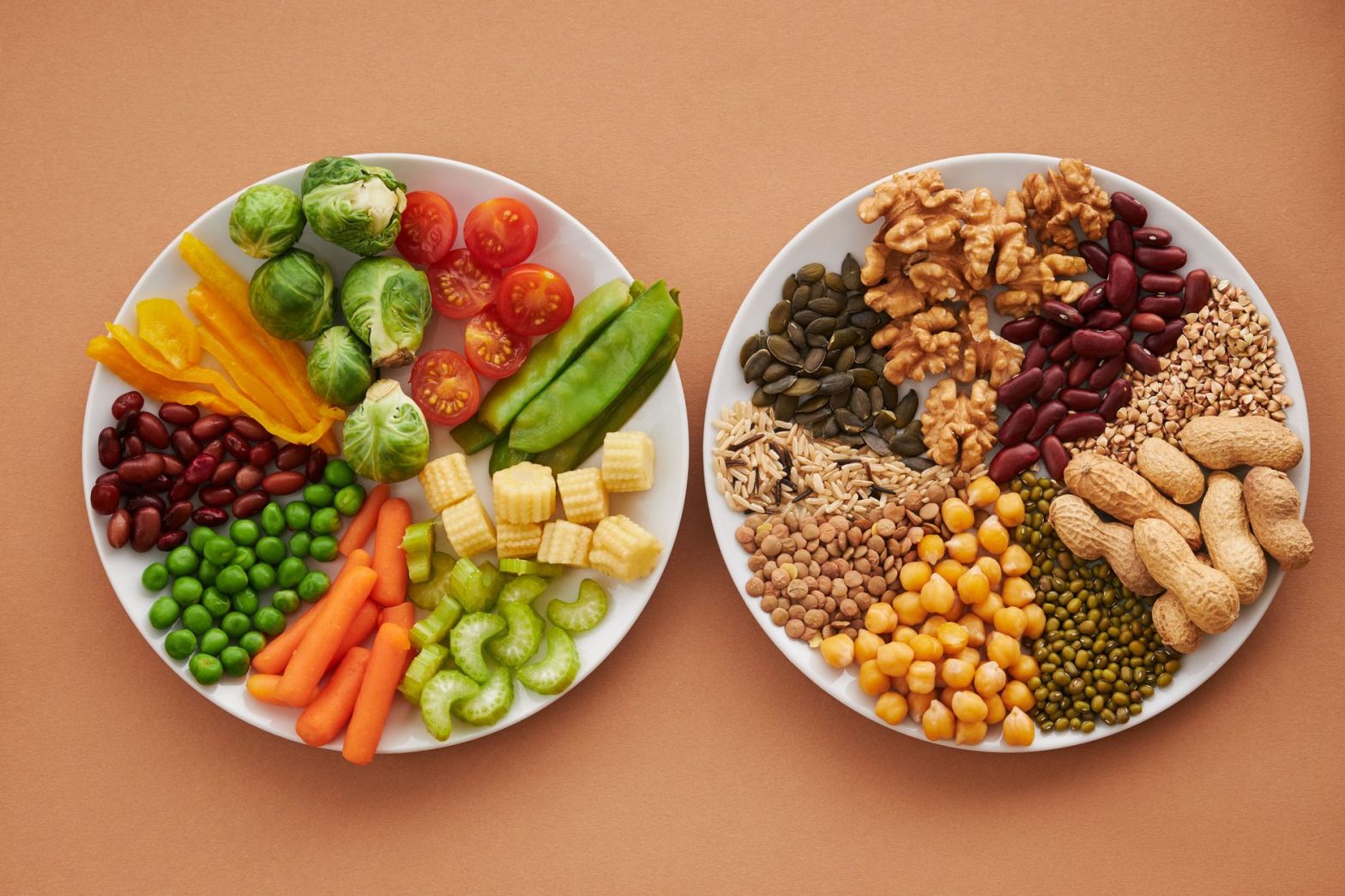
Strip away the internet slang and it’s disarmingly simple: fibremaxxing means making a deliberate effort to eat more fibre. It’s essentially the plant-based sibling of proteinmaxxing — the trend that had everyone counting grams of chicken at every meal. With fibremaxxing you’re reaching for beans, oats, fruit, and vegetables.
The term racked up well over 150 million views on TikTok, which tells you two things: it landed hard with younger audiences, and it arrived wrapped in very 2026 packaging. But underneath the meme label sits something researchers have been nudging us toward for decades: the recommendation that adults aim for roughly 30 grams of fibre a day.
And here’s the part that made me decide to embrace it: most of us aren’t anywhere near that mark. Government data puts it at about 96% of UK adults falling short, averaging just around 16 grams a day That gap between what we need and what we actually eat is the whole story. This isn’t a trend solving an invented problem; it’s filling a very real, very old nutritional hole.
Why I got on board
Fibre doesn’t get the same celebrity treatment as protein, but the case for it is strong. Adequate intake is linked to better gut and metabolic health, a lower risk of heart disease and type 2 diabetes, improved satiety so you feel fuller for longer, and even a reduced risk of certain cancers, particularly colorectal cancer. A nutrition professor put it bluntly: fibre has never been a “sexy” nutrient, and nobody eats enough of it.
Here’s where the trend is actually getting smarter
This is the twist that turned me fully around. The conversation is shifting from “eat more fibre” to “eat different fibres.”
Mintel’s 2026 report flags a move away from rigid maximisation goals toward diverse, functional diets. The focus is moving from quantity to balance. There’s a good biological reason for this: your gut microbiome thrives on variety, and pulling all your fibre from a single source isn’t the smartest play.
Experts are calling this “smart fibremaxxing”, when you should prioritise a wide range of plant-based prebiotic fibres over simply maxing out the gram count.
One honest caveat worth keeping in mind: if you jump from almost no fibre to a bean bowl a day overnight, your digestion may protest. Adding fibre gradually and drinking plenty of water makes a real difference.
How I’d actually do it
You don’t need supplements, or special products. Small, consistent swaps compound fast:
- Go whole grain. Swap white bread, rice, or pasta for whole-grain versions. It’s the single easiest lever you can pull.
- Add a tin. Stir chickpeas, lentils, or beans into a curry, soup, or salad. You get fibre and protein in one motion.
- Keep the skins on. Potatoes, apples, carrots — a surprising amount of fibre hides right there. But wash them with care, to remove pesticides if you don’t buy organic.
- Upgrade the snack drawer. Trade chips for a handful of nuts, seeds, or fruit.
- Build meals plants-first. Try vegetables you rarely reach for and discover new plant-based dishes.
Plant-based eating makes this effortless precisely because fibre only comes from plants. Whole grains, legumes, fruit, and vegetables all bring it to the table, and many pack in protein alongside it. A bowl of lentil dahl or a bean chilli is quietly doing both jobs for you. If you’ve been cooking more plant-based lately, there’s a decent chance your fibre intake already crept up without you noticing.
Is it a fad or a foundation?
Here’s my take after watching it evolve: the label might fade and “fibremaxxing” could become normalised and forgettable. But the underlying habit, eating more and more varied plant foods, is exactly the kind of thing that sticks. It’s budget-friendly, satiating, and backed by decades of science rather than a viral moment.
Want to take this further? Drop a comment and let me know if you’d like some easy, high-fibre recipes I can share. I’ve got a few favourites that make adding fibre genuinely painless.
Thank you for reading! You can read more from me on my blog crisbiecoach and, please, subscribe!


