
Cardiovascular disease takes 19.8 million lives a year, roughly one in three deaths worldwide. Most of us think of prevention as something related to taking medicine, but a meaningful slice of that risk can be addressed at breakfast, lunch and dinner, in foods most people already own.
The encouraging part is that a handful of ordinary plant foods, eaten consistently, do measurable work on cholesterol and vascular health. No superfoods required. No expensive subscription boxes. Just beans, oats and greens finding their way into regular rotation.
What the evidence actually says
A large series of systematic reviews and meta-analyses published in The Lancet pooled decades of prospective studies and clinical trials. Compared with the lowest fibre consumers, those eating the most had a 15–30% lower risk of all-cause and cardiovascular mortality, and clinical trials showed higher fibre intake was associated with lower total cholesterol and body weight. The dose-response curve suggested benefits continued rising beyond 25–29 g per day.
For context: UK adults average around 20 g of fibre daily, well short of the government’s 30 g target. This is a rather important gap for your heart health.
A randomised trial in JAMA Network Open took an unusual approach: 22 pairs of identical twins were split, one twin following a healthy vegan diet, the other a healthy omnivorous diet, both rich in legumes, vegetables, whole grains and nuts. After eight weeks, the vegan-diet twins had LDL cholesterol that was 13.9 mg/dL lower than their siblings’, along with reductions in fasting insulin and body weight. Because the participants shared genetics, the design isolates dietary effect from inherited lipid metabolism, a level of control most nutrition studies can’t match.
If you’re not ready to go fully plant-based, a review in the Canadian Journal of Cardiology found that commercially available plant-based meat alternatives generally carry less saturated fat and more fibre per serving than the animal meats they replace, and randomised trials suggest swapping them in can lower LDL-C. The caveat the authors flag: sodium and saturated fat vary widely between brands, so label-reading matters a lot.
Three swaps to make this week
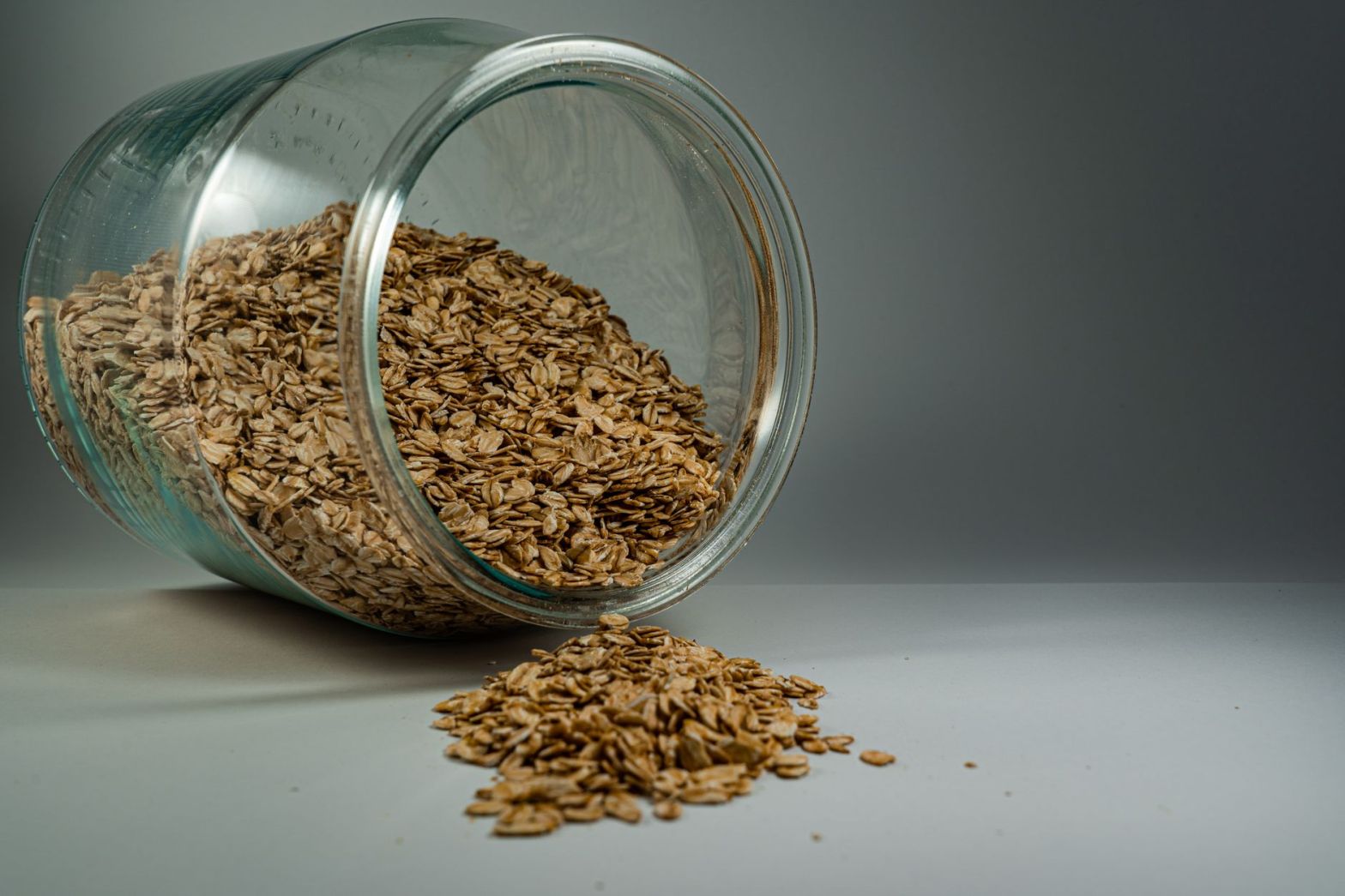
Oats instead of toast. Oats contain beta-glucan, a soluble fibre whose cholesterol-lowering effect is strong enough to have earned official health claims from both EFSA (European Food Safety Authority). The EU-approved claim applies when a food provides at least 3 g of oat beta-glucan per day, which corresponds to roughly 50–60 g of dry rolled oats. A typical bowl of porridge hits that threshold comfortably.
Beans as the main protein at dinner. Cooked black beans deliver about 15 g of fibre per cup; lentils around 15.6 g; chickpeas about 12.5 g. A single tin of drained beans contributes roughly 7–8 g toward your daily target while supplying complete-enough protein to anchor a plate. They’re also among the cheapest calorie-and-protein sources in any grocery aisle.
A handful of leafy greens, somewhere in the day. Kale stirred into soup, spinach blended into a smoothie, rocket scattered over pasta. People who eat more leafy greens tend to have a lower chance of developing heart disease. This has been demonstrated by studies pooling thousands of participants that suggest the risk drops by roughly 11–16%. Part of the explanation is nitrates, a compound in spinach and kale that helps blood vessels relax and work properly. The greens also pack folate, potassium and vitamin K into a single handful, nutrients that support the cardiovascular system on their own.
None of these changes requires abandoning anything you enjoy. We are not looking for perfection because consistency is what matters. A few grams of extra fibre a day, spread across meals, compounds quietly over months.
Are you ready to fill in the gap and eat more fibres? I could share with you my favourite heart-healthy recipes built around oats, beans and greens, quick, cheap and genuinely tasty.
Thank you for reading! You can read more from me on my blog crisbiecoach and, please, subscribe!
The summary of scientific articles was drafted by a large language model (LLM) and closely edited by me for clarity and accuracy.

