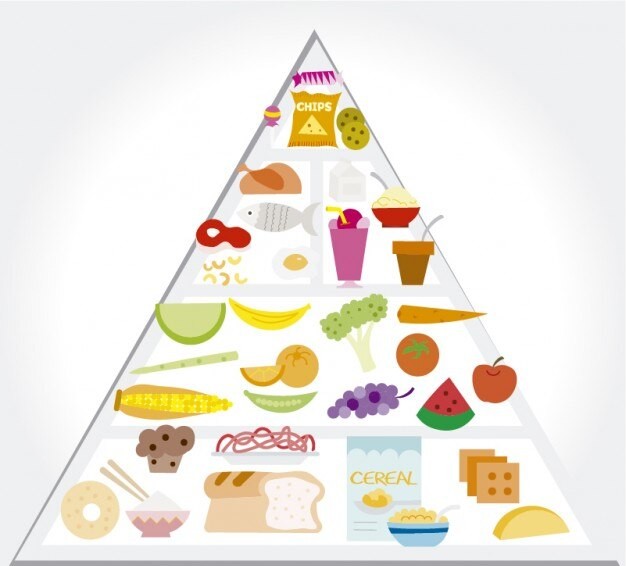
Four Foods to Beat the Afternoon Slump

Has it ever happened to you that early afternoon, especially if you had lunch, that suddenly your brain feels like it’s wrapped in cotton wool? You reach for another coffee or a sugary snack, hoping for a spark, but the fatigue persists. We often blame this exhaustion on a lack of sleep or sheer stress, but sometimes the culprit is far more mundane.

While hydration is the baseline requirement for vitality, what we eat plays a pivotal role in how our bodies process energy. Fatigue isn’t just a feeling; it’s a physiological signal that your organs are struggling to function efficiently due to nutrient gaps or chronic inflammation. To truly combat weariness, we need foods that do more than just fill us up, they need to optimize cellular efficiency. Here are four powerhouse foods that can help you reclaim your energy.

1. Avocado: The Anti-Inflammatory Anchor
Think of avocado not just as a trendy topping for toast, but as a shield for your body’s machinery. It is one of the richest plant-based sources of omega-3 fatty acids, nutrients typically associated with blue fish. These fats aren’t just “good fats”; they are active agents that reduce systemic inflammation. When inflammation runs high, your organs work harder to perform basic tasks, draining your overall energy reserves. By lowering this internal friction, avocado allows your body to operate with greater efficiency. Furthermore, these lipids play a crucial role in preventing muscle catabolism, the breakdown of lean tissue. Maintaining muscle mass is vital for long-term strength and metabolic health, making this creamy fruit a cornerstone of sustained vitality rather than just a quick fix.

2. Coffee: The Ergogenic Edge (Used Wisely)
Coffee is the world’s most popular stimulant for a reason. Its primary active compound, caffeine, is classified as an ergogenic aid, namely a substance that enhances physical performance and delays the onset of fatigue. But its benefits extend beyond the gym. Caffeine activates the central nervous system, sharpening mental focus and combating cognitive sluggishness. Research published in Neuroscience and Biobehavioral Reviews suggests that moderate caffeine intake can significantly boost productivity and alertness. However, there is a fine line between enhancement and overload. To reap the benefits without triggering anxiety or a crash, experts recommend keeping single servings under 200 mg—roughly equivalent to one large cup of brewed coffee. It’s a tool, not a crutch.

3. Rice: The Steady Burner
If you exercise regularly or lead an active life, carbohydrates are non-negotiable. They are the primary fuel source for your muscles and brain. Among carb options, rice stands out for its ability to provide complex sugars that stabilize blood glucose levels. Unlike refined grains that cause spikes and crashes, rice helps replenish glycogen stores steadily. This steady release prevents the “rollercoaster” effect where you feel wired after eating only to collapse an hour later. Interestingly, while pasta is often hailed as a healthy staple, many commercial varieties are made from heavily refined flours that can spike insulin rapidly, placing unnecessary strain on the pancreas. Choosing whole-grain or brown rice offers a more balanced, sustainable energy profile compared to overly processed alternatives.

4. Dark Chocolate: The Antioxidant Shield
Yes, chocolate belongs on this list, but only if you choose wisely. Industrial milk chocolates are sugar bombs that contribute to energy crashes. Real dark chocolate, however, is dense in flavonoids and antioxidants. These compounds neutralize free radicals, unstable molecules that damage cells and accelerate aging. This oxidative stress is a major contributor to chronic fatigue. By protecting your cells from this damage, dark chocolate supports better circulation and reduces inflammatory processes. The key is checking the label: aim for bars with a high cocoa percentage (70% or higher). You want the plant-derived benefits of cacao, not the added sugars that mask them.

Beyond the Plate: The Holistic Approach
Food is powerful, but it doesn’t work in a vacuum. Combating fatigue requires a holistic strategy. First, watch your weight. Excess adipose tissue is metabolically active and pro-inflammatory; carrying extra weight forces your body to work against constant low-grade inflammation, sapping your energy. Second, prioritize sleep hygiene. No amount of superfoods can compensate for chronic sleep deprivation. Finally, incorporate strength training into your routine. Building muscle increases your metabolic efficiency and combats premature aging, creating a positive feedback loop where your body becomes better at generating and storing energy.

Fatigue is rarely a mystery; it’s usually a sum of small deficits. By refining your fuel and supporting it with movement and rest, you can turn that afternoon slump into a plateau of consistent, clear-headed energy.

Which one are you adding to your grocery list this week? Let me know in the comment box here below!

Thank you for reading! You can read more from me on my blog crisbiecoach and, please, subscribe!

The Power of Vegetables: Small Steps to a Healthier Life

Vegetables aren’t just a side dish. They’re the foundation of a healthier and energized life. Yet, despite their undeniable benefits, most of us fall short of the daily goal: 300 grams of vegetables per day. Shockingly, only 7% of people in some countries, like Belgium, actually hit this target. Let’s try to change that.

The Hidden Potential in Your Plate

Vegetables are nutrient powerhouses. They’re packed with fiber (20–30g daily is ideal for digestion), vitamins, minerals, and antioxidants that protect your body from oxidative stress. But here’s the catch: not all vegetables are created equal in terms of density. A light salad won’t cut it—you need a variety of dense, colorful veggies to meet your goals.

Think of your plate as a canvas. Half of it should be vegetables at every main meal. That’s not just a suggestion, but it’s a game-changer for your energy, immunity, and long-term health.

Cook Smart, Eat Smarter

How you prepare your vegetables can make or break their nutritional value.

  • Raw is best: Crunchy carrots, crisp cucumbers, and fresh spinach retain nearly all their nutrients.
  • Steam for a close second: Gentle cooking preserves most of the goodness.
  • The tomato exception: Cooking tomatoes boosts their lycopene content, a potent antioxidant linked to heart health and cancer prevention.

And here’s a pro tip: Don’t peel your veggies. The skin holds 90–95% of the vitamins. Of course, if you’re feeding young children or elderly relatives, cooked and mashed veggies might be easier on their digestion, but for the rest of us, embrace the peel!

Fresh, Frozen, or Canned? The Truth

We don’t always have time to chop fresh veggies, and that’s okay. Here’s the hierarchy:

  1. Fresh: The gold standard for taste and nutrition.
  2. Frozen: A close second. Frozen veggies are picked at peak ripeness and flash-frozen, locking in nutrients. Just remember: cooking them will cause some nutrient loss, but they’re still a fantastic option.
  3. Canned: Convenient, but often loaded with salt or sugar. If you go this route, rinse them thoroughly or opt for no-salt-added versions.

Your Challenge: Small Steps, Big Impact

You don’t need to overhaul your diet overnight. As usual, start small:

  • Add a handful of spinach to your morning smoothie.
  • Swap chips for carrot sticks as a snack.
  • Double the veggies in your stir-fry or pasta.

Every bite counts. Every meal is an opportunity to nourish your body.

Final Thought

Vegetables aren’t just food: they’re medicine for your body. They’re your daily dose of resilience, vitality, and long-term health. So next time you’re planning a meal, ask yourself: Is half my plate vegetables?

What’s your favorite veggie? 👇Let me know in the comment box here below!

Thank you for reading! You can read more from me on my blog crisbiecoach and, please, subscribe!

Disturbed Eating vs. Eating Disorders: Understanding the Critical Difference

Nowadays our societies are appearance-focused, and because of that many people develop complicated relationships with food. But where do we draw the line between normal dietary concerns and clinically significant eating disorders? Understanding this distinction is crucial for early intervention and proper treatment.

The Spectrum of Eating Behaviors

Not all problematic eating behaviors lead to full-blown eating disorders. However, certain patterns—particularly weight-loss dieting—can serve as important warning signs. Dieting and intense physical exercise are common, even encouraged in societies where appearance and health concerns are highly valued. Many people also restrict or eliminate foods due to specific dietary needs or food allergies.

While these behaviors aren’t necessarily problematic, they can sometimes indicate an unhealthy relationship with food. Importantly, a person can have disturbed eating patterns without meeting diagnostic criteria for an actual eating disorder.

What Is Disturbed Eating?

Disturbed eating encompasses a range of negative attitudes and behaviors toward food that can lead to imbalanced eating patterns. These may include:

  • Frequent weight-loss dieting
  • Skipping meals regularly
  • Avoiding entire food groups
  • Binge eating episodes
  • Misuse of laxatives and weight-loss medications
  • Self-induced vomiting (sometimes called “purging”)
  • Compulsive exercise

We use the term “disturbed eating” when these behaviors aren’t frequent or severe enough to meet diagnostic criteria for an eating disorder. Not everyone with disturbed eating patterns will develop a clinical eating disorder, however these patterns often precede such conditions, especially when involving dieting.

Understanding Clinical Eating Disorders

Eating disorders are complex psychiatric conditions that affect the body, psyche, and social life of individuals. They involve persistent disturbances in how a person thinks, feels, and behaves regarding food and their own body.

Healthcare professionals diagnose eating disorders through a combination of clinical interviews and standardized questionnaires that evaluate the frequency, severity, and impact of behaviors on daily functioning. Major eating disorders include anorexia nervosa, bulimia nervosa, and binge-eating disorder.

According to international classifications (ICD-11 and DSM-5), eating disorders fall under the broader category of feeding and eating disorders. Other, rarer conditions include:

  • ARFID (Avoidant/Restrictive Food Intake Disorder): Extreme food selectivity
  • Pica: Consuming non-edible substances
  • Rumination Disorder: Re-chewing and re-swallowing food

Prevalence and Risk Factors

Prevalence statistics vary significantly based on how at-risk behaviors are defined:

  • An estimated 8.4% of women and 2.2% of men will develop an eating disorder during their lifetime
  • Risk is particularly high during adolescence
  • Disturbed eating affects 30% of girls and 17% of boys aged 6-18
  • Emerging research suggests non-conforming gender individuals may be at even higher risk

Prevention Challenges

While some prevention programs targeting risk factors like dieting and body image concerns show short-term effectiveness, significant limitations remain:

  • Most studies follow participants for only a few months
  • They often focus on late adolescents and young adults, when eating disorders typically already manifest
  • Important at-risk populations are frequently overlooked

The Orthorexia Debate

Orthorexia—an unhealthy obsession with “healthy” eating—remains controversial. Characterized by restrictive diets and elimination of “unhealthy” or “impure” foods, orthorexia doesn’t yet appear in official diagnostic manuals.

Despite its growing prevalence with popular diets (keto, paleo, intermittent fasting), distinguishing between health-conscious eating and pathological orthorexia remains challenging. Approximately 6% of the population has food allergies, and recent studies suggest these individuals may have increased risk for restrictive eating disorders.

It’s important to note that following a specific diet like veganism or having food allergies doesn’t automatically lead to disturbed eating. The underlying motivations matter greatly. A vegan may restrict foods for ethical reasons rather than pathological concerns.

Warning Signs to Watch For

If you’re concerned about your relationship with food or that of a loved one, consider these warning signs:

  • Excessive preoccupation with food and meal preparation
  • Complete avoidance of food groups or regular meal skipping
  • Obsession with weight or body shape
  • Significant weight fluctuations
  • Compulsive exercise patterns
  • Mood changes and social withdrawal

When in doubt, looking for help early is always preferable. Remember, it’s never too late to seek support for eating-related concerns.

How would you approach cases involving disturbed eating or eating disorders?

Thank you for reading! Please sign up for my blog crisbiecoach so you don’t miss out on any posts!

Scientific References used for this post:

  1. DSM-5 Eating Disorders Criteria psychiatry.org
  2. National Eating Disorders Association (NEDA) nationaleatingdisorders.org
  3. Orthorexia Studies – International Journal of Eating Disorders onlinelibrary.wiley.com
  4. Eating Disorder Statistics – National Institute of Mental Health nimh.nih.gov

The Sugar Trap: Uncovering Hidden Sugars in Your Everyday Food

We’ve all been there: carefully counting our sugar intake, avoiding obvious sweets and sodas, yet somehow our sugar consumption still creeps up. The culprit? Hidden sugars lurking in foods we’d never suspect. From salty meat to savory sauces, sugar has infiltrated our food in ways most of us don’t realize.

The Sugar Double Standard

When we think of sugar, our minds jump to desserts, candies, and sugary drinks. But the real sugar crisis is happening in our kitchens, disguised as “healthy” or “savory” options. The average person consumes about 17 teaspoons of added sugar daily, most of it unknowingly hidden in processed foods.

Understanding sugar types is crucial for making informed choices:

Complex sugars (slow sugars): Found in whole grains, legumes, and starchy vegetables, these sugars provide steady energy release. They’re digested slowly, preventing blood sugar spikes and supporting sustained energy levels throughout the day.

Simple sugars (fast sugars): Present in processed foods, sweetened beverages, and desserts, these cause rapid glycemic spikes. When unused by the body, they’re quickly stored as fat, contributing to weight gain and metabolic issues.

Becoming a Label Detective

Reading food labels isn’t just about calories – it’s about understanding what’s really in your food. Here’s what to look for:

Ingredient order matters: Ingredients are listed by quantity. If sugar appears early in the list, the product contains significant amounts.

The “sugars” vs. “of which sugars” distinction: The “of which sugars” line specifically shows added sugars – the red flag for hidden sugar content.

Foods to Pay Attention to

Some foods shock us with their sugar content:

Peanut butter: Many popular brands contain added sugars and sweeteners when natural peanut butter should contain just peanuts. Look for “100% peanuts” on the label.

Processed meats: Deli meats, sausages, and minced meat often contain glucose syrup or dextrose – unnecessary additives that add empty calories.

Sliced bread: Despite being a staple, many sliced breads contain significant added sugar, especially when combined with sweet toppings.

Sauces: Ketchup, mayonnaise, and even savory sauces use sugar as a flavor enhancer to stimulate appetite. A single serving of ketchup can contain nearly 4 grams of added sugar.

Ready-made soups: Even vegetable soups often contain added sugar, regardless of natural sweetness from ingredients like pumpkin.

Broth cubes: These convenient flavor boosters frequently contain hidden sugars alongside high sodium and fat content.

Practical Strategies for Sugar Reduction

Reducing hidden sugar intake doesn’t mean eliminating all pleasure from eating. It means becoming a conscious consumer:

Choose sugar-free alternatives: Opt for instance for unsweetened peanut butter, plain yogurts, and unsweetened sauces.

Cook from scratch: Making your own soups, sauces, and dressings gives you complete control over ingredients.

Compare labels: Similar products can have vastly different sugar content. Choose options where sugar doesn’t appear in the first five ingredients.

Limit processed staples: Reduce consumption of sliced bread and other highly processed foods that often contain hidden sugars.

The Path Forward

The journey to reducing hidden sugar consumption begins with awareness. By understanding food labels, recognizing common hidden sugar sources, and making conscious choices, we can take control of our sugar intake without sacrificing enjoyment of food.

Cooking at home, reading labels carefully, and prioritizing whole, unprocessed foods allows us to rediscover the true flavors of ingredients while supporting long-term health. Remember, reducing hidden sugar isn’t about deprivation, it’s about making informed choices that benefit our overall wellbeing.

Thank you for reading! You can read more from me on my blog crisbiecoach and, please, subscribe!

Note that I performed fact check with Thaura AI, an ethical AI built by two brothers from Syria migrated to Germany shortly before the war began in 2011. They established successful careers in Germany’s tech industry and then moved on with establishing themselves as the ethical AI alternative.

France’s Bold Step: Why Reducing Meat is a Win for Health and the Planet

France, a country synonymous with beef bourguignon among other meat based food, has made headlines by urging its citizens to “limit” meat consumption as part of its updated National Strategy for Food, Nutrition and Climate. This move is not just about climate action, it’s a recognition that our food choices have profound consequences for both our health and the environment.

As someone who has embraced vegetarianism for years and is now reducing dairy and fish for environmental reasons, I see France’s guidelines as a necessary and inspiring shift. Here’s why I support this change, and why you might consider it too.


France’s New Guidelines: What’s Changing?

France’s updated strategy aims to align food habits with climate goals by 2030. The key recommendations include:

  • Prioritizing whole foods: Fruits, vegetables, legumes, nuts, and whole grains take center stage.
  • Limiting meat and charcuterie: While not banning meat, the guidelines encourage moderation.
  • Reducing imported meat: A nod to the carbon footprint of global food chains.
  • Moderate dairy and fish: These are allowed in “sufficient” amounts, but the environmental impact of dairy, especially cow’s milk, which emits three times more greenhouse gases than plant-based alternatives, is acknowledged.

The guidelines also emphasize local and sustainable agriculture, supporting farmers while cutting emissions.


The Environmental Case for Less Meat

The numbers are stark:

  • Food and agriculture contribute one-third of global greenhouse gas emissions, second only to fossil fuels.
  • A 100g serving of beef emits 15.5 kg CO2 equivalent—the same as driving 78.7 km in a car.
  • Livestock farming drives deforestation, water depletion, and biodiversity loss.

France’s push to reduce meat aligns with global research. The EAT-Lancet Commission and the IPCC both highlight plant-based diets as critical for sustainability. Yet, critics argue that “limiting” meat isn’t enough—we need systemic change.


Health Benefits: A Double Win

Beyond the planet, reducing meat improves health:

  • Lower risk of heart disease, diabetes, and certain cancers (WHO).
  • More fiber and nutrients from plant-based diets.
  • Cost savings: With meat prices rising, many French citizens are already cutting back for financial reasons.

France’s guidelines reflect a growing awareness: what’s good for the planet is good for us.


My Journey: From Vegetarian to Plant-Based

I’ve been vegetarian for years, but my commitment to sustainability has led me to reduce dairy and fish too. Here’s why:

  • Dairy’s carbon footprint: Cow’s milk is far more resource-intensive than plant alternatives.
  • Overfishing: Our oceans are under strain, and even “sustainable” fish has an impact.

For two years, I’ve participated in Veganuary, a global pledge to try vegan for January. It’s a powerful way to explore plant-based living and the recipes are delicious!


Is “Limiting” Meat Enough?

France’s use of “limit” instead of “reduce” has drawn criticism. Activists argue for clearer targets, like the UK’s recommendation to cut meat by 20% by 2030. But this is a start, a cultural shift in a country where meat is deeply embedded in tradition.

What can you do?

  • Try Meat Free Mondays or join Veganuary next year.
  • Swap beef for lentils or mushrooms in classic dishes.
  • Explore French plant-based recipes (yes, they exist!).

Conclusion: A Plate for the Future

France’s guidelines are a reminder that food is climate action. As someone who’s seen the benefits firsthand for my health, I’m heartened by this step. It’s not about perfection; it’s about progress, and the will to give my contribution in an effective way.


Ready to try? Share your favorite plant-based recipe in the comments and start with joining the Meat Free Monday campaign and skip meat one day a week!

Thank you for reading! Please sign up for my blog crisbiecoach so you don’t miss out on any posts!


How Can Stress Shape Your Health

Stress is often misunderstood. While it’s commonly seen as harmful, it’s actually a vital biological response that helps us adapt, survive, and grow. The key lies in how we manage it, and how well our body can return to balance after a challenge.


Understanding Stress: A Biological Response

Stress is the body’s reaction to any demand or change. It activates the autonomic nervous system, which is divided into two branches:

  • The Sympathetic Nervous System (SNS): This is your “fight or flight” mode. It prepares the body to respond to danger by increasing heart rate, blood pressure, and energy availability.
  • The Parasympathetic Nervous System (PNS): This is your “rest and digest” mode. It calms the body down after the threat has passed, restoring balance and promoting recovery.

A healthy stress response involves a dynamic balance between these two systems. Problems arise when the SNS is chronically activated and the PNS doesn’t get a chance to do its job.


When Stress Is Helpful

Not all stress is bad. Short bursts of stress (called eustress) can improve focus, boost performance, and strengthen resilience. It’s the kind of stress you feel before a big event or when tackling a challenge. This type of stress helps the body adapt and grow stronger.


What Happens During Stress

When you encounter a stressful situation, your brain signals the adrenal glands to release cortisol and adrenaline. These hormones mobilize energy, sharpen attention, and prepare the body for action.

However, if stress becomes chronic, cortisol levels remain elevated. This can disrupt sleep, digestion, immunity, and even hormone production. Over time, it contributes to fatigue, anxiety, and inflammation.


Oxidative Stress, Calcium, and Magnesium

Stress also affects your cells at a deeper level. Oxidative stress occurs when there’s an imbalance between free radicals and antioxidants. This damages cells and accelerates aging.

Two minerals play a key role here:

  • Magnesium: Helps regulate the nervous system, supports mitochondrial function, and protects against oxidative damage.
  • Calcium: Essential for muscle contraction and nerve signaling, but too much calcium in cells can be harmful if not balanced by magnesium.

When magnesium is low, calcium floods the cells, leading to overstimulation and inflammation. This imbalance is linked to anxiety, poor sleep, and chronic fatigue.


Emotions, Inflammation, and the Stress Connection

Emotional stress is a major driver of inflammation, which underlies many chronic diseases. When stress is persistent, the body releases pro-inflammatory cytokines, the chemical messengers that promote inflammation.

This affects not only physical health but also mental well-being. Inflammation in the brain is associated with depression, anxiety, and cognitive decline. It also impairs digestion, immunity, and cardiovascular function.

Learning to regulate emotional stress is essential. Practices like mindfulness, journaling, and breathwork can reduce inflammation and restore balance.


Why We Struggle to Let Go

Many people live in a constant state of stress because they don’t know how to “switch off” the sympathetic nervous system. They stay in fight-or-flight mode even when the threat is gone.

Letting go, whether of control, expectations, or unresolved emotions, is a powerful way to activate the parasympathetic system. This allows the body to heal, digest, and regenerate.


What You Can Change

You can’t eliminate stress entirely, but you can change how you respond to it. Here are some practical steps:


To conclude, stress is not the enemy, it’s a messenger. It tells you when something needs attention, change, or healing. By understanding how stress works and learning to manage it, you can transform it from a source of harm into a catalyst for growth.

What are your strategies to fight stress? Share them in the comments!


Thank you for reading! You can read more from me on my blog crisbiecoach and, please, subscribe!

References and Further Reading


Rebuilding a Healthy Relationship with Food: 3 Steps to Ease Anxiety and Find Joy in Eating

For many of us, the journey toward healthier eating starts with good intentions: we want to feel better, improve our energy, or enhance our physical health. But what happens when the pursuit of “clean” or “healthy” eating crosses the line into obsession? When every meal becomes a source of stress, calculation, or guilt, it’s time to pause and reflect.

Psychologists specializing in eating disorders, highlight that when food occupies more mental space than it does on your plate, it’s no longer about wellness, it’s about anxiety. This phenomenon, often called orthorexia nervosa, is characterized by an extreme preoccupation with eating only “pure” or “healthy” foods, leading to rigid dietary rules, social isolation, and even malnutrition.


Recognizing the Signs: When Healthy Eating Becomes Harmful

1. The Slippery Slope from Healthy to Hyper-Controlled

At first, the shift is subtle. You might start by cutting out processed foods, then sugar, then carbs, then entire food groups. Before you know it, you’re carrying Tupperware everywhere, avoiding social events for fear of “slipping up,” and feeling intense guilt after eating anything not on your “approved” list.

Red flags to watch for:

  • Planning meals days or weeks in advance, with no room for spontaneity.
  • Avoiding social gatherings where food is involved.
  • Feeling no pleasure in eating, only control or fear.
  • Defining yourself by your dietary restrictions (e.g., “I’m the one who never eats gluten/dairy/meat”).

It’s important to know that orthorexia nervosa can lead to malnutrition, social withdrawal, and significant distress.


2. Listening to Your Body, Not Just Your Rules

Friends and family might notice physical changes like weight loss, fatigue, or a pale complexion but the real damage is often invisible. Internally, you may experience:

  • Unusual fatigue or low energy.
  • Loss of menstrual cycle (in women obviously).
  • Blood test abnormalities (low potassium, calcium, etc.).
  • Obsessive thoughts about food, guilt after eating, or shame about your habits.

Why it matters: These symptoms are your body’s way of signaling that something is wrong. You don’t need to “hit rock bottom” to seek help. Early intervention can prevent long-term health consequences.


3. Reconnecting Beyond the Plate

When food becomes a source of anxiety, even simple activities like dining out or family meals can feel overwhelming. You might dread comments like, “Are you sure you should eat that?” or “You’re so disciplined!”

How to rebuild connections:

  • Shift the focus: Plan activities with loved ones that don’t revolve around food, something like hikes, cinema, or craft workshops.
  • Set boundaries: Politely let others know if food is a sensitive topic for you. For example, “I’d love to catch up, but let’s talk about something other than what’s on my plate.”
  • Prioritize presence: Encourage friends and family to focus on the joy of being together, not on what or how much you’re eating.

Practical Steps to Heal Your Relationship with Food

1. Challenge Rigid Rules

Start small: allow yourself one “unplanned” meal a week. Notice how it feels to eat without strict guidelines. Gradually, this can help reduce anxiety and rebuild trust in your body’s signals.

2. Seek Support Without Shame

Therapy, support groups, or even confiding in a trusted friend can break the cycle of isolation. Remember, you’re not “weak” for asking for help, you’re brave.

3. Rediscover Joy in Eating

Mindful eating: slowly savoring flavors, textures, and the experience of a meal can help you reconnect with food as a source of pleasure, not stress.


Final Thought: Food is meant to nourish both body and soul. If your relationship with eating feels more like a battle than a celebration, it’s okay to ask for help. Healing starts with one small, compassionate step toward yourself.


What’s your biggest challenge with food and eating? Share in the comments, I’d love to hear your story.

Thank you for reading! Please sign up for my blog crisbiecoach so you don’t miss out on any posts!

Ultra-Processed Foods: Why They’re More Like Cigarettes Than Food


Ultra-processed foods (UPFs) are not just another food category, they’re a global health crisis. Recent research reveals that UPFs share alarming similarities with cigarettes: both are engineered to encourage addiction and overconsumption, and both are linked to severe, widespread health harms.

A systematic review of 104 long-term studies found that 92% showed higher risks for at least one chronic disease—including obesity, type 2 diabetes, cardiovascular disease, depression, and premature death, among those who regularly consume UPFs. The evidence is so compelling that public health experts now argue UPFs should be regulated like tobacco, not treated as ordinary.

What Makes UPFs So Harmful?

UPFs are industrially manufactured products, often packed with emulsifiers, artificial colors, flavors, and preservatives. Think soft drinks, packaged snacks, ready meals, and even many baby foods. These products are designed to be hyper-palatable, triggering reward pathways in the brain and making them hard to resist, even when we’re not hungry.

Key health risks linked to UPFs:

The Addiction Connection

Researchers from Harvard, the University of Michigan, and Duke University highlight how UPFs are formulated to maximize cravings and consumption. The Yale Food Addiction Scale, used to assess food addiction, reveals that UPFs meet clinical criteria for addictive substances. People often describe feeling “hooked” on these foods, much like smokers struggling to quit cigarettes.


How to Break Free: Healthy Snack Alternatives

Replacing UPFs with whole or minimally processed foods is one of the most effective ways to improve health. Here are practical, nutrient-dense alternatives:

1. Swap Packaged Snacks for Whole Foods

  • Instead of chips: Try roasted chickpeas, air-popped popcorn, or veggie sticks with hummus or baba ganoush.
  • Instead of candy: Opt for fresh or dried fruit, dark chocolate (70%+ cocoa), or homemade energy balls with oats and nut butter.
  • Instead of sugary granola bars: Choose protein bars with simple ingredients or make your own with oats, seeds, and honey.

2. Prioritize Protein and Fiber

  • Greek yogurt with berries (no added sugar)
  • Hard-boiled eggs or edamame for a quick protein boost
  • Nuts and seeds (almonds, walnuts, pumpkin seeds) for healthy fats and fiber

3. Hydrate Smartly

  • Infused water (cucumber, mint, lemon or spices) instead of soda
  • Herbal teas or sparkling water with a splash of 100% fruit juice

4. Plan Ahead

  • Pre-cut veggies and portioned nuts for on-the-go snacking
  • Homemade trail mix with unsweetened dried fruit and dark chocolate chips

Further Reading


Final Thoughts

Ultra-processed foods can be a real threat to your health . By understanding the risks and choosing whole-food alternatives, you can protect your health and support a food system that prioritizes well-being over profit.

What’s your favorite healthy snack? Share in the comments!

Thank you for reading! You can read more from me on my blog crisbiecoach and, please, subscribe!


Meditation vs. Mindfulness: Understanding the Differences, Common Ground, and Benefits

I’ve always been drawn to practices that ground me, whether it’s the stillness of a sunrise in Bandipur National Park or the quiet focus of writing. I would like to explore today meditation and mindfulness, two powerful tools for mental clarity and emotional balance. While often used interchangeably, they are distinct practices with unique histories, techniques, and benefits. Let’s see what sets them apart, what they share, and how both can enrich your life.


What is Meditation?

Definition: Meditation is a broad term for practices that train attention and awareness, often to achieve mental clarity, emotional calm, and spiritual growth. It can involve focusing the mind on a particular object, thought, or activity, such as the breath, a mantra, or bodily sensations, to cultivate inner peace and heightened awareness.

History and Perspectives:

  • Ancient Roots: Meditation’s origins trace back thousands of years, with evidence from the Indus Valley (5000–3500 BC) and early Hindu, Buddhist, Taoist, and Jain traditions. The Sanskrit word dhyāna (contemplation) and the Latin meditatio (to ponder) both reflect its deep spiritual and philosophical roots.
  • Global Spread: From India, meditation spread to China, the Middle East, and Europe, adapting to local cultures and religions. In the West, it gained popularity in the 20th century, thanks to figures like Swami Vivekananda and modern teachers who secularized the practice.
  • Modern Context: Today, meditation is practiced worldwide, both as a spiritual discipline and a secular tool for stress reduction and well-being.

Types of Meditation:

  • Focused Attention: Concentrating on a single point (e.g., breath, mantra, candle flame).
  • Open Monitoring: Observing thoughts and sensations without attachment (e.g., mindfulness meditation).
  • Loving-Kindness (Metta): Cultivating compassion toward oneself and others.
  • Body Scan: Systematically focusing on different body parts to release tension.
  • Transcendental Meditation: Using a personalized mantra to settle the mind into a state of restful awareness.
  • Guided Meditation: Following verbal instructions from a teacher or app.
  • Movement-Based: Yoga, walking meditation, or tai chi.

What is Mindfulness?

Definition: Mindfulness is the practice of being fully present and engaged in the current moment, without judgment. It involves observing thoughts, emotions, and sensations as they arise, with acceptance and curiosity.

History and Perspectives:

  • Buddhist Origins: Mindfulness (sati in Pali) is central to Buddhist teachings, particularly in Vipassana meditation, which emphasizes insight and awareness.
  • Western Adaptation: In the 1970s, Jon Kabat-Zinn developed Mindfulness-Based Stress Reduction (MBSR), a secular program that brought mindfulness into mainstream healthcare and psychology.
  • Global Influence: Mindfulness is now integrated into schools, workplaces, and therapy, supported by scientific research on its mental and physical health benefits.

Common Ground:

  • Both cultivate awareness, reduce stress, and improve emotional regulation.
  • Mindfulness is a type of meditation, but not all meditation is mindfulness.
  • Both are backed by science for benefits like reduced anxiety, improved focus, and better sleep.

Scientific Based Benefits

For the Mind:

  • Reduces symptoms of anxiety, depression, and post-traumatic stress disorder (PTSD).
  • Enhances focus, memory, and cognitive flexibility.
  • Promotes emotional resilience and self-awareness.

For the Body:

  • Lowers blood pressure and cortisol levels.
  • Supports immune function and pain management.
  • Improves sleep quality and heart health.

How to Get Started

Meditation:

  • Try a guided app (Headspace, Calm, Insight Timer).
  • Start with 5–10 minutes of breath awareness or body scan.
  • Explore different styles to find what resonates with you.

Mindfulness:

  • Practice mindful eating, walking, or listening.
  • Use reminders (e.g., phone alerts) to pause and check in with your senses.
  • Join a local MBSR course or online community.

Final Thought – Whether you’re seeking stillness after a hectic day or a deeper connection to the present moment, both meditation and mindfulness offer transformative tools. As someone who finds inspiration in the world’s quiet corners, I’ve discovered that these practices are like passports to inner peace, no matter where life takes you.

Question for You: Have you tried meditation or mindfulness? What was your experience like? I’d be happy to read from you in the comments!

Thank you for reading! Please sign up for my blog crisbiecoach so you don’t miss out on any posts!

Chocolate: Your Festive Brain Booster

As the holiday season wraps us in twinkling lights and festive cheer, there’s one treat that often takes center stage: chocolate. Whether it’s a rich dark truffle or a creamy milk chocolate bar, this beloved indulgence does more than just satisfy our sweet tooth. Recent scientific studies suggest that chocolate, especially dark chocolate, might just be the brain’s best friend—boosting mood, sharpening cognition, and even protecting against age-related decline.

But is this too good to be true? Let’s unwrap the science behind chocolate’s potential brain benefits, just in time for Christmas.


Chocolate and Mood: A Festive Lift

The Comfort of Cocoa – For centuries, chocolate has been celebrated for its mood-enhancing properties. The ancient Mayans called it the “food of the gods,” and modern science is beginning to understand why. A 2024 clinical trial published in Scientific Reports found that menopausal women who consumed 12 grams of 78% dark chocolate daily experienced significant improvements in mood and sleep quality compared to those who ate milk chocolate. The study suggests that the high flavonoid content in dark chocolate may play a key role in reducing depressive symptoms and enhancing overall well-being.

Dark Chocolate: The Mood Stabilizer – A large-scale study of over 13,000 U.S. adults revealed that those who regularly consumed dark chocolate had a 70% lower risk of clinically relevant depressive symptoms. The key? Dark chocolate’s rich flavonoid content, which is known for its anti-inflammatory and neuroprotective effects. While milk and white chocolate didn’t show the same benefits, dark chocolate’s unique composition makes it a standout for mental health.


Cognitive Benefits: Sharpening Your Mind for the Holidays

Flavonoids: The Brain’s Secret Santa – Dark chocolate is packed with flavonoids, powerful antioxidants that cross the blood-brain barrier and accumulate in regions associated with learning and memory. Research from 2023 and 2024 highlights that regular flavonoid intake is linked to better cognitive function, reduced risk of dementia, and even improved memory in healthy adults. These compounds enhance cerebral blood flow, boost oxygenation, and protect brain cells from oxidative stress—making them a natural ally for cognitive vitality.

A Nobel-Worthy Treat? – In a whimsical yet thought-provoking study, researchers found a surprising correlation: countries with higher per capita chocolate consumption tend to produce more Nobel laureates. While this doesn’t prove causation (after all, correlation isn’t causation!), it’s a fun reminder of chocolate’s potential cognitive perks. The theory? Flavonoids in cocoa may enhance brain function, giving chocolate lovers a subtle mental edge.


The Christmas Caveat: Not All Chocolate Is Created Equal

Choose Wisely – Not all chocolate is a brain booster. The benefits are most strongly linked to dark chocolate with a high cocoa content (70% or more). Milk and white chocolate, which contain less cocoa and more sugar, don’t offer the same advantages. So, this holiday season, opt for quality over quantity, savor a square or two of dark chocolate to reap the rewards without overindulging.

Moderation Matters – While chocolate can be a festive friend to your brain, balance is key. Overconsumption can lead to weight gain and other health issues. Enjoy it as part of a varied, nutrient-rich diet, especially during the holidays when treats abound.


Wrapping Up: Chocolate as a Festive Gift for Your Brain

This Christmas, give yourself the gift of chocolate, guilt-free and backed by science. Whether you’re unwrapping a dark chocolate truffle or sipping on a rich cocoa drink, remember that this festive favorite might just be doing your brain a world of good. From lifting your mood to sharpening your mind, chocolate is more than a treat; it’s a celebration of health and happiness.

So go ahead, indulge in a little holiday magic. Your brain will thank you.


What’s your favorite way to enjoy chocolate during the holidays? Share it in the comments!

Wishing you a season of peace and joy, and a New Year filled with hope and happiness.

Thank you for reading! You can read more from me on my blog crisbiecoach and, please, subscribe!