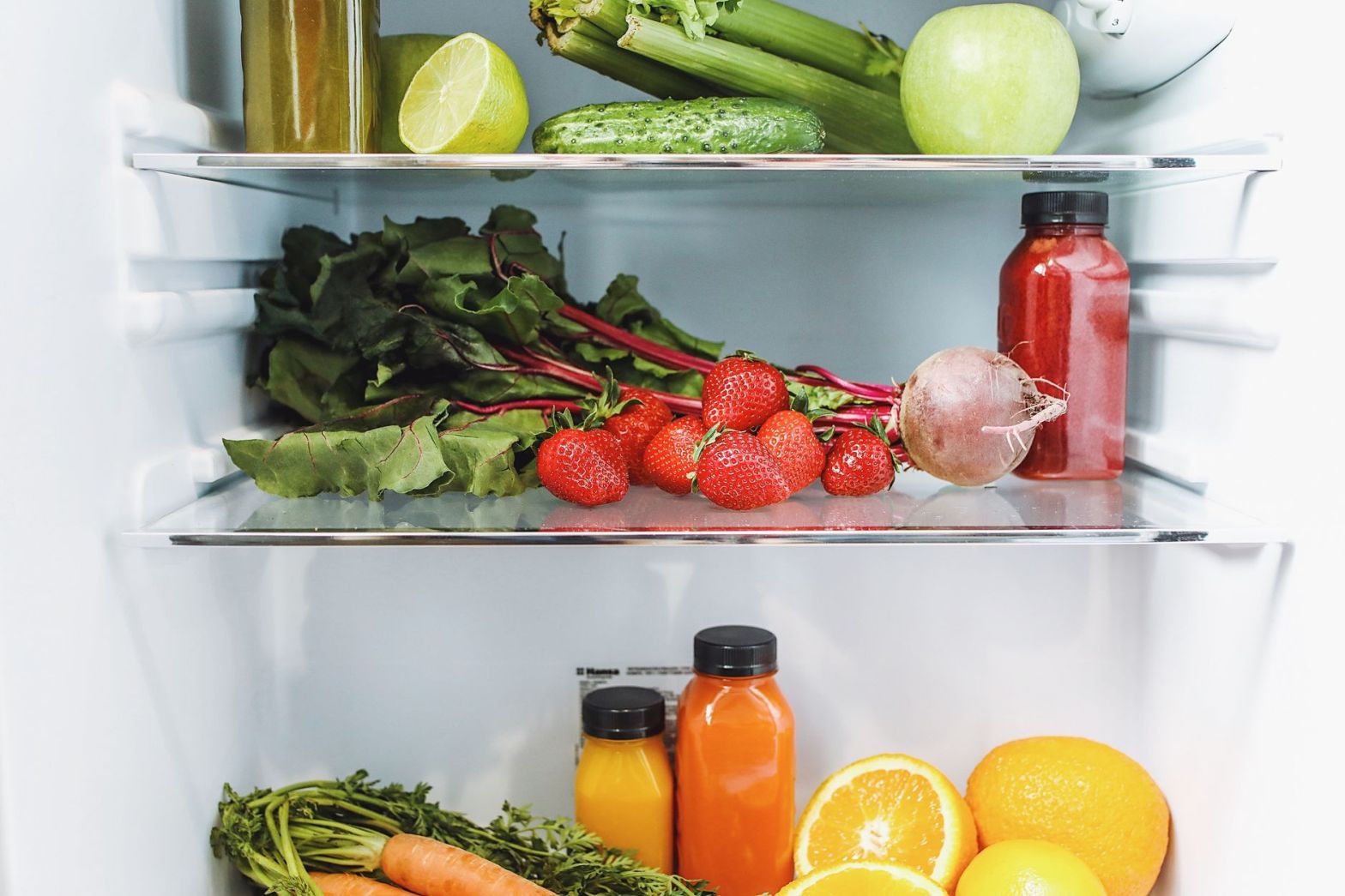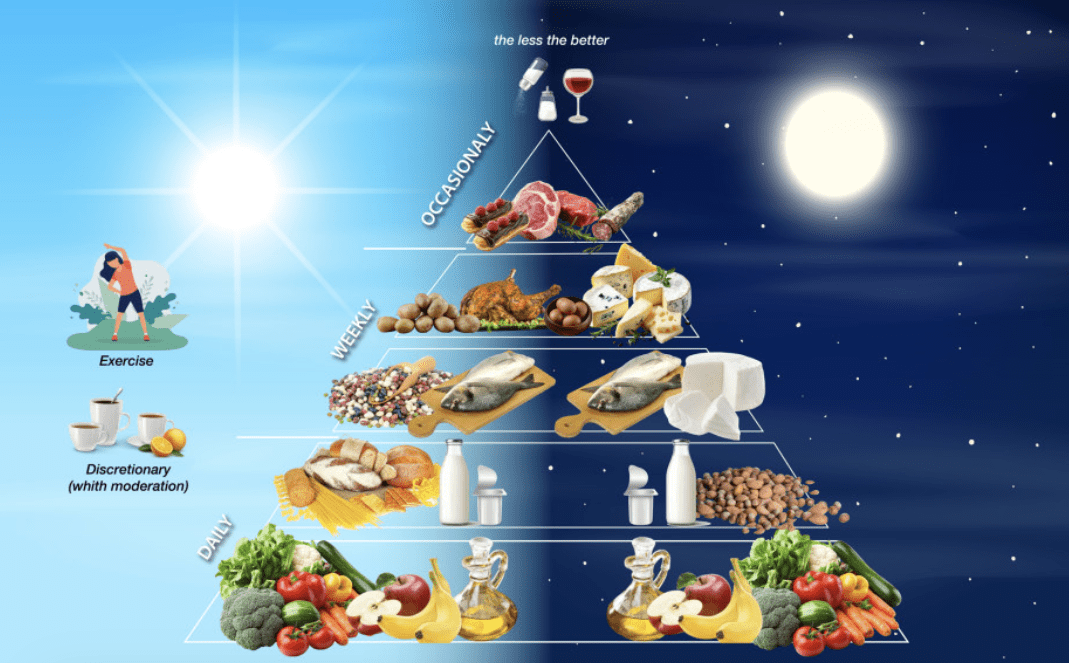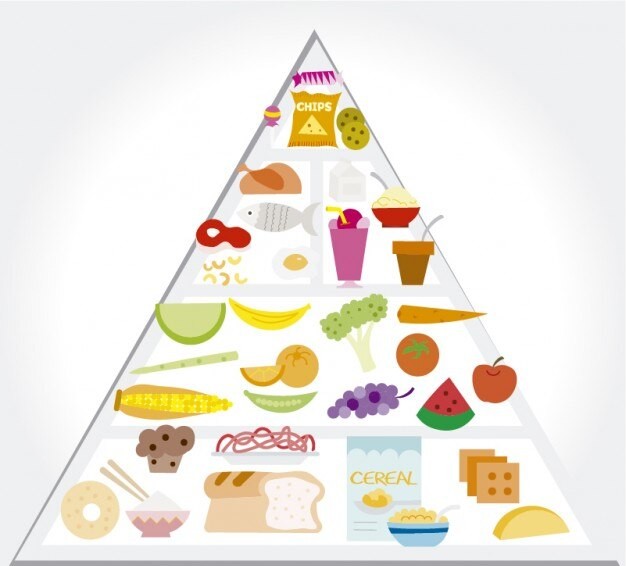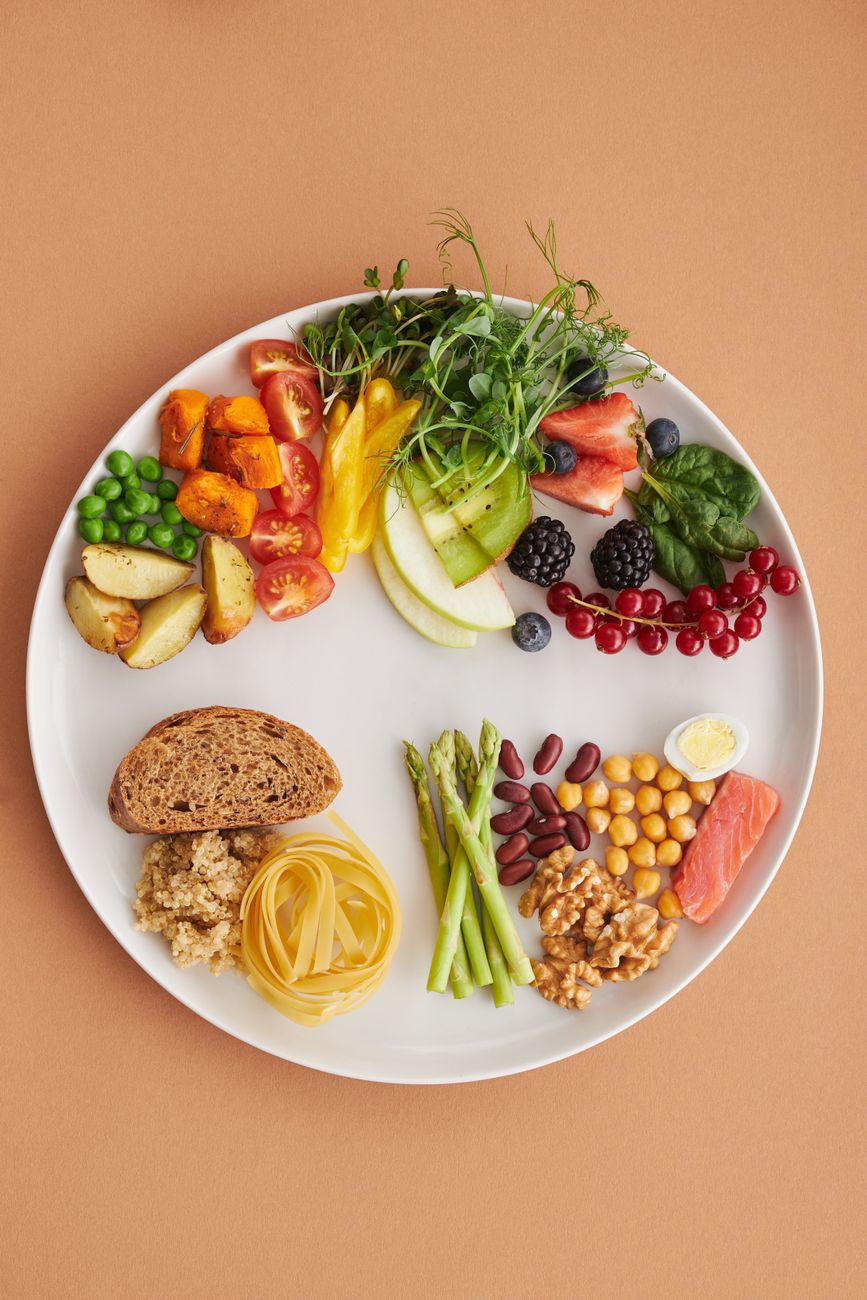
Vegetables aren’t just a side dish. They’re the foundation of a healthier and energized life. Yet, despite their undeniable benefits, most of us fall short of the daily goal: 300 grams of vegetables per day. Shockingly, only 7% of people in some countries, like Belgium, actually hit this target. Let’s try to change that.
The Hidden Potential in Your Plate
Vegetables are nutrient powerhouses. They’re packed with fiber (20–30g daily is ideal for digestion), vitamins, minerals, and antioxidants that protect your body from oxidative stress. But here’s the catch: not all vegetables are created equal in terms of density. A light salad won’t cut it—you need a variety of dense, colorful veggies to meet your goals.
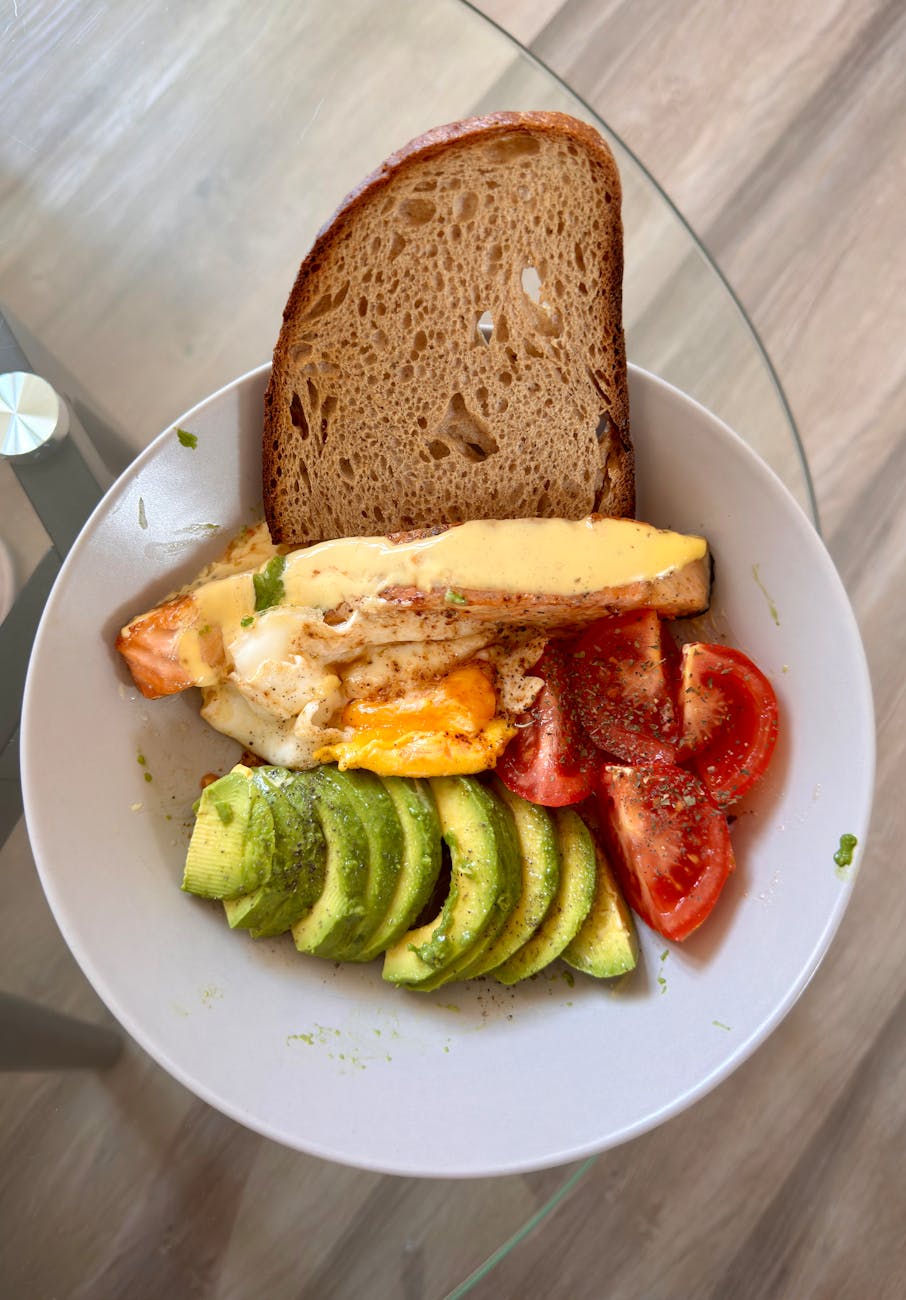
Think of your plate as a canvas. Half of it should be vegetables at every main meal. That’s not just a suggestion, but it’s a game-changer for your energy, immunity, and long-term health.
Cook Smart, Eat Smarter
How you prepare your vegetables can make or break their nutritional value.
- Raw is best: Crunchy carrots, crisp cucumbers, and fresh spinach retain nearly all their nutrients.
- Steam for a close second: Gentle cooking preserves most of the goodness.
- The tomato exception: Cooking tomatoes boosts their lycopene content, a potent antioxidant linked to heart health and cancer prevention.
And here’s a pro tip: Don’t peel your veggies. The skin holds 90–95% of the vitamins. Of course, if you’re feeding young children or elderly relatives, cooked and mashed veggies might be easier on their digestion, but for the rest of us, embrace the peel!
Fresh, Frozen, or Canned? The Truth
We don’t always have time to chop fresh veggies, and that’s okay. Here’s the hierarchy:
- Fresh: The gold standard for taste and nutrition.
- Frozen: A close second. Frozen veggies are picked at peak ripeness and flash-frozen, locking in nutrients. Just remember: cooking them will cause some nutrient loss, but they’re still a fantastic option.
- Canned: Convenient, but often loaded with salt or sugar. If you go this route, rinse them thoroughly or opt for no-salt-added versions.
Your Challenge: Small Steps, Big Impact
You don’t need to overhaul your diet overnight. As usual, start small:
- Add a handful of spinach to your morning smoothie.
- Swap chips for carrot sticks as a snack.
- Double the veggies in your stir-fry or pasta.
Every bite counts. Every meal is an opportunity to nourish your body.
Final Thought
Vegetables aren’t just food: they’re medicine for your body. They’re your daily dose of resilience, vitality, and long-term health. So next time you’re planning a meal, ask yourself: Is half my plate vegetables?
What’s your favorite veggie? 👇Let me know in the comment box here below!
Thank you for reading! You can read more from me on my blog crisbiecoach and, please, subscribe!