The Power of Vegetables: Small Steps to a Healthier Life

Vegetables aren’t just a side dish. They’re the foundation of a healthier and energized life. Yet, despite their undeniable benefits, most of us fall short of the daily goal: 300 grams of vegetables per day. Shockingly, only 7% of people in some countries, like Belgium, actually hit this target. Let’s try to change that.

The Hidden Potential in Your Plate

Vegetables are nutrient powerhouses. They’re packed with fiber (20–30g daily is ideal for digestion), vitamins, minerals, and antioxidants that protect your body from oxidative stress. But here’s the catch: not all vegetables are created equal in terms of density. A light salad won’t cut it—you need a variety of dense, colorful veggies to meet your goals.

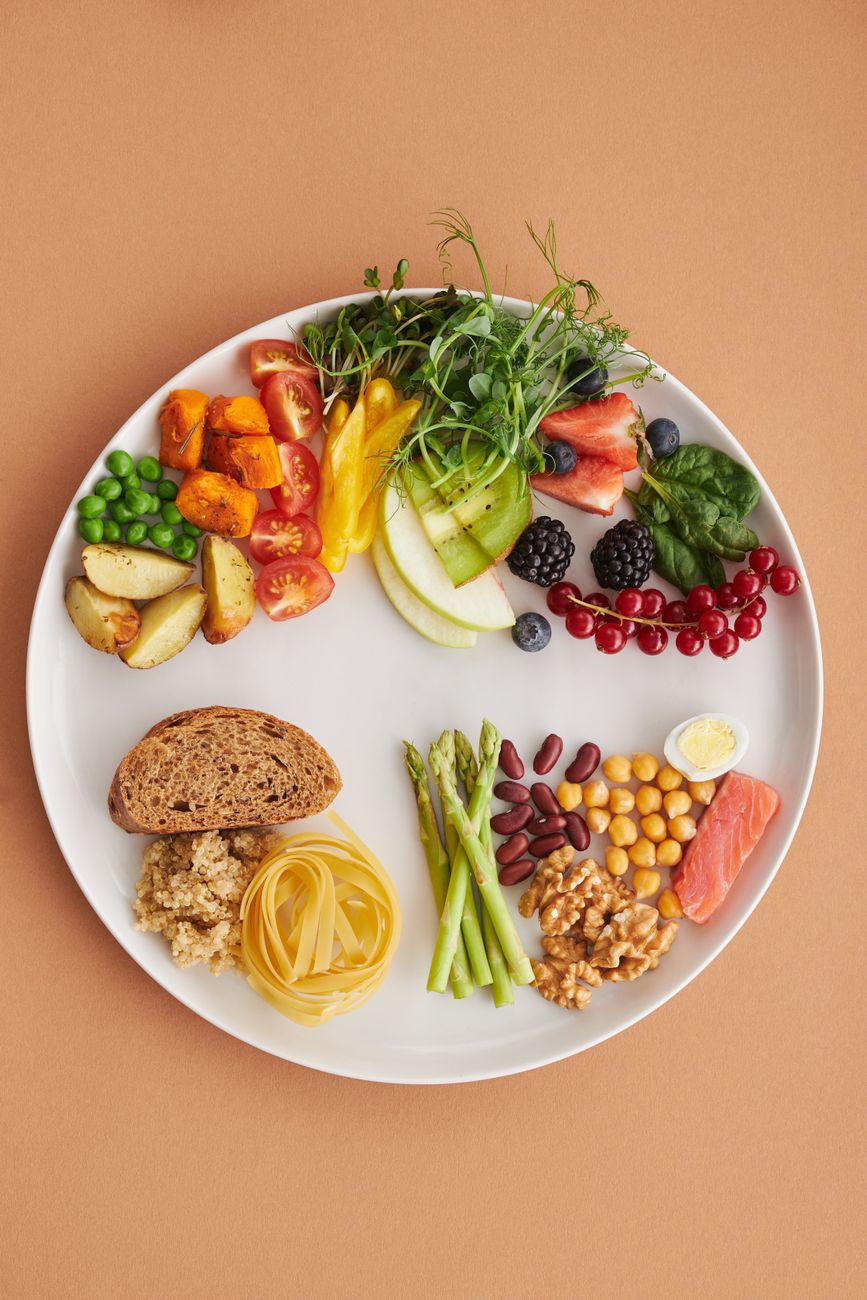
Think of your plate as a canvas. Half of it should be vegetables at every main meal. That’s not just a suggestion, but it’s a game-changer for your energy, immunity, and long-term health.

Cook Smart, Eat Smarter

How you prepare your vegetables can make or break their nutritional value.

  • Raw is best: Crunchy carrots, crisp cucumbers, and fresh spinach retain nearly all their nutrients.
  • Steam for a close second: Gentle cooking preserves most of the goodness.
  • The tomato exception: Cooking tomatoes boosts their lycopene content, a potent antioxidant linked to heart health and cancer prevention.

And here’s a pro tip: Don’t peel your veggies. The skin holds 90–95% of the vitamins. Of course, if you’re feeding young children or elderly relatives, cooked and mashed veggies might be easier on their digestion, but for the rest of us, embrace the peel!

Fresh, Frozen, or Canned? The Truth

We don’t always have time to chop fresh veggies, and that’s okay. Here’s the hierarchy:

  1. Fresh: The gold standard for taste and nutrition.
  2. Frozen: A close second. Frozen veggies are picked at peak ripeness and flash-frozen, locking in nutrients. Just remember: cooking them will cause some nutrient loss, but they’re still a fantastic option.
  3. Canned: Convenient, but often loaded with salt or sugar. If you go this route, rinse them thoroughly or opt for no-salt-added versions.

Your Challenge: Small Steps, Big Impact

You don’t need to overhaul your diet overnight. As usual, start small:

  • Add a handful of spinach to your morning smoothie.
  • Swap chips for carrot sticks as a snack.
  • Double the veggies in your stir-fry or pasta.

Every bite counts. Every meal is an opportunity to nourish your body.

Final Thought

Vegetables aren’t just food: they’re medicine for your body. They’re your daily dose of resilience, vitality, and long-term health. So next time you’re planning a meal, ask yourself: Is half my plate vegetables?

What’s your favorite veggie? 👇Let me know in the comment box here below!

Thank you for reading! You can read more from me on my blog crisbiecoach and, please, subscribe!
Rebuilding a Healthy Relationship with Food: 3 Steps to Ease Anxiety and Find Joy in Eating

For many of us, the journey toward healthier eating starts with good intentions: we want to feel better, improve our energy, or enhance our physical health. But what happens when the pursuit of “clean” or “healthy” eating crosses the line into obsession? When every meal becomes a source of stress, calculation, or guilt, it’s time to pause and reflect.

Psychologists specializing in eating disorders, highlight that when food occupies more mental space than it does on your plate, it’s no longer about wellness, it’s about anxiety. This phenomenon, often called orthorexia nervosa, is characterized by an extreme preoccupation with eating only “pure” or “healthy” foods, leading to rigid dietary rules, social isolation, and even malnutrition.


Recognizing the Signs: When Healthy Eating Becomes Harmful

1. The Slippery Slope from Healthy to Hyper-Controlled

At first, the shift is subtle. You might start by cutting out processed foods, then sugar, then carbs, then entire food groups. Before you know it, you’re carrying Tupperware everywhere, avoiding social events for fear of “slipping up,” and feeling intense guilt after eating anything not on your “approved” list.

Red flags to watch for:

  • Planning meals days or weeks in advance, with no room for spontaneity.
  • Avoiding social gatherings where food is involved.
  • Feeling no pleasure in eating, only control or fear.
  • Defining yourself by your dietary restrictions (e.g., “I’m the one who never eats gluten/dairy/meat”).

It’s important to know that orthorexia nervosa can lead to malnutrition, social withdrawal, and significant distress.


2. Listening to Your Body, Not Just Your Rules

Friends and family might notice physical changes like weight loss, fatigue, or a pale complexion but the real damage is often invisible. Internally, you may experience:

  • Unusual fatigue or low energy.
  • Loss of menstrual cycle (in women obviously).
  • Blood test abnormalities (low potassium, calcium, etc.).
  • Obsessive thoughts about food, guilt after eating, or shame about your habits.

Why it matters: These symptoms are your body’s way of signaling that something is wrong. You don’t need to “hit rock bottom” to seek help. Early intervention can prevent long-term health consequences.


3. Reconnecting Beyond the Plate

When food becomes a source of anxiety, even simple activities like dining out or family meals can feel overwhelming. You might dread comments like, “Are you sure you should eat that?” or “You’re so disciplined!”

How to rebuild connections:

  • Shift the focus: Plan activities with loved ones that don’t revolve around food, something like hikes, cinema, or craft workshops.
  • Set boundaries: Politely let others know if food is a sensitive topic for you. For example, “I’d love to catch up, but let’s talk about something other than what’s on my plate.”
  • Prioritize presence: Encourage friends and family to focus on the joy of being together, not on what or how much you’re eating.

Practical Steps to Heal Your Relationship with Food

1. Challenge Rigid Rules

Start small: allow yourself one “unplanned” meal a week. Notice how it feels to eat without strict guidelines. Gradually, this can help reduce anxiety and rebuild trust in your body’s signals.

2. Seek Support Without Shame

Therapy, support groups, or even confiding in a trusted friend can break the cycle of isolation. Remember, you’re not “weak” for asking for help, you’re brave.

3. Rediscover Joy in Eating

Mindful eating: slowly savoring flavors, textures, and the experience of a meal can help you reconnect with food as a source of pleasure, not stress.


Final Thought: Food is meant to nourish both body and soul. If your relationship with eating feels more like a battle than a celebration, it’s okay to ask for help. Healing starts with one small, compassionate step toward yourself.


What’s your biggest challenge with food and eating? Share in the comments, I’d love to hear your story.

Thank you for reading! Please sign up for my blog crisbiecoach so you don’t miss out on any posts!

Ultra-Processed Foods: Why They’re More Like Cigarettes Than Food


Ultra-processed foods (UPFs) are not just another food category, they’re a global health crisis. Recent research reveals that UPFs share alarming similarities with cigarettes: both are engineered to encourage addiction and overconsumption, and both are linked to severe, widespread health harms.

A systematic review of 104 long-term studies found that 92% showed higher risks for at least one chronic disease—including obesity, type 2 diabetes, cardiovascular disease, depression, and premature death, among those who regularly consume UPFs. The evidence is so compelling that public health experts now argue UPFs should be regulated like tobacco, not treated as ordinary.

What Makes UPFs So Harmful?

UPFs are industrially manufactured products, often packed with emulsifiers, artificial colors, flavors, and preservatives. Think soft drinks, packaged snacks, ready meals, and even many baby foods. These products are designed to be hyper-palatable, triggering reward pathways in the brain and making them hard to resist, even when we’re not hungry.

Key health risks linked to UPFs:

The Addiction Connection

Researchers from Harvard, the University of Michigan, and Duke University highlight how UPFs are formulated to maximize cravings and consumption. The Yale Food Addiction Scale, used to assess food addiction, reveals that UPFs meet clinical criteria for addictive substances. People often describe feeling “hooked” on these foods, much like smokers struggling to quit cigarettes.


How to Break Free: Healthy Snack Alternatives

Replacing UPFs with whole or minimally processed foods is one of the most effective ways to improve health. Here are practical, nutrient-dense alternatives:

1. Swap Packaged Snacks for Whole Foods

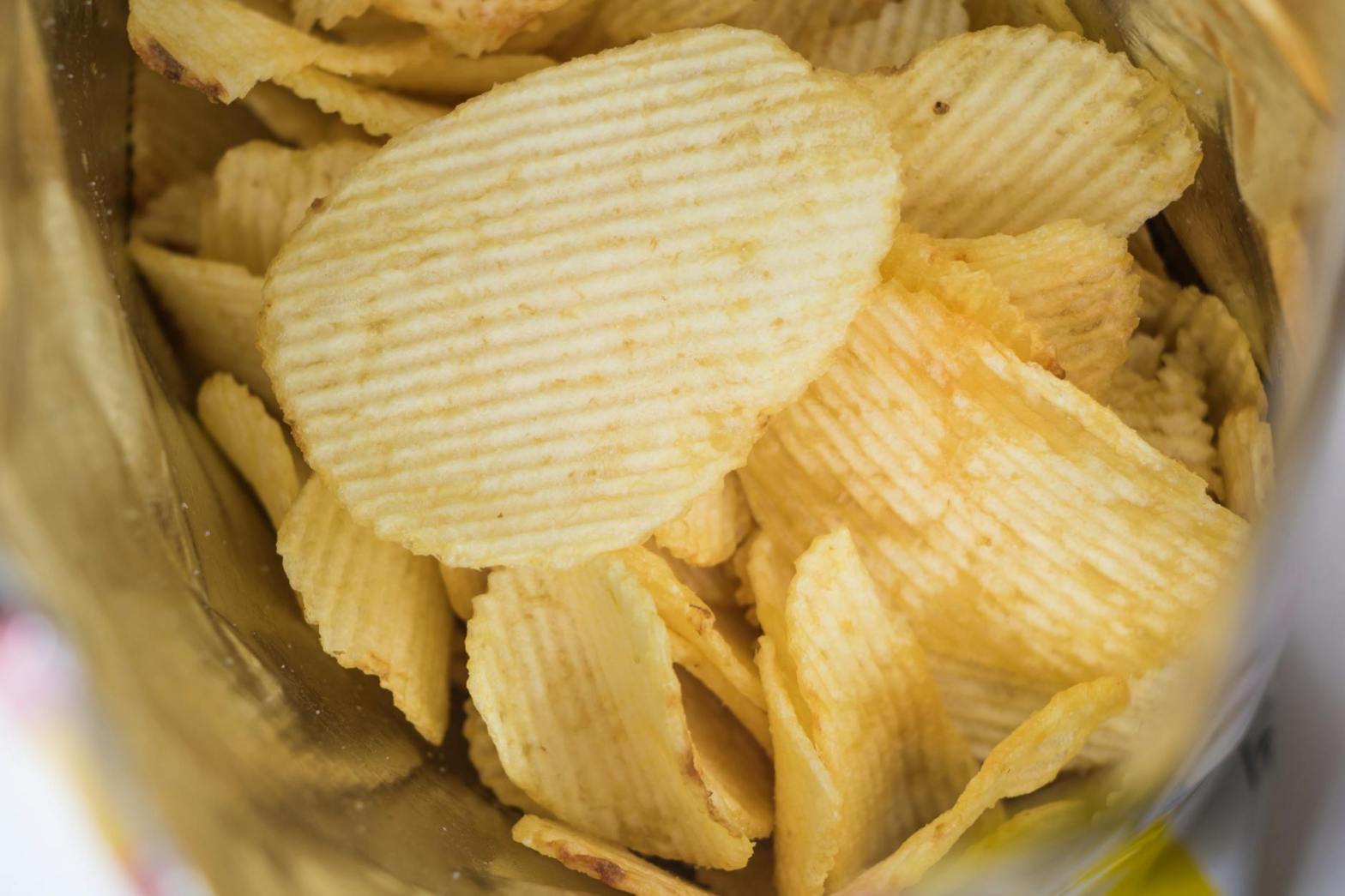
  • Instead of chips: Try roasted chickpeas, air-popped popcorn, or veggie sticks with hummus or baba ganoush.
  • Instead of candy: Opt for fresh or dried fruit, dark chocolate (70%+ cocoa), or homemade energy balls with oats and nut butter.
  • Instead of sugary granola bars: Choose protein bars with simple ingredients or make your own with oats, seeds, and honey.

2. Prioritize Protein and Fiber

  • Greek yogurt with berries (no added sugar)
  • Hard-boiled eggs or edamame for a quick protein boost
  • Nuts and seeds (almonds, walnuts, pumpkin seeds) for healthy fats and fiber

3. Hydrate Smartly

  • Infused water (cucumber, mint, lemon or spices) instead of soda
  • Herbal teas or sparkling water with a splash of 100% fruit juice

4. Plan Ahead

  • Pre-cut veggies and portioned nuts for on-the-go snacking
  • Homemade trail mix with unsweetened dried fruit and dark chocolate chips

Further Reading


Final Thoughts

Ultra-processed foods can be a real threat to your health . By understanding the risks and choosing whole-food alternatives, you can protect your health and support a food system that prioritizes well-being over profit.

What’s your favorite healthy snack? Share in the comments!

Thank you for reading! You can read more from me on my blog crisbiecoach and, please, subscribe!