
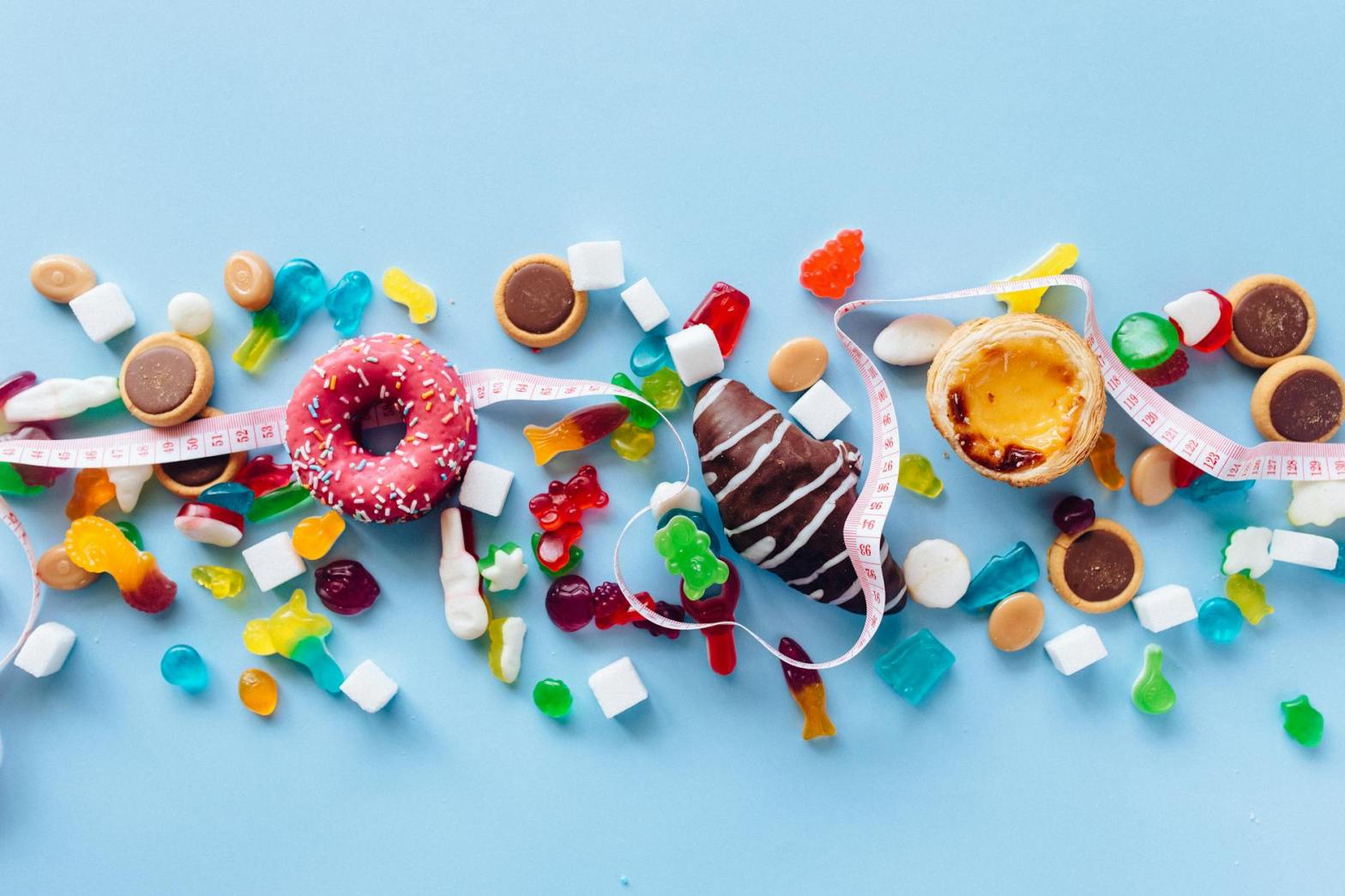
The Sugar Trap: Uncovering Hidden Sugars in Your Everyday Food

We’ve all been there: carefully counting our sugar intake, avoiding obvious sweets and sodas, yet somehow our sugar consumption still creeps up. The culprit? Hidden sugars lurking in foods we’d never suspect. From salty meat to savory sauces, sugar has infiltrated our food in ways most of us don’t realize.

The Sugar Double Standard

When we think of sugar, our minds jump to desserts, candies, and sugary drinks. But the real sugar crisis is happening in our kitchens, disguised as “healthy” or “savory” options. The average person consumes about 17 teaspoons of added sugar daily, most of it unknowingly hidden in processed foods.

Understanding sugar types is crucial for making informed choices:

Complex sugars (slow sugars): Found in whole grains, legumes, and starchy vegetables, these sugars provide steady energy release. They’re digested slowly, preventing blood sugar spikes and supporting sustained energy levels throughout the day.

Simple sugars (fast sugars): Present in processed foods, sweetened beverages, and desserts, these cause rapid glycemic spikes. When unused by the body, they’re quickly stored as fat, contributing to weight gain and metabolic issues.

Becoming a Label Detective

Reading food labels isn’t just about calories – it’s about understanding what’s really in your food. Here’s what to look for:

Ingredient order matters: Ingredients are listed by quantity. If sugar appears early in the list, the product contains significant amounts.

The “sugars” vs. “of which sugars” distinction: The “of which sugars” line specifically shows added sugars – the red flag for hidden sugar content.

Foods to Pay Attention to

Some foods shock us with their sugar content:

Peanut butter: Many popular brands contain added sugars and sweeteners when natural peanut butter should contain just peanuts. Look for “100% peanuts” on the label.

Processed meats: Deli meats, sausages, and minced meat often contain glucose syrup or dextrose – unnecessary additives that add empty calories.

Sliced bread: Despite being a staple, many sliced breads contain significant added sugar, especially when combined with sweet toppings.

Sauces: Ketchup, mayonnaise, and even savory sauces use sugar as a flavor enhancer to stimulate appetite. A single serving of ketchup can contain nearly 4 grams of added sugar.

Ready-made soups: Even vegetable soups often contain added sugar, regardless of natural sweetness from ingredients like pumpkin.

Broth cubes: These convenient flavor boosters frequently contain hidden sugars alongside high sodium and fat content.

Practical Strategies for Sugar Reduction

Reducing hidden sugar intake doesn’t mean eliminating all pleasure from eating. It means becoming a conscious consumer:

Choose sugar-free alternatives: Opt for instance for unsweetened peanut butter, plain yogurts, and unsweetened sauces.

Cook from scratch: Making your own soups, sauces, and dressings gives you complete control over ingredients.

Compare labels: Similar products can have vastly different sugar content. Choose options where sugar doesn’t appear in the first five ingredients.

Limit processed staples: Reduce consumption of sliced bread and other highly processed foods that often contain hidden sugars.

The Path Forward

The journey to reducing hidden sugar consumption begins with awareness. By understanding food labels, recognizing common hidden sugar sources, and making conscious choices, we can take control of our sugar intake without sacrificing enjoyment of food.

Cooking at home, reading labels carefully, and prioritizing whole, unprocessed foods allows us to rediscover the true flavors of ingredients while supporting long-term health. Remember, reducing hidden sugar isn’t about deprivation, it’s about making informed choices that benefit our overall wellbeing.

Thank you for reading! You can read more from me on my blog crisbiecoach and, please, subscribe!

Note that I performed fact check with Thaura AI, an ethical AI built by two brothers from Syria migrated to Germany shortly before the war began in 2011. They established successful careers in Germany’s tech industry and then moved on with establishing themselves as the ethical AI alternative.
How Some Food Preservatives Could Be Linked to Diabetes and Cancer

You’ve probably heard the advice to eat fresh, whole foods, but have you ever stopped to consider what’s really in the packaged foods? Two groundbreaking studies suggest that some common food preservatives may be linked to higher risks of type 2 diabetes and cancer. These findings, drawn from one of the largest nutritional studies ever conducted, should make us all pause and reconsider what we’re putting on our plates.


The Studies: What the Research Reveals

The studies, part of the NutriNet-Santé project in France, analyzed data from over 100,000 adults between 2009 and 2023. Researchers examined the association between the consumption of 17 different food preservatives and the risk of developing type 2 diabetes and cancer. The results were eye-opening, and more than a little concerning.

1. Preservatives and Type 2 Diabetes

Published in Nature Communications, the diabetes study found that higher overall intake of preservatives was associated with a 47% increased risk of developing type 2 diabetes. When broken down further:

  • Non-antioxidant preservatives were linked to a 49% higher risk.
  • Antioxidant additives were associated with a 40% higher risk.

Even more alarming, 12 out of the 17 preservatives studied individually were linked to an increased risk of type 2 diabetes. This is the first study of its kind to establish such a connection, and while more research is needed, the findings align with earlier experimental data suggesting these compounds may disrupt metabolic health.

Key Preservatives of Concern:

  • Sodium nitrite (often found in processed meats like bacon and deli meats)
  • Potassium sorbate (used in dairy products, baked goods, and dried fruits)
  • Sulfites (common in wines, dried fruits, and some processed foods)

2. Preservatives and Cancer Risk

The second study, published in the BMJ, focused on cancer risk. While 11 of the 17 preservatives studied showed no link to cancer, several stood out for their potential dangers:

  • Potassium sorbate was associated with a 14% increased risk of overall cancer and a 26% higher risk of breast cancer.
  • Sulfites were linked to a 12% higher risk of overall cancer.
  • Sodium nitrite was tied to a 32% increased risk of prostate cancer.
  • Potassium nitrate was associated with a 13% higher risk of overall cancer and a 22% higher risk of breast cancer.
  • Acetates (including acetic acid) were linked to a 15% higher risk of overall cancer and a 25% higher risk of breast cancer.

Why It Matters: These preservatives are widely used in ultra-processed foods (UPFs), which make up a significant portion of many people’s diets. While the studies don’t prove causation, they do suggest a troubling correlation, one that warrants further investigation and, in the meantime, greater caution.


How Preservatives Might Harm Your Health

So, how could these seemingly harmless additives be linked to such serious health risks? Researchers propose several mechanisms:

  1. Inflammation and Immune Response: Some preservatives may disrupt gut health and trigger chronic inflammation, a known risk factor for both diabetes and cancer. For example, sulfites and nitrites have been shown to alter immune pathways, potentially setting the stage for disease development.
  2. Oxidative Stress and DNA Damage: Certain preservatives, like sodium nitrite, can form nitrosamines in the body—compounds that damage DNA and increase cancer risk. This is particularly concerning for processed meats, where nitrites are commonly used.
  3. Metabolic Disruption: Preservatives may interfere with glucose metabolism and insulin sensitivity, contributing to the development of type 2 diabetes. This aligns with the study’s findings that higher preservative intake correlates with increased diabetes risk.

What You Can Do: Practical Steps to Reduce Your Risk

While the findings are concerning, the good news is that you can take action to minimize your exposure to these potentially harmful additives. It may sound as a repetition of previous advice but it doesn’t harm to raise attention on such important issues.

1. Choose Fresh, Whole Foods

The simplest way to avoid preservatives? Eat fresh. Focus on:

  • Fruits and vegetables (organic when possible, to avoid pesticide residues).
  • Whole grains like brown rice, quinoa, and oats.
  • Lean proteins if you really want to eat animal proteins choose such open air raised chicken, but eat preferably any kind of beans, chick peas and lentils.
  • Healthy fats from nuts, seeds, avocados, and olive oil.

2. Read Labels Carefully

If you do buy packaged foods, check the ingredients list for the preservatives mentioned above. Avoid products with:

  • Sodium nitrite/nitrate (often in deli meats, hot dogs, and bacon).
  • Potassium sorbate (found in cheese, yogurt, and baked goods).
  • Sulfites (common in dried fruits, wine, and some sauces).
  • Acetates (used in bread, snacks, and condiments).

3. Limit Ultra-Processed Foods (UPFs)

UPFs are loaded with additives, including preservatives. Common culprits include:

  • Frozen meals and instant noodles.
  • Packaged snacks like chips, cookies, and candy.
  • Sugary cereals and granola bars.
  • Processed meats (sausages, ham, salami).

Opt for minimally processed alternatives, like homemade soups, fresh salads, and snacks like nuts or fruit.

4. Cook at Home More Often

When you prepare your own meals, you control the ingredients. Try batch cooking and meal prepping to make healthy eating more convenient. Even simple swaps, like making your own salad dressing instead of buying store-bought, can reduce your preservative intake.

5. Support Policy Changes

The researchers behind these studies are calling for stricter regulations on food additives. As a consumer, you can:

  • Advocate for transparency in food labeling.
  • Support brands that prioritize clean, preservative-free ingredients.
  • Stay informed about food safety research and share your knowledge with others.

Small Changes, Big Impact

You don’t need to overhaul your diet overnight. Start with one or two changes:

  • Swap processed meats for fresh or minimally processed alternatives.
  • Choose a preservative-free snack next time you’re at the store.
  • Cook one extra meal at home this week.

Every small step reduces your exposure to potentially harmful additives—and moves you toward a healthier life.

What’s one preservative you’ll avoid after reading this? Share your thoughts in the comments below, and let’s keep the conversation going!

Thank you for reading! You can read more from me on my blog crisbiecoach and, please, subscribe!