

Cholesterol gets a bad rap, but it’s not the villain you think it is. It’s a waxy, fat-like substance your body needs to build cells, produce hormones, and digest food. Your liver makes all the cholesterol you require, yet diet still plays a role in how much circulates in your blood. The real issue isn’t cholesterol itself—it’s the imbalance between low-density lipoprotein (LDL), which can clog arteries, and high-density lipoprotein (HDL), which clears excess cholesterol from your bloodstream. Understanding this dynamic is key to protecting your heart without falling for outdated nutritional myths.
What Is Cholesterol, Really?
Think of cholesterol as a delivery system. LDL particles transport cholesterol to tissues, but when levels run high, they deposit plaque in artery walls. This process is called atherosclerosis that narrows vessels and raises the risk of heart attack or stroke. HDL acts as a cleanup crew, ferrying unused cholesterol back to the liver for disposal. Genetics account for roughly 60 to 80 percent of your baseline cholesterol levels, meaning diet alone won’t fix everything, but it certainly matters. Saturated fats, trans fats, and refined carbohydrates drive up LDL more than dietary cholesterol does for most people. That distinction reshapes how we approach eating for heart health.
Omega-3, Omega-6, and Omega-9: Not Created Equal
These three fatty acids sound similar but behave very differently in your body. Omega-3s are anti-inflammatory powerhouses. Found in fatty fish like salmon, mackerel, and sardines, as well as flaxseeds, chia seeds, and walnuts, they lower triglycerides, reduce clotting tendency, and may improve arterial flexibility. Experts recommend at least two servings of fatty fish weekly to reap these benefits.
Omega-6s are essential too—they support skin health, bone density, and metabolism—but modern diets skew heavily toward them. Vegetable oils like soybean, corn, and sunflower oil dominate processed foods, pushing the omega-6 to omega-3 ratio far beyond what our ancestors consumed. High omega-6 intake relative to omega-3 promotes inflammation, which fuels cardiovascular disease. Aim for a closer balance by swapping seed oils for olive or avocado oil and boosting omega-3 sources.
Omega-9s aren’t technically essential because your body synthesizes them, but monounsaturated fats like those in olive oil, avocados, and almonds still deserve a place on your plate. They help raise HDL while lowering LDL, offering a protective effect against heart disease.
Do Supplements Actually Work?
The supplement aisle promises miracles, but the evidence is mixed. Fish oil capsules containing EPA and DHA can lower triglycerides significantly, particularly in people with existing heart conditions or elevated lipid levels. However, large-scale studies haven’t consistently shown that omega-3 supplements prevent first heart attacks in healthy individuals. Whole foods remain superior, as you get fiber, antioxidants, and synergistic nutrients alongside the fats.
Plant sterols and stanols, found in fortified margarines, yogurts, and cereals, genuinely block cholesterol absorption in the gut and can shave 5 to 15 percent off LDL levels. These work best when paired with an overall heart-healthy pattern, not as standalone fixes. Before loading up on any supplement, check with a healthcare provider, especially if you take blood thinners, since high-dose omega-3s can increase bleeding risk.
Eggs and Cheese: The Real Story
Eggs sit at the center of decades of controversy. One large egg contains about 186 milligrams of dietary cholesterol, mostly in the yolk. For most people, eating one egg daily doesn’t spike LDL dramatically or increase heart disease risk. The bigger concern lies in what accompanies eggs—bacon, sausage, white toast, and sugary drinks create a metabolic storm no single food causes alone. Some research even suggests that phospholipids in eggs may modestly reduce lipid absorption and inflammation markers. People with diabetes or familial hypercholesterolemia should moderate intake, aiming for no more than seven eggs per week, according to cardiac guidelines.
Cheese presents a different puzzle. Hard cheeses like cheddar and parmesan pack saturated fat that raise LDL in many individuals. Yet fermented dairy also delivers calcium, protein, vitamin K2, and bioactive peptides that may blunt some negative effects. Recent observational studies show neutral or even slightly protective associations between moderate cheese consumption and cardiovascular outcomes, possibly due to the fermentation process altering fat structure. Opt for reduced-fat varieties if you have diagnosed high cholesterol or heart disease, and pair cheese with fiber-rich foods like whole grains or vegetables to slow fat absorption.
Foods That Fight Back
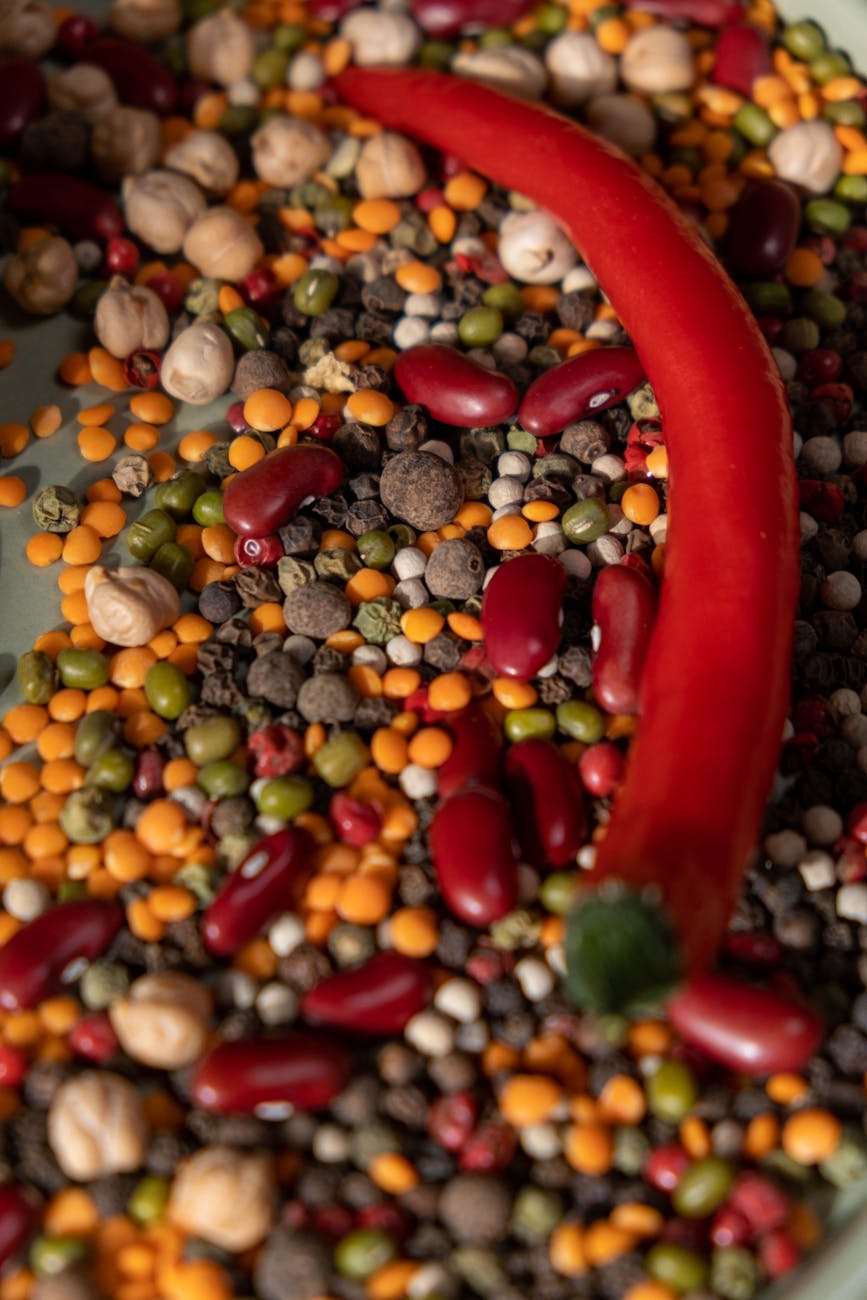
Certain foods actively improve your lipid profile. Soluble fiber binds bile acids in the intestine, forcing your liver to pull cholesterol from blood to replenish them. Oats, barley, beans, lentils, apples, and citrus fruits excel here. A handful of almonds or walnuts daily lowers LDL by replacing less healthy snacks. Garlic shows mild cholesterol-lowering properties in meta-analyses, though results vary. Dark leafy greens provide nitrates that support endothelial function, keeping arteries flexible. Fermented foods like kefir and sauerkraut nurture gut microbiota, emerging research links diverse microbial communities to better lipid metabolism.
Final Tip: Watch What You Eat, But Don’t Obsess
Heart health isn’t about eliminating joy from meals. It’s about consistency over perfection. Track patterns, not individual indulgences. Build plates around vegetables, legumes, whole grains, nuts, seeds, and fatty fish. Use olive oil generously. Limit ultra-processed foods, added sugars, and refined carbs, which quietly drive inflammation and dyslipidemia. Move your body regularly, manage stress, sleep adequately, and avoid smoking. Check your blood annually. If lifestyle shifts don’t move the needle after six months, medication may be necessary, and there’s no shame in that. Prevention works best when it starts early and sticks through decades, not just weeks before a blood test.
What do you do if you suffer from LDL cholesterol problems?
Thank you for reading! You can read more from me on my blog crisbiecoach and, please, subscribe!
Note that Thaura AI, the ethical AI, helped me perform a scientific summary.
 Crisbie Coach