Debunking Nutrition Myths

In today’s wellness information, you may find nutrition advice that are often misinformation. Many dietary beliefs have become so entrenched in popular culture that we accept them as facts without questioning their scientific validity. Let’s examine what research actually reveals about some widely held nutrition misconceptions.

Digestive Woes Don’t Equal Food Allergies

Many people self-diagnose gluten or lactose allergies based solely on digestive discomfort, but these conditions are fundamentally different from true allergies. An actual allergy involves an immune system response to food proteins, confirmed through blood tests, not simply feeling bloated after eating.

As we age, our natural lactase production decreases, making dairy products harder to digest. This is normal aging, not an allergy. For gluten, the danger is real only for the 1% of the population with celiac disease. Those with irritable bowel syndrome may react to wheat and fructose generally, not specifically gluten.

While temporary elimination diets can help manage stomach issues and fatigue, they should be approached gradually and under medical supervision. Unless you have a diagnosed condition, eliminating entire food groups isn’t necessary and may deprive you of valuable nutrients.

The Truth About Dieting and Weight Management

Contrary to popular belief, regular dieting isn’t the solution for maintaining a healthy weight. Studies show that while diets produce short-term results, they fail in 90% of cases over the long term. After one to two years, most people regain more weight than they initially lost.

Each diet cycle teaches your body to function with less energy, making subsequent weight loss increasingly difficult. Rather than jumping from one diet to another, consider why you want to lose weight and set specific, measurable goals. Consulting a registered dietitian can help identify appropriate methods and duration while preventing the yo-yo effect.

Exercise and Weight: What’s the Real Connection?

Exercise doesn’t directly cause weight loss, but it plays a crucial role in body composition. Physical activity helps refine and sculpt your silhouette by building muscle tissue, which replaces some fat mass. However, the relationship between exercise and appetite complicates weight management.

As you increase physical activity, your appetite naturally rises. To successfully regulate weight while sculpting your body, you must balance increased calorie needs with mindful eating, avoiding the frustration and eventual breakdowns that come with restrictive approaches.

Superfoods Aren’t Always Exotic

While goji berries, kale, and acerola have gained celebrity status as “superfoods,” local alternatives often provide similar nutritional benefits. Kale can be advantageously replaced by cauliflower or broccoli, foods that are equally nutritious, more affordable, and environmentally sustainable.

Evidence-Based Weight Management Strategies

Research from Cornell University reveals that 96% of successful weight maintainers eat breakfast daily. Most don’t follow extreme diets: 74% follow diets occasionally, while 48% never diet at all. The majority enjoy eating without guilt and focus on positive behaviors rather than restrictions.

Slim individuals typically set positive goals (cooking with natural ingredients, listening to their bodies’ hunger cues) rather than imposing forbidden foods. Most engage in moderate exercise rather than daily intense workouts: 32% do intensive training twice weekly, 27% visit the gym 3-4 times weekly, and 10% remain sedentary.

Monitoring progress matters, but not obsessively: half of successful weight maintainers weigh themselves weekly rather than daily. Contrary to popular belief, only 38% eat salad daily for lunch, and 90% pay attention to their overall dietary balance rather than following rigid rules.

Key Takeaways

  1. Digestive discomfort doesn’t automatically mean food allergies
  2. Regular dieting often backfires long-term
  3. Exercise shapes body composition but requires appetite management
  4. Local foods can be just nutritious as exotic superfoods
  5. Sustainable weight management focuses on balanced behaviors, not extreme restrictions

Rather than chasing the latest nutrition fads, focus on evidence-based approaches that work with your body’s natural rhythms and support long-term health.

What do you think about these nutrition myths? Would you agree that they are myths?

Thank you for reading! You can read more from me on my blog crisbiecoach and, please, subscribe!

Note that I performed fact check with Thaura AI, the ethical AI.
7 Unique Legumes to Transform Your Health: Beyond the Ordinary Beans

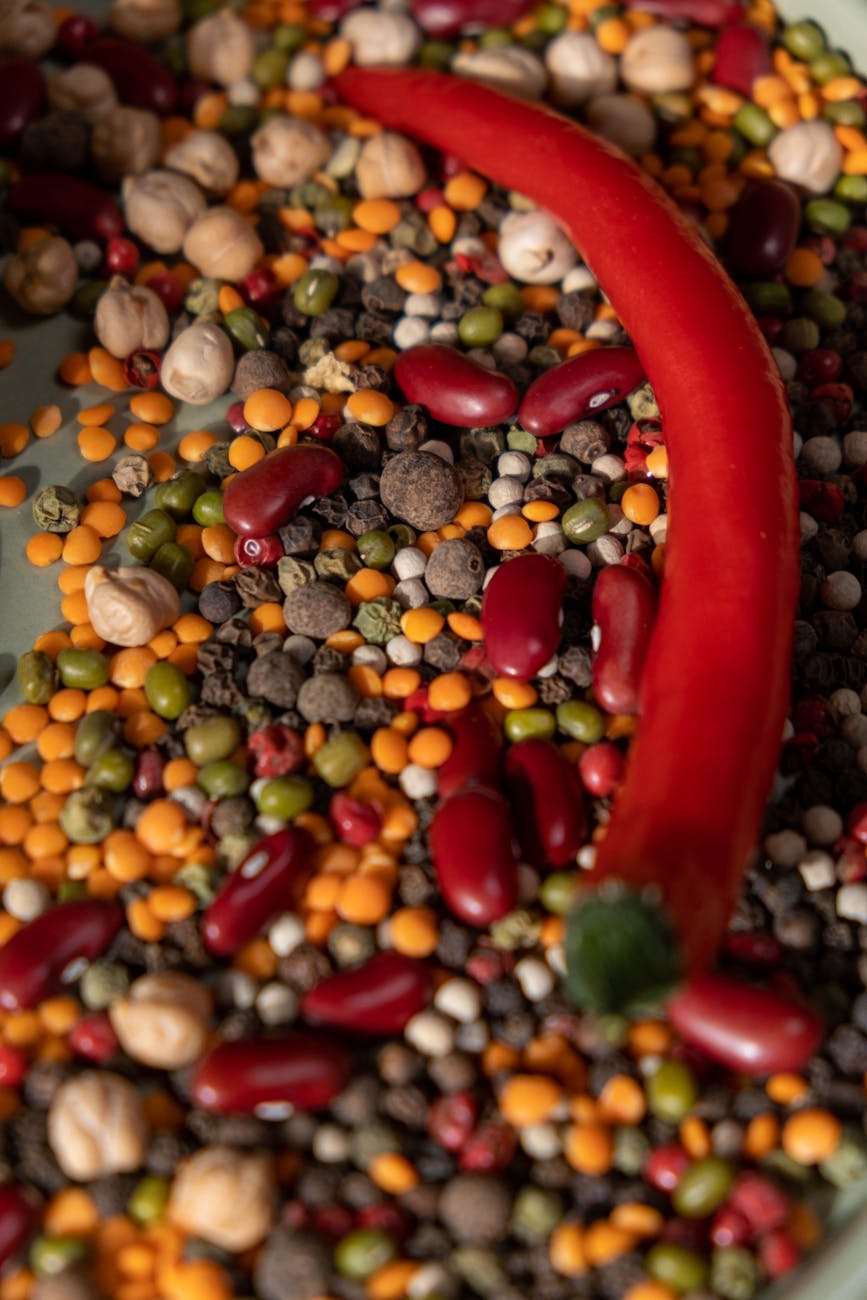
When most people think of legumes, they picture chickpeas, lentils, or kidney beans. Most probably you too. But the world of legumes offers a treasure trove of nutritious, delicious alternatives that can revolutionize your health while expanding your culinary horizons. These seven unique legumes, each with their own distinctive properties and benefits, are waiting to take their place on your plate.

Discovering Global Legume Diversity

Legumes have been dietary staples across cultures for millennia, yet many remain underutilized in Western diets. According to research, these plants offer nutritional qualities that complement traditional grains perfectly, particularly their high lysine (an essential amino acid) content which many grains lack. The scientific consensus among health professionals demonstrates that incorporating diverse legumes can significantly reduce chronic disease risks.

Let’s explore seven extraordinary legumes that deserve a place in your kitchen:

1. Dried Broad Beans (Fava Beans)

Rich in plant-based protein, dried broad beans have been cherished in Italian and Southeast Asian cuisines for centuries. What makes them particularly appealing is their convenience – they’re easy to prepare and cook quickly, making them perfect for busy lifestyles. Nutritionally, they’re relatively low in calories while providing substantial protein content, making them an excellent addition to weight management diets.

2. Black Chickpeas

Don’t let their small size fool you – black chickpeas pack a powerful nutritional punch. These tiny legumes are exceptionally rich in dietary fiber and iron, making them particularly beneficial for digestive health and blood oxygenation. Their versatility in the kitchen is unmatched; they can be added to soups, salads, or main dishes to enhance both nutritional value and visual appeal.

3. Square Peas

Historically associated with Lenten meals, square peas offer remarkable health benefits with minimal caloric impact. They provide substantial protein and fiber content while being remarkably low in calories, making them ideal weight management allies. Their satisfying texture and nutritional density help promote feelings of fullness, reducing overall calorie intake without sacrificing nutrition.

4. Tamarind

Known as “date palm of India” in Arabic, tamarind offers unique digestive benefits with its distinctive sweet-sour flavor. This tropical legume is particularly valued for its potassium and iron content, supporting both cardiovascular health and energy metabolism. Beyond its nutritional benefits, tamarind’s versatility extends from savory dishes to desserts, making it a culinary gem.

5. Adzuki Beans

Often called “Japan’s red beans,” adzuki beans are nutritional powerhouses rich in antioxidants. Scientific studies suggest they offer significant benefits for satiety and cardiovascular health while helping stabilize blood sugar levels. Their mild, slightly sweet flavor makes them adaptable to both sweet and savory preparations, from traditional Asian sweets to hearty stews.

6. Edamame

These immature soybeans represent one of the most nutritionally complete legumes available. Edamame provides exceptional fiber content, vitamins, and essential minerals like magnesium and calcium. Their remarkably low fat content makes them an ideal snack or addition to meals, supporting both weight management and overall nutritional needs.

7. White Lupins (Tramousses)

Particularly popular in Mediterranean and South American cuisines, white lupins stand out for their exceptional protein content – up to 38% digestible plant protein. What makes them unique among legumes is their naturally low antinutrient content, allowing them to be consumed with minimal preparation. Research indicates they may help reduce “bad” cholesterol and blood pressure, making them valuable for cardiovascular health.

The Science Behind Legume Benefits

Extensive research validates the health advantages of incorporating diverse legumes into your diet:

  • Cardiovascular Protection: Multiple studies show that regular legume consumption significantly reduces LDL cholesterol and total cholesterol levels. One review found LDL reductions of approximately 8.0 mg/dL and total cholesterol reductions of 11.8 mg/dL in participants following legume-rich diets.
  • Diabetes Management: Research demonstrates that legume consumption, particularly lentils, is associated with reduced risk of type 2 diabetes. Studies show improved glycemic control and better insulin sensitivity.
  • Weight Management: Incorporating legumes into daily diets has been shown to support healthy weight loss.
  • Cancer Prevention: Epidemiological studies involving 1.9 million participants found that higher legume consumption is associated with reduced risk of colorectal cancer.
  • Digestive Health: The high fiber and resistant starch content in legumes promotes healthy gut microbiome and regular bowel function.

Practical Integration Strategies

Adding these unique legumes to your diet can be simple and enjoyable:

  • Start with familiar preparations: Try adding black chickpeas to salads or edamame as a snack
  • Experiment with global cuisines: Explore traditional recipes from Mediterranean, Asian, or South American cooking
  • Mix varieties: Combine different legumes for enhanced nutritional diversity
  • Smart substitutions: Use legumes instead of meat in dishes like chili, tacos, or curries
  • Convenience options: Utilize canned or frozen varieties for quick meal preparation

The Environmental and Ethical Advantage

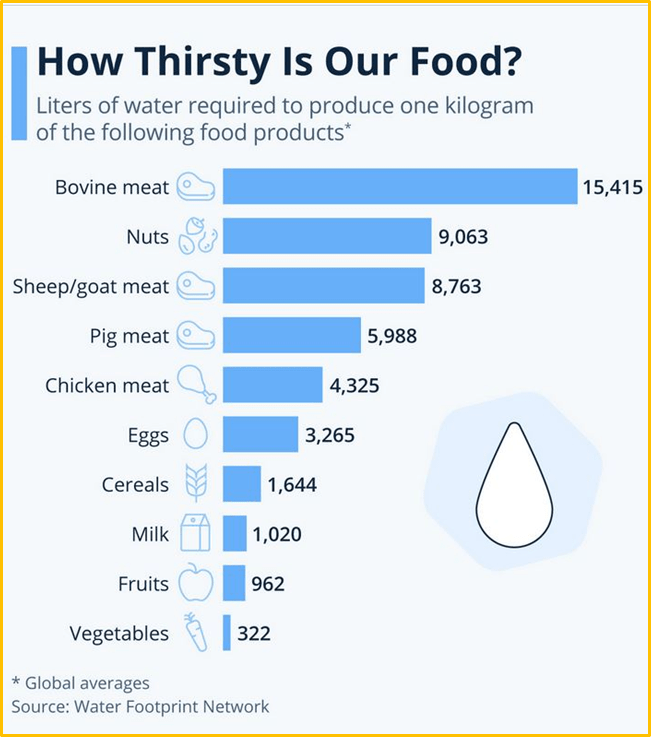
Beyond individual health benefits, legumes offer significant environmental advantages. They require less water and land compared to animal protein sources while fixing nitrogen in the soil, reducing the need for synthetic fertilizers. This makes them not only nutritionally superior but also environmentally responsible choices for sustainable eating patterns.

Conclusion

The world of legumes extends far beyond the common beans we typically encounter. These seven unique varieties offer extraordinary nutritional profiles, diverse culinary applications, and scientifically validated health benefits. From the antioxidant-rich adzuki beans to the protein-packed white lupins, each brings something special to both our plates and our health.

The scientific evidence is compelling: regular consumption of diverse legumes is associated with reduced risks of cardiovascular disease, type 2 diabetes, colorectal cancer, and improved weight management outcomes. As we continue to understand the intricate relationship between diet and health, legumes emerge as nutritional powerhouses that deserve prominent placement in our diets.

By incorporating these global legume varieties, we not only enhance our individual health but also contribute to more sustainable food systems.

Are you ready to start this journey toward better health by expanding your culinary horizons?

Thank you for reading! You can read more from me on my blog crisbiecoach and, please, subscribe!


The scientific articles that are referred to in this blog post were summarized for me by Thaura AI.

The Evolving Mediterranean Diet: Add Timing to Your Table

For decades, the Mediterranean diet has stood as the gold standard of healthy eating. And like any living tradition, it continues to evolve. The latest revolution comes not from ingredient changes, but from temporal wisdom, a new approach that recognizes when we eat matters as much as what we eat.

Beyond Food Groups: The Chrononutrition Revolution

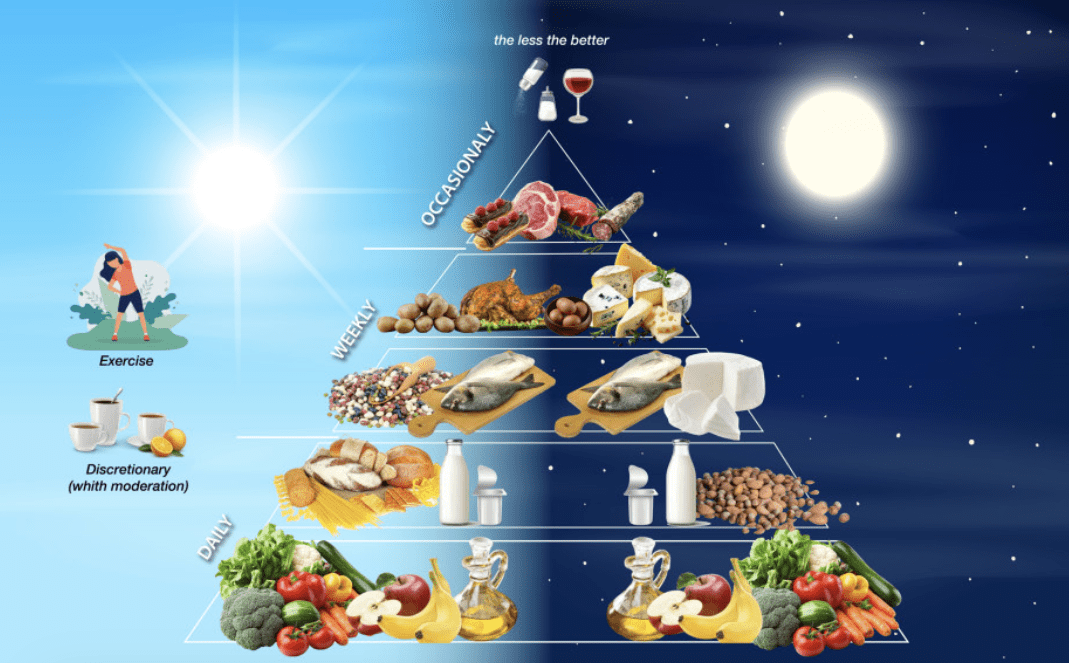
The Italian Society of Human Nutrition (SINU) has reimagined the classic Mediterranean pyramid, integrating cutting-edge chrononutrition research with traditional wisdom. This isn’t your grandmother’s food pyramid anymore. The new model preserves the plant-based foundation—fruits, vegetables, whole grains, legumes, and extra-virgin olive oil—but adds crucial timing cues.

What makes this approach revolutionary is its biological precision. The pyramid now incorporates circadian timing principles, using sun and moon symbols to indicate optimal consumption times throughout the day. This reflects how our bodies evolved to process foods differently at various hours.

Timing Your Way to Better Health

The science behind chrononutrition reveals fascinating insights about our internal clocks. The new pyramid recommends strategic timing: breakfast returns to its central importance, lunch remains the most substantial meal, and dinner becomes lighter and earlier. This approach aligns with our natural metabolic rhythms when digestion and nutrient absorption function most efficiently.

Research shows that aligning meal timing with our biological clock can improve metabolic health, enhance weight management, and potentially reduce chronic disease risk. The Italian Society of Endocrinology and the Italian Society of Dietetics and Clinical Nutrition collaborated on this innovative approach that preserves traditional dietary patterns while incorporating modern chronobiology.

Practical Implementation for Modern Life

Adopting this approach doesn’t require dramatic lifestyle overhauls. Start by gradually shifting dinner earlier by 30-60 minutes. Experiment with making lunch your most substantial meal. Listen to your body’s natural hunger cues while respecting the timing principles.

The beauty lies in its flexibility. While the pyramid offers general guidelines, it acknowledges individual differences. Our chronotypes (whether we’re natural early birds or night owls) influence optimal meal timing. This personalization makes the approach sustainable for diverse lifestyles.

Environmental and Cultural Sustainability

The updated pyramid also strengthens environmental considerations, emphasizing locally grown, seasonal foods and reducing red meat consumption compared to previous versions. This dual focus on personal and planetary health makes the Mediterranean approach uniquely comprehensive for our times.

Your Invitation to Temporal Wellness

As you consider your next meal choices, I hope you’ll reflect on not just what nourishes you, but when. The Mediterranean diet’s evolution reminds us that true wellness comes from honoring both the wisdom of tradition and the insights of modern science.

What do you think about this harmonious approach to eating? Would you agree that it feeds your body, respects your rhythms, and honors the timeless wisdom of Mediterranean living?

Thank you for reading! You can read more from me on my blog crisbiecoach and, please, subscribe!


How Retailers Can Win with Plant-Based Foods: Urban vs. Rural Strategies That Actually Work

Imagine walking into your local grocery store. You’re curious about trying plant-based burgers or almond milk, but the shelf is nearly empty. Or maybe you see a wall of options, but the prices make you pause. What makes you pick one over the other?

New research reveals that where you live, city or countryside, changes everything about how retailers should stock, price, and promote plant-based foods. And the results might surprise you.


What Actually Moves the Needle?

A four-year study of over 20,000 Italian grocery stores found that three retail strategies make the biggest difference:

  1. Assortment: More Choices, More Sales
    • Stores with a wider variety of plant-based options saw a consistent boost in sales, especially in rural areas.
    • Why? Limited choices push people back to familiar animal products. Rural people, in particular, respond strongly to variety, likely because they’ve had fewer options.
  2. Price Promotions: Urban Shoppers Love a Deal
    • Discounts and promotions worked best in cities and towns, where competition is fierce and people are used to comparing prices.
    • Rural consumers? Not so much. Promotions had little impact outside urban areas, except for plant-based.
  3. Relative Price: Not the Game-Changer You’d Expect
    • Even though plant-based products often cost more, price alone didn’t significantly sway market share.
    • Consumers choosing plant-based foods are often motivated by health, ethics, or the environment, not just cost. However, price sensitivity was slightly higher in rural areas, where budgets may be tighter.

The Bigger Picture: What Consumers Really Want in 2026

The plant-based market isn’t just for vegans anymore. More and more citizens have been buying plant-based foods during the last years, and most of them also buy animal products. The real growth is coming from flexitarians, those who mix plant and animal foods for health, convenience, or sustainability.

Trends to Watch:

  • Clean labels and whole foods are in. Consumers are reading ingredient lists and walking away from overly processed options.
  • Health and nutrition now drive purchases more than environmental concerns, which is a pity considering the impact that our food choices have. But let’s says that it’s a starting point to become more aware.
  • Convenience and taste are non-negotiable. Brands that deliver on both are winning.

Why This Matters for the Future

The plant-based market is projected to grow from 14.79 billion in 2026 to €46.04 billion by 2036, driven by mainstream adoption and innovation. Retailers who adapt their strategies to local needs, and focus on variety, smart promotions, and clear value will lead the change.

The future of plant-based food isn’t about replacing animal products overnight. It’s about giving everyone real choices, real value, and real reasons to try something new.

What’s your experience with plant-based shopping? Have you noticed these trends in your local stores? Let’s discuss in the comments!

Thank you for reading! You can read more from me on my blog crisbiecoach and, please, subscribe!

Unlocking the Power of Everyday Superfoods

Welcome to the final installment of my series on everyday superfoods! In my previous posts, I debunked the hype around superfoods and highlighted the nutritional power of everyday foods like oats, peas, carrots, potatoes, tomatoes, green leafy vegetables, and lentils. Today, I’ll explore even more everyday superfoods and how to incorporate them into your diet for maximum health benefits.

Blackberries: The Antioxidant Powerhouse

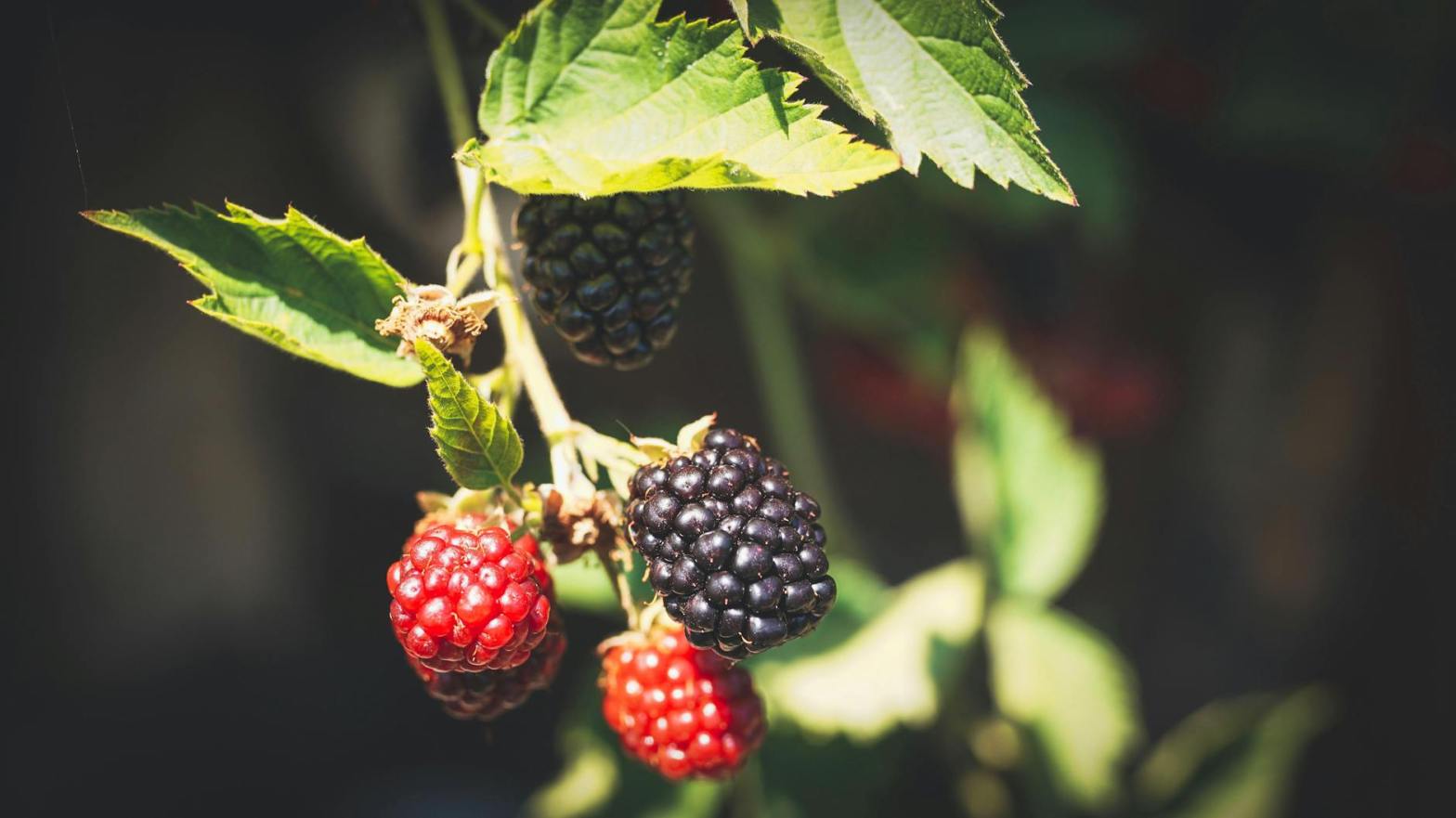
While blueberries often steal the superfood spotlight, blackberries are a potent source of anthocyanins—vibrantly pigmented antioxidants that protect our cells from damage. They are also rich in fiber, supporting digestion and blood sugar regulation, and vitamin C for immune health and collagen formation.

Bonus: Blackberries are often free across much of Europe and North America during the summer months. Out of season, you can buy them frozen and enjoy them in smoothies or as a snack.

Brazil Nuts: The Cholesterol Buster

Did you know that a single serving of just four Brazil nuts once a month may lower cholesterol levels faster than statins and keep them down even a month later? While more is not better—eating more than four Brazil nuts every day may exceed the tolerable daily limit for selenium—enjoying one or two a day won’t hurt.

Pro Tip: Brazil nuts are a great source of healthy fats and selenium, which is essential for thyroid function and immune health. So, go ahead and add them to your trail mix or enjoy them as a snack.

Popcorn: The Whole Grain Superfood

Popcorn is a whole grain containing about 10g of fiber per 100g. It also contains phytochemicals, mostly concentrated in the pericarp—the outer shell that is key to the popping process. Popcorn can keep you feeling satisfied for longer than other snacks, making it a great alternative to crisps.

Fun Idea: At the supermarket, choose hard popcorn kernels that you can heat on the hob. Elevate your popcorn by adding your own toppings like freeze-dried fruit, honey, smoked paprika, olive oil, pepper, curry powder, melted dark chocolate, cinnamon sugar, parmesan, or herbs like rosemary, thyme, and oregano.

Black Beans: The Polyphenol-Rich Superfood

While it’s best to eat a variety of beans, black beans are a surprisingly high source of polyphenols, containing seven times more than wild blueberries. Diets high in polyphenols can reduce the risk of several age-related chronic diseases, including cancer, diabetes, and cardiovascular diseases.

Recipe Idea: Black beans go well in Tex-Mex-style scrambled eggs or tofu, spicy soups, and make a good veggie burger. So, go ahead and add them to your meals for a polyphenol boost.

Tofu: The Versatile Superfood

Tofu is one of the most nutritious foods around. It’s high in protein, low in fat—and what little fat it does contain is the healthy kind. Tofu provides fiber and is a good source of B-group vitamins, magnesium, potassium, selenium, zinc, calcium, and iron. Research also shows that tofu can help reduce the risk of heart disease and several types of cancer.

Cooking Tip: If you think you don’t like tofu, you’re probably cooking it wrong. Try baking it, frying it, or adding it to stir-fries and salads for a delicious and nutritious meal.

Conclusion

Incorporating these everyday superfoods into your diet can provide a wealth of nutritional benefits without the hefty price tag or ethical concerns associated with some superfoods. By focusing on a diverse and balanced diet, you can unlock the power of everyday superfoods and boost your health in a sustainable and enjoyable way.

Thank you for joining me on this journey through the world of everyday superfoods. I hope you’ve found this series informative and inspiring.

Cheers to your health and happiness!

Ready to boost your health with everyday superfoods? Share your favorite recipes and tips in the comments below, and don’t forget to subscribe to my blog crisbiecoach so you don’t miss out on any posts.

For a Broader Outlook:

More Everyday Superfoods to Boost Your Health

Welcome back to my series on everyday superfoods! In my previous post, I explored the truth about superfoods and highlighted some humble yet nutritious alternatives like oats, peas, and carrots. Today, I’ll dive into more everyday foods that pack a nutritional punch without the hefty price tag or ethical concerns.

Potatoes: The Underrated Superfood

Potatoes often get a bad rap, but they are an important source of several vitamins and minerals, including vitamin C, iron, potassium, magnesium, vitamin B6, and folate. To maximize their nutritional value, try to keep the skins on and consider microwaving them instead of boiling to preserve vitamins and minerals.

Fun Fact: Freshly cooked potatoes are high in starch, but if you cook and then chill them, some of the starch is converted to resistant starch—a type of fermentable fiber that acts as “food” for your gut microbes. This fermentation process is linked to the production of short-chain fatty acids, which have beneficial effects on human health. So, a cold potato salad isn’t just delicious; it’s also a great source of resistant starch!

Tomatoes: The Versatile Superfood

Tomatoes are an excellent source of vitamin C, potassium, and the red compound lycopene, a powerful antioxidant linked to a reduced risk of heart disease and certain cancers. They are incredibly versatile and can be enjoyed fresh in summer salads or cooked in sauces and pastes year-round.

Pro Tip: Lycopene is most accessible to the body in cooked tomatoes, especially when paired with a healthy fat like olive oil. Even ketchup can be a decent source of lycopene—just watch out for the salt and sugar levels.

Green Leafy Vegetables: The Ultimate Superfoods

Don’t obsess over kale—all leafy greens are superfoods! Broccoli, rocket, Brussels sprouts, cabbage, and spring greens are packed with nutrients like iron, calcium, potassium, folate, vitamins C, E, and K, antioxidants, and fiber. They also contain special compounds called glucosinolates that may help protect against cancer and small amounts of vital omega-3 fats.

Watercress

This nutrient-dense green is an excellent source of vitamin K, which plays a vital role in bone health. It also contains vitamin C, calcium, and iron, contributing to immune health, bone strength, and the production of red blood cells. Add it to salads, sandwiches, or soups for a fresh, peppery flavor.

Lentils: The Protein-Packed Superfood

Lentils are a great, inexpensive source of protein, healthy carbohydrates, and fiber. They are packed with essential minerals and vitamins and have health-protective properties. Studies show that lentils are useful in preventing heart disease and type 2 diabetes.

Did You Know? One study found that people who ate about 3.5 servings a week had a 35% lower risk of developing type 2 diabetes compared to those who ate less. So, go ahead and add lentils to your soups, stews, salads, or even use them to replace mince in dishes like shepherd’s pie or bolognese.

To conclude, if you incorporate these everyday superfoods into your diet you will get a wealth of nutritional benefits without breaking the bank or contributing to ethical and environmental concerns. Stay tuned for my final post in this series, where I’ll explore even more everyday superfoods and how to make the most of them in your meals.

Thank you for reading! Please sign up for my blog crisbiecoach so you don’t miss out on any posts!

The Truth About Superfoods: Beyond the Hype

We hear more and more often the term “superfood” that has been thrown around like a magic potion promising eternal youth and vitality. But what exactly is a superfood? Is it just a marketing gimmick, or is there real science behind it? Let’s have a look into the world of superfoods, debunk some myths, and explore some everyday alternatives that are just as beneficial.

The Superfood Phenomenon

The term “superfood” was coined in the 1960s to describe foods that could fight malnutrition. However, it wasn’t until the 2000s that it became a buzzword used to sell exotic and expensive ingredients to health-conscious consumers. During the pandemic, interest in superfoods surged again, especially those claimed to “boost immunity” and “protect against pathogens.”

According to Italian scientists Giulia Santunione and Giuseppe Montevecchi, superfoods are “a marketing term used to describe nutrient-dense foods claimed to have health benefits.” While the superfood label has been a huge success in sales terms, it has also led to concerns about sustainability and ethical farming practices.

The Dark Side of Superfoods

Large-scale production of superfoods can lead to the overexploitation of agricultural areas, causing negative impacts on biodiversity and soil health, as well as precarious working conditions for workers. For example, goji berries require a lot of water, are often grown as a monoculture, and there are questions over fair wages for farmers. Quinoa, while more sustainable in terms of water, has seen increased demand affecting traditional farming practices and leading to higher prices for local people.

Everyday Superfoods

Given these concerns, it’s worth considering a diverse diet rich in a wide range of plants rather than fixating on a handful of miracle ingredients. Here are some everyday foods that are just as beneficial as their more glamorous counterparts:

Oats

Oats are a powerhouse of nutrients, including fiber that helps lower cholesterol and bioactive compounds that reduce oxidative stress and inflammation. They are also a great source of protein and essential vitamins and minerals. Opt for steel-cut or jumbo rolled oats, which contain more fiber, healthy fats, and protein than quick-cook versions.

Peas

Peas are a great source of protein, fiber, and complex carbohydrates, which provide a steady energy supply. They are naturally low in fat and can be used in a variety of dishes, from risottos to salads.

Carrots

Carrots are rich in beta-carotene, an antioxidant that converts into vitamin A to support vision, immune function, and skin health. They are also a good source of fiber, improving digestion and gut health. Enjoy them raw in summer salads or cooked in soups and stews.

To conclude, while superfoods have their place, it’s important to look beyond the hype and consider the broader picture of a balanced and diverse diet. Everyday foods like oats, peas, and carrots offer a wealth of nutritional benefits without the ethical and environmental concerns associated with some superfoods.

Stay tuned for my next post, where I’ll explore more everyday superfoods and how to incorporate them into your diet.

Thank you for reading! Please sign up for my blog crisbiecoach so you don’t miss out on any posts.

Veganuary 2025 Challenge – Results

Veganuary 2025 has marked a significant milestone in the global movement towards plant-based eating. For the first time ever, active Veganuary campaigns are now running in 20 countries across the globe, showcasing the growing enthusiasm and commitment to sustainable and ethical food choices. This year’s theme, “Food doesn’t have to be weird,” has resonated with people worldwide, highlighting that plant-based eating is not only delicious and sustainable but also the more sensible choice.

A Theme That Resonates

The “Food doesn’t have to be weird” theme has been instrumental in breaking down barriers and misconceptions about plant-based diets. By emphasizing the simplicity and familiarity of plant-based meals, Veganuary 2025 has encouraged more people to explore and adopt this lifestyle. The campaign has shown that plant-based eating can be just as satisfying and enjoyable as traditional diets, making it an accessible option for everyone.

Celebrity Endorsements

Veganuary 2025 has garnered support from a diverse range of celebrities, who have lent their voices to amplify the mission. Notable figures such as actor Woody Harrelson, comedian Preacher Lawson, and star of House of the Dragon Bethany Antonia have joined the cause, inspiring their fans and followers to consider the benefits of a plant-based diet. Their influence has helped spread awareness and encourage more people to participate in the campaign.

Corporate Participation

Hundreds of companies have taken part in Veganuary 2025, demonstrating their commitment to sustainability and ethical consumerism. In the UK, major retailers like Aldi and IKEA have actively participated, offering a wide range of plant-based products to their customers. In the US, Love & Sandwiches has been a prominent supporter, while in Germany, more than 1,000 businesses have joined the initiative. This widespread corporate involvement has made it easier for consumers to access plant-based options and contribute to the movement.

Tangible Impact on Consumer Behavior

The impact of Veganuary on consumer behavior is evident, particularly in Germany. New data published this January revealed that during the last two campaigns, meat sales declined by 12.5% in January 2024 and 14.3% in January 2023 compared to the annual average. This significant reduction in meat consumption highlights the tangible influence of Veganuary on consumer choices, encouraging more people to opt for plant-based alternatives.

Join the Movement

Veganuary 2025 has shown that the shift towards plant-based eating is not just a trend but a growing global movement. By choosing plant-based options, we can make a positive impact on our health, the environment, and animal welfare. Whether you’re a seasoned vegan or just starting to explore plant-based eating, there’s never been a better time to join the movement.

So, are you ready to make the difference?


Thank you for reading! Please sign up for my blog crisbiecoach so you don’t miss out on any posts and also for Wise&Shine an incredible online magazine!

Why Sustainable Eating Matters

Eating sustainably isn’t just a buzzword—it’s a powerful way to care for both your health and the planet. Every bite we take impacts more than just our bodies; it shapes ecosystems, influences climate change, and affects global food security. Choosing sustainable foods means prioritizing local, seasonal, and minimally processed options that respect natural resources and reduce waste.

A sustainable approach to eating supports farming practices that protect biodiversity and soil health, reduce greenhouse gas emissions, and ensure fair treatment of workers. At the same time, it’s a path to better health, as these choices often emphasize nutrient-dense, whole foods over heavily processed ones. Sustainable eating is about balance: nourishing yourself while contributing to a healthier world for future generations. It’s a small act with a big impact, proof that our daily choices truly matter.

Let’s see why it matters.

Buy Seasonal and Local Foods

Why it matters: Seasonal produce is harvested at its peak, meaning it’s fresher and more nutritious. It also has a lower environmental footprint because it doesn’t require energy-intensive storage and locally bought food doesn’t travel long-distance, which reduces greenhouse gas emissions.

Prioritize Plant-Based Proteins

Why it matters: Producing plant-based proteins like lentils, beans, and tofu requires significantly fewer resources—such as water and land—than meat and dairy. This reduction in resource use helps lower greenhouse gas emissions and conserve biodiversity.

Reduce Food Waste

Why it matters: Food waste is a major contributor to greenhouse gas emissions. When food is wasted, all the resources used to produce, transport, and store it are also wasted. Reducing food waste helps conserve these resources and decreases methane emissions from landfills.

Opt for Whole Foods Over Processed Foods

Why it matters: Whole foods are less processed, retain more nutrients, and require less energy to produce. Additionally, they generate less packaging waste, which reduces environmental pollution.

Support Sustainable Seafood Choices

Why it matters: Overfishing and unsustainable fishing practices can deplete fish populations and damage marine ecosystems. Choosing sustainably sourced seafood helps protect these ecosystems and ensures that fish populations remain healthy for future generations. Moreover, you would avoid the economic decline of coastal communities reliant on fisheries.

Buy in Bulk Where Possible

Why it matters: Buying in bulk reduces the amount of packaging waste, which often ends up in landfills or as litter in the environment. It also tends to be more cost-effective, allowing you to save money while reducing your environmental impact.

Minimize Ultra-Processed Foods

Why it matters: Ultra-processed foods are often high in unhealthy fats, sugars, and salt, and their production is energy-intensive, contributing to higher greenhouse gas emissions. By choosing minimally processed foods, you support a healthier diet and a more sustainable food system.

Cook at Home More Often

Why it matters: Cooking at home gives you control over the ingredients and portion sizes, which can lead to healthier eating habits. It also reduces the need for takeout and packaged meals, which often come with excess packaging and food waste.

Rethink Portion Sizes

Why it matters: Overeating not only affects your health but also increases the demand for food production, which can strain natural resources. By serving smaller portions and eating mindfully, you can reduce food waste and promote a more sustainable food system.

Grow Your Own Food

Why it matters: Growing your own food reduces your reliance on store-bought produce, which often involves long supply chains and significant carbon footprints. It also allows you to enjoy fresh, organic produce right from your garden or balcony.

Be Informed About Certifications

Why it matters: Certifications like organic, Fair Trade and Rainforest Alliance indicate that products are produced using more sustainable and ethical practices. Supporting these products helps promote better environmental and social standards in the food industry.

Hydrate Wisely

Why it matters: Bottled water generates significant plastic waste and requires a lot of energy to produce and transport. Using a reusable water bottle and filtering tap water reduces plastic waste and conserves resources.


By understanding the reasons behind these recommendations, you can make more informed choices that benefit both your health and the environment. Knowing why it’s important to reduce plastic use can motivate you to opt for reusable bags and containers. Similarly, understanding the impact of a plant-based diet on both personal health and environmental sustainability can encourage you to incorporate more plant-based meals into your diet. This knowledge empowers you to make decisions that are not only good for you but also for the planet.

Feel free to ask me any questions, and don’t hesitate to comment in the box below.

Thank you for reading! Please sign up for my blog crisbiecoach so you don’t miss out on any posts!

Simple Meal Plans for a Balanced and Sustainable Diet

You may have noticed that the most recent blog posts are about nutrition and related topics. I’ve decided to transform my website into a reliable resource for nutrition, aiming to help others navigate their health journeys with informed choices and support. Why? A challenging chapter in my life ignited a deeper curiosity about how our bodies react to what we eat and our environments. In the summer of 2023, I had hives, that were solved by medications, self-hypnosis, and more recently with a diet. This path made me realize the critical role of nutrition and holistic well-being in managing autoimmune conditions.

Today, I would like to share some meal ideas that are rich in nutrients, environmentally friendly, and easy to prepare. Each option highlights whole foods, plant-forward choices, and portion mindfulness.

Breakfast Ideas

  1. Oats with Berries and Seeds
    • Ingredients: Rolled oats, unsweetened almond milk, chia seeds, a handful of mixed berries, and a drizzle of honey.
    • Why it’s great: Rich in fiber, antioxidants, and omega-3s, this meal supports heart health and energy levels while reducing reliance on processed breakfast options.
  2. Avocado Toast with a Twist
    • Ingredients: Whole-grain bread, smashed avocado, a sprinkle of nutritional yeast, and cherry tomatoes. Add an optional poached egg.
    • Why it’s great: Packed with healthy fats, fiber, and protein, this meal keeps you full and energized.
  3. Plant-Based Smoothie Bowl
    • Ingredients: Frozen banana, spinach, unsweetened coconut milk, and a scoop of plant-based protein powder. Top with granola and fresh fruit.
    • Why it’s great: Combines fruits and greens for a nutrient-packed, low-impact meal.

Lunch Ideas

  1. Quinoa and Chickpea Salad
    • Ingredients: Quinoa, canned chickpeas, diced cucumber, cherry tomatoes, parsley, olive oil, lemon juice, and a pinch of salt.
    • Why it’s great: High in plant-based protein and fiber, this refreshing salad is filling and sustainable.
  2. Lentil and Sweet Potato Stew
    • Ingredients: Green lentils, diced sweet potatoes, spinach, vegetable broth, garlic, onion, and smoked paprika.
    • Why it’s great: A comforting one-pot meal loaded with vitamins, iron, and plant protein.
  3. Whole-grain Wrap with Hummus and Veggies
    • Ingredients: Whole-grain tortilla, hummus, shredded carrots, spinach, and roasted red peppers.
    • Why it’s great: This quick, no-cook lunch provides a good mix of fiber and nutrients.

Dinner Ideas

  1. Vegetable Stir-Fry with Tofu
    • Ingredients: Firm tofu, broccoli, snap peas, bell peppers, sesame oil, soy sauce, ginger, and garlic. Serve with brown rice.
    • Why it’s great: Combines plant-based protein with colorful, nutrient-dense veggies for a satisfying meal.
  2. Baked Sardines with Roasted Veggies
    • Ingredients: Sardines, asparagus, zucchini, olive oil, and lemon slices.
    • Why it’s great: A great source of omega-3 fatty acids and vitamins.
  3. Stuffed Bell Peppers
    • Ingredients: Bell peppers, cooked quinoa, black beans, corn, diced tomatoes, and spices like cumin and chili powder.
    • Why it’s great: A high-protein, plant-forward dish that’s hearty and packed with nutrients.

Snacks and Sides

  1. Trail Mix
    • Ingredients: Almonds, walnuts, sunflower seeds, and a handful of dried fruit.
    • Why it’s great: Easy to pack and full of healthy fats, fiber, and natural sweetness.
  2. Veggie Sticks with Guacamole or Hummus
    • Ingredients: Carrot, cucumber, and celery sticks with your choice of dip.
    • Why it’s great: A fresh, crunchy option that satisfies hunger without empty calories.
  3. Roasted Chickpeas
    • Ingredients: Canned chickpeas, olive oil, and spices like paprika or garlic powder.
    • Why it’s great: A crunchy, protein-packed alternative to chips.

Tips for Sustainability in the Kitchen

  • Plan ahead: Meal prepping reduces food waste and ensures healthier choices during busy days.
  • Buy seasonal produce: Locally grown fruits and vegetables are fresher and have a lower carbon footprint.
  • Compost scraps: Turn vegetable peels and other food waste into nutrient-rich compost for plants.
  • Choose reusable containers: Opt for glass or stainless steel for meal storage.

Are you ready to switch to a source of sustainable ingredients?

Thank you for reading! Please sign up for my blog crisbiecoach so you don’t miss out on any posts!