
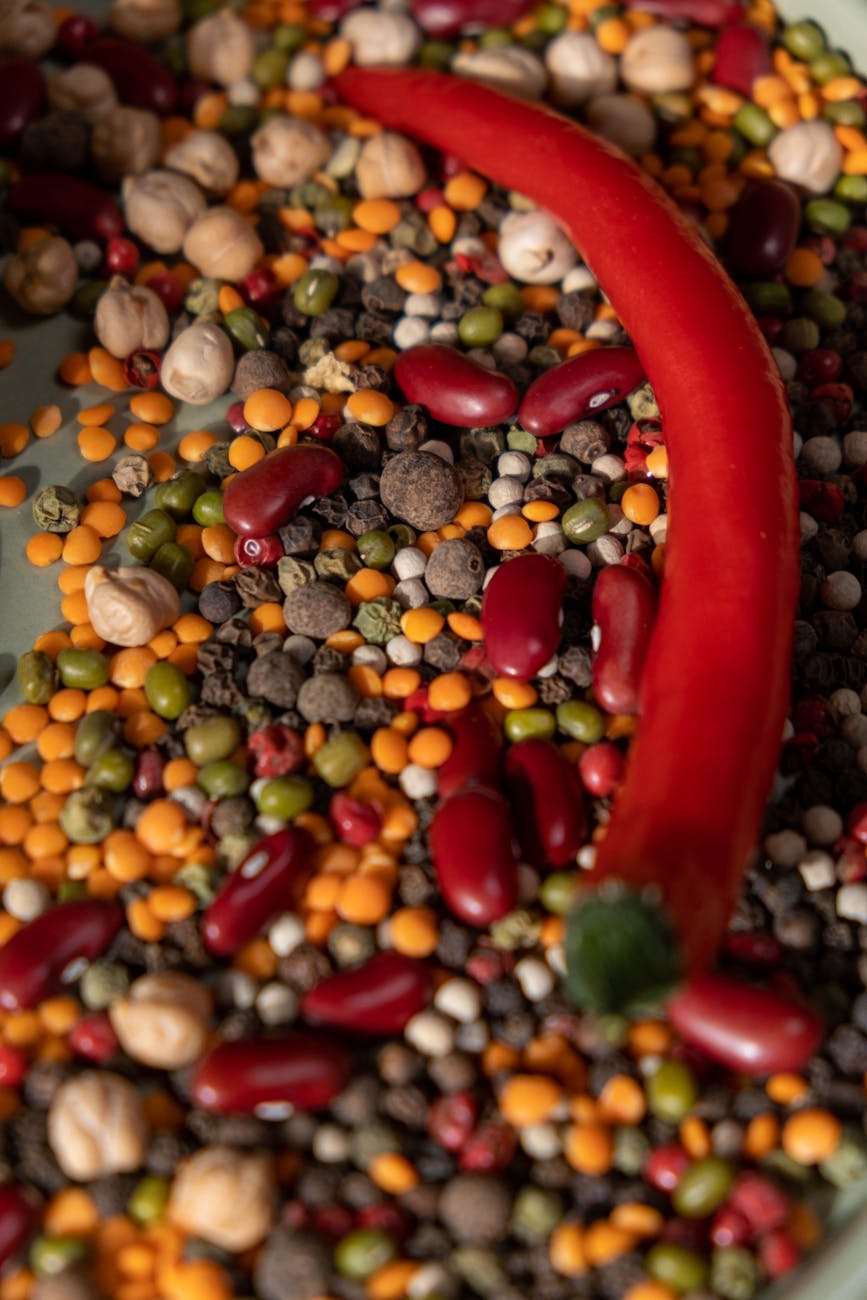
7 Unique Legumes to Transform Your Health: Beyond the Ordinary Beans

When most people think of legumes, they picture chickpeas, lentils, or kidney beans. Most probably you too. But the world of legumes offers a treasure trove of nutritious, delicious alternatives that can revolutionize your health while expanding your culinary horizons. These seven unique legumes, each with their own distinctive properties and benefits, are waiting to take their place on your plate.

Discovering Global Legume Diversity

Legumes have been dietary staples across cultures for millennia, yet many remain underutilized in Western diets. According to research, these plants offer nutritional qualities that complement traditional grains perfectly, particularly their high lysine (an essential amino acid) content which many grains lack. The scientific consensus among health professionals demonstrates that incorporating diverse legumes can significantly reduce chronic disease risks.

Let’s explore seven extraordinary legumes that deserve a place in your kitchen:

1. Dried Broad Beans (Fava Beans)

Rich in plant-based protein, dried broad beans have been cherished in Italian and Southeast Asian cuisines for centuries. What makes them particularly appealing is their convenience – they’re easy to prepare and cook quickly, making them perfect for busy lifestyles. Nutritionally, they’re relatively low in calories while providing substantial protein content, making them an excellent addition to weight management diets.

2. Black Chickpeas

Don’t let their small size fool you – black chickpeas pack a powerful nutritional punch. These tiny legumes are exceptionally rich in dietary fiber and iron, making them particularly beneficial for digestive health and blood oxygenation. Their versatility in the kitchen is unmatched; they can be added to soups, salads, or main dishes to enhance both nutritional value and visual appeal.

3. Square Peas

Historically associated with Lenten meals, square peas offer remarkable health benefits with minimal caloric impact. They provide substantial protein and fiber content while being remarkably low in calories, making them ideal weight management allies. Their satisfying texture and nutritional density help promote feelings of fullness, reducing overall calorie intake without sacrificing nutrition.

4. Tamarind

Known as “date palm of India” in Arabic, tamarind offers unique digestive benefits with its distinctive sweet-sour flavor. This tropical legume is particularly valued for its potassium and iron content, supporting both cardiovascular health and energy metabolism. Beyond its nutritional benefits, tamarind’s versatility extends from savory dishes to desserts, making it a culinary gem.

5. Adzuki Beans

Often called “Japan’s red beans,” adzuki beans are nutritional powerhouses rich in antioxidants. Scientific studies suggest they offer significant benefits for satiety and cardiovascular health while helping stabilize blood sugar levels. Their mild, slightly sweet flavor makes them adaptable to both sweet and savory preparations, from traditional Asian sweets to hearty stews.

6. Edamame

These immature soybeans represent one of the most nutritionally complete legumes available. Edamame provides exceptional fiber content, vitamins, and essential minerals like magnesium and calcium. Their remarkably low fat content makes them an ideal snack or addition to meals, supporting both weight management and overall nutritional needs.

7. White Lupins (Tramousses)

Particularly popular in Mediterranean and South American cuisines, white lupins stand out for their exceptional protein content – up to 38% digestible plant protein. What makes them unique among legumes is their naturally low antinutrient content, allowing them to be consumed with minimal preparation. Research indicates they may help reduce “bad” cholesterol and blood pressure, making them valuable for cardiovascular health.

The Science Behind Legume Benefits

Extensive research validates the health advantages of incorporating diverse legumes into your diet:

  • Cardiovascular Protection: Multiple studies show that regular legume consumption significantly reduces LDL cholesterol and total cholesterol levels. One review found LDL reductions of approximately 8.0 mg/dL and total cholesterol reductions of 11.8 mg/dL in participants following legume-rich diets.
  • Diabetes Management: Research demonstrates that legume consumption, particularly lentils, is associated with reduced risk of type 2 diabetes. Studies show improved glycemic control and better insulin sensitivity.
  • Weight Management: Incorporating legumes into daily diets has been shown to support healthy weight loss.
  • Cancer Prevention: Epidemiological studies involving 1.9 million participants found that higher legume consumption is associated with reduced risk of colorectal cancer.
  • Digestive Health: The high fiber and resistant starch content in legumes promotes healthy gut microbiome and regular bowel function.

Practical Integration Strategies

Adding these unique legumes to your diet can be simple and enjoyable:

  • Start with familiar preparations: Try adding black chickpeas to salads or edamame as a snack
  • Experiment with global cuisines: Explore traditional recipes from Mediterranean, Asian, or South American cooking
  • Mix varieties: Combine different legumes for enhanced nutritional diversity
  • Smart substitutions: Use legumes instead of meat in dishes like chili, tacos, or curries
  • Convenience options: Utilize canned or frozen varieties for quick meal preparation

The Environmental and Ethical Advantage

Beyond individual health benefits, legumes offer significant environmental advantages. They require less water and land compared to animal protein sources while fixing nitrogen in the soil, reducing the need for synthetic fertilizers. This makes them not only nutritionally superior but also environmentally responsible choices for sustainable eating patterns.

Conclusion

The world of legumes extends far beyond the common beans we typically encounter. These seven unique varieties offer extraordinary nutritional profiles, diverse culinary applications, and scientifically validated health benefits. From the antioxidant-rich adzuki beans to the protein-packed white lupins, each brings something special to both our plates and our health.

The scientific evidence is compelling: regular consumption of diverse legumes is associated with reduced risks of cardiovascular disease, type 2 diabetes, colorectal cancer, and improved weight management outcomes. As we continue to understand the intricate relationship between diet and health, legumes emerge as nutritional powerhouses that deserve prominent placement in our diets.

By incorporating these global legume varieties, we not only enhance our individual health but also contribute to more sustainable food systems.

Are you ready to start this journey toward better health by expanding your culinary horizons?

Thank you for reading! You can read more from me on my blog crisbiecoach and, please, subscribe!


The scientific articles that are referred to in this blog post were summarized for me by Thaura AI.
Unlocking the Power of Everyday Superfoods

Welcome to the final installment of my series on everyday superfoods! In my previous posts, I debunked the hype around superfoods and highlighted the nutritional power of everyday foods like oats, peas, carrots, potatoes, tomatoes, green leafy vegetables, and lentils. Today, I’ll explore even more everyday superfoods and how to incorporate them into your diet for maximum health benefits.

Blackberries: The Antioxidant Powerhouse

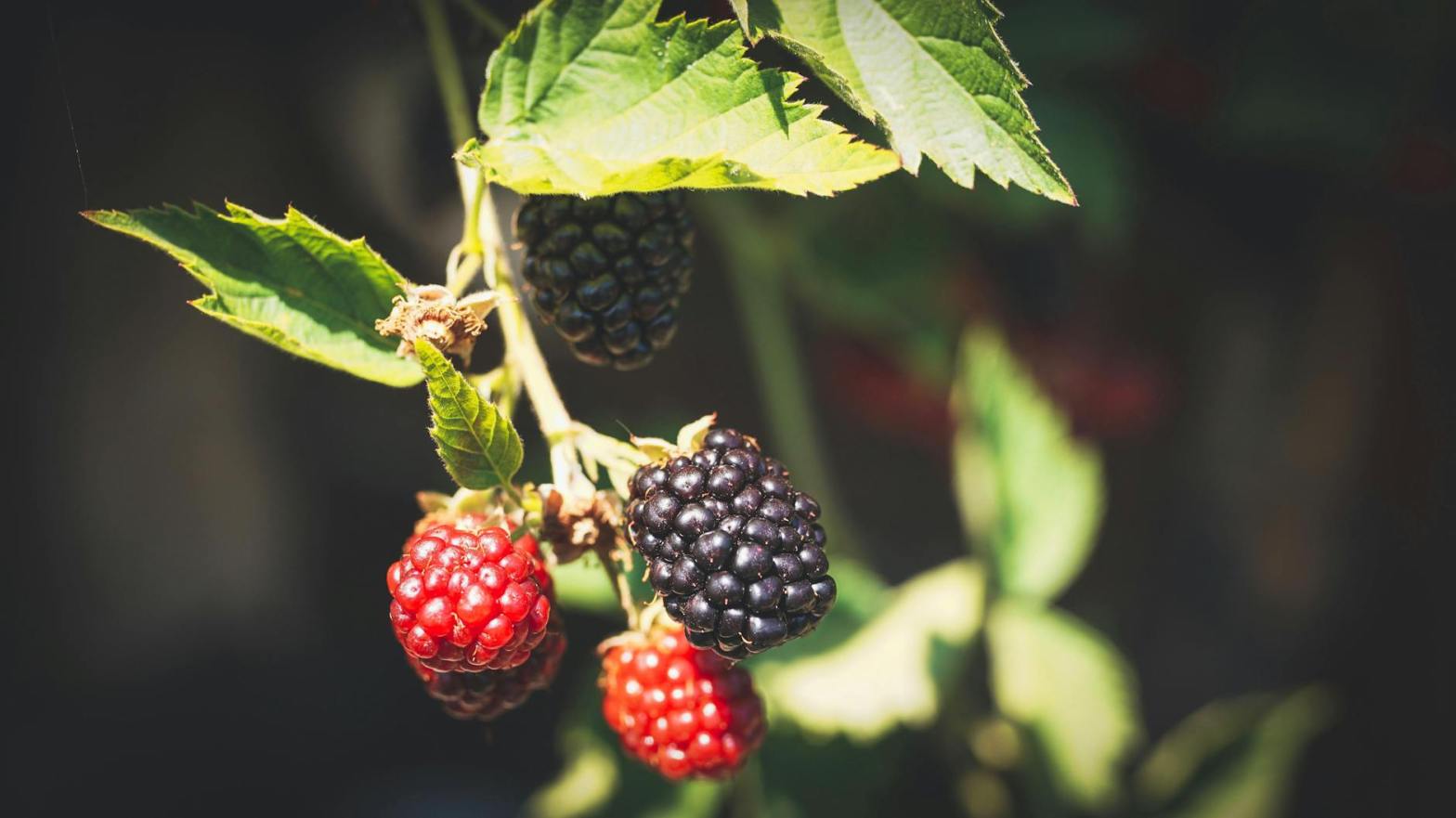
While blueberries often steal the superfood spotlight, blackberries are a potent source of anthocyanins—vibrantly pigmented antioxidants that protect our cells from damage. They are also rich in fiber, supporting digestion and blood sugar regulation, and vitamin C for immune health and collagen formation.

Bonus: Blackberries are often free across much of Europe and North America during the summer months. Out of season, you can buy them frozen and enjoy them in smoothies or as a snack.

Brazil Nuts: The Cholesterol Buster

Did you know that a single serving of just four Brazil nuts once a month may lower cholesterol levels faster than statins and keep them down even a month later? While more is not better—eating more than four Brazil nuts every day may exceed the tolerable daily limit for selenium—enjoying one or two a day won’t hurt.

Pro Tip: Brazil nuts are a great source of healthy fats and selenium, which is essential for thyroid function and immune health. So, go ahead and add them to your trail mix or enjoy them as a snack.

Popcorn: The Whole Grain Superfood

Popcorn is a whole grain containing about 10g of fiber per 100g. It also contains phytochemicals, mostly concentrated in the pericarp—the outer shell that is key to the popping process. Popcorn can keep you feeling satisfied for longer than other snacks, making it a great alternative to crisps.

Fun Idea: At the supermarket, choose hard popcorn kernels that you can heat on the hob. Elevate your popcorn by adding your own toppings like freeze-dried fruit, honey, smoked paprika, olive oil, pepper, curry powder, melted dark chocolate, cinnamon sugar, parmesan, or herbs like rosemary, thyme, and oregano.

Black Beans: The Polyphenol-Rich Superfood

While it’s best to eat a variety of beans, black beans are a surprisingly high source of polyphenols, containing seven times more than wild blueberries. Diets high in polyphenols can reduce the risk of several age-related chronic diseases, including cancer, diabetes, and cardiovascular diseases.

Recipe Idea: Black beans go well in Tex-Mex-style scrambled eggs or tofu, spicy soups, and make a good veggie burger. So, go ahead and add them to your meals for a polyphenol boost.

Tofu: The Versatile Superfood

Tofu is one of the most nutritious foods around. It’s high in protein, low in fat—and what little fat it does contain is the healthy kind. Tofu provides fiber and is a good source of B-group vitamins, magnesium, potassium, selenium, zinc, calcium, and iron. Research also shows that tofu can help reduce the risk of heart disease and several types of cancer.

Cooking Tip: If you think you don’t like tofu, you’re probably cooking it wrong. Try baking it, frying it, or adding it to stir-fries and salads for a delicious and nutritious meal.

Conclusion

Incorporating these everyday superfoods into your diet can provide a wealth of nutritional benefits without the hefty price tag or ethical concerns associated with some superfoods. By focusing on a diverse and balanced diet, you can unlock the power of everyday superfoods and boost your health in a sustainable and enjoyable way.

Thank you for joining me on this journey through the world of everyday superfoods. I hope you’ve found this series informative and inspiring.

Cheers to your health and happiness!

Ready to boost your health with everyday superfoods? Share your favorite recipes and tips in the comments below, and don’t forget to subscribe to my blog crisbiecoach so you don’t miss out on any posts.

For a Broader Outlook:

More Everyday Superfoods to Boost Your Health

Welcome back to my series on everyday superfoods! In my previous post, I explored the truth about superfoods and highlighted some humble yet nutritious alternatives like oats, peas, and carrots. Today, I’ll dive into more everyday foods that pack a nutritional punch without the hefty price tag or ethical concerns.

Potatoes: The Underrated Superfood

Potatoes often get a bad rap, but they are an important source of several vitamins and minerals, including vitamin C, iron, potassium, magnesium, vitamin B6, and folate. To maximize their nutritional value, try to keep the skins on and consider microwaving them instead of boiling to preserve vitamins and minerals.

Fun Fact: Freshly cooked potatoes are high in starch, but if you cook and then chill them, some of the starch is converted to resistant starch—a type of fermentable fiber that acts as “food” for your gut microbes. This fermentation process is linked to the production of short-chain fatty acids, which have beneficial effects on human health. So, a cold potato salad isn’t just delicious; it’s also a great source of resistant starch!

Tomatoes: The Versatile Superfood

Tomatoes are an excellent source of vitamin C, potassium, and the red compound lycopene, a powerful antioxidant linked to a reduced risk of heart disease and certain cancers. They are incredibly versatile and can be enjoyed fresh in summer salads or cooked in sauces and pastes year-round.

Pro Tip: Lycopene is most accessible to the body in cooked tomatoes, especially when paired with a healthy fat like olive oil. Even ketchup can be a decent source of lycopene—just watch out for the salt and sugar levels.

Green Leafy Vegetables: The Ultimate Superfoods

Don’t obsess over kale—all leafy greens are superfoods! Broccoli, rocket, Brussels sprouts, cabbage, and spring greens are packed with nutrients like iron, calcium, potassium, folate, vitamins C, E, and K, antioxidants, and fiber. They also contain special compounds called glucosinolates that may help protect against cancer and small amounts of vital omega-3 fats.

Watercress

This nutrient-dense green is an excellent source of vitamin K, which plays a vital role in bone health. It also contains vitamin C, calcium, and iron, contributing to immune health, bone strength, and the production of red blood cells. Add it to salads, sandwiches, or soups for a fresh, peppery flavor.

Lentils: The Protein-Packed Superfood

Lentils are a great, inexpensive source of protein, healthy carbohydrates, and fiber. They are packed with essential minerals and vitamins and have health-protective properties. Studies show that lentils are useful in preventing heart disease and type 2 diabetes.

Did You Know? One study found that people who ate about 3.5 servings a week had a 35% lower risk of developing type 2 diabetes compared to those who ate less. So, go ahead and add lentils to your soups, stews, salads, or even use them to replace mince in dishes like shepherd’s pie or bolognese.

To conclude, if you incorporate these everyday superfoods into your diet you will get a wealth of nutritional benefits without breaking the bank or contributing to ethical and environmental concerns. Stay tuned for my final post in this series, where I’ll explore even more everyday superfoods and how to make the most of them in your meals.

Thank you for reading! Please sign up for my blog crisbiecoach so you don’t miss out on any posts!

The Truth About Superfoods: Beyond the Hype

We hear more and more often the term “superfood” that has been thrown around like a magic potion promising eternal youth and vitality. But what exactly is a superfood? Is it just a marketing gimmick, or is there real science behind it? Let’s have a look into the world of superfoods, debunk some myths, and explore some everyday alternatives that are just as beneficial.

The Superfood Phenomenon

The term “superfood” was coined in the 1960s to describe foods that could fight malnutrition. However, it wasn’t until the 2000s that it became a buzzword used to sell exotic and expensive ingredients to health-conscious consumers. During the pandemic, interest in superfoods surged again, especially those claimed to “boost immunity” and “protect against pathogens.”

According to Italian scientists Giulia Santunione and Giuseppe Montevecchi, superfoods are “a marketing term used to describe nutrient-dense foods claimed to have health benefits.” While the superfood label has been a huge success in sales terms, it has also led to concerns about sustainability and ethical farming practices.

The Dark Side of Superfoods

Large-scale production of superfoods can lead to the overexploitation of agricultural areas, causing negative impacts on biodiversity and soil health, as well as precarious working conditions for workers. For example, goji berries require a lot of water, are often grown as a monoculture, and there are questions over fair wages for farmers. Quinoa, while more sustainable in terms of water, has seen increased demand affecting traditional farming practices and leading to higher prices for local people.

Everyday Superfoods

Given these concerns, it’s worth considering a diverse diet rich in a wide range of plants rather than fixating on a handful of miracle ingredients. Here are some everyday foods that are just as beneficial as their more glamorous counterparts:

Oats

Oats are a powerhouse of nutrients, including fiber that helps lower cholesterol and bioactive compounds that reduce oxidative stress and inflammation. They are also a great source of protein and essential vitamins and minerals. Opt for steel-cut or jumbo rolled oats, which contain more fiber, healthy fats, and protein than quick-cook versions.

Peas

Peas are a great source of protein, fiber, and complex carbohydrates, which provide a steady energy supply. They are naturally low in fat and can be used in a variety of dishes, from risottos to salads.

Carrots

Carrots are rich in beta-carotene, an antioxidant that converts into vitamin A to support vision, immune function, and skin health. They are also a good source of fiber, improving digestion and gut health. Enjoy them raw in summer salads or cooked in soups and stews.

To conclude, while superfoods have their place, it’s important to look beyond the hype and consider the broader picture of a balanced and diverse diet. Everyday foods like oats, peas, and carrots offer a wealth of nutritional benefits without the ethical and environmental concerns associated with some superfoods.

Stay tuned for my next post, where I’ll explore more everyday superfoods and how to incorporate them into your diet.

Thank you for reading! Please sign up for my blog crisbiecoach so you don’t miss out on any posts.