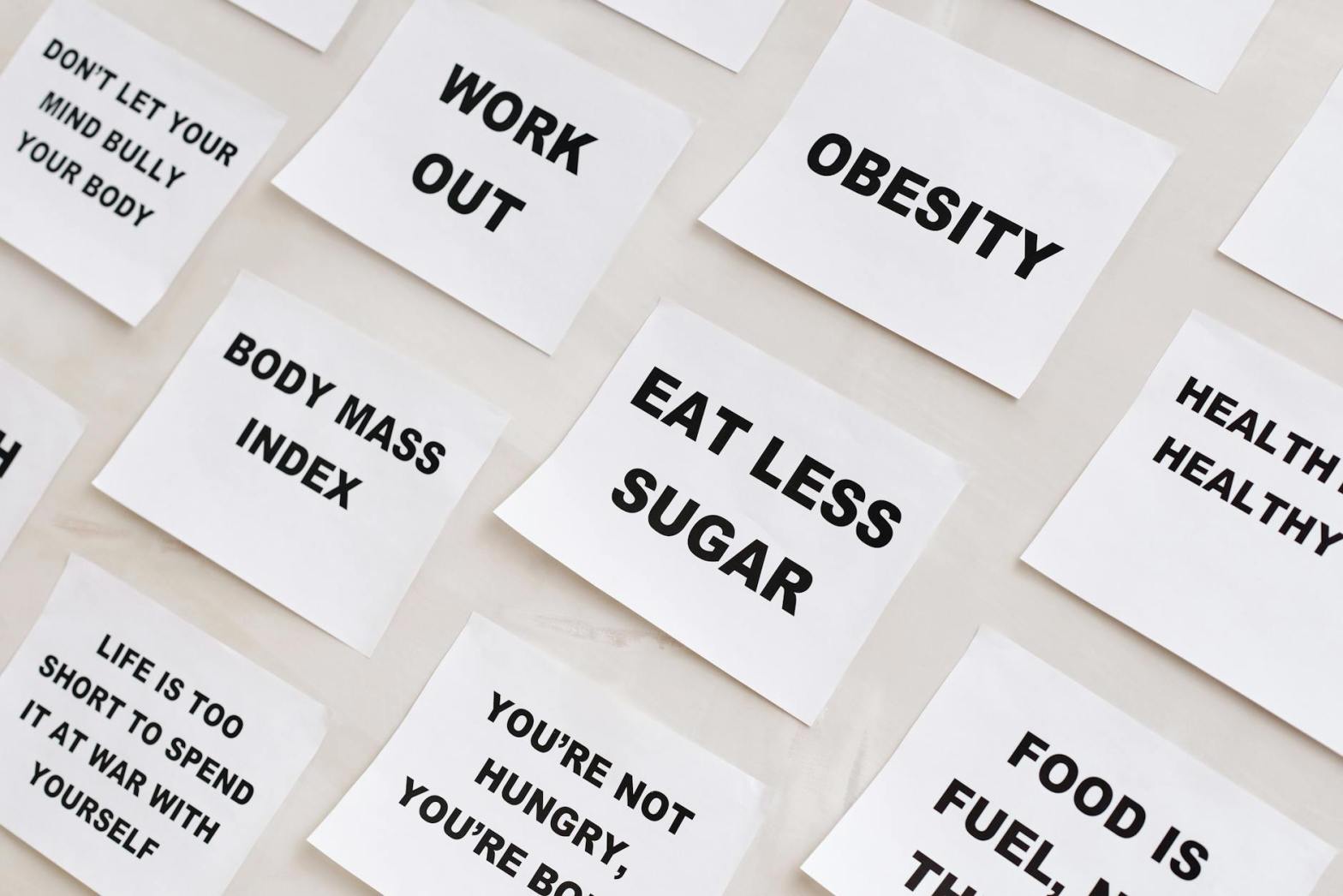

The Truth About Superfoods: Beyond the Hype

We hear more and more often the term “superfood” that has been thrown around like a magic potion promising eternal youth and vitality. But what exactly is a superfood? Is it just a marketing gimmick, or is there real science behind it? Let’s have a look into the world of superfoods, debunk some myths, and explore some everyday alternatives that are just as beneficial.

The Superfood Phenomenon

The term “superfood” was coined in the 1960s to describe foods that could fight malnutrition. However, it wasn’t until the 2000s that it became a buzzword used to sell exotic and expensive ingredients to health-conscious consumers. During the pandemic, interest in superfoods surged again, especially those claimed to “boost immunity” and “protect against pathogens.”

According to Italian scientists Giulia Santunione and Giuseppe Montevecchi, superfoods are “a marketing term used to describe nutrient-dense foods claimed to have health benefits.” While the superfood label has been a huge success in sales terms, it has also led to concerns about sustainability and ethical farming practices.

The Dark Side of Superfoods

Large-scale production of superfoods can lead to the overexploitation of agricultural areas, causing negative impacts on biodiversity and soil health, as well as precarious working conditions for workers. For example, goji berries require a lot of water, are often grown as a monoculture, and there are questions over fair wages for farmers. Quinoa, while more sustainable in terms of water, has seen increased demand affecting traditional farming practices and leading to higher prices for local people.

Everyday Superfoods

Given these concerns, it’s worth considering a diverse diet rich in a wide range of plants rather than fixating on a handful of miracle ingredients. Here are some everyday foods that are just as beneficial as their more glamorous counterparts:

Oats

Oats are a powerhouse of nutrients, including fiber that helps lower cholesterol and bioactive compounds that reduce oxidative stress and inflammation. They are also a great source of protein and essential vitamins and minerals. Opt for steel-cut or jumbo rolled oats, which contain more fiber, healthy fats, and protein than quick-cook versions.

Peas

Peas are a great source of protein, fiber, and complex carbohydrates, which provide a steady energy supply. They are naturally low in fat and can be used in a variety of dishes, from risottos to salads.

Carrots

Carrots are rich in beta-carotene, an antioxidant that converts into vitamin A to support vision, immune function, and skin health. They are also a good source of fiber, improving digestion and gut health. Enjoy them raw in summer salads or cooked in soups and stews.

To conclude, while superfoods have their place, it’s important to look beyond the hype and consider the broader picture of a balanced and diverse diet. Everyday foods like oats, peas, and carrots offer a wealth of nutritional benefits without the ethical and environmental concerns associated with some superfoods.

Stay tuned for my next post, where I’ll explore more everyday superfoods and how to incorporate them into your diet.

Thank you for reading! Please sign up for my blog crisbiecoach so you don’t miss out on any posts.

🍎 Pesticides on Fruits: Why Peeling Beats Rinsing

Have you ever rinsed an apple and felt confident it was clean? Most of the people do that as it’s known that vitamines and minerals are also contained in fruits and vegetable skin. For years, we have trusted a quick rinse under the tap to remove pesticide residues from fruits and vegetables. But new research from the American Chemical Society (ACS) is turning that belief on its head.

A New Look at an Old Habit

In a groundbreaking study published in Nano Letters, scientists from the ACS used advanced imaging technology to detect ultra-fine traces of chemical compounds—specifically pesticides and herbicides—on produce. Their findings? Rinsing fruits and vegetables with water is not enough to eliminate these residues.

Instead, peeling is emerging as the most effective method.

Why Rinsing Falls Short

The problem lies in the nature of pesticide molecules. These compounds are designed to be resilient, and they don’t just sit on the surface of your produce. According to the ACS researchers, pesticide molecules can migrate into the outer layers of the fruit’s pulp, making them difficult to wash away.

So while a rinse might remove surface dirt or bacteria, it won’t touch the chemical residues lurking just beneath the skin.

Peeling: A Safer Bet

If you’re concerned about pesticide exposure, the researchers recommend peeling fruits like Golden Delicious or Gala apples before eating. While this might mean sacrificing some fiber and nutrients found in the skin, it significantly reduces your intake of harmful chemicals.

The good news? The study found that pesticide residues do not penetrate all the way to the core of the fruit. They tend to remain in the outer layers, which means peeling is a practical and effective solution.

The Bigger Picture: Pesticides in Our Food

This study adds to a growing body of evidence about pesticide contamination in non-organic produce. Earlier this year, the French organization Générations Futures published a report revealing that:

  • 73.1% of non-organic fruits contained at least one pesticide residue.
  • 45.8% of non-organic vegetables were similarly affected.

Their analysis, conducted between 2017 and 2021, covered 21 fruits and 31 vegetables. Among the most contaminated were:

  • Grapefruits
  • Nectarines
  • Peaches
  • Celeriac
  • Lettuce

These findings underscore the importance of being mindful about how we prepare our food.

What Can We Do?

Here are a few practical tips to reduce pesticide exposure:

  1. Peel your produce whenever possible, especially if it’s non-organic.
  2. Buy organic when you can, particularly for fruits and vegetables known to have high pesticide levels.
  3. Use a produce brush for items you don’t peel, like cucumbers or potatoes.
  4. Stay informed about food safety research and recommendations.

Final Thoughts

While rinsing fruits and vegetables has long been the go-to method for cleaning produce, science is now showing us that peeling is more effective in removing pesticide residues. This doesn’t mean you need to peel everything, but for high-risk items, it’s a small step that can make a big difference.

As consumers, we have the power to make informed choices. Whether it’s switching to organic produce or simply peeling that apple before you eat it, every action counts toward a healthier lifestyle.

Thank you for reading! Please sign up for my blog crisbiecoach so you don’t miss out on any posts.

Are High-Protein Products Really Beneficial for Your Health?

In recent years, high-protein products have surged in popularity, largely due to their marketing as superfoods that can enhance fitness goals, support weight loss, and boost overall health. However, the reality of these products is more nuanced than their marketing suggests. As consumers become more health-conscious, it’s important to peel back the marketing layers and evaluate the true benefits and downsides of high-protein products.

Not a Magic Bullet for Weight Loss

Contrary to what flashy advertisements might imply, high-protein products are not inherently weight-loss wonders. Many people are drawn to these items in the hope of losing weight, but the reality is that they don’t possess any magical properties that will automatically lead to weight loss. While protein is indeed an important macronutrient that supports muscle repair and growth, consuming it in excess does not necessarily translate to losing body fat. Effective weight management relies on a balanced diet and regular physical activity, not just on increasing protein intake.

Unveiling the Sugar and Additives

One of the biggest misconceptions about high-protein products is that they are entirely healthy. A closer look at the labels reveals that many of these products are loaded with sugars and additives that can undermine their health benefits. The added sugars can contribute to various health issues such as increased blood sugar levels, weight gain, and an elevated risk of heart disease. Moreover, chemical additives and artificial flavorings, often present in these products, raise concerns about their long-term effects on health. When choosing high-protein snacks or drinks, it’s crucial to scrutinize ingredient lists and be mindful of these often overlooked components.

The Cost Factor

Another important consideration is the cost of high-protein products. They often come with a significant price tag, making them an expensive addition to your diet. While protein is a necessary nutrient, it doesn’t have to be expensive. Affordable and natural sources of protein, such as eggs, legumes, lean meats, and dairy, can easily fulfill your nutritional needs without costing a fortune. Instead of investing in costly high-protein bars or shakes, focus on incorporating these natural sources into a balanced diet for a more economical and sustainable approach to nutrition.

A Marketing Strategy with Limited Substance

The surge in popularity of high-protein products can largely be attributed to effective marketing strategies. Brands capitalize on the health trends surrounding protein by aggressively promoting their products as essential for achieving health and fitness goals. However, this is often more a matter of marketing than real nutritional innovation. The label “high-protein” can be misleading if the product is high in other less desirable ingredients, such as sugar or unhealthy fats. Consumers should be skeptical of marketing claims and base their choices on nutritional content rather than catchy slogans.

Making Smarter Choices

The key to a healthy diet is finding the right balance. While protein is essential, it should be consumed as part of a varied and balanced diet that also includes carbohydrates, fats, vitamins, and minerals. Prioritizing whole foods and natural protein sources over processed, high-protein products ensures that you get a full spectrum of nutrients without unnecessary additives. Reading labels, understanding ingredient lists, and being aware of marketing tactics can empower you to make healthier, more informed food choices.

In conclusion, while high-protein products can offer convenience, they are not a one-stop solution for health or weight loss. The real value of these products may often be overstated in marketing materials. By focusing on whole, unprocessed foods and being mindful of ingredient quality and sugar content, you can support your health in a more effective and sustainable way.

What do you think about high-protein products? Share your experiences and insights in the comments box here below!

Thank you for reading! Please sign up for my blog crisbiecoach so you don’t miss out on any posts!

Balancing Our Protein Intake: The Key to a Restful Night’s Sleep

I conclude the series on how to eat balanced during your day with dinner. When it comes to protein consumption, timing and type matter significantly more than you might think. In many Western diets, our intake of animal proteins is imbalanced. We tend to consume too little at breakfast and too much at dinner. This pattern not only affects our dietary balance but also has a substantial impact on our quality of sleep. Here’s how shifting your protein intake can help improve nighttime rest and overall well-being.

The Evening Protein Paradox: Animal vs. Plant Proteins

Animal proteins play a crucial role in stimulating wakefulness and motivation, making them an excellent choice for breakfast. However, excessive animal protein at dinner can have the opposite effect, stimulating alertness when your body is gearing down for the night. Instead, a vegetarian dinner—free of meat, fish, and eggs—can promote relaxation and ease you into sleep more effectively.

Plant Proteins for a Calming Dinner

For evening meals, it’s advisable to focus on plant proteins over animal proteins. Animal proteins tend to encourage dopamine production—a neurotransmitter associated with wakefulness and motivation. While beneficial in the morning, at night, our body needs to produce serotonin, the neurotransmitter that supports relaxation and sleep regulation.

Serotonin is synthesized from tryptophan, an amino acid found in plant-based proteins such as legumes, soy, brown rice, sunflower seeds, and even chocolate. These foods should be integral to your dinner. Animal-based proteins contain amino acids that compete with tryptophan, hindering its uptake by the brain and thus reducing serotonin synthesis, negatively impacting sleep.

Moreover, animal proteins and fats, particularly when cooked, can overstimulate the body in the evening. Foods rich in animal proteins and fats require extensive digestion, consuming energy and generating heat—both counterproductive to sleep as the body’s temperature should ideally dip in preparation for rest.

Timing Your Dinner for Optimal Digestion

The timing of your dinner plays a crucial role in how well you digest and subsequently sleep. A vertical posture during digestion helps food move more readily into the intestines. Aim to finish your dinner at least three hours before you go to bed, allowing your liver ample time to process the meal.

Foods That Foster Sleep

Certain foods are known to enhance serotonin production and promote the absorption of tryptophan, improving sleep quality:

  • Nuts and Almonds: Rich in tryptophan and magnesium, crucial for sleep without disturbances.
  • Yogurt and Cheese: Fermented dairy products that contain tryptophan, particularly beneficial when derived from goat or sheep milk.
  • Carbohydrates: Whole grains or fruits encourage the secretion of insulin, which helps amino acids reach the brain and aid in serotonin synthesis.

The Importance of Vegetables

Incorporating vegetables into at least a third of your dinner is essential. They provide essential fibers, promoting a sense of fullness and helping avoid post-meal snacking. Vegetables are also rich in vitamins and minerals that support overall health.

Fibers help not only with digestion but also with intestinal transit, reducing bloating, stomach upset, and gas—all of which can impair sleep quality. Those prone to these issues might prefer cooked vegetables, which are gentler on digestion than raw ones.

Add one or two tablespoons of oil to your vegetables, opting for those rich in omega-3s like extra-vierge olive, walnut, or camelina oil.

Crafting the Ideal Evening Meal

Your dinner plate should ideally consist of:

  • 50% Vegetables: Varied types to maximize nutrient intake.
  • 50% Legumes and/or Whole Grains: Tailor your dinner to complement what you’ve eaten for lunch, ensuring variety and balance.

Options to conclude your meal might include a piece of fruit or plain yogurt, depending on your appetite.

If hunger persists, a small portion of nuts, preferably almonds or walnuts, can satiate you without disrupting your sleep cycle.

Thank you for reading! Now it’s your turn. Share your favorite dinner combinations in the comments below and subscribe for more health and wellness tips!

Nutrition Education: Making Science-Based Food Choices Every Day

Today, you can find diet and nutritional advice almost everywhere. Threfore, making informed food choices can be difficult. With an abundance of misinformation, distinguishing fact from fiction often feels like an uphill battle. However, understanding the fundamentals of nutrition science can empower you to make smarter, healthier choices tailored to your needs. Let’s have a look at the world of nutrition, examine some trending topics, and learn how to make evidence-based food decisions for a healthier you.

The Fundamentals of Nutrition Science

Nutrition science is the study of how food and its components affect the body. It focuses on the consumption of nutrients and their role in growth, metabolism, and disease prevention. Let’s break down its core elements:

  1. Macronutrients: These are the nutrients we need in larger amounts – carbohydrates, proteins, and fats. Each serves a unique function in the body. Carbohydrates provide energy, proteins support growth and repair, and fats are essential for energy storage, cellular structure, and hormone production.
  2. Micronutrients: These include vitamins and minerals that are crucial for bodily functions but needed in smaller quantities. For example, Vitamin C boosts immunity, while calcium supports bone health.
  3. Water: Often overlooked, water is vital for maintaining bodily functions, including temperature regulation and waste elimination.

Understanding these fundamentals allows for a balanced diet that can be adapted to various dietary types, such as vegetarian, vegan, ketogenic, or Mediterranean diets. Each diet type emphasizes different sources of macronutrients and micronutrients but should adhere to principles of balance, variety, and moderation.

Credibility of Trending Nutrition Topics

The digital age has brought a surge of nutrition information, making it difficult to discern credible advice from fleeting fads. Here are some trending topics, assessed for credibility:

  • Intermittent Fasting: This eating pattern cycles between eating and fasting periods. Scientific evidence suggests potential benefits like improved metabolic health and weight loss. However, it’s not suited for everyone and should be approached with newfound knowledge.
  • Plant-Based Diets: With increasing endorsements from health experts, plant-based diets are shown to reduce risks of chronic diseases. The key is ensuring a balanced intake of nutrients commonly lacking, like Vitamin B12 and omega-3 fatty acids.
  • Keto Diet: High-fat, low-carb, the keto diet is praised for quick weight loss. However, long-term adherence requires caution as it may lead to nutrient deficiencies and heart health concerns without professional guidance.

Making Informed Food Choices

To make informed food choices, apply these science-backed strategies:

  1. Prioritize Whole Foods: Whole foods such as fruits, vegetables, whole grains, and lean proteins are nutrient-dense, offering essential vitamins and minerals without added sugars or unhealthy fats.
  2. Practice Mindful Eating: This involves paying attention to hunger cues and savoring meals. It can help prevent overeating and foster a healthier relationship with food.
  3. Read Food Labels: Understanding nutrition labels is crucial. Look for products low in saturated fat, sodium, and added sugars, and rich in fiber and essential nutrients. Avoid food additives and preservatives starting with letter E as much as possible.
  4. Consult Credible Sources: Utilize platforms such as MyPlate.gov or the Academy of Nutrition and Dietetics for reliable, evidence-based information.
  5. Seek Professional Guidance: Consider consulting with a registered dietitian for personalized dietary advice tailored to your individual health needs.

Informed nutrition education involves understanding the science behind what we eat, evaluating trending diet topics critically, and applying this knowledge to everyday choices. A robust foundation in nutrition can empower us to navigate the world of food confidently and sustainably.

Begin your journey to informed eating today! By empowering yourself with knowledge, you take the first steps toward a healthier and more informed dietary lifestyle. Share your own nutrition story in the comment box here below, and leave tips that may be useful to all.

Happy eating!

Understanding Obesity: The Complexy of Diet, Appetite, and Behavior

Obesity is a global health challenge that affects millions of people worldwide. It is a complex condition influenced by a myriad of factors, including diet, appetite, genetics, environment, and psychology. Despite significant advancements in our understanding of obesity, there are still gaps in our knowledge that hinder effective prevention and treatment. This blog post explores the intricate web of obesity, what we know and what we still need to uncover.

The Physiology of Obesity

Obesity is fundamentally a result of an energy imbalance—consuming more calories than the body expends. However, the physiology of obesity is far more nuanced. Hormones such as leptin and ghrelin play crucial roles in regulating appetite and energy expenditure. Leptin, produced by fat cells, signals the brain to reduce appetite and increase energy expenditure. Ghrelin, on the other hand, stimulates hunger.

One of the intriguing aspects of obesity is the concept of “food addiction.” Some researchers suggest that certain foods, particularly those high in sugar and fat, can trigger addictive-like responses in the brain. This can lead to compulsive eating behaviors, making it difficult for individuals to control their food intake.

The Role of Diet and Appetite

Diet is a cornerstone in the development and management of obesity. The modern food environment, characterized by an abundance of high-calorie, palatable foods, contributes to overeating. Processed foods, sugary beverages, and large portion sizes are significant culprits.

Appetite control is a complex interplay of biological, psychological, and environmental factors. The brain’s hypothalamus plays a central role in regulating hunger and satiety. However, psychological factors such as stress, emotions, and early-life experiences can also influence eating behaviors.

Stress and Early-Life Experiences

Stress is a well-known trigger for overeating. High levels of stress can lead to emotional eating, where individuals turn to food for comfort. This is often linked to the release of cortisol, a stress hormone that can increase appetite and cravings for unhealthy foods.

Early-life experiences, including childhood trauma and adverse events, can also shape eating behaviors. These experiences can lead to maladaptive coping mechanisms, such as binge eating, which can persist into adulthood.

Barriers to Healthy Eating

Despite the known benefits of a healthy diet, numerous barriers can hinder individuals from making nutritious food choices. These barriers include:

  1. Food Insecurity: Lack of access to affordable, nutritious food is a significant barrier. Food insecurity can lead to reliance on cheap, high-calorie foods that are often less nutritious.
  2. Time Constraints: Busy lifestyles can make it challenging to prepare healthy meals. Convenience foods, which are often high in calories and low in nutrients, become an easy alternative.
  3. Cultural and Social Influences: Cultural norms and social environments can shape dietary habits. Social gatherings often revolve around food, making it difficult to resist unhealthy options.
  4. Knowledge and Education: A lack of nutrition education can lead to poor food choices. Many people may not be aware of the nutritional content of foods or how to prepare healthy meals.

The Psychology of Appetite Control

The psychology of appetite control is a fascinating area of study. Portion sizes play a crucial role in determining how much we eat. Larger portion sizes can lead to overeating, as they distort our perception of a “normal” serving size. This phenomenon, known as the “portion size effect,” highlights the importance of mindful eating.

Food insecurity, as said before, can also affect eating behaviors. When individuals are uncertain about their next meal, they may overeat when food is available, leading to cycles of feast and famine. This can disrupt normal appetite regulation and contribute to weight gain.

Gaps in Our Knowledge

Despite significant progress, there are still gaps in our understanding of obesity. For instance, the exact mechanisms underlying food addiction are not fully understood. Additionally, the interplay between genetics, environment, and behavior in the development of obesity remains a complex puzzle.

Obesity is a serious condition that requires a comprehensive approach to prevention and treatment. Understanding the complex interplay of diet, appetite, and behavior is crucial for developing effective strategies. By addressing the barriers to healthy eating and continuing to explore the gaps in our knowledge, we can make strides in combating this global health challenge.

Join the conversation on understanding and addressing obesity. Share your experiences and insights in the comments box here below.

Thank you for reading! Please sign up for my blog crisbiecoach so you don’t miss out on any posts!

What You Should Know About Detoxification, Sweeteners, and Food Choices

Do you think like me that we’re constantly bombarded with information about detoxes, sweeteners, and the best food choices? But do you know how much of it is based on science, and how much is just clever marketing? Let’s see some of the most talked-about topics in nutrition and separate fact from fiction.

The Body’s Natural Detoxification Process

The human body is an amazing machine, equipped with its own detoxification system. The liver, kidneys, lungs, and skin work together to filter out toxins and waste products. The liver, in particular, plays a crucial role in breaking down harmful substances and excreting them from the body.

Natural Detoxification vs. Commercial Detoxes

While our bodies are designed to detoxify naturally, the market is flooded with detox teas, juices, and supplements promising quick fixes. However, there’s little scientific evidence to support the effectiveness of these products. In fact, some detox diets can be harmful, leading to nutrient deficiencies and other health issues.

Instead of relying on commercial detoxes, focus on supporting your body’s natural detoxification processes. Eat a balanced diet rich in fruits, vegetables, whole grains, and lean proteins. Stay hydrated, get enough sleep, and engage in regular physical activity. Your body will thank you!

The Impact of Sweeteners on Health

Sweeteners are a hot topic in the world of nutrition. From natural sugars to artificial sweeteners, the choices can be overwhelming. But how do these sweeteners affect our health?

Common Sweeteners and Their Effects

  • Refined Sugars: Found in many processed foods, refined sugars like sucrose and high-fructose corn syrup can contribute to weight gain, tooth decay, and chronic diseases like type 2 diabetes and heart disease.
  • Natural Sweeteners: Options like honey, maple syrup, and agave nectar are often marketed as healthier alternatives. While they may contain some beneficial nutrients, they are still high in calories and can have similar effects on blood sugar levels as refined sugars.
  • Non-nutritive Sweeteners: Artificial sweeteners like aspartame, sucralose, and stevia are calorie-free and can be a useful tool for weight management. However, some studies suggest that they may disrupt gut bacteria and lead to increased sugar cravings.

The key (again) is moderation. Enjoy sweeteners in small amounts and focus on a balanced diet that includes plenty of whole foods.

Genetically Modified Foods vs. Conventionally Grown Produce

Genetically modified organisms (GMOs) have been a subject of debate for years. But what’s the difference between GMOs and conventionally grown produce?

Understanding GMOs

GMOs are created by altering the DNA of an organism to introduce desirable traits, such as resistance to pests or herbicides. While some people have concerns about the long-term effects of GMOs on health and the environment, extensive research has shown that GMOs currently on the market are safe to eat.

Conventionally Grown Produce

Conventionally grown produce is cultivated using traditional farming methods, which may include the use of pesticides and synthetic fertilisers. While these practices can increase crop yields, they can also have environmental impacts and leave residues on food.

The choice is yours. Remember that the best is always to buy organic.

Nutrients in Organic, Grass-Fed, and Pasture-Raised Meat

When it comes to meat, the choices can be confusing. Organic, grass-fed, pasture-raised—what do these labels mean, and how do they affect the nutritional value of the meat?

Organic Meat

Organic meat comes from animals raised without the use of synthetic hormones, antibiotics, or genetically modified feed. While organic meat may have slightly higher levels of certain nutrients, the differences are generally small.

Grass-Fed Meat

Grass-fed meat comes from animals that have been fed a diet of grass and forage, rather than grain. Grass-fed meat tends to be leaner and may have higher levels of omega-3 fatty acids and antioxidants.

Pasture-Raised Meat

Pasture-raised meat comes from animals that have been raised on pasture, with access to fresh grass and sunlight. Like grass-fed meat, pasture-raised meat may have a more favourable nutrient profile.

Ultimately, the best choice depends on your personal preferences and values. All types of meat can be part of a healthy diet when consumed in moderation.

To conclude, nutrition can be challenging, but armed with the right information, you can make the right choice to support your health and well-being. Remember, the key to a healthy diet is of course balance, variety, and moderation.

What’s your take on detox diets and sweeteners? Will you make any changes to your diet based on the information in this post? Share your thoughts in the comments below!

Thank you for reading! Please sign up for my blog crisbiecoach so you don’t miss out on any posts!

How Junk Food Can Alter Your Brain in Just a Few Days

Imagine this: you’re on vacation, enjoying a week of indulgence. Snacks and sausages for an aperitif, churros and ice cream for a snack—it’s a well-deserved break, right? But did you know that just five days of this high-calorie diet can significantly alter your brain activity? A recent study published in Nature Metabolism reveals some eye-opening findings that might make you rethink your vacation eating habits.

The Impact of a High-Calorie Diet on Your Brain

The study, led by Stephanie Kullmann of the University of Tübingen in Germany, recruited 29 healthy men. For five days, 18 of these men followed a diet rich in fatty and sugary snacks, while the remaining 11 maintained their usual diet. The participants’ brain activity was measured using functional magnetic resonance imaging (fMRI) before the study, after the diet, and a week after returning to a normal diet.

The results were striking. After just five days of a high-calorie diet, the participants showed increased sensitivity to insulin in two critical brain areas: the pons and the insula. These regions are involved in regulating appetite and the reward system, which is linked to pleasure and learning. However, this heightened sensitivity came with a cost—the participants’ cognitive abilities were impaired, making them less sensitive to rewards but more sensitive to punishments. This shift could significantly affect their future decision-making processes.

The Role of Insulin in Brain Function

Insulin, a hormone produced by the pancreas, plays a crucial role in regulating blood sugar levels. In the brain, it helps reduce the desire to eat. However, when you consume too much fat or sugar, your body’s cells initially become highly sensitive to insulin to store the excess sugar. Over time, if this high-calorie intake continues, the cells can become insensitive to insulin, leading to a condition known as insulin resistance.

Insulin resistance impairs the body’s ability to regulate blood sugar, and in the brain, it weakens the appetite-regulating effect. This can lead to overeating and is associated with various metabolic diseases, including obesity and type 2 diabetes. The study’s findings suggest that these imbalances can occur in just a few days, highlighting the importance of maintaining a balanced diet even during short periods of indulgence.

Long-Term Effects and the Importance of Balance

Interestingly, the study also found that after twelve days (seven days after returning to a balanced diet), the hippocampus and the fusiform gyrus—brain regions involved in memory and evaluating the appeal of food—had become very insensitive to insulin. This secondary insulin resistance developed rapidly, indicating that even short-term dietary changes can have lasting effects on brain function.

These findings serve as a reminder that while it’s okay to indulge occasionally, maintaining a balanced diet is crucial for long-term health. High-calorie diets can quickly lead to insulin resistance, making fatty foods more desirable and healthy foods less appealing. This can set the stage for unhealthy eating habits and increase the risk of metabolic diseases.

So, the next time you’re tempted to indulge in a week of junk food, remember the potential impact on your brain and overall health. Opt for healthier alternatives and maintain a balanced diet to keep your brain functioning at its best. Your future self will thank you!

Thank you for reading! Please sign up for my blog crisbiecoach so you don’t miss out on any posts and also for Wise&Shine an incredible online magazine!

Rediscovering the Mediterranean Diet: A Call to Action for Italians

Once upon a time, the Mediterranean diet was hailed as a symbol of health and vitality. Its roots, entrenched in the sun-soaked lands of Italy and its neighboring Mediterranean countries, promised longevity, well-being, and a life free from the burden of chronic diseases. As Italians, we proudly wore this culinary badge, our tables graced with vibrant vegetables, golden olive oil, fresh fish, and just-harvested fruits. Yet, today, we face a shocking reality: child obesity rates in Italy are rising, overshadowing the benefits of our rich dietary heritage.

In recent years, convenience has become king, replacing tradition with quick meals and processed foods. Many Italian families, once advocates of home-cooked meals, now opt for pre-packaged, heavily marketed options that promise ease and speed. Fast food chains have made inroads into even the most quaint of our towns, tempting our young ones with meals that pack more calories and far less nutrition than a home-cooked pot of minestrone.

This shift in eating habits has consequences far beyond the plate. Childhood obesity not only affects physical health — leading to increased risks of diabetes, high blood pressure, and other ailments — but also impinges on mental and emotional well-being. A child struggling with weight issues may face societal stigma, reduced self-esteem, and a difficult path toward adopting healthy lifestyle habits later in life.

Yet, the solution is clear and simple. We need to return to the traditional Mediterranean diet, reviving the principles that have sustained our ancestors for generations. This isn’t just nostalgia or romanticism; scientific evidence supports the myriad benefits of this way of eating. Rich in plant-based foods, moderate in fish and poultry, and low in saturated fats, the Mediterranean diet offers a balanced, sustainable, and enjoyable path to health.

Let’s take actionable steps to reintegrate these practices:

  1. Prioritize Freshness: Make local farmers’ markets a weekend ritual. Choose seasonal produce, tasting and flavors of each season.
  2. Cook at Home: Savour the joy of home cooking. Reserve time for meal preparation, involving family members in cooking, a time-honored tradition that can be both educational and bonding.
  3. Educate the Young Ones: Schools and community centers can play a pivotal role by reintroducing children to traditional foods, teaching them about the benefits of a balanced diet in fun and engaging ways.
  4. Advocate for Policy Change: Encourage local governments and organizations to advocate for policies that promote the Mediterranean diet. This could include school programs, and campaigns to raise awareness.
  5. Mindful Eating: Practice mindful eating. Treasure each bite, savor flavors, and respect the foods that nourish our bodies.

In conclusion, the call to revive the Mediterranean diet in Italy is more than just an appeal for healthier eating; it’s a cultural awakening. By returning to our roots, we can address the growing concern of childhood obesity, ensuring our children and future generations enjoy the rich heritage and health benefits of the lifestyle we’ve rightly celebrated.

Thank you for reading! Please sign up for my blog crisbiecoach so you don’t miss out on any posts!

Is Food Addictive? The Impact of the Food Industry on Our Health

Maintaining a healthy diet is a challenge many of us face daily. But what if some of our food choices are beyond our control? Could food be as addictive as drugs or alcohol? Pulitzer Prize-winning investigative reporter Michael Moss explores these questions in his book Hooked. I recently read this book, and these are my takeaways.

The Addictive Nature of Food

Moss delves into the latest research on addiction, revealing that food can be even more addictive than alcohol, cigarettes, and drugs. Our bodies are naturally wired to crave sweets, and food manufacturers exploit this by adding various types of sugar to their products. This creates an expectation that everything we eat should be sweet. Studies have shown that certain foods, especially those high in sugar, fat, and salt, can trigger the release of dopamine in the brain, similar to the effects of addictive drugs [1][2]. This biochemical response can lead to cravings and compulsive eating behaviors.

The Role of the Food Industry

The processed food industry, including giants like Nestlé, Mars, and Kellogg’s, has not only ignored but also exploited the addictive nature of its products. In response to dieting trends, these companies have introduced “diet” foods that are often just as unhealthy as the original products. As obesity rates rise, manufacturers claim to add ingredients that can effortlessly curb our compulsive eating habits. However, these claims are often misleading. The industry uses strategic marketing, product engineering, and internal practices to drive consumer habits and health issues [3][4]. For example, the “bliss point” concept creates the perfect combination of sugar, fat, and salt to maximize palatability and consumption [3].

The Impact on Public Health

Moss’s Hooked provides a gripping account of the legal battles, insidious marketing campaigns, and cutting-edge food science that have led to our current public health crisis. The book highlights how the food industry deepens our addictions and why our food choices have never been more critical. The public health implications are significant, as food addiction can contribute to obesity, diabetes, heart disease, and other chronic conditions [5][6]. Understanding the addictive nature of food and the food industry’s role in exploiting our vulnerabilities is crucial. As we become more aware of these issues, we can make better-informed decisions about what we eat and push for greater transparency and accountability from food manufacturers.

Conclusion

Recognizing the addictive nature of certain foods and the tactics used by the food industry to exploit these cravings is essential for making healthier choices. By staying informed and advocating for better food policies, we can work towards a healthier future for ourselves and our communities.

It’s a choice you can make!

Thank you for reading! Please sign up for my blog crisbiecoach so you don’t miss out on any posts and also for Wise&Shine an incredible online magazine!


References

[1] The 18 Most Addictive Foods (and the 17 Least Addictive) – Healthline

[2] Why Are Certain Foods so Addictive? – Cleveland Clinic Health Essentials

[3] Episode: The Role of the Food Industry in Creating Food Addiction l …

[4] Episode: The Role of the Food Industry in Creating Food Addiction l …

[5] Can food be addictive? Public health and policy implications

[6] The Impact of Food Addiction on Food Policy – PEACH Lab