Unlocking the Power of Everyday Superfoods

Welcome to the final installment of my series on everyday superfoods! In my previous posts, I debunked the hype around superfoods and highlighted the nutritional power of everyday foods like oats, peas, carrots, potatoes, tomatoes, green leafy vegetables, and lentils. Today, I’ll explore even more everyday superfoods and how to incorporate them into your diet for maximum health benefits.

Blackberries: The Antioxidant Powerhouse

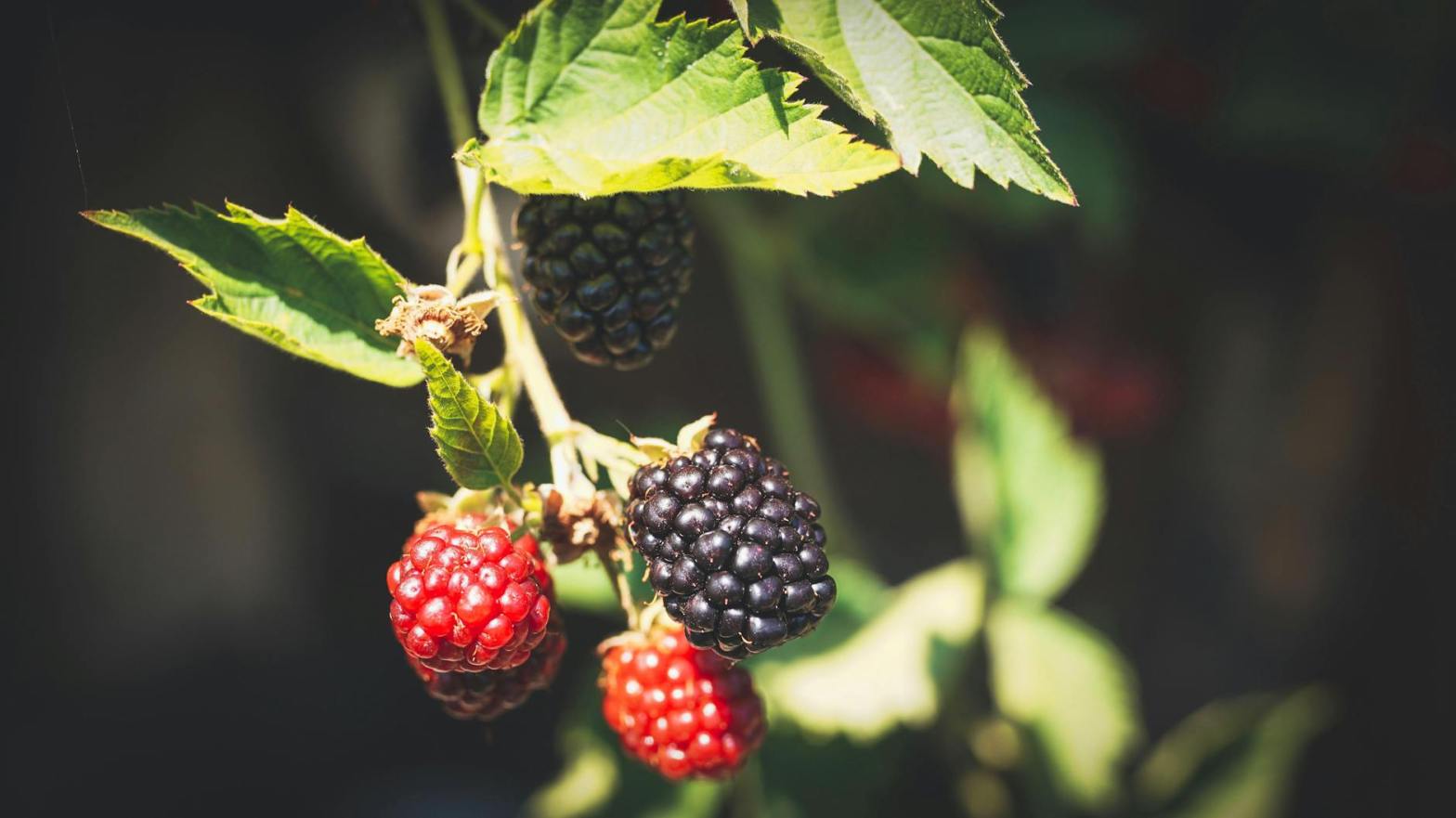
While blueberries often steal the superfood spotlight, blackberries are a potent source of anthocyanins—vibrantly pigmented antioxidants that protect our cells from damage. They are also rich in fiber, supporting digestion and blood sugar regulation, and vitamin C for immune health and collagen formation.

Bonus: Blackberries are often free across much of Europe and North America during the summer months. Out of season, you can buy them frozen and enjoy them in smoothies or as a snack.

Brazil Nuts: The Cholesterol Buster

Did you know that a single serving of just four Brazil nuts once a month may lower cholesterol levels faster than statins and keep them down even a month later? While more is not better—eating more than four Brazil nuts every day may exceed the tolerable daily limit for selenium—enjoying one or two a day won’t hurt.

Pro Tip: Brazil nuts are a great source of healthy fats and selenium, which is essential for thyroid function and immune health. So, go ahead and add them to your trail mix or enjoy them as a snack.

Popcorn: The Whole Grain Superfood

Popcorn is a whole grain containing about 10g of fiber per 100g. It also contains phytochemicals, mostly concentrated in the pericarp—the outer shell that is key to the popping process. Popcorn can keep you feeling satisfied for longer than other snacks, making it a great alternative to crisps.

Fun Idea: At the supermarket, choose hard popcorn kernels that you can heat on the hob. Elevate your popcorn by adding your own toppings like freeze-dried fruit, honey, smoked paprika, olive oil, pepper, curry powder, melted dark chocolate, cinnamon sugar, parmesan, or herbs like rosemary, thyme, and oregano.

Black Beans: The Polyphenol-Rich Superfood

While it’s best to eat a variety of beans, black beans are a surprisingly high source of polyphenols, containing seven times more than wild blueberries. Diets high in polyphenols can reduce the risk of several age-related chronic diseases, including cancer, diabetes, and cardiovascular diseases.

Recipe Idea: Black beans go well in Tex-Mex-style scrambled eggs or tofu, spicy soups, and make a good veggie burger. So, go ahead and add them to your meals for a polyphenol boost.

Tofu: The Versatile Superfood

Tofu is one of the most nutritious foods around. It’s high in protein, low in fat—and what little fat it does contain is the healthy kind. Tofu provides fiber and is a good source of B-group vitamins, magnesium, potassium, selenium, zinc, calcium, and iron. Research also shows that tofu can help reduce the risk of heart disease and several types of cancer.

Cooking Tip: If you think you don’t like tofu, you’re probably cooking it wrong. Try baking it, frying it, or adding it to stir-fries and salads for a delicious and nutritious meal.

Conclusion

Incorporating these everyday superfoods into your diet can provide a wealth of nutritional benefits without the hefty price tag or ethical concerns associated with some superfoods. By focusing on a diverse and balanced diet, you can unlock the power of everyday superfoods and boost your health in a sustainable and enjoyable way.

Thank you for joining me on this journey through the world of everyday superfoods. I hope you’ve found this series informative and inspiring.

Cheers to your health and happiness!

Ready to boost your health with everyday superfoods? Share your favorite recipes and tips in the comments below, and don’t forget to subscribe to my blog crisbiecoach so you don’t miss out on any posts.

For a Broader Outlook:

More Everyday Superfoods to Boost Your Health

Welcome back to my series on everyday superfoods! In my previous post, I explored the truth about superfoods and highlighted some humble yet nutritious alternatives like oats, peas, and carrots. Today, I’ll dive into more everyday foods that pack a nutritional punch without the hefty price tag or ethical concerns.

Potatoes: The Underrated Superfood

Potatoes often get a bad rap, but they are an important source of several vitamins and minerals, including vitamin C, iron, potassium, magnesium, vitamin B6, and folate. To maximize their nutritional value, try to keep the skins on and consider microwaving them instead of boiling to preserve vitamins and minerals.

Fun Fact: Freshly cooked potatoes are high in starch, but if you cook and then chill them, some of the starch is converted to resistant starch—a type of fermentable fiber that acts as “food” for your gut microbes. This fermentation process is linked to the production of short-chain fatty acids, which have beneficial effects on human health. So, a cold potato salad isn’t just delicious; it’s also a great source of resistant starch!

Tomatoes: The Versatile Superfood

Tomatoes are an excellent source of vitamin C, potassium, and the red compound lycopene, a powerful antioxidant linked to a reduced risk of heart disease and certain cancers. They are incredibly versatile and can be enjoyed fresh in summer salads or cooked in sauces and pastes year-round.

Pro Tip: Lycopene is most accessible to the body in cooked tomatoes, especially when paired with a healthy fat like olive oil. Even ketchup can be a decent source of lycopene—just watch out for the salt and sugar levels.

Green Leafy Vegetables: The Ultimate Superfoods

Don’t obsess over kale—all leafy greens are superfoods! Broccoli, rocket, Brussels sprouts, cabbage, and spring greens are packed with nutrients like iron, calcium, potassium, folate, vitamins C, E, and K, antioxidants, and fiber. They also contain special compounds called glucosinolates that may help protect against cancer and small amounts of vital omega-3 fats.

Watercress

This nutrient-dense green is an excellent source of vitamin K, which plays a vital role in bone health. It also contains vitamin C, calcium, and iron, contributing to immune health, bone strength, and the production of red blood cells. Add it to salads, sandwiches, or soups for a fresh, peppery flavor.

Lentils: The Protein-Packed Superfood

Lentils are a great, inexpensive source of protein, healthy carbohydrates, and fiber. They are packed with essential minerals and vitamins and have health-protective properties. Studies show that lentils are useful in preventing heart disease and type 2 diabetes.

Did You Know? One study found that people who ate about 3.5 servings a week had a 35% lower risk of developing type 2 diabetes compared to those who ate less. So, go ahead and add lentils to your soups, stews, salads, or even use them to replace mince in dishes like shepherd’s pie or bolognese.

To conclude, if you incorporate these everyday superfoods into your diet you will get a wealth of nutritional benefits without breaking the bank or contributing to ethical and environmental concerns. Stay tuned for my final post in this series, where I’ll explore even more everyday superfoods and how to make the most of them in your meals.

Thank you for reading! Please sign up for my blog crisbiecoach so you don’t miss out on any posts!

The Truth About Superfoods: Beyond the Hype

We hear more and more often the term “superfood” that has been thrown around like a magic potion promising eternal youth and vitality. But what exactly is a superfood? Is it just a marketing gimmick, or is there real science behind it? Let’s have a look into the world of superfoods, debunk some myths, and explore some everyday alternatives that are just as beneficial.

The Superfood Phenomenon

The term “superfood” was coined in the 1960s to describe foods that could fight malnutrition. However, it wasn’t until the 2000s that it became a buzzword used to sell exotic and expensive ingredients to health-conscious consumers. During the pandemic, interest in superfoods surged again, especially those claimed to “boost immunity” and “protect against pathogens.”

According to Italian scientists Giulia Santunione and Giuseppe Montevecchi, superfoods are “a marketing term used to describe nutrient-dense foods claimed to have health benefits.” While the superfood label has been a huge success in sales terms, it has also led to concerns about sustainability and ethical farming practices.

The Dark Side of Superfoods

Large-scale production of superfoods can lead to the overexploitation of agricultural areas, causing negative impacts on biodiversity and soil health, as well as precarious working conditions for workers. For example, goji berries require a lot of water, are often grown as a monoculture, and there are questions over fair wages for farmers. Quinoa, while more sustainable in terms of water, has seen increased demand affecting traditional farming practices and leading to higher prices for local people.

Everyday Superfoods

Given these concerns, it’s worth considering a diverse diet rich in a wide range of plants rather than fixating on a handful of miracle ingredients. Here are some everyday foods that are just as beneficial as their more glamorous counterparts:

Oats

Oats are a powerhouse of nutrients, including fiber that helps lower cholesterol and bioactive compounds that reduce oxidative stress and inflammation. They are also a great source of protein and essential vitamins and minerals. Opt for steel-cut or jumbo rolled oats, which contain more fiber, healthy fats, and protein than quick-cook versions.

Peas

Peas are a great source of protein, fiber, and complex carbohydrates, which provide a steady energy supply. They are naturally low in fat and can be used in a variety of dishes, from risottos to salads.

Carrots

Carrots are rich in beta-carotene, an antioxidant that converts into vitamin A to support vision, immune function, and skin health. They are also a good source of fiber, improving digestion and gut health. Enjoy them raw in summer salads or cooked in soups and stews.

To conclude, while superfoods have their place, it’s important to look beyond the hype and consider the broader picture of a balanced and diverse diet. Everyday foods like oats, peas, and carrots offer a wealth of nutritional benefits without the ethical and environmental concerns associated with some superfoods.

Stay tuned for my next post, where I’ll explore more everyday superfoods and how to incorporate them into your diet.

Thank you for reading! Please sign up for my blog crisbiecoach so you don’t miss out on any posts.

Veganuary 2025 Challenge – Results

Veganuary 2025 has marked a significant milestone in the global movement towards plant-based eating. For the first time ever, active Veganuary campaigns are now running in 20 countries across the globe, showcasing the growing enthusiasm and commitment to sustainable and ethical food choices. This year’s theme, “Food doesn’t have to be weird,” has resonated with people worldwide, highlighting that plant-based eating is not only delicious and sustainable but also the more sensible choice.

A Theme That Resonates

The “Food doesn’t have to be weird” theme has been instrumental in breaking down barriers and misconceptions about plant-based diets. By emphasizing the simplicity and familiarity of plant-based meals, Veganuary 2025 has encouraged more people to explore and adopt this lifestyle. The campaign has shown that plant-based eating can be just as satisfying and enjoyable as traditional diets, making it an accessible option for everyone.

Celebrity Endorsements

Veganuary 2025 has garnered support from a diverse range of celebrities, who have lent their voices to amplify the mission. Notable figures such as actor Woody Harrelson, comedian Preacher Lawson, and star of House of the Dragon Bethany Antonia have joined the cause, inspiring their fans and followers to consider the benefits of a plant-based diet. Their influence has helped spread awareness and encourage more people to participate in the campaign.

Corporate Participation

Hundreds of companies have taken part in Veganuary 2025, demonstrating their commitment to sustainability and ethical consumerism. In the UK, major retailers like Aldi and IKEA have actively participated, offering a wide range of plant-based products to their customers. In the US, Love & Sandwiches has been a prominent supporter, while in Germany, more than 1,000 businesses have joined the initiative. This widespread corporate involvement has made it easier for consumers to access plant-based options and contribute to the movement.

Tangible Impact on Consumer Behavior

The impact of Veganuary on consumer behavior is evident, particularly in Germany. New data published this January revealed that during the last two campaigns, meat sales declined by 12.5% in January 2024 and 14.3% in January 2023 compared to the annual average. This significant reduction in meat consumption highlights the tangible influence of Veganuary on consumer choices, encouraging more people to opt for plant-based alternatives.

Join the Movement

Veganuary 2025 has shown that the shift towards plant-based eating is not just a trend but a growing global movement. By choosing plant-based options, we can make a positive impact on our health, the environment, and animal welfare. Whether you’re a seasoned vegan or just starting to explore plant-based eating, there’s never been a better time to join the movement.

So, are you ready to make the difference?


Thank you for reading! Please sign up for my blog crisbiecoach so you don’t miss out on any posts and also for Wise&Shine an incredible online magazine!

Why Sustainable Eating Matters

Eating sustainably isn’t just a buzzword—it’s a powerful way to care for both your health and the planet. Every bite we take impacts more than just our bodies; it shapes ecosystems, influences climate change, and affects global food security. Choosing sustainable foods means prioritizing local, seasonal, and minimally processed options that respect natural resources and reduce waste.

A sustainable approach to eating supports farming practices that protect biodiversity and soil health, reduce greenhouse gas emissions, and ensure fair treatment of workers. At the same time, it’s a path to better health, as these choices often emphasize nutrient-dense, whole foods over heavily processed ones. Sustainable eating is about balance: nourishing yourself while contributing to a healthier world for future generations. It’s a small act with a big impact, proof that our daily choices truly matter.

Let’s see why it matters.

Buy Seasonal and Local Foods

Why it matters: Seasonal produce is harvested at its peak, meaning it’s fresher and more nutritious. It also has a lower environmental footprint because it doesn’t require energy-intensive storage and locally bought food doesn’t travel long-distance, which reduces greenhouse gas emissions.

Prioritize Plant-Based Proteins

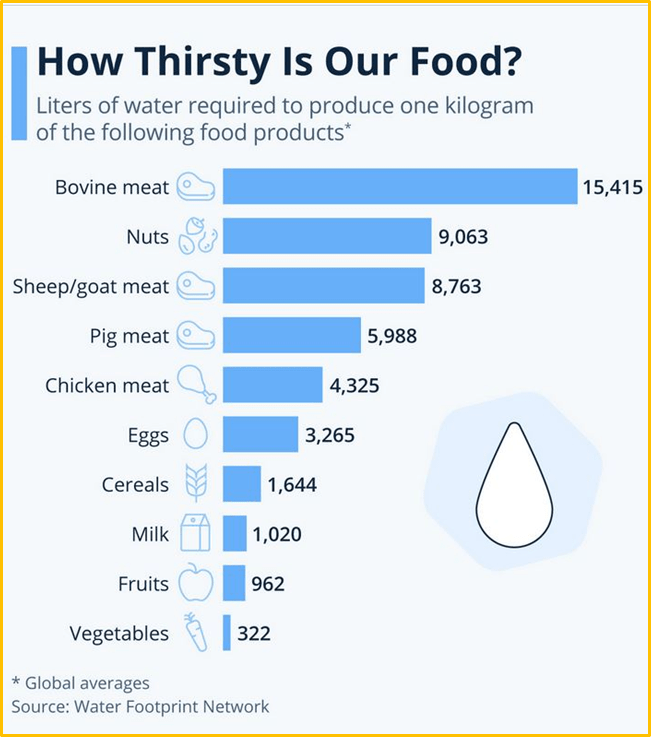
Why it matters: Producing plant-based proteins like lentils, beans, and tofu requires significantly fewer resources—such as water and land—than meat and dairy. This reduction in resource use helps lower greenhouse gas emissions and conserve biodiversity.

Reduce Food Waste

Why it matters: Food waste is a major contributor to greenhouse gas emissions. When food is wasted, all the resources used to produce, transport, and store it are also wasted. Reducing food waste helps conserve these resources and decreases methane emissions from landfills.

Opt for Whole Foods Over Processed Foods

Why it matters: Whole foods are less processed, retain more nutrients, and require less energy to produce. Additionally, they generate less packaging waste, which reduces environmental pollution.

Support Sustainable Seafood Choices

Why it matters: Overfishing and unsustainable fishing practices can deplete fish populations and damage marine ecosystems. Choosing sustainably sourced seafood helps protect these ecosystems and ensures that fish populations remain healthy for future generations. Moreover, you would avoid the economic decline of coastal communities reliant on fisheries.

Buy in Bulk Where Possible

Why it matters: Buying in bulk reduces the amount of packaging waste, which often ends up in landfills or as litter in the environment. It also tends to be more cost-effective, allowing you to save money while reducing your environmental impact.

Minimize Ultra-Processed Foods

Why it matters: Ultra-processed foods are often high in unhealthy fats, sugars, and salt, and their production is energy-intensive, contributing to higher greenhouse gas emissions. By choosing minimally processed foods, you support a healthier diet and a more sustainable food system.

Cook at Home More Often

Why it matters: Cooking at home gives you control over the ingredients and portion sizes, which can lead to healthier eating habits. It also reduces the need for takeout and packaged meals, which often come with excess packaging and food waste.

Rethink Portion Sizes

Why it matters: Overeating not only affects your health but also increases the demand for food production, which can strain natural resources. By serving smaller portions and eating mindfully, you can reduce food waste and promote a more sustainable food system.

Grow Your Own Food

Why it matters: Growing your own food reduces your reliance on store-bought produce, which often involves long supply chains and significant carbon footprints. It also allows you to enjoy fresh, organic produce right from your garden or balcony.

Be Informed About Certifications

Why it matters: Certifications like organic, Fair Trade and Rainforest Alliance indicate that products are produced using more sustainable and ethical practices. Supporting these products helps promote better environmental and social standards in the food industry.

Hydrate Wisely

Why it matters: Bottled water generates significant plastic waste and requires a lot of energy to produce and transport. Using a reusable water bottle and filtering tap water reduces plastic waste and conserves resources.


By understanding the reasons behind these recommendations, you can make more informed choices that benefit both your health and the environment. Knowing why it’s important to reduce plastic use can motivate you to opt for reusable bags and containers. Similarly, understanding the impact of a plant-based diet on both personal health and environmental sustainability can encourage you to incorporate more plant-based meals into your diet. This knowledge empowers you to make decisions that are not only good for you but also for the planet.

Feel free to ask me any questions, and don’t hesitate to comment in the box below.

Thank you for reading! Please sign up for my blog crisbiecoach so you don’t miss out on any posts!

Simple Meal Plans for a Balanced and Sustainable Diet

You may have noticed that the most recent blog posts are about nutrition and related topics. I’ve decided to transform my website into a reliable resource for nutrition, aiming to help others navigate their health journeys with informed choices and support. Why? A challenging chapter in my life ignited a deeper curiosity about how our bodies react to what we eat and our environments. In the summer of 2023, I had hives, that were solved by medications, self-hypnosis, and more recently with a diet. This path made me realize the critical role of nutrition and holistic well-being in managing autoimmune conditions.

Today, I would like to share some meal ideas that are rich in nutrients, environmentally friendly, and easy to prepare. Each option highlights whole foods, plant-forward choices, and portion mindfulness.

Breakfast Ideas

  1. Oats with Berries and Seeds
    • Ingredients: Rolled oats, unsweetened almond milk, chia seeds, a handful of mixed berries, and a drizzle of honey.
    • Why it’s great: Rich in fiber, antioxidants, and omega-3s, this meal supports heart health and energy levels while reducing reliance on processed breakfast options.
  2. Avocado Toast with a Twist
    • Ingredients: Whole-grain bread, smashed avocado, a sprinkle of nutritional yeast, and cherry tomatoes. Add an optional poached egg.
    • Why it’s great: Packed with healthy fats, fiber, and protein, this meal keeps you full and energized.
  3. Plant-Based Smoothie Bowl
    • Ingredients: Frozen banana, spinach, unsweetened coconut milk, and a scoop of plant-based protein powder. Top with granola and fresh fruit.
    • Why it’s great: Combines fruits and greens for a nutrient-packed, low-impact meal.

Lunch Ideas

  1. Quinoa and Chickpea Salad
    • Ingredients: Quinoa, canned chickpeas, diced cucumber, cherry tomatoes, parsley, olive oil, lemon juice, and a pinch of salt.
    • Why it’s great: High in plant-based protein and fiber, this refreshing salad is filling and sustainable.
  2. Lentil and Sweet Potato Stew
    • Ingredients: Green lentils, diced sweet potatoes, spinach, vegetable broth, garlic, onion, and smoked paprika.
    • Why it’s great: A comforting one-pot meal loaded with vitamins, iron, and plant protein.
  3. Whole-grain Wrap with Hummus and Veggies
    • Ingredients: Whole-grain tortilla, hummus, shredded carrots, spinach, and roasted red peppers.
    • Why it’s great: This quick, no-cook lunch provides a good mix of fiber and nutrients.

Dinner Ideas

  1. Vegetable Stir-Fry with Tofu
    • Ingredients: Firm tofu, broccoli, snap peas, bell peppers, sesame oil, soy sauce, ginger, and garlic. Serve with brown rice.
    • Why it’s great: Combines plant-based protein with colorful, nutrient-dense veggies for a satisfying meal.
  2. Baked Sardines with Roasted Veggies
    • Ingredients: Sardines, asparagus, zucchini, olive oil, and lemon slices.
    • Why it’s great: A great source of omega-3 fatty acids and vitamins.
  3. Stuffed Bell Peppers
    • Ingredients: Bell peppers, cooked quinoa, black beans, corn, diced tomatoes, and spices like cumin and chili powder.
    • Why it’s great: A high-protein, plant-forward dish that’s hearty and packed with nutrients.

Snacks and Sides

  1. Trail Mix
    • Ingredients: Almonds, walnuts, sunflower seeds, and a handful of dried fruit.
    • Why it’s great: Easy to pack and full of healthy fats, fiber, and natural sweetness.
  2. Veggie Sticks with Guacamole or Hummus
    • Ingredients: Carrot, cucumber, and celery sticks with your choice of dip.
    • Why it’s great: A fresh, crunchy option that satisfies hunger without empty calories.
  3. Roasted Chickpeas
    • Ingredients: Canned chickpeas, olive oil, and spices like paprika or garlic powder.
    • Why it’s great: A crunchy, protein-packed alternative to chips.

Tips for Sustainability in the Kitchen

  • Plan ahead: Meal prepping reduces food waste and ensures healthier choices during busy days.
  • Buy seasonal produce: Locally grown fruits and vegetables are fresher and have a lower carbon footprint.
  • Compost scraps: Turn vegetable peels and other food waste into nutrient-rich compost for plants.
  • Choose reusable containers: Opt for glass or stainless steel for meal storage.

Are you ready to switch to a source of sustainable ingredients?

Thank you for reading! Please sign up for my blog crisbiecoach so you don’t miss out on any posts!

What Does It Mean to Be a Sustainable Eater?

In a time when environmental and health issues are increasingly intertwined, sustainable eating has become a vital, personal way to support the planet’s future. According to the World Health Organization (WHO), sustainable eating extends beyond choosing foods for personal well-being. It’s about embracing food choices that also contribute to environmental health, social equity, and economic viability. But what does sustainable eating truly mean, and how do our choices impact both our bodies and our planet?

Key Principles of Sustainable Eating

The WHO’s guiding principles on sustainable eating emphasize a balance that considers health, environmental impact, and socio-economic factors. Here are some foundational principles to keep in mind:

  1. Prioritizing Plant-Based Foods
    A diet rich in fruits, vegetables, whole grains, nuts, and seeds is the cornerstone of sustainable eating. Plant-based diets generally require fewer natural resources than diets high in animal products, resulting in reduced greenhouse gas emissions, land use, and water consumption. By making plants the primary focus, we align our food habits with a lower environmental footprint.
  2. Emphasizing Variety and Local Sources
    Choosing seasonal, local produce supports biodiversity and reduces the carbon footprint associated with long-distance food transportation. The WHO suggests eating a variety of foods to maintain nutritional balance and avoid over-reliance on specific crops, which can degrade ecosystems over time. This approach not only promotes a healthy diet but also strengthens local economies and food systems.
  3. Minimizing Processed Foods and Waste
    Processed foods are often associated with higher energy consumption during production and packaging. A sustainable eater is mindful of food waste and aims to consume fresh, whole foods wherever possible. By reducing waste and prioritizing fresh ingredients, we lessen our environmental impact and conserve valuable resources.
  4. Opting for Responsibly-Sourced Protein
    Protein choice is a significant factor in sustainable eating. Animal-based proteins, especially red meat, have a considerable environmental impact. Sustainable eaters are encouraged to shift to plant-based proteins, such as legumes, tofu, and nuts, or to sustainably sourced fish and poultry if preferred. This balance can help reduce the environmental burden of meat production, from water usage to deforestation.

How Our Choices Shape Our Health and the Planet’s Health

Sustainable eating is a two-way relationship: the foods we consume shape our well-being while influencing the environment around us. Choosing nutrient-dense, plant-based foods doesn’t just help lower our risk of chronic illnesses like heart disease, obesity, and diabetes—it also aids in reducing pollution, preserving natural habitats, and promoting biodiversity. By aligning our diets with what is sustainable for the planet, we also consume foods that better support our health.

For example, fruits and vegetables are typically rich in fiber, vitamins, and minerals essential for overall health. And because plant-based diets tend to be lower in saturated fats than meat-heavy diets, they are associated with reduced rates of cardiovascular disease. So, a sustainable diet isn’t merely about minimizing environmental damage; it also has the potential to enhance our personal wellness.

Why Protein is Central to the Sustainable Eating Debate

Protein production, particularly animal-based protein, lies at the heart of the sustainability discussion. Livestock farming accounts for significant greenhouse gas emissions and requires extensive land, water, and feed. Conversely, plant-based proteins such as lentils, chickpeas, and beans require fewer resources and contribute less to carbon emissions. This distinction has spurred many to rethink traditional protein sources, encouraging a shift toward plant-based options.

However, sustainable protein choices aren’t limited to plants. For those who eat meat, opting for smaller portions, choosing sustainably sourced fish, or incorporating plant-based protein alternatives can reduce their carbon footprint while providing essential nutrients. It’s about balance and thoughtful selection rather than cutting out animal protein altogether.

Embracing the Role of the Sustainable Eater

Becoming a sustainable eater involves small, mindful changes that accumulate into meaningful impacts. Choosing locally-sourced produce, reducing meat consumption, and minimizing food waste can all contribute to a more sustainable world. Each choice we make resonates beyond our individual health, influencing the health of ecosystems, animals, and communities around the globe.

Sustainable eating isn’t simply a trend; it’s a thoughtful response to the urgent challenges of our era. By adopting WHO’s principles, we empower ourselves to contribute positively to the planet while nourishing our own health.

Remember: the choices we make truly matter.

What do you think about a plant-based diet? Are you ready to switch?

Thank you for reading! Please sign up for my blog crisbiecoach so you don’t miss out on any posts and also for Wise&Shine an incredible online magazine!

Sustainable Eating: Nourishing Ourselves without Devouring the Planet

Sustainability is a wide and sometimes unclear concept, so in this post, I will focus only on food, and what sustainable eating means.

What is Sustainable Eating?

Sustainable eating, within the framework of sustainable development, emphasizes careful food selection, and respect for seasonality and quality, by incorporating a balanced diet that won’t destroy our planet’s living conditions.

In this regard, FAO has provided international guidelines aimed at reducing environmental impact starting with agriculture and food.

Reducing food waste and supporting local economies is becoming imperative.

Principles of Sustainable Eating

There are three fundamental principles to follow for sustainable eating:

  1. Consume Less: Overexploitation of soil and land leads to an excessive burden on natural rhythms, significantly impacting the environment. And it’s bad for your health.
  2. Minimize Food Waste: Research indicates that approximately 88 million tons of food are wasted yearly.
  3. Reduce Animal Product Consumption: The overproduction of animal-derived foods, coupled with excessive consumption, is associated with increased risks of stroke, cancer, and other diseases. Encouraging a plant-based diet with increased fruit and vegetable intake is key.

Why the implementation of these beneficial recommendations is so difficult? The fundamental issue lies in the vast business of the food industry, focusing on low-cost products to reach wider markets. This often compromises product quality and our health, representing a core challenge of our times.

What Can We Do for Sustainable Eating?

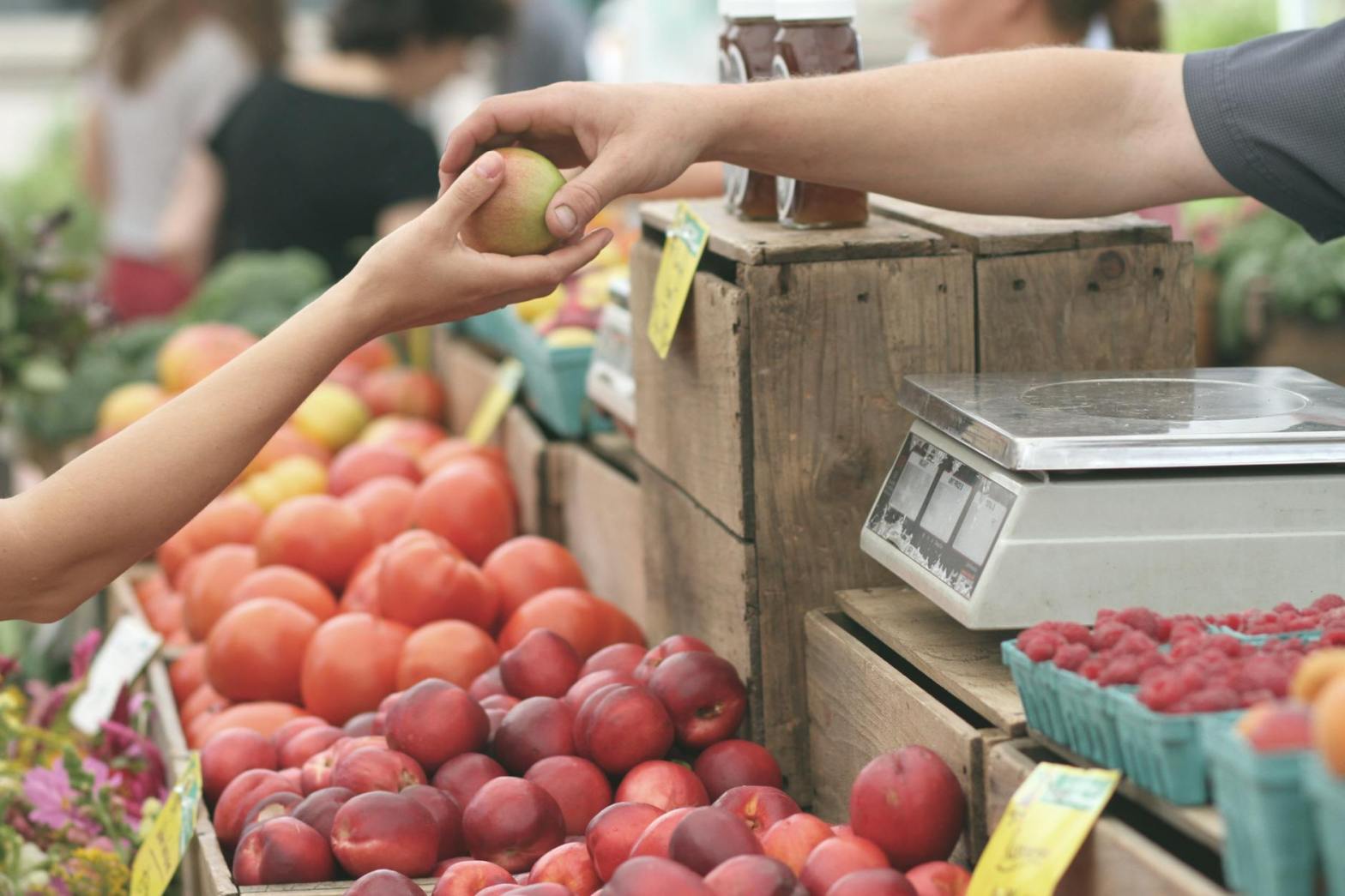
One way to improve one’s diet and be more sustainable is to buy locally, especially from farmers or shops whose practices are known. In this way, we will help them also in increasing their income, which nowadays is very low.

Moreover, to reduce food waste, we could prepare meals for the week, store them properly, and put them in the freezer.

Additionally, going shopping with a list of products to buy for planned recipes, will ensure a full fridge and reduce the risk of waste.

Another tip is to drink tap water instead of purchasing plastic bottled water or you could refill glass bottles at water refill stations.

Suggestions such as eating seasonal produce, avoiding overly processed foods, consuming sustainably caught fish, and eliminating red meat intake all contribute to sustainable eating practices.

However, could everyone adopt this lifestyle?

Not everyone has the financial means to support certain expenses, as organic or locally sourced products often come at a higher cost than supermarket alternatives. But you could ask yourself why some food is so cheap, instead of asking yourself why quality food is so expensive.

Another hindrance is time constraints due to work and daily life commitments, making meticulous shopping trips to farmer’s markets less feasible than online or supermarket shopping.

So, what can we do?

Simply take one step at a time and put it as a milestone. Together, even small efforts can collectively contribute to the protection of the environment.

Thank you for reading! Please sign up for my blog crisbiecoach so you don’t miss out on any posts and also for Wise&Shine an incredible online magazine!