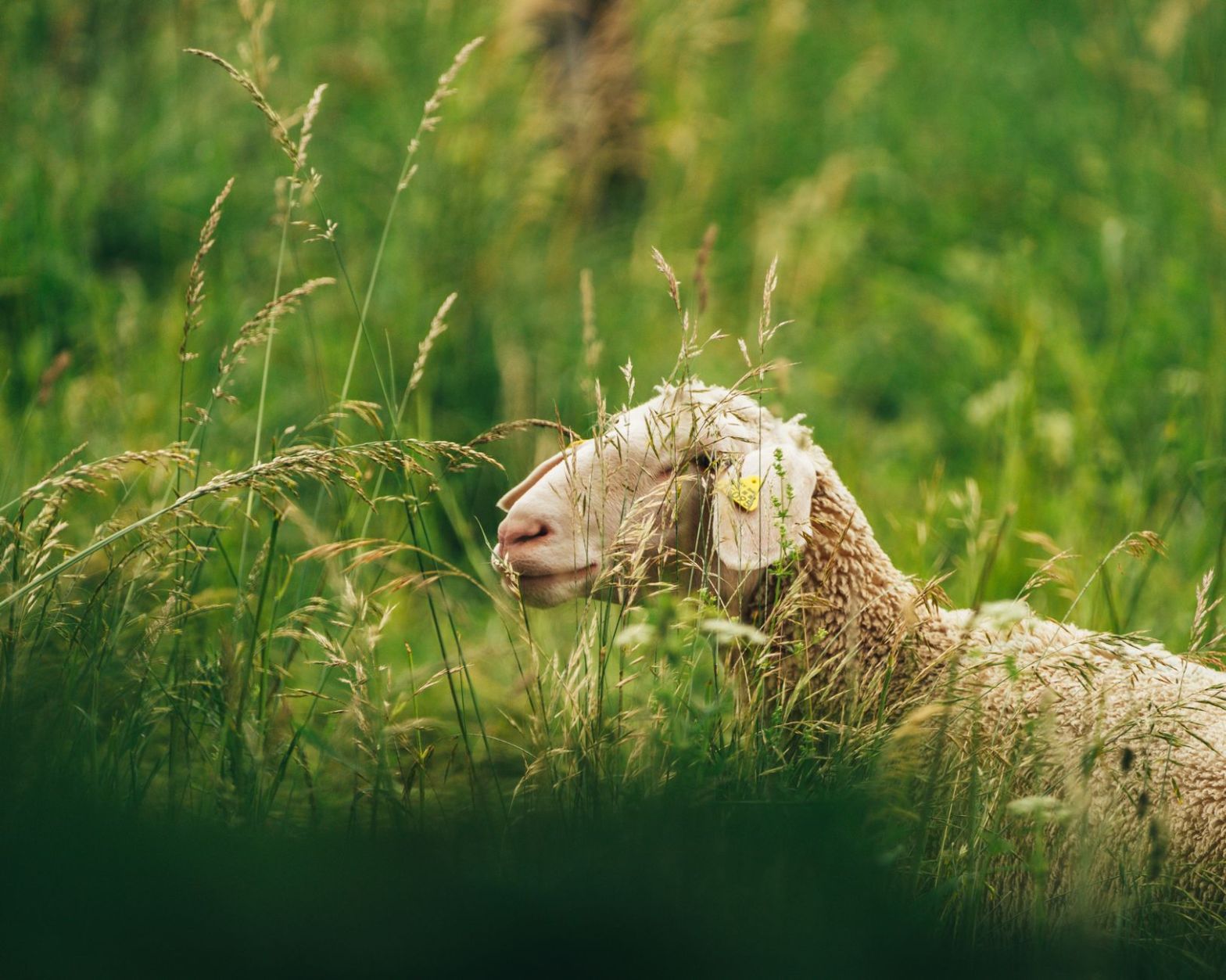
How to Protect Wildlife During Heatwaves

As a severe heat dome grips Europe, pushing temperatures toward 40°C and triggering widespread health alerts, the crisis extends far beyond human discomfort. While we focus on staying hydrated and avoiding midday sun, the natural world faces an existential threat: nesting birds like swifts and swallows are perishing under scorching rooftops, and fragile ecosystems are buckling under unprecedented thermal stress. Protecting ourselves is essential, but safeguarding wildlife and plants is equally urgent; their survival depends on our immediate, conscious actions to provide shade, water, and habitat preservation during this critical time. This post outlines practical steps to support local biodiversity while we face another extreme heatwave.

The Impact of Heatwaves on Wildlife

Heatwaves pose a serious threat to wildlife, as their natural habitats can be drastically altered or destroyed. Water sources may dry up, leading to dehydration and a shortage of food as vegetation withers. This disruption can have a cascading effect on the entire food chain, leaving animals struggling to survive.

The risk of wildfires also increases during heatwaves, further threatening wildlife by destroying habitats and forcing animals to flee. Many creatures, particularly those that are small or slow-moving, may find it difficult to escape these rapidly spreading fires, resulting in tragic losses.

Given these challenges, it is crucial to take proactive steps to protect and support wildlife during heatwaves.

10 Tips to Help Wildlife During a Heatwave

  1. Provide Water Sources: Place shallow dishes or bowls filled with fresh water in your garden or outdoor areas. These should be easily accessible to wildlife, especially birds and small mammals. Birdbaths or small ponds are also excellent options to ensure a steady water supply.
  2. Create Shade and Shelter: Set up shade structures like umbrellas or canopies in your garden to offer refuge for wildlife. Consider creating brush piles or leaving sections of your garden unmowed, providing essential shelter for animals seeking respite from the heat.
  3. Maintain Bird Feeders: Keep bird feeders stocked with fresh food and clean water, as birds may struggle to find natural food sources during a heatwave. Regularly clean feeders to prevent the spread of diseases, ensuring that the food you provide is safe.
  4. Plant Native and Drought-Resistant Vegetation: Choose native plants that are well-adapted to your local climate and require less water. These plants are more resilient to heat waves and can provide natural habitats and food sources for wildlife. Consider creating pollinator-friendly gardens to support bees, butterflies, and other beneficial insects.
  5. Avoid Disturbing Nests and Young Animals: During heatwaves, animals may seek shelter in hidden or unusual locations. Be mindful of nests or young animals and avoid disturbing them, as they may be particularly vulnerable during extreme temperatures.
  6. Avoid Pesticide Use: Pesticides can have harmful effects on wildlife, especially during stressful times like a heat wave. Opt for natural alternatives or integrated pest management techniques to protect your garden without endangering wildlife.
  7. Be Mindful of Wildlife on the Road: Hot weather may drive animals onto roads in search of water or cooler areas. Stay vigilant while driving and be cautious of wildlife crossing the road. Slow down and give them the time they need to move safely.
  8. Report Distressed or Injured Wildlife: If you encounter distressed, injured, or orphaned wildlife, contact local wildlife rescue organizations. These experts can provide the necessary care and treatment to help wildlife in need.
  9. Conserve Water: Water is a precious resource during a heatwave, essential for both humans and wildlife. Conserve water by using it efficiently and minimizing wastage. Every drop saved can help maintain natural water sources that are critical for wildlife survival.
  10. Educate Others: Raising awareness about the importance of protecting wildlife during heat waves is key. Encourage friends, family, and neighbors to implement wildlife-friendly practices, spreading the word and making a collective positive impact on the environment.

Taking Action for Wildlife

As we face increasingly frequent and intense heat waves, it’s more important than ever to consider how these extreme weather events affect the natural world around us. By following these tips, you can make a meaningful difference in protecting wildlife during these challenging times. Small actions, like providing water and shade, can have a significant impact, helping animals survive and thrive despite the harsh conditions.

Are you ready to do your part to support and safeguard our wildlife, ensuring they have the resources they need to endure the summer heat?

Thank you for reading! You can read more from me on my blog crisbiecoach and, please, subscribe!

What Does It Mean to Be a Sustainable Eater?

In a time when environmental and health issues are increasingly intertwined, sustainable eating has become a vital, personal way to support the planet’s future. According to the World Health Organization (WHO), sustainable eating extends beyond choosing foods for personal well-being. It’s about embracing food choices that also contribute to environmental health, social equity, and economic viability. But what does sustainable eating truly mean, and how do our choices impact both our bodies and our planet?

Key Principles of Sustainable Eating

The WHO’s guiding principles on sustainable eating emphasize a balance that considers health, environmental impact, and socio-economic factors. Here are some foundational principles to keep in mind:

  1. Prioritizing Plant-Based Foods
    A diet rich in fruits, vegetables, whole grains, nuts, and seeds is the cornerstone of sustainable eating. Plant-based diets generally require fewer natural resources than diets high in animal products, resulting in reduced greenhouse gas emissions, land use, and water consumption. By making plants the primary focus, we align our food habits with a lower environmental footprint.
  2. Emphasizing Variety and Local Sources
    Choosing seasonal, local produce supports biodiversity and reduces the carbon footprint associated with long-distance food transportation. The WHO suggests eating a variety of foods to maintain nutritional balance and avoid over-reliance on specific crops, which can degrade ecosystems over time. This approach not only promotes a healthy diet but also strengthens local economies and food systems.
  3. Minimizing Processed Foods and Waste
    Processed foods are often associated with higher energy consumption during production and packaging. A sustainable eater is mindful of food waste and aims to consume fresh, whole foods wherever possible. By reducing waste and prioritizing fresh ingredients, we lessen our environmental impact and conserve valuable resources.
  4. Opting for Responsibly-Sourced Protein
    Protein choice is a significant factor in sustainable eating. Animal-based proteins, especially red meat, have a considerable environmental impact. Sustainable eaters are encouraged to shift to plant-based proteins, such as legumes, tofu, and nuts, or to sustainably sourced fish and poultry if preferred. This balance can help reduce the environmental burden of meat production, from water usage to deforestation.

How Our Choices Shape Our Health and the Planet’s Health

Sustainable eating is a two-way relationship: the foods we consume shape our well-being while influencing the environment around us. Choosing nutrient-dense, plant-based foods doesn’t just help lower our risk of chronic illnesses like heart disease, obesity, and diabetes—it also aids in reducing pollution, preserving natural habitats, and promoting biodiversity. By aligning our diets with what is sustainable for the planet, we also consume foods that better support our health.

For example, fruits and vegetables are typically rich in fiber, vitamins, and minerals essential for overall health. And because plant-based diets tend to be lower in saturated fats than meat-heavy diets, they are associated with reduced rates of cardiovascular disease. So, a sustainable diet isn’t merely about minimizing environmental damage; it also has the potential to enhance our personal wellness.

Why Protein is Central to the Sustainable Eating Debate

Protein production, particularly animal-based protein, lies at the heart of the sustainability discussion. Livestock farming accounts for significant greenhouse gas emissions and requires extensive land, water, and feed. Conversely, plant-based proteins such as lentils, chickpeas, and beans require fewer resources and contribute less to carbon emissions. This distinction has spurred many to rethink traditional protein sources, encouraging a shift toward plant-based options.

However, sustainable protein choices aren’t limited to plants. For those who eat meat, opting for smaller portions, choosing sustainably sourced fish, or incorporating plant-based protein alternatives can reduce their carbon footprint while providing essential nutrients. It’s about balance and thoughtful selection rather than cutting out animal protein altogether.

Embracing the Role of the Sustainable Eater

Becoming a sustainable eater involves small, mindful changes that accumulate into meaningful impacts. Choosing locally-sourced produce, reducing meat consumption, and minimizing food waste can all contribute to a more sustainable world. Each choice we make resonates beyond our individual health, influencing the health of ecosystems, animals, and communities around the globe.

Sustainable eating isn’t simply a trend; it’s a thoughtful response to the urgent challenges of our era. By adopting WHO’s principles, we empower ourselves to contribute positively to the planet while nourishing our own health.

Remember: the choices we make truly matter.

What do you think about a plant-based diet? Are you ready to switch?

Thank you for reading! Please sign up for my blog crisbiecoach so you don’t miss out on any posts and also for Wise&Shine an incredible online magazine!

Simple Steps to Protect Biodiversity in Your Everyday Life

In our bustling urban landscapes and serene countryside retreats, every little action we take can either support or diminish biodiversity. As stewards of our environment, it’s crucial to adopt habits that nurture and protect the delicate balance of nature.

Here are some ideas to kickstart your journey towards safeguarding biodiversity, with plenty of room for your own creative additions.

Let’s start with the humble bee. These industrious pollinators are facing unprecedented threats to their survival. One simple way to lend them a helping hand is by placing pots of water on balconies or in gardens. During scorching summer days, these tiny water stations provide much-needed hydration for our buzzing friends.

As the temperatures rise and summer sets in, so do the unwanted guests in our gardens—those pesky weeds. Surprisingly, not all of them are the villains they’re often made out to be. Some of these so-called “bad grasses” actually play a vital role in promoting biodiversity. Instead of indiscriminately uprooting them, consider letting them thrive, offering shelter and sustenance to a diverse array of wildlife. And when it comes to weed control, opt for natural alternatives like vinegar over harmful chemicals that disrupt the delicate ecosystem.

Feeding the birds, ducks, and swans with bread might seem like a kind gesture, but it can actually do more harm than good. Bread, a common offering, poses various risks to their health and the environment. Swollen stomachs and digestive issues can result from ingesting soggy bread, while moldy pieces can lead to infections. Moreover, the excess bread floating in water disrupts the ecological balance, fueling the growth of harmful algae. Instead, let’s admire these winged creatures from a distance and focus on preserving their natural habitats.

For those fortunate enough to have a patch of green, whether it’s a garden or a vegetable plot, there’s ample opportunity to create havens for biodiversity. Ditch the chemical fertilizers in favor of organic alternatives, and only intervene with invasive plants when absolutely necessary. Embrace diversity by planting a variety of species that attract a myriad of insects, birds, and other wildlife, transforming your space into a thriving ecosystem.

These are just a few ideas to kickstart your journey towards biodiversity conservation. But the possibilities are endless. For instance, remember to join the campaign No Mow May!

What other innovative ways can you think of to protect and nurture the rich life that surrounds us?

Share with me your ideas and let’s embark on this journey together towards a greener, more biodiverse future.

Thank you for reading! Please sign up for my blog crisbiecoach so you don’t miss out on any posts and also for Wise&Shine an incredible online magazine!