Staying focused and maintaining a high level of productivity when teleworking isn't always easy.

Faced with a list of things that accumulate day after day, the important thing is to plan your day and week in advance. A simple and effective solution is the "to-do list" with the allocation of time and corresponding tasks in your agenda.

In this way, you will work on one thing at a time and will be able also to prioritize.

To be productive, you can try the Pomodoro Technique, which gets its name from the timer used while cooking that often looks like a tomato.

What is this technique about? Work 25 minutes on a specific task and then take a 5 minute break. Repeat this mode 4 times (25 minutes of work and 5 minutes of rest), then take a longer break of 20 minutes away from the computer. If you have a dog, go for a walk, or water the plants, eat some fruit, do some stretching.

To avoid distractions and focusing problems, do not turn on the TV, do not work on the bed and put your personal phone in the "do not disturb" mode so as not to be interrupted.

Don't forget to set limits. Once the day is over, don't work overtime and truly disconnect! The ideal would be to have a dedicated workspace, so that you can "leave the office" once you are finished with your work.

Some tips to optimize your workspace.

As regards your workspace at home, do not underestimate the positive effect of comfort on your productivity and concentration.

Invest in the purchase of a comfortable chair and a foot rest to maintain a good posture. And if you really want to do yourself some good, also buy (or buy only) a standing desk.

Good lighting is important so as not to strain your eyes and it will help you stay focused. Try a light bulb that diffuses blue light, for example.

In addition to being comfortable, your workspace at home should reflect your personality with some decorative objects that help you stay inspired during the day and make you want to spend time in it.

Organize your office and arrange your things according to the frequency of use. Keep the things you need frequently on hand. Sort out the things you need least in an easy way so not to waste your time while looking for them.

Finally, remember that physical exercise is essential for your well-being and after a day of work it would be good to dedicate some time to your body to relax and start the evening well.

What do you think about these tips?
Restare concentrati e mantenere un alto livello di produttività quando si fa telelavoro non è sempre facile.
Di fronte ad una lista di cose che si accumulano giorno dopo giorno, l’importante è pianificare in anticipo la tua giornata e la tua settimana. Una soluzione semplice ed efficace è la “to-do list” con l’attribuzione degli orari nella tua agenda.
In questo modo, lavorerai su una cosa alla volta e potrai attribuire delle priorità.
Per essere produttivi, puoi provare la tecnica Pomodoro, che prende il nome dal timer che si usa in cucina che spesso è a forma di pomodoro.
In cosa consiste questa tecnica? Lavori 25 minuti su una cosa ben precisa e poi fai una pausa di 5 minuti. Ripeti questa modalità 4 volte (25 minuti di lavoro e 5 minuti di pausa), poi fai una pausa più lunga di 20 minuti, possibilmente lontano dallo schermo. Se hai un cane portalo a passeggio, annaffia le piante, mangia un frutto, fai un po’ di stretching.
Per evitare distrazioni e problemi di concentrazione, non accendere la TV, non lavorare sul letto e metti il tuo telefono personale in modalità “non disturbare” per non essere interrotto/a.
Photo by Content Pixie on Unsplash
Non dimenticare di fissarti dei limiti. Una volta che la giornata è finita, non fare ore di straordinario e disconnettiti veramente! L’ideale sarebbe avere uno spazio di lavoro dedicato, in modo da poter “lasciare l’ufficio” una volta terminato il lavoro.
Alcuni consigli per ottimizzare il tuo spazio di lavoro
Per quanto riguarda il tuo spazio di lavoro a casa, non sottovalutare l’effetto positivo del confort sulla tua produttività e concentrazione.
Investi nell’acquisto di una sedia confortevole e un riposa piedi per mantenere una buona postura. Se poi vuoi davvero farti del bene, compra anche (o solo) uno “standing desk”.
Una buona illuminazione è importante per non affaticarti gli occhi e per aiutarti a restare concentrato/a. Prova una lampadina che diffonde luce blu, per esempio.
Oltre ad essere confortevole, il tuo spazio di lavoro in casa deve riflettere la tua personalità grazie a qualche oggetto decorativo che ti aiuta a restare ispirato/a e ti dà voglia di passarci del tempo.
Organizza il tuo ufficio e disponi le tue cose in funzione della frequenza d’utilizzo. Tieni a portata di mano le cose di cui hai bisogno frequentemente. Metti in un ordine di facile comprensione le cose di cui hai meno bisogno. Perderai meno tempo a cercarle!
Infine, ricorda che l’esercizio fisico è fondamentale per il tuo benessere e dopo una giornata di lavoro sarebbe bene dedicare un po’ di tempo al tuo corpo per rilassarti e iniziare bene la serata.
Londra, febbraio 1944. Le sirene dei bombardamenti risuonano in tutta la città.
In una piccola stanza, però, tutto è calmo, estremamente calmo.
In questa stanza, Dwight Eisenhower sta preparando l’operazione “OverLord”, operazione d’importanza capitale.
Eisenhower è un generale importante dell’esercito americano. Le decisioni che prende avranno un impatto senza precedenti sulla sua vita, sulla sua carriera e sul mondo intero.
L’Europa sta subendo il nazismo da troppo tempo.
“OverLord” ha come obiettivo lo sbarco delle truppe alleate sulle coste della Normandia per liberare l’Europa dal nazismo di Hitler.
È un momento storico: si tratta del più grande sbarco di truppe militari. Sono in gioco le sorti dell’Europa e del mondo intero.
Lo stato maggiore di Eisenhower è pessimista. Il Re d’Inghilterra, Giorgio VI, gli scrive una lettera dicendogli che più il progetto avanza, più diventa spaventoso. La sua organizzazione non tiene.
Eisenhower è nella sua stanza calma a Londra e le bombe non smettono di cadere. Sembra che il peso del mondo intero sia sulle sue spalle.
Lavora sugli ultimi preparativi bevendo un thè. Ha fiducia nel suo piano. La Storia gli darà ragione qualche mese più tardi.
Eisenhower fa parte di quel gruppo di eroi di cui si parla poco, nonostante sia l’autore di uno dei più grandi successi militare della storia. Il 6 giugno 1944 ha salvato l’Europa dal nazi-fascismo.
Eisenhower è allo stesso tempo uno stratega brillante, un organizzatore senza pari e un uomo di stato carismatico. I suoi successi sono numerosi. Nel 1953 diventa il 34esimo Presidente degli Stati Uniti.
Durante il suo mandato, lancia diversi programmi di riforme, tra i quali la modernizzazione di tutte le infrastrutture stradali del suo paese.
Ci si ricorda di lui come di un uomo dall’organizzazione infallibile. Un uomo che non ha paura delle sfide, di qualsiasi portata esse siano.
Tra le lezioni che possiamo imparare da Eisenhower, c’è la gestione del tempo secondo la matrice che prende il suo nome, la matrice Eisenhower appunto.
“Ciò che è importante è raramente urgente e ciò che è urgente è raramente importante.”
Questa frase era una specie di mantra per Eisenhower. Analizzava tutte le sue azioni secondo questo principio. Perciò, ha costruito questa matrice, che ci insegna a fare delle scelte.
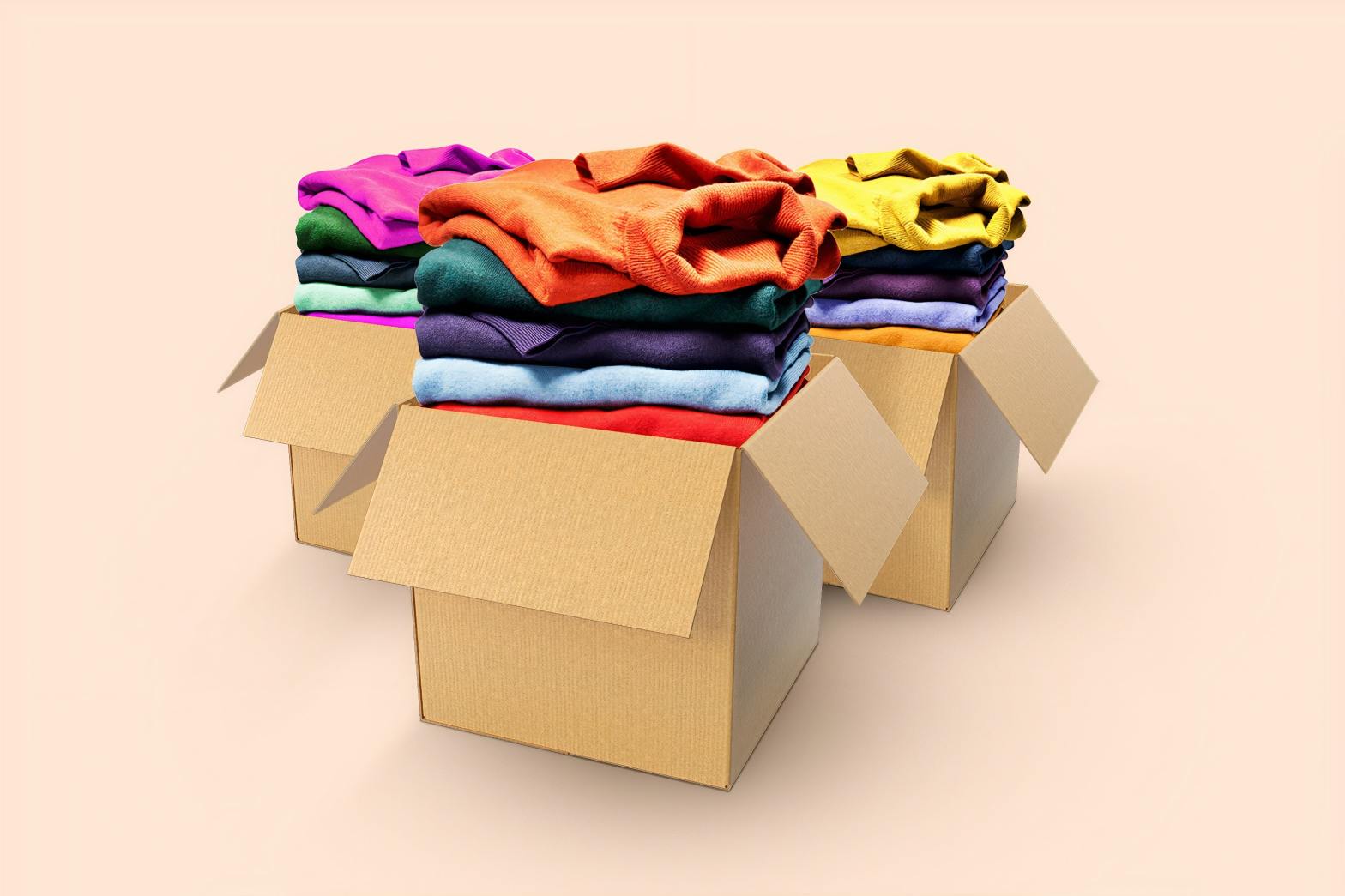
È molto semplice. Immagina 4 scatole su un tavolo (nell’immagine qui sotto sono state chiamate “quadranti”):
una scatola contiene le cose urgenti e importanti;
una scatola contiene le cose importanti ma non urgenti;
una scatola contiene le cose urgenti ma poco importanti;
una scatola contiene le cose non urgenti e non importanti.
Tieni presente che questa matrice ti può aiutare sia nella vita privata che in quella professionale.
Per tutte le cose che dobbiamo fare, occorre porci queste due domande:
Quanto è urgente? Per quando devo assolutamente fare questa cosa?
Che livello di importanza ha? Cosa succede se non la faccio?
Per esempio, ho un appuntamento medico che aspetto da molto tempo. È urgente? Sì, l’ho prenotato molto tempo fa e quindi ora è urgente.
È importante? Sì, perché devo capire che origine ha qual problema di salute che mi assilla da tempo.
Quindi colloco questa cosa nella scatola in alto a sinistra “urgente e importante” (quadrante I). Da fare.
Nella scatola in alto a destra (quadrante II) metto le attività che sono importanti ma non urgenti perché sono delle cose che posso fare più tardi. In questo momento non sono cruciali per raggiungere i miei obiettivi. Per esempio, voglio promuovere la mia attività sui social o tradurre il mio sito in inglese. Sono attivitá da pianificare.
Poi ci sono delle attività che sono urgenti ma non importanti (quadrante III). Ad esempio rispondere ad un mail che non mi riguarda direttamente, oppure partecipare a una riunione che ritengo superflua ma é importante che qualcuno del mio team sia presente. Questa attivitá la posso delegare.
Nella scatola in basso a destra (quadrante IV) metto invece tutto ciò che non è né urgente né importante. In effetti, per tutto quello che si trova dentro questa scatola, bisognerebbe chiedersi: posso eliminarlo?
Secondo Eisenhower, una scelta cosí drastica è difficile. Però, se dopo qualche settimana, le cose dentro questa scatola non sono state fatte, bisogna eliminarle.
Questa matrice è molto utile perché ci costringe a prendere le distanze e a interrogarci sulla nostra situazione.
Ecco 5 domande da porsi:
Che cosa conta veramente per me / per il mio progetto?
London, February 1944. The bombing alarms sound throughout all the city.
In a small room, however, everything is calm, extremely calm. In this room, Dwight Eisenhower is preparing the “OverLord” operation, an operation of capital importance. Eisenhower is an important general in the US military. The decisions he makes will have an unprecedented impact on his life, his career and the whole world. Europe has been suffering from Nazism for too long.
“OverLord” has as its objective the landing of allied troops on the coast of Normandy to free Europe from Hitler’s Nazism. It is a historic moment: it is the largest landing of military troops. The fate of Europe and the whole world are at stake. Eisenhower’s staff are pessimistic. The King of England, George VI, wrote him a letter telling him that the more the project progresses, the more frightening it becomes. His organization does not hold. Eisenhower is in his quiet room in London and the bombs don’t stop falling. It seems that the weight of the whole world is on his shoulders. Work on the final preparations by drinking tea. He has faith in his plan. History will prove him right a few months later. Eisenhower is part of that group of heroes of which little is said, despite being the author of one of the greatest military successes in history. On 6 June 1944 he saved Europe from nazi-fascism.
Eisenhower is at the same time a brilliant strategist, a peerless organizer and a charismatic statesman. His successes are numerous. In 1953 he became the 34th President of the United States. During his tenure, he launched several reform programs, including the modernization of all road infrastructure in his country. We remember him as a man with an infallible organization. A man who is not afraid of challenges, of whatever size they may be. Among the lessons we can learn from Eisenhower, there is the management of time according to the matrix that takes his name, the Eisenhower matrix in fact.
“What is important is rarely urgent and what is urgent is rarely important.”
This phrase was a kind of mantra for Eisenhower. He analysed all his actions according to this principle. Therefore, he has built this matrix, which teaches us to make choices.
It’s very simple. Imagine 4 boxes on a table (in the picture here below they are called quadrants):
one containing urgent and important things;
a second box containing important but not urgent things;
a third box containing urgent but not important things;
a last one containing non-urgent and unimportant things.
I would like to point out that this matrix can help you in both private and professional life.
For all the things we have to do, we need to ask ourselves these two questions:
How urgent is it? When do I absolutely have to do this?
What level of importance does it have? What happens if I don’t do it?
For example, I have a medical appointment that I have been waiting for a long time. It’s urgent? Yes, I booked it a long time ago and so now it’s urgent. It’s important? Yes, because I have to understand the origin of this health problem that has been bothering me for some time.
Therefore, I will put it into the top left “Urgent and Important” box (quadrant I).
In the top right box (quadrant II) I put the activities that are important but not urgent because they are things I can do later. Right now they are not crucial to achieving my goals. For example, I want to promote my business on social media or translate my site into English. They are activities to be planned.
Then, there are some activities that are urgent but not important (quadrant III). For example, replying to an email that does not concern me directly, or attending a meeting that I consider superfluoud that it is important that someone from my team participate. I can delegate this activity.
In the lower right box (quadrant IV) I put everything that is neither urgent nor important. Actually, for everything that is inside this box, I should ask myself: shall I keep it?
According to Eisenhower, such a drastic choice is difficult. However, if after a few weeks, the things inside this box have not been done yet, they must be eliminated.
This matrix is very useful because it forces us to distance ourselves and question ourselves about our situation.
Here are 5 questions that you have to ask yourself:
In the middle of the desert, a somewhat stupid coyote runs after a very clever bird. The two animals go at high speed.
Suddenly, the bird stops in front of a precipice. The coyote, on the other hand, continues to run without looking until it realizes it is running in the air.
This scene is a classic of Bee Beep and the coyote.
But it is also the perfect illustration of a very serious economic theory: the hypothesis of financial instability.
According to Hyman Minsky, all periods of economic prosperity contain the elements of a future crisis. Like what? It is simple. When all goes well, economic agents (households, businesses, the State) are trustful and borrow money to carry out projects, invest, and develop activities.
In this good environment, investors risk more; banks lend money more easily, without paying too much attention to the danger of not being repaid. Minsky calls this the “paradox of tranquillity”.
However, at some point, the whole economy lives on credit. It then happens that other, more worrying phenomena arise: unemployment, slowdown in activities, lower income, and difficulty in repaying. Despite this, economic agents continue to behave as if nothing had happened. Just like when the poor coyote runs in the air!
Some bad news are enough to trigger the “Minsky moment“: everyone wakes up suddenly and gets scared. We realize that risks can no longer be taken, loans cannot be repaid, and banks stop lending money.
It is the general crisis: the coyote is too busy to realize it is about to fall on deaf ears. And it is too late to avoid to fall. The same happens in the real world.
In pieno deserto un coyote un po’ stupido corre dietro a un uccello molto furbo. I due animali vanno a velocitá elevata.
Ma, all’improvviso, l’uccello si ferma davanti a un precipizio. Il coyote, al contrario, continua a correre senza guardare fino a quando si rende conto di stare correndo nel vuoto.
Questa scena é un classico di Bee Beep e il coyote.
Ma é anche l’illustrazione perfetta di una teoria economica molto seria : l’ipotesi di instabilitá finanziaria.
SecondoHyman Minsky, tutti i periodi di prosperitá economica contengono gli elementi di una crisi futura. Come? E’ semplice. Quando tutto va bene, gli agenti economici (famiglie, imprese, lo Stato) hanno fiducia e chiedono denaro in prestito per fare dei progetti, investire, sviluppare attivitá.
In questo ambiente ottimale, gli investitori rischiano di piú, la banche prestano piú facilmente soldi, senza fare troppa attenzione al pericolo di non essere rimborsarti. Minsky chiama questo fenomeno il “paradosso della tranquillitá”.
Ma ad un certo punto, é tutta l’economia che vive a credito. Succede allora che degli altri fenomeni, piú preoccupanti, si presentano: disoccupazione, rallentamento delle attivitá, abbassamento delle entrate, difficoltá a rimborsare. Nonostante questo, gli agenti economici continuano a comportarsi come se niente fosse. Esattamente come quando il povero coyote corre nel vuoto!
Basta allora un brutta notizia per innescare il “momento Minsky”: tutti si svegliano all’improvviso e si spaventano. Ci si rende conto che non si possono piú affrontare i rischi, che non si possono rimborsare i prestiti, e le banche smettono di fare credito.
E’ la crisi generale : il coyote é troppo occupato per rendersi conto che sta per cadere nel vuoto. Ed é troppo tardi per evitare la caduta, esattamente come accade nel mondo reale.
I look forward August with impatience as for me it represents the top of summer time, that is my favourite period of the year. July prepares myself to August that comes full of expectations and good intentions.
However, at the end of the summer I find myself dealing with what I have actually achieved and I am not always happy with the results.
It happens that often my expectations are misaligned with reality and this causes me frustration and distress that reaches its top at the end of the summer. The idea of not having enjoyed the summer period as I wanted and the thought of the “going back to work” around the corner might turn the last days of vacation into moments of anxiety and suffering.
The August melancholy is known as “August Blues”, the boredom and the dissatisfaction that may become a real malaise of the season.
Therefore, this year I decided to anticipate it and I identified four suggestions so to avoid being overwhelmed by it:
spending time outdoors: natural light, fresh air and nature help psychophysical well-being and allow us to look at situation with more detachment and serenity;
thinking about the positive moments: we all have had for sure beautiful experiences that brought us some benefits, even though small ones. They will help us to add value to the time spent. Sometimes our mind plays with us and makes us not very objective;
scheduling your time: we are all different and there are people who can go back to work straight after their flight back home but there are others who need some time to recover from the shock of returning home from holidays. Listen to your needs and plan your time accordingly;
last but not least, show awareness: learning to recognize the first signs of your distress will help you to manage it better and to prevent it from overwhelming you.
Aspetto agosto sempre con impazienza, perché agosto per me rappresenta l’estate. Luglio mi prepara ad agosto, il culmine dell’estate, che quest’anno sembra calda un po’ dappertutto.
Agosto arriva accompagnato da aspettative e buoni propositi ma alla fine dell’estate mi ritrovo a fare i conti con quanto ho effettivamente realizzato e non sempre il bilancio mi soddisfa.
Spesso le mie aspettative sono disallineate con la realtá e questo mi provoca uno stato d’animo di frustrazione e malessere che raggiunge il suo culmine al termine dell’estate. L’idea di non essermi goduta il periodo estivo, che é il mio periodo preferito dell’anno, come desideravo e il pensiero della ripresa dietro l’angolo rischia di trasformare gli ultimi giorni di vacanza in momenti di ansia e sofferenza.
Gli americani chiamano questa emozione “August Blues”, malinconia d’agosto, la noia e l’insoddisfazione che rischia di diventare un vero e proprio male di stagione.
Quindi quest’anno ho deciso di giocare d’anticipo e ho trovato quattro idee per evitare di rimanerne sopraffatta:
stare all’aria aperta: la luce naturale, l’aria e la natura aiutano il benessere psicofisico e ci consentono di guardare alle situazioni con maggior distacco e serenitá;
pensare ai momenti positivi: le belle esperienze che ci hanno portato dei benefici, anche se piccoli, ci aiutano a dare valore al nostro tempo. A volte la mente ci inganna e ci rende poco oggettivi;
pianificare i tempi di ripresa: non tutti siamo uguali, c’é chi puó andare al lavoro subito dopo le vacanze e chi invece ha bisogno di un po’ di tempo per riprendersi dallo shock del rientro. Ascolta e asseconda i tuoi bisogni;
infine, cosa molta importante, sii consapevole: saper riconoscere i primi segnali del tuo disagio, ti aiuta a gestirlo meglio e ad evitare che prenda il sopravvento.
During heatwaves like the one we are going through, being in fresh areas, not going out during the central hours of the day and drinking lot of water (not iced water) is surely recommended. However, there are practices that are bad ideas, wrong beliefs and that you should avoid.
Photo by Massimiliano Martini on Unsplash
I do not feel hungry so I do not eat. During periods of strong heat, it is recommended to eat foods with a high water content, such as strawberries (in Belgium we still have them and they are very good!), cucumbers, watermelon, melon, salad, courgettes, tomatoes and peppers. Everything that the summer season offers us. Nature always provide us with the best solution for every period of the year. You can also eat sorbets, yoghurt and white cheese. What you must avoid are fatty meals, because the digestion of fats involves an effort of the body that increases body temperature and consequently the perceived heat.
Using the air conditioning at its maximum power. Using air conditioning is recommended but the temperature must be adjusted to a maximum of 10 degrees C lower than the outside one. Of course, if the outside temperature is 40 degrees C, 30 will be still a high temperature. However, a big gap between the outside and the insider temperatures weakens the body. And don’t forget to clean the filters.
Drinking very hot drinks. A legend tells that people living in the desert use to drink very hot teas to fight the heat. However, this is not necessarily a good idea, actually it is what it is: a legend. The body temperature is around 37 degrees. Consuming a hotter drink would mean forcing the body to sweat and therefore going forward dehydration to eliminate the accumulated heats. Ideally, you should drink liquids between 12 and 14 degrees C.
While sleeping, directing the fan to your face. A person who directs the fan towards the face in the morning will have dry nose, mouth and eyes. This is likely to give you a headache but you will definitely have a stuffy nose. It is recommended to put the fan a little further away from the bed and not to direct it to your face.
Drink at least three litres of water a day. Actually, drinking a quantity of water between one and a half and two litres is more than enough. In case of over consumption the body will be forced to eject more through sweating or peeing, in this latter case overloading the kidneys.
Nothing better than a beer to stay hydrated. Actually, alcohol dehydrates. If you drink a glass of beer, you must then drink water to compensate for the loss of water. Coffee and tea are also drinks that you do not want to drink too often for the same reason. Obviously, all carbonated and sugar-containing drinks are absolutely to be avoided.
I wait for being thirsty before drinking. When you feel thirsty, it is already late. Your body is warning you that you have lost water. Experts recommend drinking small amounts of water often rather than a lot of water in a few moments of the day. It is important to keep the body hydrated throughout the day to avoid headaches, dizziness or feelings of fatigue.
Certamente nei periodi di ondate di calore bisogna restare al fresco, evitare di uscire durante le ore centrali della giornata e bere molta acqua fresca (non ghiacciata).
Ci sono però delle pratiche e delle credenze piuttosto comuni che sono delle cattive idee e quindi sono da evitare. Vediamole.
Non ho fame, quindi non mangio. Durante i periodi di forte calura, é raccomandabile mangiare alimenti a grande contenuto d’acqua, come le fragole (in Belgio le abbiamo ancora e sono molto buone!), i cetrioli, l’anguria, il melone, l’insalata, le zucchine, il pomodoro e i peperoni. In pratica tutto ciò che è di stagione. La natura ci offre sempre la soluzione migliore per ogni periodo dell’anno. Puoi anche mangiare sorbetti, yoghurt e formaggio bianco. Quello che devi evitare sono i pasti grassi, perché la digestione dei grassi comporta uno sforzo all’organismo tale da far aumentare la temperatura corporea e di conseguenza il calore percepito.
Photo by Massimiliano Martini on Unsplash
2. Utilizzare l’aria condizionata al massimo della sua potenza. L’uso della climatizzazione é consigliato ma bisogna regolare la temperatura al massimo 10 gradi in meno di quella esterna. Certo se la temperatura esterna é 40 gradi, 30 resta comunque una temperatura alta. Però un’escursione termica troppo grande tra l’esterno e l’interno indebolisce l’organismo. Cosa importante da non dimenticare: pulisci i filtri!
3. Bere delle bevande bollenti. Una leggenda racconta che le popolazioni del deserto bevono delle bevande bollenti per lottare contro il caldo. Ma non é necessariamente una buona idea, é davvero una leggenda. La temperatura del corpo é di circa 37 gradi. Consumare una bevanda piú calda significa costringere il corpo e sudare e quindi ad andare verso la disidratazione per eliminare il calore accumulato. Idealmente, bisognerebbe bere bevande tra i 12 i 14 gradi.
4. Mentre dormo oriento il ventilatore al mio viso. Una persona che orienta il ventilatore verso il viso, al risveglio avrà il naso, la bocca e gli occhi secchi. Sicuramente avrai il naso chiuso ma potrebbe venirti anche mal di testa. È consigliabile mettere il ventilatore un po’ più lontano dal letto e non orientarlo al viso.
5. Bere almeno tre litri d’acqua al giorno. In realtà, bere una quantitá compresa tra un litro e mezzo e due litri è più che sufficiente. In caso di consumo eccessivo il corpo sarebbe costretto ad espellere di più tramite la sudorazione e la pipí, sovraccaricando in questo caso le reni.
Photo by Clint McKoy on Unsplash
6. Per idratarmi, niente di meglio che una birra. In realtà l’alcool disidrata. Se bevi un bicchiere di birra, devi poi bere dell’acqua per compensare la perdita di liquidi. Anche caffè e thè sono bevande da non bere troppo spesso per lo stesso motivo. Ovviamente tutte le bevande gassate e contenenti zucchero sono assolutamente da evitare.
7. Per bere aspetto di avere sete. Quando senti di avere sete, è già tardi. Il tuo corpo ti sta avvertendo che hai perso liquidi. Gli esperti consigliano di bere spesso delle piccole quantità d’acqua piuttosto che tanta acqua in pochi momenti della giornata. È importante mantenere il corpo idratato durante tutto il giorno per evitare mal di testa, vertigini o sensazioni di fatica.








 Crisbie Coach