Come e perché la sincronicitá é magica

Perdi il treno e sulla banchina incontri l’amore della tua vita. Ti arrivano dei soldi proprio nel momento in cui ne avevi bisogno. E’ questa la magia delle sincronicità. Sono delle coincidenze felici che ti lasciano a volte senza parole e ti fanno intravedere un nuovo cammino.

Che cos’è la sincronicità

Il principio della sincronicità è stato messo in evidenza da Carl Gustav Jung e sviluppato da Wolfgang Pauli, uno dei padri fondatori della meccanica quantistica, premio Nobel della fisica nel 1945.

Si tratta della comparsa simultanea di due eventi indipendenti, che non sono in rapporto causa effetto, ma sono legati da un significato.

Leggi questa storia raccontata da Jung per capire di cosa si tratta.

Una giovane donna di buona educazione e classe sociale entrò nell’ufficio di Jung. Jung vide che il cambiamento psicologico per la donna sarebbe stato difficile a meno che lui non fosse stato in grado di ammorbidire il suo guscio razionalista con un po’ più di umanitá. Jung aveva bisogno della magia della coincidenza e cercava di trovarla attorno a sé. Così osservó con attenzione la giovane donna, sperando che qualcosa d’inaspettato e irrazionale venisse fuori.

Mentre lei descriveva uno scarabeo dorato – un costoso pezzo di gioielleria – che aveva sognato la notte prima, Jung sentì picchiettare sulla finestra. Quando guardò vide un luccichio verde-oro. Jung aprì la finestra e prese lo scarabeo che volteggiava nell’aria. Il coleottero, molto simile a quello d’oro, era proprio quello di cui aveva bisogno, oppure ciò di cui lei aveva bisogno.

«Ecco il tuo scarabeo», disse alla donna, mentre le porgeva il legame tra i suoi sogni e il mondo reale. Questo provocò uno choc nella donna che le sbloccò la mente e la aiutò moltissimo nella sua terapia.

Un evento sincronico va oltre la semplice coincidenza perché la presa di coscienza ha un potere trasformatore, che segna un prima e un dopo nella storia personale.

Per poter notare le sincronicità dobbiamo sviluppare attenzione e spirito d’osservazione.

Se cominciassi a notare con curiosità quello che ti accade durante la giornata, la tua quotidianità diventerebbe uno spazio gioioso di possibilità e di opportunità.

Nascosti o evidenti, questi messaggi effimeri sono così preziosi che meritano tutta la nostra attenzione. Vedrai che allora, più noti queste coincidenze significative, piú queste si moltiplicano e ti aiuteranno ad uscire dalla tua routine per farti dirigere verso qualcosa di nuovo. Cambiando prospettiva, riuscirai anche a far muovere la realtà oggettiva.

Prova a fare uno di questi giochi e vedere che sensazioni ti lasciano.

Il gioco del libro. Scrivi una domanda, poi apri un libro a caso e fermati su una pagina a caso. Lascia scorrere le tue dita ad occhi chiusi sulla pagina e quando ti fermi apri gli occhi per scoprire il testo che hai scelto casualmente. Quali sono le tue sensazioni e i primi pensieri? Scrivili e cerca i collegamenti con la tua domanda.

Anche il gioco del marciapiede può farti arrivare un messaggio inaspettato mettendoti in contatto con un simbolo o una situazione. Cammina con i sensi in massima allerta e nota tutti i dettagli. Per esempio, cogli alcuni elementi di una conversazione fra due persone che incroci, leggi una pubblicità, guarda un graffito oppure un giornale lasciato su una panchina. Sono segnali che possono aiutarti a trovare la risposta a una tua domanda.

Anche i lapsus o le disgrafie possono essere un indizio da esplorare. Per esempio, spesso mi capita di scrivere massaggio al posto di messaggio. Credo di avere bisogno di farmi fare un massaggio…

Questi suggerimenti arrivano per farti aprire le porte e non per chiuderle. Ti offrono la possibilità di vivere con entusiasmo e divertimento delle esperienze ricche di senso e di abbandonare i piani stabiliti da un ego che ti costringerebbe a seguirli.

In questo modo hai la possibilità di connetterti all’inconscio collettivo perché aderisci a delle credenze positive e non bloccanti. Più fai attenzione a queste sincronicità, più i tuoi circuiti neurologici ed emotivi sono stimolati positivamente e questo crea dei nuovi schemi comportamentali, installa delle abitudini benefiche che ti mettono in collegamento con la coscienza dell’universo.

Photo by Greg Rakozy on Unsplash

Il tempo della sincronicità

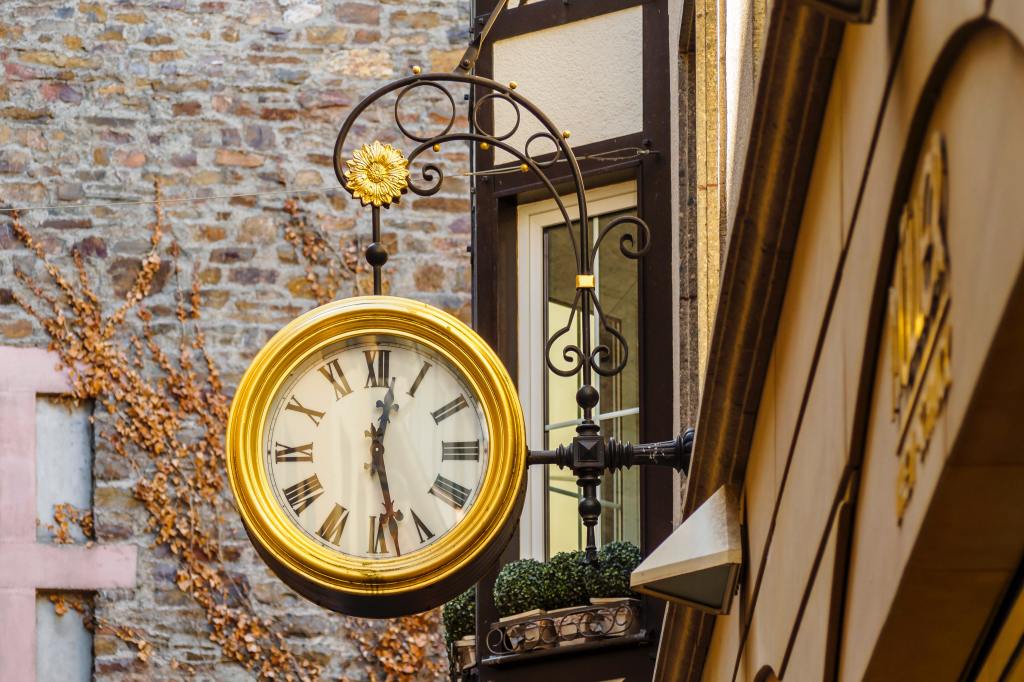
Come le radici greche di questa parola lo mostrano, le sincronicità fanno riferimento al tempo (syn riunione e chronos tempo). Gli antichi greci le concepivano secondo tre modalità distinte: il chronos, che corrisponde allo scorrimento lineare; l’aion, ovvero i cicli senza fine; il kairos, cioè il momento giusto per agire.

Nella mitologia greca esiste il dio alato Kairos. Quando Kairos ti passa vicino hai tre possibilità:

  1. non lo vedi;
  2. lo vedi ma non fai niente;
  3. nel momento in cui passa gli tendi la mano per cogliere l’opportunità offerta.

 In pratica, le sincronicità ti stanno dicendo: cogli l’attimo.

Tu cosa fai quando Kairos ti passa vicino?
Photo by Alex Plesovskich on Unsplash

How and Why Fighting Your Stress Is Important

I’m sure you use the word stress often throughout your day.

We all feel a little stressed due to the multiple commitments we have, pending deadlines, and lack of time to dedicate to ourselves.

The common denominator of all forms of stress is a feeling of malaise, fatigue, irritability that makes us more fragile with illness and less tolerant of others and of daily problems.

Actually stress is an adaptive response that has allowed our species to survive throughout its evolution.

Hans Seyle, the first theorist of stress, conceived it as an adaptive response that the body puts into force to overcome all the situations that its alarm systems deem dangerous.

The stress reaction is indeed characterized by the secretion of hormones such as cortisol and adrenaline which make the muscles stronger and the person more reactive. In this sense, stress has a value that is not only positive but also necessary for the survival of the species.

Primitive men had to face dangers that were of a short duration. While they were hunting, for example, they might encounter an animal and had to decide whether to run away or face it (have you ever heard of the “fight or flight” response?), but once they made up their mind and acted accordingly, they had plenty of time to recover.

Photo by Crawford Jolly on Unsplash

In the contemporary age, we too have this type of reaction when facing what, on a conscious or unconscious level, we perceive as dangerous (stressor). But today’s stressors are definitely different from those our ancestors faced. Modern stressors are psychosocial and no longer physical. It’s about the work environment, social relationships, financial worries, the huge amount of commitments we have and the limited time to complete them. Above all, these stressors are not momentary but can persist for a long time and consequently we need more time to recover.

Look at these signs that may indicate that stress is becoming a threat to your health:

  1. Discomfort with sounds and lights
  2. Muscle pains, contractures and cramps
  3. Headache
  4. Sleeping Disorders
  5. Cardiac arrhythmia
  6. Hypertension
  7. Digestive difficulties
  8. Anxiety
  9. Depression
  10. Irritability
  11. General fatigue

What can you do concretely to combat stress, when the conditions in which you find yourself do not allow you to avoid it?

Physical activity, especially aerobic, such as brisk walking, swimming and cycling, is undoubtedly one of the best remedies for stress.

Breathing control, like getting used to using the diaphragm and slowing the respiratory rate, is another useful tool against stress.

Other activities may be: yoga, tai chi and meditation. In recent years, mindfulness has become popular. Mindfulness, by increasing the level of personal awareness, carries out an anti-stress action.

Obviously, a good massage that helps you increase the level of oxytocin, a hormone capable of counteracting cortisol, is certainly effective.

As regards food supplement, magnesium is the anti-stress mineral for excellence, also because we are chronically deficient. Remember that a supplement is such because it must be complementary to a healthy diet. Therefore, remember to eat well!

What about you? What are the solutions you adopt to fight your stress?

Photo by Sharon Wright on Unsplash

Come e perché combattere lo stress

Sono sicura che usi spesso la parola stress nel corso della tua giornata.

Ci sentiamo tutti un po’ stressati a causa dei multipli impegni da incastrare, scadenze imminenti, mancanza di tempo da dedicare a noi stessi.

Il comune denominatore a tutte le forme di stress è una sensazione di malessere, stanchezza, irritabilità che ci rende più fragili di fronte alle malattie e meno tolleranti nei confronti degli altri e dei problemi quotidiani.

Lo stress in realtà è una risposta adattiva che ha permesso alla nostra specie di sopravvivere lungo tutta la sua evoluzione.

Hans Seyle, il primo teorico dello stress, lo ha concepito come una risposta adattiva che l’organismo mette in funzione per superare tutte le situazioni che i suoi sistemi d’allarme giudicano pericolose.

La reazione da stress è infatti caratterizzata dalla secrezione di ormoni quali il cortisolo e l’andrenalina che rendono i muscoli più forti e la persona più reattiva. In questo senso, lo stress ha una valenza non solo positiva ma addirittura necessaria alla sopravvivenza della specie.

L’uomo primitivo doveva affrontare pericoli che però erano di breve durata. Durante la caccia, ad esempio, poteva incontrare un animale e doveva decidere se scappare o affrontarlo (hai mai sentito parlare della reazionefight or flight“?), ma una volta presa una decisione e agito di conseguenza, aveva molto tempo per recuperare.

Photo by Crawford Jolly on Unsplash


Nell’età contemporanea, anche noi abbiamo questo tipo di reazione di fronte a quello che, a livello conscio o inconscio, percepiamo come pericoloso (stressor). Ma gli stressor di oggi sono decisamente diversi da quelli che dovevano affrontare i nostri antenati. Gli stressor moderni sono di tipo psico-sociale e non più fisico. Si tratta dell’ambiente di lavoro, di relazioni sociali, di preoccupazioni finanziarie, dell’enorme quantità di impegni che abbiamo e del tempo limitato per portarli a termine. Soprattutto questi stressor non sono momentanei ma possono persistere per molto tempo e abbiamo bisogno perció di piú tempo per recuperare.

Quindi, finché lo stress si limita a periodi molto brevi è una reazione positiva che ci consente di affrontare e superare le situazioni difficili e potenzialmente pericolose. Quando invece la fonte di stress persiste per un tempo eccessivo diventa causa di disturbi e malattie sempre più importanti.

I segnali che lo stress sta diventando una minaccia per la tua salute posso essere questi:

1. Fastidio nei confronti di suoni e luci

2. Dolori, contratture e crampi muscolari

3. Cefalea

4. Disturbi del sonno

5. Aritmia cardiaca

6. Ipertensione arteriosa

7. Difficoltà digestive

8. Ansia

9. Depressione

10. Irritabilitá

11. Stanchezza generale

Cosa puoi fare in concreto per combattere lo stress, quando le condizioni in cui ti trovi non ti permettono di evitarlo?

L’attività fisica, soprattutto aerobica, come la camminata veloce, il nuoto e la bici, è senz’altro uno dei rimedi migliori contro lo stress.

Il controllo della respirazione, inteso come l’abituarsi ad usare il diaframma e a rallentare la frequenza respiratoria, é un altro strumento utile contro lo stress.

Altri rimedi sono: lo yoga, il tai-chi e la meditazione. Negli ultimi anni ha preso piede la mindfulness, che aumentando il livello di consapevolezza personale, svolge un’azione anti stress.

Ovviamente un buon massaggio che ti aiuta a far aumentare il livello dell’ossitocina, un ormone in grado di contrastare il cortisolo, è sicuramente efficace.

A livello di integratore alimentare, il magnesio è il minerale anti stress per eccellenza, anche perché ne siamo cronicamente carenti. Ricordati che un integratore é tale perché deve essere complementare ad un’alimentazione corretta. Quindi, mangia sano!

Tu fai qualcosa per combattere lo stress? Che cosa?

Photo by Sharon Wright on Unsplash

Why nostalgia is important

Nostalgia is a shield against existential challenges. Evoking positive experiences and feelings from the past can help you cope better with the present and the future.

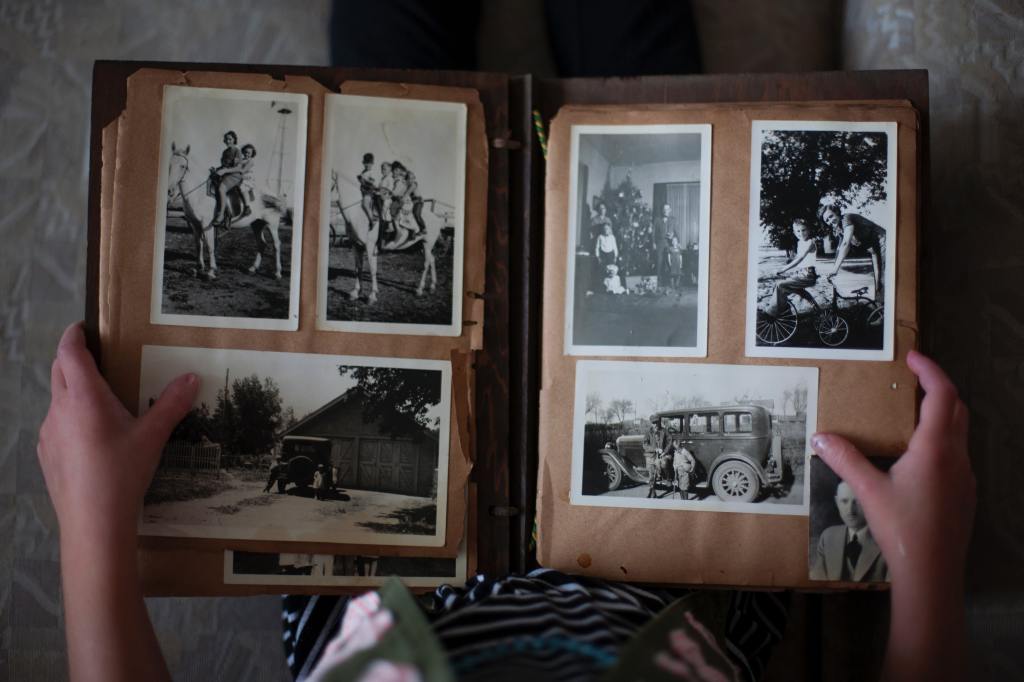
Nostalgia is a rear view mirror that reflects a particular feeling of a time or place or an emotion that happened in the past. It could be the memory of your first love, a yellowed photograph found by chance, or an object that reminds you of something. The Internet can help make you nostalgic. With one click you can find, for example, the soundtrack of a pleasant moment you lived.

Photo by Laura Fuhrman on Unsplash

Today, experts tell us that nostalgia is a complex emotion, above all, but not always, positive, which can give you greater sensitivity and can help you understand the present.

The word nostalgia was invented in 1680 by a student (Johannes Hofer) from the University of Basel who combined the Greek word nóstos (homecoming) and algia (suffering). He described it as the pain that the Swiss soldiers felt in battle and that they wanted to go home.

Current studies distinguish nostalgia from melancholy because it has a stimulating effect and does not cause symptoms of illness, rather it tries to fight them.

Could it be said that nostalgia is a source of resilience and wellbeing?

Researchers from the University of Southampton (UK) have observed that nostalgia is a vital component of mental health that motivates us and increases our self-esteem.

Nostalgia also represents a reservoir of emotions that you can consciously access and which you unconsciously use in your daily life to reinforce the feelings of your past that help you cope with the present and the future.

But remember that the past can be recalled but cannot come back. Nostalgia does not give you back what you have lost but it helps you to better manage the life you are living.

Do you think nostalgia helps you with managing your life?

Photo by Alexander Schimmeck on Unsplash

Perché la nostalgia é importante

La nostalgia rappresenta uno scudo contro le sfide esistenziali. Evocare esperienze e sentimenti positivi del passato possono aiutarti ad affrontare meglio il presente e il futuro.

La nostalgia é uno specchietto retrovisore che riflette un sentimento particolare di un tempo o di un luogo o un’emozione accaduta in passato. Potrebbe essere il ricordo del primo amore, una fotografia ingiallita ritrovata per caso, o un oggetto che ti ricorda qualcosa. Internet può contribuire a farti provare nostalgia. Con un click puoi ritrovare, per esempio, la colonna sonora di un momento piacevole che hai vissuto.

Photo by Laura Fuhrman on Unsplash

Oggi gli esperti ci dicono che la nostalgia é un’emozione complessa, soprattutto, ma non sempre, positiva, che ti può dare una maggiore sensibilità e ti può aiutare a comprendere il presente.

La parola nostalgia é stata inventata nel 1680 da uno studente di medicina (Johannes Hofer) dell’Università di Basilea che unì la parola greca nóstos (ritorno a casa) e algia (sofferenza). La descrisse come il patimento che provavano i soldati svizzeri in battaglia e che desideravano tornare a casa.

Studi attuali distinguono la nostalgia dalla malinconia perché ha un effetto stimolante e non provoca sintomi di malattia, anzi cerca di combatterli.

Si potrebbe dire che la nostalgia é una fonte di resilienza e benessere?

Alcune ricercatori dell’Università di Southampton (UK) hanno osservato che la nostalgia é una componente vitale della salute mentale che ci motiva e che fa aumentare la nostra autostima.

La nostalgia rappresenta anche una riserva di emozioni alle quali puoi accedere coscientemente e alle quali ricorri inconsciamente durante la vita quotidiana per rafforzare i sentimenti del tuo passato che ti aiutano ad affrontare il presente e i futuro.

Ricorda però che il passato può essere rievocato ma non può tornare. La nostalgia non ti restituisce quello che hai perso ma ti aiuta a gestire meglio la vita che stai vivendo.

Pensi che la nostalgia ti sia utile?

Photo by Alexander Schimmeck on Unsplash

Tre consigli per combattere la frustrazione

La pandemia ci ha messo davanti a un futuro incerto e ci ha lasciato emozioni negative.

Tutti abbiamo vissuto da bambini la delusione di quando chiedevamo qualcosa e questo ci veniva negato. Poteva anche accadere che ci mettessimo a piangere e questo faceva andare in bestia i nostri genitori, che etichettavano questo comportamento come un capriccio.

In effetti, la frustrazione é presente in tutte le tappe della vita e il nostro successo dipende un po’ anche da come gestiamo questa emozione tipicamente umana.

Un maestro Zen riassume la felicitá in una formula semplice: la felicitá é la realtá che viviamo meno quello che desideriamo o speriamo ottenere.

Quando ció che si desidera supera quello che si ha, allora ci si trova di fronte a quello che Carl Gustav Jung diceva: “La vita non vissuta é una malattia della quale si puó morire.”

Nella nostra societá dove la competizione e la soddisfazione instantanea prevalgono, la frustrazione ci accompagna necessariamente un po’ da tutte le parti, perché non appena abbiamo esaudito un desiderio, eccone un altro che arriva.

Questo periodo di pandemia ci ha fatto passare da un consumismo sfrenato a una cultura dell’annullamento (annullamento di vacanze, annullamento di cene con amici, annullamento di appuntamenti medici, ecc.).

Questo improvviso cambiamento ha influito sulla tua vita? Guarda se hai alcuni sintomi tra quelli elencati qui sotto per capire se sei una persona frustrata:

  1. malinconia spesso presente;
  2. maggiore irritabilitá, tensione e stress. Cose che prima non ti davano fastidio ora ti fanno saltare;
  3. pensieri negativi che tornano continuamente, rubandoti energia e, a volte, il sonno;
  4. aumento del consumo di alcolici e di medicine prese senza il consiglio medico;
  5. voglia di scappare.
Photo by Oscar Aguilar Elías on Unsplash

Se ti riconosci in una o due di queste caratteristiche, allora significa che la frustrazione si é impossessata di parte della tua vita.

Ecco alcuni consigli che ti aiuteranno a superare questo momento:

  1. coltiva la pazienza. Puó sembrare ovvio, ma é molto efficace. Da bambini come da adulti, la frustrazione compare quando non si ottiene ció che si vuole. Se i genitori non ti comprano il giocattolo che vuoi quando lo chiedi, ma ti dicono che te lo regaleranno per il compleanno, questo non ti consola. In tempi di crisi, se non sappiamo quando finirá la situazione che ci crea frustrazione (come adesso, che la diffusione del Covid ha ripreso in modo piuttosto importante) potremmo perdere le speranze. Contro questa visione, solo uno sguardo a lungo termine potrá aiutarti. Sebbene non sai fino a quando durerá la situazione, sapere che c’é luce alla fine del tunnel ti aiuta a vivere il presente.
  2. esamina quello che ci guadagni. Cosí come l’energia non si crea ne si distrugge, ma si trasforma, anche la perdita puó portare dei guadagni. Se non hai potuto fare quel viaggio che tanto desideravi, pensa che hai risparmiato dei soldi e appena potrai partire di nuovo, avrai una maggiore disponibilitá finanziaria. Se hai perso il posto di lavoro perché la ditta dove lavoravi ha chiuso, sarai costretto a valutare altre possibilitá, a rimetterti in gioco e magari potrai iniziare un’attivitá indipendente che mai avresti pensato prima e che finalmente ti mette in valore. Per combattere la frustrazione devi chiederti: cosa guadagno da questa perdita?
  3. pensa che tutto cambia. Niente di quello che abbiamo durerá sempre. Anche se potessimo esaudire tutti i nostri desideri, sarebbe sempre una soddisfazione temporanea. Se niente rimane cosí com’é ma tutto cambia, allora la frustrazione perde di significato.

Si attribuisce al pittore Eugéne Delacroix la massima: “Desiderare il meglio, evitare il peggio e prendere quel che viene”. Se segui questo motto, anziché attaccarti a delle aspettative, prenderai le cose cosí come succedono. Ti sentirai piú nel flusso degli eventi anche caotici che a volte ti propone la vita.

Ti senti frustrato in questo periodo a causa della pandemia che non é ancora terminate né sai quando terminerá?

Photo by Steve Johnson on Unsplash

Three Tips to Fight Frustration

The pandemic has put us in front of an uncertain future and left us with negative emotions.

We have all experienced as children the disappointment of asking for something that was then denied. It could also happen that we started crying and this drove our parents crazy. They labelled this behaviour as a whim.

Actually, frustration is present in all stages of life and our success also depends a little on how we manage this typical human emotion.

A Zen master summarizes happiness in a simple formula: happiness is the reality that we live less than what we want or hope to achieve.

When what you want outweighs what you have, then you are faced with what Carl Gustav Jung used to say: “Life not lived is a disease from which you can die.”

In our society where competition and instant satisfaction prevail, frustration necessarily accompanies us more or less always, because as soon as we have satisfied a wish, another one comes.

This period of pandemic has made us move from unbridled consumerism to a culture of cancellation (cancellation of holidays, cancellation of dinners with friends, cancellation of medical appointments, etc.).

Has this sudden change affected your life? See if you have any of the symptoms listed below to understand if you have become a frustrated person:

  1. you are often melancholic;
  2. you experience increased irritability, tension and stress. Things that didn’t bother you before now make you jump up;
  3. you have negative thoughts that come back all the time, stealing you energy and sometimes sleep;
  4. you have increased consumption of alcohol and medicines taken without medical advice;
  5. you want to run away.
Photo by Oscar Aguilar Elías on Unsplash

If you recognize yourself in one or two of these characteristics, then it means that frustration has taken over part of your life.

Here are some tips that will help you get through this moment:

  1. cultivate patience. It may seem obvious, but it is very effective. As a child as well as an adult, frustration occurs when you don’t get what you want. If the parents don’t buy you the toy you want when you ask for it, but they tell you they will offer it to you over your birthday, that doesn’t make you feel better. In times of crisis, if we do not know when the situation that creates frustration will end (as now, which the spread of Covid has resumed in a rather important way) we could lose hope. Against this view, only a long-term perspective will help you. Although you don’t know how long the situation will last, knowing that there is light at the end of the tunnel helps you to live in the present moment.
  2. analyse what you get from it. Just as energy is not created or destroyed, but it is transformed, even losses can bring you gains. If you could not leave for that trip you wanted so much, think that you have saved some money and as soon as you can leave again, you will have greater financial availability. If you have lost your job because the company where you used to work has closed down, you will be forced to evaluate other possibilities, to get back into the game and maybe you can start an independent business that you never would have thought of before and that finally it is worthy. To fight frustration you have to ask yourself: What do I gain from this loss?
  3. think that everything changes. Nothing we have will last for ever. Even if we could satisfy all our wishes, it would always be a temporary satisfaction. If nothing remains as it is but everything changes, then the frustration loses its meaning.

The following thought is attributed to the painter Eugéne Delacroix: “Desire the best, avoid the worst and take what comes”. If you follow this motto, instead of holding on to expectations, you will take things as they happen. You will feel more in the flow of events, even chaotic, that life sometimes offers you.

Do you feel frustrated in this period of pandemic that is not over yet nor do you know when it will end?

Photo by Steve Johnson on Unsplash

Stop Using The Car Now

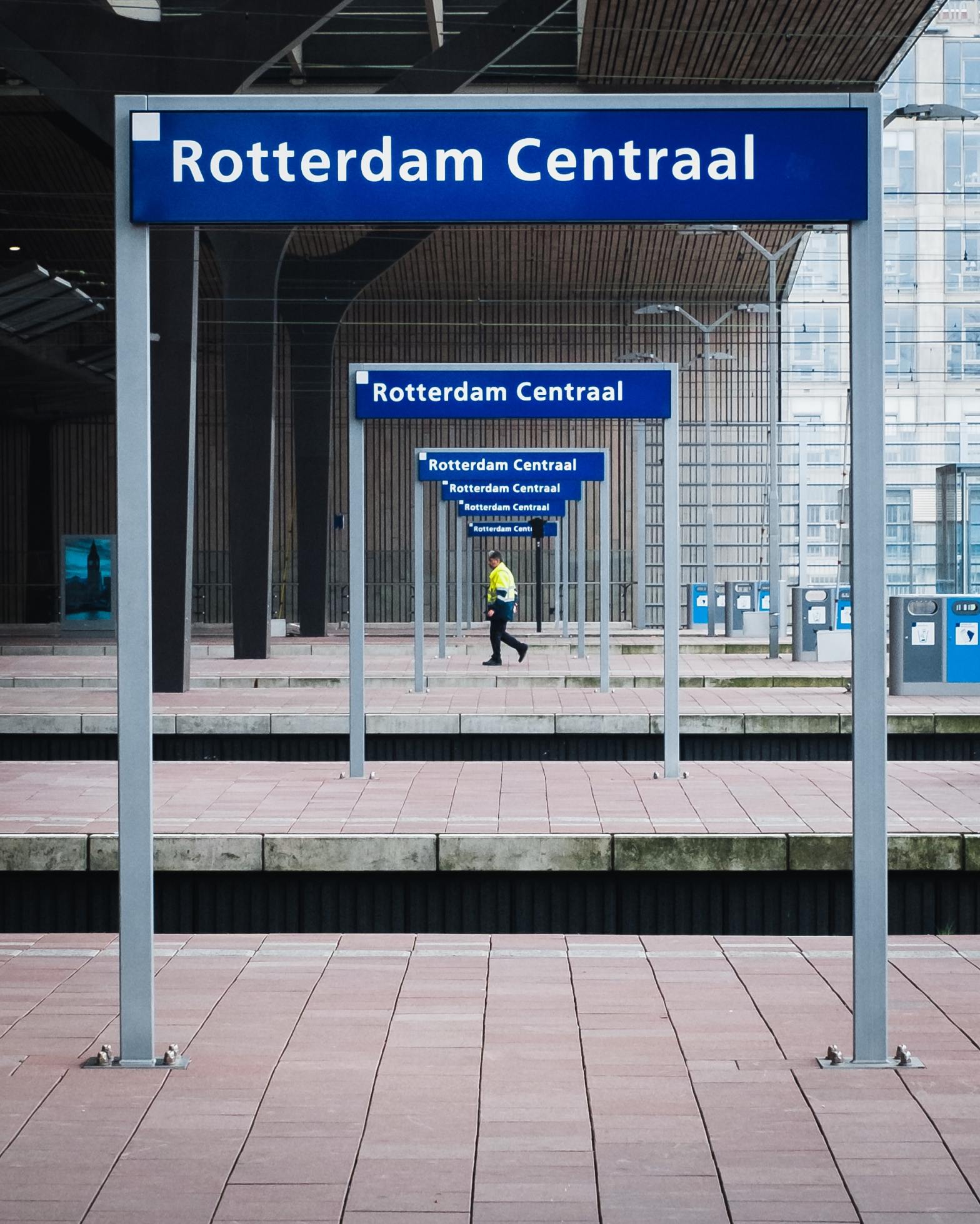
2009, The Netherlands. Some inhabitants of one Rotterdam’s neighbourhood receive a strange email: they have been watched while driving and are asked of not doing it any longer. Is it a threat or blackmail?

Absolutely not! The message comes for Rotterdam City and the company managing the highway that are allied to reduce traffic jams that has been polluting the cities day after day.

Wouldn’t it be easier to build bigger highways or built new ones?

Here comes the “Braess Paradox . According to this theory, increasing the road capacity to reduce traffic jams would make the situation worse.

Actually, with a new road, people who have given up to the car before, would go back and use the car again. In addition, those who were avoiding using the car during the rush hours would try to do it again.

Photo by Iwona Castiello D’Antonio on Unsplash

However, by eliminating roads, the journey time can be reduced, because some motorists will be inclined to abandon the car. This is the paradox.

Rotterdam City tries also another thing: the positive toll, also known as the reverse toll.

What is it? If the citizens leave the car into their garage during the rush hours, they will receive a small amount of money. Of course, they will receive also a device to control if they indeed have left the car into the garage.

It works! In a couple of years, the volunteers applying to that scheme increase and traffic jams decrease. Also when the money stop, people keep up with their good habit. Rotterdam starts to better breath.

Would you stop using your car in exchange of some money?

Smetti di usare la macchina ora

2009, Olanda. Alcuni abitanti di un quartiere di Rotterdam ricevono un’email strano: sono stati visti mentre guidavano e gli si chiede di non farlo più. Si tratta di una minaccia o di un ricatto?

Assolutamente no! Il messaggio arriva dal comune di Rotterdam e dalla società autostradale locale che si sono alleati per ridurre il traffico stradale che avvelena sempre più le città. Non sarebbe più facile, invece, ingrandire le autostrade e addirittura costruire una nuova autostrada?

Qui entra in gioco il “paradosso di Braess”. Secondo questa teoria, aumentare la capacità stradale per decongestionare le città non fa altro che peggiorare la situazione.

In effetti, con una nuova strada, la gente che aveva rinunciato all’auto, ricomincia ad utilizzarla nuovamente, e coloro che evitavano le ore di punta, riprovano a mettersi in strada durante gli orari più critici.

Photo by Iwona Castiello D’Antonio

Al contrario, sopprimendo delle strade, si può ridurre il tempo del tragitto, perché alcuni automobilisti saranno propensi ad abbandonare l’auto. E questo è il paradosso.

La città di Rotterdam anche prova un’altra cosa: il pedaggio positivo, chiamato anche il pedaggio inverso.

Se i cittadini lasciano l’auto in garage nelle ore di punta ricevono una piccola somma di denaro. Ovviamente saranno dotati di un dispositivo capace di controllare se davvero hanno lasciato l’auto in garage.

E funziona: in qualche anno i volontari aumentano e gli ingorghi stradali diminuiscono. Anche quando il compenso monetario cessa, la gente mantiene la buona abitudine. E Rotterdam comincia a respirare un po’ meglio!

Tu lasceresti a casa la macchina se ricevessi dei soldi per farlo?

How And Why Adopting Resolutions Now.

When the holidays are over and you start working or studying again, you want to commit to getting back in shape.

Maybe you ate too much and did little physical activity but it is normal, you have been on holidays!

It could also be an opportunity to take stock of the resolutions taken at the beginning of the year and see where you are.

Often, however, among working or studying and other daily activities, you do not have neither time nor motivation.

How would it be following a program that helps you in achieving your objectives now?

Here are some ideas to help you stick to an easy-to-maintain schedule.

Small daily efforts

Decision taken, this year you will try to use less the car, both because it is a super ecological action and therefore good for the planet, and because you will be forced to find other means of transport to get around. You will also strengthen your body without realizing it.

Ready to include some physical activity in your daily life?

  1. Do not park the closest possible to the shop entrance. Park further away and take a stroll.

2. Stop taking the elevator if you live or work on a relatively low floor.

3. Get around by bike or on foot.

4. Don’t have your shopping delivered to you, do it yourself.

5. Go and buy a sandwich at lunchtime on foot. It allows you to relax a bit, change air and walk.

6. Go for walks of at least 30 minutes at least once a week (I walk at least 30 minutes every day, but I suffer from the restless legs syndrome – RLS). You can walk on the street, in the nature, on the beach, alone or with friends. The important thing is to walk.

7. Buy a Pilates ball and sit on it to watch your favourite TV series, movie, or whatever you like.

As you can see nothing strange and impossible! Start introducing one habit at a time and you will soon find your shape again with a minimum effort. To help you out, you can use an app or a bracelet that monitors your activity like a real coach.

Little efforts at home

We know that sometimes it is hard to find time to go to the gym. Why not doing some physical activity at home then? You can buy accessories that allow you to do some gym without leaving your place, such as electro-stimulators, vibrating platforms or abdominal belts, which tone the muscles by causing contractions. You can also follow some exercises online, YouTube offers them of all kinds. You can do Yoga to relax the body without forgetting the muscles, meditation and relaxation, perfect for learning to breathe deeply and to use breathing as a method to fight stress and anxiety. 10 minutes every morning when you wake up will be good for you. Find a trainer you like, subscribe to their channel and receive notifications every time they upload a new video.

Photo by Wee Lee on Unsplash

Small efforts on the plate

Holidays are sometimes synonymous with excess. To get back in shape you need to fill up on vitamins. Start the day with a smoothie or fresh fruit juice. Then continue with a healthy, non-fat lunch of seasonal vegetables. It will help you regain your shape.

You can also drink a glass of warm water in the morning on an empty stomach to stimulate metabolism, detoxify the body and facilitate digestion. Add some lemon and it will be tasty.

So, are you ready for this little revolution?

Photo by Chris Lawton on Unsplash