Eat for Your Age: What to Eat for a Better Mood and Mental Health

Your brain evolves—and so should your diet. What we eat directly affects our mood, energy, and mental health. But new research led by Lina Begdache at Binghamton University reveals something even more intriguing: the foods that support mental well-being vary depending on your age.

🔄 Brain Development and Nutritional Needs

The human brain doesn’t fully mature until around age 30, especially the prefrontal cortex, which governs decision-making and emotional regulation. Before this milestone, the brain is still developing and requires more energy and specific nutrients to build strong neural connections.

After 30, the brain begins to show signs of aging. Oxidative stress increases, and our ability to regulate stress declines. That’s when our nutritional priorities shift.


🍔 Under 30: Meat, Movement, and Less Fast Food

Young adults (18–29) show better mental health when they:

  • Eat meat three times a week: a rich source of tyrosine and tryptophan, which are precursors to dopamine and serotonin.
  • Exercise regularly: physical activity boosts neurotransmitter availability.
  • Avoid fast food and excessive caffeine: these can disrupt brain chemistry and mood stability.

🧬 Dopamine and serotonin are key to motivation, pleasure, and emotional balance. Their production depends on what’s on your plate.


🍇 Over 30: Fruits, Complex Carbs, and Breakfast

Adults over 30 benefit from a different nutritional strategy:

  • Eat plenty of fruits: packed with antioxidants that protect the brain from aging and oxidative stress.
  • Choose complex carbohydrates (whole grains, pasta, rice): they stabilize blood sugar and provide steady energy to the brain.
  • Never skip breakfast: it helps maintain glucose levels, which is crucial for brain function.
  • Limit caffeine: stimulants can worsen anxiety and disrupt sleep, especially as stress regulation weakens with age.

🧠 A mature brain thrives on stability—steady blood sugar, fewer stimulants, and protective nutrients.


🥚 Foods That Boost Brain Chemistry

Here are some top foods to naturally support serotonin, dopamine, and norepinephrine:

  • Eggs: rich in choline and tryptophan.
  • Fatty fish: omega-3s for brain health.
  • Nuts and seeds: healthy fats and amino acids.
  • Bananas: a source of tyrosine and vitamin B6.
  • Leafy greens: folate for dopamine production.

🚴‍♀️ Small Changes, Big Impact

Improving your diet doesn’t mean a complete overhaul. Try:

  • Adding fruit to your breakfast.
  • Swapping sugary snacks for nuts.
  • Choosing whole grains over refined carbs.
  • Cutting back on coffee after 3 p.m.

🧘‍♂️ Mental wellness starts with what you eat—and how consistently you eat it.


📣 Call to Action

What are you feeding your mood today? Start with one small change and don’t give up! You will see results!

Thank you for reading! You can read more from me on my blog crisbiecoach and, please, subscribe!

How Food Shapes Your Body Clock

We often overlook the delicate link between what we eat and how our bodies function on a daily cycle. But did you know that your meals do more than fuel your body—they also help set your internal clock?

Recent research reveals that insulin, the hormone released after eating, plays a crucial role in synchronizing circadian rhythms—the biological processes that follow a roughly 24-hour cycle. This discovery opens new doors to understanding metabolism, sleep, and even chronic diseases like diabetes.

🧠 What Are Circadian Rhythms?

Circadian rhythms (from Latin circa = around, dies = day) are internal biological clocks that regulate various physiological functions, including:

  • Sleep-wake cycles
  • Hormone secretion
  • Body temperature
  • Heart rate
  • Digestion

At the core of this system is the central clock located in the brain. It’s primarily reset by light. But surrounding this master clock are peripheral clocks in organs like the liver, pancreas, and adipose (fat) tissue, which respond to other cues—especially food.

🍽️ Feeding Time: A Powerful Zeitgeber

In chronobiology, a zeitgeber is an external cue that synchronizes biological rhythms. While light is the dominant zeitgeber for the central clock, food intake is a key zeitgeber for peripheral clocks.

When you eat, your blood glucose rises, prompting the pancreas to release insulin. This hormone doesn’t just regulate sugar—it also sends signals to peripheral tissues, helping them align their internal clocks with feeding times.

🧬 Tissue-Specific Effects

Interestingly, insulin’s impact isn’t uniform across all tissues. It strongly affects clocks in metabolically active tissues like:

  • Liver: Regulates glucose storage and metabolism
  • Adipose tissue: Manages fat storage and energy balance

But it has little to no effect on clocks in the lungs or blood vessels, suggesting that only tissues directly involved in digestion and metabolism need rapid synchronization with feeding times. [diabetesjournals.org]

🩺 Why It Matters: Health Implications

Disruptions in circadian rhythms—due to irregular eating, shift work, or jet lag—can lead to:

Understanding how insulin resets peripheral clocks could help develop chronotherapy strategies—timing meals and medications to optimize metabolic health. [nature.com]

✅ Practical Takeaways

Here’s how you can support your biological clocks through nutrition:

  1. Eat at consistent times: Regular meal schedules help synchronize peripheral clocks.
  2. Avoid late-night eating: It can misalign your liver and fat tissue clocks.
  3. Balance your meals: Foods that promote insulin secretion (like carbs) can help reset clocks, but timing is key.
  4. Consider chrono-nutrition: Align your eating patterns with your natural circadian rhythm.

Are you ready to optimize your health by synchronizing your meals with your body clock?

Thank you for reading! You can read more from me on my blog crisbiecoach and, please, subscribe!


How to Age Better: The Anti-Inflammatory Diet That Protects Your Brain

As we age, our bodies undergo many changes—some visible, others silent. One of the most insidious is chronic inflammation, a biological process that damages cells and accelerates aging. But what if the key to aging better, especially mentally, lies in your grocery basket?

A groundbreaking study led by Dr. Nikolaos Scarmeas from the University of Athens reveals that a diet rich in anti-inflammatory foods—especially fruits—can significantly reduce the risk of cognitive decline and dementia.


The Study: Diet and Dementia Risk

The research followed 1,059 participants aged around 73, all free of dementia at the start. Over three years, their diets were analyzed and cognitive tests administered regularly. Each participant received a dietary inflammatory score, ranging from –10 (least inflammatory) to +10 (most inflammatory), based on their intake of various food groups.

Key Findings:

  • 6% of participants developed dementia during the study.
  • Those with the highest inflammatory scores were three times more likely to develop dementia.
  • Every 1-point increase in the inflammatory score was linked to a 21% higher risk of dementia.

Why Inflammation Matters

As we age, our immune system becomes less efficient and more prone to producing oxidative substances that damage cells, including neurons. This leads to neuroinflammation, a key driver of cognitive decline and neurodegenerative diseases like Alzheimer’s.

Anti-inflammatory foods help by:

  • Reducing oxidative stress
  • Modulating immune responses
  • Protecting neurons and brain tissue

What Is an Anti-Inflammatory Diet?

Dr. Scarmeas and other experts define anti-inflammatory diets as those rich in:

These foods are packed with flavonoids, polyphenols, and antioxidants that combat inflammation and support brain health.


The Mediterranean Connection

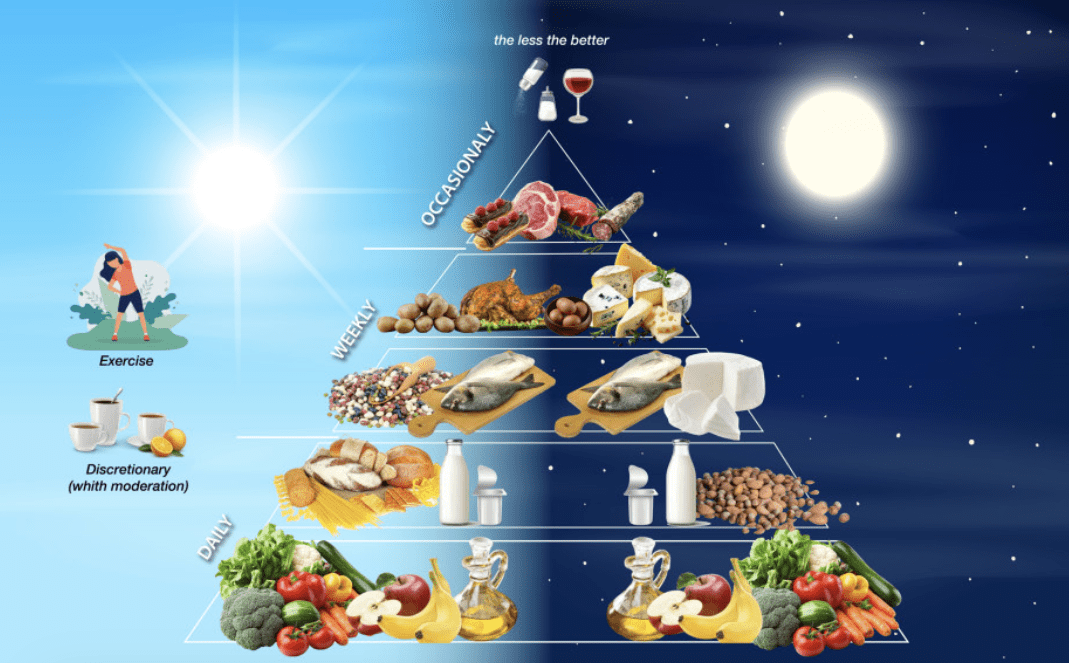
The findings align with decades of research on the Mediterranean diet, which emphasizes plant-based foods, fish, olive oil, and moderate wine consumption. Studies show it can:

  • Slow brain aging
  • Reduce Alzheimer’s risk by up to 54%
  • Improve memory and cognitive function

The MIND diet, a hybrid of Mediterranean and DASH diets, also shows promise in reducing dementia risk.


How to Eat for Brain Health

Here’s how to incorporate anti-inflammatory foods into your daily routine:

✅ Eat More:

  • Berries: Blueberries, raspberries, strawberries
  • Leafy greens: Spinach, kale, arugula
  • Legumes: Lentils, chickpeas, black beans
  • Green and black tea: kick off your morning with a good cup of tea
  • Olive oil: Use as your primary fat

❌ Eat Less:

  • Red and processed meats
  • Refined sugars and flours
  • Fried and ultra-processed foods

Conclusion: A Simple Strategy for Healthy Aging

This study is a powerful reminder that what we eat directly affects how we age, especially mentally. By choosing anti-inflammatory foods—starting with fruits—you can protect your brain, reduce your risk of dementia, and enjoy a healthier, more vibrant life.

Are you ready for a snack made of a handful of berries or a cup of green tea?


Thank you for reading! Please sign up for my blog crisbiecoach so you don’t miss out on any posts and also for Wise&Shine an incredible online magazine!


Further Reading & References:

  1. Are You Eating Your Way to Dementia?
  2. Anti-Inflammatory Diet May Lower Risk of Dementia
  3. Earth.com – Anti-Inflammatory Foods Lower Dementia Risk
  4. Healthline – MIND Diet Guide
  5. Cleveland Clinic – Anti-Inflammatory Diet Benefits

Gluten: The Silent Villain

Introduction: A Growing Sensitivity

In recent decades, gluten has gone from a staple protein to a dietary villain. Once praised for its nutritional value and baking properties, gluten is now avoided by millions. But why has gluten intolerance surged so dramatically? Is it a genuine health crisis or a cleverly orchestrated strategy by the agro-business industry?


What Is Gluten and Why Is It a Problem Now?

Gluten is a group of proteins—primarily gliadins and glutenins—found in wheat, barley, and rye. It gives bread its elasticity and chewy texture. Historically, gluten was considered harmless for most people. However, today, approximately 8.4% of the global population suffers from gluten-related disorders, including celiac disease and non-celiac gluten sensitivity (NCGS).

Celiac disease alone affects about 1.4% of the global population, while 6% of Americans are estimated to be gluten intolerant. This rise has sparked questions: Is gluten itself to blame, or is something more insidious at play?


The Agro-Business Factor: More Gluten, More Problems

According to research from the Leibniz Institute for Food Systems Biology, modern wheat varieties have undergone significant changes over the past 120 years. While the total gluten content has remained relatively stable, the composition of gluten proteins has shifted, with a higher concentration of immunoreactive gliadins—the proteins most likely to trigger adverse reactions.

This change is not accidental. Driven by the need for higher yields and better baking performance, agro-businesses have selectively bred wheat to enhance these properties. The result? A crop that’s more profitable but potentially more harmful to human health.


Chemical Warfare in the Fields

Beyond genetic selection, the intensive use of chemicals in wheat farming has raised red flags. Herbicides like glyphosate (Roundup) are commonly sprayed on wheat just before harvest to dry the crop—a process known as desiccation. This practice, now widespread in the U.S., has been linked to increased gluten sensitivity and inflammation.

Moreover, wheat naturally contains amylase-trypsin inhibitors (ATIs)—proteins that act as natural pesticides. These ATIs have been shown to trigger immune responses and inflammation, even in people without celiac disease.


Genetic Modification

Contrary to popular belief, commercial wheat is not genetically modified (GMO) in the traditional sense. However, it has been extensively hybridized and selectively bred since the 1960s to enhance yield and gluten strength. These changes have altered the genetic structure of wheat, introducing new sequences like, which are strongly associated with celiac disease.

Recent advances in gene editing are now being used to develop low-gluten or celiac-safe wheat varieties. While promising, these are still in experimental stages and not yet widely available.


The Billion-Dollar Gluten-Free Boom

As gluten intolerance rises, so does the demand for gluten-free products. In the U.S. alone, the gluten-free market was valued at $2.27 billion in 2024 and is projected to grow over $4 billion by 2030.

This explosive growth has turned gluten sensitivity into a highly profitable industry, with major food corporations capitalizing on consumer fears and dietary trends.


Conclusion: A Manufactured Epidemic?

The rise in gluten intolerance is not merely a medical phenomenon—it’s a complex interplay of industrial agriculture, chemical exposure, and economic incentives. While some individuals genuinely suffer from celiac disease or NCGS, the broader surge in gluten sensitivity may be a byproduct of modern farming practices and aggressive food marketing.

As consumers, it’s crucial to stay informed and question the origins of our food. Is gluten truly the enemy, or is it the way we’ve manipulated wheat that’s to blame?

Are you celiac or do you know anyone who is? It would be interesting to know their story. I am not celiac but have been found with a severe inflammation caused by food and I have to limit my intake of gluten (and for an Italian like me, I must admit that at the beginning it was rather difficult).

Thank you for reading! Please sign up for my blog crisbiecoach so you don’t miss out on any posts and also for Wise&Shine an incredible online magazine!


Further Reading & References:

  1. World Population Review – Gluten Intolerance by Country
  2. ScienceDaily – Gluten in Wheat: What Has Changed
  3. The Celiac MD – Pesticides in Wheat and Gluten Sensitivity
  4. Grand View Research – U.S. Gluten-Free Market Report
  5. Celiac.com – Breakthrough in Wheat Science

When the Body Becomes the Hero: How Our Internal Detox System Works

Imagine a city with its own sanitation department, air filtration, and wastewater treatment plant, all running 24/7 without ever needing a gadget or “cleanse kit.” That’s your body. From the moment you wake, your internal systems quietly remove and neutralize waste, foreign molecules, and metabolic by‑products. Yet in wellness marketing you’ll find banners promising dramatic “detoxes” that outshine your liver, kidneys, and gut. Let me walk you through how the natural process works — and where the hype oversells.

1. The Body’s Built‑In Detox Machinery Versus Commercial “Cleanses”

Every day, our cells produce waste: old proteins break down, hormones are catabolized, and environmental chemicals drift into our bloodstream. To manage that, your body relies on several organs:

  • Liver — Acts in two main phases (often called Phase I and Phase II) to convert fat-soluble compounds into water-soluble forms that can be excreted via urine or bile.  
  • Kidneys — Filter the blood, remove urea, creatinine, and excess minerals; excrete them in urine.  
  • Lungs — Expel carbon dioxide and volatile molecules.
  • Intestinal tract — Carries out bile excretion and fecal elimination of compounds tied to fiber.
  • Skin & sweat — Minor route, but sweating can help release small water-soluble substances.

These systems cooperate constantly — you don’t need a juice fast or colon cleanse to “activate” them. In fact, many dietitians argue that commercial “detox” programs are unnecessary and sometimes harmful.  For example, activated charcoal cleanses may bind not only supposed “toxins” but also medications and nutrients. 

Supporting your natural detox system is far more sensible: maintain hydration, eat a balanced diet rich in antioxidants and fiber, get adequate sleep, and engage in movement. 

Remember that the body’s detoxification is continuous and internal. No external cleanse can outperform the liver–kidney–gut alliance.

2. Sugar’s Double Act: Common and Non-nutritive Sweeteners Under the Microscope

Sweetness is seductive, and the debate over sugar alternatives is intense.

Common (Nutritive) Sweeteners

These include sucrose, high-fructose corn syrup, honey, and others. They provide calories. When consumed in excess, they contribute to weight gain, insulin resistance, non-alcoholic fatty liver disease, and metabolic disturbances. Overuse stresses the liver and kidneys by increasing metabolic load.

Non-nutritive (Artificial or Low-Calorie) Sweeteners

Examples: aspartame, sucralose, stevia derivatives, saccharin.

A comprehensive meta‑analysis combining randomized trials and observational studies found:

  • In controlled trials, non-nutritive sweeteners had no clear effect on BMI.  
  • But in cohort (observational) studies, routine consumption was associated with slight increases in BMI, waist circumference, and higher incidence of obesity, hypertension, metabolic syndrome, and type 2 diabetes.  

In other words, they don’t reliably “help” with weight loss, and in real-world settings might correlate with worse outcomes. The cause–effect relationship remains unclear, but relying on them as a magic sugar substitute is risky.

A prudent approach is to reduce overall sweetness cravings (real or artificial) and favor whole fruits, moderate use of natural sweeteners (if needed), and a taste reset over time.

3. GMOs vs. Conventionally Grown Produce: Myth, Fact, and Nuance

The gulf between Genetically Modified Organisms (GMOs) and “conventional” is often painted as deep and dangerous — but science tells a more nuanced story.

What Are GMOs

GMOs are plants or organisms whose DNA has been modified using genetic engineering techniques (e.g. insertion or editing of genes). This differs from conventional breeding, where traits are crossed over generations.

Benefits & Concerns

Potential advantages include improved yield, pest resistance, reduced use of chemical inputs, and in some cases enhanced nutrient profiles (e.g. biofortified crops). 

Concerns raised include gene flow, ecological impact, corporate control of seed supply, and unknown long-term effects.

Nutrition: Do GMOs Differ from Conventional Produce?

To date, the consensus in independent reviews is that nutrient differences are minimal or inconsistent. Many studies show no significant advantage of organic (or GMO) produce in macro- or micro‑nutrient levels. 

However, what does differ is pesticide exposure: conventionally grown produce may carry higher pesticide residues (within legal limits), whereas organic farming limits synthetic pesticide use. 

It’s important to note that some GMO crops are engineered specifically to carry extra vitamins or traits, meaning in those cases they may surpass conventional types in specific nutrients. 

You should buy produce you will actually eat. Focus more on diversity, freshness, soil health, and low pesticide exposure — less on rigid labels.

4. Organic, Grass‑Fed, Pasture‑Raised Animals: What Do the Nutrient Numbers Say?

When meat labels shout words like “organic,” “grass-fed,” and “pasture-raised,” many consumers assume superior nutrition. But the reality is subtle.

Definitions

  • Organic: Animals raised without synthetic hormones, antibiotics, and on organic feed; farms follow organic standards.
  • Grass-fed / Pasture-raised: Animals eat grass or forage for a large portion of life, roam outdoors. These may or may not also be organic.

Nutrient Differences

A meta‑analysis of 67 studies comparing organic vs conventional meat found that:

To better understand, you should learn more about the difference between polyunsaturated fat and monounsaturated fat.

Still, critics point out that these relative differences may not translate into large absolute gains. For example, even with a 50 % relative increase in omega‑3 in meat, the absolute amount is still small compared to sources like fatty fish. 

Grass-fed animals also show slightly different metabolic profiles post‑meal, indicating meat from different feeding systems can shift how our bodies respond. 

What Should You Do?

  • Prefer sources you trust and that meet humane and ecological criteria.
  • If budget allows, choosing grass-fed/organic can modestly boost beneficial fatty acids and reduce exposure to synthetic residues.
  • But don’t chase perfect labels at the expense of diet variety, flavor, or affordability.

What do you think about our body’s super powers and how to keep it healthy?

Thank you for reading! Please sign up for my blog crisbiecoach so you don’t miss out on any posts and also for Wise&Shine an incredible online magazine!

5 Scientific Facts About Weight Loss Everyone Should Know

Weight loss is often framed as a personal failure or a battle of willpower. But the reality is far more nuanced. Behind the headlines about “miracle diets” and the pressure to “eat better” or “move more” lies a complex interplay of biology, genetics, environment, and social determinants. Studies demonstrated that one thing is clear: the way we talk about weight loss is outdated. Here are five facts that challenge common myths and reshape how we understand this deeply personal journey.


1. Weight Loss Goes Against Our Biology

The human body is wired to resist weight loss. Evolutionarily, we were designed to survive periods of scarcity, not abundance. When we reduce calorie intake, our metabolism adapts by slowing down energy expenditure—a process called metabolic adaptation. Hormones like ghreline (which triggers hunger) spike, making it harder to stick to restrictive diets.

In France, 47.3% of adults had excess weight in 2020, with 17% classified as obese. Despite decades of public health campaigns focusing on individual responsibility, these numbers haven’t dropped. Why? Because our biology fights back. The body’s response to weight loss—increased hunger, reduced metabolic rate—was adaptive for hunter-gatherers facing famine. Today, supermarkets are flooded with cheap, hyper-processed foods, and it is not easy to make the correct choice.


2. It’s Not Just About Willpower

Assigning weight loss to “laziness” or “lack of discipline” ignores the role of genetics and systemic inequalities. Research shows that 40–70% of BMI variability is influenced by hereditary factors, including how our bodies regulate hunger and burn calories.

But biology isn’t the whole story. Access to affordable healthy food, safe spaces for physical activity, and the ability to prioritize self-care are privileges not everyone has. For example, low-income neighborhoods often lack grocery stores with fresh produce, while long work hours and chronic stress make healthy habits harder to maintain.

A 2021 review in The Lancet highlighted that socio-economic status significantly impacts diet and exercise opportunities, contributing to weight disparities.


3. Calories Don’t Tell the Whole Story

Counting calories is a popular strategy, but it’s far from foolproof. Our bodies don’t treat all calories equally. A 200-calorie slice of cake and a 200-calorie serving of salmon affect hunger, blood sugar, and satiety differently. Processed foods spike insulin and cravings, while whole foods like vegetables and lean proteins provide lasting fullness.

Fad diets that eliminate entire food groups (e.g., low-carb or juice cleanses) often lead to short-term weight loss but are unsustainable. They also risk nutrient deficiencies. A better approach? Focus on long-term habits: prioritize whole foods, reduce ultra-processed meals, and avoid over-reliance on “detox” products.


4. Exercise is Vital for Health, Not Just Weight Loss

Physical activity is one of the most powerful tools for overall well-being, but it’s not a guaranteed weight loss solution. The body compensates for exercise by reducing non-exercise movement (e.g., fidgeting) or increasing appetite. Studies show that even vigorous workouts may not significantly boost daily calorie burn due to metabolic efficiency.

However, exercise remains essential. It improves heart health, builds muscle, reduces inflammation, and enhances mental health. So even if the scale doesn’t budge, movement is non-negotiable.

While exercise alone may not lead to dramatic weight loss, it’s crucial for metabolic health and disease prevention.


5. Health Doesn’t Always Require Weight Loss

The pursuit of a lower number on the scale can overshadow real progress. For many, improving health doesn’t necessitate weight loss. Eating more fruits and vegetables, reducing alcohol intake, and managing stress can lower blood pressure, cholesterol, and diabetes risk—even if weight stays the same.

Focusing on health at every size (HAES) encourages sustainable habits rather than fixating on weight. Celebrate milestones like better sleep, more energy, or improved mood.

Final Thoughts: Redefine Your Relationship with Weight

Weight loss is rarely simple. It’s influenced by biology, environment, and systemic factors beyond our control. Instead of blaming ourselves, let’s adopt a compassionate, science-backed approach. Small, consistent changes—like choosing whole foods, staying active, and prioritizing mental health—can create lasting well-being, regardless of the scale.

Ready to shift your mindset? Let’s move beyond the stigma and toward a healthier, more inclusive conversation about weight.

Thank you for reading! Please sign up for my blog crisbiecoach so you don’t miss out on any posts!

Stress and Weight: The Hormonal Link You Need to Understand

Do you know that stress doesn’t just affect your mood but it can also reshape your metabolism, appetite, and body composition? Whether you’re gaining weight without changing your diet or losing weight due to anxiety, stress may be the missing link. Understanding how stress interacts with your hormones and behaviors is essential for managing your health holistically.


The Nervous System: Where Stress Begins

Stress activates the autonomic nervous system, which includes:

  • Sympathetic Nervous System (SNS): Triggers the “fight or flight” response. It increases heart rate, blood pressure, and energy availability.
  • Parasympathetic Nervous System (PNS): Responsible for “rest and digest.” It calms the body and restores balance after a stressful event.

When stress is short-lived, the body returns to equilibrium. But chronic stress keeps the SNS activated, disrupting hormonal balance and metabolic function.


Cortisol: The Stress Hormone That Affects Your Waistline

One of the key players in stress-related weight changes is cortisol, a hormone released by the adrenal glands. Cortisol helps the body respond to stress by increasing glucose availability and suppressing non-essential functions like digestion and reproduction.

However, when cortisol levels remain elevated over time, several things happen:

  • Increased appetite, especially for high-fat and sugary foods.
  • Fat storage, particularly in the abdominal area.
  • Insulin resistance, which can lead to weight gain and metabolic issues.

This hormonal shift explains why many people gain weight during periods of prolonged stress—even if their calorie intake doesn’t change significantly.


Emotional Eating and Cravings

Stress affects the brain’s reward system, making comfort foods more appealing. High-carb and high-fat foods temporarily reduce stress by increasing serotonin and dopamine levels. This creates a feedback loop:

  1. Stress triggers cravings.
  2. Eating provides temporary relief.
  3. The cycle repeats, often leading to overeating and weight gain.

This behavior is known as emotional eating, and it’s one of the most common ways stress contributes to weight gain.


Sleep, Stress, and Weight

Stress often disrupts sleep, and poor sleep is a known risk factor for weight gain. Sleep deprivation affects two key hormones:

  • Ghrelin: Increases appetite.
  • Leptin: Signals fullness.

When sleep is compromised, ghrelin levels rise and leptin levels fall, leading to increased hunger and reduced satiety. This hormonal imbalance makes it harder to maintain a healthy weight.


Can Stress Cause Weight Loss?

Yes, but it’s less common. In acute stress situations, the body releases adrenaline, which can suppress appetite and increase energy expenditure. Some people experience digestive issues or nausea during stress, leading to reduced food intake.

However, chronic stress usually leads to weight gain due to cortisol’s long-term effects on metabolism and appetite.


The Vicious Cycle: Stress and Weight Feed Each Other

Weight gain can increase stress, especially when it affects self-esteem or health. This creates a bidirectional relationship:

  • Stress leads to weight gain.
  • Weight gain increases stress.
  • The cycle continues unless interrupted by lifestyle changes.

How to Break the Cycle

Here are practical strategies to manage stress-related weight changes:

1. Support Your Nervous System

  • Practice deep breathing, meditation, or yoga to activate the parasympathetic system.
  • Spend time in nature or engage in calming activities.

2. Eat Mindfully

  • Recognize emotional hunger vs. physical hunger.
  • Choose nutrient-dense foods that stabilize blood sugar and reduce cravings.

3. Prioritize Sleep

4. Move Your Body

  • Regular physical activity reduces cortisol and improves mood.
  • Choose activities you enjoy to make movement sustainable.

5. Address Emotional Triggers

  • Journaling, therapy, or talking with a trusted friend can help process emotions.
  • Learn to identify stress patterns and develop healthier coping mechanisms.

Conclusion

Stress and weight are deeply connected through hormones, behavior, and emotional health. By understanding how cortisol, sleep, and emotional eating influence your body, you can take meaningful steps to regain balance. Managing stress isn’t just about feeling better—it’s about supporting your metabolism, hormones, and long-term health.

References and Further Reading


Do you think you fit into this pattern? Share your experience in the comment box here below!

Thank you for reading! Please sign up for my blog crisbiecoach so you don’t miss out on any posts!

Nutrition, Health, and Safety Considerations About Raising Vegan Kids

Veganism is gaining traction worldwide, with 3% of the global population adopting plant-based diets as of 2018. In the U.S., 1% of people now follow a vegan diet (Gallup, 2023), while the UK reports 3% (The Vegan Society, 2023). Although plant-based diets offer environmental and ethical benefits, parents often wonder: Is a vegan diet safe for children? Here are 10 critical insights to help parents better understand this topic.


1. Veganism Is Healthier for the Planet and Adults

Plant-based diets reduce greenhouse gas emissions, conserve water, and lower land use compared to meat and dairy. For adults, veganism is linked to lower risks of heart disease, type 2 diabetes, and colorectal cancer. A 2023 study by Imperial College London highlights that plant-based diets improve cardiovascular health, reduce LDL cholesterol, and support weight management.


2. Nutritional Deficiencies Are a Risk Without Planning

While veganism offers benefits, certain nutrients like vitamin B12, omega-3s, iron, calcium, vitamin D, and iodine require careful planning. B12, found only in animal products, is critical for nerve function and blood cell formation. Deficiencies could lead to neurological issues, especially in children. Supplementation or fortified foods (e.g., nutritional yeast, plant milks) are essential.


3. Omega-3s Are Limited in Plants

EPA and DHA, key omega-3s for brain health, are found in fish and algae. Vegans can obtain these via algae-based supplements. ALA from flaxseeds and chia seeds is less effective, so prioritize fortified options.


4. Case Studies Highlight Rare But Severe Risks in Children

Isolated cases, like a 2016 Milan toddler with calcium deficiency or a 2017 Belgian infant fed only vegetable milk, underscore the dangers of poorly planned vegan diets. These are outliers but emphasize the need for vigilance.


5. Bone Health Requires Extra Attention

A 2021 Polish study found vegan children had 6% lower bone mineral density than omnivores, raising concerns about osteoporosis risks. While calcium is present in plants, absorption is less efficient. Pair calcium-rich foods (fortified plant milks, and collard greens – a superfood! They contain more calcium per serving than milk. Plus, they’re budget-friendly) with vitamin D (sunlight exposure) for optimal bone health.


6. Vegans May Be Slightly Shorter

The same study noted vegan children were 3-4 cm shorter than omnivores. Experts suggest this may be due to lower animal protein intake, which stimulates growth factors. Regular growth monitoring is crucial.


7. Fortified Foods and Supplements Are Essential

Fortified plant milks, cereals, and supplements can bridge nutritional gaps. For example:

  • B12: Supplements or fortified nutritional yeast.
  • Iron: Pair legumes with vitamin C-rich foods (e.g., peppers).
  • Omega-3s: Algae oil supplements.

8. Avoid Ultra-Processed Vegan Foods

Opt for whole foods like fruits, vegetables, legumes, and whole grains. Relying on vegan cheese or nuggets can lead to nutrient-poor diets. Focus on variety and balance.


9. Expert Guidance Is Non-Negotiable

Consult a pediatric dietitian or registered nutritionist to tailor your child’s diet. Regular check-ups and blood tests can detect deficiencies early.


10. Education and Planning Are Key

Parents must research nutrient sources and supplements. Resources like the Vegan Society and Academy of Nutrition and Dietetics offer guidelines for child-friendly plant-based diets.


Plan Smart, Grow Strong

Raising vegan children is possible with careful planning. Start by consulting a pediatric dietitian, track growth milestones, and prioritize fortified foods and supplements.

Would you raise your children with a plant-based diet? Share your opinion in the comment in the box here below.

Thank you for reading! Please sign up for my blog crisbiecoach so you don’t miss out on any posts!

Useful Links

Understanding Fat – The Good, the Bad, and the Ugly

Let’s start with a story. Imagine your body as a cozy house, and fat as the storage room. In ancient times, this storage room was a hero. When food was scarce, our ancestors relied on fat to survive. It was like a survival battery, storing energy from food to fuel hunts, migrations, and long winters. But here’s the twist: today, most of us aren’t foraging for berries or chasing game. We’re sitting at desks, ordering takeout, and binge-watching shows. Now, that once-heroic storage room has turned into a problematic hoarder.

What Is Fat, Anyway?

Fat, or adipose tissue, isn’t just a lazy sack of calories. It’s a dynamic organ with a mind (and hormones!) of its own. There are two main types: white fat and brown fat. White fat is the classic “storage” fat—think of it as the couch potato of the fat world. It hoards excess calories and releases them when needed. Brown fat, on the other hand, is the metabolism booster. It burns calories to generate heat, like a tiny furnace. New research even suggests we can “ recruit” beige fat, a hybrid that steps in when brown fat runs low.

Fat isn’t evil. It protects organs, insulates your body, and produces hormones that regulate appetite, immunity, and even mood. But here’s the rub: when the storage room overflows, chaos ensues. Excess white fat, especially around the belly (visceral fat), starts spewing inflammatory chemicals and disrupting hormones. It’s like having a leaky pipe that floods your house with chaos.

Why Does Fat Accumulate?

The answer seems simple: calories in vs. calories out. But it’s far more nuanced. Modern life is a fat-accumulation minefield. Let’s unpack the villains:

  1. The Sugar and Carb Tsar: Processed foods loaded with refined sugar and carbohydrates spike insulin levels, telling your body to store fat. Think of insulin as the bouncer at the fat club—when it’s overworked, it locks calories in storage rooms forever.
  2. The Sedentary Spell: Our ancestors moved constantly. Today, many of us sit for 10+ hours daily. Muscle, the fat-fighting ally, atrophies without use, slowing metabolism.
  3. The Stress Monster: Chronic stress pumps out cortisol, the “stress hormone,” which targets abdominal fat. It’s why stressed-out busybodies often sport “stress bellies.”
  4. The Sleep Depriver: Poor sleep disrupts hunger hormones (ghrelin and leptin), making you crave junk food and feel ravenously hungry.

The Domino Effect of Excess Fat

Too much fat doesn’t just make clothes tighter—it hijacks your health. Visceral fat is linked to insulin resistance (Type 2 Diabetes), heart disease, and chronic inflammation. It’s also tied to mood disorders like depression and cognitive decline. Imagine your body as a symphony orchestra, and excess fat as the rogue musician playing off-key. Suddenly, every system is out of harmony.

The Silver Lining: You’re Not Helpless

Understanding fat is the first step to rewriting your story. In the next post I am preparing, we’ll dive into how metabolism works and simple, science-backed ways to rev it up—no extreme diets or hard workout!

Ready to take control? Start today by asking yourself: What one habit could I change to keep my “storage room” in balance? Share your thoughts below and tag a friend who needs this journey! Let’s turn the tide on fat—one small step at a time.

Thank you for reading! Please sign up for my blog crisbiecoach so you don’t miss out on any posts.

Unlocking the Power of Everyday Superfoods

Welcome to the final installment of my series on everyday superfoods! In my previous posts, I debunked the hype around superfoods and highlighted the nutritional power of everyday foods like oats, peas, carrots, potatoes, tomatoes, green leafy vegetables, and lentils. Today, I’ll explore even more everyday superfoods and how to incorporate them into your diet for maximum health benefits.

Blackberries: The Antioxidant Powerhouse

While blueberries often steal the superfood spotlight, blackberries are a potent source of anthocyanins—vibrantly pigmented antioxidants that protect our cells from damage. They are also rich in fiber, supporting digestion and blood sugar regulation, and vitamin C for immune health and collagen formation.

Bonus: Blackberries are often free across much of Europe and North America during the summer months. Out of season, you can buy them frozen and enjoy them in smoothies or as a snack.

Brazil Nuts: The Cholesterol Buster

Did you know that a single serving of just four Brazil nuts once a month may lower cholesterol levels faster than statins and keep them down even a month later? While more is not better—eating more than four Brazil nuts every day may exceed the tolerable daily limit for selenium—enjoying one or two a day won’t hurt.

Pro Tip: Brazil nuts are a great source of healthy fats and selenium, which is essential for thyroid function and immune health. So, go ahead and add them to your trail mix or enjoy them as a snack.

Popcorn: The Whole Grain Superfood

Popcorn is a whole grain containing about 10g of fiber per 100g. It also contains phytochemicals, mostly concentrated in the pericarp—the outer shell that is key to the popping process. Popcorn can keep you feeling satisfied for longer than other snacks, making it a great alternative to crisps.

Fun Idea: At the supermarket, choose hard popcorn kernels that you can heat on the hob. Elevate your popcorn by adding your own toppings like freeze-dried fruit, honey, smoked paprika, olive oil, pepper, curry powder, melted dark chocolate, cinnamon sugar, parmesan, or herbs like rosemary, thyme, and oregano.

Black Beans: The Polyphenol-Rich Superfood

While it’s best to eat a variety of beans, black beans are a surprisingly high source of polyphenols, containing seven times more than wild blueberries. Diets high in polyphenols can reduce the risk of several age-related chronic diseases, including cancer, diabetes, and cardiovascular diseases.

Recipe Idea: Black beans go well in Tex-Mex-style scrambled eggs or tofu, spicy soups, and make a good veggie burger. So, go ahead and add them to your meals for a polyphenol boost.

Tofu: The Versatile Superfood

Tofu is one of the most nutritious foods around. It’s high in protein, low in fat—and what little fat it does contain is the healthy kind. Tofu provides fiber and is a good source of B-group vitamins, magnesium, potassium, selenium, zinc, calcium, and iron. Research also shows that tofu can help reduce the risk of heart disease and several types of cancer.

Cooking Tip: If you think you don’t like tofu, you’re probably cooking it wrong. Try baking it, frying it, or adding it to stir-fries and salads for a delicious and nutritious meal.

Conclusion

Incorporating these everyday superfoods into your diet can provide a wealth of nutritional benefits without the hefty price tag or ethical concerns associated with some superfoods. By focusing on a diverse and balanced diet, you can unlock the power of everyday superfoods and boost your health in a sustainable and enjoyable way.

Thank you for joining me on this journey through the world of everyday superfoods. I hope you’ve found this series informative and inspiring.

Cheers to your health and happiness!

Ready to boost your health with everyday superfoods? Share your favorite recipes and tips in the comments below, and don’t forget to subscribe to my blog crisbiecoach so you don’t miss out on any posts.

For a Broader Outlook: