

Why Restrictive Diets Set You Up for Failure: The Science Behind Hunger and Weight Loss

If you ever wanted to lose weight, you’ve probably been told that extreme restriction is the fastest way to do it . However, science tells a different story. A 2011 clinical study led by Sumithran P. (Long-term Persistence of Hormonal Adaptation to Weight Loss, 2011) examined what happens to the body when weight loss is rapid and significant.

The Study: How Restrictive Diets Impact Hormones

Researchers followed 50 individuals with obesity or overweight who adhered to a highly restrictive diet for 10 weeks. They monitored them for a year to analyze how their bodies adapted to this sudden weight loss.

The findings were eye-opening:

  1. Leptin levels dropped – Leptin is the hormone responsible for signaling satiety to the brain, letting you know when you’re full.
  2. Ghrelin levels increased – Ghrelin, known as the “hunger hormone,” is produced by the stomach, pancreas, and intestines to trigger hunger and stimulate food intake.

What Does This Mean for Weight Loss?

When calorie intake is drastically reduced, the body perceives it as a threat. To counteract the perceived energy deficit, it activates a series of metabolic and hormonal responses:

  • It increases ghrelin production, making you feel hungrier.
  • It decreases leptin levels, making it harder to feel full.

These adaptations are survival mechanisms. Historically, prolonged calorie deficits posed serious risks to survival. The body, therefore, fights against prolonged restriction by pushing you to seek food.

Why Weight Loss Is More Complex Than “Eat Less, Move More”

This study contributed to a broader understanding of the biological mechanisms that influence body composition and our relationship with food. Weight loss, particularly in the context of obesity, is not just a matter of willpower or lifestyle changes—it involves complex physiological, genetic, cultural, and psychological factors.

Yet, harmful stereotypes still dominate mainstream discussions on obesity. The media often oversimplifies weight loss, ignoring the scientific reality that obesity is a multifactorial condition requiring a personalized and expert-led approach.

The Importance of Informed and Sustainable Approaches

If you’re considering weight loss, it’s crucial to:

  • Avoid extreme restriction – Sustainable habits lead to long-term success.
  • Consult qualified professionals – A tailored approach considers your unique physiological and psychological needs.
  • Challenge harmful narratives – Weight loss is not just about willpower; it’s also about understanding your body and working with it, not against it.

Take Action: A Smarter Approach to Health

Are you tired of yo-yo dieting and misinformation about weight loss? It’s time to take a science-backed approach. Seek guidance from qualified professionals and focus on long-term, sustainable habits.

Thank you for reading! Please sign up for my blog crisbiecoach so you don’t miss out on any posts!

A Gift to Women

I received this invite from a friend of mine, who prepared a free course for us women on occasion of the International Women’s Day on March 8.

Dear Beautiful Woman,

I’ve created a short course just for you—to bring YOU and JOY back into your life.

Let’s be honest: juggling work, children, household responsibilities, and relationships is exhausting. But perhaps the most draining of all is the pressure to be “up to standard.” Society’s expectations make our lives unnecessarily difficult.

How often have you heard your children compare?
“Mom, other kids get money for lunch, but you pack mine.”
“She goes to boarding school in the UK, and they went skiing again this year.”
It stings, doesn’t it? Because deep down, it makes us wonder: Am I enough?

From an early age, we’re conditioned to compete. If we’re not keeping up, we’re seen as falling behind. So we push harder, taking on more and more responsibilities, forgetting who we truly are. We start doubting ourselves—questioning if we’re good mothers, if our children love us, if we’re doing enough.

By the time we hit 40, especially if we’re in corporate careers, our personal dreams become secondary. School meetings, afterschool activities, birthday parties—we become invisible in the chaos of daily life. And relationships? What once felt exciting and fulfilling now feels different. Exhausted, we collapse onto the couch or bed, running on empty, craving care but unable to receive it. The spark fades—not because we don’t love, but because we’re drained.

I’ve been there. No matter how many times you’ve changed partners, been married, or started over—the cycle repeats unless you start looking after yourself, finding fulfillment, and remembering what brings you joy.

That’s why I’ve created this FREE 4-week online course—as a gift to you for International Women’s Day. A reminder that you are still a WOMAN.

If you’re nodding along to any of these questions, this course is for you:
💡 Do you feel stuck in an endless routine, giving to everyone but yourself?
💡 Have you lost touch with what truly makes you happy?
💡 Are you ready to reclaim your joy and rediscover YOU?

Here’s how it works (without adding to your stress):

✔️ Weekly bite-sized modules you can complete anytime, at your own pace (available 24/7).
✔️ Live Q&A sessions once a week for support and insights.
✔️ Practical exercises to help you reconnect with yourself.
✔️ A supportive community of like-minded women on the same journey.

✨ By the end of this course, you won’t just know what makes you happy—you’ll have the confidence and tools to make it your reality.

🗓️ First module release date: March 10, 2025
🔗 Sign up now and take the first step toward YOUR happiness: https://forms.gle/zj6smDgkfu9xaKAMA  

This is your time. Let’s bring YOU back.

Thank you for reading! Please sign up for my blog crisbiecoach so you don’t miss out on any posts!

What You Would Need to Know About Food Supplements

The supplement industry is making enormous profits, often promising miraculous results with minimal effort. From weight loss pills to performance-enhancing powders, the market is flooded with products claiming to transform health and fitness. But how much of it is based on science, and how much is clever marketing? Let’s separate fact from fiction.

Common Supplement Myths and Fallacies in Weight Loss

One of the most widespread myths in the supplement world is that weight loss pills can magically melt fat without any dietary changes or exercise. Advertisements often showcase dramatic transformations, luring consumers into believing that a simple capsule is the key to rapid weight loss. In reality, most weight loss supplements rely on caffeine, green tea extract, or other stimulants that may slightly boost metabolism but offer minimal long-term impact.

Another misconception is the idea that “fat burners” target specific problem areas, like belly fat. Scientifically, the body decides where to burn fat based on genetics and overall energy expenditure, not based on where a pill claims to focus its effects.

Supplements for Athletic Performance: What Works and What Doesn’t?

Athletes and fitness enthusiasts are often drawn to supplements promising improved endurance, strength, and recovery. Some of the most commonly used supplements include:

  • Protein Powders: Effective for muscle repair and growth when combined with a well-balanced diet.
  • Creatine: One of the most researched supplements, proven to enhance strength and high-intensity performance.
  • BCAAs (Branched-Chain Amino Acids): Often marketed for muscle recovery, but their benefits are minimal if protein intake is sufficient.
  • Pre-Workout Formulas: Usually caffeine-based, providing energy and focus, but not necessarily improving performance beyond what proper nutrition can offer.

On the other hand, many so-called performance enhancers have little scientific backing, including testosterone boosters and extreme nitric oxide supplements. Evidence suggests that unless there is a clinical deficiency, these products rarely deliver the promised benefits.

Using Evidence-Based Research to Determine Efficacy

With an overwhelming number of supplements available, how can you tell which ones work? The key is to rely on evidence-based research rather than anecdotal claims.

  1. Look for Peer-Reviewed Studies – Supplements that have undergone rigorous scientific testing tend to have more credibility.
  2. Check Trusted Sources – Organizations like the National Institutes of Health (NIH), Examine.com, and PubMed provide unbiased information.
  3. Beware of Marketing Gimmicks – If a product claims to be a “miracle cure” or uses phrases like “clinically proven” without citing studies, approach with skepticism.

The Role of Supplements in Optimal Health

While supplements can play a role in maintaining health, they should complement a well-rounded diet rather than replace it. Some essential supplements that can contribute to overall well-being include:

  • Vitamin D (for those with limited sun exposure)
  • Omega-3 Fatty Acids (beneficial for heart and brain health)
  • Magnesium (supports muscle and nerve function)
  • Probiotics (aid in gut health and digestion)

However, it is crucial to consult a healthcare professional before starting any supplement regimen, as unnecessary supplementation can sometimes do more harm than good.

Remember: Educate Before You Supplement

The supplement industry thrives on misinformation, but with the right knowledge, you can make informed choices that truly benefit your health and fitness goals. Rather than seeking quick fixes, focus on evidence-based research, balanced nutrition, and a healthy lifestyle.

Before reaching for that next bottle of supplements, take a moment to research and question its efficacy. Have you ever been misled by a supplement myth? Share your experiences in the comments below, and let’s discuss how to make informed health choices together!

Thank you for reading! Please sign up for my blog crisbiecoach so you don’t miss out on any posts!

Enhance Your Well-Being in Later Years with a Plant-Based Diet

As we age, maintaining our health and well-being becomes increasingly important. One effective way to support overall health, manage weight, and reduce inflammation is by adopting a plant-based diet. This lifestyle choice not only benefits your body but also helps prevent or manage chronic conditions and safeguard your brain health.

Support Overall Health and Manage Weight

A plant-based diet is rich in essential nutrients, fiber, and antioxidants, which can help you maintain a healthy weight and reduce inflammation. By focusing on whole foods like fruits, vegetables, legumes, nuts, and seeds, you can provide your body with the nutrients it needs to function optimally.

Prevent or Manage Chronic Conditions

Chronic conditions such as heart disease, diabetes, and hypertension are common as we age. A plant-based diet can play a crucial role in preventing and managing these conditions. The high fiber content helps regulate blood sugar levels, while the abundance of antioxidants supports heart health and reduces the risk of chronic diseases.

Safeguard Your Brain Health

Cognitive decline is a concern for many older adults. A diet rich in plant-based foods can help protect your brain health. Foods like leafy greens, berries, and nuts are packed with nutrients that support cognitive function and reduce the risk of neurodegenerative diseases.

Protect Your Bones and Maintain Physical Strength

Bone health is vital for staying active and independent in later years. A plant-based diet can provide the necessary nutrients to protect your bones and maintain physical strength. Ensure you include sources of calcium, vitamin D, and protein in your diet to support bone health and muscle function.

Meet Your Nutritional Needs as You Age

As you age, your nutritional needs may change. It’s important to ensure you’re getting enough vitamins and minerals to support your overall health. A well-planned plant-based diet can meet these needs, but you may also consider supplements for nutrients like vitamin B12, which can also be found in diary products. It’s important to know that livestock are often supplemented with vitamin B12 in their feed. So, you could take directly vitamine B12 supplements.

Practical Tips for Transitioning to a Plant-Based Lifestyle

Transitioning to a plant-based diet doesn’t have to be overwhelming. Here are some practical tips to help you get started:

  1. Start Slow: Gradually incorporate more plant-based meals into your diet. Begin with one or two meatless days per week.
  2. Explore New Recipes: Experiment with new recipes and ingredients to keep your meals exciting and varied.
  3. Plan Your Meals: Plan your meals ahead of time to ensure you have all the necessary ingredients and avoid last-minute unhealthy choices.
  4. Stay Informed: Educate yourself about plant-based nutrition to ensure you’re meeting all your dietary needs.
  5. Seek Support: Join a community or find a friend who is also interested in a plant-based lifestyle for motivation and support.

By embracing a plant-based diet, you can enhance your well-being, protect your health, and enjoy a vibrant, and active life in your later years.

What do you think about a plant-based diet?

Thank you for reading. Please sign up for my blog crisbiecoach so you don’t miss out on any posts and also for Wise&Shine an incredible online magazine!


Why We Struggle to Eat Less Meat Despite Knowing Its Harms

I read an article recently that discusses the concept of moral disengagement in the context of meat consumption. It highlights the significant negative impacts of meat production and consumption on the environment, animal welfare, and human health. These include contributions to climate change, biodiversity loss, water pollution, and diet-related diseases, along with concerns over poor working conditions in the meat production sector.

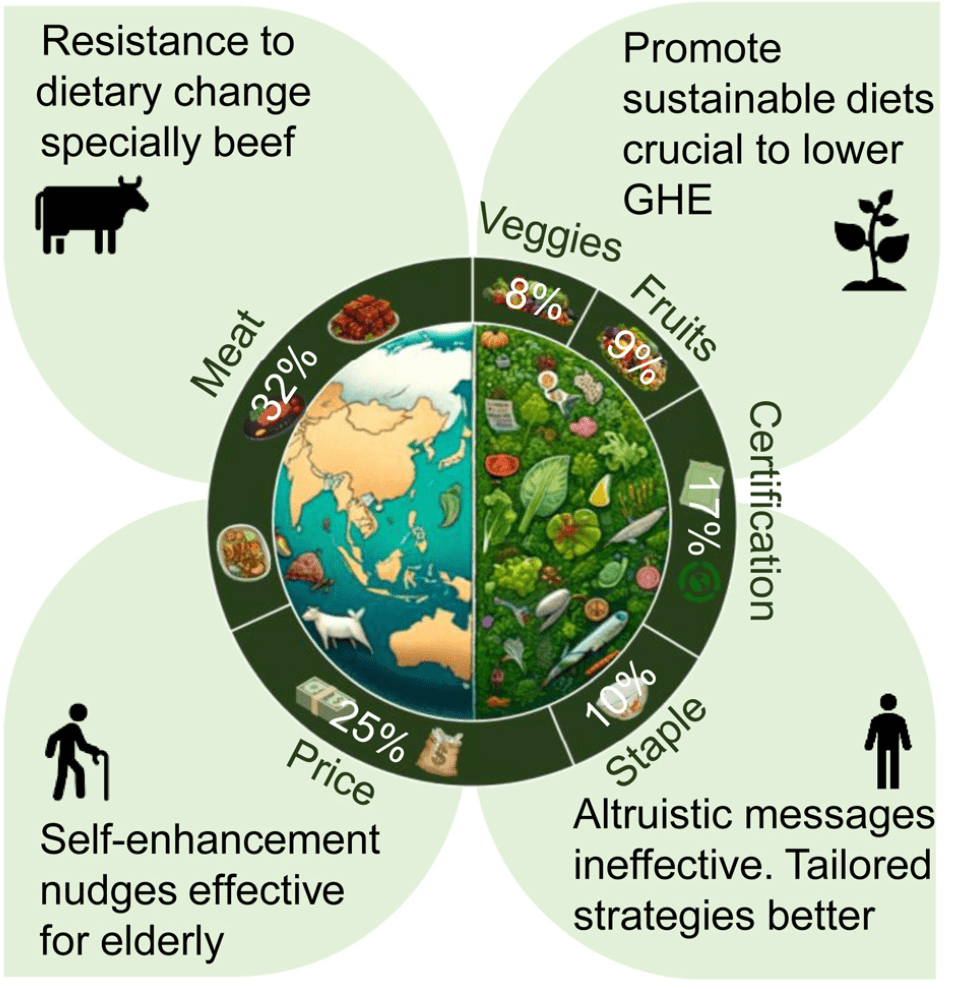
For a shift towards sustainability, especially in high-income countries, there is the need for reducing meat consumption. However, there is a discrepancy between these sustainability imperatives and consumer demands, both at the societal and individual levels. Many individuals intend to reduce meat consumption but often fail to do so, leading to cognitive dissonance when their dietary choices conflict with their beliefs or values.

The theory of moral disengagement is proposed as an explanation for why people continue to eat meat despite recognizing its negative consequences. Moral disengagement involves mental strategies that people use to justify or rationalize morally questionable actions, allowing them to disengage from the guilt associated with these actions. The article identifies eight mechanisms of moral disengagement employed by meat consumers:

  1. Moral Justifications: Framing meat consumption as serving a socially valuable purpose.
  2. Euphemistic Labelling: Using softer language to describe harmful behaviors.
  3. Advantageous Comparison: Comparing meat consumption with worse actions to make it appear less harmful.
  4. Displacement of Responsibility: Attributing responsibility to external factors or authorities.
  5. Diffusion of Responsibility: Sharing responsibility with a group to lessen individual accountability.
  6. Disregard or Distortion of Consequences: Ignoring or minimizing the harm caused.
  7. Dehumanization: Denying the sentience or feelings of animals.
  8. Attribution of Blame: Shifting blame onto the animals themselves.

These justifications help to soften feelings of guilt and reduce the motivation to decrease meat consumption. Research has found that meat eaters often deny or downplay the cognitive abilities of animals to ease their sense of guilt.

Additionally, they frequently justify meat consumption using the “4Ns”: describing it as natural, normal, necessary, or nice. Other justifications may involve appeals to religion, availability of meat, or personal freedom.

Moreover, the article notes a correlation between cultural ideals of masculinity, high meat consumption, and the tendency to utilize moral disengagement strategies. Understanding these cognitive processes can be crucial in developing more effective approaches to encourage reduced meat consumption and promote more sustainable dietary practices.

What do you think about the moral disengagement linked to meat consumption?

Thank you for reading! Please sign up for my blog crisbiecoach so you don’t miss out on any posts and also for Wise&Shine an incredible online magazine!

Rediscovering the Mediterranean Diet: A Call to Action for Italians

Once upon a time, the Mediterranean diet was hailed as a symbol of health and vitality. Its roots, entrenched in the sun-soaked lands of Italy and its neighboring Mediterranean countries, promised longevity, well-being, and a life free from the burden of chronic diseases. As Italians, we proudly wore this culinary badge, our tables graced with vibrant vegetables, golden olive oil, fresh fish, and just-harvested fruits. Yet, today, we face a shocking reality: child obesity rates in Italy are rising, overshadowing the benefits of our rich dietary heritage.

In recent years, convenience has become king, replacing tradition with quick meals and processed foods. Many Italian families, once advocates of home-cooked meals, now opt for pre-packaged, heavily marketed options that promise ease and speed. Fast food chains have made inroads into even the most quaint of our towns, tempting our young ones with meals that pack more calories and far less nutrition than a home-cooked pot of minestrone.

This shift in eating habits has consequences far beyond the plate. Childhood obesity not only affects physical health — leading to increased risks of diabetes, high blood pressure, and other ailments — but also impinges on mental and emotional well-being. A child struggling with weight issues may face societal stigma, reduced self-esteem, and a difficult path toward adopting healthy lifestyle habits later in life.

Yet, the solution is clear and simple. We need to return to the traditional Mediterranean diet, reviving the principles that have sustained our ancestors for generations. This isn’t just nostalgia or romanticism; scientific evidence supports the myriad benefits of this way of eating. Rich in plant-based foods, moderate in fish and poultry, and low in saturated fats, the Mediterranean diet offers a balanced, sustainable, and enjoyable path to health.

Let’s take actionable steps to reintegrate these practices:

  1. Prioritize Freshness: Make local farmers’ markets a weekend ritual. Choose seasonal produce, tasting and flavors of each season.
  2. Cook at Home: Savour the joy of home cooking. Reserve time for meal preparation, involving family members in cooking, a time-honored tradition that can be both educational and bonding.
  3. Educate the Young Ones: Schools and community centers can play a pivotal role by reintroducing children to traditional foods, teaching them about the benefits of a balanced diet in fun and engaging ways.
  4. Advocate for Policy Change: Encourage local governments and organizations to advocate for policies that promote the Mediterranean diet. This could include school programs, and campaigns to raise awareness.
  5. Mindful Eating: Practice mindful eating. Treasure each bite, savor flavors, and respect the foods that nourish our bodies.

In conclusion, the call to revive the Mediterranean diet in Italy is more than just an appeal for healthier eating; it’s a cultural awakening. By returning to our roots, we can address the growing concern of childhood obesity, ensuring our children and future generations enjoy the rich heritage and health benefits of the lifestyle we’ve rightly celebrated.

Thank you for reading! Please sign up for my blog crisbiecoach so you don’t miss out on any posts!

The Influence of Social Media on Body Image

I go a bit off my usual topic today, as the Social Media Victims Law Center contacted me to have their link of my website. I realised that social media has become an undeniable force in shaping how we perceive ourselves and others. While these platforms offer opportunities for self-expression and connection, they also come with a darker side: the impact on body image, especially among adolescents.

Therefore I think that a blog post to promote their guide would be better and they agreed with me.

In fact, the “Social Media & Body Image” guide sheds light on this pressing issue, exploring how social media perpetuates unrealistic beauty standards and provides strategies to foster healthier relationships with these platforms.

The Problem: Unrealistic Beauty Standards

Scrolling through social media often feels like stepping into a curated world where perfection is the norm. Filters, photo editing apps, and carefully staged posts create a version of reality that is nearly impossible to achieve. For adolescents—a group already navigating the complexities of self-discovery—this digital facade can amplify insecurities and contribute to negative self-esteem.

Research has shown that constant exposure to idealized images can lead to a phenomenon known as “comparison culture.” This occurs when individuals measure their worth against the highly curated lives of influencers, celebrities, and even peers. For teenagers, who are particularly vulnerable to external validation, this can result in a harmful cycle of self-doubt and dissatisfaction with their appearance.

The Emotional Toll

The emotional impact of this digital pressure is profound. Many adolescents report feeling inadequate or unattractive after spending time on social media. These feelings can manifest in various ways, from disordered eating and body dysmorphia to anxiety and depression. The guide by the Social Media Victims Law Center highlights these alarming trends, urging us to recognize the role that social platforms play in exacerbating these challenges.

Strategies for Promoting Positive Body Image

So, how can we navigate the digital world while fostering a healthier body image and accepting ourselves for what we are? The guide offers several practical strategies:

  1. Curate Your Feed – Take control of your social media experience by unfollowing accounts that promote unrealistic beauty standards. Instead, follow creators and communities that celebrate diversity, authenticity, and body positivity.
  2. Set Boundaries – Limit the time spent on social media to reduce overexposure to curated content. Establishing screen-free zones or specific times for digital detox can help create a healthier balance.
  3. Practice Self-Compassion – Remind yourself that social media is not an accurate representation of real life. Embrace your unique qualities and practice self-kindness when faced with negative thoughts about your body.
  4. Engage in Open Conversations – Encourage dialogue with friends and family about the pressures of social media. Sharing experiences can help normalize insecurities and provide mutual support.
  5. Seek Professional Help if Needed – If social media’s impact on body image becomes overwhelming, don’t hesitate to seek guidance from a therapist or counselor. Professional support can make a significant difference in managing self-esteem issues.

Supporting Adolescents

Parents, educators, and caregivers play a crucial role in helping adolescents build resilience against social media’s influence. Here are a few ways to provide support:

  • Model Healthy Behavior: Demonstrate a balanced relationship with social media in your own life.
  • Educate About Media Literacy: Teach young people how to critically evaluate the content they consume and recognize the use of filters and editing.
  • Create Safe Spaces for Dialogue: Offer a judgment-free environment where teens can discuss their concerns and challenges openly.

A Path Forward

Social media is not inherently harmful, but its impact on body image underscores the need for mindful engagement. By taking proactive steps to cultivate positive online experiences, we can mitigate its negative effects and empower individuals to embrace their true selves.

The “Social Media & Body Image” guide is a valuable resource for anyone looking to navigate these challenges with empathy and awareness. For more insights and strategies, read the full guide and don’t hesitate to get in touch with Social Media Victims Law Center.

Thank you for reading. You are welcome to visit my blog crisbiecoach and sign up of you like it!

The Vegan Foods You’re Already Eating Without Realizing It

Have you ever paused to consider that your diet might already include vegan foods, even if you’ve never intentionally sought them out? Many of us unknowingly enjoy foods that are free from animal products—a delightful discovery that shows how simple and accessible plant-based eating can be. As someone who has often marveled at the versatility of plant-based living, I invite you to explore the “accidentally vegan” foods hiding in plain sight. These unassuming items prove that embracing vegan options doesn’t have to mean giving up on taste or convenience.

Everyday Vegan Snacks:

Think about your favorite snacks. Did you know that Oreos, that iconic sandwich cookie, are vegan? Or that many brands of crisps, including salt and vinegar or ready salted varieties, contain no animal-derived ingredients? Pretzels, too, are often free of dairy or eggs, making them a perfect go-to option. As I explored the snack aisle one day, I realized that so much of what I already loved—and devoured—fit effortlessly into a plant-based lifestyle.

Breakfast Staples:

Breakfast is another area where accidentally vegan foods shine. Many cereals—those without added honey or dairy-based coatings—are vegan-friendly. Pair them with plant-based milk, and you’re off to a great start. Some spreads brands and peanut butter are naturally vegan, as are baked beans, a traditional breakfast staple for many. On busy mornings, I’ve often relied on these simple, satisfying options, marveling at how seamlessly they align with a vegan ethos.

Tasty Desserts:

You might think that desserts require cream, eggs, or butter to be delicious, but that’s not always the case. Sorbets, for example, are a refreshing treat that’s typically made without dairy. Many dark chocolates are accidentally vegan, as they skip the milk solids. And let’s not forget about biscuits—certain brands of digestives and ginger snaps are free from animal products. Realizing this, I began to look forward to indulging my sweet tooth without compromising my values.

Savory Surprises:

Moving beyond snacks and sweets, you’ll find that pasta, bread, and even some soups are often vegan. Many pasta recipes use only flour and water, while a surprising number of breads skip milk or butter. Some barbecue and sweet chili sauces are also plant-based, adding flavor without fuss.

Hidden Gems from Around the World:

The variety of accidentally vegan foods also extends across cultures. In some countries, you might stumble upon animal-free pita breads, rice crackers, or tofu-based snacks. It’s fascinating to see how different cuisines naturally incorporate vegan options, offering a global perspective on plant-based eating.

Tips for Spotting Vegan Foods:

How can you identify accidentally vegan products? It’s simpler than you might think. Start by checking ingredient labels for hidden animal products like whey, gelatin, or casein. Look for certifications such as the vegan trademark, which provides clarity and confidence. Over time, this practice becomes second nature, turning shopping trips into opportunities for discovery.

Why This Matters:

Understanding the abundance of vegan options available—even accidentally so—highlights how accessible plant-based eating can be. It’s not about reinventing your pantry or abandoning the foods you love. Instead, it’s about buying what is already available and grasping them with intention. For me, this realization has been liberating, proving that small changes can have a significant impact on both personal health and the planet.

Conclusion:

The next time you’re at the grocery store or rummaging through your cupboards, take a moment to see what’s accidentally vegan. You might be surprised by the options you uncover. From snacks to savory staples, the world of plant-based eating is far more inclusive than it seems.

So why not start exploring today? You’re likely closer to a vegan-friendly diet than you think—and the journey begins with foods you already know and love.

Thank you for reading! Please sign up for my blog crisbiecoach so you don’t miss out on any posts and also for Wise&Shine an incredible online magazine!

Boost Your Emotional Well-Being with Plant Foods: a Study

With all the challenges we are facing nowadays, maintaining good mental health is more important than ever. I just received a study from the Helsinki Health Study that shed light on how our diet, particularly the consumption of plant foods, can significantly impact our emotional well-being.

The Power of Plant Foods

The study, conducted among 19–39-year-old employees in Helsinki, Finland, found that eating a variety of plant foods like fruits, vegetables, berries, and whole grains is associated with better emotional well-being. Participants who consumed these foods daily reported higher levels of happiness and lower levels of stress and anxiety.

Why Plant Foods Matter

Plant foods are packed with essential nutrients, vitamins, and antioxidants that support overall health. They help reduce inflammation, improve gut health, and provide a steady source of energy. These benefits are not just physical; they also extend to our mental health. For instance, the study found that fresh vegetables had the strongest positive impact on emotional well-being for both men and women.

Simple Steps to Improve Your Diet

Incorporating more plant foods into your diet doesn’t have to be complicated. Here are some easy tips to get started:

  1. Add More Veggies: Include a variety of fresh and cooked vegetables in your meals. Aim for at least one serving with each meal.
  2. Snack on Fruits and Berries: Keep fruits and berries handy for a quick, nutritious snack.
  3. Choose Whole Grains: Opt for whole-grain bread, pasta, and rice instead of refined grains.
  4. Experiment with Plant-Based Recipes: Try new recipes that focus on plant-based ingredients to keep your meals exciting and flavorful.
  5. Stay Consistent: Make plant foods a regular part of your diet to reap the long-term benefits for your emotional well-being.

Conclusion

The findings from the Helsinki Health Study highlight the importance of a plant-based diet for maintaining good mental health. By making simple changes to include more plant foods in your daily routine, you can enhance your emotional well-being and lead a happier, healthier life.

What do you think about starting a new diet incorporating more plant-based food?

Thank you for reading! Please sign up for my blog crisbiecoach so you don’t miss out on any posts!

Is Food Addictive? The Impact of the Food Industry on Our Health

Maintaining a healthy diet is a challenge many of us face daily. But what if some of our food choices are beyond our control? Could food be as addictive as drugs or alcohol? Pulitzer Prize-winning investigative reporter Michael Moss explores these questions in his book Hooked. I recently read this book, and these are my takeaways.

The Addictive Nature of Food

Moss delves into the latest research on addiction, revealing that food can be even more addictive than alcohol, cigarettes, and drugs. Our bodies are naturally wired to crave sweets, and food manufacturers exploit this by adding various types of sugar to their products. This creates an expectation that everything we eat should be sweet. Studies have shown that certain foods, especially those high in sugar, fat, and salt, can trigger the release of dopamine in the brain, similar to the effects of addictive drugs [1][2]. This biochemical response can lead to cravings and compulsive eating behaviors.

The Role of the Food Industry

The processed food industry, including giants like Nestlé, Mars, and Kellogg’s, has not only ignored but also exploited the addictive nature of its products. In response to dieting trends, these companies have introduced “diet” foods that are often just as unhealthy as the original products. As obesity rates rise, manufacturers claim to add ingredients that can effortlessly curb our compulsive eating habits. However, these claims are often misleading. The industry uses strategic marketing, product engineering, and internal practices to drive consumer habits and health issues [3][4]. For example, the “bliss point” concept creates the perfect combination of sugar, fat, and salt to maximize palatability and consumption [3].

The Impact on Public Health

Moss’s Hooked provides a gripping account of the legal battles, insidious marketing campaigns, and cutting-edge food science that have led to our current public health crisis. The book highlights how the food industry deepens our addictions and why our food choices have never been more critical. The public health implications are significant, as food addiction can contribute to obesity, diabetes, heart disease, and other chronic conditions [5][6]. Understanding the addictive nature of food and the food industry’s role in exploiting our vulnerabilities is crucial. As we become more aware of these issues, we can make better-informed decisions about what we eat and push for greater transparency and accountability from food manufacturers.

Conclusion

Recognizing the addictive nature of certain foods and the tactics used by the food industry to exploit these cravings is essential for making healthier choices. By staying informed and advocating for better food policies, we can work towards a healthier future for ourselves and our communities.

It’s a choice you can make!

Thank you for reading! Please sign up for my blog crisbiecoach so you don’t miss out on any posts and also for Wise&Shine an incredible online magazine!


References

[1] The 18 Most Addictive Foods (and the 17 Least Addictive) – Healthline

[2] Why Are Certain Foods so Addictive? – Cleveland Clinic Health Essentials

[3] Episode: The Role of the Food Industry in Creating Food Addiction l …

[4] Episode: The Role of the Food Industry in Creating Food Addiction l …

[5] Can food be addictive? Public health and policy implications

[6] The Impact of Food Addiction on Food Policy – PEACH Lab