
Natale, cibo e senso di colpa: riflessioni per iniziare l’anno con serenità

Natale è un momento speciale, un periodo dell’anno che celebra la convivialità e il calore delle tradizioni. Intorno alla tavola si intrecciano storie, risate e ricordi, e il cibo diventa protagonista, accompagnando con i suoi sapori i momenti più autentici di condivisione. Ma cosa accade quando, al termine delle festività, ci guardiamo allo specchio o ricordiamo i tanti brindisi e piatti gustati? Per molti, arriva il senso di colpa: “Ho mangiato troppo, devo mettermi a dieta.” Questo pensiero diventa quasi un mantra collettivo.

Se da un lato è vero che durante le feste si tende a mangiare di più, è altrettanto importante evitare di trasformare questa consapevolezza in un motivo per rovinare il nostro rapporto con il cibo. Vivere il Natale con serenità significa accettare che qualche eccesso fa parte della celebrazione. Un dolce in più, una porzione abbondante di pasta al forno o qualche bicchiere di spumante non sono peccati mortali. Al contrario, sono gesti che ci connettono alla gioia della condivisione e al significato più profondo delle feste.

Il senso di colpa: da dove nasce?

Il senso di colpa legato al cibo è spesso alimentato dai media. Al termine delle festività siamo sommersi da pubblicità che promuovono prodotti dimagranti, diete drastiche e programmi “miracolosi” per ritrovare la forma perfetta. Questo allarmismo sfrutta il nostro desiderio di “rimediare” agli eccessi, spingendoci a pensare che l’unica soluzione sia privarci di cibo o seguire regimi alimentari non adatti ai nostri bisogni individuali.

Ma questi messaggi sono fuorvianti. Il nostro corpo è molto più resiliente di quanto immaginiamo, e un breve periodo di alimentazione più ricca non compromette la salute a lungo termine. Ciò che conta davvero è il nostro stile di vita complessivo: mangiare in modo equilibrato e regolare durante l’anno, ascoltando i bisogni del nostro corpo e rispettandolo.

Riscoprire un rapporto sano con il cibo

Le festività natalizie dovrebbero essere un momento di celebrazione, non una fonte di stress. Ecco alcune riflessioni per vivere il periodo post-natalizio con più serenità:

  1. Accettare gli eccessi come parte della festa: Natale è un breve periodo dell’anno. Un paio di settimane di piatti ricchi e dolci tradizionali non definiscono il nostro stato di salute complessivo.
  2. Evitare di cadere nelle trappole mediatiche: Diffidiamo delle diete restrittive e dei prodotti dimagranti pubblicizzati come soluzioni rapide. La salute non si costruisce con estremi, ma con scelte consapevoli e sostenibili.
  3. Riprendere le abitudini senza sensi di colpa: Dopo le feste, torniamo a un’alimentazione bilanciata con serenità. Non servono punizioni o digiuni, ma semplicemente riprendere il ritmo quotidiano.
  4. Riflettere sul valore del cibo: Il cibo è cultura, tradizione e piacere. Ridurlo a un semplice calcolo calorico sminuisce il suo significato più profondo. Durante il Natale, è giusto apprezzarlo in tutte le sue forme.

Un nuovo approccio per l’anno nuovo

Invece di iniziare il nuovo anno con l’ossessione di “rimediare”, possiamo focalizzarci su obiettivi più positivi e sostenibili: esplorare nuovi ingredienti, sperimentare ricette sane e gustose, praticare attività fisiche che ci piacciono e, soprattutto, coltivare un rapporto più gentile e amorevole con noi stessi.

Ricordiamoci che il Natale è un momento di condivisione. Accogliamo i brindisi e i piatti con gratitudine, senza lasciare spazio al senso di colpa. Dopotutto, la bellezza delle feste sta proprio nel celebrare la vita con chi amiamo, e il cibo è parte integrante di questa celebrazione. Tornare in forma è un percorso naturale e graduale, che non necessita di estremismi ma solo di equilibrio.

E allora, ricordiamoci i sapori e i sorrisi di questo Natale appena trascorso. Non è forse questa la vera essenza delle feste? Facciamone tesoro, e lasciamo andare il resto.

Grazie per aver letto questo articolo. Se ti é piaciuto, perché non ti iscrivi al mio blog?

Join the Veganuary Challenge and Kick-off the Year with Kindness

As the calendar flips to a new year, would you consider joining millions of people around the world on a journey to a kinder living? One of the most transformative and inspiring initiatives leading this charge is Veganuary – a global movement that invites individuals to try vegan for the month of January and beyond.

Veganuary, with over a million participants from diverse backgrounds and dietary preferences, is not just for hardcore vegans but it’s also for anyone curious about the benefits of plant-based living.

After one month of a plant-based diet, many participants from previous years have chosen to stay vegan, while others have significantly reduced their consumption of animal products – a testament to the initiative’s lasting impact.

Why Consider Veganuary?

  1. Health Benefits: Adopting a plant-based diet can lead to numerous health improvements, including better heart health, weight management, and increased energy levels. Many participants report feeling more vibrant and healthier after just a month of plant-based eating.
  2. Environmental Impact: Animal agriculture is a significant contributor to environmental issues such as deforestation, greenhouse gas emissions, and water pollution. By choosing plant-based foods, you can reduce your carbon footprint and contribute to a more sustainable planet.
  3. Animal Welfare: For those concerned about animal rights, reducing or eliminating animal products from your diet is a powerful way to take a stand against animal cruelty and support more humane food systems.

Overcoming Doubts

It’s natural to have reservations about making dietary changes. Here are some common concerns and how to address them:

  • “I don’t know what to cook.” You can find some ideas in one of my previous post on simple meals. In addition, the Internet, YouTube and many Instagram influencers offer a wealth of resources, including meal plans, and recipes. On the Veganuary website you can download a celebrity cookbook to make your culinary journey enjoyable and straightforward. In you prefer books, go to your favourite bookshop and you will find ideas and inspirations there.
  • “I’m worried about missing out on nutrients.” The Veganuary website provides nutrition tips to ensure you maintain a balanced and healthy diet throughout the challenge.
  • “I don’t want to do it alone.” By joining Veganuary, you become part of a global community. You’ll receive daily coaching emails and can connect with others taking the pledge, offering mutual support and encouragement.

Take the Leap

The Veganuary challenge is not about perfection but about making a positive change, no matter how small. Even if you decide not to continue a fully plant-based eating style after January, the experience can provide valuable insights into your habits and the impact of your choices.

Ready to give it a try? Sign up at the official Veganuary website and access all the tools and support you need to make January 2025 a month of health, compassion, and positive change. Join me and thousands of others in taking the Veganuary challenge!

I wish you a happier and kinder 2025!

Photo by Jill Wellington on Pexels.com

The Hidden Language of Food Labels: Decoding What We Eat

Have you ever stood in the grocery aisle, staring at a food label, and felt overwhelmed by the long list of ingredients and numbers? You’re not alone. For many of us, the complexity of food labels is like deciphering a foreign language, filled with percentages, acronyms, and words we can barely pronounce. Yet, learning to read these labels is essential for informed eating and maintaining a balanced diet.

The Day It All Clicked

I remember the moment I realized the power of understanding food labels. It was during a visit to a friend who is a nutritionist. As we prepared dinner, she held up a box of granola and asked me to guess how many servings were in it. “Three?” I guessed confidently. She smiled and pointed to the label: six servings. The granola I’d been piling into my bowl each morning was simply too much, and I didn’t know.

That day was a turning point. I realized that food labels were not just there for compliance or decoration, they were tools for empowerment. However, using them requires knowledge and practice.


Decoding Food Labels: The Essentials

Food labels provide a wealth of information, but understanding them requires a focus on key areas:

  1. The Serving Size Trap
    At the top of every label is the serving size, often misleading. A single package of chips may contain three servings, even though it’s easy to eat the whole thing in one sitting. This small line of text can dramatically alter your perception of the calories, sugar, and fats consumed.
  2. Ingredients: The Truth in Order
    The ingredient list is like a story, arranged by weight. The first few ingredients often tell you everything you need to know. If sugar (in any form) is listed early, it’s a red flag. Yet, sugar can disguise itself under dozens of names: fructose, malt syrup, or sucrose, to name a few. Learning to spot these aliases can make a big difference.
  3. Percent Daily Values (%DV)
    These percentages are based on a 2,000-calorie diet and guide how a serving contributes to your daily intake. For example, 20% or more sodium means the product is high in salt, while 5% or less is considered low. Adjusting these numbers to your own caloric needs ensures you stay within a healthy range.
  4. Supplement Facts
    Supplement labels include active ingredients like vitamins and minerals but also “other ingredients” such as fillers or binders. The serving size is equally critical, especially since overconsumption can sometimes do more harm than good.

Portion Control: The Unsung Hero of Healthy Eating

Understanding portions is just as important as decoding labels. The challenge lies in the gap between what’s listed and what we eat. Even with the best intentions, it’s easy to pour an extra half-cup of cereal or grab an oversized handful of nuts.

Here are a few strategies I’ve found helpful:

  • Visual Comparisons: Use your hand as a guide, your fist equals about one cup, your palm roughly 85 grams (about 3 ounces).
  • Invest in Tools: Kitchen scales and measuring cups may seem old-fashioned, but they’re invaluable for building portioning habits.
  • Practice the Plate Method: Half your plate for vegetables, a quarter for protein, and a quarter for whole grains. It’s a visual shortcut that keeps balance in check.

Overcoming Common Obstacles

Through trial and error, I’ve identified three key pitfalls to avoid:

  1. Portion Distortion: Packaged foods often depict serving sizes that are smaller than what we’re accustomed to eating. Without realizing it, we can double or triple our intake.
  2. Unclear Labels: Terms like “natural flavorings” and “spices” can obscure allergens or additives.
  3. Mindless Eating: Without mindfulness, even the healthiest snack can become an overindulgence.

Reflecting on the Journey

Learning to decode food labels and master portions is an ongoing process. It requires patience, curiosity, and a willingness to challenge long-held habits. I’ve learned to approach every food label as an opportunity—not just to eat better, but to understand what I’m putting into my body. The more I learn, the more empowered I feel to make choices that align with my health and values. And the better I feel.

The next time you’re in the grocery aisle, take a moment to truly read a label (maybe with the help of a magnifier or just take a picture and then enlarge it). Look beyond the marketing claims on the front and dig into the details on the back. It’s not just about numbers, it’s about knowledge, control, and ultimately, your well-being.


Final Thoughts

By understanding food labels and practicing portion control, you can shift from passive consumers to informed decision-makers. The journey may be challenging at first, but like any skill, it becomes second nature with time. So, grab that granola box and let the learning begin, because every small step counts towards a healthier, more mindful you.

Are you ready to start this reflecting journey?

Thank you for reading! Please sign up for my blog crisbiecoach so you don’t miss out on any posts and also for Wise&Shine an incredible online magazine!

Why Sustainable Eating Matters

Eating sustainably isn’t just a buzzword—it’s a powerful way to care for both your health and the planet. Every bite we take impacts more than just our bodies; it shapes ecosystems, influences climate change, and affects global food security. Choosing sustainable foods means prioritizing local, seasonal, and minimally processed options that respect natural resources and reduce waste.

A sustainable approach to eating supports farming practices that protect biodiversity and soil health, reduce greenhouse gas emissions, and ensure fair treatment of workers. At the same time, it’s a path to better health, as these choices often emphasize nutrient-dense, whole foods over heavily processed ones. Sustainable eating is about balance: nourishing yourself while contributing to a healthier world for future generations. It’s a small act with a big impact, proof that our daily choices truly matter.

Let’s see why it matters.

Buy Seasonal and Local Foods

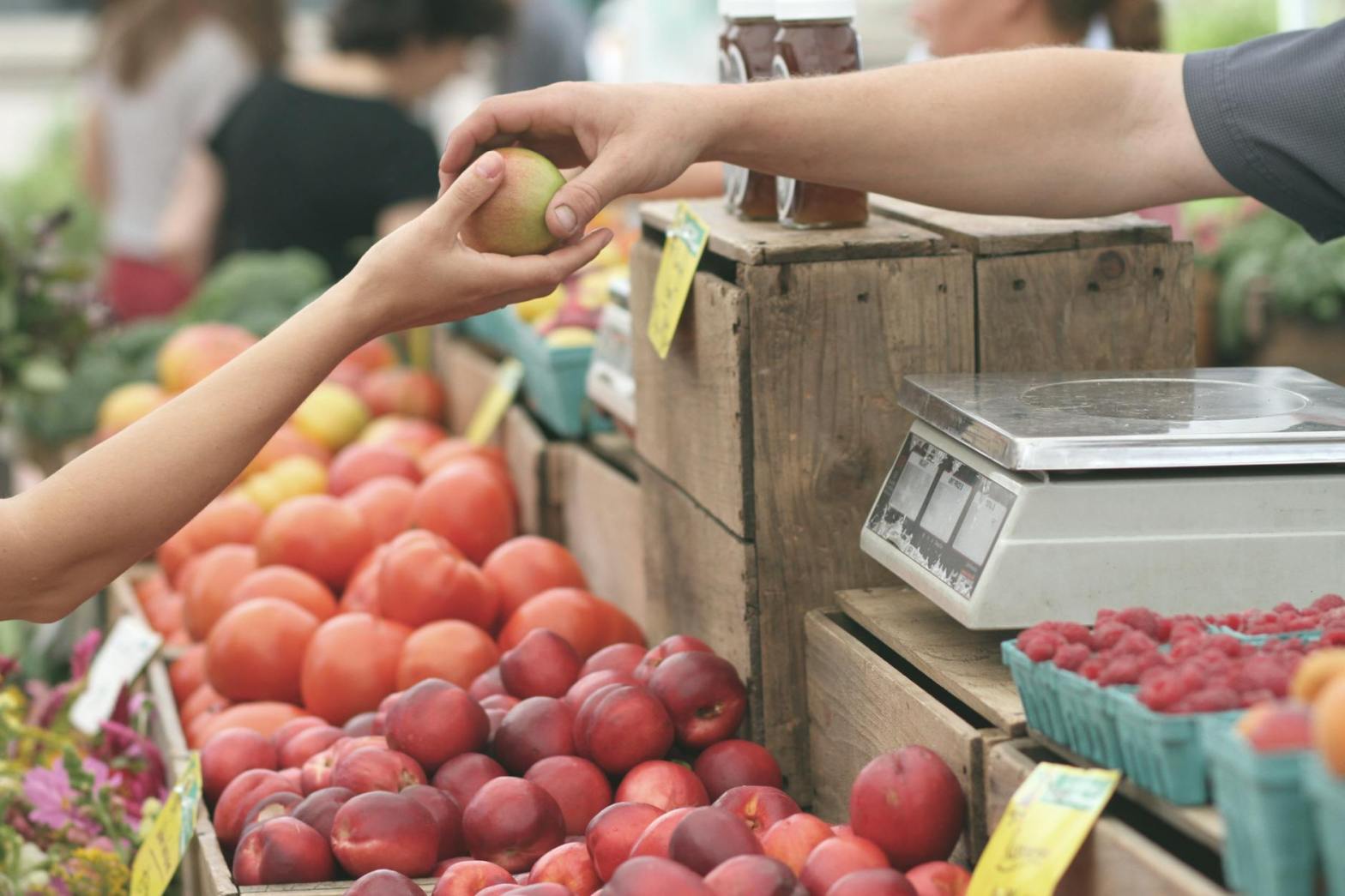
Why it matters: Seasonal produce is harvested at its peak, meaning it’s fresher and more nutritious. It also has a lower environmental footprint because it doesn’t require energy-intensive storage and locally bought food doesn’t travel long-distance, which reduces greenhouse gas emissions.

Prioritize Plant-Based Proteins

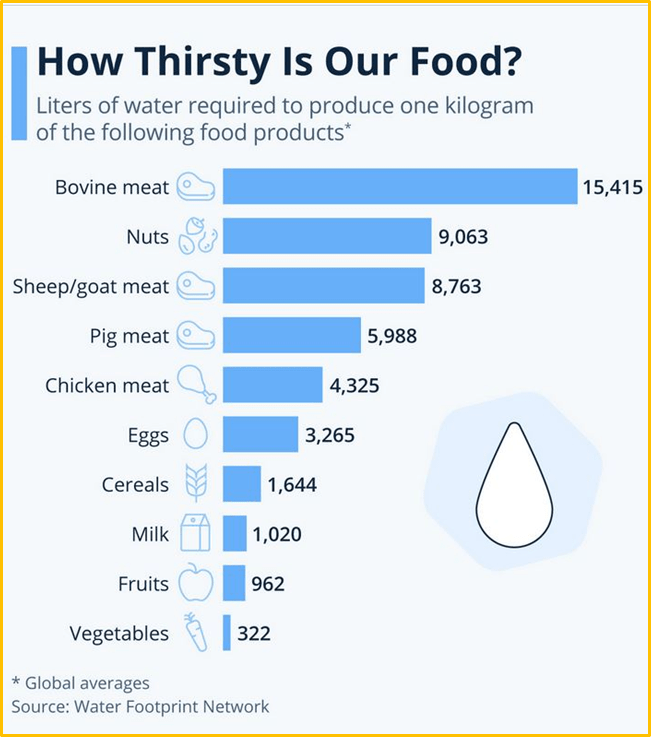
Why it matters: Producing plant-based proteins like lentils, beans, and tofu requires significantly fewer resources—such as water and land—than meat and dairy. This reduction in resource use helps lower greenhouse gas emissions and conserve biodiversity.

Reduce Food Waste

Why it matters: Food waste is a major contributor to greenhouse gas emissions. When food is wasted, all the resources used to produce, transport, and store it are also wasted. Reducing food waste helps conserve these resources and decreases methane emissions from landfills.

Opt for Whole Foods Over Processed Foods

Why it matters: Whole foods are less processed, retain more nutrients, and require less energy to produce. Additionally, they generate less packaging waste, which reduces environmental pollution.

Support Sustainable Seafood Choices

Why it matters: Overfishing and unsustainable fishing practices can deplete fish populations and damage marine ecosystems. Choosing sustainably sourced seafood helps protect these ecosystems and ensures that fish populations remain healthy for future generations. Moreover, you would avoid the economic decline of coastal communities reliant on fisheries.

Buy in Bulk Where Possible

Why it matters: Buying in bulk reduces the amount of packaging waste, which often ends up in landfills or as litter in the environment. It also tends to be more cost-effective, allowing you to save money while reducing your environmental impact.

Minimize Ultra-Processed Foods

Why it matters: Ultra-processed foods are often high in unhealthy fats, sugars, and salt, and their production is energy-intensive, contributing to higher greenhouse gas emissions. By choosing minimally processed foods, you support a healthier diet and a more sustainable food system.

Cook at Home More Often

Why it matters: Cooking at home gives you control over the ingredients and portion sizes, which can lead to healthier eating habits. It also reduces the need for takeout and packaged meals, which often come with excess packaging and food waste.

Rethink Portion Sizes

Why it matters: Overeating not only affects your health but also increases the demand for food production, which can strain natural resources. By serving smaller portions and eating mindfully, you can reduce food waste and promote a more sustainable food system.

Grow Your Own Food

Why it matters: Growing your own food reduces your reliance on store-bought produce, which often involves long supply chains and significant carbon footprints. It also allows you to enjoy fresh, organic produce right from your garden or balcony.

Be Informed About Certifications

Why it matters: Certifications like organic, Fair Trade and Rainforest Alliance indicate that products are produced using more sustainable and ethical practices. Supporting these products helps promote better environmental and social standards in the food industry.

Hydrate Wisely

Why it matters: Bottled water generates significant plastic waste and requires a lot of energy to produce and transport. Using a reusable water bottle and filtering tap water reduces plastic waste and conserves resources.


By understanding the reasons behind these recommendations, you can make more informed choices that benefit both your health and the environment. Knowing why it’s important to reduce plastic use can motivate you to opt for reusable bags and containers. Similarly, understanding the impact of a plant-based diet on both personal health and environmental sustainability can encourage you to incorporate more plant-based meals into your diet. This knowledge empowers you to make decisions that are not only good for you but also for the planet.

Feel free to ask me any questions, and don’t hesitate to comment in the box below.

Thank you for reading! Please sign up for my blog crisbiecoach so you don’t miss out on any posts!

Simple Meal Plans for a Balanced and Sustainable Diet

You may have noticed that the most recent blog posts are about nutrition and related topics. I’ve decided to transform my website into a reliable resource for nutrition, aiming to help others navigate their health journeys with informed choices and support. Why? A challenging chapter in my life ignited a deeper curiosity about how our bodies react to what we eat and our environments. In the summer of 2023, I had hives, that were solved by medications, self-hypnosis, and more recently with a diet. This path made me realize the critical role of nutrition and holistic well-being in managing autoimmune conditions.

Today, I would like to share some meal ideas that are rich in nutrients, environmentally friendly, and easy to prepare. Each option highlights whole foods, plant-forward choices, and portion mindfulness.

Breakfast Ideas

  1. Oats with Berries and Seeds
    • Ingredients: Rolled oats, unsweetened almond milk, chia seeds, a handful of mixed berries, and a drizzle of honey.
    • Why it’s great: Rich in fiber, antioxidants, and omega-3s, this meal supports heart health and energy levels while reducing reliance on processed breakfast options.
  2. Avocado Toast with a Twist
    • Ingredients: Whole-grain bread, smashed avocado, a sprinkle of nutritional yeast, and cherry tomatoes. Add an optional poached egg.
    • Why it’s great: Packed with healthy fats, fiber, and protein, this meal keeps you full and energized.
  3. Plant-Based Smoothie Bowl
    • Ingredients: Frozen banana, spinach, unsweetened coconut milk, and a scoop of plant-based protein powder. Top with granola and fresh fruit.
    • Why it’s great: Combines fruits and greens for a nutrient-packed, low-impact meal.

Lunch Ideas

  1. Quinoa and Chickpea Salad
    • Ingredients: Quinoa, canned chickpeas, diced cucumber, cherry tomatoes, parsley, olive oil, lemon juice, and a pinch of salt.
    • Why it’s great: High in plant-based protein and fiber, this refreshing salad is filling and sustainable.
  2. Lentil and Sweet Potato Stew
    • Ingredients: Green lentils, diced sweet potatoes, spinach, vegetable broth, garlic, onion, and smoked paprika.
    • Why it’s great: A comforting one-pot meal loaded with vitamins, iron, and plant protein.
  3. Whole-grain Wrap with Hummus and Veggies
    • Ingredients: Whole-grain tortilla, hummus, shredded carrots, spinach, and roasted red peppers.
    • Why it’s great: This quick, no-cook lunch provides a good mix of fiber and nutrients.

Dinner Ideas

  1. Vegetable Stir-Fry with Tofu
    • Ingredients: Firm tofu, broccoli, snap peas, bell peppers, sesame oil, soy sauce, ginger, and garlic. Serve with brown rice.
    • Why it’s great: Combines plant-based protein with colorful, nutrient-dense veggies for a satisfying meal.
  2. Baked Sardines with Roasted Veggies
    • Ingredients: Sardines, asparagus, zucchini, olive oil, and lemon slices.
    • Why it’s great: A great source of omega-3 fatty acids and vitamins.
  3. Stuffed Bell Peppers
    • Ingredients: Bell peppers, cooked quinoa, black beans, corn, diced tomatoes, and spices like cumin and chili powder.
    • Why it’s great: A high-protein, plant-forward dish that’s hearty and packed with nutrients.

Snacks and Sides

  1. Trail Mix
    • Ingredients: Almonds, walnuts, sunflower seeds, and a handful of dried fruit.
    • Why it’s great: Easy to pack and full of healthy fats, fiber, and natural sweetness.
  2. Veggie Sticks with Guacamole or Hummus
    • Ingredients: Carrot, cucumber, and celery sticks with your choice of dip.
    • Why it’s great: A fresh, crunchy option that satisfies hunger without empty calories.
  3. Roasted Chickpeas
    • Ingredients: Canned chickpeas, olive oil, and spices like paprika or garlic powder.
    • Why it’s great: A crunchy, protein-packed alternative to chips.

Tips for Sustainability in the Kitchen

  • Plan ahead: Meal prepping reduces food waste and ensures healthier choices during busy days.
  • Buy seasonal produce: Locally grown fruits and vegetables are fresher and have a lower carbon footprint.
  • Compost scraps: Turn vegetable peels and other food waste into nutrient-rich compost for plants.
  • Choose reusable containers: Opt for glass or stainless steel for meal storage.

Are you ready to switch to a source of sustainable ingredients?

Thank you for reading! Please sign up for my blog crisbiecoach so you don’t miss out on any posts!

Modern Life and Obesity: Balanced Health Choices

Human life has transformed dramatically in the last century. We’ve moved from agrarian societies, where physical labor and homegrown food were central to existence, to urban environments dominated by convenience, speed, and processed meals. Along the way, our diets and lifestyles have shifted in ways that have quietly but powerfully contributed to the modern epidemics of overweight and obesity.

The Social and Cultural Shifts Behind the Crisis

Picture life a few decades ago: meals cooked from scratch, family dinners without distractions, and a pace of life that allowed time to prepare, eat, and enjoy food. Now, compare that to today’s way of eating. We rush through meals, rely on takeout, and often consume food in front of screens. These cultural shifts, coupled with the marketing of calorie-dense, nutrient-poor foods, have rewired our relationship with eating.

Portion sizes have ballooned, and processed foods‘ affordability often outweighs the fresh produce cost. Moreover, technological advancements have reduced the physical effort required in daily life, leaving us more sedentary than ever. Together, these factors create a perfect storm for rising obesity rates.

The Role of Nutrients in Our Diets

To understand how to support your health, we must first unpack the essential nutrients in our foods and their roles:

  • Carbohydrates provide energy, but not all carbs are equal. Refined carbs like white bread and sugary snacks spike blood sugar levels, while complex carbs found in whole grains and vegetables release energy slowly, sustaining us throughout the day.
  • Proteins are the building blocks of life, repairing tissues and supporting muscle growth. Lean sources like beans, lentils, eggs, offer high nutritional value with minimal environmental impact.
  • Fats are essential for brain health and energy, yet there’s a big difference between healthy fats from nuts, avocados, and olive oil, and harmful trans fats found in fried and processed foods.
  • Vitamins and minerals support countless bodily functions, from immune defense to bone health. Consuming a colorful variety of fruits and vegetables ensures we get a spectrum of these critical nutrients.

Choosing Wisely Without Harming the Planet

Our food choices influence not only our health but also the health of the planet. Animal agriculture, for instance, is a leading contributor to greenhouse gas emissions. We can lighten our environmental footprint by choosing plant-based proteins, reducing meat consumption, and opting for sustainably sourced seafood.

Consider these actionable strategies:

  • Prioritize whole foods: Fresh, unprocessed foods retain their nutrients and avoid the hidden sugars, sodium, and unhealthy fats lurking in packaged meals.
  • Diversify your plate: A mix of grains, legumes, vegetables, and fruits not only supports health but reduces reliance on resource-intensive food sources.
  • Practice portion mindfulness: The principle of eating until you’re satisfied, not full, aligns with many traditional eating cultures and can help combat overconsumption.

Reflecting on the Path Forward

The battle against obesity isn’t won with diets or quick fixes. It requires a collective reevaluation of how we view food, not just as fuel but as a cultural and environmental keystone. By choosing foods rich in nutrients and grown sustainably, we honor our bodies and the earth.

Slow down to reconnect with food, it can be transformative. Cooking a simple, balanced meal, savoring each bite, and sharing it with loved ones remind us of the joys and health that food brings.

Are you ready to rewrite your relationship with food, one thoughtful, sustainable choice at a time?

Thank you for reading! Please sign up for my blog crisbiecoach so you don’t miss out on any posts!

What Does It Mean to Be a Sustainable Eater?

In a time when environmental and health issues are increasingly intertwined, sustainable eating has become a vital, personal way to support the planet’s future. According to the World Health Organization (WHO), sustainable eating extends beyond choosing foods for personal well-being. It’s about embracing food choices that also contribute to environmental health, social equity, and economic viability. But what does sustainable eating truly mean, and how do our choices impact both our bodies and our planet?

Key Principles of Sustainable Eating

The WHO’s guiding principles on sustainable eating emphasize a balance that considers health, environmental impact, and socio-economic factors. Here are some foundational principles to keep in mind:

  1. Prioritizing Plant-Based Foods
    A diet rich in fruits, vegetables, whole grains, nuts, and seeds is the cornerstone of sustainable eating. Plant-based diets generally require fewer natural resources than diets high in animal products, resulting in reduced greenhouse gas emissions, land use, and water consumption. By making plants the primary focus, we align our food habits with a lower environmental footprint.
  2. Emphasizing Variety and Local Sources
    Choosing seasonal, local produce supports biodiversity and reduces the carbon footprint associated with long-distance food transportation. The WHO suggests eating a variety of foods to maintain nutritional balance and avoid over-reliance on specific crops, which can degrade ecosystems over time. This approach not only promotes a healthy diet but also strengthens local economies and food systems.
  3. Minimizing Processed Foods and Waste
    Processed foods are often associated with higher energy consumption during production and packaging. A sustainable eater is mindful of food waste and aims to consume fresh, whole foods wherever possible. By reducing waste and prioritizing fresh ingredients, we lessen our environmental impact and conserve valuable resources.
  4. Opting for Responsibly-Sourced Protein
    Protein choice is a significant factor in sustainable eating. Animal-based proteins, especially red meat, have a considerable environmental impact. Sustainable eaters are encouraged to shift to plant-based proteins, such as legumes, tofu, and nuts, or to sustainably sourced fish and poultry if preferred. This balance can help reduce the environmental burden of meat production, from water usage to deforestation.

How Our Choices Shape Our Health and the Planet’s Health

Sustainable eating is a two-way relationship: the foods we consume shape our well-being while influencing the environment around us. Choosing nutrient-dense, plant-based foods doesn’t just help lower our risk of chronic illnesses like heart disease, obesity, and diabetes—it also aids in reducing pollution, preserving natural habitats, and promoting biodiversity. By aligning our diets with what is sustainable for the planet, we also consume foods that better support our health.

For example, fruits and vegetables are typically rich in fiber, vitamins, and minerals essential for overall health. And because plant-based diets tend to be lower in saturated fats than meat-heavy diets, they are associated with reduced rates of cardiovascular disease. So, a sustainable diet isn’t merely about minimizing environmental damage; it also has the potential to enhance our personal wellness.

Why Protein is Central to the Sustainable Eating Debate

Protein production, particularly animal-based protein, lies at the heart of the sustainability discussion. Livestock farming accounts for significant greenhouse gas emissions and requires extensive land, water, and feed. Conversely, plant-based proteins such as lentils, chickpeas, and beans require fewer resources and contribute less to carbon emissions. This distinction has spurred many to rethink traditional protein sources, encouraging a shift toward plant-based options.

However, sustainable protein choices aren’t limited to plants. For those who eat meat, opting for smaller portions, choosing sustainably sourced fish, or incorporating plant-based protein alternatives can reduce their carbon footprint while providing essential nutrients. It’s about balance and thoughtful selection rather than cutting out animal protein altogether.

Embracing the Role of the Sustainable Eater

Becoming a sustainable eater involves small, mindful changes that accumulate into meaningful impacts. Choosing locally-sourced produce, reducing meat consumption, and minimizing food waste can all contribute to a more sustainable world. Each choice we make resonates beyond our individual health, influencing the health of ecosystems, animals, and communities around the globe.

Sustainable eating isn’t simply a trend; it’s a thoughtful response to the urgent challenges of our era. By adopting WHO’s principles, we empower ourselves to contribute positively to the planet while nourishing our own health.

Remember: the choices we make truly matter.

What do you think about a plant-based diet? Are you ready to switch?

Thank you for reading! Please sign up for my blog crisbiecoach so you don’t miss out on any posts and also for Wise&Shine an incredible online magazine!

Cosa significa mangiare in modo sostenibile

Oggi piú che mai le questioni ambientali e di salute sono sempre più intrecciate, e l’alimentazione sostenibile è diventata un modo essenziale e personale per sostenere il futuro del pianeta. Secondo l’Organizzazione Mondiale della Sanità (OMS), l’alimentazione sostenibile va oltre la scelta di cibi per il benessere personale: è un modo per abbracciare scelte alimentari che contribuiscono anche alla salute ambientale, all’equità sociale e alla sostenibilità economica. Ma cosa significa davvero mangiare in modo sostenibile, e come le nostre scelte influenzano sia il nostro corpo che il pianeta?

Principi fondamentali dell’alimentazione sostenibile

I principi guida dell’OMS sull’alimentazione sostenibile enfatizzano un equilibrio che considera la salute, l’impatto ambientale e i fattori socio-economici. Ecco alcuni principi fondamentali da tenere a mente:

  1. Priorità agli alimenti di origine vegetale
    Una dieta ricca di frutta, verdura, cereali integrali, noci e semi è la base dell’alimentazione sostenibile. Le diete a base vegetale richiedono generalmente meno risorse naturali rispetto a quelle ricche di prodotti animali, riducendo le emissioni di gas serra, l’uso del suolo e il consumo di acqua. Ponendo le piante al centro della nostra alimentazione, allineiamo le nostre abitudini alimentari a un’impronta ambientale più bassa.
  2. Preferire i prodotti locali e di stagione
    Scegliere prodotti stagionali e locali sostiene la biodiversità e riduce l’impronta di carbonio associata al trasporto di alimenti a lunga distanza. L’OMS suggerisce di mangiare una varietà di alimenti per mantenere l’equilibrio nutrizionale ed evitare una dipendenza eccessiva da colture specifiche, che possono degradare gli ecosistemi nel tempo. Questo approccio non solo promuove una dieta sana, ma rafforza anche le economie e i sistemi alimentari locali.
  3. Minimizzare i cibi processati e lo spreco
    I cibi processati richiedono un maggiore consumo di energia durante la produzione e il confezionamento. Chi mangia in modo sostenibile è attento agli sprechi alimentari e cerca di consumare alimenti freschi e integrali per quanto possibile. Riducendo gli sprechi e dando priorità agli ingredienti freschi, riduciamo il nostro impatto ambientale e conserviamo risorse preziose.
  4. Scegliere proteine di origine responsabile
    La scelta delle proteine è un fattore importante nell’alimentazione sostenibile. Le proteine animali, soprattutto la carne rossa, hanno un impatto ambientale considerevole. Mangia preferibilmente proteine di origine vegetale, come legumi, tofu e noci, o pesce e pollame provenienti da fonti sostenibili, se proprio devi. Questo equilibrio può aiutare a ridurre il peso ambientale della produzione di carne, dal consumo di acqua alla deforestazione.

Come le nostre scelte influenzano la nostra salute e quella del pianeta

L’alimentazione sostenibile è a doppio senso: i cibi che consumiamo influenzano il nostro benessere e, allo stesso tempo, l’ambiente intorno a noi. Scegliere alimenti ricchi di nutrienti e di origine vegetale non solo aiuta a ridurre il rischio di malattie croniche come malattie cardiache, obesità e diabete, ma contribuisce anche a ridurre l’inquinamento, a preservare gli habitat naturali e a promuovere la biodiversità. Una dieta sostenibile per il pianeta favorisce anche il miglioramento della nostra salute.

Ad esempio, frutta e verdura sono tipicamente ricchi di fibre, vitamine e minerali essenziali per la salute generale. E poiché le diete a base vegetale tendono a essere più povere di grassi saturi rispetto a quelle ricche di carne, riducono il rischio di malattie cardiovascolari.

Perché le proteine sono al centro del dibattito sull’alimentazione sostenibile

Le proteine, in particolare quelle di origine animale, sono al centro del dibattito sulla sostenibilità. L’allevamento di bestiame rappresenta una quota significativa delle emissioni di gas serra (14,5%) e richiede ampie quantità di terra, acqua e alimenti che potrebbero essere destinati al consumo umano. Al contrario, le proteine vegetali come lenticchie, ceci e fagioli richiedono meno risorse e contribuiscono meno alle emissioni di carbonio. Per questo molte persono stanno ripensando la loro dieta a base di fonti tradizionali di proteine, e si stanno indirizzando verso opzioni a base vegetale.

Per chi proprio non puó fare a meno di consumare carne, sarebbe opportuno optare per porzioni più piccole. Se vuoi mangiare pesce, scegli quello proveniente da fonti sostenibili.

Concludendo, mangiare in modo sostenibile implica piccoli e consapevoli cambiamenti che si trasformano in un impatto significativo. Scegliere prodotti locali, ridurre il consumo di carne e pesce, minimizzare gli sprechi alimentari, sono azioni che possono contribuire a un mondo più sostenibile influenzando la salute degli ecosistemi, degli animali e delle comunità in tutto il mondo.

L’alimentazione sostenibile non è semplicemente una moda; è una risposta consapevole alle sfide urgenti della nostra epoca. Adottando i principi dell’OMS, ci rendiamo partecipi al cambiamento positivo del pianeta e di noi stessi.

Ricorda: le scelte che facciamo contano. Ogni singola azione contribuisce alla costruzione di un mondo migliore e ti aiuta a stare in salute.

Cosa ne pensi di una dieta a base vegetale?

Grazie per aver letto questo articolo. Se ti é piaciuto, perché non ti iscrivi al mio blog?

Practicing Mindful Eating and Self-Compassion

When I sit in cafés, I use to watch people around me. Most are either on their phones or hurriedly eating their lunch, eyes barely focused on what is in front of them. It struck me how disconnected we’ve become from the act of eating. Our meals meant to be a time of restoration and pleasure, have become just another task to cross off the list.

Food often becomes an afterthought, something we grab between meetings or quickly consume while scrolling through our phones. For many, the relationship with food has become transactional, something that satisfies hunger but rarely nourishes the soul. Yet food holds the potential for so much more—it can be a source of joy, comfort, and connection. To reclaim that deeper relationship, we need to turn our attention to mindful eating and self-compassion.

The Lost Art of Eating Mindfully

Mindful eating is an antidote to this rush. It invites us to slow down and reconnect with the sensory experience of food. This isn’t just about eating slower, though of course that helps; it’s about being fully present. When we take a bite, we should focus on the texture, the flavors, and the colors on the plate. We could ask ourselves: What does this taste like? How does it make me feel? It’s an act of curiosity and engagement that deepens our awareness of what we consume.

The Practice of Food Mindfulness

Practicing mindful eating requires intention, but it doesn’t have to be complicated. Here are a few steps to get started:

  • Start small. You don’t have to overhaul your entire eating routine overnight. Begin with one meal a day or even one part of a meal. Take a few minutes to savor your food without distractions.
  • Engage your senses. Before you take a bite, look at your food. Notice the colors, the arrangement. When you eat, feel the texture on your tongue, the burst of flavors. Chew slowly, allowing your senses to fully absorb the experience.
  • Listen to your body. Often, we eat out of habit or because it’s time, not because we’re hungry. Pause before a meal and check in with yourself. Are you really hungry? How does your body feel? Learning to recognize true hunger and fullness is a key part of mindful eating.
  • Be grateful. Reflect on the journey your food has taken to arrive at your plate. This sense of gratitude can elevate the experience, helping you appreciate every bite.

Rebuilding Through Self-Compassion

But mindful eating is only part of the equation. To rebuild a healthy relationship with food, we must also practice self-compassion. For many, food carries emotional weight, guilt, shame, or anxiety. These emotions often stem from unrealistic standards we set for ourselves or pressures from society.

One key to shifting this narrative is treating ourselves with kindness. If we overeat, it’s common to spiral into self-criticism. We tell ourselves we have no willpower. But it’s okay to eat more if we don’t do it often. Therefore, what if, instead of judgment, we offered ourselves understanding?

  • Challenge the inner critic. The next time you catch yourself feeling guilty about food, pause. Ask where that voice is coming from. Is it societal pressure, or perhaps old beliefs about what it means to be healthy? Replace that negative self-talk with a gentle reminder that one meal does not define you.
  • Celebrate progress, not perfection. Shifting your relationship with food won’t happen overnight. There will be days when it feels easy, and others when old habits resurface. The key is to focus on progress rather than perfection. Each mindful moment counts, even if it’s just a single breath between bites.

Embracing Food as a Source of Joy

Ultimately, rebuilding our relationship with food is about more than what we eat. It’s about how we approach food, both with mindfulness and compassion. When we shift from seeing food as something that controls us to something we engage with joyfully and without fear, we begin to heal that relationship.

Eating shouldn’t be a source of stress but one of comfort and connection, a way to nourish not just the body but the mind and the soul.

So the next time you sit down for a meal, take a deep breath. Let go of distractions and be present. Approach your plate with curiosity and kindness, and slowly, you’ll start to rebuild your relationship with food, one mindful bite at a time.

Thank you for reading! Please sign up for my blog crisbiecoach so you don’t miss out on any posts!

Ricostruisci il tuo rapporto con il cibo

Sempre piú spesso il cibo diventa un pensiero secondario nelle nostre vite frenetiche, qualcosa che afferriamo tra una riunione e l’altra o consumiamo rapidamente mentre scorriamo il telefono. Per molti, il cibo è qualcosa che soddisfa la fame ma raramente nutre l’anima. Eppure il cibo ha il potenziale per essere molto di più: può essere fonte di gioia, conforto e connessione. Per recuperare quel rapporto più profondo, dobbiamo rivolgere la nostra attenzione al mindful eating e all’auto-compassione.

L’arte perduta di mangiare consapevolmente

Quando mangio seduta in un bar, osservo le persone intorno a me e noto che la maggior parte di loro sta al telefono o mangia frettolosamente il proprio pranzo, non facendo attenzione a quello che mangia. Mi ha colpito quanto ci siamo disconnessi dall’atto di mangiare. I nostri pasti, che dovrebbero essere un momento di ristoro e piacere, sono diventati solo un altro compito da depennare dalla lista.

Il mindful eating è un antidoto a questa frenesia. Ci invita a rallentare e a riconnetterci con l’esperienza sensoriale del cibo. Non si tratta solo di mangiare più lentamente, anche se ovviamente ne fa parte; si tratta di essere pienamente presenti quando mangiamo, concentrandoci sulla consistenza, sui sapori, sui colori nel piatto. Chiediamoci: Che sapore ha? Come mi fa sentire? È un atto di curiosità e coinvolgimento che approfondisce la consapevolezza di ciò che consumiamo.

La pratica del mindful eating

Praticare il mindful eating richiede intenzione, ma non deve essere complicato. Ecco alcuni passaggi per iniziare:

  • Inizia in piccolo. Non devi stravolgere la tua intera routine alimentare dall’oggi al domani. Comincia con un pasto al giorno o anche solo con una parte di un pasto. Prenditi qualche minuto per assaporare il tuo cibo senza distrazioni.
  • Coinvolgi i sensi. Prima di prendere un boccone, osserva il tuo cibo. Nota i colori, la disposizione. Quando mangi, senti la consistenza sulla lingua, l’esplosione dei sapori. Mastica lentamente, permettendo ai tuoi sensi di assorbire completamente l’esperienza.
  • Ascolta il tuo corpo. Spesso mangiamo per abitudine o perché è ora, non perché abbiamo fame. Prima di iniziare a mangiare, chiediti: Hai davvero fame? Come si sente il tuo corpo? Imparare a riconoscere la vera fame e la sensazione di sazietà è una parte fondamentale del mindful eating.
  • Sii grato. Rifletti sul viaggio che il cibo ha fatto per arrivare nel tuo piatto. Questo senso di gratitudine può elevare l’esperienza, aiutandoti ad apprezzare ogni boccone.

Ricostruire il rapporto con il cibo attraverso l’auto-compassione

Ma il mindful eating è solo una parte dell’equazione. Per ricostruire un rapporto sano con il cibo, dobbiamo anche praticare l’auto-compassione. Per molti, il cibo porta con sé un peso emotivo, sensi di colpa, vergogna o ansia. Queste emozioni spesso derivano da standard irrealistici che ci imponiamo o da pressioni sociali.

Una chiave per cambiare questa narrativa è trattarci con gentilezza. Se mangiamo troppo, è normale entrare in un ciclo di autocritica. Ci diciamo che non abbiamo forza di volontà. Ma cosa succederebbe se, invece del giudizio, ci offrissimo comprensione? Considera che fa bene ogni tanto concedersi il lusso di mangiare di piú del normale, se questo ti gratifica.

Perció, la prossima volta che ti senti in colpa per il cibo, chiediti da dove viene quella voce. È una pressione sociale, o forse vecchie convinzioni su cosa significhi essere sani? Sostituisci quel dialogo interiore negativo con un promemoria gentile, ricordandoti che un singolo pasto non ti definisce.

Inoltre, cambiare il proprio rapporto con il cibo non avviene dall’oggi al domani. Ci saranno giorni in cui sembrerà facile e altri in cui riemergeranno vecchie abitudini. La chiave è concentrarsi sui progressi piuttosto che sulla perfezione. Ogni momento consapevole conta, anche se è solo un singolo respiro tra un boccone e l’altro.

Considerare il cibo fonte di gioia

In definitiva, ricostruire il nostro rapporto con il cibo riguarda più di ciò che mangiamo. Riguarda il modo in cui ci avviciniamo al cibo, sia con consapevolezza che con compassione. Quando smettiamo di considerare il cibo come qualcosa che ci controlla ed incominciamo a vederlo come qualcosa con cui ci impegniamo gioiosamente e senza paura, iniziamo a migliorarne il nostro rapporto.

Il cibo, mangiare, non deve essere fonte di stress, ma di conforto e connessione, un modo per nutrire non solo il corpo, ma anche la mente e l’anima.

La prossima volta che ti siedi per un pasto, fai un respiro profondo. Lascia andare le distrazioni e sii presente. Avvicinati al tuo piatto con curiosità e gentilezza e, poco a poco, ricostruirai il tuo rapporto con il cibo, un boccone alla volta.

Grazie per aver letto questo articolo. Se ti é piaciuto, perché non ti iscrivi al mio blog?