Happiness at Work

Who is happy at work? If you would win € 10 million, would you keep going to work? Not me. I don’t think I would stop working in the sense that I would stop doing any activity, but I would no longer do the work I am doing now. I would dedicate myself to one of my passions, for example travelling. I would also volunteer, I would continue to write this blog and go to Pilates.

In short, I would more or less continue to live the life I am living now without doing the same job and without feeling obliged to earn enough to make my living. This is actually the core issue: in most of the cases we work to support ourselves and our families and not because we like it. So talking about happiness at work is an exaggeration, at least in some cases. Ask an underpaid worker who works on the assembly line if they are happy to go to work. Or to a teacher harassed by the students if their job motivates them. Or a nurse doing stressful night shifts, if they’d rather stay at home to sleep.

The concept of happiness at work seems to me a bit forced, yet a lot of people talk about it, without considering that a large number of employees do not like the work they do but have no other choice, especially in economic downturn such as the current one (at least in Europe). It seems to me a bit like a race towards a goal that cannot be achieved.

Then let’s look at the increase of the cases of burn-out. In Europe, France holds the record with their 10% of active population suffering from burn-out. Is it better in other European countries? Actually, the key question to ask would be if there is a good balance between private life and working life. People are better where Governments implement policies to balance work with life.

The problem of work is therefore the space it occupies in our lives. Attention, space not time. Space means not only the time actually spent at the workplace, but also the time spent thinking about work, the famous work that you take home and that disturbs our private life.

What to do then to change this constant thought that we have towards work?

Have a look at the techniques described in the following posts:

5 Tips to Start The Day Anxiety-Free

5 Reasons Why Hiking Is Good for the Body, Soul And Spirit

How to Relax in 10 Steps: Making Space Within You

Try also to be grateful for what you have without thinking that this means lack of ambition. It simply means to stop chasing a chimera and to seek your well-being in what you have. Well-being, not happiness, because well-being is a state that can become permanent, while happiness is a moment, or some moments, that may fade away soon.

Pursuing well-being means beginning a journey made of small steps that could lead us to happiness but if the longed happiness is not achieved, the most important thing is being well.

Felicità al lavoro?

Scherzi a parte, chi è contento di lavorare? Se vincessi 10 milioni di Euro, continueresti ad andare a lavorare? Io no. Non credo che smetterei di lavorare nel senso che starei a pancia all’aria, ma non farei più il lavoro che faccio adesso e mi dedicherei a una delle mie passioni, per esempio viaggiare. Farei anche volontariato, continuerei a scrivere questo blog e ad andare a Pilates.

Insomma, continuerei più o meno a vivere la vita che sto facendo senza fare lo stesso lavoro e senza sentirmi obbligata a guadagnare a sufficienza per mantenere me stessa e la mia famiglia. È questo in realtà il nocciolo della questione: nella stragrande maggioranza dei casi lavoriamo per mantenerci e non perché ci piace. Quindi parlare di felicità al lavoro è un’esagerazione, almeno in certi casi. Chiedi a un operaio sottopagato che lavora alla catena di montaggio, se è contento di andare a lavorare. Oppure a un insegnante vessato dai suoi alunni, se la sua professione lo soddisfa. O a un infermiere che fa turni stressanti di notte, se piuttosto non preferirebbe starsene a casa sua a dormire.

Il concetto di felicità al lavoro mi sembra un po’ forzato eppure tanti ne parlano, senza considerare che tantissimi lavoratori dipendenti non amano il lavoro che fanno ma non hanno altra scelta, soprattutto in congiunture economiche come quella attuale. Mi sembra un po’ una corsa verso una meta che non si riesce a raggiungere.

Guardiamo poi all’aumento dei casi di burn-out. In Europa, la Francia detiene il primato con il suo 10% di popolazione attiva affetta da burn-out. Negli altri paesi europei si sta meglio? In realtà la domanda chiave da porre sarebbe se c’è un buon equilibrio vita privata e vita lavorativa, cioè si sta meglio dove sono attuate politiche volte a bilanciare il lavoro con la vita. Il problema del lavoro è dunque lo spazio che occupa nella nostra vita. Attenzione, lo spazio non il tempo. Lo spazio non significa il tempo effettivamente passato sul luogo di lavoro, ma il tempo dedicato a pensare al lavoro, il famoso lavoro che si porta a casa e che disturba la nostra vita privata.

Cosa fare dunque per cambiare questo pensiero costante che rivolgiamo al lavoro? Prova a leggere una di queste tecniche:

5 consigli per cominciare la giornata senza ansia

5 ragioni per cui fare un’escursione fa bene

Come rilassarti in 10 passi: crea spazio dentro di te

5 idee per sentirsi bene al lavoro (senza pretendere la perfezione)

Prova anche a ringraziare per quello che hai senza pensare che questo significhi mancanza d’ambizioni. Significa semplicemente smettere di inseguire una chimera e cercare il tuo benessere in quello che hai. Il benessere, non la felicità, perché il benessere è uno stato che può diventare permanente, mentre la felicità un momento, o un insieme di momenti, passeggeri.

Perseguire il benessere significa cominciare un percorso fatto di piccoli passi che potrebbero portarci alla felicità, ma pazienza se non ci conducono a questa meta ambita. L’importante è stare bene.

Sharing The Little Good Things

The publication on Facebook or other Social Media provokes a contagious phenomenon. Both positive or negative news generate a reaction from the followers.

I rarely publish negative things on Facebook, with the exception of some situations that happen in big cities, like a poor waste collection. I definitely prefer to publish positive news because I think that generally speaking the media report mainly about bad news. I am convinced that both positive and negative things happen in the world. Honestly, I think that more good things happen and that they are worth to share. By sharing good things, you will help the world being a better place as positive energy will spread all over around you. Bad news attract the attention of the public because of their morbidity but they only contribute to the creation of a spiral of negativity.

It is true that our society has been in crisis for many years now and that politics does not offer adequate solutions to problems that are increasingly complex. There are too many homeless people, salaries are low and life is expensive. But despite this I am sure that life reserves us moments of joy that we should not hide, rather we should celebrate!

I am happy about my life overall. Of course, the environment that surrounds me is not ideal; sometimes things do not go as they should; I see injustices, I have my intolerance and suffering, but I don’t let myself be involved by this negative spiral. If I think at the life that our grandparents used to live, then there is nothing else to do than rejoice. We have food every day, running water, electricity and heating in our homes. In Maslow’s hierarchy of needs we surely passed the first two levels. What if you were a woman born in Afghanistan and had to wear the burka? Or if you were born in a country at war? Or if you were forced to pay a fortune to heal yourself?

Therefore, do not hesitate to share your moments of joy, your successes, small or big, because this will spread and create positivity all around you. Of course, not every day will be spring, but I’m sure you can always find a small good thing to share.

This does not mean that you should not try to improve yourself, but it does mean that your personal development would be easier if you looked at the glass half full instead of the glass half empty.

So, are you ready for positivity? Let me know!

Condividere le piccole cose buone della vita

Penso che la pubblicazione degli stati emotivi sia positivi che negativi su Facebook o su altri social generi un effetto di contagio da parte dei followers che le vedono.

Io raramente pubblico cose negative, anche se a volte lo faccio per denunciare certe situazioni di degrado, come ad esempio la mancata raccolta dei rifiuti in città importanti. Preferisco pubblicare cose positive perché penso che i media presentino già troppe notizie negative, e sono convinta che nel mondo succedano anche e soprattutto cose positive e belle da condividere. Penso anche che se parlassimo di più delle cose belle che accadono, il mondo andrebbe un po’ meglio perché ci sarebbe più energia positiva che circola. Le cattive notizie attraggono l’attenzione del pubblico per via della loro morbosità ma non fanno altro che creare una spirale di negatività.

È vero che la nostra società è in crisi da molti anni ormai e che la politica non offre le soluzioni adeguati ai problemi che sono sempre più complessi. Ci sono troppi senzatetto, gli stipendi sono bassi e la vita costa cara. Ma nonostante questo sono sicura che la vita ci riserva dei momenti di gioia che non dovremmo nascondere, anzi dovremmo celebrare!

Io sono contenta della mia vita complessivamente. Certo, la realtà e l’ambiente che mi circonda non è ideale, a volte non va tutto come dovrebbe andare, vedo delle ingiustizie, ho le mie insofferenze e sofferenze, ma non per questo mi lascio avvolgere dalla spirale negativa. Se poi penso alla vita che conducevano i nostri nonni, bè allora non c’è che da rallegrarsi. Abbiamo acqua corrente, elettricità e riscaldamento nelle nostre case, cibo tutti i giorni. Nella piramide dei bisogni di Maslow abbiamo sicuramente superato i primi due livelli. Pensa se fossi una donna nata in Afghanistan e dovessi girare con il burka? O in un paese in guerra? O se fossi costretta/o a pagare una fortuna per curarti?

Quindi, non esitare a condividere i tuoi momenti di gioia, i tuoi successi, piccoli o grandi che siano perché questo si propagherà e creerà positività. Certo, non tutti i giorni sarà primavera, ma sono sicura che potrai sempre trovare una piccola cosa buona da condividere.

Questo non significa che non devi cercare di migliorarti, ma significa che la tua crescita sarebbe più facile se guardassi il bicchiere mezzo pieno anziché il bicchiere mezzo vuoto.

Allora, sei pronta/o per uno slancio di ottimismo? Fammelo sapere, se ti va!

5 Tips to Start The Day Anxiety-Free

If you are anxious, most probably you wake up each morning feeling anxious.

Let’s try to understand what causes your morning anxiety. It’s not easy, I know but there are some helpful ways.

  1. Did you get a bad night’s sleep? A poor sleep is the result of thoughts and concerns that you had before going to bed. They keep you awake at night and cause a disturbed night. Does it sound familiar to you?

Try with the making space technique or same grounding techniques, like these ones:

  • Keep your eyes open, look around the room, notice your surroundings, notice all the details.
  • Listen to soothing music.
  • Put your feet firmly on the ground.
  • Focus on someone’s voice or a neutral conversation.

2. Did you get too much caffeine? Be aware that caffeine is not only in coffee. You may find it in diet coke, chocolate, ice cream, some herbal teas and some painkillers. A small amount of caffeine per day is healthy but not if you want to relax. Pay attention to what you drink or eat before going to sleep. I do not drink coffee after 3 p.m.

3. Are you worrying excessively? I have the tendency to do that, I also think about things happened in the past (therefore I cannot change) and start to worry about. Try to help yourself with these tips:

  • Are your worries rational?
  • Weigh up the pros and cons of your concerns.
  • Remember that most of your worries never come true.
  • Are you thinking in terms of the worst possible situations?
  • Are you thinking about anything you may have done wrongly to someone (but you don’t really know)?

Detach from your worries, visualise them in front of you, and look at them as if you were watching a film.

4. Set intentions for the day ahead. The morning is the best part of the day to create intentions. It helps you to sort thoughts out. Think about what you need to be done and when. Prioritise the tasks that are more important. By doing so, you can start working on your plan for the day. If you see that you have too much on your plate, it is time to sort it out. Write down all the things you need to be sorted. Start with the little things you know you will not have trouble with. Cross them off, by actually putting a cross on them. You will feel much better!

5. Start a journal. Writing down your worries and feelings is therapeutic. You can ask yourself questions like:

  • What issues am I experiencing now?
  • Is it anything related to my work/partner/…?
  • What cannot get out of my mind and comes back regularly?
  • What is making me happy in the present moment?

Do you think these tips are useful? Let me know!

5 consigli per cominciare la giornata senza ansia

Se sei di natura ansiosa, molto probabilmente ti svegli tutte le mattine in preda all’ansia per la giornata che inizia.

Cerchiamo di capire quali sono le cause dell’ansia mattutina. 

So che non è facile, ma ci sono delle cose utili che puoi fare.

  1. Non hai dormito bene? Un cattivo sonno può essere il risultato di pensieri e preoccupazioni che hai avuto prima di andare a letto e ti hanno tenuto sveglia/o la notte, causandoti una brutta nottata. Ti suona familiare?

Prova con la tecnica crea spazio dentro di te o con alcune tecniche di radicamento (grounding) come queste:

  • Tieni gli occhi aperti e guarda la stanza dove ti trovi, nota tutto quello che c’è nei minimi dettagli.
  • Metti i piedi saldamente al suolo e senti le sensazioni che ti provoca.
  • Ascolta musica distensiva.
  • Concentrati sulla voce di qualcuno o su una conversazione.

2. Hai assunto troppo caffeina? Fai attenzione perché la caffeina non si trova solo nel caffè. La puoi trovare nella cioccolata, nella diet coke, nei gelati, in alcune tisane e in alcuni antidolorifici. Una piccola quantità di caffeina al giorno fa bene alla salute ma non se vuoi rilassarti. Fai attenzione a quello che bevi o mangi prima di andare a letto. Io, ad esempio, non bevo caffè dopo le 3 del pomeriggio.

3. Ti preoccupi troppo? Io ho la tendenza a farlo, penso anche a cose già accadute, che quindi non posso cambiare, e comincio a preoccuparmi se le cose fossero andate diversamente. Assurdo, lo so. Lo fai anche tu?

Prova ad aiutarti con questi consigli e cerca di prendere distanza dalle tue preoccupazioni, visualizzale davanti a te e guardale come se fossero un film:

  • Le tue preoccupazioni sono razionali?
  • Valuta i pro e i contro di quello che ti preoccupa.
  • Ricorda che la maggior parte delle preoccupazioni non si avverano.
  • Stai pensando alle situazioni peggiori che ti possano capitare?
  • Stai pensando a qualcosa che hai fatto per errore a qualcuno (ma non ne sei sicura/o)?

4. Stabilisci le intenzioni per la giornata che hai davanti. Il mattino è la parte migliore del giorno per creare le tue intenzioni. Farlo ti aiuta a sistemare i tuoi pensieri. Pensa a quello che devi fare e quando devi farlo. Attribuisci priorità alle cose che devi fare. Così facendo, cominci a lavorare sul tuo programma per la giornata. Se vedi che hai troppe cose da fare, seleziona quello che devi fare assolutamente e quello che puoi rimandare. Guarda alle piccole cose che, se rimandate, non rappresenterebbero un problema. Mettigli una croce sopra, nel vero senso della parola. Ti sentirai molto meglio!

  • Scrivi un diario. Buttare giù le tue preoccupazioni e i tuoi sentimenti è terapeutico. Ti puoi fare domande di questo tipo:
  • Che problema sto affrontando ora?
  • E’ qualcosa che riguarda il mio lavoro, il mio partner,…?
  • Cosa non riesco a togliermi dalla testa, cosa mi torna sempre in mente?
  • Cosa mi rende felice adesso, nell’istante presente?

Pensi che questi consigli siano utili? Fammelo sapere!

5 Reasons Why Hiking Is Good for the Body, Soul And Spirit

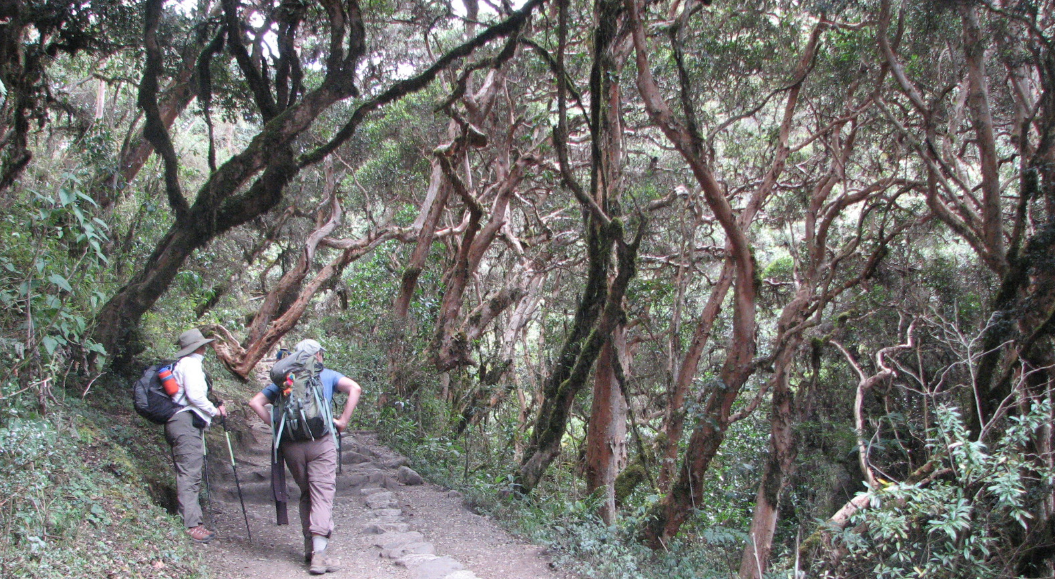
Hiking means enjoying a revitalizing moment. People increasingly appreciate the benefits of slowness and simplicity. Walking is a wonderful way to discover the natural environment.

Here are 5 reasons why you should start hiking:

1. It is an extremely healthy activity.

Hiking can improve your general physical health that under many aspects is comparable to other sports. Sleep improves, the risk of cardiovascular diseases and chronic diseases is reduced. Indeed, it could also be better than an indoor sport activity: the uneven surface of the paths allows actually to work naturally and effectively on your internal balance and to strengthen it. This does not happen on a treadmill in the gym, whose surface is absolutely equal and you can only change the inclination. The gym doesn’t even offer the combination of pure air and natural light, accompanied by sounds, colours and perfumes of nature.

2. Walking outdoors makes you happier.

Hiking strengthen your spirit and your body at the same time. You can improve your mood, you can increase your happiness, the symptoms of anxiety and depression can be reduced. Connecting your spirit and your senses to the present moment, an excursion into nature represents the perfect antidote to the stress of modern life. In Japan, a long walk in the natural environment is considered an official therapy to reduce stress. The “shinrin-yoku“, or bath in the forest, simply consists of plunging yourself in the heart of a peaceful forest for a few hours and soaking up its atmosphere.

3. Sport is mixed with discovery

This is one of the main advantages of hiking, because it allows you to associate sport with discovery. Going to the gym can sometimes be difficult while going on an excursion is perceived as a pleasant activity. Hiking is always a new journey. By simply putting one foot in front of the other, you can venture into the diversity of new landscapes: green prairies, relaxing forests, sparkling lakes or cozy villages.

4. It’s a nearly free activity

There is no need to enrol, no classes or expensive equipment are required, hiking is an affordable activity. some nature reserves may ask for a low-cost entry ticket but there are plenty of areas whose access is completely free. The only think really necessary is a pair of good and comfortable shoes and a hat and sunglasses if it is sunny, of course.

5. Hiking is accessible to all, in almost all seasons and in all places

Everyone can enjoy a walk in the nature, regardless of the age and the level of training. Of course, you may have to choose paths that are suitable for your age and physical fitness. You don’t even need to plan or prepare the excursion in advance. Surely there are natural spaces suitable for hiking around or not far from you. If there are no mountains or large trails nearby where you live, there will certainly be a park or a natural space.

Let me know about your experience!

5 ragioni per cui fare un’escursione fa bene

Fare un’escursione significa approfittare di un momento rivitalizzante. Le persone apprezzano sempre di più i benefici della lentezza e della semplicità. Camminare a piedi è un modo meraviglioso per scoprire l’ambiente naturale. Ecco 5 ragioni per cui dovresti cominciare a fare escursioni:

  1. Si tratta di un’attività estremamente sana.

Un’escursione può migliorare la tua salute fisica generale che, sotto molto aspetti, é paragonabile ad altre attività sportive. Il sonno migliora, il rischio di malattie cardiovascolari e di malattie croniche si riduce. Anzi, potrebbe essere pure meglio di un’attività sportiva al chiuso: la superficie irregolare dei sentieri consente, infatti, di lavorare in modo naturale ed efficace sul proprio equilibrio interno e di rafforzarlo. Questo non avviene su un tapis roulant in palestra, la cui superficie è assolutamente pari e si può solo modificare l’inclinazione o l’intensità. La palestra non offre nemmeno la combinazione di aria pure a luce naturale, accompagnata da suoni, colori e odori della natura.

2. Camminare all’aria aperta ti rende più felice.

Le escursioni rafforzano contemporaneamente il tuo spirito e il tuo corpo. Il tuo umore può migliorare, puoi aumentare la tua impressione di essere felice, i sintomi di ansia e depressione possono ridursi. Connettendo il tuo spirito e i tuoi sensi all’istante presente, un’escursione nella natura rappresenta l’antidoto perfetto allo stress della vita moderna. In Giappone, una lunga passeggiata in ambiente naturale è considerata una terapia ufficiale per ridurre lo stress. Il “shinrin-yoku”, o bagno nella foresta, consiste semplicemente nell’immergersi alcune ore nel cuore di un bosco tranquillo e a impregnarsi della sua atmosfera.

3. L’attività sportiva si mischia alla scoperta

Questo è uno dei principali vantaggi dell’escursione, perché permette di associare l’attività sportiva alla scoperta. Andare in palestra a volte può essere difficile mentre partire per un’escursione viene percepito come un’attività gradevole. Un’escursione è sempre un nuovo viaggio. Mettendo semplicemente un piede davanti all’altro, puoi avventurarti nella diversità di nuovi paesaggi: praterie verdi, boschi rilassanti, laghi scintillanti o paesini accoglienti.

4. Si tratta di un’attività praticamente gratuita

Non serve iscriversi, non sono necessarie lezioni né attrezzature costose, l’escursionismo è un’attività sportiva abbordabile. Alcune riserve naturali possono prevedere un biglietto d’entrata a costo modico ma ci sono tantissime zone il cui accesso è completamente gratuito. Le sole cose veramente necessarie sono un paio di scarpe di buona qualità e comode e di un cappellino e di occhiali per proteggersi dal sole.

5. E’ un’attività accessibile a tutti, in quasi tutte le stagioni e in tutti i luoghi

Tutti possono approfittare di una passeggiata nella natura, indipendente dall’età e dal livello di allenamento. Certo magari bisogna scegliere dei percorsi adatti all’età e alla forma fisica. Non c’è nemmeno bisogno di programmare o preparare l’escursione con tanto anticipo. Sicuramente ci sono degli spazi naturali adatti all’escursionismo intorno o poco distanti da te. Se non ci sono delle montagne o dei grandi sentieri vicino a dove abiti, certamente ci sarà un parco o uno spazio naturale.

Scrivimi per raccontarmi la tua esperienza!

A Somali Tale

A woman begged a shaman for a potion that would “make her husband love her again”. She explained that her husband fought in the war, he was warm, loving, and laughed easily. But since his return he was angry, and distant. The more she tried to hug him, and draw him back to her, the worse it became. The shaman was her last hope.

The shaman listened patiently to the woman’s story. When she was finished he said, “I think I can help you. I will make you a love potion, but you must go find one of the ingredients.”. She said she would. He told her that the love potion must contain a whisker from a live tiger. This was the only way he could help make her husband love her again. She was distraught. “How can I possibly get a whisker from a beast as fierce and powerful as a tiger?” The shaman shrugged and left her to tears.

The next day she went to a place where she had once seen a tiger. On that day she saw nothing more that monkeys fighting in the trees and birds flying in the air. On the second day, she stayed a little longer and found a comfortable place to sit. But she did not see the tiger.

Weeks passed. One morning she sensed his presence before she saw him. She didn’t move but the tiger saw her anyway and ran away. It was a week before she saw him again. Curios, the tiger stopped running away.

Finally, after months of bringing the tiger good things to eat and ever so slowly reaching out to pet him, he finally was so comfortable with the woman that he fell asleep under her stroking hand. Once he was asleep she took a very sharp knife and gently cut one single whisker from the tiger’s muzzle.

The next day she brought the whisker to the shaman, and asked for the potion that would make her husband love her again. The shaman said “You do not need any potion. Throw away the whisker, keep the knowledge you have gained, and your husband will learn to love you once more.”

What have your learned from this story? Share it with me!

Un racconto somalo

Una donna si recò da uno sciamano per chiedere una pozione d’amore. La donna spiegò allo sciamano che suo marito, prima di partire per la guerra, era dolce con lei, la amava e rideva facilmente. Da quando era tornato, però, era arrabbiato e distante. Più lei cercava di riconquistarlo, abbracciandolo e cercando di farlo ridere, più lui si allontanava. Lo sciamano era la sua ultima speranza.

Lo sciamano ascoltò con interesse e pazienza la storia della donna. Quando la donna terminò, lo sciamano le disse che poteva aiutarla. Le avrebbe preparato una pozione d’amore, però lei stessa avrebbe dovuto procurarsi un ingrediente.

La donna acconsentì, si sarebbe procurata quell’ingrediente. Allora lo sciamano le disse che la pozione doveva contenere un baffo di una tigre. La donna si disperò. Come avrebbe potuto procurarsi un baffo di una tigre, una bestia così feroce e forte? Lo sciamano si strinse le spalle e la lasciò in lacrime.

Il giorno dopo la donna si recò in un posto dove una volta aveva visto una tigre. La donna non vide nient’altro che una scimmia che giocava e alcuni uccelli che volavano. Quindi, ritornò il giorno successivo e trovò un posto confortevole dove sedersi e si fermò un po’ più a lungo. Ma anche quel giorno non vide la tigre.

I giorni passavano e una mattina la donna sentì la presenza della tigre ancora prima di vederla. Non si mosse, ma la tigre quando la vide scappò via.

Dopo una settimana, la donna rivide la tigre, che questa volta non scappò. La donna aveva portato con sé del cibo per lei. La tigre lo mangiò e se ne andò. Quindi la donna cominciò a portare cibo alla tigre tutti i giorni, per diversi mesi e un giorno la donna riuscì ad avvicinarsi alla tigre e ad accarezzarla. La donna si accovacciò e la tigre appoggiò la testa sulle sue ginocchia. Restarono così a lungo e la tigre si addormentò. La donna prese quindi un coltello affilato e taglio dolcemente un baffo alla tigre.

Il giorno dopo, la donna portò il baffo allo sciamano e gli chiese di preparare la pozione. Lo sciamano disse: “Non hai bisogno di una pozione. Butta via il baffo, usa quello che hai imparato dall’esperienza con la tigre e tuo marito tornerà ad amarti come prima”.

Cosa hai imparato da questa storia? Scrivilo qui!