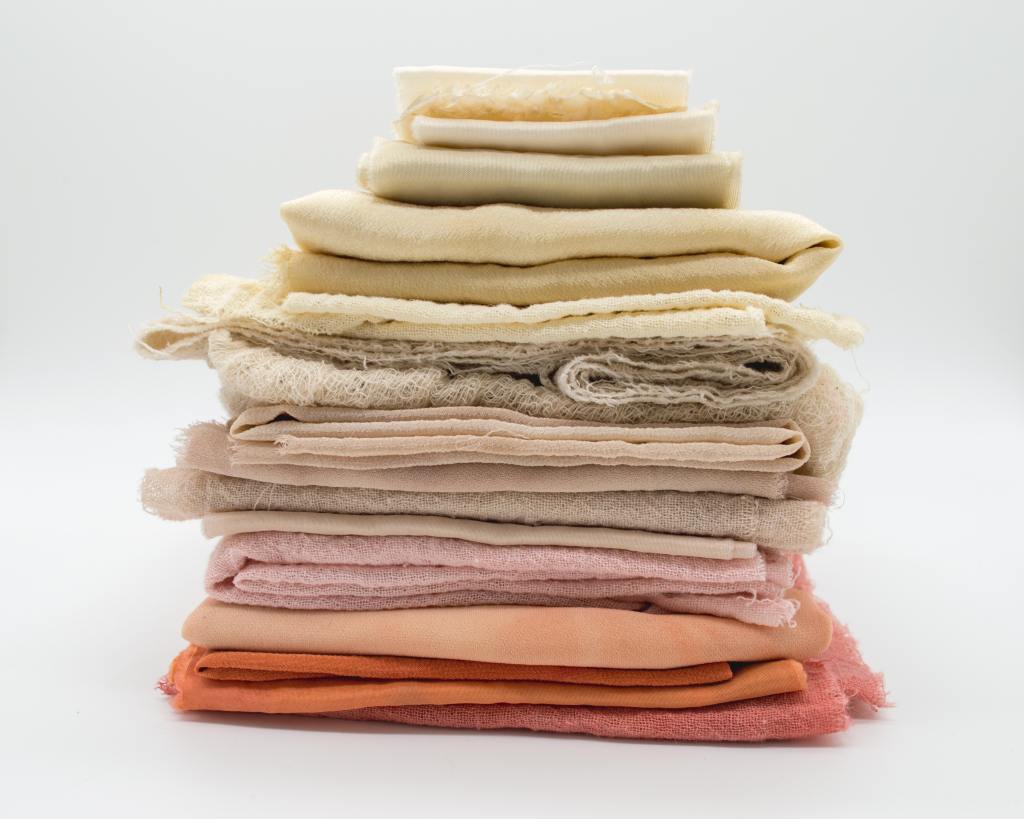
If you don’t have air conditioning like me (living in Brussels, I thought it was rare to exceed 30 degrees, while the last few summers are showing the opposite), the high temperatures of this period could prevent you from having a quality sleep. It goes without saying that a good sleep allows you to be in good shape the next day, productive and less stressed.
Photo by Mel Poole on Unsplash
Here are some tips to help you refresh the atmosphere and sleep better:
choose cotton on your skin. Even though it may seem to you that a light cotton tee-shirt will warm you up during the night, it is actually better because the cotton will absorb sweat;
put a wet bed sheet in front of an open window. It will cool the air down;
don’t take a cold shower before going to bed, otherwise your body will have to raise its temperature to reach its normal one. Take a warm shower and put only your hands and feet into cold water;
pass an aloe vera or a mint stick on the temples and wrists to get a refreshing effect;
drink a hot herbal tea to cause a hot-cold shock to your body also for a refreshing effect.
Se non hai l’aria condizionata come me (abitando a Bruxelles pensavo fosse raro superare i 30 gradi, mentre le ultime estati stanno dimostrando il contrario), le temperature alte di questo periodo potrebbero impedirti di avere un sonno di qualitá. Va da sé che un buon sonno consente di essere in forma la giornata successiva, di essere produttivo/a e meno stressato/a.
Photo by Mel Poole on Unsplash
Ecco alcuni consigli per aiutarti a rinfrescare l’atmosfera e a dormire meglio:
privilegia il cotone sulla pelle. Anche se ti sembra di avere piú caldo, dormendo con un maglia di cotone leggero, suderai di meno perché il cotone assorbe il sudore;
metti un lenzuolo bagnato davanti alla finestra aperta per rinfrescare l’aria;
non fare una doccia fredda prima di andare a letto, altrimenti il tuo corpo dovrá aumentare la temperatura per raggiungere la sua temperatura normale. Fai piuttosto una doccia tiepida e bagna solo le mani e i piedi con l’acqua fredda;
Passa uno stick all’aloe vera o alla menta sulle tempie e sui polsi per un effetto rinfrescante;
bevi una tisana calda per provocare un effetto caldo-freddo che rinfrescherá il tuo corpo.
1980, Quebec City. People rush to meet three exhausted travellers, who have just walked 90 kilometres in 22 hours…on stilts!
They had left for this trip to be noticed and raise funds. Their goal was setting up their own circus company, but not just like the others.
At the time, circus companies still followed the main rules established at the beginning of the twentieth century by the showman Phineas Barnum. A show was to include trained animals, stellar acrobats, clowns for children.
In the 1980s, hundreds of circus companies competed fiercely to attract an increasingly rare audience. Yes, things have changed: the circus is no longer popular compared to the cinema or the television.
Result: circuses earn less and less money.
Our young waders say it is time to reinvent the circus, thus changing the business model.
Photo by Alejandro Contreras on Unsplash
Thanks to their genius, the three friends got their first funding and launched their project: the Cirque du Soleil.
Pets and animals? That’s enough! We don’t want to see them in cages any more, and it costs too much to keep them healthy. The stellar acrobats? Okay, long live to young talents, unknown and motivated. Clowns? We keep the principle but let them do things that make adults laugh too. The sand track and the badly heated tent? Never again, the Cirque du Soleil offers comfortable space and beautiful decorations.
And it works! The new model finds their audience and it is known all over the world. Some of the founding waders even become billionaires.
Now, however, with the Covid-19 crisis, the management of Cirque du Soleil has filed for bankruptcy protection at the end of June. With bankruptcy, Cirque du Soleil aims to restructure its debt with assistance from the Canadian government and private equity firms, to be able to return enchanting their millions of fans around the world with their acrobatic shows.
1980, Quebec City. Una folla si precipita a incontrare tre viaggiatori esausti, che hanno appena viaggiato per 90 chilometri in 22 ore … su trampoli!
Erano partiti per questo viaggio per farsi notare e raccogliere fondi. Il loro obiettivo: costituire una propria compagnia circense, ma non una qualsiasi.
All’epoca, le compagnie circensi seguivano ancora le regole stabilite all’inizio del XX secolo dallo showman Phineas Barnum: uno spettacolo di circo doveva includere animali addestrati, acrobati stellari, pagliacci per bambini.
Nel 1980, centinaia di compagnie circensi gareggiavano ferocemente per attirare un pubblico sempre più raro. I gusti erano cambiati: il circo non era piú l’unica attrazione insieme al teatro. Cinema e televisione stavano prendendo sempre piú piede, lasciando al circo briciole del mercato del divertimento.
I nostri giovani trampolieri si dicono che è tempo di reinventare il circo, e decidono di provare un nuovo modello di business.
Photo by Alejandro Contreras on Unsplash
Grazie alla loro genialità, i tre amici ottennero il loro primo finanziamento e lanciarono il loro progetto: il Cirque du Soleil.
Animali? Basta! Non vogliamo più vederli in gabbie, e costa anche troppo mantenerli. Gli acrobati stellari? Va bene, ma diamo spazio a giovani talenti, sconosciuti e motivati. Clown? Manteniamo il principio ma facciamogli fare cose divententi anche per gli adulti. La pista di sabbia e il tendone mal riscaldato? Mai piú, il Cirque du Soleil offre spazi confortevoli e bellissime decorazioni sotto i suoi tendoni.
E funziona! Il nuovo modello trova il suo pubblico ed diventa famoso in tutto il mondo. Alcuni dei trampolieri fondatori diventano persino miliardari.
Ora, però, con la crisi del Covid-19 il management del Cirque du Soleil ha dovuto fare ricorso alla bancarotta assistita. Con la bancarotta assistita il Cirque du Soleil punta a ristrutturare il proprio debito e tornare a incantare con i suoi spettacoli acrobatici i suoi milioni fan nel mondo.
Travelling abroad is nice. But do you really need to cross a border to enjoy you holidays? I am not sure about it. Every country has unique sites, cultures and heritage.
Stay local. Especially in our times, after the COVID-19 outbreak, we need to support our economy. Economy needs support right now. When being a tourist in your own country you’re actively supporting your own economy. All the money you spend boosts tourism revenue and helps out local businesses.
Save money. A big trip can be quite costly, so why not spend it lots of mini trips? Save on flights and accommodation and use the extra money on more fun activities.
Learn more about your country. Every country has their own history and heritage. With domestic travel you actually might pick up a thing or two. You’ll be able to learn a lot and who knows, gain a deeper connection with your homeland.
Viaggiare all’estero é bello. Ma hai veramente bisogno di attraversare una frontiera per approfittare delle vacanze? Non ne sono certa. Ogni paese ha i suoi siti storici e culturali unici, ma vogliamo parlare del patrimonio culturale e artistico dell’Italia?
Ecco qui quattro ragioni in piú per restare in Italia quest’estate:
Sostieni l’economia. Specialmente negli ultimi tempi, con la diffusione della pandemia del COVID-19, abbiamo bisogno di sostenere la nostra economia. Dobbiamo farlo adesso. Quando fai il turista nel tuo paese sostieni attivamente la tua economia. Tutti i soldi che spendi rafforzano e aiutano l’economia locale.
Risparmia denaro. Un grande viaggio puó essere costoso, perché invece non fare piccoli viaggi? Risparmia sui voli e sulle sistemazioni e usa il denaro rimasto in attivitá divertenti. Magari vai piú spesso al ristorante, la gastronomia italiana é unica al mondo (e secondo me pure la migliore!).
Impara di piú sul tuo paese. Tutti i paesi hanno la propria storia ed il proprio patrimonio. Viaggiando nel tuo paese puoi imparare qualcosa che prima non sapevi. E magari, svilupperai una maggiore connessione con la tua terra!
STUFF (acronym for Stand-up for Fitness) for someone like me, who has been suffering from Restless legs syndrome (RLS) for almost one year, is very helpful.
Did you know that sitting for too long may be considered as smoking for what concerns the risk of chronic health problems? Too much sitting could be the cause of heart diseases, diabetes and some cancers, and also mental health troubles.
For RLS people like me, sitting for too long is just impossible. Generally speaking, I cannot sit longer than one hour! My legs feel the need to move. Therefore, I work standing all day long and I walk long distances every day. It helps me sleeping, even though sometimes is not enough and I spend sleepless nights (but in such cases I think the cause might also be anxiety or stress).
But also if you don’t suffer from RLS interrupting long sitting periods by short breaks, for instance, interrupting sitting every 30-45 min by standing for at least 10-15 minutes, is very healthy.
Even if you are an active person, more than 6 hours sitting per day has negative effects you cannot compensate for. Have a look at this video, read some fact and practise STUFF by, for instance:
STUFF é l’acronimo di Stand-up for fitness, ovvero stai in piedi per stare in forma.
Per una persona come me che soffre della sindrome delle gambe senza riposo (RLS), praticare lo STUFF é molto utile.
Stare seduti per molto tempo puó essere comparato a fumare per quanto riguarda gli effetti negativi sulla salute. Problemi cardiaci cronici, diabete, alcuni tipo di cancro e persino disturbi mentali possono essere legati al passare troppo tempo seduti.
Per le persone che soffrono di RLS come me, stare seduti a lungo é semplicemente impossibile! Dopo circa un’ora che sto seduta, devo assolutamente alzarmi e camminare, le mie gambe me lo impongono, non ho scelta. Tante cose sono difficili o imbarazzanti. Per esempio viaggiare puó diventare un problema, ma anche partecipare a lunghe riunioni di lavoro o mangiare con amici.
Recentemente sono stata ad un matrimonio e mi alzavo da tavola dopo ogni portata. In questo modo sono riuscita a passare una bella giornata.
Lavoro sempre in piedi, in ufficio ho la scrivania che si alza e si abbassa, a casa ho un tavolo alto.
Se non usassi questi accorgimenti, non potrei dormire (e, a volte, nonostante quello che faccio, non dormo lo stesso, ma in questo caso penso entri in gioco anche una componente di stress o ansia).
Ma anche se non soffri della RLS, interrompere un’attivitá che stai facendo da seduto/a fa molto bene alla salute. Per esempio, potresti alzarti ogni 30-45 minuti e stare in piedi per 10-15 minuti.
Anche se sei una persona attiva che pratica sport e cammina molto, stare seduti per piú di 6 ore al giorno ha degli effetti negativi che non puoi compensare se non alzandoti.
Prova, per esempio, a:
1.Organizzare riunioni mentre cammini (anche i tuoi colleghi trarranno beneficio da questa pratica);
2. fare una passeggiata dopo pranzo;
3. utilizzare una scrivania che si alza e abbassa.









 Crisbie Coach