What Does It Mean to Be a Sustainable Eater?

In a time when environmental and health issues are increasingly intertwined, sustainable eating has become a vital, personal way to support the planet’s future. According to the World Health Organization (WHO), sustainable eating extends beyond choosing foods for personal well-being. It’s about embracing food choices that also contribute to environmental health, social equity, and economic viability. But what does sustainable eating truly mean, and how do our choices impact both our bodies and our planet?

Key Principles of Sustainable Eating

The WHO’s guiding principles on sustainable eating emphasize a balance that considers health, environmental impact, and socio-economic factors. Here are some foundational principles to keep in mind:

  1. Prioritizing Plant-Based Foods
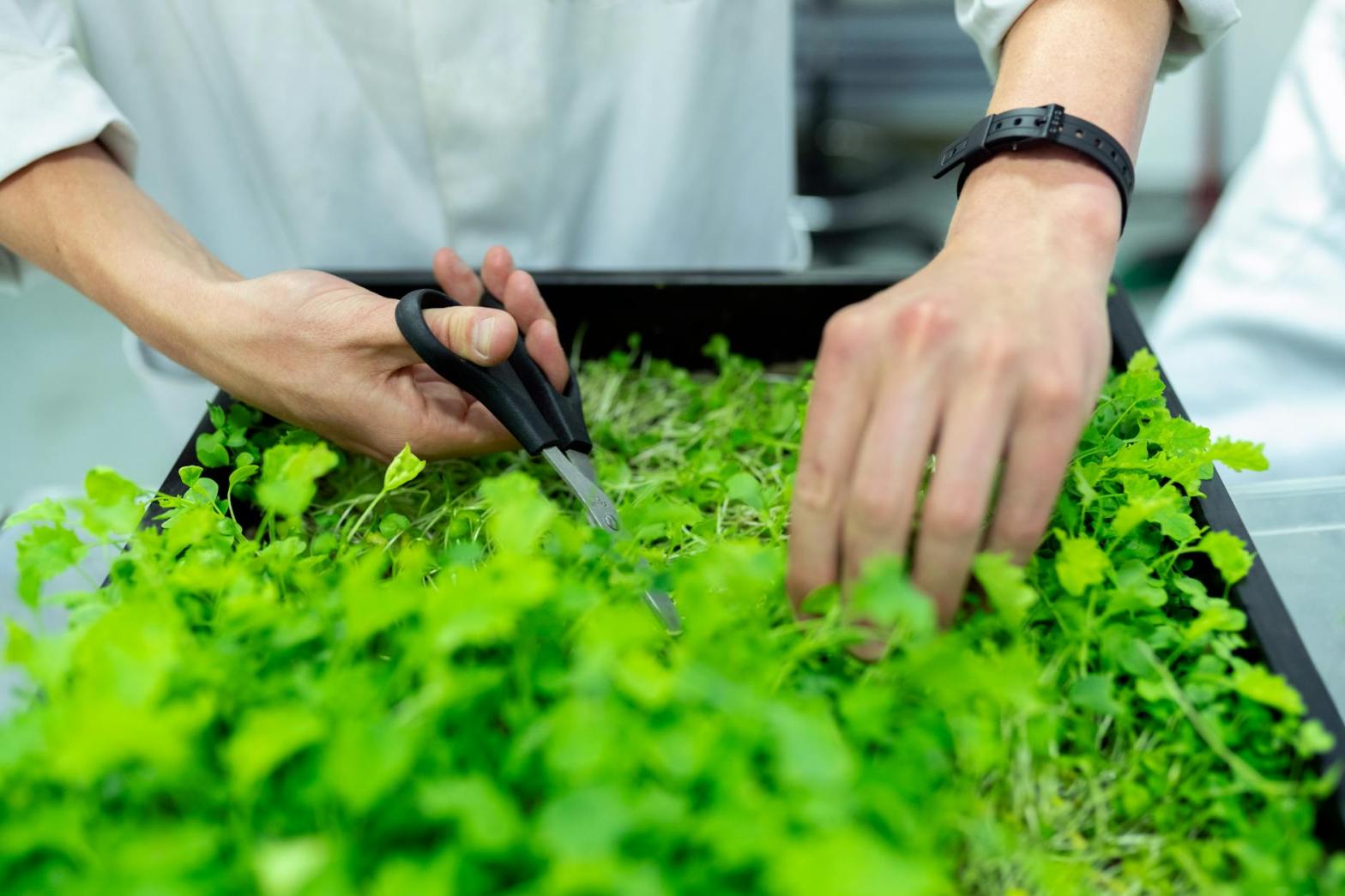
    A diet rich in fruits, vegetables, whole grains, nuts, and seeds is the cornerstone of sustainable eating. Plant-based diets generally require fewer natural resources than diets high in animal products, resulting in reduced greenhouse gas emissions, land use, and water consumption. By making plants the primary focus, we align our food habits with a lower environmental footprint.
  2. Emphasizing Variety and Local Sources
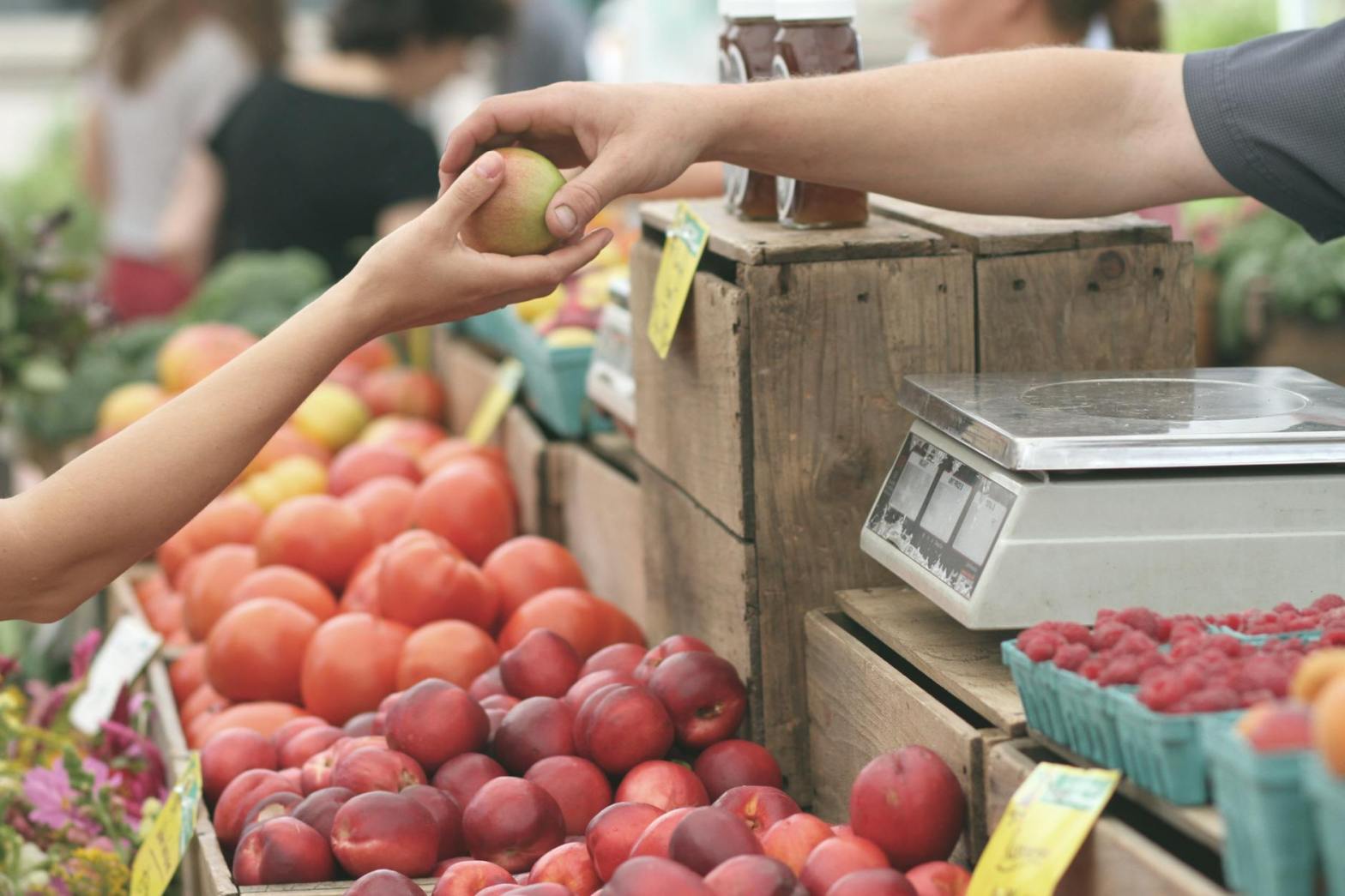
    Choosing seasonal, local produce supports biodiversity and reduces the carbon footprint associated with long-distance food transportation. The WHO suggests eating a variety of foods to maintain nutritional balance and avoid over-reliance on specific crops, which can degrade ecosystems over time. This approach not only promotes a healthy diet but also strengthens local economies and food systems.
  3. Minimizing Processed Foods and Waste
    Processed foods are often associated with higher energy consumption during production and packaging. A sustainable eater is mindful of food waste and aims to consume fresh, whole foods wherever possible. By reducing waste and prioritizing fresh ingredients, we lessen our environmental impact and conserve valuable resources.
  4. Opting for Responsibly-Sourced Protein
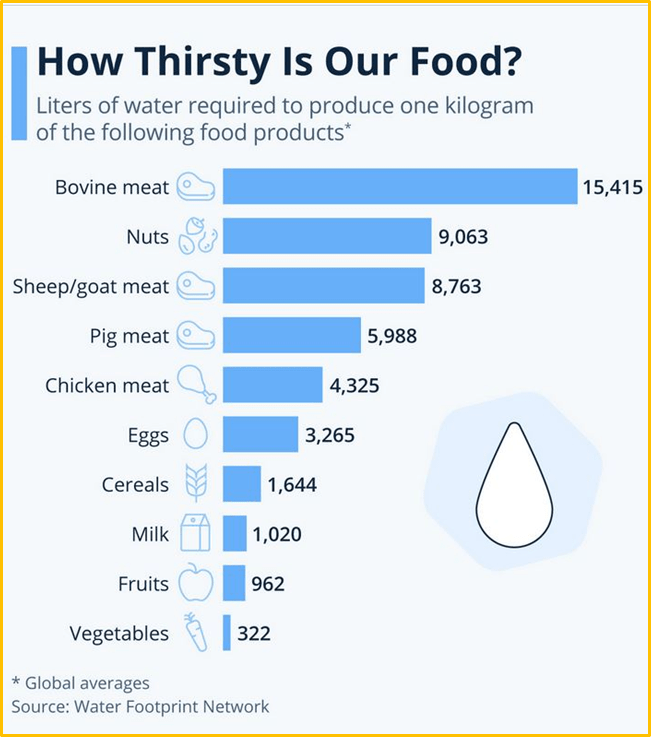
    Protein choice is a significant factor in sustainable eating. Animal-based proteins, especially red meat, have a considerable environmental impact. Sustainable eaters are encouraged to shift to plant-based proteins, such as legumes, tofu, and nuts, or to sustainably sourced fish and poultry if preferred. This balance can help reduce the environmental burden of meat production, from water usage to deforestation.

How Our Choices Shape Our Health and the Planet’s Health

Sustainable eating is a two-way relationship: the foods we consume shape our well-being while influencing the environment around us. Choosing nutrient-dense, plant-based foods doesn’t just help lower our risk of chronic illnesses like heart disease, obesity, and diabetes—it also aids in reducing pollution, preserving natural habitats, and promoting biodiversity. By aligning our diets with what is sustainable for the planet, we also consume foods that better support our health.

For example, fruits and vegetables are typically rich in fiber, vitamins, and minerals essential for overall health. And because plant-based diets tend to be lower in saturated fats than meat-heavy diets, they are associated with reduced rates of cardiovascular disease. So, a sustainable diet isn’t merely about minimizing environmental damage; it also has the potential to enhance our personal wellness.

Why Protein is Central to the Sustainable Eating Debate

Protein production, particularly animal-based protein, lies at the heart of the sustainability discussion. Livestock farming accounts for significant greenhouse gas emissions and requires extensive land, water, and feed. Conversely, plant-based proteins such as lentils, chickpeas, and beans require fewer resources and contribute less to carbon emissions. This distinction has spurred many to rethink traditional protein sources, encouraging a shift toward plant-based options.

However, sustainable protein choices aren’t limited to plants. For those who eat meat, opting for smaller portions, choosing sustainably sourced fish, or incorporating plant-based protein alternatives can reduce their carbon footprint while providing essential nutrients. It’s about balance and thoughtful selection rather than cutting out animal protein altogether.

Embracing the Role of the Sustainable Eater

Becoming a sustainable eater involves small, mindful changes that accumulate into meaningful impacts. Choosing locally-sourced produce, reducing meat consumption, and minimizing food waste can all contribute to a more sustainable world. Each choice we make resonates beyond our individual health, influencing the health of ecosystems, animals, and communities around the globe.

Sustainable eating isn’t simply a trend; it’s a thoughtful response to the urgent challenges of our era. By adopting WHO’s principles, we empower ourselves to contribute positively to the planet while nourishing our own health.

Remember: the choices we make truly matter.

What do you think about a plant-based diet? Are you ready to switch?

Thank you for reading! Please sign up for my blog crisbiecoach so you don’t miss out on any posts and also for Wise&Shine an incredible online magazine!

The Unusual Email: A Rotterdam Tale

In 2009, the residents of a quiet neighborhood in Rotterdam, The Netherlands, began their day like any other, only to find an unusual email waiting in their inboxes. The message was startling and direct: “Stop using your car now.” It went on to explain that their driving habits had been monitored, and they were being asked to cease driving immediately. The initial reaction was one of alarm. Was this some kind of threat or blackmail?

But the truth was far from sinister. The email was a collaborative effort from the City of Rotterdam and the company managing the local highways. Their shared mission was to tackle the persistent traffic jams that choked the city daily, contributing to pollution and frustration among its inhabitants.

The Common Solution: Bigger Roads?

Many residents wondered why the city didn’t simply build bigger highways or add new ones. It seemed like an obvious solution—more roads should mean less congestion, right?

Enter the Braess Paradox

This is where the “Braess Paradox” comes into play. This counterintuitive theory suggests that increasing road capacity to alleviate traffic jams can actually worsen them. How could this be?

The paradox explains that adding new roads often leads to more people choosing to drive. Those who had previously given up driving due to congestion would return to their cars, and those who avoided rush hour would start using their cars again, believing the additional road would ease their commute. The result? Even worse traffic jams than before.

A Smarter Approach

The authorities in Rotterdam understood this paradox well. Instead of expanding the road network, they aimed to encourage behavioral changes among residents. By asking people to reduce their car usage, they hoped to decrease overall traffic volume and improve the city’s air quality. It was a bold and innovative approach, rooted in a deep understanding of urban traffic dynamics.

The Residents’ Response

Initially, the residents were skeptical and even resistant. But as the reasoning behind the request became clear, many began to see the wisdom in it. Gradually, they adapted, finding alternative ways to commute and reducing their reliance on cars. Public transportation, cycling, and walking became more popular choices, and slowly but surely, the traffic jams began to ease.

The strange email that once caused confusion and concern ultimately led to a positive change in Rotterdam. The city became less congested, cleaner, and more livable, demonstrating the power of innovative thinking and collective action.

In the end, the story of the unusual email and the Braess Paradox became a remarkable chapter in Rotterdam’s history, a testament to the city’s commitment to sustainable living and intelligent urban planning.

What do you think about this approach to solving traffic in cities?

Thank you for reading! Please sign up for my blog crisbiecoach so you don’t miss out on any posts and also for Wise&Shine an incredible online magazine!

Simple Steps to Protect Biodiversity in Your Everyday Life

In our bustling urban landscapes and serene countryside retreats, every little action we take can either support or diminish biodiversity. As stewards of our environment, it’s crucial to adopt habits that nurture and protect the delicate balance of nature.

Here are some ideas to kickstart your journey towards safeguarding biodiversity, with plenty of room for your own creative additions.

Let’s start with the humble bee. These industrious pollinators are facing unprecedented threats to their survival. One simple way to lend them a helping hand is by placing pots of water on balconies or in gardens. During scorching summer days, these tiny water stations provide much-needed hydration for our buzzing friends.

As the temperatures rise and summer sets in, so do the unwanted guests in our gardens—those pesky weeds. Surprisingly, not all of them are the villains they’re often made out to be. Some of these so-called “bad grasses” actually play a vital role in promoting biodiversity. Instead of indiscriminately uprooting them, consider letting them thrive, offering shelter and sustenance to a diverse array of wildlife. And when it comes to weed control, opt for natural alternatives like vinegar over harmful chemicals that disrupt the delicate ecosystem.

Feeding the birds, ducks, and swans with bread might seem like a kind gesture, but it can actually do more harm than good. Bread, a common offering, poses various risks to their health and the environment. Swollen stomachs and digestive issues can result from ingesting soggy bread, while moldy pieces can lead to infections. Moreover, the excess bread floating in water disrupts the ecological balance, fueling the growth of harmful algae. Instead, let’s admire these winged creatures from a distance and focus on preserving their natural habitats.

For those fortunate enough to have a patch of green, whether it’s a garden or a vegetable plot, there’s ample opportunity to create havens for biodiversity. Ditch the chemical fertilizers in favor of organic alternatives, and only intervene with invasive plants when absolutely necessary. Embrace diversity by planting a variety of species that attract a myriad of insects, birds, and other wildlife, transforming your space into a thriving ecosystem.

These are just a few ideas to kickstart your journey towards biodiversity conservation. But the possibilities are endless. For instance, remember to join the campaign No Mow May!

What other innovative ways can you think of to protect and nurture the rich life that surrounds us?

Share with me your ideas and let’s embark on this journey together towards a greener, more biodiverse future.

Thank you for reading! Please sign up for my blog crisbiecoach so you don’t miss out on any posts and also for Wise&Shine an incredible online magazine!

Sustainable Eating: Nourishing Ourselves without Devouring the Planet

Sustainability is a wide and sometimes unclear concept, so in this post, I will focus only on food, and what sustainable eating means.

What is Sustainable Eating?

Sustainable eating, within the framework of sustainable development, emphasizes careful food selection, and respect for seasonality and quality, by incorporating a balanced diet that won’t destroy our planet’s living conditions.

In this regard, FAO has provided international guidelines aimed at reducing environmental impact starting with agriculture and food.

Reducing food waste and supporting local economies is becoming imperative.

Principles of Sustainable Eating

There are three fundamental principles to follow for sustainable eating:

  1. Consume Less: Overexploitation of soil and land leads to an excessive burden on natural rhythms, significantly impacting the environment. And it’s bad for your health.
  2. Minimize Food Waste: Research indicates that approximately 88 million tons of food are wasted yearly.
  3. Reduce Animal Product Consumption: The overproduction of animal-derived foods, coupled with excessive consumption, is associated with increased risks of stroke, cancer, and other diseases. Encouraging a plant-based diet with increased fruit and vegetable intake is key.

Why the implementation of these beneficial recommendations is so difficult? The fundamental issue lies in the vast business of the food industry, focusing on low-cost products to reach wider markets. This often compromises product quality and our health, representing a core challenge of our times.

What Can We Do for Sustainable Eating?

One way to improve one’s diet and be more sustainable is to buy locally, especially from farmers or shops whose practices are known. In this way, we will help them also in increasing their income, which nowadays is very low.

Moreover, to reduce food waste, we could prepare meals for the week, store them properly, and put them in the freezer.

Additionally, going shopping with a list of products to buy for planned recipes, will ensure a full fridge and reduce the risk of waste.

Another tip is to drink tap water instead of purchasing plastic bottled water or you could refill glass bottles at water refill stations.

Suggestions such as eating seasonal produce, avoiding overly processed foods, consuming sustainably caught fish, and eliminating red meat intake all contribute to sustainable eating practices.

However, could everyone adopt this lifestyle?

Not everyone has the financial means to support certain expenses, as organic or locally sourced products often come at a higher cost than supermarket alternatives. But you could ask yourself why some food is so cheap, instead of asking yourself why quality food is so expensive.

Another hindrance is time constraints due to work and daily life commitments, making meticulous shopping trips to farmer’s markets less feasible than online or supermarket shopping.

So, what can we do?

Simply take one step at a time and put it as a milestone. Together, even small efforts can collectively contribute to the protection of the environment.

Thank you for reading! Please sign up for my blog crisbiecoach so you don’t miss out on any posts and also for Wise&Shine an incredible online magazine!

Drawing Inspiration from the Secrets of Trees

I recently read Peter Wohlleben’s captivating book “The Hidden Life of Trees“. Wohlleben believes trees talk to each other. Isn’t it fascinating? The world of forests unveils the extraordinary inner workings of these natural wonders. The author explains how trees interact, communicate, move, and defend themselves. He also describes their growth patterns.

From his words, we discover a profound truth: the silent, hidden trees that spend years in the shade foster a resilience that withstands the tests of time. Like whispered secrets shared among the ancient forest, these trees teach us patience and fortitude. Meanwhile, those that hastily reach for the sun find themselves vulnerable to decay, their fleeting growth unable to withstand the rigors of existence.

In nature, we find wisdom – a timeless reminder that endurance often lies in the shadows. Limited sunlight results in slow growth, leading to the development of dense wood that lasts for generations.

On the contrary, trees constantly exposed to the sun rapidly grow, producing porous wood susceptible to fungi, yeasts, molds, and mildew. A tree that quickly grows decays faster and never gets the chance to age.

We may find solace in the profound lessons echoed by ‘The Hidden Life of Trees.’ This insightful narrative reveals the intricate balance of nature, where trees patiently endure in the shadows, fostering resilience that transcends generations. As we grapple with the urgent need for sustainable solutions, we’re reminded that true endurance lies not in rapid growth, but in the quiet strength cultivated over time. Perhaps, in embracing the wisdom of the forest, we can uncover pathways to mitigate our carbon footprint and forge a more harmonious relationship with the natural world.

We can learn a lot from nature on how to apply its principles and strategies for lasting success and resilience. Peter Wohlleben’s storytelling prowess brings the forest to life, offering invaluable insights into the secrets of endurance found within its wooded realms.

Thank you for reading! Please sign up for my blog crisbiecoach so you don’t miss out on any posts.

Local Wonders: Why Domestic Travel Should Be Your Next Adventure

Are you ready to embark on a journey without crossing borders? Let’s delve into some reasons why staying local for your next vacation might just be the enriching experience you’re seeking.

Rediscovering Home

We often overlook the gems nestled within our own country. Each corner holds its own charm, from serene landscapes to vibrant cultural hubs. By opting for domestic travel, you unlock the door to a world waiting to be explored right at your doorstep.

Supporting Your Economy, One Trip at a Time

Amidst the ebb and flow of economic challenges, it’s always a good time to bolster local businesses and tourism. Your choice to explore your homeland isn’t just about sightseeing—it’s a powerful vote of confidence in your nation’s economy. Every cent spent on local adventures reverberates through communities, sustaining livelihoods and fostering growth.

A Wealth of Experiences

Forget the hefty price tags of international escapades. Domestic travel opens the door to a plethora of affordable adventures, allowing you to indulge in frequent getaways without draining your savings. By opting for mini-trips over grand voyages, you can savor a multitude of experiences while keeping your budget in check. And you help the environment.

Unveiling Hidden Treasures

Delve into the annals of your country’s history and heritage as you traverse its landscapes. From ancient landmarks to storied monuments, every destination holds a narrative waiting to be unearthed. Through domestic travel, you not only gain insights into your nation’s past but also forge a deeper connection with its cultural legacy.

Seamless Exploration, No Translation Required

Bid farewell to language barriers and translation woes. One of the perks of staying local is the comfort of navigating familiar terrain, where communication flows effortlessly and directions are easily deciphered. Embrace the freedom to explore without linguistic constraints, immersing yourself fully in the beauty of your surroundings.

Let your next adventure be a testament to the splendor that lies just beyond your doorstep.

Will you answer the call of domestic travel this season?

Would Degrowth Be a Sustainable Shift for a Greener Tomorrow?

In a groundbreaking study, the University of Massachusetts reveals that reducing working hours can contribute significantly to environmental conservation. Trimming just 10% of our work time could lead to a remarkable 14.6% reduction in our ecological footprint, primarily due to decreased travel and daily expenses.

This idea sparks a debate between two contrasting theories:

  1. Technological Advancements and Unchanged Wages: Some believe that despite reduced working hours, technological and energy improvements could sustain economic growth. Changes in daily habits, like preparing meals at home, could further reduce pollution.
  2. Degrowth Theory: Advocates of degrowth argue that a substantial reduction in ecological footprint by 2050 is achievable only by decreasing wages. This theory contends that with less disposable income, material consumption would decrease, subsequently reducing pollution and resource use. Essentially, earning a salary equivalent to the actual days worked, such as a four-day workweek, aligns with this approach.

Personally, I lean towards the degrowth theory. The current trajectory seems unsustainable, risking a rapid depletion of resources and an uncontrollable decline in population and industrial productivity. Despite its radical nature, an OECD report indicates a 50% increase in consumption over the past 30 years, correlating with a rise in environmental footprint. Degrowth proposes a gradual reduction in consumption, starting with a cut in working hours.

Economist Serge Latouche, a key proponent of degrowth, clarifies that it’s not about weakness or suffering but a transformation from consumption to use. This involves buying based on necessity, repairing items, and recycling at the end of their lifecycle—a shift towards a materially responsible society.

Degrowth advocates a celebration of slowness, drawing on tradition, and a shift from quantity to quality. It emphasizes that progress requires conservation and challenges the notion of new equating to better and old to outdated.

So, why work less and earn less? The reduction in working hours must be accompanied by a decrease in wages to avoid an increase in the ecological footprint due to leisure activities. However, this shift would allow more time for personal growth, extending beyond mere leisure.

In the face of our crucial choice between embracing sobriety across all levels or hurtling towards resource depletion and a global system collapse, it’s time to reflect on a different future. Especially in these challenging times marked by a threat of an increase of the planet’s temperature by over 1.5 degrees, we should choose a more sustainable and committed behavior as the path forward. Everyone should be ready to make some efforts to reduce their own consumption.

What are your thoughts? Would you consider working less, earning less, and consuming less, while embracing a more purposeful and conscientious way of life?

You can find more on the environment on my blog and also on the Boomer Eco Crusade blog, a blogger who is really engaged in making small changes towards a positive impact.

Why Returning to Past Habits Would Do Some Good to Our Environment

There are a lot of ways to incorporate responsible actions into your daily life. Climate crisis is one of the biggest challenges the humankind has to face. More and more people are trying to live responsibly and are also becoming aware that even small changes can have a positive impact on the future of our environment.

Time for change has come. Drastically changing your habits and sticking to them may be difficult. But this is the only way to let our planet flourish again (and the humankind too).

Here is the contribution by Smelly Socks and Garden Peas – Returning to Past Habits – to the series being run by the Climate Change Collective

The Climate Change Collective was born out of an exchange between Michelle over at Boomer Eco Crusader and Jamie Ad Stories. They both care deeply about the impact of human activity on our planet, as we all should, and wanted to find a way to keep the climate change message right at the forefront of all our thoughts.

Next to the useful and interesting suggestions of returning to past habits made by Smell, there is also something else you could try, upcycling.

What is upcycling

Upcycling is a creative, design and production process, of recovering existing materials and products that will be transformed into something of better quality or greater value than before. It is part of the recycling processes and is opposed to downcycling, generally perceived as a process that allows to extend the life of a product or material, to avoid waste and reuse, but obtaining something of less value.

With upcycling, on the other hand, the result obtained is something new and generally different, basically unique.

The concept of upcycling, also called creative reuse, is applied today at an industrial and eco-design level, as well as at an artisan and artistic level. Among the sectors that are most suitable for upcycling there are clothing and furniture.

Are you ready to return to past habits and try some upcycling?

Here you can read more about my ideas on the environment.

How You Can Reduce Your Energy Consumption and Save Money by Saving the Planet

Since the beginning of the war against Russia, in Europe we have been experiencing an unprecedent energy crisis. Our governments advised us to reduce our energy consumption and I am trying to cope with that, even though sometimes, I have to admit it, it’s difficult.

However, by taking small steps at home, not only you can save energy (and money) but also you will help to protect the environment by reducing your emissions.

Households generate roughly a quarter of all direct CO2 emissions produced in the EU today.

And did you know that three-quarters of the energy used by homes across the EU is for heating and cooling?

So, let’s see how you can reduce your energy consumption and contribute to the reductions of the global emissions.

Heating & cooling
  • Don’t overheat your water. Set your boiler at a maximum temperature of 60°C to make it run efficiently and hygienically.
  • Use the thermostat wisely. Did you know that your house won’t get warm faster if you turn the thermostat up? This only influences the maximum temperature in your house.
  • Close your curtains or shutters on hot days to reduce the sunlight entering your home.
  • Keep cool with a fan. Fans use much less energy than air conditioners.
Insulation
  • Replace single-glazed windows with double-glazed ones. Double-glazed windows lose 50-70% less heat.
  • Can’t install double-glazing? Thick curtains or removable insulating window panels will reduce the flow of cold air into your home.
  • Draught can be a big source of heat loss. You can save energy by sealing gaps around windows or installing draught-proofing beneath doors. Even adding covers to keyholes can make a difference!
  • Insulate hot water tanks, central heating pipes and wall cavities. If you can’t install cavity wall insulation, fit insulating radiator reflectors on the wall behind your radiators.
In the kitchen
  • Buy energy efficient appliances. When buying an appliance to help you choose an energy efficient model there are ratings. The rating ranges from A+++ (most efficient) to G (least efficient). An A+++ dishwasher uses as little as half the energy used by a D-rated one, for example.
  • Check your oven is properly sealed. If you have to replace your oven, go for an A-rated model – this could save you around €200 over its lifetime compared to a D-rated one.
  • Avoid washing dishes by hand if you have a dishwasher. Modern dishwashers use less water and energy – and most have an ‘Eco’ mode – but only use it when it’s full!
  • Only boil as much water as you need. If you have left hot water in a kettle only for a few minutes, you don’t need to re-boil it.
Wash smart
  • Fill up your washing machine. Don’t do a wash if you only have a few items of clothing. Wait until you have a full load – but don’t exceed the maximum weight.
  • Choose the lowest suitable temperature. These days, detergents are so efficient that they get most clothes clean at low temperatures.
  • Select the option “reduce time” if available on your washing machine.
  • Skip the pre-wash cycle if your clothes are not very dirty.
  • Avoid using a tumble dryer if possible. One tumble dryer cycle can use twice as much energy as an average washing machine cycle.
Save electricity
  • Replace incandescent or halogen light bulbs with more energy efficient ones. One LED light bulb could save you over €100 in electricity costs over its lifetime of about 20 years.
  • Switch off your devices. Internet-connected devices like smart TVs, printers and games consoles from 2016 or earlier can use up to 80 watts of electricity when on standby mode. You could use a single multi-socket power strip to switch them all off easily.
  • Ask your energy supplier about installing a smart meter. Smart metering systems for gas and electricity could save you 3% of your energy use.
  • Go for green power. Most energy suppliers offer ‘green’ electricity, which support the expansion of renewable energy sources such as wind and solar. If your home has its own roof, consider fitting solar panels to generate some of your electricity.

Are you ready to reduce your energy consumption by saving money and saving the planet?

Walking on the Beach

I came back from a fantastic trip to Cuba where I had a chance to walk a lot on beaches.

We all know that spending time outdoors is good physically and mentally, but the benefits of spending time at the beach have just been revealed by science. 

That incredible feeling of peace and calm you get on the beach is now called “blue space“. This is what scientists have dubbed the effect that the combination of soothing perfumes and water sounds has on the brain. The blue space is enough to make you feel comfortable in a hypnotic way. Overall, this blue space strikes you in four different ways:

1. It reduces stress. Water is nature’s remedy for life’s stressors. It’s full of natural positive ions that are known to have the ability to make you feel comfortable. So whether you’re swimming or just dipping your toes into the water, you’re sure to feel a sense of relaxation. It’s an instant mood booster that we could all use from time to time!

2. The beach stimulates your creativity. Do you feel like you’re in a creative routine? Well, scientists now believe that walking on the beach helps the creative process. Being in the blue space allows you to clear up your mind and tackle problems or projects more creatively. Just like meditation, being on the beach triggers a sense of calm that allows you to tune everything else together and reflect on what you need to focus on.

3. Going to the beach can help reduce states of depression. Just like the effects you have on stress and creativity, walking on the beach also offers some relief from states of depression. The hypnotic sound of the waves combined with the sight and perfumes of the beach can put you in a meditative mode. You can clear up your mind and reflect on life in a safe space away from the chaos of your daily life.

4. Overall, spending time at the beach will change your perspective on life. And that perspective will change for the better! Nature in general has always been a factor for a healthy and happy life, but being on the beach in particular is so good for the soul.

So grab your sunscreen because it’s time to go to the beach! It’s winter on my side of the world but you can dress properly and enjoy the positive effects of walking on the beach.

Did you like this article? For more on wellbeing, please have a look here.