How To Live the Life You Want

Albert Ellis (1913-2007), an American psychologist, developed his own method: Rational Emotive Therapy (RET). The basic principle of this therapy can be summed up in this sentence taken by Epictetus: “People are not disturbed by things, but by the views they take of them.” According to Ellis, by finding and changing your irrational beliefs, which are a source of suffering, you can free up yourselves from your internal chains and finally lead the life you ​​want.

Here are 5 tips that you can use depending on the area that you deem most “urgent” (couple, work, family, etc.) in which toxic beliefs are active and, therefore, need to be addressed.

Photo by Jan Baborak on Unsplash
  1. Stop using of the verb “must”. Ellis calls this belief the “musts”. Must-haves can generate emotional disturbances, which prevent you from connecting to your deepest and truest needs and desires. In addition, they also prevent you from finding the resources you need to pass over difficult times. Examples of some thoughts resulting from this belief are: “I have to do everything well otherwise others will not appreciate me (meaning, if others do not like me, I am worthless)”; “The others have to do exactly as I want”. “Circumstances must allow me to get what I want and how I want it”. Whenever you feel trapped in a situation, the “musts” are at work. Identifying them allows you to weaken their negative charge and slowly you will be able to let them go.
  2. Choose your words wisely (remember that words are bricks that build walls, also within you). The words you use not only reveal your way of thinking but also guide your behaviour. How you interpret what happens to you and how you project yourself into an event that has yet to happen affects your emotional state. This generates emotions that reinforce your beliefs. Rather than repeating over and over that you are not lucky or that you are worthless, it is better to say that you did your best, that perhaps you have not been careful or that you were not aware of that thing or fact, but that you will do everything possible to do it better next time. It is not about using the magic wand, but about betting on what helps you move forward rather than following your negative and useless beliefs.
  3. Dare to think about yourself. It is not about thinking only about yourself or thinking of yourself as opposed to others. Judgments, conformism and projections from others (parents, family, friends, society) take you away from what makes you feel good. Ellis believed in the power of determination, even knowing the weight of the unconscious and personal history. He invited his patients to identify areas of life that made them feel good and wanted them to focus on those. We all want to be accepted, recognized for our worth, but sometimes it is necessary to put aside these desires of gratification. You shall focus on what makes the most sense to you, what you feel is the condition for a happy life according to your happiness standards.
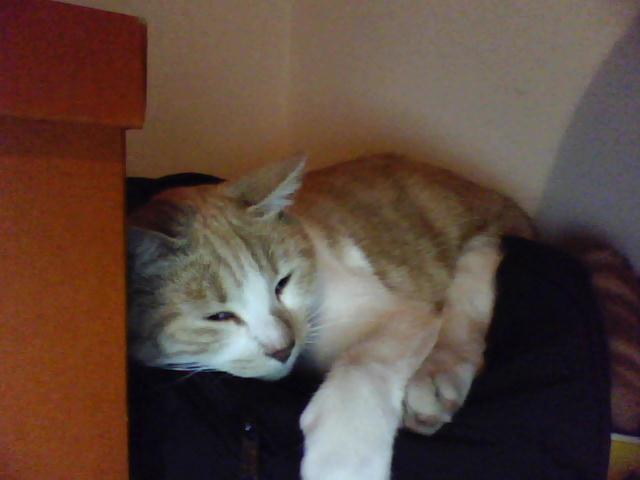
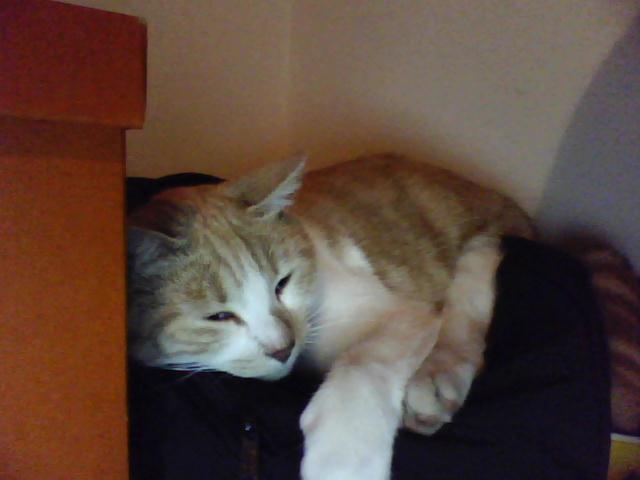
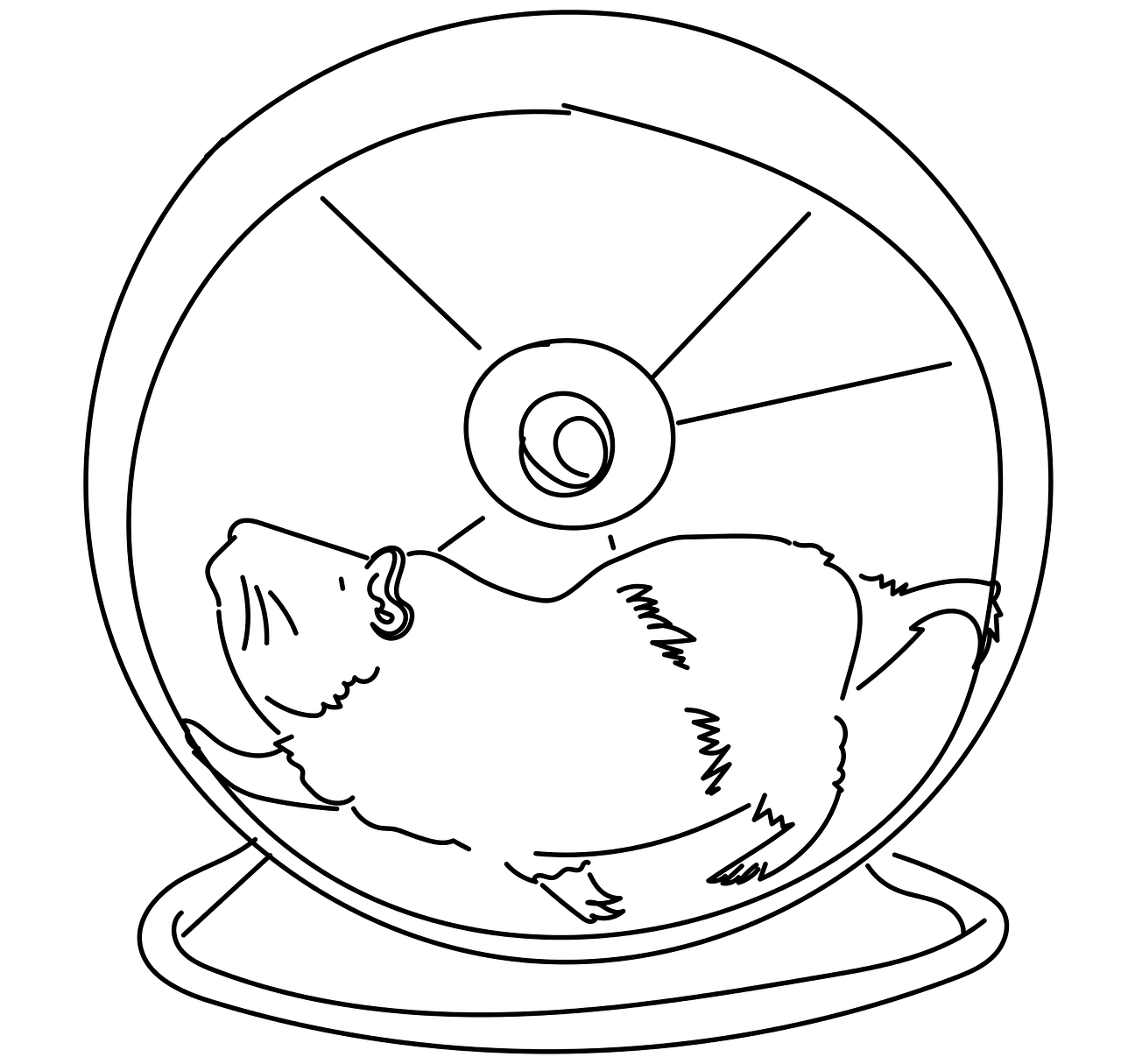
  4. Stop blaming yourself. Are you ruining your life by saying “I should have” or “I could have”? Are you spinning around like a hamster on its wheel? Reproaches against yourself represent real sterile and negative self-flagellations. If you have made a mistake, even a serious one, let the guilt go away and then evaluate two rational and productive options: apologize and repair the “damage”. By apologizing, you face the reality and assume your responsibilities. Repairing, on the other hand, allows you to get back into a position of action and makes you regain self-esteem. Stopping self-scolding also helps you take the reins of your life back and move on. If you have made a mistake and you are the victim, it’s just as important to learn to forgive yourself and learn the lesson for the next time.
  5. Laugh more often. Laughing allows you to take distance, to play down, to hold on and to create an environment that is conducive to exchange and sharing around you. Look at the crazy side of situations (there always is), listen to humorists, watch comedies. Laughing is contagious, you know. As soon as you see that you are being a know-it-all, that you want to give lessons, that you are becoming fussy or that you are complaining, stop it! Remember that people do not like when you are like that. Moreover, you might be suffering of stress toxic effects, as you would fail to identify what is important from what is not and, finally, you would be a victim of a perfectionism that may ruin your life and, sometime, even that of the others.

Photo by Leslie Juarez on Unsplash

Do you think that any of these tips may help you with your life?
Come condurre la vita che desideri

Albert Ellis (1913-2007), psicologo americano, ha sviluppato un suo proprio metodo: la Rational Emotive Therapy (RET), ovvero la terapia emotivo-razionale. Il principio base di questa terapia trova il suo fondamento nel concetto espresso da EpittetoGli uomini non sono disturbati dalle cose, ma dalle opinioni che essi prendono di loro“. Secondo Ellis, trovando e modificando le nostre credenze irrazionali, che sono fonte di sofferenza, possiamo liberarci dalle nostre catene interne e condurre finalmente la vita che vogliamo.

Ecco 5 consigli che potrai usare a seconda dell’ambito che ritieni più “urgente” (coppia, lavoro, famiglia, ecc.) nel quale le credenze tossiche sono attive e, perciò, richiedono di essere neutralizzate.

Photo by Jan Baborak on Usplash
  1. Abbandona l’uso del verbo dovere. Ellis chiama questa credenza i “must”. I “must” possono generare dei disturbi emotivi, che ti impediscono di connetterti ai tuoi bisogni e ai tuoi desideri più profondi e più veri. Inoltre, ti impediscono anche di trovare le risorse necessarie per superare una prova o un momento difficile. Esempi di alcuni pensieri frutto di questa credenza sono: “Devo fare tutto bene altrimenti gli altri non mi apprezzano (ovvero, se non piaccio agli altri, sono una nullità)”; “Gli altri devono fare esattamente come voglio io”. “Le circostanze devono permettermi di ottenere quello che voglio e come lo voglio”. Tutte le volte che ti senti intrappolato/a in una situazione, i “must” sono all’opera. Individuarli permette di indebolire la loro carica negativa e piano piano riuscirai ad abbandonarli.
  2. Scegli bene le tue parole (ricorda che le parole sono mattoni che costruiscono muri anche dentro di te). Le parole che utilizziamo non solo rivelano la nostra maniera di pensare ma orientano anche i nostri comportamenti. Come interpreti quello che ti accade e come ti proietti in un evento che deve ancora accadere, influisce sul tuo stato emotivo. Questo genera a sua volta emozioni che rafforzano le tue credenze. Piuttosto che ripetere in continuazione che non hai fortuna, che non vali niente, che non sarai mai all’altezza, è meglio dire che hai fatto del tuo meglio, che forse non sei stato attento/a o che non eri a conoscenza di quella cosa o fatto, ma che farai di tutto per recuperare o superare l’ostacolo. Non si tratta di utilizzare la bacchetta magica, ma di scommettere su ciò che ti aiuta ad andare avanti anziché seguire le tue credenze negative e, come tali, inutili.
  3. Osa pensare a te. Non si tratta di pensare solo a te o di pensare a te contrapposto agli altri. I giudizi, il conformismo e le proiezioni degli altri (genitori, famiglia, amici, società) ti allontanano da quello che ti fa stare bene. Ellis credeva nella potenza della determinazione, anche conoscendo il peso dell’inconscio e della storia personale. Invitava i suoi pazienti ad identificare le aree della vita che li facevano stare bene e voleva che li mettessero al centro della loro vita. Tutti noi vogliamo essere accettati, riconosciuti per il nostro valore, ma a volte è necessario mettere in secondo piano questi desideri di gratificazione. Devi mettere, invece, in primo piano quello che ha più senso per te, quello che senti essere la condizione per una vita felice secondo i tuoi criteri di felicità.
  4. Smetti di rimproverarti. Ti stai rovinando la vita a forza di dirti “avrei dovuto” o “avrei potuto”? Stai girando in torno come un criceto sulla sua ruota? I rimproveri verso te stesso/a rappresentano delle vere e proprie autoflagellazioni sterili e negative. Se hai fatto un errore, anche grave, fai passare il senso di colpa poi valuta queste due opzioni, razionali e produttive: scusati e ripara il “danno”. Scusandoti affronti la realtà e ti assumi le tue responsabilità. Riparare ti consente, invece, di rimetterti in posizione d’azione e ti fa riguadagnare autostima. Smettere di auto-rimproverarsi ti aiuta anche a riprendere in mano le redini della tua vita e di andare avanti. Se hai fatto un errore e tu stesso/a ne sei la vittima, è altrettanto importante imparare a perdonarsi e imparare la lezione per la prossima volta.
  5. Ridi più spesso. Ridere ti permette di prendere distanza, di sdrammatizzare, di tenere duro e di creare intorno a te un ambiente favorevole allo scambio e alla condivisione. Individua il lato folle delle situazioni (c’è sempre), ascolta gli umoristi, guarda le commedie. Ridere è contagioso, lo sai. Appena vedi che stai facendo il/la saccente, che vuoi dare delle lezioni, che stai diventando pignolo/a o che ti stai lamentando, fermati! Ricordati che questi comportamenti non attirano simpatia e che provocano più di altri gli effetti tossici dello stress. Questi comportamenti, infine, potrebbero farti diventare vittima di perfezionismo che, a sua volta, potrebbe rovinare la tua vita e, a volte, anche quella degli altri.

Pensi che adottando uno di questi consigli riusciresti a condurre la vita che desideri?

Photo by Lesly Juarez on Unsplash

People Living Together

Lille, 2018, Yolande, an 85-year-old lady, lives alone. She has children and grandchildren but they live far from her. Yolande does not like living alone and she needs some help with her daily life.

At the same time, Sandrine, a young single mother who has resumed her studies as a nurse, is looking for an accommodation for her and her daughter. But rents are expensive.

Photo by Joshua Newton on Unsplash

Sifting through ads on the Internet, Sandrine sees a much lower offer than the market average. She does not know yet, but it is the announcement that Yolande made.

Thanks to an association, Yolande puts in the market her house in a so called “intergenerational and supportive rent”. With this new type of contract, a single person over 60 can share their place with someone under 30.

The renter benefits from a much lower rent than the market average. In return, they undertake to live with the elderly person and help them with their daily life.

This type of cohabitation is encouraged by the French state which even enforced it in law in 2018. The aim is to help young people find affordable housing, and making older people less lonely.

Sandrine then moves with her daughter to Yolande’s place and they recreate a real little family. Sandrine helps Yolande with the grocery shopping and cleaning the house, while Yolande sometimes looks after the little child and even picks her up from school. By doing so, she feels like a young grandmother again!

What do you think about living together with an elderly?

Photo by Elaine Casap

Giovani e anziani

Lille, 2018, Yolande, anziana signora di 85 anni, vive da sola. Ha dei figli e dei nipoti ma vivono lontano da lei. A Yolande non piace abitare da sola e ha anche bisogno di un po’ d’aiuto nelle sue faccende quotidiane.

Allo stesso tempo, Sandrine, giovane madre single che ha ripreso i suoi studi da infermiera, cerca un alloggio per lei e sua figlia. Ma gli affitti sono cari.

Spulciando gli annunci su Internet, Sandrine vede un’offerta molto più bassa della media del mercato. Lei non lo sa ancora, ma è l’annuncio che ha messo Yolande.

Photo by Joshua Newton on Unsplash

Grazie ad un’associazione, Yolande propone di condividere la sua casa in “affitto intergenerazionale e solidale”. Con questo contratto di nuovo tipo, una persona sola con più di 60 anni, può condividere la sua casa con qualcuno di meno di 30 anni.

La persona in affitto beneficia di un affitto molto più basso del normale. In cambio, si impegna a vivere con la persona anziana e ad aiutarla nelle faccende quotidiane.

Questo tipo di coabitazione è incoraggiato dallo stato francese che lo ha addirittura inquadrato in legge nel 2018. Lo scopo è quello di aiutare i giovani a trovare un alloggio a prezzi abbordabili, rendendo meno sole le persone anziane. Sandrine allora si trasferisce con sua figlia da Yolande e ricreano una vera piccola famiglia. Sandrine aiuta Yolande a fare la spesa e a pulire la casa, mentre Yolande a volte si occupa della piccola e va anche a prenderla a scuola. Così facendo, si sente di nuovo una giovane nonna!

Cosa ne pensi di questo tipo di convivenza?

Photo by Elaine Casap on Unsplash

5 Secrets To Sleep Better

We all know someone who complains about not sleeping or sleeping badly. In Europe, about one third of the adult population has difficulty falling asleep and between 10% and 15% suffer from chronic insomnia. I myself have suffered from insomnia for a long time. This is a problem that can have various causes (from the excessive use of digital devices that emit blue light – computers, tablets, TVs, etc. – to biological issues). One of the causes may also be the obsession with sleeping well.

What is this obsession? It is a phenomenon called orthosomnia (from the Greek ortho, “perfect”, and from the Latin somnia, “rest”) and, according to experts, although it is not yet considered a disorder, it is getting increasingly common. It consists in continually recurring thoughts, that I call “circular thoughts”, namely thoughts that enter a vicious circle precisely because they are always the same and recur all the time. The main causes of these thoughts are, guess what, stress and anxiety. Not being able to sleep, your mind does not stop thinking about the same things over and over (hence circular thoughts, i.e. thoughts that come back).

If you suffer from insomnia, even if not severe, it would be good to do a complete sleep study (polysomnography) to find an effective solution. I had this test. I was in a sleep clinic for one night, with electrodes attached all over the body including, of course, the head. I have found that, during my sleeping time, Alpha waves (the brain waves typical of the awaking period) intrude from time to time.

The obvious solution would be to try eliminating or at least reducing stress. I know, it’s not easy. Therefore, I propose that you try the following five tips.

Photo by Alex Basov on Unsplash
  1. Learn to breathe well and deeply by practising a discipline such as Yoga, Pilates or meditation.
  2. Create a relaxing environment. A quiet home is the key to a restful night. If you have trouble falling asleep, keep your bedroom clean and clear of unnecessary items, tidy up the things you have left lying around and you will see that you will have a more peaceful night.
  3. Use essential oils that are particularly suitable for inducing sleep, such as lavender or chamomile.
  4. Create a playlist to help you relax and fall asleep.
  5. Try using Bach Flowers and melatonin. White Chestnut against circular thoughts and Rescue Sleep to help you fall asleep. I used them for several months, then gradually I stopped and now I suffer much less from thoughts that come back and I also sleep much better. At the moment I use only melatonin and I think it is a good solution for my insomnia.

And you, do you suffer from insomnia? Do you have circular thoughts that haunt you? Would you try these tips?

Photo by Cristiana Branchini

5 segreti per dormire bene

Conosciamo tutti qualcuno che si lamenta di non dormire o di dormire male. In Europa, circa un terzo della popolazione adulta ha difficoltà ad addormentarsi e tra il 10% e il 15% soffre di insonnia cronica. Io stessa ho sofferto d’insonnia per un lungo periodo. Si tratta di un problema che può avere origini diverse (dall’utilizzo eccessivo dei dispostivi digitali che emettono luce blu – computer, tablet, TV, ecc. – a questioni biologiche). Ma tra le cause c’è anche l’ossessione di dormire bene.

Che cos’é questa ossessione? E’ un fenomeno chiamato ortosonnia (dal greco ortho, “perfetto”, e dal latino somnia, “riposo”) e, secondo gli esperti, sebbene non sia ancora considerato un disturbo, è sempre più comune. Consiste nel ripresentarsi continuamente di quelli che io chiamo “pensieri circolari”, cioè pensieri che entrano in un circolo vizioso proprio perché sono sempre gli stessi e si ripresentano di continuo. Le cause principali di questi pensieri sono, indovina un po’, lo stress e l’ansia. Non riuscendo a dormire, la tua mente non smette pensare sempre alle stesse cose (da qui pensieri circolari, cioè pensieri che ritornano). Piú vuoi dormire, meno ci riesci. Ecco l’ossessione.

Se soffri di insonnia, anche non grave, sarebbe bene fare uno studio completo del sonno (polisonnografia) per trovare una soluzione efficace. Io l’ho fatto, sono stata in una clinica del sonno per una notte, con elettrodi attaccati in tutto il corpo compresa, ovviamente, la testa. Ho scoperto che, durante il sonno, ho delle incursioni di onde Alfa, le onde cerebrali tipiche del periodo di veglia.

La soluzione più ovvia sarebbe cercare di eliminare o almeno ridurre lo stress. Lo so, non è facile. Perciò, ti propongo di provare a seguire questi cinque consigli.

Photo by Alex Basov on Unsplash
  1. Impara a respirare bene e profondamente, praticando una disciplina come lo Yoga, il Pilates o facendo meditazione.
  2. Crea un ambiente rilassante. Una casa tranquilla è la chiave di una notte riposante. Se hai delle difficoltà ad addormentarti, mantiene pulita e sgombera la tua camera dagli oggetti inutili, riordina le cose che hai lasciato in giro e vedrai che passerai una notte più serena.
  3. Utilizza degli oli essenziali particolarmente adatti a conciliare il sonno, come la lavanda o la camomilla.
  4. Crea una playlist che ti aiuti a rilassarti e ad addormentarti.
  5. Prova a utilizzare i fiori di Bach e melatonina. White Chestnut contro i pensieri circolari e Rescue Remedy notte per aiutarti ad addormentarti. Li ho usati per diversi mesi, poi progressivamente ho smesso e ora soffro decisamente meno di questi pensieri che ritornano e dormo anche molto meglio. Adesso uso solo la melatonina e trovo che sia una buona soluzione per combattere la mia insonnia.

E tu, soffri d’insonnia? Hai dei pensieri circolari che ti assillanno? Proverai uno di questi suggerimenti?

Photo by Cristiana Branchini

6 Ways To Warm Up Your Hands

Are you like me who always have cold hands in winter? Here are six remedies ((without putting them on the radiator) that you can easily use to warm up your hands during this winter that is rather cold.

Photo by Koko 19091 on Pixabay
  1. When you go out put on your gloves, of any kind they are: traditional, in thermal material, or with a battery. To avoid arthritis you should wear natural fibre gloves, such as cotton or wool, but it is true that gloves made of thermal material, such as those used for skiing, are warmer. In any case, you shall wear them with warm hands already, therefore before leaving your place, otherwise it will take longer to warm them up.
  2. Use hand cream. It helps you to form a protective barrier which then decreases the feeling of cold. A thick cream is certainly more useful than a fluid cream. In addition, it also helps you to prevent the formation of cracks caused by frequent washing, which is absolutely necessary in times of pandemics, like the one we have been living for about one year.
  3. Avoid smoking (your lungs will be happier too). You will not have to go out on the balcony (if you live with some other people who don’t smoke) and you will avoid tobacco hindering blood flow, a constriction that causes a drop in body temperature since less blood will be circulating.
  4. Give a warm hug. Contact with bodies is the best way to transmit heat. Many people put their hands under their arms to be warmer when they feel cold or when they are in a cold environment. Of course, hugging in the days of Covid is not recommended, so do it only with those who live with you.
  5. Put your hands into warm water. This remedy is also used to treat freezing symptoms. However, you must be careful since, with the loss of sensitivity of the hands caused by the cold, there is the serious risk of burning them if the water temperature is higher than 40/42 degrees.
  6. Say goodbye to alcoholic aperitifs and drinks. Although there is the idea that alcohol heats you up, this is a misbelief. The truth is that it is only a temporary sensation. Alcohol, like smoking, facilitates the vasoconstriction of the arteries. Much better to drink a hot herbal tea or tea.

Would you try one of those remedies and let me know if it works? I use gloves and put hand cream, and actually it works!

Photos by Free Photos on Pixabay

6 modi per riscaldarsi le mani (senza avere un termosifone vicino)

Sei come me che in inverno hai sempre le mani fredde? Ecco qui sei rimedi che puoi facilmente utilizzare per scaldarti le mani (senza metterle sul termosifone) durante quest’inverno che è piuttosto freddo.

Photo by Koko 19091 on Pixabay
  1. Quando esci mettiti i guanti, di qualsiasi tipo essi siano: tradizionali, in materiale termico, con la batteria. Per evitare l’artrite dovresti mettere dei guanti in fibra naturale, come cotone o lana ma è vero che fanno più caldo i guanti in materiale termico, tipo quelli che si usano per andare a sciare. In tutti i casi, devi metterteli con le mani già calde, quindi prima di uscire di casa, altrimenti ci metteranno più tempo a scaldarsi. Io uso due paia di guanti: un paio sottile che metto sotto ad un paio di guanti di montone. Forse ti sembra esagerato?
  2. Usa crema per le mani. Ti aiuta a formare una barriera protettiva che quindi diminuisce la sensazione di freddo. Una crema densa è sicuramente più utile di una crema fluida. Inoltre, ti aiuta anche a prevenire la formazione di screpolature causate dal lavaggio frequente, che in tempi di pandemia è assolutamente necessario.
  3. Evita di fumare (anche i tuoi polmoni saranno più contenti). Non solo per non dover uscire sul balcone (se vivi in ​​una casa con altre persone che non fumano), ma anche perché il tabacco ostacola il flusso sanguigno, creando una vasocostrizione che provoca l’abbassamento della temperatura corporea.
  4. Dai un caldo abbraccio. Il contatto con il corpo è il modo migliore per trasmettere calore. Molte persone mettono le mani sotto le braccia per stare più caldi dell’ambiente dove stanno. Certo, abbracciarsi ai tempi del Covid è sconsigliato, quindi abbraccia solo chi vive con te.
  5. Metti le mani in acqua tiepida. Questo rimedio viene usato per il trattamento dei sintomi da congelamento. Bisogna però stare attenti perché, con la perdita di sensibilità delle mani causata dal freddo, si corre il rischio di ustioni se la temperatura dell’acqua non è quella raccomandata (massimo 40/42 gradi).
  6. Dai addio all’aperitivo alcolico. Anche se si pensa che l’alcol faccia venire caldo, la verità è che si tratta di una sensazione temporanea. Infatti, l’alcol facilita la vasocostrizione delle arterie che provoca un rallentamento del flusso sanguigno, esattamente come il fumo. Molto meglio bere una bevanda calda come una tisana, un thè o un caffé d’orzo.

Quando hai le mani fredde prova a usare uno di questo metodi e dimmi se funziona! Io metto sempre i guanti e la crema per le mani e funziona!

Photo by Free Photos on Pixabay

How To Cope With the Fatigue Caused by the Covid-19

For about a year, we have been facing a health crisis that does not give us a break and actually begins to cause psychological effects.

If you feel tired and have little energy to do things, know that you are not alone.

Fatigue is one of the most common consequences of this pandemic. We are exhausted for several reasons. The disease directly causes one of them. Obviously, if you had the Covid, you have been more tired afterwards; it takes some time to recover from it and to get back into shape.

The World Health Organization (WHO) has defined “pandemic fatigue” the fatigue resulting from always being super attentive to the precautionary measures that we must comply with in order not to catch the virus.

More and more people suffer from nervousness, anxiety and feel pushed to the limit of their ability to bear the situation.

This state of hyper vigilance with Covid represents a constant strain of our hormonal and endocrine system which results in greater anxiety and, sometimes might turn into depression.

The economic situation and the uncertainty about the future we are living now are working our nerves out.

Photo by RD LH on Pixabay

In addition, you have to consider the deprivation of liberty caused by the lockdown.

Knowing that we are vulnerable to pandemic fatigue, we must put into practice measures that help us regain some well-being.

Here are 3 ideas that may help you out:

  1. Normalize what you feel. It is normal for you to feel stressed or sad. These last months are even harder because we are in winter and we do not see the way out (during the 1st wave we had summer ahead).
  2. Your well-being must become your priority. Just as you pay attention to wearing a mask, respecting safety distances and washing often your hands, you must take care of your well-being. Try to eat healthy, practise physical activity even at home, and talk to friends or beloved ones even if you cannot do it in person. If the rules in force allow it, go out, especially when it is sunny. Vitamin D is good not only for the body but also for the spirit. Find a hobby, or if you had one before, start doing it again.
  3. Give your mind a break. Stop listening to the latest news on Covid. Take a break from the news. Give yourself permission to disconnect. If you miss the latest update on the contagion data, nothing will happen. When you talk to someone, try to avoid the Covid topic. It is not a matter of pretending nothing has happened, but simply of avoiding further fatigue.

Let me know which tips you find more useful!

Photo by Ivabalk on Pixabay

Come diminuire la stanchezza causata dal Covid

Da circa un anno stiamo affrontando una crisi sanitaria che non ci dà tregua e anzi comincia a fare vedere i suoi effetti psicologici.

Se ti senti stanco/a e hai poca energia per fare una qualsiasi cosa, sappi che non sei solo/a.

La stanchezza è una delle conseguenze più comuni di questa pandemia. Siamo esausti. E lo siamo per diversi motivi. Uno di questi è causato direttamente dalla malattia. Ovviamente se hai preso il Covid, dopo sei più stanco/a, ti ci vuole un po’ di tempo per rimetterti in forma. Ma anche se non hai preso il Covid puoi sentirti al limite delle tue forze.

L’Organizzazione Mondiale della Sanità (OMS) ha definito “fatica pandemica” la stanchezza derivante dall’essere sempre super attenti alle misure di precauzione che dobbiamo rispettare per non prendere il virus.

Sempre più persone soffrono di nervosismo, ansia e si sentono spinte al limite della loro capacità di sopportazione.

Questo stato di iper vigilanza per evitare di prendere il Covid, rappresenta uno sforzo costante del nostro sistema ormonale o endocrino che si traduce in maggiore ansietà e, a volte, può trasformarsi in depressione.

La situazione economica e l’incertezza per il futuro che viviamo ora stanno creando logoramento.

Photo by RD LH on Pixabay

A questo, si aggiunge anche la privazione della libertà causata dal lockdown.

Sapendo di essere vulnerabili all’affaticamento pandemico, dobbiamo mettere in pratica misure che ci aiutino a ritrovare un certo benessere.

Ecco 3 idee:

  1. Normalizzare quello che provi. È normale che tu ti senta stressato/a o triste. Questi ultimi mesi sono ancora più duri perché siamo in inverno e non vediamo la via d’uscita (durante la prima ondata avevamo l’estate davanti).
  2. Il tuo benessere deve diventare la tua priorità. Così come fai attenzione a metterti la mascherina, a rispettare le distanze di sicurezza e a lavarti spesso le mani, deve prenderti cura del tuo benessere. Cerca di mangiare sano, fai attività fisica anche in casa, parla con amici o con i tuoi cari anche se non puoi farlo di persona. Se le regole in vigore te lo permettono, esci, soprattutto quando c’è il sole. La vitamina D fa bene non solo al corpo ma anche allo spirito. Trova un hobby, o, se ne avevi uno, ricomincia a praticarlo.
  3. Riposa la tua mente. Smetti di ascoltare le ultime notizie sul Covid. Prenditi una pausa dal telegiornale. Datti il permesso di disconnetterti. Se perdi l’ultimo aggiornamento sui dati del contagio, non succede niente. Quando parli con qualcuno cerca di evitare l’argomento Covid. Non si tratta di voler far finta di niente, ma semplicemente di evitare un ulteriore logoramento.

Fammi sapere quali tra questi consigli trovi più utile!

Photo by Ivabalk on Pixabay