Come affrontare la paura del cambiamento

La vita è cambiamento continuo, Buddha e Aristotele lo avevano già detto: il cambiamento è un fattore della vita.

Tuttavia, il cambiamento è stato super veloce nelle ultime decadi e non sembra ancora rallentare, anzi penso che potrebbe diventare sempre piú rapido, come ad esempio per quanto riguarda i cambiamenti ambientali.

I grandi cambiamenti che sono avvenuti a livello, sociale, politico, ambientale e tecnologico significano che dobbiamo imparare a gestire al meglio l’incertezza che ci troviamo davanti. Ad alcuni questo può fare paura.

L’origine di questa paura va ricercata nella biologia. Il nostro cervello è il risultato di due milioni e mezzo di anni di evoluzione. Abbiamo vissuto nelle caverne molto più tempo di quanto ne abbiamo passato in città. Ciò significa che abbiamo “codificato” risposte automatiche per rispondere con successo alle minacce quotidiane.

Se per assurdo vedessi una tigre camminare per strada, non cercheresti di capire di che razza si tratta ma cercheresti piuttosto di scappare il più velocemente possibile. Un’altra reazione codificata sarebbe quella di restare fermo/a immobile sperando che il felino non ti veda. L’ultima reazione possibile sarebbe quella di combatterla, con scarse se non nulle possibilità di riuscita e perciò il tuo cervello la scarterebbe immediatamente.

Queste sono le tre reazioni primordiali agli eventi che percepiamo come pericolosi per la nostra incolumità: Flight, Freeze o Fight (scappa, fermati o combatti).

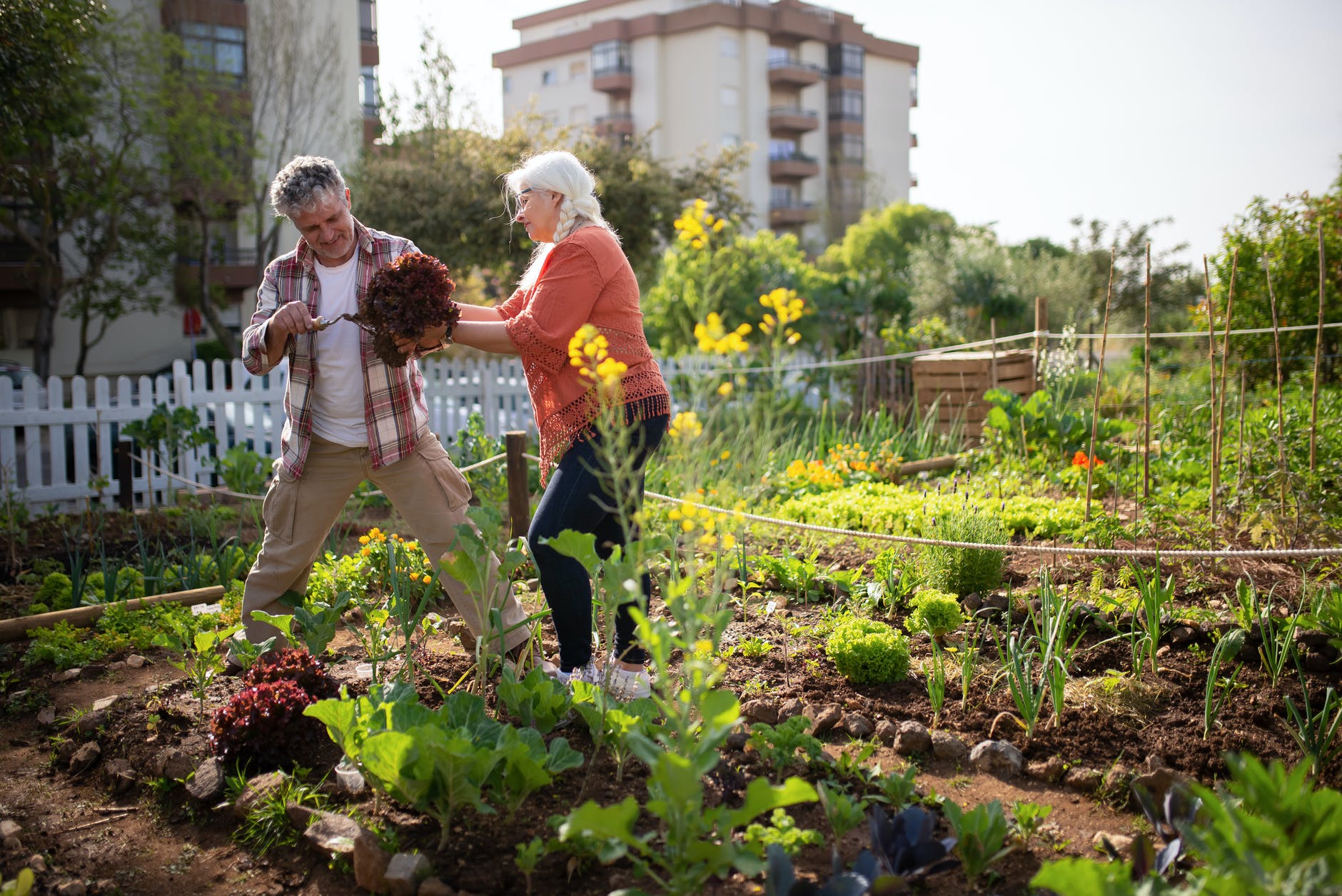
Photo by Cristiana Branchini

Tuttavia, questi meravigliosi circuiti che ci hanno permesso di arrivare sino ad oggi come specie, non sono adatti ad affrontare le minacce più subdole della nostra epoca, come la digitalizzazione, la pandemia o la possibilità di restare senza lavoro.

Queste paure sono nuove dal punto di vista evolutivo e non sono sempre facili da gestire.

Ricorda che il cervello è progettato per la tua sopravvivenza, non per la felicità. Quindi, di fronte al cambiamento, devi comprenderlo come un’opportunità per riuscire ad affrontarlo e imparare dalle possibilità che ti offre. Questo non è automatico come scappare da qualcosa di pericoloso, ma richiede sforzo e allenamento.

Vediamo come potresti iniziare seguendo questi quattro consigli.

 1.       Innanzitutto, è importante allenare quotidianamente la tua mente. Così come vai in palestra o fai esercizio fisico, devi mantenere in forma il muscolo cerebrale. Ogni giorno, cerca di fare qualcosa di diverso. Per esempio, potresti leggere le notizie da fonti di informazione sempre diverse (utile anche per capire vari punti di vista), cambiare percorso per andare a lavorare, o provare un nuovo piatto.

2.       In secondo luogo, potresti provare a relativizzare ciò che ti accade. Un buon metodo è leggere la storia per renderti conto che, sebbene viviamo nell’epoca del cambiamento super veloce, proprio tutti questi progressi ci hanno permesso, per esempio, di aumentare la nostra aspettativa di vita.

3.       Terzo, cerca di disconnetterti dalla tecnologia e riconnetterti con te stesso/a e con quello che ti ci circonda. Se sei sempre immerso/a nel mondo digitale, non avrai tempo per integrare l’apprendimento e per ritrovare una certa e necessaria tranquillità. Ad esempio, un giorno durante il fine settimana o in vacanza puoi mettere il tuo cellulare in modalità aereo.

4.       Quarto, fiducia. Se guardi le complessità che hai già affrontato in passato, vedrai quanta strada hai fatto e quelle difficoltà che hai superato ora ti sembrano semplici. Se sei già stato in grado di affrontare situazioni difficili, perché non dovresti essere in grado di farlo ora?

Ti spaventa il cambiamento oppure ti piacciono le nuove sfide?

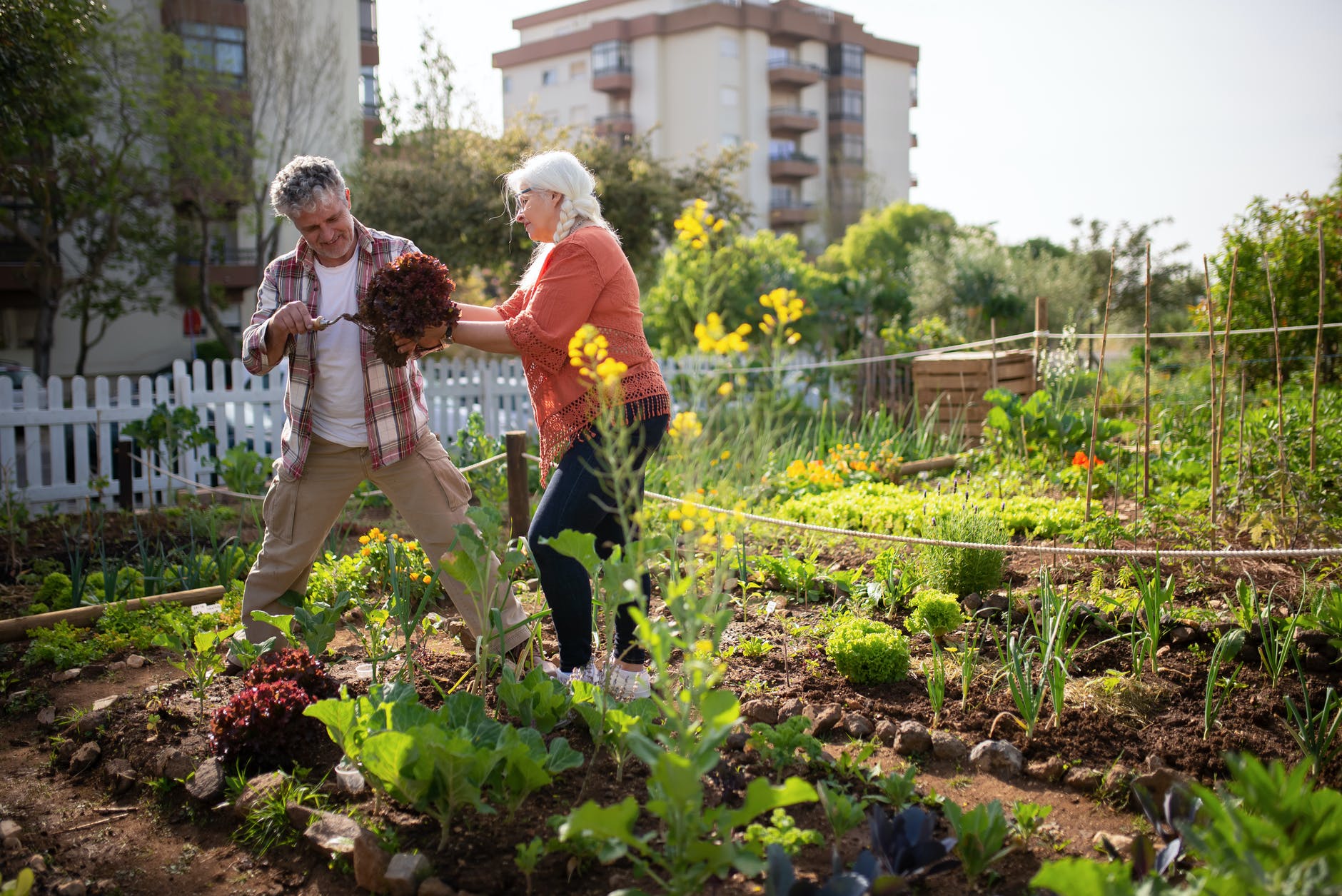
Photo Pixabay

Poem for the Approaching Autumn

Falling Leaves

I’ve read about falling leaves in fifty thousand poems novels
   and so on
watched leaves falling in fifty thousand movies
seen leaves fall fifty thousand times
              fall drift and rot
felt their dead shush shush fifty thousand times
              underfoot in my hands on my fingertips
but I’m still touched by falling leaves
              especially those falling on boulevards
              especially chestnut leaves
              and if kids are around
              if its sunny
              and I’ve got news for friendship
especially if my heart doesn’t ache
and I believe my love loves me
especially if it’s a day I feel good about people
              I’m touched by falling leaves
especially those falling on boulevards
especially chestnut leaves.

6th September, 1961, Leipzig

Nazim Hikmet from Poems of Nazim Hikmet, translation Randy Blasing and Mutlu Konuk, Persea Books, 2002

Nazim Hikmet (1902-1963)

Poesia autunnale

Foglie morte

Veder cadere le foglie mi lacera dentro

soprattutto le foglie dei viali

soprattutto se sono ippocastani

soprattutto se passano dei bimbi

soprattutto se il cielo è sereno

soprattutto se ho avuto, quel giorno, una buona notizia

soprattutto se il cuore, quel giorno, non mi fa male

soprattutto se credo, quel giorno, che quella che amo mi ami

soprattutto se quel giorno mi sento d’accordo con gli uomini e con me stesso

veder cadere le foglie mi lacera dentro

soprattutto le foglie dei viali d’ippocastani.

Autore: Nazim Hikmet

Tratta dal libro: Poesie d’amore

Traduzione e nota di Joyce Lussu

yellow dry maple
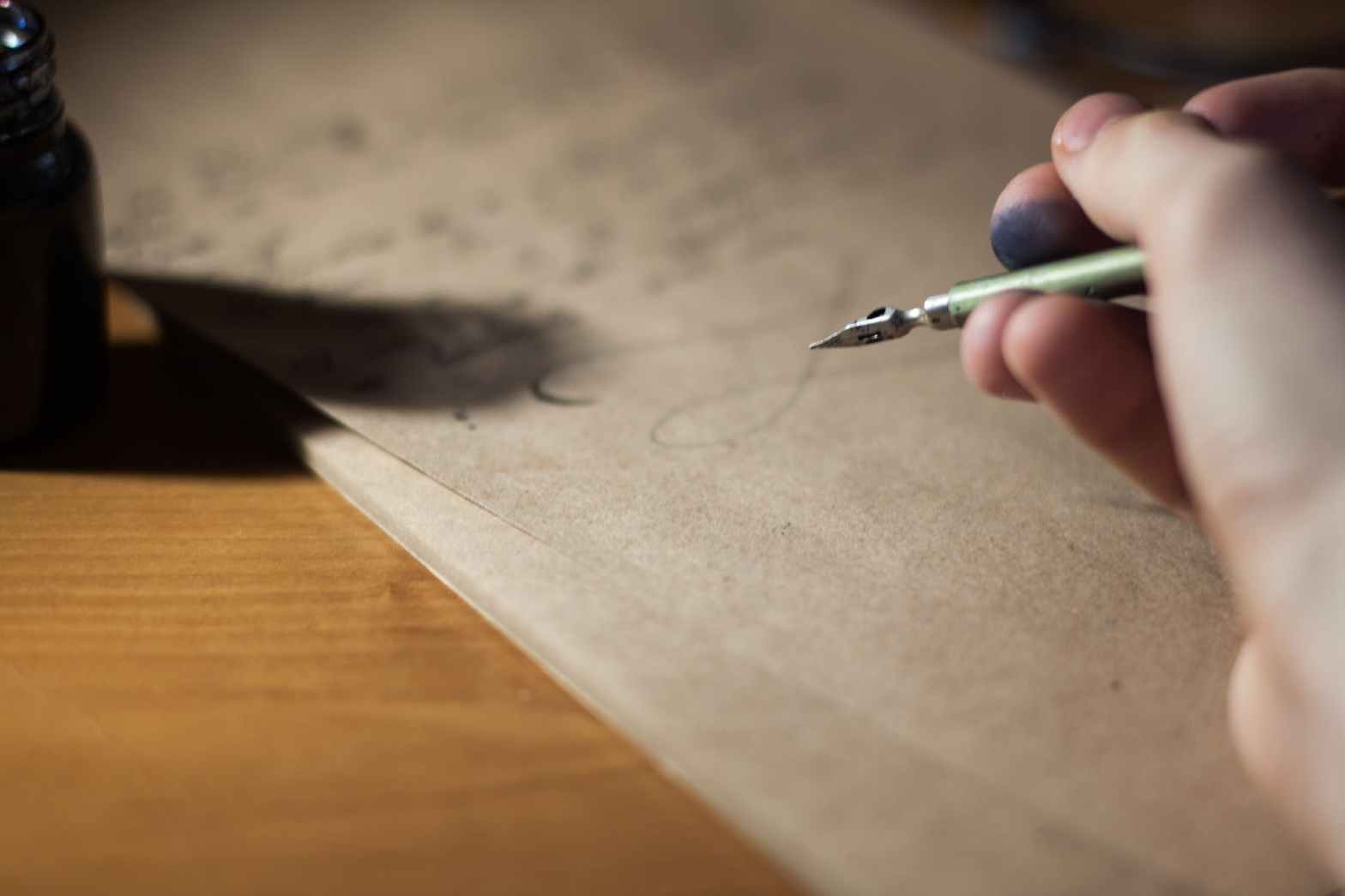
Photo by Kadri Vosumae on Pexels.com

Listening to Your Body with Qi Gong

Qi Gong is an ancestral discipline born in China about 5000 years ago. It has been influenced by various philosophies, such as Taoism, Buddhism and Confucianism.

After having developed within religious and spiritual fields, Qi Gong has been contaminated by fighting techniques becoming in this way also part of martial arts.

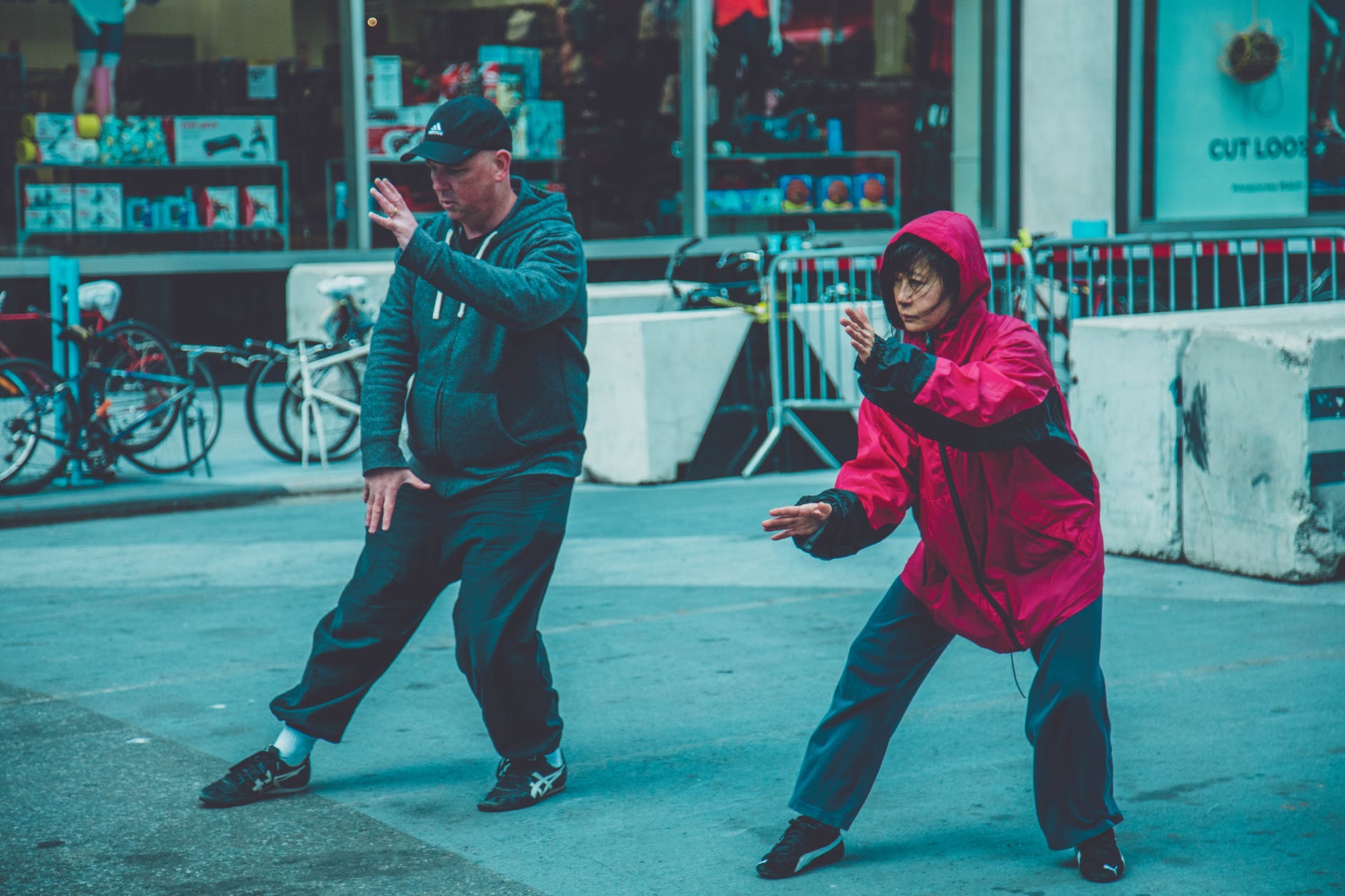
photo a man and woman doing martial arts
Photo by Craig Adderley on Pexels.com

Today, more than a thousand forms of Qi Gong are known. Actually, each teacher develops his own technique observing though the same principles and purposes: to stay healthy by keeping the body, spirit and energy in balance.

According to Chinese medicine, good health is the result of a good circulation of energy in the body. Qi Gong is considered a prevention measure.

The search for balance, the precision of intention (Yi), the fluidity of gestures represent not only a path towards self-knowledge but also the pleasure of encountering oneself. With Qi Gong, we learn to love ourselves, to open up to the universe, to live in harmony with everything around us.

In the search for balance, you will experience moments when you focus and moments when you rest. Feeling too much or what is missing, for example when you go from one foot to the other, allows you to become aware of your own fragility. When, on the other hand, you stand on two feet, well anchored to the ground, you feel then balanced, and stronger.

Working on balance brings a feeling of lightness and freedom, without forgetting that through the movements and stimulation of the meridians (energy circulation paths), organic functions improve (circulation, digestion, breathing).

The body is at the centre of the relationship with oneself, with others and with the environment. Body awareness passes through listening to your body at first, by observing muscle tone, tensions, balance, posture and the direction of movements.

Qi Gong can be considered above all as a search for energy balance and harmony between body and spirit. By paying attention to the gestures, we realize that our way of thinking also changes and we get a more peaceful look at the world.

Have you heard about Qi Gong before? What do you think about it?

silhouette of person raising its hand
Photo by Pixabay on Pexels.com

Come dare voce al corpo con il Qi Gong

Il Qi Gong è un’arte ancestrale nata in Cina circa 5000 anni fa. Ha subito l’influenza di diversi correnti filosofiche, come il taoismo, il buddismo e il confucianesimo.

Dopo essersi sviluppato in ambiti religiosi e spirituali, il Qi Gong è stato contaminato da tecniche di combattimento diventando cosí anche parte delle arti marziali.

photo a man and woman doing martial arts
Photo by Craig Adderley on Pexels.com

Oggi si conoscono più di mille forme di Qi Gong. Ciascun maestro, infatti, sviluppa la sua tecnica anche se i principi e le finalità restano le stesse: mantenersi in salute mantenendo in equilibrio il corpo, lo spirito e l’energia.

Secondo la medicina cinese, una buona salute è il risultato di una buona circolazione dell’energia nel corpo. Il Qi Gong è considerato una misura di prevenzione.

La ricerca dell’equilibrio, la precisione dell’intenzione (Yi), la fluidità dei gesti rappresentano non solo un cammino verso la conoscenza del sé ma anche il piacere dell’incontro con sé stessi. Con il Qi Gong, si impara ad amarsi, ad aprirsi verso l’universo, a vivere in armonia con tutto quello che ci circonda.

Nella ricerca di equilibrio, si alternano momenti di concentrazione e momenti di riposo. Sentire il troppo o quello che manca, quando ad esempio si passa da un piede all’altro, permette di prendere coscienza della propria fragilità. Quando invece si sta su due piedi, ben ancorati al suolo, allora ci si sente più forti.

Lavorare sull’equilibrio porta una sensazione di leggerezza e di libertà, senza dimenticare che attraverso i movimenti e la stimolazione dei meridiani (le vie di circolazione dell’energia) migliorano le funzioni organiche (la circolazione, la digestione, la respirazione).

Il corpo è al centro della relazione con sé stessi, con gli altri e con l’ambiente. La coscienza del corpo passa attraverso l’ascolto di sé stessi, l’osservazione del tono muscolare, delle tensioni, del nostro equilibrio, della nostra postura e della direzione dei nostri movimenti.

Il Qi Gong può essere considerato innanzitutto come la ricerca dell’equilibrio energetico e dell’armonia tra il corpo e lo spirito. Facendo attenzione ai propri gesti, realizziamo che anche il nostro modo di pensare cambia e si ha uno sguardo più sereno sul presente.

Conoscevi già il Qi Gong? Cosa ne pensi?

silhouette of person raising its hand
Photo by Pixabay on Pexels.com

September Quotes

Let’s welcome September with four quotes:

All at once, summer collapsed into fall. -Oscar Wilde

And then the sun took a step back, the leaves lulled themselves to sleep and Autumn was awaken. – Raquel Franco

September days are here. With summer’s best of weather and autumn’s best of cheer. – Helen Hunt Jackson

September tries its best to have us forget summer. – Bernard Williams

Do you know any other quotes on September? Which ones?

variety of fruits
Photo by Tijana Drndarski on Pexels.com

Proverbi di settembre

Eccoci qua in settembre, il mese che segna la fine delle vacanze estive per la maggior parte di noi. C’é anche, peró, chi come me ne approffitta per prendere un altro po’ di sole e farsi un ultimo bagno prima della lunga pausa invernale.

Ho pensato di raccogliere alcuni proverbi tipici del mese di settembre. Eccoli qui:

A settembre che è esperto non viaggia mai scoperto.

Di settembre e d’agosto, bevi il vin vecchio e lascia stare il mosto.

Di settembre l’uva rende e il fico pende.

Di settembre la notte col dì contende.

A settembre pioggia e luna, è dei funghi la fortuna.

Aria settembrina fresco la sera e fresco la mattina.

Ne conosci degli altri? Quali?

variety of fruits
Photo by Tijana Drndarski on Pexels.com

Come migliorare la qualità della tua vita con queste tecniche di rilassamento

Come forse saprai, le tecniche di rilassamento sono pratiche molto semplici che puoi usare per calmarti, affrontare situazioni stressanti, lasciare andare le tue preoccupazioni ma anche dormire meglio, perché possono aiutarti ad addormentarti o ad addormentarti più velocemente.

Le tecniche di rilassamento non solo ti aiutano a superare lo stress quotidiano o preoccupazioni piú importanti, ma ti aiutano anche a:

  • ridurre la pressione
  • migliorare il tuo umore
  • lasciare andare la rabbia
  • migliorare la digestione
  • ridurre la tensione muscolare e i dolori articolari.

Ecco qui alcune semplici tecniche di rilassamento che possono aiutarti ad ottenere una migliore qualità della vita.

  • Auto-ipnosi. Se non conosci l’ipnosi, dimentica tutto quello che puoi aver visto nei film. L’ipnosi é uno stato alterato della mente che si produce quando sei molto concentrato/a su un’idea o ripeti una frase come per esempio “mi sto rilassando profondamente”. Esistono delle app (oggi si trovano app per qualsiasi cosa!) che ti possono aiutare a praticare l’autoipnosi, o anche dei tutorial su YouTube.
  • Esercizi di respirazione. Probabilmente saprai che un respiro profondo ti aiuta a stabilizzare la respirazione quando sei agitato/a. Io uso la tecnica del 4-2-6. Ora ti spiego come funziona. Innanzitutto mettiti in una posizione comoda, non importa se seduto/a, sdraiato/a o anche in piedi. Quindi chiudi gli occhi e inspira contando fino a 4. Poi trattieni il respiro contando fino 2 ed espira contando fino a 6. Fai questo per almeno un minuto o due e vedrai che il tuo respiro rallenterà, riproducendo il modello di respirazione che assumi quando dormi, e quindi comunicando al cervello che vuoi dormire.
  • Yoga Nidra. Lo Yoga Nidra si può tradurre con yoga del sonno. Questa pratica ti aiuta a rilassarti mentre la mente resta sveglia e vigile. Lo scopo è quello di guidarti attraverso i quattro principali passi delle attività cerebrali, le onde beta, alfa, theta e delta per raggiungere uno stato intermedio tra la veglia e il sonno. Per praticare lo Yoga Nidra, trova uno spazio isolato e sdraiati supino/a, stabilisci l’intenzione per questa seduta, come ad esempio, rilassarti o liberarti dallo stress o da una determinata preoccupazione. Osserva il tuo corpo, le tensioni o le sensazioni di malessere contrapposte a quelle di benessere. Anche in questo caso puoi trovare delle app o dei tutorial su YouTube che ti guidano in questa pratica.
    Una ricerca ha dimostrato che questo tipo di yoga può essere molto efficace nel trattamento dell’insonnia. La pratica regolare dello Yoga Nidra ha migliorato la qualità del sonno dei partecipanti allo studio e anche ridotto gli episodi di insonnia, i sintomi dell’ansia e i livelli di stress. Questi risultati sono stati verificati anche tre mesi dopo l’inizio della pratica.
woman in pink crop top and jogging pants practicing yoga
Photo by KoolShooters on Pexels.com
  • Un’ora per lasciare andare la giornata. Questa pratica consiste nel dedicare un’ora ad attività che ti aiutano a rilassarti prima di andare a letto. Suddividi l’ora in pratiche di 20 minuti ciascuna. Nei primi 20 minuti svolgi delle cose che ti sono rimaste da fare in casa, come ad esempio svuotare la lavastoviglie, dar da mangiare al gatto. Nei successivi 20 minuti fai qualche attività non impegnativa come parlare con la tua famiglia, praticare altre tecniche di rilassamento o scrivere tre motivi per cui sei grato/a della giornata appena trascorsa. Non guardare il telefono perché la luce blu che emette può inibire la produzione naturale di melatonina e quindi rendere più difficile addormentarsi. Infine, gli ultimi 20 minuti, dedicali alla tua igiene personale, come fare una doccia o un bagno caldo. Creare un rituale prima di dormire è un metodo veramente utile per passare una notte tranquilla.
  • Immaginazione guidata. L’immaginazione guidata è una tecnica che agisce sulla mente e sul corpo mediante il quale da solo/a o con l’aiuto di un professionista puoi evocare e generare immagini mentali che coinvolgono i tuoi sensi, che riducono lo stress e ti aiutano a dormire meglio. Mettiti comodo/a e prova a farti queste domande a occhi chiusi:
    1. Cosa vedi? Guarda da vicino e da lontano i colori, le forme e la luce.
    2. Cose senti? Ascolta tutti i suoni dell’ambiente in cui ti trovi e cercane degli altri, non concentrarti su uno solo.
    3. Cosa assapori? Questo é il meno facile perché non stai mangiando. Immagina perciò di mangiare qualcosa che ti piace molto e le sensazioni che ti dà.
    4. Cosa puoi odorare? Concentrate sugli odori intorno a te, quali sono e quanti ce ne sono?
    5. Cosa percepisci? Manda la tua attenzione alle parti del tuo corpo che sono in contatto con qualcosa, ad esempio il pavimento, la sedia o la poltrona.
  • Rilassamento progressivo. Attraverso un graduale rilassamento muscolare diventerai più consapevole dei punti di tensione nel tuo corpo. La tecnica consiste nel tendere i muscoli per poi rilassarli. Di solito si comincia dai piedi per poi arrivare fino alla testa. In questo modo raggiungerai la consapevolezza di come sono le parti del tuo corpo quando sono tese e quando sono rilassate. Puoi anche usare questa tecnica tutte le volte che hai male da qualche parte.

Ricorda di non fare questi esercizi se stai guidando, lavorando con delle macchine o facendo qualcosa che richiede la tua totale attenzione.

Cosa pensi di queste tecniche di rilassamento? Ne conoscevi giá una?

food wood man love
Photo by Thirdman on Pexels.com

How to Improve the Quality of Your Life with Relaxation Techniques

As you may know relaxation techniques are simple practices you can do to help yourself calm down, cope with stressful situations, and relieve stress. The warning signs are out there: headaches, stomach knots, and racing thoughts. They are all signalling you to take action. The good news is that you can. The resources are here. They can also help you fall asleep, and go to sleep (or back to sleep) faster. 

Try out the different tips and techniques listed here and see what works best for you.

1. One Hour to Let Go

This technique allows you to finish your daily tasks and help you get ready for sleep an hour before bedtime. This exercise is done in three 20-minute sessions.

  • In the first 20 minutes, take care of any simple tasks, for instance preparing the dishwasher or feeding your cat.
  • In the second 20 minutes, do some relaxing activities like talking with family members, doing an additional relaxation technique, or thanking for three things that have happened in your day. Avoid scrolling on your phone though, as the blue light on your screen can inhibit your natural melatonin production and make it harder for you to fall asleep.
  • In the last 20 minutes, take care of your personal hygiene. Take a warm bath or shower.

Creating consistent and healthy rituals is really a good way to getting a good night’s sleep each night.

2. Guided Visualisation

Guided Visualisation uses your imagination to engage your senses. This simple exercise can be done on your own, or with the help of a therapist or a guided imagery practitioner. Here are some questions you can ask yourself:

  • What can you see? Look close and far, colours, shapes, and light.
  • What can you hear? Hear as many sounds as you can and keep looking for new ones, don’t focus on anyone for too long.
  • What can you taste? This is less fun as you are not eating, but try to imagine yourself eating something you love.
  • What can you smell? Focus on the smells around you – what are they and how many can you find?
  • What can you feel? Send your attention to the parts of your body that have contact with something, like the floor or a chair or table.

Through this technique, you can connect your conscious mind to your unconscious mind and help direct your body and brain towards a desired goal response. Guided imagery helps you relieve stress, reduce feelings of anxiety, and encourage healthy sleep.

fashion people woman relaxation
Photo by PNW Production on Pexels.com

3. Self-Hypnosis. If you are only familiar with hypnosis that you might have seen on films, forget about it. Hypnosis is a state of consciousness where someone is intensely focused on an idea, which can make their brain more receptive to new thoughts or ideas. If you want to try it, there are apps or tutorials on YouTube available.

4. Breathing Exercises

You probably know that a deep breath can help you stabilize your breath when you are anxious or worry about something deeply. A breathing exercise can help encourage relaxation, reduce muscle tension, and even lower your heart rate and blood pressure. Repeat this as many times as you need. By practising deep breathing, you reproduce your breathing patterns as you fall asleep. In doing so, you encourage your body to enter that state of restfulness and get itself ready for sleep.

5. Progressive Relaxation

This technique allows you to become more familiar with your body and any of the places you may be holding onto stress or tension.

Progressive relaxation involves working with your body in different areas and each muscle group, first by tensing the muscles and then relaxing them. Usually you start with your feet and go your way up to the top of the head. In this way you will be aware of how the parts of your body feel when they are tense, as well as when they are relaxed. You can use this technique to address any tension or stress you may have.

6. Yoga Nidra

Yoga Nidra is also known as yogic sleep. It helps the body relax while the mind is alert and awake. The goal is to guide yourself through the main four stages of brain wave activity— beta, alpha, theta, and delta— and achieve a state of being between wakefulness and sleep.

To practice Yoga Nidra, all you need is a comfortable place to lie down. Begin then by lying face-up and set an intention for that session, for example stress relief or relaxation. Watch your body and notice any tension or sensations you feel. You can always find apps or tutorial on the Internet to guide you through this practice.

One study has shown that Yoga Nidra can be a very effective supplemental treatment for insomnia. In participants practicing Yoga Nidra, regular participation improved their sleep quality and reduced their insomnia severity, anxiety symptoms and their stress levels. This improvement even continued 3 months after they began practising.

Remember not to practice any of these relaxation techniques while operating machinery, driving a car, or doing anything that requires your full attention.

Have you ever heard of any of these techniques before?

photo of woman laying on ground
Photo by Natalie on Pexels.com

Why You Are the Words You Use

The words you use can change your reality. Language actually generates changes in your brains and changes your perception of the environment around you.

Language is linked to emotions. Your words are constantly sending messages to your brain. According to neuroscientists Andrew Newberg and Mark Robert Waldman, negative words cause the increase of cortisol, the stress hormone. Therefore, adopting a negative attitude and using phrases like “I cannot do it”, “I will fail” or “it is impossible” could weaken your personal physical and mental health.

Nowadays, many techniques associated with changing the language to treat various psychological disorders are used. An example of this is the cognitive-behavioural therapy, which demonstrate that promoting positive thinking through the language used by the patient improves their mental state.

This therapy aims to replace patients’ negative views about themselves and their surroundings with more positive ones. The applied techniques have proven to be an effective treatment for disorders such as depression, phobias, addictions or anxiety, as the activity of the brain amygdala increases when you perceive a more prosperous future through positive words. On many occasions, these therapies have proven to be as effective as medicines.

Research has shown that the brain improves when you start using three to five positive expressions for each one negative. Language has a powerful ability to change your world. It affects you negatively when you use a poor, defeatist language but it also works the other way around, namely, when you use positive phrases they will help you change your perception of the world.

person doing thumbs up
Photo by Donald Tong on Pexels.com

Start adopting a series of simple but very effective techniques. For example, use “yet” instead of using only “not”. Saying “I cannot do it” is not the same as saying “I cannot do it yet“. “Yet” leaves the doors open, arouses hope, evokes motivation.

You should not use “but” or, at least, you should build your phrases differently. “But” does not have the same effect when you say, “You did a good job, but you gave it to me late” compared to when you say, “You gave it to me late, but you did a good job.”

Tenses also give you a great opportunity to change your emotions. Instead of using the conditional, try using the future. You change a hypothetical scenario for a true one. It is not the same as saying: “When I write a book, I would speak of happiness” rather than “When I write a book, I will speak of happiness”. Doubt lives in the conditional, certainty in the future.

At the same time, you should avoid words like failure, problem, impossible or guilt in your language and replace them by more inspiring words like challenge or responsibility. The latter not only pushes you to grow and open more doors, but also makes you interact better with others.

Words are not harmless. They can build or tear down walls. By changing your language, you will improve your image, as language is a way to reach others. Remember that the words you use also improve the environment around you.

What do you think about the language you use with others?

key with trinket in shabby door
Photo by Andrea Piacquadio on Pexels.com