In Iceland they carried out an experiment. From 2015 to 2019, 2,500 people (equal to 1% of the inhabitants) participated in a very ambitious project: to reduce working time without reducing wages. Public sector employees, with different profiles and working in different sectors (schools, hospitals, social and administrative services), worked 4 days a week following their working hours, not necessarily during the day.
Objective
Analyse positive changes in professional and personal life.
How it was achieved
Communication mainly via emails, reduced time of breaks and daily activities redistributed in order to optimize the available time.
Results
The results speak for themselves. In 4 years, participants’ productivity and well-being have increased, while stress and risk of burn-out has decreased considerably.
The results show that the 2,500 workers involved used their free time to recover their energy, to spend more time with their families, or to practise their hobbies. This has led unions to renegotiate employment contracts and now 86% of Icelandic employees have chosen to work less for the same salary.
Benefits
A marked improvement in the quality of life has been noticed. In fact, it is often the work environment that increases states of anxiety and malaise.
This research could be replicated in the UK, because, according to a survey, 63% of the population would be in favour. In addition, 45 deputies voted a motion to ask the government to study this proposal.
In Islanda hanno fatto un esperimento. Dal 2015 al 2019, 2.500 persone (pari all’1% degli abitanti) hanno partecipato a un progetto molto ambizioso: ridurre il tempo di lavoro senza riduzione di salario. Gli impiegati del settore pubblico, con profili diversi (scuole, ospedali, servizi sociali e amministrativi), hanno lavorato quattro giorni alla settimana seguendo il loro orario di lavoro, non necessariamente durante il giorno.
Obiettivo
Analizzare i cambiamenti positivi nella vita professionale e personale.
Com’è stato realizzato
Le aziende hanno ridotto il numero di riunioni, preferendo spesso la comunicazione per email, e diminuito il numero delle pause, mentre le attività giornaliere sono state ridistribuite in modo da ottimizzare il tempo a disposizione.
Risultati
I risultati parlano da soli. In 4 anni la produttività e il benessere dei partecipanti sono aumentati, mentre lo stress e il rischio di burn-out è diminuito notevolmente. I risultati dimostrano che la produttività è rimasta invariata o addirittura aumentata e i più 2500 lavoratori coinvolti hanno utilizzato il tempo libero per recuperare le energie, passare più tempo in famiglia o dedicarsi ai loro hobby. Questo ha portato i sindacati a rinegoziare i contratti di lavoro e adesso l’86% dei dipendenti islandesi ha scelto di lavorare meno giorni alla settimana per lo stesso stipendio.
Benefici
La settimana corta ha benefici non solo in termini di tempo libero ma anche perché gli impiegati hanno notato un netto miglioramento della qualità della vita. Infatti, spesso, è proprio l’ambiente di lavoro ad aumentare stati d’ansia e di malessere.
Questa ricerca potrebbe essere replicata nel Regno Unito, perché, secondo un sondaggio il 63% della popolazione sarebbe favorevole. Inoltre, 45 deputati hanno votato una mozione per chiedere al governo di studiare questa proposta.
We have seen that writing, visiting an unknown city or village, creating a time capsule and learning a new skill are ideas that you could try out in your free time.
Now let’s see some others.
1. Rediscover a childhood pleasure. You surely have many good memories related to your childhood. Some are related to places, others to people, and others to activities. Why don’t you try to rediscover what you liked to do when you were a child? Did you like playing with Lego? Now you could try building something out of wood. Or did you like to draw and then you stopped because life led you to a different path? You could take up this passion again, turn it into a hobby and maybe find out that you also have talent. Let yourself be carried away by memories and choose one that is realistically possible to materialize again.
2. Get moving. Have you not been physically active for a long time? Did the pandemic stop you wanting to go to the gym? Why don’t you try running, walking, or cycling? These are activities that you can do outdoors, so don’t be afraid to get infected. Choose a route or destination then go! Don’t compete with others, just test yourself. Every time you go for a run, walk, or ride you can decide to challenge yourself and go further, or take a more difficult path. Keep track of your achievements with an app or simply by writing them in a notebook. Then, from time to time look at them and you will see the improvements.
3. Dare to “digital detox”. Whatever your degree of addiction to your computer, mobile phone or tablet is, a digital detox can only do some good to you. Stop watching compulsively if a new message has arrived, how many likes the photo you posted on Instagram received, do not download the update of the new trendy game. You may decide to suspend these activities for a weekend. See how it goes, even in this case you can challenge yourself and go beyond the two days.
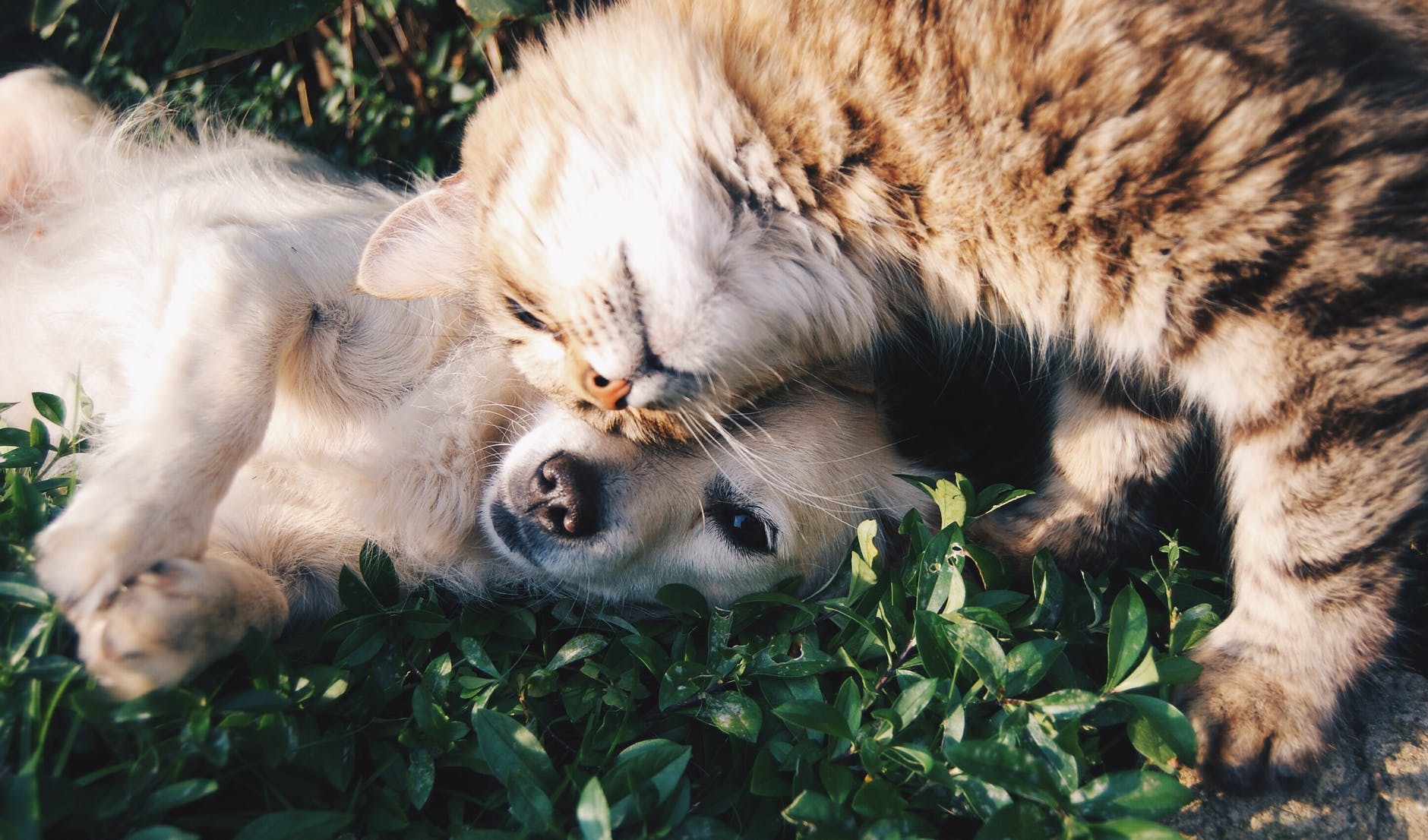
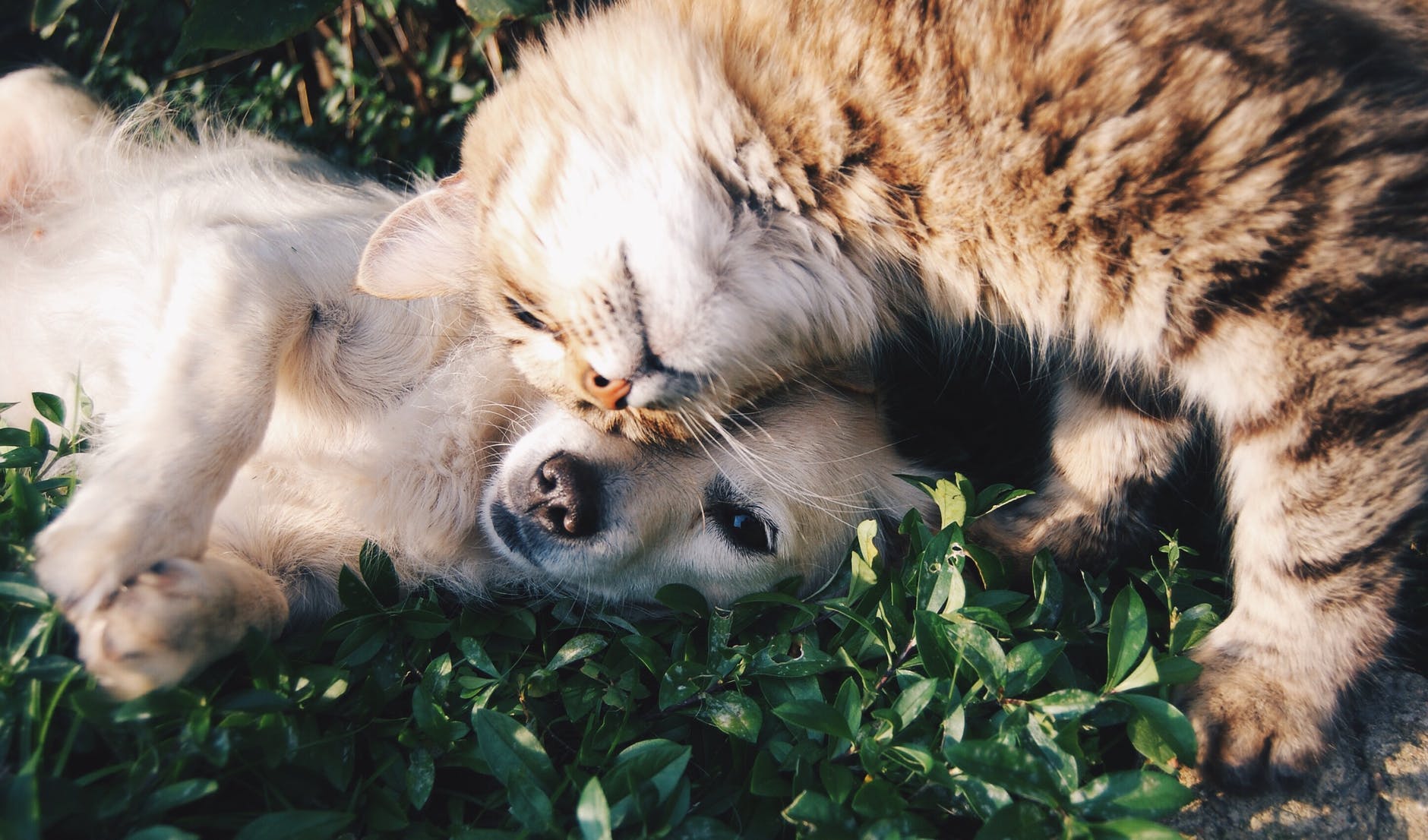
4. Take care of your pet or someone else’s pet. Studies have shown that spending time with a cat or dog reduces stress, improves physical and mental fitness, and increases our feelings of joy and satisfaction. If you don’t have a pet, you can go to a stray animal shelter and take care of them. You will be amazed by their gratitude!
5. Cook new recipes. We all have at least one cookbook that is gathering dust, as everything is now on the Internet. The advantage of a book over the web is that if you don’t have any ideas on what to prepare for dinner in the evening, you can grab the book and start leafing through it until you find something that inspires you. Then go shopping and start trying your hand at this new idea. Or you can come up with something with what you have already at home. You may also call a friend to prepare this recipe together. Do you know that cooking together is one of the best activities to build a team?
Dunque, abbiamo visto che scrivere, visitare una città o un borgo sconosciuto, creare una capsula del tempo e imparare una nuova competenza sono delle attività che potresti provare nel tuo tempo libero.
Vediamone ora delle altre.
Riscoprire un piacere dell’infanzia. Hai sicuramente tanti bei ricordi legati alla tua infanzia. Alcuni sono legati a dei luoghi, altri a delle persone, altri ancora a delle attività. Perché non provi a riscoprire quello che ti piaceva fare quando eri bambino/a? Ti piaceva giocare con i Lego? Ora potresti provare a costruire qualcosa con il legno. Oppure ti piaceva disegnare e poi hai smesso perché la vita ti ha portato a fare altro? Potresti riprendere questa attività, trasformarla in un hobby e magari scopri che hai anche del talento. Lasciati trasportare dai ricordi e scegline uno che sia realisticamente possibile da mettere in pratica.
È da tanto tempo che non fai un’attività fisica? La pandemia ti ha fatto passare la voglia di andare in palestra? Perché non provi a correre, camminare o andare in bicicletta? Sono attività che puoi svolgere all’aperto, quindi niente paura di contagiarti. Scegli un percorso o una destinazione poi parti. L’unica gara che vale la pena di fare è quella contro te stesso/a. Ogni volta che fai una corsa, una camminata o esci in bicicletta puoi decidere di sfidarti e di andare più lontano, oppure fare un percorso più difficile. Tieni traccia dei tuoi traguardi con un app oppure semplicemente scrivendoli su un taccuino. Poi, ogni tanti guardali e vedrai i miglioramenti.
Qualunque sia il tuo grado di dipendenza dal computer, cellulare o tablet, un digital detox non può che farti bene. Smetti di guardare compulsivamente se è arrivato un nuovo messaggio, quanti like ha avuto la foto che hai messo su Instagram, non scaricare l’aggiornamento del nuovo gioco tanto di moda. Decidi di sospendere queste attività per un fine settimana. Vedi come va, anche in questo caso puoi sfidarti e andare oltre ai due giorni.
Degli studi hanno dimostrato che passare del tempo con un gatto o con un cane riduce lo stress, migliora la forma fisica e mentale e aumenta la sensazione di gioia e soddisfazione. Se non hai un animale da compagnia, puoi andare in un rifugio per animali randagi e occuparti di uno di loro. Vedrai la felicità che ti sapranno restituire.
Tutti noi abbiamo almeno un libro di ricette che sta a prendere della polvere, visto che ora tutto si trova su Internet. Il vantaggio di un libro rispetto al Web è che se non hai delle idee su cosa preparare da mangiare la sera, puoi prendere il libro e iniziare a sfogliarlo fino a quando non trovi qualcosa che ti ispira. Poi fai la spesa e inizia a cimentarti in questa nuova attività. Oppure puoi inventarti qualcosa con quello che hai in casa. Chiama anche un amico/a per preparare questa ricetta insieme. Lo sapevi che cucinare insieme è una delle attività migliori per costruire una squadra?
What is the ego? Is it really negative? How to keep it under control?Is the ego a friend?
The word ego comes from the Latin and means “I”. It is difficult to define it because it is not visible and it manifests mainly in a negative way. It is easier to recognize the ego in others than in oneself.
Sometimes, the ego is represented with animals. The octopus, the bloodsucker, any parasite, the wolf or the tiger. Or it is also represented with objects. Mask, dress, glasses, onion, egg or even serious illnesses.
It is a mystery and a paradox at the same time. The ego is us but not really us. It is a false self, or a pseudo self. It is not the personality but a part of the personality. It is not our true consciousness, but an altered, partial and non-objective consciousness. It does not represent a real need, but it wants to make us look perfect in a certain way, it wants to control everything and always be right. It is not real, but an illusion, an empty shell, which is based on fear, separation, loneliness and opposition. The ego can be a defensive or an aggressive reaction. In reality, the ego tries to protect us from showing our vulnerabilities.
Is the ego negative?
For Westerners, the ego is a necessary evil with which we must live, it is not so serious, indeed sometimes it can be useful or even positive. In fact, Western civilization since 1623 is based on the ego thanks to Descartes.
On the contrary, for spiritual masters, most of them Orientals, the ego has nothing positive, since it is the opposite of love, it represents our dark part, our Mr. Hyde, our shadow zone.
The ego is a false friend that makes us lack authenticity, honesty, and humanity. This is why certain traits of our character might be selfishness, self-centredness, narcissism, individualism, greed, possessiveness, materialism, avarice, susceptibility, and even paranoia. The ego is responsible for almost all of our negative emotions, especially hatred. It pushes us to defend ourselves, to justify ourselves, to rationalize, to deny the evidence, and generates childish behaviours. Escape, rejection, negative or destructive communication (like haters). It can also be responsible for toxic relationships, manipulation, harassment, and violence in a broad sense.
Why would we keep the ego under control?
On an individual level, keeping the ego under control would mean being happier, having better physical and mental health, more self-confidence, connecting better with others, living in harmony, having happier relationships, more energy, and being even more efficient.
On a social level, keeping it under control would help society overcome racism, sexism, nationalism, domination, oppression, exploitation, delinquency and even war! It would allow us to live better together, to develop a sense of brotherhood, equality, cohesion, solidarity, understanding and peace.
How to keep the ego under control?
It is impossible to eliminate the ego, because it is part of our personality. What we can do is trying to control it.
At the social level there are institutions such as the family and school that are delegated to this role. Other institutions, such as the police and justice, try to correct it.
We can try to transform the ego into our ally with meditation techniques, practising yoga, or using psychotherapeutic techniques that can help us to be more attentive, conscious, and to become more collaborative. We will be able to learn to listen, to help, to forgive, to let go, to create, to laugh and make people laugh, and of course to love.
I would like to conclude with a short story, The Story of the Two Wolves.
“One evening, an old Indian grandfather tells his grandson the story of the two wolves.
In each of us coexist two wolves, constantly fighting. One is bad, angry, jealous, sad, greedy, arrogant, liar, feels superior to the other wolf.
The other wolf is kind, empathetic, generous, sincere, compassionate, cheerful, peaceful, serene, hopeful, and humble.
The grandson asks his grandfather: “Who wins between the two wolves?”
Grandpa simply answers, “The one you feed will be the winner.”
Che cos’è l’ego veramente? È davvero negativo? Come fare per tenerlo sotto controllo?L’ego é un amico?
La parola ego deriva dal latino e significa “io”.
Definire l’ego é difficile perché non è visibile e si manifesta prevalentemente in modo negativo. È più facile riconoscere l’ego negli altri che in noi stessi.
L’ego a volte viene rappresentato da animali. La piovra, la sanguisuga, un parassita qualsiasi, il lupo o la tigre. Oppure lo si rappresenta con degli oggetti. Maschera, vestito, occhiali, cipolla, uovo o addirittura una malattia.
È un mistero e un paradosso allo stesso tempo. L’ego siamo noi ma non proprio. E’ un falso noi stessi, o uno pseudo noi. Non è l’intera personalità ma solo una parte di essa. Non è la nostra vera coscienza, ma una coscienza alterata, parziale e non obiettiva. Non rappresenta un vero bisogno, ma vuole farci apparire in un certo modo perfetti, vuole controllare tutto e avere sempre ragione. Non è reale, ma un’illusione, una conchiglia vuota, che si basa sulla paura, la separazione, la solitudine e l’essere contro. L’ego è una reazione aggressiva o difensiva. In realtà l’ego cerca di proteggerci dal mostrare le nostre vulnerabilità.
L’ego è negativo?
Per noi occidentali, l’ego è un male necessario con il quale bisogna convivere, non è così grave, anzi a volte può risultare utile o addirittura positivo. In realtà la civilizzazione occidentale fin dal 1623 si basa sull’ego grazie a Descartes.
Al contrario, per i maestri spirituali, la maggior parte orientali, l’ego non ha nulla di positivo, poiché è il contrario dell’amore, rappresenta la nostra parte oscura, il nostro Mr. Hyde, la nostra zona d’ombra.
L’ego è un falso amico, sembra che ci voglia bene ma in realtá ci limita, ci fa mancare di autenticità, di onestà, e di umanità. Per questo alcuni tratti del nostro carattere possono sfociare nell’egoismo, nell’egocentrismo, nel narcisismo, nell’individualismo, nell’avidità, nella possessività, nel materialismo, nell’avarizia, nella suscettibilità e perfino nella paranoia.
L’ego è il responsabile di quasi tutte le nostre emozioni negative, soprattutto l’odio. Ci spinge a difenderci, a giustificarci, a razionalizzare, a negare l’evidenza, e genera dei comportamenti infantili. Fuga, rifiuto, comunicazione negativa o distruttiva (come gli haters). Puó anche essere responsabile di relazioni tossiche, manipolazioni, molestie, violenza in senso lato.
Perché tenere sotto controllo l’ego?
A livello individuale tenere sotto controllo l’ego significherebbe essere più felici, avere una migliore salute fisica e mentale, più fiducia in se stessi, una migliore connessione con gli altri, più gioia, più armonia, più energia, e perfino più efficienza.
A livello collettivo, tenerlo sotto controllo, aiuterebbe la società a superare il razzismo, il sessismo, il nazionalismo, la dominazione, l’oppressione, lo sfruttamento, la delinquenza e perfino la guerra! Ci permetterebbe di vivere meglio insieme, di sviluppare un senso di fratellanza, uguaglianza, coesione, solidarietà, intesa e pace.
Come tenere sotto controllo l’ego?
E’ impossibile eliminare l’ego, perché fa parte a tutti gli effetti della nostra personalità. Quello che possiamo fare è cercare di limitarlo.
A livello sociale ci sono delle istituzioni come la famiglia e la scuola che sono deputate a questo ruolo. Altre istituzioni come la polizia e la giustizia, cercano di correggerlo.
Possiamo tentare di trasformare l’ego in un nostro alleato con tecniche di meditazione, praticando lo yoga, oppure utilizzando delle tecniche psicoterapeutiche che ci possono aiutare ad essere più attenti, coscienti, a diventare più collaborativi, a prestare ascolto, ad aiutare, perdonare, lasciar andare, creare, ridere e far ridere, amare.
Vorrei concludere con una breve storia, La storia dei due lupi.
“Una sera, un vecchio nonno indiano racconta a suo nipote la storia dei due lupi.
In ciascuno di noi coesistono due lupi, che combattono costantemente. Uno è cattivo, collerico, geloso, triste, avido, arrogante, bugiardo, si sente superiore all’altro lupo.
L’altro lupo è gentile, empatico, generoso, sincero, compassionevole, allegro, pacifico, sereno, pieno di speranze, e umile.
Il nipote chiede al nonno: “Chi vince dei due lupi?”
Il nonno risponde semplicemente: “Quello che tu nutrirai”.
We all seek happiness because we think that when we are happy, we have everything. When joy fills our souls, life lights up, our hearts open up and our hands stretch out. On the contrary, when our soul is darkened, when sadness pervades our lives, everything becomes more difficult. Where and how to find happiness?
Where to find happiness
We often seek happiness outside of ourselves. Of course, the joy that comes from the outside brings us joy as well. Dinner with friends, a successful exam, a new experience…
Unfortunately, these are ephemeral moments that will not last long. It would be good for you if you can remember them with nostalgia.
However, there is also a type of joy that does not depend on external events, it does not have elements that have triggered it, in short, it does not depend on anything.
It can be said that this is a free happiness, as Jean Klein defined it, namely a form of joy without object. To quote some of his words: “spontaneous state of interior silence that we can open ourselves to our true nature: the ‘I Am’ of pure consciousness.”
It is a joy without object because it does not come from the world, it has another origin. This happiness comes from pure existence, from our being in the here and now.
How to find happiness
We knew this joy very well when we were children. Then, slowly, growing up, we miss it.
Sometimes it returns when we do not have worries, we are particularly relaxed and in a good mood.
But if you can transcend everyday life, stay silent and focus on your breathing even for a few minutes, you find yourself and the essence of life in the here and now.
Among the positive affirmations, you can find the affirmation “I am” that does not mean identifying with oneself as a person with name, surname, date of birth, etc.
Transcending yourself means stripping yourself of your individual identity so that you can quickly experience the happiness of your pure being.
Cerchiamo tutti la felicità perché pensiamo che quando si è felici si ha tutto. Quando la gioia riempie la nostra anima, la vita si illumina, il nostro cuore si apre e le nostre mani si tendono. Al contrario quando la nostra anima è oscurata, quando la tristezza pervade la nostra vita, tutto diventa più difficile.
Dove trovare la felicità
Spesso cerchiamo la felicità al di fuori di noi. Certo, una gioia che viene dall’esterno fa piacere. Una cena tra amici, un esame riuscito, una nuova esperienza…
Purtroppo, però questi sono momenti effimeri, non destinati a durare. Al massimo potrai ricordarli con nostalgia.
Tuttavia, esiste anche un tipo di gioia che non dipende dagli eventi esterni a noi, non ha degli elementi che l’hanno generata.
Si può dire che questa sia felicità gratuita, come la definiva Jean Klein, una forma di gioia senza oggetto. E’ una gioia senza oggetto perché non viene dal mondo, ha un’altra origine.
Questa felicità deriva dalla pura esistenza, dal nostro essere nel qui e ora.
Come trovarla
Conoscevamo molto bene questa gioia quando eravamo bambini. Poi, piano piano, crescendo l’abbiamo persa.
A volte si ripresenta quando non abbiamo delle preoccupazioni, siamo particolarmente rilassati e di buon umore.
Ma se riesci a trascendere dalla quotidianità, stai in silenzio e ti concentri sulla tua respirazione anche solo per qualche minuto, ritrovi te stesso/a e l’essenza della vita nel qui e ora.
Tra le affermazioni positive che puoi adottare, c’é anche l’affermazione “io sono”. “Io sono” non significa identificarsi con sé stessi in quanto persona con nome, cognome, data di nascita, ecc. significa piuttosto trascendere sé stessi/e e spogliarsi della propria identità individuale.
In questo modo potrai trovare rapidamente la felicità nel tuo essere puro.
Extreme perfectionism is a compulsive lifestyle that has a high personal cost and can lead to anxiety or depression. Sometimes it hides a low self-esteem. That is why perfectionism is not healthy.
Being perfect means that you do not have imperfections, defects, or weaknesses. For some of us, perfectionism might seem an advantage, especially if it is referred to the work place. If you want to be successful, you should set high standards, have attention to details, and dedication.
However, this is a myth. Perfectionism does not mean to do things well.
Perfectionism affects people of all ages and lifestyles, and it is on the rise among students. An research in which 41,641 British, Canadian and American universities were included between 1989 and 2016, showed an increase in the percentage of young people who feel they need to aim for perfection to achieve their academic and professional goals.
Extreme perfectionism is a compulsive way of demanding that things and the way you do things shall be perfect and precise.
Aiming for perfection can have a high personal cost, it involves multiple negative effects, such as eating disorders, anxiety, or depression.
Especially among young people, the link between perfectionism and suicide risk is alarming.
According to the study, an increasing number of people have been experiencing what the researchers call “multidimensional perfectionism,” which includes perfectionism aimed at themselves, perfectionismaimed at others, and the socially prescribed perfectionism.
While self-oriented perfectionism focuses on extremely high personal standards, other-oriented perfectionism involves that others shall meet high and unmeasured expectations set by us.
In addition, the socially prescribed perfectionism implies the perception that other people, or also society at large, impose being perfect and having perfect performances.
Every form of perfectionism has a negative aspect. When the person who aims for perfection fails, especially in the presence of others, they feel a deep sense of guilt and shame because they perceive it as a flaw or, even worse, as a failure.
Moving from being perfectionist to being a bit less perfectionist
We stigmatize ourselves when we fail, so it’s important to learn that failure is acceptable. This is an inevitable reality, as perfection does not apply to human beings.
Therefore:
give yourself permission to develop more realistic and flexible expectations;
keep your perspective and focus on what you are passionate about;
if you think, or have been told, that you are in a critical situation, do not hesitate to ask for professional help;
recognize that there is also meaning in failure, because you can learn from it.
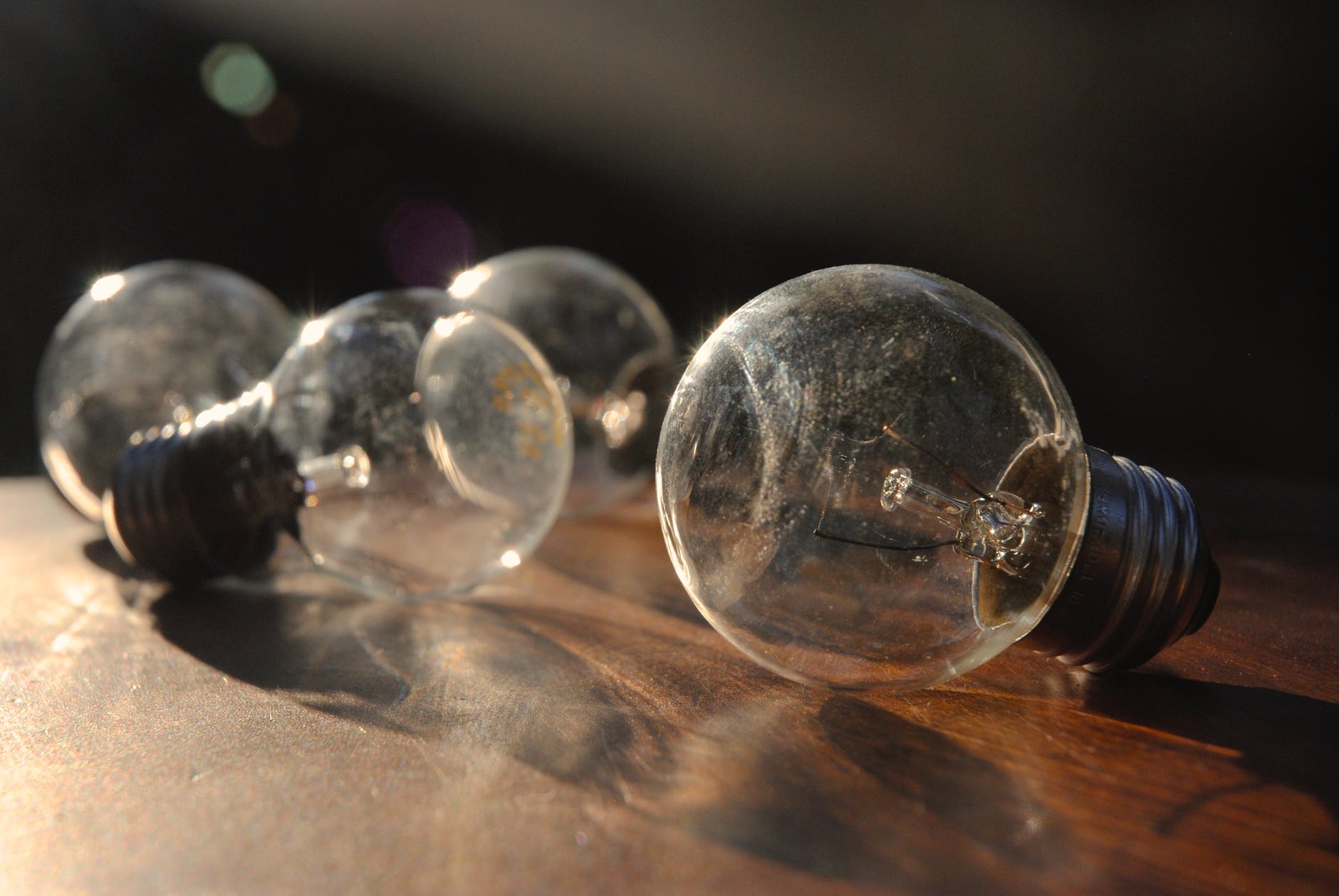
To conclude, remember that to invent the light bulb, 2000 attempts were necessary!
Il perfezionismo estremo è uno stile di vita compulsivo che ha un alto costo personale e può portare ad ansia o depressione. A volte nasconde una bassa autostima. Il perfezionismo non fa bene alla salute.
Essere perfetti significa non avere imperfezioni, difetti o debolezze, e potrebbe sembrare un vantaggio. Se pensiamo al lavoro, per esempio, si potrebbe dire che il perfezionismo porti piú facilmente al successo, grazie al voler raggiungere standard elevati di prestazione, attenzione ai dettagli, e dedizione .
Attenzione peró perché questo è un mito. Il perfezionismo non fa bene alla salute, perché essere perfezionisti non significa necessariamente fare bene le cose.
Il perfezionismo colpisce persone di ogni età e stile di vita, e, in particolare, è in aumento tra gli studenti. Uno studio che ha riguardato 41.641 università britanniche, canadesi e americane svolto tra il 1989 e il 2016, ha mostrato un aumento della percentuale di giovani che sentono di dover raggiungere la perfezione per raggiungere i loro obiettivi accademici e professionali.
Il perfezionismo estremo è un modo compulsivo di volere che le cose e il modo in cui le facciamo siano perfette ed esatte. Puntare alla perfezione può avere un alto costo personale, comporta molteplici effetti negativi, come disordini alimentari, ansia o depressione. Soprattutto tra i giovani, il legame tra perfezionismo e rischio di suicidio è un dato allarmante.
Secondo lo studio, un numero crescente di persone sta sperimentando quello che i ricercatori definiscono “perfezionismo multidimensionale”, che include il perfezionismo rivolto a se stessi, quello rivolto verso gli altri e quello socialmente prescritto.
Mentre il perfezionismo auto-orientato si concentra su standard personali estremi, il perfezionismo orientato all’altro implica esigere che gli altri rispettino aspettative eccessivamente elevate e irrealistiche, e che si sottopongano a nostre valutazioni rigorose e critiche.
Infine, il perfezionismo socialmente prescritto implica la percezione che altre persone, e anche la società in generale, stiano imponendo alte aspettative riguardo alle nostre prestazioni.
Ogni forma di perfezionismo ha una carica negativa, particolarmente intensa per chi soffre del perfezionismo socialmente prescritto.
Quando la persona che ambisce alla perfezione fallisce, soprattutto in presenza di altri, prova un senso profondo di colpa e di vergogna per ciò che percepisce come un fallimento.
Come cambiare questa ambizione al perfezionismo?
Ci sentiamo in colpa quando falliamo, quindi è importante imparare che fallire è accettabile. Perció:
Concediti il permesso di stabilre aspettative più realistiche e flessibili.
Mantieni una prospettiva personale e concentrati su ciò che ti appassiona.
Se pensi, o se ti viene detto che la tua situazione é critica, non esitare a cercare un aiuto professionale.
Cerca di riconoscere che dal fallimento puoi imparare e andare avanti perché ricorda che la lampadina fu inventata dopo 2000 tentativi!