How to Age Better: The Anti-Inflammatory Diet That Protects Your Brain

As we age, our bodies undergo many changes—some visible, others silent. One of the most insidious is chronic inflammation, a biological process that damages cells and accelerates aging. But what if the key to aging better, especially mentally, lies in your grocery basket?

A groundbreaking study led by Dr. Nikolaos Scarmeas from the University of Athens reveals that a diet rich in anti-inflammatory foods—especially fruits—can significantly reduce the risk of cognitive decline and dementia.


The Study: Diet and Dementia Risk

The research followed 1,059 participants aged around 73, all free of dementia at the start. Over three years, their diets were analyzed and cognitive tests administered regularly. Each participant received a dietary inflammatory score, ranging from –10 (least inflammatory) to +10 (most inflammatory), based on their intake of various food groups.

Key Findings:

  • 6% of participants developed dementia during the study.
  • Those with the highest inflammatory scores were three times more likely to develop dementia.
  • Every 1-point increase in the inflammatory score was linked to a 21% higher risk of dementia.

Why Inflammation Matters

As we age, our immune system becomes less efficient and more prone to producing oxidative substances that damage cells, including neurons. This leads to neuroinflammation, a key driver of cognitive decline and neurodegenerative diseases like Alzheimer’s.

Anti-inflammatory foods help by:

  • Reducing oxidative stress
  • Modulating immune responses
  • Protecting neurons and brain tissue

What Is an Anti-Inflammatory Diet?

Dr. Scarmeas and other experts define anti-inflammatory diets as those rich in:

These foods are packed with flavonoids, polyphenols, and antioxidants that combat inflammation and support brain health.


The Mediterranean Connection

The findings align with decades of research on the Mediterranean diet, which emphasizes plant-based foods, fish, olive oil, and moderate wine consumption. Studies show it can:

  • Slow brain aging
  • Reduce Alzheimer’s risk by up to 54%
  • Improve memory and cognitive function

The MIND diet, a hybrid of Mediterranean and DASH diets, also shows promise in reducing dementia risk.


How to Eat for Brain Health

Here’s how to incorporate anti-inflammatory foods into your daily routine:

✅ Eat More:

  • Berries: Blueberries, raspberries, strawberries
  • Leafy greens: Spinach, kale, arugula
  • Legumes: Lentils, chickpeas, black beans
  • Green and black tea: kick off your morning with a good cup of tea
  • Olive oil: Use as your primary fat

❌ Eat Less:

  • Red and processed meats
  • Refined sugars and flours
  • Fried and ultra-processed foods

Conclusion: A Simple Strategy for Healthy Aging

This study is a powerful reminder that what we eat directly affects how we age, especially mentally. By choosing anti-inflammatory foods—starting with fruits—you can protect your brain, reduce your risk of dementia, and enjoy a healthier, more vibrant life.

Are you ready for a snack made of a handful of berries or a cup of green tea?


Thank you for reading! Please sign up for my blog crisbiecoach so you don’t miss out on any posts and also for Wise&Shine an incredible online magazine!


Further Reading & References:

  1. Are You Eating Your Way to Dementia?
  2. Anti-Inflammatory Diet May Lower Risk of Dementia
  3. Earth.com – Anti-Inflammatory Foods Lower Dementia Risk
  4. Healthline – MIND Diet Guide
  5. Cleveland Clinic – Anti-Inflammatory Diet Benefits

🍎 Pesticides on Fruits: Why Peeling Beats Rinsing

Have you ever rinsed an apple and felt confident it was clean? Most of the people do that as it’s known that vitamines and minerals are also contained in fruits and vegetable skin. For years, we have trusted a quick rinse under the tap to remove pesticide residues from fruits and vegetables. But new research from the American Chemical Society (ACS) is turning that belief on its head.

A New Look at an Old Habit

In a groundbreaking study published in Nano Letters, scientists from the ACS used advanced imaging technology to detect ultra-fine traces of chemical compounds—specifically pesticides and herbicides—on produce. Their findings? Rinsing fruits and vegetables with water is not enough to eliminate these residues.

Instead, peeling is emerging as the most effective method.

Why Rinsing Falls Short

The problem lies in the nature of pesticide molecules. These compounds are designed to be resilient, and they don’t just sit on the surface of your produce. According to the ACS researchers, pesticide molecules can migrate into the outer layers of the fruit’s pulp, making them difficult to wash away.

So while a rinse might remove surface dirt or bacteria, it won’t touch the chemical residues lurking just beneath the skin.

Peeling: A Safer Bet

If you’re concerned about pesticide exposure, the researchers recommend peeling fruits like Golden Delicious or Gala apples before eating. While this might mean sacrificing some fiber and nutrients found in the skin, it significantly reduces your intake of harmful chemicals.

The good news? The study found that pesticide residues do not penetrate all the way to the core of the fruit. They tend to remain in the outer layers, which means peeling is a practical and effective solution.

The Bigger Picture: Pesticides in Our Food

This study adds to a growing body of evidence about pesticide contamination in non-organic produce. Earlier this year, the French organization Générations Futures published a report revealing that:

  • 73.1% of non-organic fruits contained at least one pesticide residue.
  • 45.8% of non-organic vegetables were similarly affected.

Their analysis, conducted between 2017 and 2021, covered 21 fruits and 31 vegetables. Among the most contaminated were:

  • Grapefruits
  • Nectarines
  • Peaches
  • Celeriac
  • Lettuce

These findings underscore the importance of being mindful about how we prepare our food.

What Can We Do?

Here are a few practical tips to reduce pesticide exposure:

  1. Peel your produce whenever possible, especially if it’s non-organic.
  2. Buy organic when you can, particularly for fruits and vegetables known to have high pesticide levels.
  3. Use a produce brush for items you don’t peel, like cucumbers or potatoes.
  4. Stay informed about food safety research and recommendations.

Final Thoughts

While rinsing fruits and vegetables has long been the go-to method for cleaning produce, science is now showing us that peeling is more effective in removing pesticide residues. This doesn’t mean you need to peel everything, but for high-risk items, it’s a small step that can make a big difference.

As consumers, we have the power to make informed choices. Whether it’s switching to organic produce or simply peeling that apple before you eat it, every action counts toward a healthier lifestyle.

Thank you for reading! Please sign up for my blog crisbiecoach so you don’t miss out on any posts.

Balancing Our Protein Intake: The Key to a Restful Night’s Sleep

I conclude the series on how to eat balanced during your day with dinner. When it comes to protein consumption, timing and type matter significantly more than you might think. In many Western diets, our intake of animal proteins is imbalanced. We tend to consume too little at breakfast and too much at dinner. This pattern not only affects our dietary balance but also has a substantial impact on our quality of sleep. Here’s how shifting your protein intake can help improve nighttime rest and overall well-being.

The Evening Protein Paradox: Animal vs. Plant Proteins

Animal proteins play a crucial role in stimulating wakefulness and motivation, making them an excellent choice for breakfast. However, excessive animal protein at dinner can have the opposite effect, stimulating alertness when your body is gearing down for the night. Instead, a vegetarian dinner—free of meat, fish, and eggs—can promote relaxation and ease you into sleep more effectively.

Plant Proteins for a Calming Dinner

For evening meals, it’s advisable to focus on plant proteins over animal proteins. Animal proteins tend to encourage dopamine production—a neurotransmitter associated with wakefulness and motivation. While beneficial in the morning, at night, our body needs to produce serotonin, the neurotransmitter that supports relaxation and sleep regulation.

Serotonin is synthesized from tryptophan, an amino acid found in plant-based proteins such as legumes, soy, brown rice, sunflower seeds, and even chocolate. These foods should be integral to your dinner. Animal-based proteins contain amino acids that compete with tryptophan, hindering its uptake by the brain and thus reducing serotonin synthesis, negatively impacting sleep.

Moreover, animal proteins and fats, particularly when cooked, can overstimulate the body in the evening. Foods rich in animal proteins and fats require extensive digestion, consuming energy and generating heat—both counterproductive to sleep as the body’s temperature should ideally dip in preparation for rest.

Timing Your Dinner for Optimal Digestion

The timing of your dinner plays a crucial role in how well you digest and subsequently sleep. A vertical posture during digestion helps food move more readily into the intestines. Aim to finish your dinner at least three hours before you go to bed, allowing your liver ample time to process the meal.

Foods That Foster Sleep

Certain foods are known to enhance serotonin production and promote the absorption of tryptophan, improving sleep quality:

  • Nuts and Almonds: Rich in tryptophan and magnesium, crucial for sleep without disturbances.
  • Yogurt and Cheese: Fermented dairy products that contain tryptophan, particularly beneficial when derived from goat or sheep milk.
  • Carbohydrates: Whole grains or fruits encourage the secretion of insulin, which helps amino acids reach the brain and aid in serotonin synthesis.

The Importance of Vegetables

Incorporating vegetables into at least a third of your dinner is essential. They provide essential fibers, promoting a sense of fullness and helping avoid post-meal snacking. Vegetables are also rich in vitamins and minerals that support overall health.

Fibers help not only with digestion but also with intestinal transit, reducing bloating, stomach upset, and gas—all of which can impair sleep quality. Those prone to these issues might prefer cooked vegetables, which are gentler on digestion than raw ones.

Add one or two tablespoons of oil to your vegetables, opting for those rich in omega-3s like extra-vierge olive, walnut, or camelina oil.

Crafting the Ideal Evening Meal

Your dinner plate should ideally consist of:

  • 50% Vegetables: Varied types to maximize nutrient intake.
  • 50% Legumes and/or Whole Grains: Tailor your dinner to complement what you’ve eaten for lunch, ensuring variety and balance.

Options to conclude your meal might include a piece of fruit or plain yogurt, depending on your appetite.

If hunger persists, a small portion of nuts, preferably almonds or walnuts, can satiate you without disrupting your sleep cycle.

Thank you for reading! Now it’s your turn. Share your favorite dinner combinations in the comments below and subscribe for more health and wellness tips!

The Ideal Lunch: Fueling Your Afternoon the Right Way

Last week we spoke about the ideal breakfast. This week let’s explore how to craft the ideal lunch that keeps you energized and satisfied throughout the afternoon.

When it comes to lunch, many of us think a hearty plate of pasta or rice is the perfect solution to keep us going until dinner. However, this might not be the best approach for sustained energy and overall health. Instead, focusing on vegetables and a good source of protein can make a significant difference.

Load Up on Vegetables

The World Health Organization (WHO) recommends consuming at least five portions of fruits and vegetables daily (note that plant foods can also boost your emotional well-being). However, given our current lifestyle, aiming for 7-8 portions might be more beneficial. Recent studies suggest that consuming up to 10 portions a day can reduce the risk of cardiovascular diseases by 28%.

  • Satiation and Energy: Vegetables are rich in fiber, which helps you feel full and provides a steady release of energy. Unlike traditional pasta or white rice, vegetables offer sustained energy throughout the afternoon due to their low glycemic index.
  • Variety is Key: To maximize the benefits, aim for a variety of vegetables. Different colors often indicate different nutrients, so try to include a rainbow of vegetables in your diet.
  • Healthy Fats: Pair your vegetables with a spoonful of oils rich in omega-3, such as flaxseed, walnut, or camelina oil, to enhance nutrient absorption and add flavor.

Focus on Proteins

Proteins play a crucial role in maintaining energy levels and motivation throughout the afternoon. They help in the production of dopamine, a neurotransmitter essential for focus and drive.

  • Slow Digestion: Protein-rich foods digest slowly, keeping you full longer and stabilizing blood sugar levels.
  • Sources of Protein: You can choose from a variety of protein sources:
    • 120 grams of fish or white meat
    • 2 eggs
    • 150 grams of cooked legumes (lentils, chickpeas, etc.)
    • 120 grams of tofu

Incorporating these proteins into your lunch can help you avoid the mid-afternoon slump and cravings for sugary snacks.

Limit Carbohydrates

Contrary to popular belief, carbohydrates are not essential for lunch. Refined carbs have a high glycemic index, causing spikes in blood sugar levels followed by rapid drops, which can lead to fatigue and sugar cravings.

  • Choose Wisely: If you prefer to include carbohydrates, opt for whole grains like brown rice or whole wheat pasta. These have a lower glycemic index and provide more fiber.
  • Moderation is Key: Limit your portion of cooked pasta or rice to about 100 grams (approximately 4-6 tablespoons). I eat about 80 grams.

Legumes are an excellent choice as they provide both carbohydrates and proteins. Alternatively, you can include a portion of whole grains and reduce the amount of protein by 20-30%.

The Ideal Lunch Plate

Here’s a simple guide for your ideal lunch:

  • Starter: Begin with a salad of raw vegetables, a soup, or some cold fish. You can consider also some fruit.
  • Main Course: Include a portion of animal or vegetable protein:
    • 120-150 grams of fish, seafood, or white meat
    • 150-200 grams of cooked legumes (lentils, chickpeas, high-quality soy burgers)
  • Side Dish: Add a generous serving of vegetables, dressed with a spoonful of olive, flaxseed, or walnut oil.
  • Optional: A portion of whole grains (50 grams raw or 100 grams cooked). If you choose this option, reduce the amount of protein by 20-30%.
  • Dessert: Finish with a vegetable yogurt, a sugar-free goat or sheep yogurt, a couple of squares of dark chocolate (at least 70% cocoa), or a small handful of nuts.

Revamp your lunch routine with these nutritious and satisfying options. By making mindful choices at lunchtime, you can fuel your body and mind for a productive and energetic afternoon.

Thank you for reading! Now it’s your turn. Share your favorite lunch combinations in the comments below and subscribe for more health and wellness tips!

The Perfect Breakfast: A Nutritious Start to Your Day

Do you eat a proper breakfast or does it take a backseat? Many of us grab a quick bite—perhaps some cookies, milk, cereal, or toast with butter and jam, accompanied by a glass of orange juice and coffee. However, from a nutritional standpoint, this typical breakfast is far from ideal. It’s laden with sugars that spike insulin levels, something best avoided, especially in the morning. So, what constitutes a healthy breakfast? Let’s have a look.

The Power of Protein

We’re accustomed to sweet breakfasts, but incorporating savory elements, particularly proteins, can set a positive tone for the day. Consuming proteins in the morning boosts dopamine production, a neurotransmitter that enhances alertness and motivation.

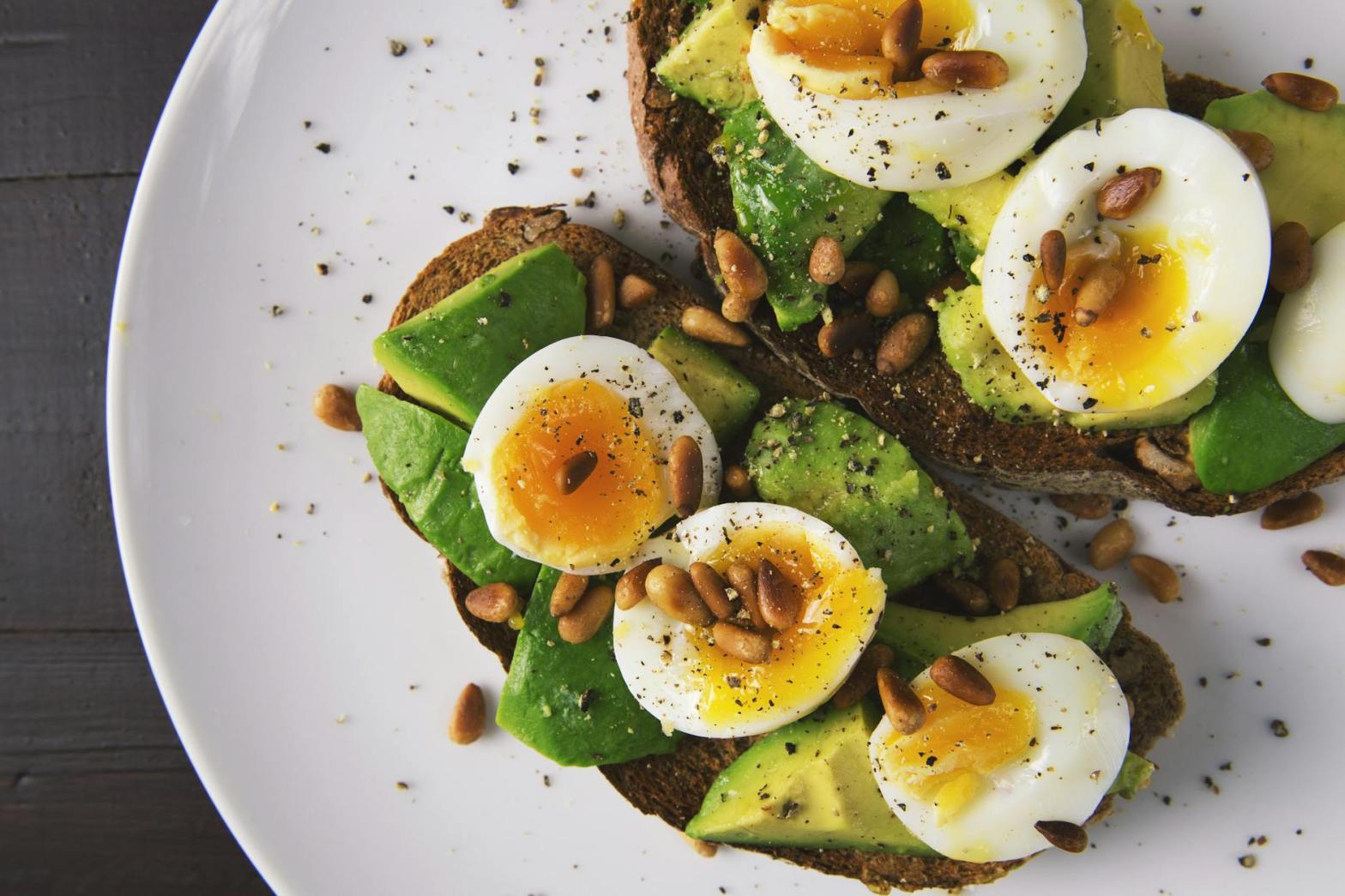
  • Eggs: They are an excellent source of high-quality protein and are packed with vitamins and minerals. Contrary to popular belief, eating eggs does not significantly raise LDL cholesterol levels for most people.
  • Other Protein Sources: Consider options like a slice of quality ham, cheese, yogurt, or even sardines. For vegetarians, soy yogurt, chia seeds, and nuts are great alternatives.

Including protein in your breakfast helps maintain a prolonged sense of fullness and prevents mid-morning hunger pangs. It also slows down carbohydrate digestion, reducing the glycemic index and avoiding insulin spikes.

Healthy Fats: The Unsung Heroes

Incorporating healthy fats into your breakfast is crucial. Omega-3 and omega-9 fatty acids are essential for cardiovascular health, diabetes prevention, and brain development.

  • Nuts and Seeds: Almonds, walnuts, and hazelnuts are rich in these beneficial fats. A small portion of mixed nuts can provide a good dose of omega-3, fiber, and magnesium.
  • Other Sources: Chia seeds, pumpkin seeds, avocado, and fatty fish like salmon and sardines are also excellent choices.

Instead of sugary jams, try spreading nut butter on your toast for a healthier alternative.

Fresh Fruit Over Fruit Juice

While fruit juice might seem like a healthy option, it lacks the fiber found in whole fruits, leading to a higher glycemic index. Chewing whole fruits also promotes a sense of fullness and provides more vitamins.

  • Whole Fruits: Opt for an orange, apple, or banana instead of their juiced counterparts to benefit from the fiber and nutrients.

To Eat or Not to Eat Breakfast?

If you’re not hungry in the morning, don’t force yourself to eat. Skipping breakfast can be part of intermittent fasting, which gives your digestive system a break. However, ensure you maintain a balanced diet throughout the day and avoid unhealthy snacking later.

Quality Carbohydrates

If you can’t do without carbohydrates, choose wisely. Opt for low glycemic index options like whole grain or sourdough bread and classic muesli.

Hydration with Green Tea

Starting your day with green tea is an excellent choice. Rich in antioxidants, green tea helps prevent various diseases and improves brain function. It also contains caffeine, which enhances attention and memory.

  • Coffee: While coffee is also a good source of antioxidants, it should be consumed in moderation.

Transform your mornings with these nutritious breakfast tips. By making mindful choices, you can turn breakfast into a powerhouse meal that fuels your body and mind for the day ahead.

Share your favorite breakfast combinations in the comments below and don’t forget to subscribe for more health and wellness tips!