
Gluten: The Silent Villain

Introduction: A Growing Sensitivity

In recent decades, gluten has gone from a staple protein to a dietary villain. Once praised for its nutritional value and baking properties, gluten is now avoided by millions. But why has gluten intolerance surged so dramatically? Is it a genuine health crisis or a cleverly orchestrated strategy by the agro-business industry?


What Is Gluten and Why Is It a Problem Now?

Gluten is a group of proteins—primarily gliadins and glutenins—found in wheat, barley, and rye. It gives bread its elasticity and chewy texture. Historically, gluten was considered harmless for most people. However, today, approximately 8.4% of the global population suffers from gluten-related disorders, including celiac disease and non-celiac gluten sensitivity (NCGS).

Celiac disease alone affects about 1.4% of the global population, while 6% of Americans are estimated to be gluten intolerant. This rise has sparked questions: Is gluten itself to blame, or is something more insidious at play?


The Agro-Business Factor: More Gluten, More Problems

According to research from the Leibniz Institute for Food Systems Biology, modern wheat varieties have undergone significant changes over the past 120 years. While the total gluten content has remained relatively stable, the composition of gluten proteins has shifted, with a higher concentration of immunoreactive gliadins—the proteins most likely to trigger adverse reactions.

This change is not accidental. Driven by the need for higher yields and better baking performance, agro-businesses have selectively bred wheat to enhance these properties. The result? A crop that’s more profitable but potentially more harmful to human health.


Chemical Warfare in the Fields

Beyond genetic selection, the intensive use of chemicals in wheat farming has raised red flags. Herbicides like glyphosate (Roundup) are commonly sprayed on wheat just before harvest to dry the crop—a process known as desiccation. This practice, now widespread in the U.S., has been linked to increased gluten sensitivity and inflammation.

Moreover, wheat naturally contains amylase-trypsin inhibitors (ATIs)—proteins that act as natural pesticides. These ATIs have been shown to trigger immune responses and inflammation, even in people without celiac disease.


Genetic Modification

Contrary to popular belief, commercial wheat is not genetically modified (GMO) in the traditional sense. However, it has been extensively hybridized and selectively bred since the 1960s to enhance yield and gluten strength. These changes have altered the genetic structure of wheat, introducing new sequences like, which are strongly associated with celiac disease.

Recent advances in gene editing are now being used to develop low-gluten or celiac-safe wheat varieties. While promising, these are still in experimental stages and not yet widely available.


The Billion-Dollar Gluten-Free Boom

As gluten intolerance rises, so does the demand for gluten-free products. In the U.S. alone, the gluten-free market was valued at $2.27 billion in 2024 and is projected to grow over $4 billion by 2030.

This explosive growth has turned gluten sensitivity into a highly profitable industry, with major food corporations capitalizing on consumer fears and dietary trends.


Conclusion: A Manufactured Epidemic?

The rise in gluten intolerance is not merely a medical phenomenon—it’s a complex interplay of industrial agriculture, chemical exposure, and economic incentives. While some individuals genuinely suffer from celiac disease or NCGS, the broader surge in gluten sensitivity may be a byproduct of modern farming practices and aggressive food marketing.

As consumers, it’s crucial to stay informed and question the origins of our food. Is gluten truly the enemy, or is it the way we’ve manipulated wheat that’s to blame?

Are you celiac or do you know anyone who is? It would be interesting to know their story. I am not celiac but have been found with a severe inflammation caused by food and I have to limit my intake of gluten (and for an Italian like me, I must admit that at the beginning it was rather difficult).

Thank you for reading! Please sign up for my blog crisbiecoach so you don’t miss out on any posts and also for Wise&Shine an incredible online magazine!


Further Reading & References:

  1. World Population Review – Gluten Intolerance by Country
  2. ScienceDaily – Gluten in Wheat: What Has Changed
  3. The Celiac MD – Pesticides in Wheat and Gluten Sensitivity
  4. Grand View Research – U.S. Gluten-Free Market Report
  5. Celiac.com – Breakthrough in Wheat Science
Unlocking the Power of Everyday Superfoods

Welcome to the final installment of my series on everyday superfoods! In my previous posts, I debunked the hype around superfoods and highlighted the nutritional power of everyday foods like oats, peas, carrots, potatoes, tomatoes, green leafy vegetables, and lentils. Today, I’ll explore even more everyday superfoods and how to incorporate them into your diet for maximum health benefits.

Blackberries: The Antioxidant Powerhouse

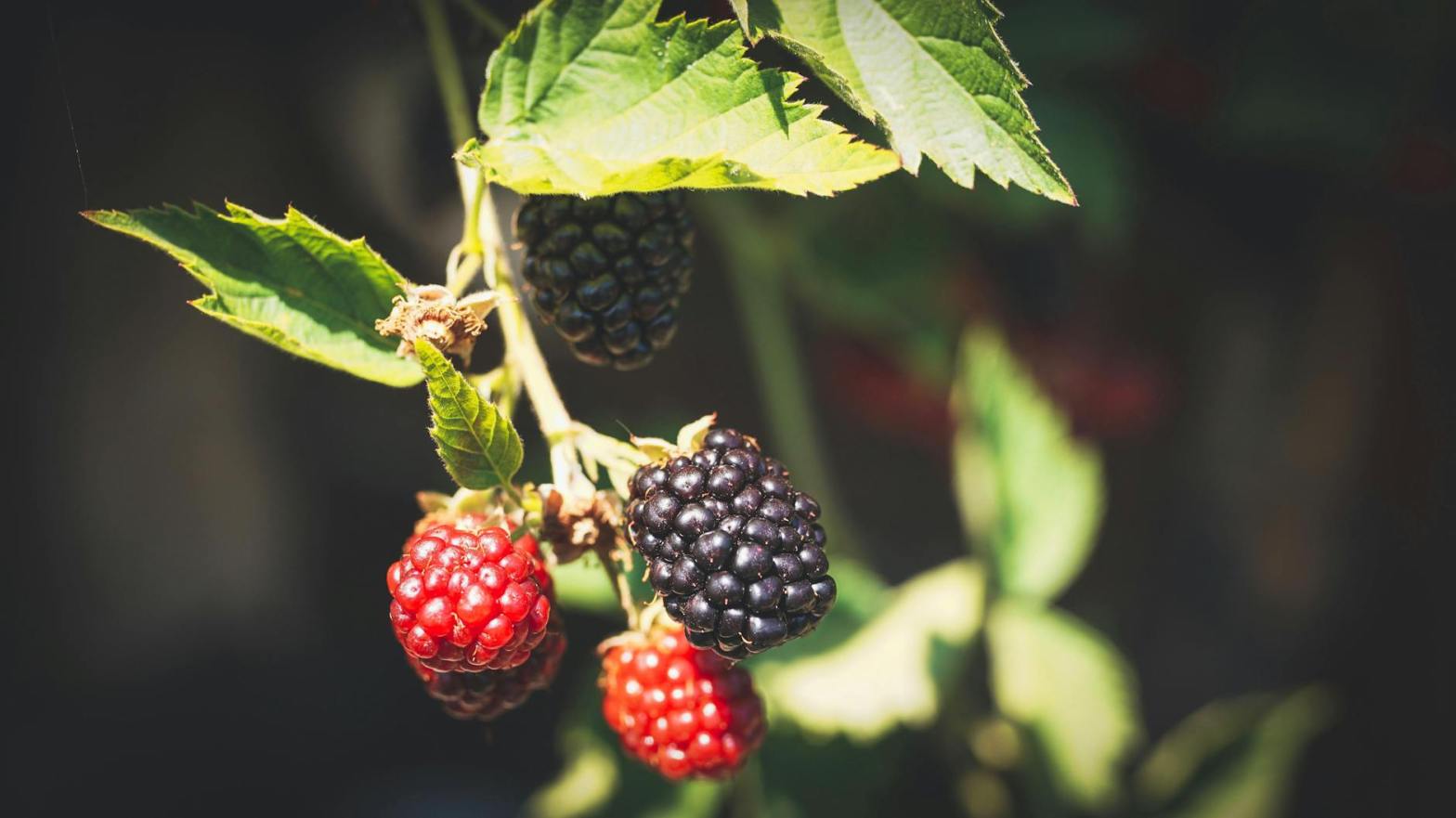
While blueberries often steal the superfood spotlight, blackberries are a potent source of anthocyanins—vibrantly pigmented antioxidants that protect our cells from damage. They are also rich in fiber, supporting digestion and blood sugar regulation, and vitamin C for immune health and collagen formation.

Bonus: Blackberries are often free across much of Europe and North America during the summer months. Out of season, you can buy them frozen and enjoy them in smoothies or as a snack.

Brazil Nuts: The Cholesterol Buster

Did you know that a single serving of just four Brazil nuts once a month may lower cholesterol levels faster than statins and keep them down even a month later? While more is not better—eating more than four Brazil nuts every day may exceed the tolerable daily limit for selenium—enjoying one or two a day won’t hurt.

Pro Tip: Brazil nuts are a great source of healthy fats and selenium, which is essential for thyroid function and immune health. So, go ahead and add them to your trail mix or enjoy them as a snack.

Popcorn: The Whole Grain Superfood

Popcorn is a whole grain containing about 10g of fiber per 100g. It also contains phytochemicals, mostly concentrated in the pericarp—the outer shell that is key to the popping process. Popcorn can keep you feeling satisfied for longer than other snacks, making it a great alternative to crisps.

Fun Idea: At the supermarket, choose hard popcorn kernels that you can heat on the hob. Elevate your popcorn by adding your own toppings like freeze-dried fruit, honey, smoked paprika, olive oil, pepper, curry powder, melted dark chocolate, cinnamon sugar, parmesan, or herbs like rosemary, thyme, and oregano.

Black Beans: The Polyphenol-Rich Superfood

While it’s best to eat a variety of beans, black beans are a surprisingly high source of polyphenols, containing seven times more than wild blueberries. Diets high in polyphenols can reduce the risk of several age-related chronic diseases, including cancer, diabetes, and cardiovascular diseases.

Recipe Idea: Black beans go well in Tex-Mex-style scrambled eggs or tofu, spicy soups, and make a good veggie burger. So, go ahead and add them to your meals for a polyphenol boost.

Tofu: The Versatile Superfood

Tofu is one of the most nutritious foods around. It’s high in protein, low in fat—and what little fat it does contain is the healthy kind. Tofu provides fiber and is a good source of B-group vitamins, magnesium, potassium, selenium, zinc, calcium, and iron. Research also shows that tofu can help reduce the risk of heart disease and several types of cancer.

Cooking Tip: If you think you don’t like tofu, you’re probably cooking it wrong. Try baking it, frying it, or adding it to stir-fries and salads for a delicious and nutritious meal.

Conclusion

Incorporating these everyday superfoods into your diet can provide a wealth of nutritional benefits without the hefty price tag or ethical concerns associated with some superfoods. By focusing on a diverse and balanced diet, you can unlock the power of everyday superfoods and boost your health in a sustainable and enjoyable way.

Thank you for joining me on this journey through the world of everyday superfoods. I hope you’ve found this series informative and inspiring.

Cheers to your health and happiness!

Ready to boost your health with everyday superfoods? Share your favorite recipes and tips in the comments below, and don’t forget to subscribe to my blog crisbiecoach so you don’t miss out on any posts.

For a Broader Outlook:

More Everyday Superfoods to Boost Your Health

Welcome back to my series on everyday superfoods! In my previous post, I explored the truth about superfoods and highlighted some humble yet nutritious alternatives like oats, peas, and carrots. Today, I’ll dive into more everyday foods that pack a nutritional punch without the hefty price tag or ethical concerns.

Potatoes: The Underrated Superfood

Potatoes often get a bad rap, but they are an important source of several vitamins and minerals, including vitamin C, iron, potassium, magnesium, vitamin B6, and folate. To maximize their nutritional value, try to keep the skins on and consider microwaving them instead of boiling to preserve vitamins and minerals.

Fun Fact: Freshly cooked potatoes are high in starch, but if you cook and then chill them, some of the starch is converted to resistant starch—a type of fermentable fiber that acts as “food” for your gut microbes. This fermentation process is linked to the production of short-chain fatty acids, which have beneficial effects on human health. So, a cold potato salad isn’t just delicious; it’s also a great source of resistant starch!

Tomatoes: The Versatile Superfood

Tomatoes are an excellent source of vitamin C, potassium, and the red compound lycopene, a powerful antioxidant linked to a reduced risk of heart disease and certain cancers. They are incredibly versatile and can be enjoyed fresh in summer salads or cooked in sauces and pastes year-round.

Pro Tip: Lycopene is most accessible to the body in cooked tomatoes, especially when paired with a healthy fat like olive oil. Even ketchup can be a decent source of lycopene—just watch out for the salt and sugar levels.

Green Leafy Vegetables: The Ultimate Superfoods

Don’t obsess over kale—all leafy greens are superfoods! Broccoli, rocket, Brussels sprouts, cabbage, and spring greens are packed with nutrients like iron, calcium, potassium, folate, vitamins C, E, and K, antioxidants, and fiber. They also contain special compounds called glucosinolates that may help protect against cancer and small amounts of vital omega-3 fats.

Watercress

This nutrient-dense green is an excellent source of vitamin K, which plays a vital role in bone health. It also contains vitamin C, calcium, and iron, contributing to immune health, bone strength, and the production of red blood cells. Add it to salads, sandwiches, or soups for a fresh, peppery flavor.

Lentils: The Protein-Packed Superfood

Lentils are a great, inexpensive source of protein, healthy carbohydrates, and fiber. They are packed with essential minerals and vitamins and have health-protective properties. Studies show that lentils are useful in preventing heart disease and type 2 diabetes.

Did You Know? One study found that people who ate about 3.5 servings a week had a 35% lower risk of developing type 2 diabetes compared to those who ate less. So, go ahead and add lentils to your soups, stews, salads, or even use them to replace mince in dishes like shepherd’s pie or bolognese.

To conclude, if you incorporate these everyday superfoods into your diet you will get a wealth of nutritional benefits without breaking the bank or contributing to ethical and environmental concerns. Stay tuned for my final post in this series, where I’ll explore even more everyday superfoods and how to make the most of them in your meals.

Thank you for reading! Please sign up for my blog crisbiecoach so you don’t miss out on any posts!

The Truth About Superfoods: Beyond the Hype

We hear more and more often the term “superfood” that has been thrown around like a magic potion promising eternal youth and vitality. But what exactly is a superfood? Is it just a marketing gimmick, or is there real science behind it? Let’s have a look into the world of superfoods, debunk some myths, and explore some everyday alternatives that are just as beneficial.

The Superfood Phenomenon

The term “superfood” was coined in the 1960s to describe foods that could fight malnutrition. However, it wasn’t until the 2000s that it became a buzzword used to sell exotic and expensive ingredients to health-conscious consumers. During the pandemic, interest in superfoods surged again, especially those claimed to “boost immunity” and “protect against pathogens.”

According to Italian scientists Giulia Santunione and Giuseppe Montevecchi, superfoods are “a marketing term used to describe nutrient-dense foods claimed to have health benefits.” While the superfood label has been a huge success in sales terms, it has also led to concerns about sustainability and ethical farming practices.

The Dark Side of Superfoods

Large-scale production of superfoods can lead to the overexploitation of agricultural areas, causing negative impacts on biodiversity and soil health, as well as precarious working conditions for workers. For example, goji berries require a lot of water, are often grown as a monoculture, and there are questions over fair wages for farmers. Quinoa, while more sustainable in terms of water, has seen increased demand affecting traditional farming practices and leading to higher prices for local people.

Everyday Superfoods

Given these concerns, it’s worth considering a diverse diet rich in a wide range of plants rather than fixating on a handful of miracle ingredients. Here are some everyday foods that are just as beneficial as their more glamorous counterparts:

Oats

Oats are a powerhouse of nutrients, including fiber that helps lower cholesterol and bioactive compounds that reduce oxidative stress and inflammation. They are also a great source of protein and essential vitamins and minerals. Opt for steel-cut or jumbo rolled oats, which contain more fiber, healthy fats, and protein than quick-cook versions.

Peas

Peas are a great source of protein, fiber, and complex carbohydrates, which provide a steady energy supply. They are naturally low in fat and can be used in a variety of dishes, from risottos to salads.

Carrots

Carrots are rich in beta-carotene, an antioxidant that converts into vitamin A to support vision, immune function, and skin health. They are also a good source of fiber, improving digestion and gut health. Enjoy them raw in summer salads or cooked in soups and stews.

To conclude, while superfoods have their place, it’s important to look beyond the hype and consider the broader picture of a balanced and diverse diet. Everyday foods like oats, peas, and carrots offer a wealth of nutritional benefits without the ethical and environmental concerns associated with some superfoods.

Stay tuned for my next post, where I’ll explore more everyday superfoods and how to incorporate them into your diet.

Thank you for reading! Please sign up for my blog crisbiecoach so you don’t miss out on any posts.

The Truth About Fruit Juice and Smoothies: Drink or Ditch?

Fruit juices and smoothies are often considered part of a healthy, balanced diet. However, there is an ongoing debate about how beneficial they truly are for our health. In this article, we will explore the pros and cons of consuming fruit juices and smoothies to help you make informed decisions.

The Benefits of Fruit Juice

Essential Nutrients

Fruit juices can provide a wide range of essential nutrients. They are rich in vitamins, such as vitamin C, and minerals that are crucial for the proper functioning of our bodies. Drinking a glass of fruit juice can be a quick and convenient way to get a concentrated dose of these nutrients.

Hydration

In addition to nutrients, fruit juices contribute to daily hydration. Staying hydrated is crucial for overall health, and juices can be a tasty alternative to water.

Antioxidants

Many fruit juices contain antioxidants, which help combat oxidative stress in the body. Antioxidants are known for their anti-aging benefits and for preventing chronic diseases.

The Risks of Fruit Juice

Added Sugars

One of the main drawbacks of fruit juices is their sugar content. Even natural juices contain sugars, but packaged ones often have added sugars, which can contribute to health problems such as obesity and diabetes.

Empty Calories

Fruit juices can also provide “empty calories,” meaning calories that are not accompanied by other beneficial nutrients. This can lead to weight gain if consumed in excess.

Loss of Fiber

During the juicing process, much of the natural fiber from the fruit is lost. Fiber is essential for good digestion and maintaining stable blood sugar levels.

The Benefits of Smoothies

Fiber Retention

Unlike juices, smoothies retain most of the fiber from the fruits and vegetables used. This makes them a better option for those looking to increase their fiber intake.

Versatility

Smoothies are incredibly versatile. You can blend a variety of fruits, vegetables, dairy or plant-based alternatives, and other ingredients to create a nutritious and personalized drink.

Satiety

Thanks to their fiber and protein content, smoothies can be more satiating than fruit juices. This can help control appetite and avoid unhealthy snacking.

The Risks of Smoothies

Calories and Sugars

Smoothies can also be high in calories and sugars, especially if ingredients like sweetened yogurt, condensed milk, or syrups are added. It’s important to be mindful of the ingredients you use

Conclusion

Both fruit juices and smoothies have their pros and cons. The key is moderate consumption and choosing options with less added sugar and more nutrients. Opting for homemade juices and smoothies can be a better way to control the ingredients and maximize health benefits.

But remember that nothing can replace the consumption of whole fruits and vegetables, which provide the maximum amount of nutrients and fiber. Juices and smoothies should be considered as a complement to a diet already rich in fresh fruits and vegetables.


I hope this article has helped you better understand the benefits and risks associated with consuming fruit juices and smoothies. If you have any questions or want to share your experience, leave a comment below!

Thank you for reading! Please sign up for my blog crisbiecoach so you don’t miss out on any posts!

Are High-Protein Products Really Beneficial for Your Health?

In recent years, high-protein products have surged in popularity, largely due to their marketing as superfoods that can enhance fitness goals, support weight loss, and boost overall health. However, the reality of these products is more nuanced than their marketing suggests. As consumers become more health-conscious, it’s important to peel back the marketing layers and evaluate the true benefits and downsides of high-protein products.

Not a Magic Bullet for Weight Loss

Contrary to what flashy advertisements might imply, high-protein products are not inherently weight-loss wonders. Many people are drawn to these items in the hope of losing weight, but the reality is that they don’t possess any magical properties that will automatically lead to weight loss. While protein is indeed an important macronutrient that supports muscle repair and growth, consuming it in excess does not necessarily translate to losing body fat. Effective weight management relies on a balanced diet and regular physical activity, not just on increasing protein intake.

Unveiling the Sugar and Additives

One of the biggest misconceptions about high-protein products is that they are entirely healthy. A closer look at the labels reveals that many of these products are loaded with sugars and additives that can undermine their health benefits. The added sugars can contribute to various health issues such as increased blood sugar levels, weight gain, and an elevated risk of heart disease. Moreover, chemical additives and artificial flavorings, often present in these products, raise concerns about their long-term effects on health. When choosing high-protein snacks or drinks, it’s crucial to scrutinize ingredient lists and be mindful of these often overlooked components.

The Cost Factor

Another important consideration is the cost of high-protein products. They often come with a significant price tag, making them an expensive addition to your diet. While protein is a necessary nutrient, it doesn’t have to be expensive. Affordable and natural sources of protein, such as eggs, legumes, lean meats, and dairy, can easily fulfill your nutritional needs without costing a fortune. Instead of investing in costly high-protein bars or shakes, focus on incorporating these natural sources into a balanced diet for a more economical and sustainable approach to nutrition.

A Marketing Strategy with Limited Substance

The surge in popularity of high-protein products can largely be attributed to effective marketing strategies. Brands capitalize on the health trends surrounding protein by aggressively promoting their products as essential for achieving health and fitness goals. However, this is often more a matter of marketing than real nutritional innovation. The label “high-protein” can be misleading if the product is high in other less desirable ingredients, such as sugar or unhealthy fats. Consumers should be skeptical of marketing claims and base their choices on nutritional content rather than catchy slogans.

Making Smarter Choices

The key to a healthy diet is finding the right balance. While protein is essential, it should be consumed as part of a varied and balanced diet that also includes carbohydrates, fats, vitamins, and minerals. Prioritizing whole foods and natural protein sources over processed, high-protein products ensures that you get a full spectrum of nutrients without unnecessary additives. Reading labels, understanding ingredient lists, and being aware of marketing tactics can empower you to make healthier, more informed food choices.

In conclusion, while high-protein products can offer convenience, they are not a one-stop solution for health or weight loss. The real value of these products may often be overstated in marketing materials. By focusing on whole, unprocessed foods and being mindful of ingredient quality and sugar content, you can support your health in a more effective and sustainable way.

What do you think about high-protein products? Share your experiences and insights in the comments box here below!

Thank you for reading! Please sign up for my blog crisbiecoach so you don’t miss out on any posts!

What You Should Know About Detoxification, Sweeteners, and Food Choices

Do you think like me that we’re constantly bombarded with information about detoxes, sweeteners, and the best food choices? But do you know how much of it is based on science, and how much is just clever marketing? Let’s see some of the most talked-about topics in nutrition and separate fact from fiction.

The Body’s Natural Detoxification Process

The human body is an amazing machine, equipped with its own detoxification system. The liver, kidneys, lungs, and skin work together to filter out toxins and waste products. The liver, in particular, plays a crucial role in breaking down harmful substances and excreting them from the body.

Natural Detoxification vs. Commercial Detoxes

While our bodies are designed to detoxify naturally, the market is flooded with detox teas, juices, and supplements promising quick fixes. However, there’s little scientific evidence to support the effectiveness of these products. In fact, some detox diets can be harmful, leading to nutrient deficiencies and other health issues.

Instead of relying on commercial detoxes, focus on supporting your body’s natural detoxification processes. Eat a balanced diet rich in fruits, vegetables, whole grains, and lean proteins. Stay hydrated, get enough sleep, and engage in regular physical activity. Your body will thank you!

The Impact of Sweeteners on Health

Sweeteners are a hot topic in the world of nutrition. From natural sugars to artificial sweeteners, the choices can be overwhelming. But how do these sweeteners affect our health?

Common Sweeteners and Their Effects

  • Refined Sugars: Found in many processed foods, refined sugars like sucrose and high-fructose corn syrup can contribute to weight gain, tooth decay, and chronic diseases like type 2 diabetes and heart disease.
  • Natural Sweeteners: Options like honey, maple syrup, and agave nectar are often marketed as healthier alternatives. While they may contain some beneficial nutrients, they are still high in calories and can have similar effects on blood sugar levels as refined sugars.
  • Non-nutritive Sweeteners: Artificial sweeteners like aspartame, sucralose, and stevia are calorie-free and can be a useful tool for weight management. However, some studies suggest that they may disrupt gut bacteria and lead to increased sugar cravings.

The key (again) is moderation. Enjoy sweeteners in small amounts and focus on a balanced diet that includes plenty of whole foods.

Genetically Modified Foods vs. Conventionally Grown Produce

Genetically modified organisms (GMOs) have been a subject of debate for years. But what’s the difference between GMOs and conventionally grown produce?

Understanding GMOs

GMOs are created by altering the DNA of an organism to introduce desirable traits, such as resistance to pests or herbicides. While some people have concerns about the long-term effects of GMOs on health and the environment, extensive research has shown that GMOs currently on the market are safe to eat.

Conventionally Grown Produce

Conventionally grown produce is cultivated using traditional farming methods, which may include the use of pesticides and synthetic fertilisers. While these practices can increase crop yields, they can also have environmental impacts and leave residues on food.

The choice is yours. Remember that the best is always to buy organic.

Nutrients in Organic, Grass-Fed, and Pasture-Raised Meat

When it comes to meat, the choices can be confusing. Organic, grass-fed, pasture-raised—what do these labels mean, and how do they affect the nutritional value of the meat?

Organic Meat

Organic meat comes from animals raised without the use of synthetic hormones, antibiotics, or genetically modified feed. While organic meat may have slightly higher levels of certain nutrients, the differences are generally small.

Grass-Fed Meat

Grass-fed meat comes from animals that have been fed a diet of grass and forage, rather than grain. Grass-fed meat tends to be leaner and may have higher levels of omega-3 fatty acids and antioxidants.

Pasture-Raised Meat

Pasture-raised meat comes from animals that have been raised on pasture, with access to fresh grass and sunlight. Like grass-fed meat, pasture-raised meat may have a more favourable nutrient profile.

Ultimately, the best choice depends on your personal preferences and values. All types of meat can be part of a healthy diet when consumed in moderation.

To conclude, nutrition can be challenging, but armed with the right information, you can make the right choice to support your health and well-being. Remember, the key to a healthy diet is of course balance, variety, and moderation.

What’s your take on detox diets and sweeteners? Will you make any changes to your diet based on the information in this post? Share your thoughts in the comments below!

Thank you for reading! Please sign up for my blog crisbiecoach so you don’t miss out on any posts!

The Science of Weight Loss: A New Approach to Understanding and Achieving Your Goals

Since the discovery of the first appetite hormone in the 1990s, the science of obesity has advanced dramatically. The growing understanding of how hunger and weight “set point” are regulated is changing the way we need to approach weight loss. By learning about our biology and how to work with it, rather than against it, you can become more successful at reaching your goals.

The Complex Interplay of Hunger and Weight Regulation

The brain, hormones, gut, and emotions interact in a complex dance to control food intake and weight. This intricate system involves several key players:

  • Hormones: Ghrelin, often referred to as the “hunger hormone,” signals the brain to increase appetite. It was discovered through its receptor, the growth hormone secretagogue receptor, and plays a crucial role in energy homeostasis. Leptin, on the other hand, is produced by fat cells and acts as an appetite suppressant. It communicates with the brain to regulate long-term energy balance.
  • Gut: The gastrointestinal tract releases various peptides that influence eating behavior. For instance, cholecystokinin (CCK) is released in response to fat and protein intake, slowing down gastric emptying and promoting feelings of fullness.
  • Brain: The hypothalamus integrates signals from hormones and the gut to regulate appetite and satiety. This region of the brain is crucial for maintaining energy homeostasis and controlling food intake.
  • Emotions: Stress, anxiety, and other emotional states can significantly impact our eating habits. Chronic stress can lead to increased levels of cortisol, which can stimulate appetite and contribute to weight gain.

Beyond Calorie Counting: The Quality of Calories Matters

Counting calories can be helpful, but not all calories are equal. Different foods are broken down and interact with our body in dramatically different ways. For example, foods high in fiber and protein can promote feelings of fullness and stabilize blood sugar levels, while processed foods high in sugar and unhealthy fats can lead to overeating and weight gain.

To design a diet that supports weight loss, look at the common ground among the healthiest dietary patterns. A framework supported by existing scientific studies includes:

  • Whole Foods: Focus on consuming whole, unprocessed foods such as fruits, vegetables, lean proteins, and whole grains.
  • Healthy Fats: Incorporate healthy fats from sources like avocados, nuts, seeds, and extra-vierge olive oil.
  • Limited Processed Foods: Reduce intake of processed foods, sugary drinks, and refined carbohydrates.

The Role of Stress, Exercise, and Sleep

While the foods we eat are critical for managing weight, they are only part of the challenge. Often underestimated are the effects of stress, exercise, and sleep on our hormones and metabolism.

  • Stress: Chronic stress can disrupt the hormonal balance, leading to increased appetite and weight gain. Practicing stress-reduction techniques such as mindfulness, meditation, and yoga can help manage stress levels.
  • Exercise: Regular physical activity can improve insulin sensitivity, boost metabolism, and reduce stress. Aim for a combination of aerobic exercise and strength training to support weight loss goals.
  • Sleep: Adequate sleep is essential for hormonal regulation and metabolism. Lack of sleep can lead to increased levels of ghrelin and decreased levels of leptin, contributing to overeating and weight gain.

The Power of Habit and Mindfulness

Habits drive many of our everyday choices. Unlike deliberate decisions, habits are carried out instinctively. To support your weight loss goals, it’s crucial to adopt habits that align with your objectives.

  • Mindful Eating: Practice mindfulness when you eat. Pay attention to your hunger and fullness cues, and avoid distractions like TV or phones during meals.
  • Consistent Routines: Establish consistent routines for meals, exercise, and sleep. Consistency helps reinforce positive habits and makes them easier to maintain.
  • Small Changes: Start with small, manageable changes. For example, swap sugary drinks for water, or add a daily walk to your routine. Small changes can lead to significant improvements over time.

Practical Steps for Long-Term Success

  1. Educate Yourself: Learn about your appetite and energy balance systems. Understanding how your body regulates hunger and weight can help you make informed decisions.
  2. Focus on Quality: Prioritize whole, nutrient-dense foods in your diet. Limit processed foods and sugary drinks.
  3. Manage Stress: Incorporate stress-reduction techniques into your daily routine. Mindfulness, meditation, and yoga can be beneficial.
  4. Stay Active: Engage in regular physical activity. Aim for a combination of aerobic exercise and strength training.
  5. Prioritize Sleep: Ensure you get adequate sleep each night. Good sleep hygiene can support hormonal regulation and metabolism.
  6. Build Positive Habits: Adopt habits that support your weight loss goals. Practice mindful eating, establish consistent routines, and make small, manageable changes.

By understanding the science behind weight loss and implementing these practical steps, you can design a long-term successful weight loss plan that works with your biology, rather than against it.

Ready to take control of your weight loss journey? Let me know in the comment box!

Thank you for reading! Please sign up for my blog crisbiecoach so you don’t miss out on any posts!

Useful Links

Raising Awareness on Nutrition and Eating Disorders

When we think about nutrition and eating disorders, we often associate them with young females, typically during adolescence. However, these disorders can affect anyone, regardless of age, gender, or body type. They are complex and multifactorial, deeply rooted in psychological issues that manifest through one’s relationship with food.

First of all, we should understand the difference between nutrition and eating.

Nutrition refers to the process by which living organisms obtain and utilize the nutrients necessary for growth, maintenance, and overall health. It encompasses the biochemical and physiological processes involved in the intake, absorption, and metabolism of nutrients.

Eating on the other hand, is a broader term that refers to the act of providing or receiving nourishment. It includes the selection, preparation, and consumption of food. While nutrition focuses on the body’s use of nutrients, alimentation covers the entire process of feeding and eating.

It’s important to recognize that eating disorders are not limited to anorexia and bulimia. Conditions like binge eating disorder and vigorexia also fall under this category. Vigorexia, for instance, affects many men, leading to a distorted perception of their bodies, which they see as too thin and not muscular enough.

Today, over 70 million people worldwide suffer from these disorders, with more than 3 million in Italy alone. Unfortunately, finding specialized treatment centers can be challenging, often requiring individuals to travel far from home, sometimes even out of their region.

By continuing to discuss nutrition and eating disorders accurately, we can raise collective awareness and ensure that people receive early diagnoses and appropriate treatments tailored to their needs.

If you or someone you know is struggling with an eating disorder, don’t hesitate to seek help. Early diagnosis and treatment are crucial. Reach out to a healthcare professional or a specialized center today.

Thank you for reading. You are welcome to visit my blog crisbiecoach and sign up if you like it!

Simple Meal Plans for a Balanced and Sustainable Diet

You may have noticed that the most recent blog posts are about nutrition and related topics. I’ve decided to transform my website into a reliable resource for nutrition, aiming to help others navigate their health journeys with informed choices and support. Why? A challenging chapter in my life ignited a deeper curiosity about how our bodies react to what we eat and our environments. In the summer of 2023, I had hives, that were solved by medications, self-hypnosis, and more recently with a diet. This path made me realize the critical role of nutrition and holistic well-being in managing autoimmune conditions.

Today, I would like to share some meal ideas that are rich in nutrients, environmentally friendly, and easy to prepare. Each option highlights whole foods, plant-forward choices, and portion mindfulness.

Breakfast Ideas

  1. Oats with Berries and Seeds
    • Ingredients: Rolled oats, unsweetened almond milk, chia seeds, a handful of mixed berries, and a drizzle of honey.
    • Why it’s great: Rich in fiber, antioxidants, and omega-3s, this meal supports heart health and energy levels while reducing reliance on processed breakfast options.
  2. Avocado Toast with a Twist
    • Ingredients: Whole-grain bread, smashed avocado, a sprinkle of nutritional yeast, and cherry tomatoes. Add an optional poached egg.
    • Why it’s great: Packed with healthy fats, fiber, and protein, this meal keeps you full and energized.
  3. Plant-Based Smoothie Bowl
    • Ingredients: Frozen banana, spinach, unsweetened coconut milk, and a scoop of plant-based protein powder. Top with granola and fresh fruit.
    • Why it’s great: Combines fruits and greens for a nutrient-packed, low-impact meal.

Lunch Ideas

  1. Quinoa and Chickpea Salad
    • Ingredients: Quinoa, canned chickpeas, diced cucumber, cherry tomatoes, parsley, olive oil, lemon juice, and a pinch of salt.
    • Why it’s great: High in plant-based protein and fiber, this refreshing salad is filling and sustainable.
  2. Lentil and Sweet Potato Stew
    • Ingredients: Green lentils, diced sweet potatoes, spinach, vegetable broth, garlic, onion, and smoked paprika.
    • Why it’s great: A comforting one-pot meal loaded with vitamins, iron, and plant protein.
  3. Whole-grain Wrap with Hummus and Veggies
    • Ingredients: Whole-grain tortilla, hummus, shredded carrots, spinach, and roasted red peppers.
    • Why it’s great: This quick, no-cook lunch provides a good mix of fiber and nutrients.

Dinner Ideas

  1. Vegetable Stir-Fry with Tofu
    • Ingredients: Firm tofu, broccoli, snap peas, bell peppers, sesame oil, soy sauce, ginger, and garlic. Serve with brown rice.
    • Why it’s great: Combines plant-based protein with colorful, nutrient-dense veggies for a satisfying meal.
  2. Baked Sardines with Roasted Veggies
    • Ingredients: Sardines, asparagus, zucchini, olive oil, and lemon slices.
    • Why it’s great: A great source of omega-3 fatty acids and vitamins.
  3. Stuffed Bell Peppers
    • Ingredients: Bell peppers, cooked quinoa, black beans, corn, diced tomatoes, and spices like cumin and chili powder.
    • Why it’s great: A high-protein, plant-forward dish that’s hearty and packed with nutrients.

Snacks and Sides

  1. Trail Mix
    • Ingredients: Almonds, walnuts, sunflower seeds, and a handful of dried fruit.
    • Why it’s great: Easy to pack and full of healthy fats, fiber, and natural sweetness.
  2. Veggie Sticks with Guacamole or Hummus
    • Ingredients: Carrot, cucumber, and celery sticks with your choice of dip.
    • Why it’s great: A fresh, crunchy option that satisfies hunger without empty calories.
  3. Roasted Chickpeas
    • Ingredients: Canned chickpeas, olive oil, and spices like paprika or garlic powder.
    • Why it’s great: A crunchy, protein-packed alternative to chips.

Tips for Sustainability in the Kitchen

  • Plan ahead: Meal prepping reduces food waste and ensures healthier choices during busy days.
  • Buy seasonal produce: Locally grown fruits and vegetables are fresher and have a lower carbon footprint.
  • Compost scraps: Turn vegetable peels and other food waste into nutrient-rich compost for plants.
  • Choose reusable containers: Opt for glass or stainless steel for meal storage.

Are you ready to switch to a source of sustainable ingredients?

Thank you for reading! Please sign up for my blog crisbiecoach so you don’t miss out on any posts!