
Scrivere un curriculum

Poesia di Wislawa Szymborska

Cos’è necessario?
È necessario scrivere una domanda,
e alla domanda allegare il curriculum.

A prescindere da quanto si è vissuto
il curriculum dovrebbe essere breve.

È d’obbligo concisione e selezione dei fatti.
Cambiare paesaggi in indirizzi
e ricordi incerti in date fisse.

Di tutti gli amori basta quello coniugale,
e dei bambini solo quelli nati.

Conta di più chi ti conosce di chi conosci tu.
I viaggi solo se all’estero.
L’appartenenza a un che, ma senza perché.
Onorificenze senza motivazione.

Scrivi come se non parlassi mai con te stesso
e ti evitassi.

Sorvola su cani, gatti e uccelli,
cianfrusaglie del passato, amici e sogni.

Meglio il prezzo che il valore
e il titolo che il contenuto.
Meglio il numero di scarpa, che non dove va
colui per cui ti scambiano.
Aggiungi una foto con l’orecchio scoperto.
È la sua forma che conta, non ciò che sente.
Cosa si sente?
Il fragore delle macchine che tritano la carta.

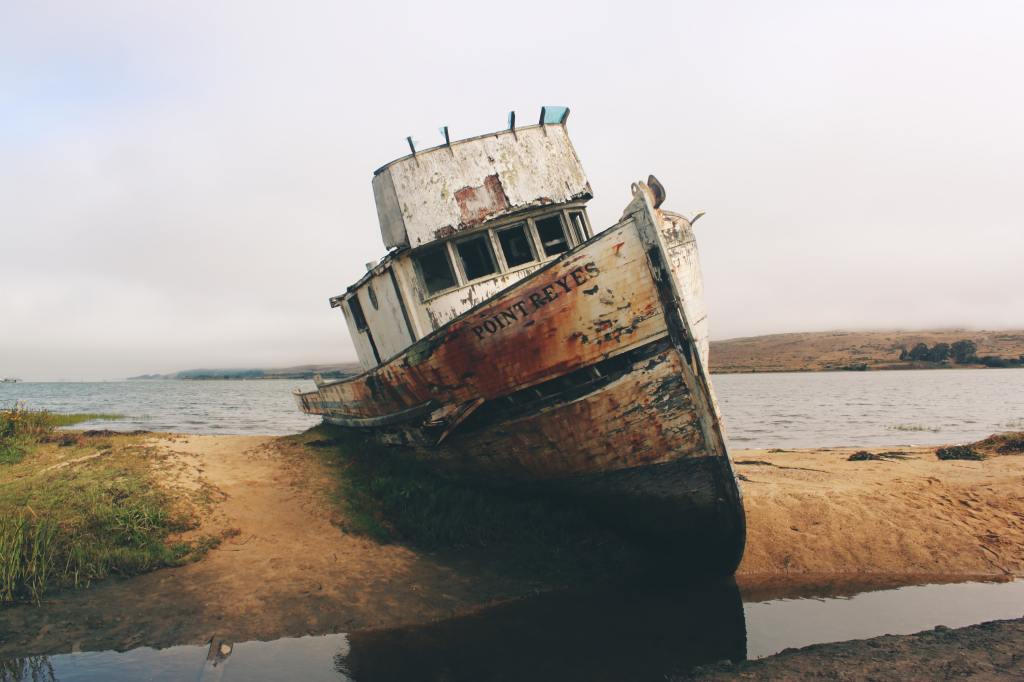
Photo by Thomas Renaud on Unsplash

Coping with Cabin Fever

A few days ago, listening to the news updating on the Covid-19 outbreak in Belgium, I heard that they were talking about the Cabin Fever. Since what they were saying sounded familiar to me, I decided to do some research. Having spent 9 weeks at home, without going to work and without seeing people other than my family, I must admit that I also felt something strange. I don’t feel like going back to a so-called normal life (then I should also know what it is the meaning of this normal life and see if I like it).

Actually, I don’t want to go back to work, I mean to my office premises, as I have been tele-working very well since the beginning of the crisis. It wasn’t clear to me why, so I decided to try to find it out and I drove nearby my office place. I found out with great relief that I did not feel anything in particular, neither stress nor anxiety, or fear.

However, this did not change my wish to continue teleworking.

Photo by Ella Jardim on Unsplash

What is it about?

The Cabin Fever is a syndrome that you may develop as a reaction to being isolated or confined for an extended period of time. It is not a real mental disorder, but it is associated with a particular condition linked to a long period of being lockdown, such as a disease, or a pathological condition, or in the case that we have been just experiencing, with the Coronavirus pandemic. We can feel anxiety, insecurity, fear of the future and of those we don’t know. You don’t want to leave your own place and only there you feel safe.

This syndrome, first described in the early twentieth century, is not fully recognised at a scientific level because there are not enough literature and case studies. At the time, they referred to people who, for example, worked in the high mountains and spent a lot of time within their home. It was discovered that these people found it difficult to go out, because they felt that they could not control the external space. This may also happen to prisoners when they go out of prison (that is why it is also called prisoner syndrome). You may feel infinitely small in front of a big world, out of your reach.

What to do then?

We spent about two months locked in our apartment or house, worried about the spread of the virus, fearing of ourselves getting sick, fearing that one of our loved ones would get sick and fearing of losing our job.

The media have also played a bit with our fears: put on the mask when you go out (but there were no masks available), don’t touch anything when you’re out if you don’t have disposable gloves (also unavailable on the market), above all do not touch your face (do you know how many times are we tempted to touch our face in an hour? On average 60 times, that is once a minute. Try to pay attention to it). It doesn’t matter then if on the street you see people wearing the mask in an absolutely inappropriate way which could also be more harmful than useful (wearing the mask around the neck, putting it on and taking it off maybe with unwashed hands, leaving the nose uncovered – I know it is difficult to breathe with something on your nose and mouth).

And now that, all of a sudden, they tell us that we can get out, we wonder if the danger has really passed. Our mind is still focused on everything that has just happened and it is normal to think that there may be a situation of danger and / or insecurity outside (think only if you have to use public transport for example).

Photo by Clément Falize on Unsplash

Now, however, it is time to plan the future, calmly. Did you appreciate the quietness found during the time spent at home? I have appreciated it very much and I would like teleworking from home to become a regular working pattern. I wish that we could choose to stay at home to tele-work (it is obvious that it is not a possible option for all types of job, but big companies like Twitter have already adopted this policy and have decided that only those who want will go back to their office). I list only some of the advantages that this choice entails: your ecological footprint will decrease, your quality of life will improve because you find yourself with “freed” time, for example from avoiding the journey home-work-home. This time could be dedicated to your well-being.

Then you can arrange a meeting with some (a few) friends and pay a visit to your family (though without being able to hug each other yet).

A few days ago it has been announced that from June 3 we can return to Italy without having to spend 14 days in quarantine. So, we can start planning vacations. You could start too.

What you shouldn’t do is listening obsessively and compulsively (transforming or even adding obsessive-compulsive disorder – OCD – to the Cabin Fever) the continuous updates on new infections, number of deaths, and the news coming from other continents. Don’t watch catastrophic movies, they don’t help you but rather will increase your anxiety. Then, try to think positive, because as the law of attraction teaches you, if you think negative then what happens to you will be negative. Also be aware that most of the bad things you think won’t happen, and that’s statistics.

Above all, try to be courageous, patient and safe: step by step the world will start to turn again, more or less well, but I hope better than before.

However, if you experience a sense of terrible anxiety, a malaise that paralyses you and you feel like being surrounded by flames, or by monsters, or by dangerous animals, you should go to a professional, such as a psychologist for example, if you don’t want this syndrome to turn into post-traumatic stress disorder (PTSD).

Photo by Petra Heryanova on Pexels.com

The Tour of the World

Some time ago I saw a nice pair of jeans in a shopping centre, which were not even expensive.

However, there was no label indicating its origin, no “made in”. Curios as I am, I decided to start a small investigation, first by asking to the shop owner, who had no idea. Then I pretended to be a member of a consumer association, I listed a whole series of regulations that he has been violating so that he gave me the address of the warehouse where he bought them.

Once home, I called that warehouse, always pretending to be an exponent of a consumer association. They started immediately to tell me the story of the jeans, without any problems, as some journalists have already made an investigation before. First of all, they were made with cotton from Benin. The cotton threads are then dyed in Spain, before being shipped to Taiwan to be woven into several separate pieces (pockets, legs, etc.).

Cottono Flower – Photo by Jan Haerer on Pixabay

The pieces are then sent to Tunisia to be sewn with Japanese polyester threads. The factory also adds buttons, zippers, rivets which are made in Japan with Australian metals.

So the jeans leave Tunisia for a warehouse in France from where they will be sold all over Europe. In short, the jeans traveled about 65,000 kilometres: once and a half the tour of the world.

The production of these jeans is definitely “globalized”: to sell jeans at the lowest possible price, manufactures look for the lowest cost of production at all levels. The manufacturer multiplies the steps to optimize its overall manufacturing cost. Dyeing is less expensive here, buttons are cheaper there, etc.

This causes several problems: the culture of cotton requires a lot of water for countries that do not have much, the working conditions of the workers are very bad, transport consumes a lot of oil and releases greenhouse gases.

At the end the jeans are very expensive for the planet, even if they are sold at an attractive final price for the consumer.

There are so many other examples like this. Danish prawns are cleaned in Morocco and then sent back to Denmark to be marketed. Scottish langoustines leave for Thailand to be decorticated by hand in a large multinational company and return to Scotland where they are cooked and then resold.

But is it worth? Wouldn’t it be better to bring production closer to places of sale, reducing energy and hydrocarbon consumption, finally doing some good to our planet?

What do you think about it?

Photo by Jason Leung on Unsplash

Il giro del mondo

Un po’ di tempo fa, in un negozio di vestiti, vedo un bel paio di jeans, che non sono neanche cari.

Però, dettaglio curioso, nessuna etichetta che ne indichi la provenienza, nessun “made in”. Decido di iniziare una piccola indagine, chiedendo per prima cosa al commerciante, che non ne ha la minima idea. Mi fingo allora membro di un’associazione di consumatori, gli elenco tutta una serie di normative che sta violando e quindi mi da l’indirizzo del magazzino dove li ha comprati.

Telefono a questo magazzino, sempre fingendomi un’esponente di un’associazione di consumatori. Non fanno una piega, ne hanno già parlato in precedenza con dei giornalisti e quindi mi raccontano la storia dei jeans. Innanzitutto, sono fatti con cotone proveniente dal Benin. I fili di cotone sono quindi tinti in Spagna, prima di essere spediti a Taiwan per essere tessuti in diversi pezzi separati (tasche, gambe, ecc.).

Cottono Flower – Foto di Jan Haerer da Pixabay

Questi pezzi sono successivamente inviati in Tunisia, per essere cuciti con dei fili in poliestere giapponese. La fabbrica aggiunge anche i bottoni, le chiusure lampo, i rivetti che sono fabbricati in Giappone con dei metalli australiani.

Quindi i jeans lasciano la Tunisia verso un deposito in Francia da dove verranno smerciati in tutta Europa. Insomma i jeans hanno percorso circa 65.000 chilometri: una volta e mezzo il giro della terra.

La produzione di questi jeans è decisamente “globalizzata”: per vendere i jeans al minor prezzo possibile, si cerca il costo più basso di produzione a tutti i livelli. Il produttore moltiplica le tappe per ottimizzare il suo costo globale di fabbricazione. La tintura è meno costosa qui, i bottoni sono meno cari là, ecc.

Questo pone diversi problemi: la cultura del cotone richiede molta acqua per dei paesi che non ne hanno molta, le condizioni di lavoro degli operai sono indegne, i trasporti consumano molto petrolio e rilasciano gas serra.

I jeans costano molto cari al pianeta, anche se sono venduti a un prezzo finale interessante per il consumatore.

Ci sono tanti altri esempi come questo. I gamberetti danesi vengono puliti in Marocco e poi rinviati in Danimarca per essere poi commercializzati. Peggio ancora i gamberoni scozzesi partono verso la Tailandia per essere decorticati alla mano in una grande multinazionale e ritornare in Scozia dove vengono cotti per poi essere rivenduti.

Ma ne vale pena? Non sarebbe meglio riportare la produzione vicino ai luoghi di vendita, riducendo il consumo di energia e di idrocarburi, facendo finalmente del bene al nostro pianeta? 

Cosa ne pensi? Scrivimi!

Photo by Jason Leung on Unsplash

Vivere la giornata

In questi tempi difficili, condivido un brano tratto da “Furore” di John Steinbeck, che per me rappresenta un esempio di forza e di coraggio, oltre che di prospettiva. Steinbeck é noto per il realismo dei suoi romanzi e per le caratteristiche di humor che si aggiungono alle sue descrizioni. Racconta di un America perduta senza però perdere la speranza nell’umanità e in una rinascita.

“Mi sa che la nostra vita è bell’e finita.” “Macché finita,” disse Ma’ con un sorriso. “Non è finita per niente, Pa’. E c’è un’altra cosa che sanno le donne. Me ne sono accorta. Per l’uomo la vita è fatta a salti: se nasce tuo figlio e muore tuo padre, per l’uomo è un salto; se ti compri la terra e ti perdi la terra, per l’uomo è un salto. Per la donna invece è tutto come un fiume, che ogni tanto c’è un mulinello, ogni tanto c’è una secca, ma l’acqua continua a scorrere, va sempre dritta per la sua strada. Per la donna è così che è fatta la vita. La gente non muore mai fino in fondo. La gente continua come il fiume: magari cambia un po’, ma non finisce mai.” “Come fai a saperlo?” domandò Zio John. “Chi te lo dice che un giorno non si ferma tutto, che la gente non ce la fa più e si butta a terra per sempre?” Ma’ rimase qualche istante a pensare. Si sfregò il dorso lucido delle mani, poi infilò le dita della destra tra le dita della sinistra. “Non lo so,” disse. “A me mi pare solo che tutto quello che facciamo serve per continuare. Per me è così che vanno le cose. Pure la fame… pure la malattia: qualcuno muore, ma gli altri si fanno più tosti. Uno deve solo cercare di viversi la giornata, la giornata e basta.

Ti auguro una giornata luminosa.

Salt from the Ocean

India, April 6, 1930. Under a hot sun, a fatigued crowd arrives on a beach. An old man goes to the sea to get water.

The man is Mohandas Gandhi. He is at the head of a peaceful revolt against the occupation of the British. With his followers he traveled about 400 km on foot to get to the sea. Not for swimming, but for salt.

At the time, the British forbade Indians to collect salt. Only the colonial state had the right to collect and sell it. The Indians were therefore obliged to buy salt from the British at a price set by them.

The British actually organize what is called the “state monopoly”.

In fact, in the history of mankind, salt has always been an essential product because it was the only way to store food. In the economies of the time, salt occupied a particularly important place.

Exchange currency, a source of income for the state, under the Roman Empire, salt was used to remunerate labor (hence the word “salary”).

That’s why controlling salt has caused wars and popular uprisings. The unfair salt monopoly symbolizes colonialism and pushed the Indians to protest with this “salt march” led by Gandhi. However, this was not appreciated by the British who severely repressed the movement. Gandhi spent 9 months in prison, but in the end he won the battle: the Indians could finally collect their salt and begin the path to independence.

Sale marino

India, 6 aprile 1930. Sotto un sole caldissimo, una folla affaticata arriva su una spiaggia. Un vecchio va verso il mare per prendere dell’acqua.

L’uomo è Mohandas Gandhi. È alla testa di una rivolta pacifica contro l’occupazione degli inglesi. Con i suoi seguaci ha percorso circa 400 km a piedi per arrivare al mare. Non per fare il bagno, ma per prendere del sale.

All’epoca gli inglesi proibivano agli indiani di raccogliere il sale. Solo lo stato coloniale aveva il diritto di raccoglierlo e venderlo. Gli indiani erano quindi obbligati ad acquistarlo dagli inglesi a un prezzo fissato da loro.

Gli inglesi organizzano di fatto quello che si chiama “monopolio di stato”.

In effetti, nella storia dell’umanità, il sale è sempre stato un prodotto di prima necessità perché era il solo modo per conservare gli alimenti. Nelle economie dell’epoca, il sale occupa un posto particolarmente importante.

Moneta di scambio, fonte di entrata per lo stato, sotto l’impero romano il sale era utilizzato per remunerare il lavoro (da qui la parola “salario”).

Ecco perché controllare il sale ha causato delle guerre e delle rivolte popolari. L’ingiusto monopolio del sale simbolizza il colonialismo e spinge gli indiani a protestare con questa “marcia del sale” condotta da Gandhi. Questo però non piace agli inglesi che reprimono severamente il movimento. Gandhi passa 9 mesi in prigione, ma alla fine vince la battaglia: gli indiani possono finalmente raccogliere il loro sale e cominciare il cammino verso l’indipendenza.

5 Effective Ways to Relax Yourself

Do you feel the need to relax but don’t know which relaxation method to choose? Here are some of my favourite ones! You have to just choose the one that inspires you the most.

Method 1: mindful breathing.
Obviously it is not our normal way of breathing, which consists of inhaling and exhaling without even realizing it. It is a conscious breathing, to which you have to pay attention.

How does it work? Sit where you want, on the floor, on a chair, on the sofa. Begin to inhale through your nose by inflating your belly. Slowly breathe out through your mouth, emptying your belly (it’s also a good exercise for your abs). Just focus on the air flow that passes through your body. You will see that your breathing slows down and your body slowly relaxes. The ideal would be to practice this type of breathing at least three times a day. You can do it everywhere, you always breath, you only need to do it mindfully. One minute of deep, conscious breathing will help you to relax.

Method 2: meditation.
I am not referring here to transcendental meditation, but to meditation in full consciousness (mindfulness), accessible and easy to apply. Meditation helps you take care of yourself and your mind, allowing you to be aware of the “here and now”, moving away from stress and problems.

How does it work? Close your eyes and concentrate on the sensation of the air going in and coming out from your nostrils. Try not to be distracted, and every time you notice that your mind is wandering, focus back your attention on the breath. A meditation session can last a few minutes for beginners and hours for the more experienced. If you are a super technological type, you can try apps that guide and follow you during your meditation journey. It would be ideal practising this type of meditation a few minutes several times a day.

Method 3: massage
Massage eliminates tension and provides a feeling of serenity and super pleasant well-being. So if you have the chance, get a massage. Your stress will disappear. If you don’t find anyone among your family or friends that can massage you (in these confinement times you cannot go to a wellness centre), you can take massage devices, which you can use for the neck, feet, back or head. There are also armchairs that do massages and even a mask that gently massages your eyes and makes you look and feel perfectly rested! A simple solution for the feet could be crushing and rolling tennis balls. It is almost like having a reflexology session. Give it a try!

Method 4: Yoga and Pilates
They are two similar disciplines and are both helpful for your physical and mental health. While Yoga focuses on the physical and mental connection, Pilates is more similar to a sport that, however, makes us use deeply the muscles of our body.

Method 5: aromatherapy
Aromatherapy uses the aromatic essence of plants to prevent, cure or relax. In the latter case, you can use an essential oil diffuser that allows the atomization of the oils and their diffusion in the home environment.

What oils can you use to relax? Here are some that I like very much:

  1. Lavender essential oil: it has sedative and calming properties and allows relaxation.
  2. Neroli essential oil: it reduces stress and fights insomnia and tension.
  3. Marjoram essential oil: it regulates emotions and protects you from fears.
  4. Grapefruit essential oil: it combats stress and helps you resolve doubts.
  5. Mandarin essential oil: it is relaxing and sedative.
  6. Scots pine essential oil: it helps you control emotions.

Here are my favourite relaxation methods. Choose the one you like most and, if you like, let me know. You can even choose more than one because taking care of yourself is the best thing you can do!

5 metodi efficaci per rilassarti

Senti che hai bisogno di distenderti ma non sai quale metodo di rilassamento adottare? Ecco qui alcune proposte tra le mie preferite. Devi
solamente scegliere quella che ti ispira di più!

Metodo 1: la respirazione cosciente.
Ovviamente non si tratta del nostro modo di respirare normale, che consiste nell’inspirare ed espirare senza che nemmeno ce ne accorgiamo.
Si tratta di una respirazione cosciente, interiorizzata.

Come funziona? Siediti dove vuoi, per terra, su una sedia, sul divano. Comincia ad inspirare dal naso gonfiando la pancia. Espira lentamente dalla bocca, svuotando la pancia (è anche un buon esercizio per gli addominali). Concentrati solamente sul flusso d’aria che attraversa il tuo
corpo. Vedrai che la tua respirazione rallenta e il tuo corpo si distende lentamente. L’ideale sarebbe praticare questo tipo di respirazione almeno tre volte al giorno. Questo metodo si può praticare dappertutto, il respiro è
sempre con te! Un minuto di respirazione profonda e cosciente ti aiuterà a rilassarti.

Metodo 2: la meditazione.
Non mi riferisco qui alla meditazione trascendentale, ma alla meditazione in piena coscienza (mindfulness), accessibile e facile da applicare. La meditazione ti aiuta a prenderti cura di te stessa/o e della tua mente, permettendoti di avere coscienza del “qui e ora”, allontanandoti dallo stress e dai problemi.

Come funziona? Chiudi gli occhi e concentrati sulla sensazione che ti procura il flusso d’aria che entra ed esce dalle narici e dai polmoni. Cerca di non distrarti, e tutte le volte che ti accorgerai che la tua mente sta vagando, riporta l’attenzione sul respiro. Una seduta di meditazione può durare
qualche minuto per i neofiti e delle ore per i più esperti. Se sei del genere super tecnologico/a, puoi provare delle app che ti guidano e ti seguono
durante il tuo percorso di meditazione. Riuscire a praticare questo tipo di meditazione qualche minuto più volte al giorno, appena puoi, sarebbe l’ideale.

Metodo 3: il massaggio
Il massaggio elimina le tensioni e procura una sensazione di serenità e di benessere super gradevole. Quindi, se ne hai l’occasione, fatti massaggiare. Il tuo stress sparirà. Se non trovi nessuno tra i tuoi familiari o amici
che ti possa massaggiare (in questi tempi di confinamento non si può andare in un centro di benessere), puoi prendere degli apparecchi per il massaggio, che potrai utilizzare per il collo, i piedi, la schiena o la testa. Esistono anche delle poltrone che fanno dei massaggi e perfino una maschera che massaggia dolcemente gli occhi e ti farà avere un aspetto perfettamente riposato! Una soluzione semplice per massaggiare i piedi potrebbero essere delle palline da tennis da far rotolare sotto i piedi e schiacciare. E’ quasi come se facessi una seduta di riflessologia. Provaci!

Metodo 4: Yoga e Pilates
Si tratta di due discipline simili e sono entrambe utili per la tua salute fisica e mentale. Mentre lo Yoga si concentra sulla connessione fisica e mentale, il Pilates è più assimilabile ad uno sport che però ci fa utilizzare la muscolatura profonda del nostro corpo.

Metodo 5: l’aromaterapia
L’aromaterapia utilizza l’essenza aromatica delle piante per prevenire, curare o rilassare. In quest’ultimo caso che ci interessa, si può utilizzare un diffusore di olii essenziali che consente la nebulizzazione degli olii e la loro
diffusione nell’ambiente domestico.

Quali olii utilizzare per rilassarsi?

  1. Olio essenziale di lavanda: ha proprietà sedative e calmanti e permette il rilassamento.
  2. Olio essenziale di neroli: riduce lo stress e combatte l’insonnia e le tensioni.
  3. Olio essenziale di maggiorana: regola le emozioni e ti protegge dalle paure.
  4. Olio essenziale di pompelmo: combatte lo stress e ti aiuta a sciogliere i dubbi.
  5. Olio essenziale di mandarino: è rilassante e sedativo.
  6. Olio essenziale di pino silvestre: ti aiuta a controllare le emozioni.

Ecco qui i miei metodi preferiti di rilassamento.Scegli quello che ti piace di più e, se ti va, fammelo sapere. Puoi anche sceglierne più di uno perché prendersi cura di se stessi fa un bene enorme!