5 modi per affrontare l’inverno e restare in forma

L’inverno, che ormai é alle porte, si presenta come una stagione difficile per il freddo che porta con sé malattie come il raffreddore, la tosse, l’influenza e quest’anno ci si mette pure il Covid.

Per proteggersi in modo adeguato è necessario rafforzare il nostro sistema immunitario e condurre uno stile di vita sano.

Ecco 5 fattori essenziali da mettere in pratica per avere un’immunitá efficiente.

  1. Alimentazione sana e equilibrata. L’alimentazione corretta fornisce l’energia necessaria per essere in forma e produrre anticorpi. Dovrai perciò fare attenzione a consumare frutta e verdura di stagione, limitando i prodotti industriali e troppo zuccherati. L’ideale è prepararsi da soli i pasti, limitare le bevande gassate, i prodotti di pasticceria e le bevande alcoliche perché possono ostacolare il sistema immunitario. Alcune verdure, come i funghi (come ad esempio i shiitaki), l’aglio, la cipolla, lo scalogno e lo zenzero hanno delle proprietà antibatteriche. Per stimolare le nostre difese immunitarie, devi anche includere dei grassi nella tua alimentazione, privilegiando i grassi monosaturi o polisaturi (pesce come le sardine o lo sgombro e oli vegetali come l’olio EVO). Sarebbe meglio evitare invece grassi saturi come il burro. Forse sai che il 70% del nostro sistema immunitario si trova proprio nel nostro intestino e i probiotici rafforzano la mucosa intestinale, soprattutto in inverno oppure se si è affetti da una malattia grave o cronica. Questi micro-organismi si trovano nello yoghurt e nel latte fermentato. Perció, sarebbe anche importante fare una cura di probiotici per rafforzare il tuo intestino. Altra parte importante per l’alimentazione invernale sono gli oligoelementi, come lo zinco e il selenio, che contribuiscono anch’essi a stimolare il sistema immunitario e si trovano in alimenti ricchi in proteine come i crostacei, il tuorlo d’uovo, il pollame e il formaggio.
  2. Vitamine. La vitamina A é una preziosa alleata dell’immunitá perché stimola la produzione di anticorpi. I prodotti di origine animale come la carne, il pesce, il latte intero e i prodotti derivati dal latte in genere, sono ricchi in vitamina A. La vitamina C, che si trova nella frutta e nella verdura, aiuta la formazione delle cellule immunitarie. La vitamina E è naturalmente presente nei semi di girasole e negli oli vegetali. Deve essere parte importante nell’alimentazione delle persone anziane perché compensa la perdita di difese immunitarie dovute all’invecchiamento. Per quanto riguarda la vitamina D, la sua efficacia è dimostrata nella regolazione dell’immunità. Svolge anche un’azione di contrasto contro lo sviluppo di alcune malattie autoimmuni come la sclerosi a placche. La principale fonte di vitamina D è la luce del sole. Se abiti come me in Belgio, o nel Nord Europa in generale, dove il sole scarseggia durante l’inverno, l’assunzione di vitamina D è raccomandata, soprattutto se sei una donna in menopausa o una persona di una certa età. E’ vero che la puoi trovare anche nel pesce grasso, ma in piccole quantità.
  3. La qualità del sonno. I disturbi del sonno interessano molte persone. È noto che i benefici di una notte piacevole sono molti. Vengono eliminati lo stress e le tossine, i tessuti si riparano, le cellule si rigenerano e ci si sveglia di buon umore. Un buon sonno, oltre ad avere questi effetti, rafforza anche il tuo sistema immunitario e ti protegge dalle infezioni. Per essere ben riposati, bisogna dormire abbastanza, tra le 6 e le 8 ore. Se hai delle difficoltà ad addormentarti, instaura un rituale per svuotare la mente, evita di bere caffè, di mangiare troppo pesante e non bere troppo alcol la sera. Per prepararti ad una notte serena, allontana dalla tua stanza tutti gli elementi che stimolano troppo a tua attenzione e emettono luce blu (TV, cellulare, computer). Pratica, invece, prima di dormire, un’attività rilassante come la meditazione e la lettura. Una tisana a base di melissa, passiflora o tiglio potrebbe aiutarti.
  4. Esposizione alla luce. La luce ha un impatto sulla regolazione dell’orologio biologico. La mancanza di luce, o una luce sbagliata (la luce artificiale, la luce blu degli schermi LED di cui parlavo prima, il lavoro notturno, o un’alimentazione troppo ricca), potrebbe provocare delle conseguenze sul sonno e sul sistema immunitario. Per regolare il tuo orologio biologico, cerca di esporti al massimo alla luce del sole, lasciandola entrare in casa tua e sul tuo posto lavoro. In caso di disturbi importanti, puoi acquistare una lampada di luminoterapia che simula la luce solare per intensità e spettro luminoso. Ne puoi trovare in ogni fascia di prezzo.
  5. Infine, l’attività fisica. La pratica regolare di un’attività fisica ha un effetto diretto sull’immunità. Migliorando la circolazione del sangue, l’esercizio fisico permette alle diverse componenti del sistema immunitario di propagarsi meglio nel corpo. Nelle persone anziane aiuta a prevenire il declino delle funzioni immunitarie. Attenzione però a non muoverti troppo intensamente perché questo potrebbe avere un effetto controproducente. È abbastanza facile mettere in pratica delle buone abitudini per fare un po’ di attività fisica quotidianamente. Ad esempio, puoi fare le scale anziché prendere l’ascensore o camminare 30 minuti al giorno. Se vuoi andare in palestra (un po’ difficile in questi tempi di Covid), vacci piano e ascolta i consigli del tuo coach o usa un app.

Allora, sei pronto/a per affrontare l’inverno?

Photo by Okan Caliskan on Pixabay

Micromanagement

“She asked me to put her in copy to all emails, even the most trivial ones. Sometimes she would knock on my office door to ask me if I was okay because I had spent a lot of time in the bathroom, when actually only five minutes have passed. She checked when I walked in and when I left my office to see how long I had been way. The pressure she exerted by checking every detail of my work was suffocating, more than exaggerated and above all counterproductive.”

This is just a testimony from an employee who used to work with a micro-manager. What exactly is micromanagement? It is a managerial practice through which the manager exercises exhaustive control of the actions, tasks, functions and responsibilities of the people subordinated to him / her at a hierarchical level.

This type of managers may also ask to see an email before it is sent, and they may want to be informed of all the decisions that employees need to take, because they think that their staff cannot take decisions. A micromanager combines impatience and distrust with absolute control of the tasks assigned to their subordinates.

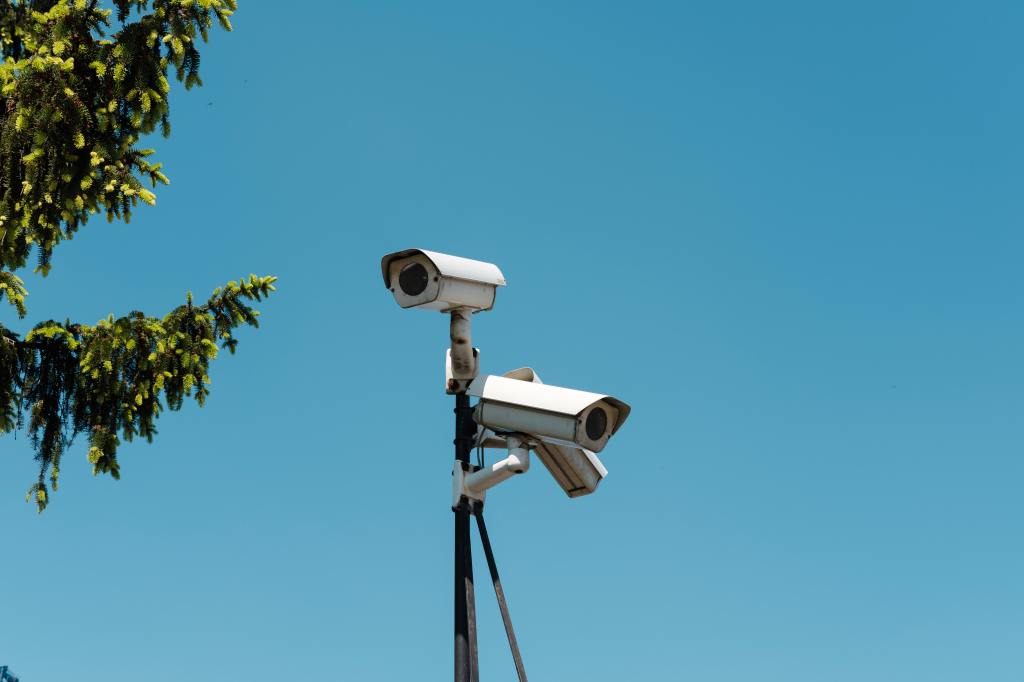
The situation look like the schemes used by the “Thought Police” to scrupulously monitor every moment of the characters in George Orwell’s “1984” novel. As in that book, the consequences of this practice of strict control on employees are devastating. The boss gains in peace of mind but staff suffer from it and are also less productive. Actually, this system creates bottlenecks that cause a slowdown in all activities. This type of manager wants to earn a good reputation and prevent a supervisor from blaming them that something was wrongly done.

Photo by Michal Jakubowski on Unsplash

But the worst part falls on the employees. Many times they do not know how to give priority, because the boss constantly changes their priorities based on the urgency that arrives, or because a superior asks him or her or it is the market requiring that. Employees lose creativity and self-esteem. A culture of fear is established, where everything is subject to the orders of the superior. This can lead to sickness absenteeism.

Apart from real psychosomatic diseases that can arise, psychological situations can also develop for which the person feels worthless, becomes smaller and smaller until they doubt their abilities. You begin to ask yourself: “Am I capable of doing it? ”,“ Am I in the wrong job? ”,“ Why do they control me like this, what have I done wrong? ”. And it can also happen that you quit your job, even if you have a good salary. When a situation cannot be changed or accepted, you have to leave it, and, in this case, you leave your job.

It is important to know that people do not quit jobs, they leave bosses.

But why do managers fall into this trap?

If micromanagement spoils the work environment, employees’ health, and it is harmful even to bosses who lose productivity and may lose also staff, why can’t this total and constant control be avoided? The bosses don’t have enough work to do?

Let’s see the possible causes.

First, managers themselves suffer pressure from the environment, be it from their own bosses, shareholders, markets or competition.

Second, incompetence. Either managers feel unsecure because their staff perform an excellent job compared to their own, or the employees are not suitable for that type of job.

The third cause is clear and straightforward: the boss’s obsessive personality making them unable to organize and manage the work.

Whatever the cause is, it is necessary to analyse what is happening in order to put an end to the situation as soon as possible. First, you should go to the human resources of your company. I have worked in human resources for over 10 years and have seen a lot of micromanagement.

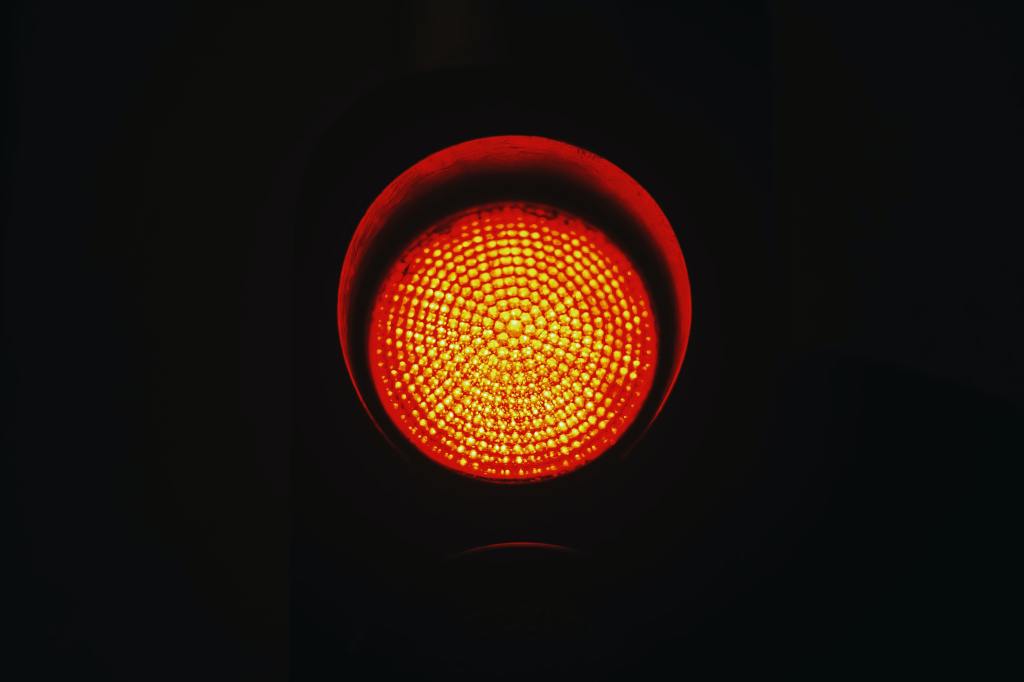
As an alternative, you could turn to your superior and ask them to implement one or more techniques, perhaps with the help of a coach. One technique could be that of the traffic light. Together with the boss, you define the admissible and acceptable control limits, that are not to be exceeded. If these limits should be overcome, some signals will be sent to the manager. When the manager receives them, they identify their behaviour and try to control it.

Another strategy is to define the profile of the boss and of each team members, analysing their personal, professional and communication style and characteristics. Once this “x-ray” is completed, the boss shall answer the following questions:

1. What leadership style they use with each employee;

2. What leadership style each employee would need;

3. Which leadership model they would like to use with the each employee.

By doing so, the boss can realize that the type of leadership they are using is in line with that person’s role, but it is not what that employee, due to his or her personality, needs. By adopting this paradigm shift, the boss begins to think not from their own point of view, but from that of the subordinate. While this strategy may sound like science fiction, with time and a willingness to change, success is assured.

Have you ever worked under the supervision of a micro-manager?

Photo by Erwan Hesry on Unsplash

Why Admiring Artworks Is Good For the Morale.

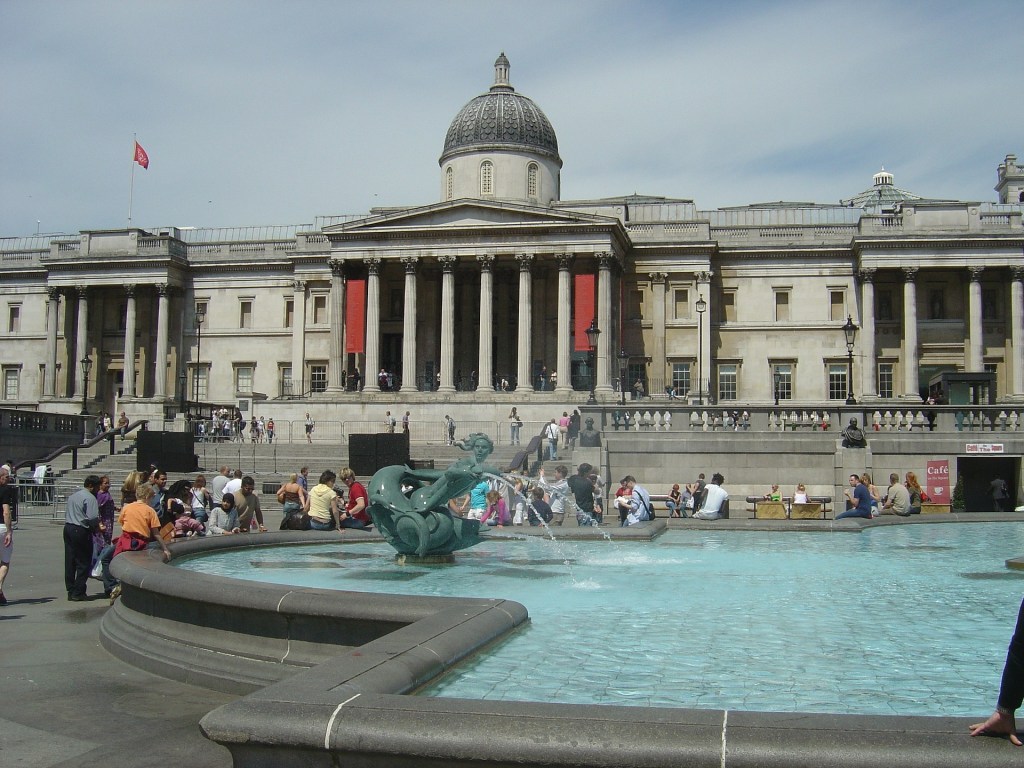
During the Second World War, the director of the National Gallery of London, Kenneth Clark, while reading the newspaper found out an article addressed to him. It was a letter from a reader who asked him if he could you reopen the doors of the museum that has been closed because of the German bombing.

Obviously, it would be very dangerous for the artworks but the director is impressed by this request. “It is precisely because of the war that we need to see beautiful things,” thinks the director.

How to do? The National Gallery, like other museums, has emptied their exhibition halls. Then all the artworks were put in an abandoned mine in Wales. This precaution proved to be effective because nine bombs have fallen on the National Gallery building since 1940. Because of that danger, the museum obviously cannot be reopened.

Photo by Lori Leidig on Pixabay

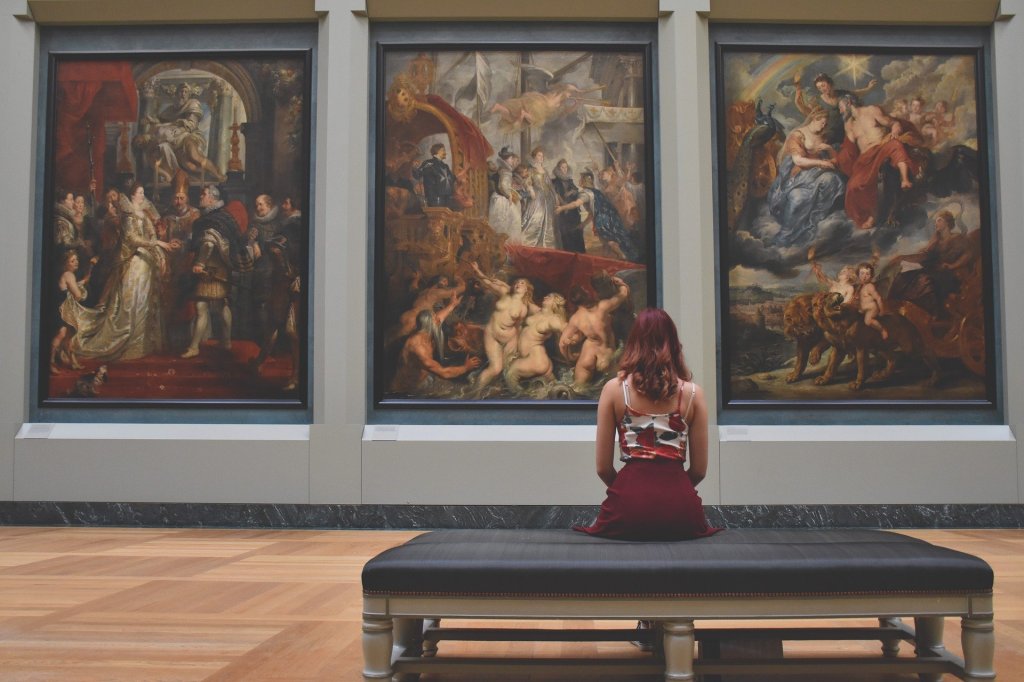
But Londoners need consolation and Kenneth Clark makes an unprecedented decision: he made arrive an artwork secretly every month. This operation is carried out following maximum security criteria, so that the “picture of the month” does not risk anything. Two assistants remain in proximity and at the slightest warning signal they are ready to evacuate the artwork. Every night, the artwork is placed in an underground secured room.

Much to Clark’s amazement, the public shows up at the monthly appointment and this initiative lasts until the end of the war. Paintings by Titian, Velázquez, Renoir, and many more, go back and forth to warm up the soul of Londoners. As the author of the letter says, “it’s risky, but worth!”

Do you agree that artworks are good for the morale?

Photo by Pexels on Pixabay

Perché ammirare un’opera d’arte fa bene al morale.

Durante la seconda guerra mondiale il direttore della National Gallery di Londra, Kenneth Clark, leggendo il giornale, scopre un articolo a lui destinato. Si tratta della lettera di un lettore che gli lancia un appello. “Potrebbe riaprire le porte del museo, chiuse a causa dei bombardamenti tedeschi?”

Certo, sarebbe molto pericoloso per le opere ma il direttore è colpito da questa richiesta. “È proprio a causa della guerra che abbiamo bisogno di vedere delle belle cose”, pensa il direttore.

Come fare? La National Gallery, come gli altri musei, ha svuotato le sale d’esposizione. Ha poi nascosto le sue opere in una miniera abbandonata nel Galles. Questa precauzione si è rivelata efficace perché dal 1940 nove bombe sono cadute sull’edificio della National Gallery. Di fronte al pericolo, il museo non può ovviamente essere riaperto.

Foto di Lori Leidig da Pixabay

Ma i londinesi hanno bisogno di conforto e Kenneth Clark prende una decisione inedita: fa arrivare tutti i mesi un’opera di nascosto. Questa operazione è svolta seguendo dei criteri di massima sicurezza, in modo che il “quadro del mese” non rischi nulla. Due assistenti restano in prossimità e al minimo segnale di allerta sono pronti a evacuarla. Tutte le notti, l’opera viene messa in una stanza sotterranea chiusa con porta di acciaio e con combinazione.

Con grande stupore di Clark, il pubblico si presenta all’appuntamento mensile e questa iniziativa dura fino alla fine della guerra. Dei quadri di Tiziano, Velázquez, Renoir e molti altri pittori, fanno andata e ritorno per scaldare l’animo dei londinesi. Come dice l’autore della lettera, “è rischioso, ma ne vale la pena!”

Cosa ne pensi? Credi anche tu che l’arte faccia bene al morale?

Foto di Pexels da Pixabay

How Has The Curfew Changed Your Habits?

When I hear about curfews, dark times come to my mind, times of war. Actually we have been fighting a war against Covid since March this year. There are no bombs, we don’t have to be evacuated, we can eat every day because there are enough food supplies. But the curfew has changed our habits, most probably also those related to meal times.

From North to South of Europe we eat at different times. Soon in the north, later in the south. Maybe you are invited to dinner by someone and the curfew forces you to eat earlier because then you have to go home. Or you eat later because you finish work late and don’t have time to buy something for dinner, or to stop by in a restaurant. The restaurants are closed, they only offer take-away service and you must go back home within the time set by the curfew.

A friend from Paris, before the city was put into total lockdown, had to return home by 9 p.m. We know that Paris is a big city and people often use public transport, which is very efficient. To be home by 9 p.m., she had to take the subway by 8:30 pm at the latest and therefore she was eating later than her previous habits. And she began to sleep badly.

If you make an appointment before the curfew begins, you may feel stressed out because you will have to rush to get home on time. Perhaps it would be better to stay at home and respect the government’s directions and limit our social contacts. But sometimes you want to be out for a while, to meet some friends.

The effects of the curfew are not only on your social life, but also on your health as a result of adapting to a new pace of life and changing your routine.

Photo by Jan Vašek on Pixabay

The new schedule imposed by the curfew may have advantages, for example, you stop working earlier, go home earlier and have dinner earlier. For example, you arrive home at 7 p.m., have dinner between 8 p.m. and 8.30 p.m., go to bed around 11 p.m. and get up at 7 a.m. the next day.

This would be optimal for your health. Indeed, you would better synchronize with your internal, external environmental and external social biological clocks (time).

Internal time is what marks your endogenous rhythm, which helps you sleep at night, stay awake during the day and eat at the right time for you.

External environmental time is determined by the alternation of the phases of light and dark generated by the solar cycle.

External social time can alter these balances. If your working schedule, lunch, dinner and leisure are not suitable to your biological type (chronotype) you could enter a phase of temporal disruption that may cause several health problems, like insomnia.

Our ancestors got up with the light and went to sleep with the dark. This rhythm allowed for adequate production of melatonin (the hormone that regulates sleep), which allowed for a perfect balance between internal time and external time.

The habit of eating around 9:30 p.m. or even later goes against these natural cycles and makes it more difficult to rest well. A large dinner ending around midnight could cause difficult digestion at a time when the body should be resting instead.

It is therefore recommended to finish dinner at least two hours before going to bed to avoid poor quality sleep and an awakening marked by fatigue, irritability and low cognitive performance.

If you follow the biological rhythm of your body, you will have a big improvement in your overall health!

Do you think the curfew has made you change some of your habits?

Photo by Daria Yakovleva on Pixabay
Icona di Verificata con community


Come il coprifuoco ha cambiato le tue abitudini?

Quando sento parlare di coprifuoco mi vengono in mente tempi oscuri, tempi di guerra. Ma in effetti quella contro il Covid é una guerra. Non ci sono le bombe, non dobbiamo essere evacuati, possiamo mangiare tutti i giorni perché ci sono scorte alimentari che non finiscono. Ma il coprifuoco ha cambiato le nostre abitudini, probabilmente proprio quelle legate agli orari dei pasti.

Da nord a sud dell’Europa si mangia ad orari diversi. Presto al nord, piú tardi al sud. Magari sei invitato a cena da qualcuno e il coprifuoco ti costringe a mangiare prima perché poi devi rientrare a casa. Oppure mangi piú tardi perché finisci di lavorare tardi e non hai il tempo di fermarti fuori a cena. I ristoranti sono chiusi, effettuano solo servizio da asporto e devi rientrare entro l’orario previsto dal coprifuoco.

Un’amica di Parigi, prima che la cittá venisse messa in lockdown totale, doveva rientrare a casa per le 21. Parigi lo sappiamo é una grande cittá e la gente usa spesso i mezzi pubblici, peraltro molto efficienti. Per essere a casa alle 21, doveva prendere la metro al massimo entro le 20:30 e quindi si trovava a mangiare piú tardi rispetto alle sue abitudini precedenti. E ha cominciato a dormire male.

Se prendi un appuntamento prima che cominci il coprifuoco, potresti sentirti stressato a causa della fretta che hai per tornare a casa in tempo. Forse sarebbe meglio starsene a casa e rispettare le indicazioni del governo che ci dice di limitare i nostri contatti sociali. Ma a volte hai voglia di stare un po’ fuori, di incontrare qualche amico.

Gli effetti del coprifuoco non sono solo sulla nostra vita sociale, ma anche sulla nostra salute a causa dell’adattamento a un nuovo ritmo di vita e del cambiamento della nostra routine.

Foto di Jan Vašek da Pixabay

Il nuovo orario imposto dal coprifuoco puó presentare dei vantaggi, ad esempio, si smette di lavorare prima, si rientra a casa prima e si cena prima. Per esempio, si arriva a casa alle 19:00, si cena tra le 20:00 e le 20:30, si va a letto verso le 23 e ci si alza alle 7 il giorno dopo.

Questo sarebbe ottimale per la nostra salute. In effetti, ci si sincronizzerebbe meglio con il nostro orologio biologico (tempo) interno, esterno ambientale e esterno sociale.

Il tempo interno é quello che segna il nostro ritmo endogeno, che ci aiuta a dormire di notte, stare svegli di giorno e mangiare alle ore giuste per noi.

Il tempo esterno ambientale é determinato dall’alternanza delle fasi di luce e di buio generati del ciclo solare.

Il tempo esterno sociale puó alterare questi equilibri. Se gli orari di lavoro, di pranzo, cena e svago non sono adatti al nostro tipo biologico (cronotipo) potremmo entrare in una fase di rottura temporale che potrebbe causare diversi problemi di salute, uno su tutti l’insonnia.

I nostri antenati si alzavano con il sole e andavano a dormire con il buio. Questo ritmo permetteva una produzione adeguata di melatonina (l’ormone che regola il sonno), che consentiva un perfetto equilibrio tra il tempo interno e il tempo esterno.

L’abitudine di mangiare verso le 21:30 o addirittura piú tardi va contro questi cicli naturali e rende piú difficile riposare bene. Una cena copiosa che termina verso mezzanotte potrebbe causare una digestione difficile in un orario in cui il corpo dovrebbe invece riposare.

E’ consigliato perció finire di cenare almeno due ore prima di andare a letto per evitare un sonno di scarsa qualitá e un risveglio contraddistinto da fatica, irritabilitá e basso rendimento cognitivo.

Se segui il ritmo biologico del tuo corpo, avrai un miglioramento netto della tua salute generale!

Pensi che il coprifuoco ti abbia fatto cambiare alcune abitudini?

Foto di Daria Yakovleva da Pixabay

6 Less Known Benefits of Ginger

Ginger is a flowering plant that originated in Southeast Asia. It’s among the healthiest (and most delicious) spices on the planet.

The rhizome (underground part of the stem) is the part commonly used as a spice. It’s often called ginger root or, simply, ginger.

Ginger can be used fresh, dried, powdered, or as an oil or juice or in infusion. It’s a very common ingredient in recipes. It’s sometimes added to processed foods and cosmetics.

The unique fragrance and flavour of ginger come from its natural oils, the most important of which is gingerol.

Gingerol is the main bioactive compound in ginger. It’s responsible for much of ginger’s medicinal properties.

Gingerol has powerful anti-inflammatory and antioxidant effects, according to research. For instance, it may help reduce oxidative stress, which is the result of having an excess amount of free radicals in the body.

Ginger has a very long history of use in various forms of traditional and alternative medicine. One well known benefits of ginger is the hot infusion with lemon and honey used to treat the flu and cold.

But there are less known benefits of ginger.

Let’s see them.

1. It can treat many forms of nausea, especially morning sickness

Ginger appears to be highly effective against nausea.

It may help relieve nausea and vomiting for people undergoing certain types of surgery, and also for chemotherapy-related nausea.

It may be also effective when it comes to pregnancy-related nausea, such as morning sickness.

Although ginger is considered safe, talk to your doctor before taking it if you’re pregnant.

2. It may help with weight loss

Ginger may play a role in weight loss and in achieving your BMI (Body Mass Index).

It appears that its ability to influence weight loss may be related to certain mechanisms, such as its potential to help increase the number of calories burned.

3. It can help with osteoarthritis

Osteoarthritis (OA) is a common health problem.

It involves degeneration of the joints in the body, leading to joint pain and stiffness.

Researches have found that a combination of topical ginger, cinnamon, and sesame oil can help reduce pain and stiffness in people with OA.

4. It may lower blood sugars

This area of research is relatively new, but ginger may have powerful anti-diabetic properties (not all types of diabetes though).

The results are incredibly impressive, but they need to be confirmed in larger studies before any recommendations can be made.

Therefore, consult your doctor before using large amount of ginger.

5. It can help treat chronic indigestion

Chronic indigestion is characterized by recurrent pain and discomfort in the upper part of the stomach.

It’s believed that delayed emptying of the stomach is a major driver of indigestion. Interestingly, ginger has been shown to speed up emptying of the stomach.

6. It may reduce menstrual pain

Dysmenorrhea is the scientific name given to pain felt during the menstrual cycle.

One of the traditional uses of ginger is for pain relief, therefore menstrual pain is included.

To conclude

Ginger is loaded with nutrients and bioactive compounds that have powerful benefits for your body.

It’s one of the very few superfoods actually worthy of that name.

I like candied ginger and also infusions with lemon and honey to help recovery from flu or cold, as said at the beginning.

Now that end of the year holidays are approaching, you may want to try the Pepparkakor, ginger biscuits typical of Scandinavia that are absolutely delicious!.

What about you? Have you ever tried ginger?

Photo by Congerdesign on Pixabay

6 benefici meno conosciuti dello zenzero

Lo zenzero é una pianta originaria del Sud Est asiatico. E’ tra le spezie piú salutari e deliziose del mondo.

Il rizoma (la parte che sta sotto allo gambo) é la parte che si usa generalmente come spezia. E’ questo che noi chiamiamo zenzero.

Lo zenzero si puó usare fresco, secco, in polvere, come olio o succo o in infusione. E’ un ingrediente che sta diventando sempre piú comune e talvolta viene aggiunto anche al cibo preparato industrialmente e ai cosmetici.

Lo zenzero ha una storia molto lunga riguardo all’uso in medicina tradizionale. Le principali proprietá medicinali dello zenzero sono dovute al gingerolo, il costituente attivo principale dello zenzero. Il gingerolo, infatti, é un efficace antinfiammatorio e anche un antiossidante, cioé combatte l’eccesso di radicali liberi nel corpo.

Uno degli usi piú conosciuti delle zenzero é in infusione con miele e limone come terapia per combattere l’influenza e il raffreddore. Ma ci sono altri usi meno conosciuti.

Vediamoli.

1. Puó aiutare a calmare molte forme di nausea, soprattutto la nausea mattutina.

Lo zenzero é anche molto efficace contro la nausea.

Puó aiutare le persone che hanno subito interventi chirurgici, anche in casi di chemioterapia, ma l’effetto piú evidente é quello contro la nausea mattutina durante la gravidanza.

Sei sei incinta parlane comunque con il tuo dottore prima di iniziare ad assumere qualsiasi cosa, anche se lo zenzero é un prodotto naturale e considerato assolutamente sicuro.

2. Puó aiutarti a perdere peso

Studi recenti hanno dimostrato che lo zenzero contribuisce a ridurre il peso, la circonferenza del girovita e l’indice di massa corporea (BMI – Body Mass Index).

La capacitá dello zenzero di contribuire alla perdita di peso sembra essere correlata al fatto che lo zenzero fa aumentare il numero di calorie bruciate.

3. Puó aiutare a combattere l’artrosi

L’artrosi é un problema di salute molto comune. Si tratta della degenerazione delle giunture del corpo che causano dolori e rigiditá degli arti.

Se abbinato ad altre sostanze, come la cannella e l’olio di sesamo, puó diventare ancora piú efficace.

4. Puó abbassare in modo significativo lo zucchero nel sangue.

Questa scoperta é relativamente nuova ma sembra davvero che lo zenzero abbia proprietá contro alcuni tipi di diabete.

Trattandosi di un problema cosí importante, consulta il tuo medico prima di assumerne grandi quantita.

5. Puó aiutare nel trattamento delle indigestioni croniche.

Le indigestioni croniche sono caratterizzate da dolore e disagio ricorrente nella parte alta dello stomaco.

Una delle principali cause delle indigestione sembra essere il ritardo nello svuotarsi dello stomaco. E’ stato riscontrato che lo zenzero velocizza lo svuotamento dello stomaco.

6. Puó ridurre il dolore mestruale

La dismenorrea é il nome medico del dolore provato durante il ciclo mestruale.

Uno degli usi tradizionali dello zenzero é proprio la riduzione del dolore, incluso quindi anche il dolore mestruale.

Conclusioni

Lo zenzero è ricco di sostanze nutritive e composti bioattivi che hanno potenti benefici per il tuo corpo.

È uno dei pochissimi supercibi davvero degno di questo termine.

Io adoro lo zenzero candito e in infusione abbinato al limone e il miele, che é, come detto all’inizio, un rimedio molto utile per combattere le malattie da raffreddamento.

Adesso che si avvicinano le feste di fine anno, puoi provare a fare dei biscottini allo zenzero, tipici della tradizione svedese, e assolutamente deliziosi!

Ti piace lo zenzero? Lo hai mai provato?

Photo by Congerdesign on Pixabay

Why action without intention is useless?

Intention is powerful energy that allows you to satisfy a need, be it material, relational, emotional or spiritual.

It is a source of positive energy that allows you to create or fulfil a dream.

Many people think that only by taking action you can achieve your goal or get what you want.

However, intention is more powerful than action because it draws its strength from the energy of the universe that sustains action and guides it to avoid you getting lost or exhausted. If your energy is negative, you will not feel satisfied; you will have the impression of swimming against the current of the water.

Action without intention will never get you to your destination.

Give yourself permission to think and dream big even if it seems impossible! Authorize and solicit a pure consciousness that binds you to this universal “I”, where everything is not only possible, but already exists and needs your intention for it to happen.

By positively utilising the power of intention, you will be guided towards the best. If some cards are given by chance, through observation you will be able to seize the most favourable opportunity that comes to you. Try to adapt to unforeseen situations to turn them into opportunities, because it matters more how you react to what happens to you.

Good fortune can be provoked (certainly not for gambling or winning the lottery) and sometimes you have to be brave and reactive to seize the opportunity that comes to you.

Do you know the story of the two mice falling into a bucket full of milk? One of them yells “help, help”, doesn’t swim and drowns. The other swims to stay afloat so fast that it turns the milk into butter and can come out of the bucket!

Photo by Robert Hrovat on Unsplash

Here are four ideas to try being luckier:

  1. Adopt a positive spirit, attitudes and behaviours.
  2. Dream big even if it seems impossible to you, opening the doors to opportunities.
  3. Stop saying “Yes but …” and replace it with “What if …”.
  4. Find a lucky jingle, a tune you like and that works like a bell to regularly connect on the good wavelength. A mantra or a positive affirmation is also fine.

And let things happen!

Do you feel ready to create your intention?

Photo by Yan Ming on Unsplash

Perché l’azione senza intenzione é inutile?

L’intenzione é un’energia potente che permette di soddisfare un bisogno, sia esso materiale, relazionale, affettivo o spirituale.

E’ un fonte di energia positiva che ti permette di creare o realizzare un sogno.

Molte persone pensano che solamente agendo si riesca a raggiungere il proprio obiettivo o si possa ottenere quello che si desidera.

Tuttavia l’intenzione é piú potente dell’azione perché attinge la sua forza dall’energia dell’universo che sostiene l’azione, la guida per evitare che ci si perda o ci si esaurisca. Se la tua energia é negativa, non ti sentirai soddisfatto e avrai l’impressione di nuotare controcorrente.

L’azione senza intenzione non ti porterá mai a destinazione.

Datti il permesso di pensare e sognare in grande anche se ti sembra impossibile! Autorizzati a sollecitare questa pura coscienza che ti lega a questo “Io” universale, dove tutto non solo é possibile, ma esiste giá e ha bisogno della tua intenzione perché accada.

Utilizzando positivamente il potere dell’intenzione, sarai guidato verso il meglio. Se alcune carte vengono distribuite per caso, tramite l’osservazione riuscirai a cogliere l’occasione piú propizia che si presenta. Cerca di adattarti alle situazioni impreviste per trasformarle in occasioni, perché non é tanto quello che ti succede che importa, ma é importante come reagisci a quello che ti accade.

La fortuna si puó provocare (certo non quella legata al gioco d’azzardo o alla lotteria) e a volte bisogna essere audaci e reattivi per cogliere la volo l’occasione che ti si presenta.

Conosci la storia dei due topolini che cadono in un secchio pieno di latte? Uno di loro grida “aiuto”, non nuota e annega. L’altro nuota per stare a galla cosí velocemente che trasforma il latte in burro e riesce ad uscire dal secchio!

Photo by Robert Hrovat on Unsplash

Come fare per creare piú fortuna?

Ecco quattro spunti di riflessione per cercare di avere piú fortuna:

  1. Adotta uno spirito, delle attitudini e dei comportamenti positivi.
  2. Sogna in grande anche se ti sembra impossibile, aprendo le porte alle occasioni.
  3. Smetti di dire “Si ma…” e sostituiscilo con “E se…”.
  4. Trova un jingle della fortuna, un’aria che ti piaccia e che funzioni come un campanello per collegarti regolarmente sulla buona lunghezza d’onda. Anche un mantra o un’affermazione positiva vanno bene.

E lascia che le cose accadano!

Ti senti pronto/a per creare la tua intenzione?

Photo by Yan Ming on Unsplash