6 modi per riscaldarsi le mani (senza avere un termosifone vicino)

Sei come me che in inverno hai sempre le mani fredde? Ecco qui sei rimedi che puoi facilmente utilizzare per scaldarti le mani (senza metterle sul termosifone) durante quest’inverno che è piuttosto freddo.

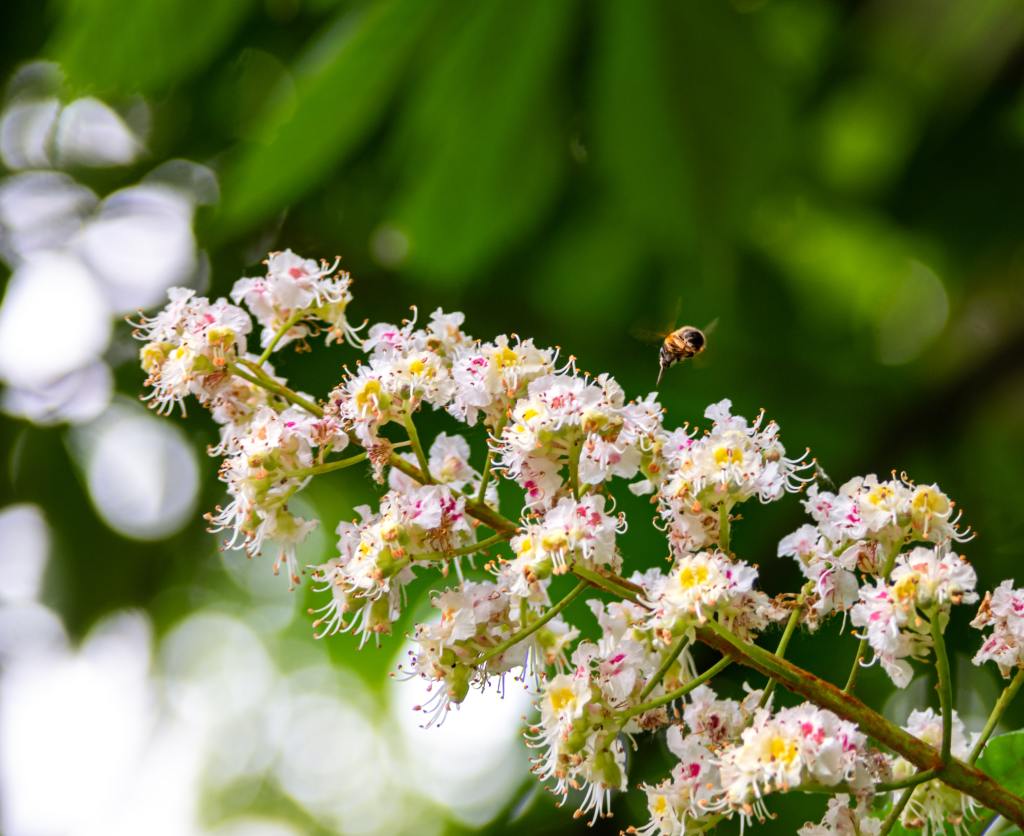
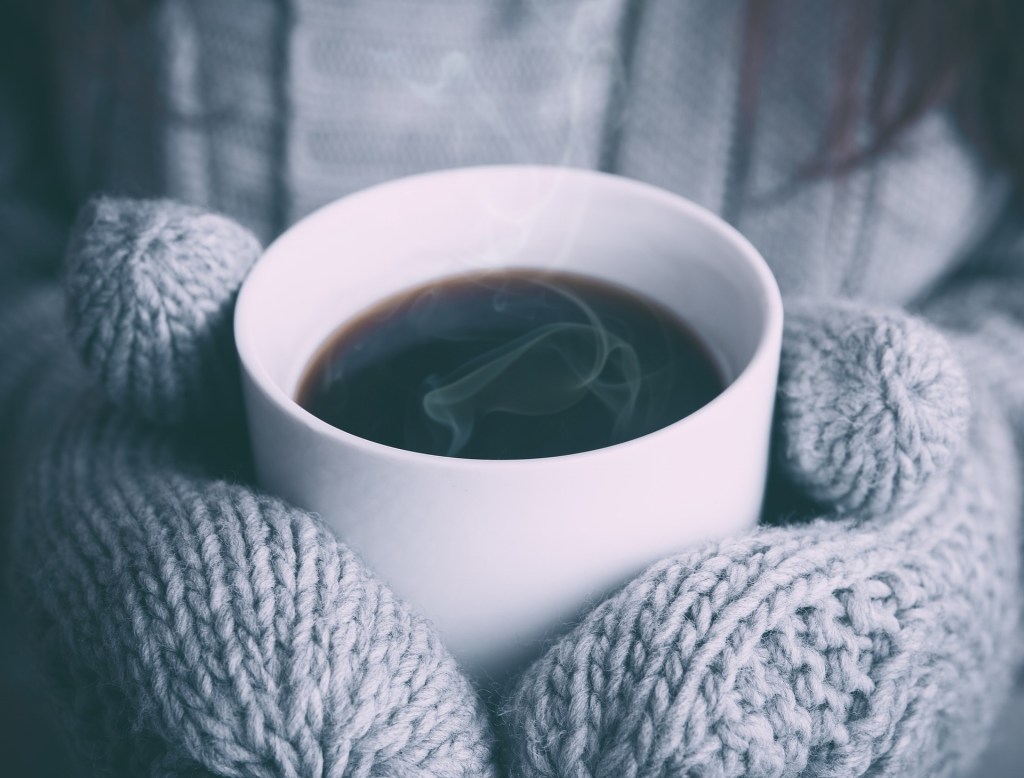
Photo by Koko 19091 on Pixabay
  1. Quando esci mettiti i guanti, di qualsiasi tipo essi siano: tradizionali, in materiale termico, con la batteria. Per evitare l’artrite dovresti mettere dei guanti in fibra naturale, come cotone o lana ma è vero che fanno più caldo i guanti in materiale termico, tipo quelli che si usano per andare a sciare. In tutti i casi, devi metterteli con le mani già calde, quindi prima di uscire di casa, altrimenti ci metteranno più tempo a scaldarsi. Io uso due paia di guanti: un paio sottile che metto sotto ad un paio di guanti di montone. Forse ti sembra esagerato?
  2. Usa crema per le mani. Ti aiuta a formare una barriera protettiva che quindi diminuisce la sensazione di freddo. Una crema densa è sicuramente più utile di una crema fluida. Inoltre, ti aiuta anche a prevenire la formazione di screpolature causate dal lavaggio frequente, che in tempi di pandemia è assolutamente necessario.
  3. Evita di fumare (anche i tuoi polmoni saranno più contenti). Non solo per non dover uscire sul balcone (se vivi in ​​una casa con altre persone che non fumano), ma anche perché il tabacco ostacola il flusso sanguigno, creando una vasocostrizione che provoca l’abbassamento della temperatura corporea.
  4. Dai un caldo abbraccio. Il contatto con il corpo è il modo migliore per trasmettere calore. Molte persone mettono le mani sotto le braccia per stare più caldi dell’ambiente dove stanno. Certo, abbracciarsi ai tempi del Covid è sconsigliato, quindi abbraccia solo chi vive con te.
  5. Metti le mani in acqua tiepida. Questo rimedio viene usato per il trattamento dei sintomi da congelamento. Bisogna però stare attenti perché, con la perdita di sensibilità delle mani causata dal freddo, si corre il rischio di ustioni se la temperatura dell’acqua non è quella raccomandata (massimo 40/42 gradi).
  6. Dai addio all’aperitivo alcolico. Anche se si pensa che l’alcol faccia venire caldo, la verità è che si tratta di una sensazione temporanea. Infatti, l’alcol facilita la vasocostrizione delle arterie che provoca un rallentamento del flusso sanguigno, esattamente come il fumo. Molto meglio bere una bevanda calda come una tisana, un thè o un caffé d’orzo.

Quando hai le mani fredde prova a usare uno di questo metodi e dimmi se funziona! Io metto sempre i guanti e la crema per le mani e funziona!

Photo by Free Photos on Pixabay

How To Cope With the Fatigue Caused by the Covid-19

For about a year, we have been facing a health crisis that does not give us a break and actually begins to cause psychological effects.

If you feel tired and have little energy to do things, know that you are not alone.

Fatigue is one of the most common consequences of this pandemic. We are exhausted for several reasons. The disease directly causes one of them. Obviously, if you had the Covid, you have been more tired afterwards; it takes some time to recover from it and to get back into shape.

The World Health Organization (WHO) has defined “pandemic fatigue” the fatigue resulting from always being super attentive to the precautionary measures that we must comply with in order not to catch the virus.

More and more people suffer from nervousness, anxiety and feel pushed to the limit of their ability to bear the situation.

This state of hyper vigilance with Covid represents a constant strain of our hormonal and endocrine system which results in greater anxiety and, sometimes might turn into depression.

The economic situation and the uncertainty about the future we are living now are working our nerves out.

Photo by RD LH on Pixabay

In addition, you have to consider the deprivation of liberty caused by the lockdown.

Knowing that we are vulnerable to pandemic fatigue, we must put into practice measures that help us regain some well-being.

Here are 3 ideas that may help you out:

  1. Normalize what you feel. It is normal for you to feel stressed or sad. These last months are even harder because we are in winter and we do not see the way out (during the 1st wave we had summer ahead).
  2. Your well-being must become your priority. Just as you pay attention to wearing a mask, respecting safety distances and washing often your hands, you must take care of your well-being. Try to eat healthy, practise physical activity even at home, and talk to friends or beloved ones even if you cannot do it in person. If the rules in force allow it, go out, especially when it is sunny. Vitamin D is good not only for the body but also for the spirit. Find a hobby, or if you had one before, start doing it again.
  3. Give your mind a break. Stop listening to the latest news on Covid. Take a break from the news. Give yourself permission to disconnect. If you miss the latest update on the contagion data, nothing will happen. When you talk to someone, try to avoid the Covid topic. It is not a matter of pretending nothing has happened, but simply of avoiding further fatigue.

Let me know which tips you find more useful!

Photo by Ivabalk on Pixabay

Come diminuire la stanchezza causata dal Covid

Da circa un anno stiamo affrontando una crisi sanitaria che non ci dà tregua e anzi comincia a fare vedere i suoi effetti psicologici.

Se ti senti stanco/a e hai poca energia per fare una qualsiasi cosa, sappi che non sei solo/a.

La stanchezza è una delle conseguenze più comuni di questa pandemia. Siamo esausti. E lo siamo per diversi motivi. Uno di questi è causato direttamente dalla malattia. Ovviamente se hai preso il Covid, dopo sei più stanco/a, ti ci vuole un po’ di tempo per rimetterti in forma. Ma anche se non hai preso il Covid puoi sentirti al limite delle tue forze.

L’Organizzazione Mondiale della Sanità (OMS) ha definito “fatica pandemica” la stanchezza derivante dall’essere sempre super attenti alle misure di precauzione che dobbiamo rispettare per non prendere il virus.

Sempre più persone soffrono di nervosismo, ansia e si sentono spinte al limite della loro capacità di sopportazione.

Questo stato di iper vigilanza per evitare di prendere il Covid, rappresenta uno sforzo costante del nostro sistema ormonale o endocrino che si traduce in maggiore ansietà e, a volte, può trasformarsi in depressione.

La situazione economica e l’incertezza per il futuro che viviamo ora stanno creando logoramento.

Photo by RD LH on Pixabay

A questo, si aggiunge anche la privazione della libertà causata dal lockdown.

Sapendo di essere vulnerabili all’affaticamento pandemico, dobbiamo mettere in pratica misure che ci aiutino a ritrovare un certo benessere.

Ecco 3 idee:

  1. Normalizzare quello che provi. È normale che tu ti senta stressato/a o triste. Questi ultimi mesi sono ancora più duri perché siamo in inverno e non vediamo la via d’uscita (durante la prima ondata avevamo l’estate davanti).
  2. Il tuo benessere deve diventare la tua priorità. Così come fai attenzione a metterti la mascherina, a rispettare le distanze di sicurezza e a lavarti spesso le mani, deve prenderti cura del tuo benessere. Cerca di mangiare sano, fai attività fisica anche in casa, parla con amici o con i tuoi cari anche se non puoi farlo di persona. Se le regole in vigore te lo permettono, esci, soprattutto quando c’è il sole. La vitamina D fa bene non solo al corpo ma anche allo spirito. Trova un hobby, o, se ne avevi uno, ricomincia a praticarlo.
  3. Riposa la tua mente. Smetti di ascoltare le ultime notizie sul Covid. Prenditi una pausa dal telegiornale. Datti il permesso di disconnetterti. Se perdi l’ultimo aggiornamento sui dati del contagio, non succede niente. Quando parli con qualcuno cerca di evitare l’argomento Covid. Non si tratta di voler far finta di niente, ma semplicemente di evitare un ulteriore logoramento.

Fammi sapere quali tra questi consigli trovi più utile!

Photo by Ivabalk on Pixabay

4 Human Resources Trends for 2021

The year that has just ended changed the ways of working and managing people. The different lockdown periods (stronger or lighter) have forced many employees at home who have done “smart working” as they call it in Italy, teleworking otherwise said, and perhaps will do so for another good part of 2021.

Let’s see 4 major changes that I hope will happen in 2021.

  1. New leadership styles. In recent years, a change in leadership has already begun with the new generations (millennials and generation Z). Young people no longer accept that their managers know everything and want to be actively involved in the decision-making process. Due to the Covid pandemic, this trend has intensified. For old-fashioned managers, getting rid of old habits while managing staff during teleworking was a challenge. I think leadership should develop in the direction of offering opportunities to staff as well as empowering them.
  2. Diversity and inclusion. The past year has also brought news regarding inequality. The “Black Lives Matter” movement, launched in the United States, was exported to Europe in no time. Some consider the refugee issue problematic but others consider it a solution to the problem of ageing. Gender equality, right to equal pay between men and women and among people regardless of their origin: these are some signals sent to us in 2020. Diversity and equality will therefore be the watchwords for human resources sectors. Companies that will adapt better to new circumstances will be the strongest.
  3. Evolution of recruitment. Recruiting new staff will never be the same. Recruitment in 2020 has been characterized by technology and artificial intelligence. Online applications have been the norm for some years already, but asynchronous interviews, such as those in which a candidate receives questions from a video recorded on an information system and replies via the system itself, are becoming increasingly popular. Candidates are also encouraged to leave their feedback to improve artificial intelligence tools.
  4. More committed employees. The use of surveys to assess the satisfaction of human resources policies will become increasingly important. Whether it is the integration processes in the workplace, the actions aimed at the well-being of employees or performance evaluation, the opinion of employees is increasingly important. Actually, a company that does not want to let its best talents leave will have to pay more and more attention to the satisfaction of its employees. However, not only they will have to listen to their opinions, they will also have to implement actions as a follow-up to the results of the surveys.

In your opinion, are these changes in the human resource management policies going to happen?

Photo by Please Don’t sell My Artwork AS IS on Pixabay

4 tendenze per le risorse umane del 2021

L’anno che si è appena concluso ha cambiato i modi di lavorare e di gestire le persone. I diversi periodi di lockdown (totale o semi totale) hanno costretto tanti impiegati a casa che hanno fatto “smart working” (o telelavoro) e forse lo faranno per un’altra buona parte del 2021.

Vediamo 4 cambiamenti principali che spero si realizzeranno nel 2021 per una migliore gestione delle risorse umane.

  1. Nuove forme di leadership. Negli ultimi anni si era già constatato un cambiamento nella leadership iniziato con le nuove generazioni (millennials e generazione Z). I giovani infatti non accettano più che il loro manager sia l’unico a sapere tutto e vogliono essere coinvolti attivamente nel processo decisionale. A causa della pandemia Covid, questa tendenza si è accentuata. Per i manager di vecchio stampo, liberarsi dalle vecchie abitudini per gestire il personale in telelavoro è stata una vera sfida. Penso che la leadership dovrebbe svilupparsi nella direzione di offrire delle opportunità e di dare più responsabilità ai membri del team che lo desiderano.
  2. Diversità e inclusione. L’anno appena trascorso ha portato delle novità anche per quanto riguarda l’ineguaglianza. Il movimento “Black Lives Matter”, lanciato negli Stati Uniti è stato esportato in Europa a tempi record. La questione dei rifugiati, ritenuta problematica da alcuni, é considerata da altri come una soluzione al problema dell’invecchiamento. L’uguaglianza di genere, il diritto alla retribuzione uguale tra uomini e donne e tra persone al di lá della loro provenienza: questi sono alcuni segnali che ci ha mandato il 2020. La diversità e l’uguaglianza dovrebbero essere dunque le parole d’ordine nel settore delle risorse umane. Le imprese capaci di adattarsi meglio alle nuove circostanze saranno le più forti. Darwin insegna.
  3. Evoluzione del “recruitment”. La ricerca e l’assunzione del personale non saranno più gli stessi.  Il “recruitment” nel 2020 è stato contraddistinto dalla tecnologia e dall’intelligenza artificiale. Si usano giá da anni le candidature on-line, e si useranno sempre di piú sistemi capaci di selezionare i curricula usando parole chiave. I colloqui asincroni, come quelli in cui un candidato riceve le domande da un video registrato su un sistema informativo e risponde tramite il sistema stesso, stanno diventando sempre più popolari. I candidati sono poi sollecitati a lasciare il loro feedback per migliorare questo strumento di intelligenza artificiale. Piaccia o no, questa é una tendenza rilevata anche nel settore pubblico che di norma fa piú fatica ad aggiornare le sue procedure.
  4. Collaboratori più motivati. L’uso di strumenti di ricerca tipo survey per verificare il gradimento delle politiche delle risorse umane diventerà sempre più importante. Che si tratti dei processi di integrazione nel luogo di lavoro, delle azioni volte al benessere degli impiegati o della valutazione della performance, l’opinione dei collaboratori riveste sempre più importanza. Infatti, una ditta che non voglia farsi scappare i suoi talenti migliori, dovrà prestare sempre più attenzione alla motivazione dei suoi collaboratori. Ma non solo dovrà ascoltarne l’opinione: dovrà anche tenerne conto e mettere in campo delle azioni corrispondenti ai loro desideri.

Secondo te, ci sarà davvero questo cambiamento nelle politiche di gestione delle risorse umane?

Photo by Please Don’t sell My Artwork AS IS on Pixabay

Ode to the First Day of the Year – a Poem By Pablo Neruda

Is there a better way to kick off the new year with such a beautiful poem full of hope?

Photo by Zac Durant on Unsplash

We identify it
as if
it were
a wooden horse
different from
all horses.
We adorn
its forehead
with a ribbon,
we hang
on its neck colourful rattles,
and at midnight
we get ready to receive it
as if it were
an explorer descending from a star.

The way bread resembles
yesterday’s bread,
a ring all rings:
the days
blink
clearly, jingling, fleetingly,
and lie down in the dark night.

I see the last
day
of this
year
on a train, toward the rains
of a distant purple archipelago,
and the man
on the machine,
complicated like a clock from heaven,
lowering his eyes
to the infinite
ruler of the rails,
to the shining handles,
to the nimble bonds of fire.

Of conductor of trains
accelerating
toward the black
stations of the night,
this end
of the year,
without wife or children,
is it not the same for the one gone, the one coming?
From the roads
and workshops,
the first day, the first dawn
of the starting year,
has the same rusty
colour as the iron train:
and people along the way
greet it,
cows, villages,
the vapour of the first light of day,
without knowing
it is
the year’s door,
a day
heralded
by bells,
adorned with plumes and carnations.

The earth
does not
know it:
it will receive
that golden
day, gray, heavenly,
it will extend it over hills,
it will wet it with
arrows
of translucent
rain,
and then
it will curl it
in a tube,
will store it in the shadows.
It is thus, but
a small
door of hope,
new year’s day,
although you are
like the bread
of all breads,
we will live you in a different way,
we will eat you, flower you,
wait for you.
We will place you
like a cake
in our lives,
we will light you
like candelabra,
we will drink you
as if
you were a topaz.
New
Year’s
Day,
electric day, fresh,
all the leaves
emerge green
from
the trunk of time.

Crown us
with
water,
with open
jasmine,
with all the aromas
deployed,
yes,
even though
you’re
only
a day,
a poor
human day,
your halo
beats
over so many
tired
hearts,
and you are,
oh new
day,
oh forthcoming cloud,
bread unseen before,
permanent
tower!


P A B L O   N E R U D A
translated by Ilan Stavans on A Longhouse Publisher

Photo by Cristiana Branchini


Ode al primo giorno dell’anno – poesia di Pablo Neruda

Quale modo migliore di leggere una poesia carica di speranza come questa per lasciare alle spalle il 2020 e iniziare il 2021?

Photo by Zac Durant on Unsplash

Lo distinguiamo dagli altri
come se fosse un cavallino
diverso da tutti i cavalli.
Gli adorniamo la fronte
con un nastro,
gli posiamo sul collo sonagli colorati,
e a mezzanotte
lo andiamo a ricevere
come se fosse
un esploratore che scende da una stella.

Come il pane assomiglia
al pane di ieri,
come un anello a tutti gli anelli: i giorni
sbattono le palpebre
chiari, tintinnanti, fuggiaschi,
e si appoggiano nella notte oscura.

Vedo l’ultimo
giorno
di questo
anno
in una ferrovia, verso le piogge
del distante arcipelago violetto,
e l’uomo
della macchina,
complicata come un orologio del cielo,
che china gli occhi
all’infinito
modello delle rotaie,
alle brillanti manovelle,
ai veloci vincoli del fuoco.

Oh conduttore di treni
sboccati
verso stazioni
nere della notte.
Questa fine dell’anno
senza donna e senza figli,
non è uguale a quello di ieri, a quello di domani?

Dalle vie
e dai sentieri
il primo giorno, la prima aurora
di un anno che comincia,
ha lo stesso ossidato
colore di treno di ferro:
e salutano gli esseri della strada,
le vacche, i villaggi,
nel vapore dell’alba,
senza sapere che si tratta
della porta dell’anno,
di un giorno scosso da campane,
fiorito con piume e garofani.

La terra non lo sa: accoglierà questo giorno
dorato, grigio, celeste,
lo dispiegherà in colline
lo bagnerà con frecce
di trasparente pioggia
e poi lo avvolgerà
nell’ombra.

Eppure
piccola porta della speranza,
nuovo giorno dell’anno,
sebbene tu sia uguale agli altri
come i pani
a ogni altro pane,
ci prepariamo a viverti in altro modo,
ci prepariamo a mangiare, a fiorire,
a sperare.

Ti metteremo
come una torta
nella nostra vita,
ti infiammeremo
come un candelabro,
ti berremo
come un liquido topazio.

Giorno dell’anno nuovo,
giorno elettrico, fresco,
tutte le foglie escono verdi
dal tronco del tuo tempo.

Incoronaci
con acqua,
con gelsomini aperti,
con tutti gli aromi spiegati,
sì,
benché tu sia solo un giorno,
un povero giorno umano,
la tua aureola palpita
su tanti cuori stanchi
e sei,
oh giorno nuovo,
oh nuvola da venire,
pane mai visto,
torre permanente!

Pablo Neruda

Ti é piaciuta questa poesia? Che speranze nutri per questo nuovo anno?

Photo by Cristiana Branchini

5 Steps To Be Healthy During the Winter

Winter, which is about to come, looks like a difficult season due to the cold temperatures that bring with it diseases such as colds, coughs, flu and this year Covid also. To protect yourself adequately, it is necessary to strengthen your immune system.

Here are 5 essential things to do for an efficient immunity.

  1. Healthy and balanced nutrition. Proper nutrition provides the energy needed to stay fit and to produce antibodies. You will therefore have to be careful to consume seasonal fruit and vegetables, limiting industrial and over-sweetened products. The ideal is to prepare your own meals, limiting sodas, pastries and alcoholic beverages because they can hinder the immune system. Some vegetables, such as mushrooms (like shiitaki), garlic, onion, shallot, and ginger have antibacterial properties. To stimulate our immune defences, you must also include fats in your diet, favouring mono-saturated or poly-saturated fats (fish such as sardines or mackerel and vegetable oils such as extra-virgin olive oil). It is highly recommended avoiding saturated fats like butter and whole milk. It would also be important to take a probiotic cure to strengthen our intestines. Perhaps you know that 70% of our immune system is in our intestines and probiotics strengthen the intestinal mucosa, especially in winter or if you have a serious or chronic illness. These micro-organisms are found in yoghurt and fermented milk. Another important part of winter nutrition are elements like zinc and selenium, which also contribute to stimulating the immune system and are found in foods rich in proteins such as crustaceans, egg yolk, poultry and the cheese.
  2. Vitamins. Vitamin A is a precious ally of immunity because it stimulates the production of antibodies. Products of animal origin such as meat, fish, whole milk and milk products in general are rich in vitamin A. Vitamin C, found in fruits and vegetables, helps the formation of immune cells. Vitamin E is naturally present in sunflower seeds and vegetable oils. It has to be an important part in the nutrition of elderly people because it compensates for the loss of immune defences due to ageing. As for vitamin D, its effectiveness is proven in the regulation of immunity. It also acts to counter the development of some autoimmune diseases such as multiple sclerosis. The main source of vitamin D is the sunlight. If you live in Belgium like me, or in another country in the Northern hemisphere, where the sun is scarce during the winter, taking supplement of vitamin D is recommended, especially if you are a woman in menopause or a person of a certain age. It is true that you can also find it in fatty fish, but in small quantities.
  3. The quality of sleep. Sleep disorders affect many people. The benefits of a pleasant night are well known. Stress and toxin are eliminated, tissues are repaired, cells are regenerated and you wake up in a good mood. A good sleep, in addition to having these effects, also strengthens your immune system and protects you from infections. To be well rested, you need to get enough sleep, between 6 and 8 hours. If you are having trouble falling asleep, have a ritual to clear your mind, avoid drinking coffee, overeating, and drinking too much alcohol in the evening. To prepare for a quiet night, remove from your room all the elements that stimulate your attention too much and emit blue light (TV, mobile phone, computer). Practising a relaxing activity such as meditation and reading before sleeping, may help you in falling asleep. An herbal tea before going to bed may also help you.
  4. Exposure to light. Light has an impact on the regulation of the biological clock. The lack of light, or the wrong light (artificial light, the blue light from the LED screens I mentioned earlier, night work shifts, or too rich diets), could have consequences on sleep and the immune system. To regulate your biological clock, try to get maximum exposure to sunlight, letting it into your home and workplace. In case of major disorders, you can buy a light therapy lamp that simulates sunlight in intensity and light spectrum. You can find them in every price range.
  5. Finally, physical activity. Regular physical activity has a direct effect on immunity. By improving blood circulation, exercise allows the different components of the immune system to spread better in the body. In older people, it helps prevent the decline of immune functions. But be careful not to practise too intensely as this could have a counterproductive effect. It is quite easy to practice good habits to get some physical activity on a daily basis. For example, you can take the stairs instead of taking the elevator or you can walk 30 minutes a day. If you want to go to the gym (a bit difficult in these Covid times), take it easy and listen to the advice of your coach or use an app.

So, are you ready to face the winter?

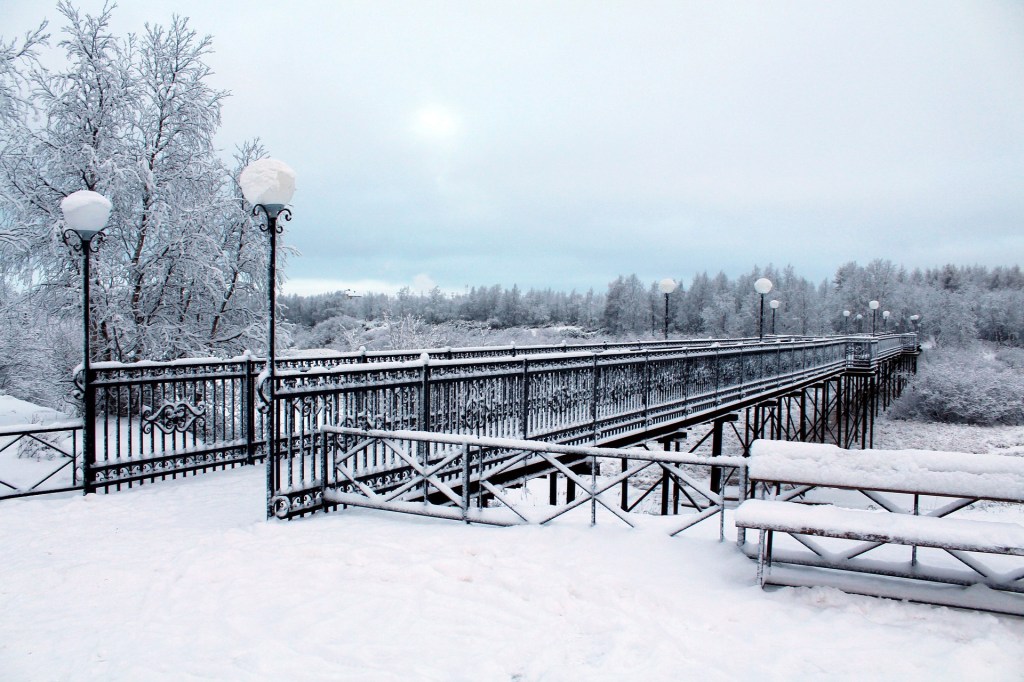
Photo by Okan Caliskan on Pixabay