Come e perché un hater agisce

Si definisce “hater” una persona che, in Internet e in particolare nei social, di solito approfittando dell’anonimato, usa espressioni di odio di tipo razzista e insulta violentemente individui, specialmente se noti o famosi, o intere fasce di popolazione (stranieri e immigrati, donne, persone di colore, omosessuali, credenti di altre religioni, disabili, ecc.).

Alcune ricerche ne hanno individuato alcune caratteristiche:

  1. esprimono prevalentemente opinioni negative in maniera aggressiva;
  2. fanno commenti cinici o crudeli e vanno in cerca di personaggi suscettibili;
  3. cercano di essere ingegnosi per ottenere risalto sui media grazie al frutto delle loro provocazioni;
  4. trattano solitamente temi di attualitá per attirare l’attenzione del grande pubblico.

L’energia che investono gli haters nella loro azione distruttiva puó avere due ragioni:

  1. invidia e desiderio di diventare famosi. L’hater ritiene che la persona alla quale rivolge il suo odio non merita la fama o il prestigio che ha. L’indignazione é piú forte quando la persona svolge un’attivitá nello stesso campo dell’hater, ottenendo peró un riconoscimento che l’hater non riceve.
  2. proiezione. Individuata da Freud nel 1895, la proiezione é un meccanismo di difesa con il quale attribuiamo agli altri le nostre carenze o i nostri difetti.

In generale i ricercatori hanno trovato tratti di personalità narcisista e psicopatica, personalità antisociale e a volte anche sadica negli haters che hanno partecipato agli studi. Certo non é facile trovare haters disposti a partecipare a delle ricerche perché preferiscono ovviamente rimanere nell’anonimato. Inoltre, il fatto di voler partecipare a uno studio significherebbe una presa di coscienza del problema da parte dell’hater, cosa anche questa abbastanza difficile.

Il fenomeno degli haters si puó manifestare in due modi.

Da un lato, se l’hater viene ignorato, e i destinatari delle offese non rispondono ai suoi attacchi, tende ad annoiarsi e ad abbandonare il contesto online dove sta cercando di trovare consenso e visibilitá.


D’altro canto, peró, comportamenti insistenti di hating possono essere indice di intenzioni veramente dannose, antisociali e fisicamente aggressive che rispecchiano personalità realmente disturbate.


In conclusione, se una persona ha dei comportamenti aggressivi e offensivi che cessano se non trovano un pubblico e quindi visibilitá, il problema si pone dal lato di chi sfrutta questo tipo di comportamento. Se, invece, invece, il comportamento online é il riflesso di reali problemi di personalitá, occorre analizzare il carattere dei singoli individui, che é comunque indipendente dall’utilizzo dei social.

Cosa ne pensi degli hater? Hai mai subito degli attacchi sui social?

apps blur button close up
Photo by Pixabay on Pexels.com

Citazione estiva n. 3

Non dire mai che i sogni sono inutili,

perché inutile è la vita di chi non sa sognare

Jim Morrison

Jim Morrison, poeta prestato alla musica, leader carismatico dei Doors, ha incarnato la sua epoca alla perfezione facendosi portavoce di una generazione “maledetta”, di una generazione che aveva trovato finalmente il coraggio di uscire dagli schemi e dal conformismo imperante in tutta la societá occidentale. Probabilmente il suo unico limite fu il narcismo che lo portó all’autodistruzione. Anche lui fu vittima della cosidetta maledizione “J”, come Jimi Hendrix e Janis Joplin.

brown wooden opened door shed
Photo by Harrison Haines on Pexels.com

Citazione estiva n. 2

In verità, il viaggio attraverso i paesi del mondo è per l’uomo

un viaggio simbolico.

Ovunque vada è la propria anima che sta cercando.

Per questo l’uomo deve poter viaggiare.

Andrej Tarkowsky

Andrei Tarkowsky fu un regista legato a una tradizione artistica e culturale ormai scomparsa, portavoce del bisogno spirituale proprio dell’uomo, sostenitore di una fede nell’amore per il prossimo in un’epoca basata sul progresso e sull’individualismo.

rainbow over rippling sea in nature
Photo by Ben Mack on Pexels.com

How to Cope with Heatwaves

If you live in Southern Europe heatwaves you find yourself more and more exposed to heatwaves. Actually, such heatwaves are becoming more and more common all over the world. Coping with heatwaves can be difficult during the day but heat may become unbearable during the night.

Actually, sleeping in the heat is tough, especially if you don’t have adequate air conditioning or a fan at a minimum.

But there are some tips you can use to help you sleep better.

  1. take a warm, not cold, bath or shower about an hour before going to sleep. Your body cooling down will help better prepare you for sleep;
  2. if you don’t have air conditioning, use a fan or something to circulate air around you;
  3. if you already are experiencing difficulties in falling asleep regardless of the heatwaves, you should consider buying a Chili Sleep device;
  4. you may want also to add some magnesium to your diet if you are sweating a lot more than usual or experiencing cramping at night.

Tell me about your experience of sleeping during heatwaves! Is it difficult? Can you cope with it?

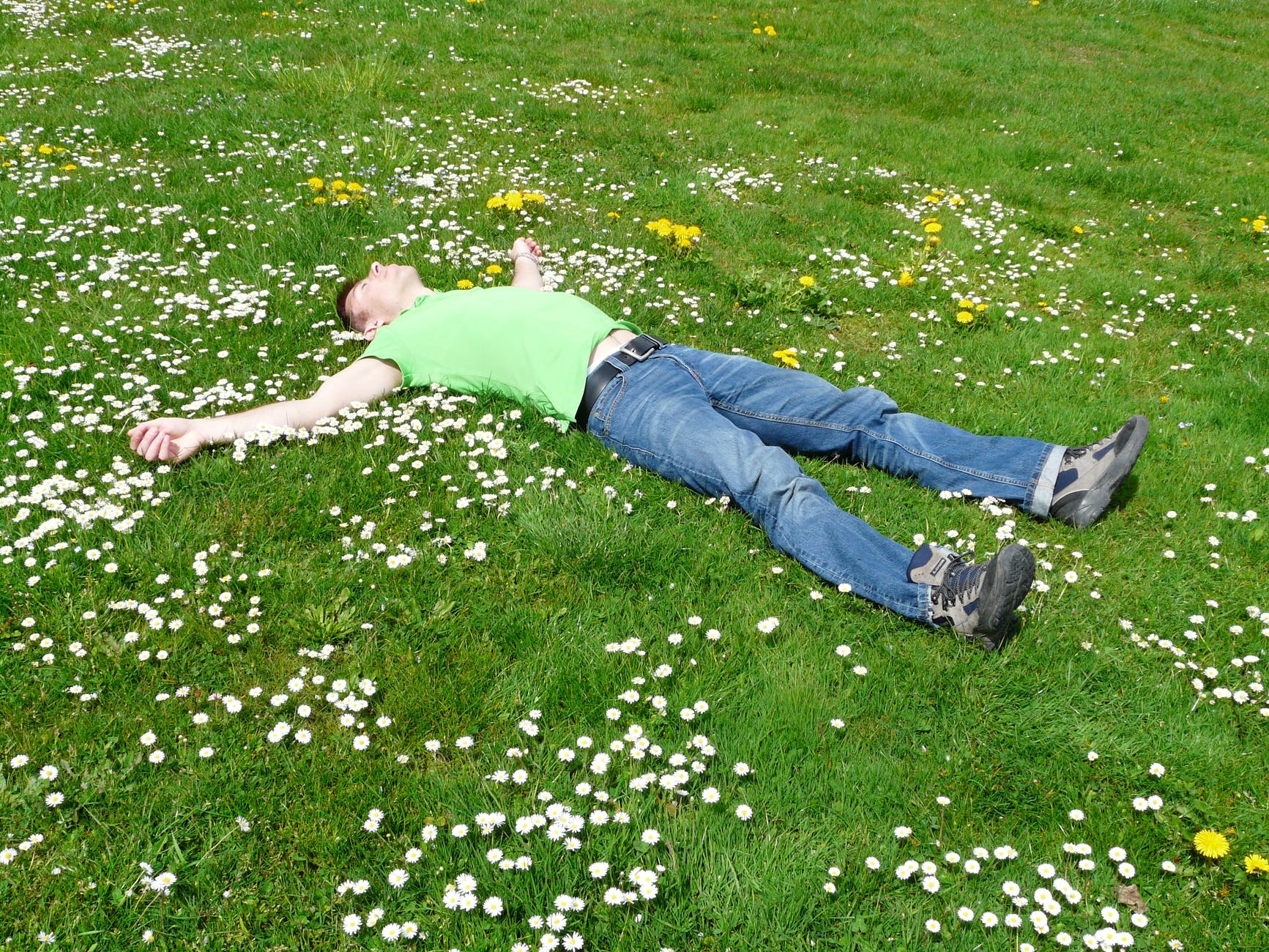
high angle view of lying down on grass
Photo by Pixabay on Pexels.com

Summer Quotation no. 1

Nobody can teach me who I am.

You can describe parts of me, but who I am – and what I need –

is something I have to find out myself.

Chinua Achebe

Chinua Achebe was an eminent Nigerian poet, critic, professor and novelist. He shot to fame with his first novel titled, ‘Things Fall Apart’, which is still widely read and is the most sought after book in modern African literature. In 2007, he won the ‘Man Booker International Prize’.

Citazione estiva n. 1

Nessuno puó insegnarmi chi sono.

Puoi descrivere parti di me, ma chi sono e quello di cui ho bisogno

lo posso scoprire solo io.

Chinua Achebe

Chinua Achebe é stato non solo un eminente poeta nigeriano, ma anche un critico, professore e autore di celebri romanzi. Diventó famoso grazie al libro “Il crollo” che é ancora letto e studiato in tutta l’Africa. Puó essere considerato il padre della letteratura africana moderna in lingua inglese. Nel 2007 ha vinto il premio ‘Man Booker International’.

brown map on map
Photo by Magda Ehlers on Pexels.com

How and Why Yoga Helps You Maintain Physical and Mental Balance

Over the last few years, a very old practice has become the subject of scientific studies: yoga. Positive effects on the brain have begun to be measured, such as anti-stress and anti-depressant effects.

The studies began thanks to the spectacular spread of yoga. Millions of people practice yoga regularly. Positions (asanas) such as the warrior or the cobra are increasingly known among different people and age group. The reasons are mainly that persons want to learn how to relax, how to get rid of several kinds of pain (back, neck, shoulders, etc.) manage stress, and maintain good physical shape.

Traditional yoga (from the Sanskrit “yuga” which means “union”) comes from India and is a discipline more than five thousand years old. An important source of this spiritual school, which should guide us towards the divine, is a writing by Patañjali: Yoga Sutra, which contains the essential foundations of the discipline.

According to this essay, the purpose of yoga is to attain a higher form of self-knowledge, which can be achieved with inner contemplation. In addition to specific physical exercises, and breathing techniques, traditional yoga also includes meditation, a vegetarian diet and an entire philosophy of life. The modern and western form of yoga omits many of these elements. The development of strength and plasticity, meditation and breathing exercises play the most important role today.

At the beginning of the twentieth century, a small group of Indian yoga teachers began to spread the teachings of yoga in the Western world. After the explosion of fitness in the 1980s, which focused above all on the cult of the body, the spiritual part has been lost a little. Therefore, in the Western world mainly hatha yoga began to spread.

Photo by Mor Shani on Unsplash

The effects of hatha yoga on health are: improving body consciousness and coordination, strengthening muscles and enhancing blood circulation. Moreover, yoga is also beneficial to stress management.

From experience, I can say that after a yoga session I feel relaxed and rested. It takes longer to reach a similar state with meditation, while hatha yoga produces effects immediately, probably thanks to the more marked physical component. It is actually proved that physical exercise is good for your spirit. Perhaps, this is why yoga is a fast-acting cure-all, as it associates physical exercise with meditative practice.

In fact, by associating postures (asanas) with breathing (pranayama), we act on the body by relaxing the muscles, and on the spirit because the sympathetic nervous system (the nervous system that is stimulated when we rest or sleep) is activated.

Yoga allows you to find calm despite the limits imposed by everyday life. With regular practice, even 5 minutes a day is enough, you will sleep better, your self-confidence will increase, as well as your ability to make decisions and manage stress.

Considering all those positive aspects, are you planning to start practising yoga?

balance blur boulder close up
Photo by Pixabay on Pexels.com

Come e perché lo yoga ti aiuta a mantenere l’equilibrio fisico e mentale

Da qualche anno una pratica millenaria è diventata oggetto di studi scientifici: lo yoga. Si é cominciato a misurarne gli effetti positivi sul cervello e si é riscontrato che una pratica costante puó agire come antistress e antidepressivo.

Gli studi sono cominciati grazie alla grande diffusione dello yoga. Milioni di persone oggi praticano yoga regolarmente. Le posizioni (asanas) come il guerriero o il cobra sono sempre più conosciute, indipendentemente dalla classe sociale, dalla professione e dal gruppo di età. Le ragioni sono principalmente: come imparare a rilassarsi, come curare il mal di schiena o il male al collo, come mantenere una buona forma fisica e come gestire lo stress.

Lo yoga tradizionale (dal sanscrito “yuga” che significa “unione”) arriva dall’India ed è una disciplina vecchia più di cinquemila anni. Una fonte importante di questa scuola spirituale, che dovrebbe guidarci verso il divino, è uno scritto del filosofo Patañjali: lo Yoga Sūtra che contiene le basi essenziali della disciplina.

Secondo questo saggio, lo scopo dello yoga è di raggiungere una forma superiore di conoscenza del sé, che può essere raggiunta con la contemplazione interiore. Oltre agli esercizi fisici specifici e le tecniche di respirazione, lo yoga tradizionale comprende anche la meditazione, un’alimentazione vegetariana e un’intera filosofia di vita. La forma moderna e occidentale dello yoga omette molti di questi elementi. Lo sviluppo della forza e della plasticità, la meditazione e gli esercizi di respirazione giocano oggi il ruolo più importante.

All’inizio del XX secolo, un piccolo gruppo di professori di yoga indiani cominciarono a diffondere gli insegnamenti dello yoga in Occidente. Dopo l’esplosione del fitness a partire dagli anni 80, che puntava soprattutto sul culto del corpo, si è persa un po’ di vista la parte spirituale. Perciò in Occidente cominciò a diffondersi principalmente lo hatha yoga.

Photo by Mor Shani on Unsplash

Gli effetti dello hatha yoga sulla salute sono il miglioramento della coscienza del corpo e la coordinazione, il rafforzamento dei muscoli e il potenziamento della circolazione del sangue. Ma gli effetti dello yoga riguardano anche la gestione dello stress.

Per esperienza posso dire che dopo una seduta yoga mi sento distesa e riposata. Per arrivare a raggiungere uno stato analogo con la meditazione ci vuole più tempo, mentre lo hatha yoga produce effetti immediatamente, verosimilmente grazie alla componente fisica piú marcata. È provato da tanto tempo, infatti, che l’esercizio fisico fa bene al morale. Forse è per questo che lo yoga è un toccasana ad azione rapida, perché associa l’esercizio fisico alla pratica meditativa.

In effetti, associando delle posture (asanas) alla respirazione (pranayama), si agisce sul corpo distendendo i muscoli e i tessuti e sullo spirito perché viene stimolato il sistemo nervoso simpatico, cioè il sistema nervoso che si attiva quando riposiamo o dormiamo.

Lo yoga ti permette di ritrovare la calma nonostante i limiti imposti dal quotidiano. Con una pratica regolare, anche 5 minuti al giorno bastano, ritroverai un sonno migliore, la fiducia in te stesso/a aumenterà, così come la tua capacità di prendere decisioni e di gestire lo stress.

Considerando tutti questi aspetti positivi, pensi di iniziare a praticare lo yoga?

balance blur boulder close up
Photo by Pixabay on Pexels.com

How and Why You Should Learn to Forget

Letting go of the burden of the past is important to your happiness.

Many people live in the past; they remember what they were, the love stories that did not go well, their failures and disappointments.

Such a burden takes away space and energy from the present, which is actually the only time you can live actively.

I read somewhere that happiness consists in enjoying good health and having a bad memory.

Actually, you should learn to let go of the past, forget about the insults received, the bad events and the mistakes, in short, all the bad memories, and learn to focus more on the present.

Photo by Ian Dooley on Unsplash

Here are some tips you could follow.

  1. The best antidote to guilt, resentment, or anger that takes you back to the past is to devote energy to building the life you want.
  2. Stop playing the victim and become an active protagonist of your life
  3. Your memories change while time passes by, they may distort, and they do not really reflect what happened. Try asking a person who shared an event with you to tell you about their memory and then compare it with your memory. You will see that you and that person remember different aspects of the same fact.
  4. Prioritize your well-being. Life is too short to spend arguing and complaining. What happened could be a source of stress and even discomfort. Continuing to feel anger at a past event drains up your energy. It is more important for your physical and mental health to live quietly than to be right at all costs.

The past, however, also brings with it good memories and lessons learned, which shape your personality.

Have a look at what Buddhism teaches: “Joy and happiness arise from letting go. Sit down and take an inventory of your life. There are things you have been hanging on to that really are not useful and deprive you of your freedom. Find the courage to let them go.”  

What about you? Would you find the courage to let go of your past?

accomplishment action adventure challenge
Photo by Pixabay on Pexels.com