Sleeping Well Is One of The Secrets for Your Well-being

Sleeping well is one of the secrets for your well-being that has been confirmed by science several times.
Find out what a good night’s sleep can bring in terms of well-being.

In the past people would go to bed at sunset and get up at sunrise. Our ancestors had no alarm clocks, they did not have neither a schedule to stick to, nor morning meetings to participate in. Their sleep rhythm was simply based on the natural day/night cycle, basically on the light.

Maintaining a healthy and regular sleep pattern is one of the (many) challenges of modern life. With our busy schedules, long working hours and smartphones always on, it may happen that we don’t get enough sleep.

Yet even though we all have a schedule to stick to, cutting back on your sleep hours is never a good idea. Sleep really has fabulous benefits, and getting enough sleep is vitally important for your overall health and well-being. Sleeping well doesn’t just serve to look good: it keeps you healthy.

Discover six benefits of sleep for your happiness and health.

1. Sleep makes you look good

Sleep is perhaps the closest thing to a fountain of youth. During deep sleep, the brain secretes a growth hormone responsible for cell renewal and repair of damaged tissue. This growth hormone is only released at night and can work miracles for your skin. The skin cells themselves go into repair mode when you sleep. Their metabolism accelerates and they regenerate faster than at any other time of the day.

In addition to these freshly renewed and healthy cells, sleep also has the effect of increasing blood flow to your skin, which is why your cheeks are warm and pink when you sleep. Lack of sleep can make the skin dull or chalky.

Thanks to a good night’s sleep you will look naturally throughout the following day.

2. Sleep strengthens the immune system

Researchers are only confirming what your mom has always told you: when you’re sick, the best thing to do is stay in bed and sleep as much as possible. Sleep helps fight the flu and other similar conditions, because the body produces disease-fighting proteins called cytokines when you sleep. If you’re sick often, maybe you’re not getting enough sleep. To strengthen your immune defences, try going to bed earlier or napping during the day.

3. Sleep helps solve problems

When faced with a dilemma, a good night’s sleep can help make the right decision. Researchers have observed that sleep helps solve problems creatively, because it provides access to the mass of knowledge and memories stored in your brain. At rest, your brain looks for associations that are not obvious when you are awake. This makes it possible to imagine creative solutions to solve the most difficult problems using information you didn’t even know you had. 

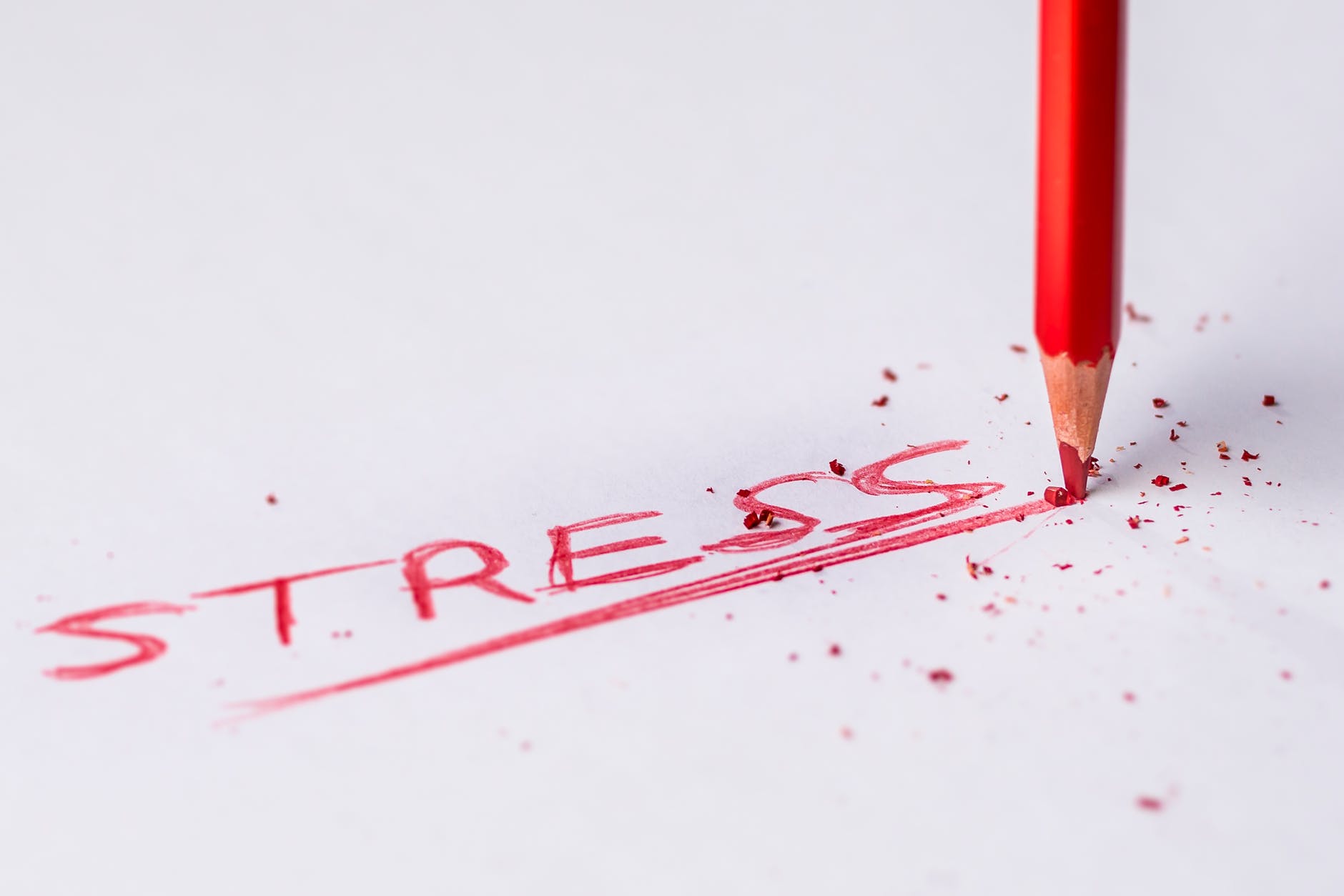
stress handwritten text on white printer paper
Photo by Pedro Figueras on Pexels.com
4. Sleep reduces stress

Sleep and stress are back-feeding. Stress can cause a lack of sleep and lack of sleep can generate stress. It’s a vicious circle that can be hard to get out of. But by managing your sleep well, you learn to fight stress too. Better quality sleep helps your body and mind recover, but you’ll also be less sensitive to stress if you’ve slept well. All challenges are easier to face after at least 6 hours of good sleep!

5. Sleep helps to lose weight

If you’re looking to get back on your ideal weight, a good nap can be as effective as a workout. A study published by the American Journal of Clinical Nutrition claims that people who sleep well burn more calories during the day than people who don’t get enough sleep. According to researchers at the University of Chicago, sleep promotes weight loss, and another study in the journal Obesity shows that tired people tend to consume more caloric foods.  

6. Sleep is good for your social relationships

Sleeping well is not only good for your physical and mental well-being, it is also a way to keep healthy relationships. Lack of sleep makes us more irritable, less patient, and with less energy to devote to others. It also impacts our capacity for empathy, and prevents us from being sensitive to the emotions of our loved ones. In short, we are much more pleasant for others when we are well rested. A nap may not solve all your relationship problems, but sometimes all that’s missing is a few hours of sleep.

What do you think about your sleeping pattern? Do you sleep longer enough to be healthy?

alone bed bedroom blur
Sleeping – Photo by Pixabay on Pexels.com

Dormire bene é uno dei segreti per il tuo benessere

Dormire bene è uno dei segreti per il tuo benessere. Ricerche hanno confermato gli effetti positivi di un buon sonno sul nostro benessere.
Scopri cosa può portare il sonno notturno al tuo benessere.

In passato, le persone andavano a letto al tramonto e si alzavano all’alba. I nostri antenati non dovevano svegliarsi per andare a lavorare, semplicemente si svegliano con la luce e andavano a letto con il buio. Un po’ come fanno le galline, diciamo noi oggi. Il ritmo del sonno era semplicemente basato sul ciclo naturale giorno/notte.

Mantenere un modello di sonno sano e regolare è una delle (molte) sfide della vita moderna. Con i nostri impegni, le lunghe ore di lavoro e il cellulare sempre acceso, non sempre dormiamo abbastanza.

Ridurre le ore di sonno non è mai una buona idea. Dormire a sufficienza è di vitale importanza per la salute e il benessere generale. Dormire bene non serve solo per avere un bell’aspetto: ti mantiene in salute.

Scopri sei benefici del sonno per la tua felicità e salute.

1. Il sonno è fonte di giovinezza

Il sonno è forse la cosa più vicina a una fonte di giovinezza. Durante il sonno profondo, il cervello secerne un ormone della crescita responsabile del rinnovamento cellulare e della riparazione del tessuto danneggiato. Questo ormone della crescita viene rilasciato solo di notte e può fare miracoli per la pelle. Le cellule della pelle si riparano quando dormi. Il loro metabolismo accelera e si rigenerano più velocemente che in qualsiasi altro momento della giornata. E oltre a queste cellule fresche e sane, il sonno ha anche l’effetto di aumentare il flusso di sangue alla pelle. Infatti, la mancanza di sonno può rendere la pelle opaca.

2. Il sonno rafforza il sistema immunitario

Ricerche hanno confermato quello che tua madre ti ha sempre detto: quando sei malato, la cosa migliore da fare è rimanere a letto e dormire il più possibile. Il sonno aiuta a combattere l’influenza e altre malattie simili, perché il corpo durante il sonno produce proteine che combattono le malattie. Se sei malato spesso, forse non stai dormendo abbastanza. Per rafforzare le difese immunitarie, prova ad andare a letto prima o a fare un pisolino durante il giorno.

a woman crying at the pillow
Risolvere i problemi – Photo by Ron Lach on Pexels.com
3. Il sonno aiuta a risolvere i problemi

Se devi prendere una decisione, una buona notte di sonno può aiutare a prendere la decisione giusta. Si dice “la notte porta consiglio”, no? Ricerche hanno osservato che il sonno aiuta a risolvere i problemi in modo creativo, perché fornisce l’accesso a tutta la conoscenza e ai ricordi memorizzati nel cervello. A riposo, il tuo cervello cerca associazioni che non sono ovvie quando sei sveglio. Ciò consente di immaginare soluzioni creative per risolvere i problemi più difficili utilizzando informazioni che non sapevi nemmeno di avere.

4. Il sonno riduce lo stress

Il sonno e lo stress sono back-feeding, cioè lo stress può causare una mancanza di sonno e, a sua volta, la mancanza di sonno può generare stress. È un circolo vizioso da cui può essere difficile uscire. Ma gestendo bene il sonno, impari anche a combattere lo stress. Un sonno di migliore qualità aiuta il tuo corpo e la tua mente a recuperare, e, se hai dormito bene, sarai anche meno sensibile allo stress .

5. Il sonno aiuta a perdere peso

Se stai cercando di dimagrire, un buon pisolino può essere efficace quanto un allenamento. Uno studio pubblicato dall’American Journal of Clinical Nutrition afferma che le persone che dormono bene bruciano più calorie durante il giorno rispetto alle persone che non dormono abbastanza. Secondo i ricercatori dell’Università di Chicago, il sonno promuove la perdita di peso e un altro studio sulla rivista Obesity mostra che le persone stanche tendono a consumare cibi più calorici.  

6. Il sonno fa bene alle tue relazioni sociali

Dormire bene non è solo utile al tuo benessere fisico e mentale, è anche un modo per mantenere relazioni sane. La mancanza di sonno ci rende più irritabili, meno pazienti e con meno energia da dedicare agli altri. Influisce anche sulla nostra capacità di empatia e ci impedisce di essere sensibili alle emozioni dei nostri cari. In breve, siamo molto più piacevoli per gli altri quando siamo ben riposati. Un pisolino potrebbe non risolvere tutti i tuoi problemi di relazione, ma a volte tutto ciò che manca è qualche ora di sonno.

E tu, pensi di dormire bene per essere in buona salute fisica e mentale?

alone bed bedroom blur
Dormire – Photo by Pixabay on Pexels.com

The Black Dot

“Energy goes where your focus is” Tony Robbins

This is what the story of the black dot is about.

One day, a professor entered the classroom and asked the students to get ready for a surprise test.

They all waited anxiously at their desks for the exam to begin.

The professor handed out the exams with the text facing down, as usual. Once he handed them all out, he asked the students to turn over the papers.

To everyone’s surprise, there were no questions – just a black dot in the middle of the paper sheet.

The professor, seeing the expression on everyone’s faces, told them the following: “I want you to write about what you see there.”

The students, confused, got started on the inexplicable task.

When the given time was over, the professor took back all the papers, and started reading each one aloud, in front of all the students.

All of them, with no exception, defined the black dot, trying to explain why it was in the middle of the sheet.

After all had been read, and the classroom was silent, the professor started to explain: “I’m not going to give you a note on this, I just wanted to give you something to think about. No one wrote about the white part of the paper. Everyone focused on the black dot. The same happens in our lives.”

Life is like a piece of paper to write on, observe and enjoy, but we always focus on the dark spots.

Life is a gift, and we always have reasons to celebrate – nature renewing itself daily, friends around us, the job that provides us money to live, the love of our partner, our children, and much more.

The dark spots are very small when compared to everything we have in our lives, but they’re the ones that pollute our mind.

Take your eyes away from the black dots in your life. Enjoy each one of your blessings and each moment that life gives you. Be happy and just live!

Do you think you are living your life fully?

woman in white long sleeve shirt standing near white and gray house during daytime
Life – Photo by Julian Jagtenberg on Pexels.com

Il punto nero

“L’energia va dove va la tua concentrazione” – Tony Robbins

Ecco la storia del punto nero.

Un giorno un insegnante arrivò in classe e disse agli studenti di prepararsi per un test a sorpresa.

Tutti erano nervosi, spaventati dalla prova imminente. Mentre l’insegnante stava distribuendo un foglio chiese di non guardare il foglio, fino a quando non avesse dato il via alla prova. Una volta che tutti i fogli furono distribuiti diede l’autorizzazione a voltare il foglio e vedere finalmente il contenuto.

Con grande sorpresa di tutti si trattava di un foglio bianco con in mezzo un punto nero.

Vedendo il volto sorpreso di tutti i suoi studenti, il professore disse: “Ora scrivete una riflessione su ciò che state vedendo”.

Tutti i giovani, confusi, cominciarono a pensare e scrivere su ciò che vedevano.

Trascorso il tempo, l’insegnante raccolse i fogli, li mise sulla scrivania e cominciò a leggere ad alta voce quanto gli studenti avevano scritto.

Tutti, senza eccezione avevano fatto una relazione sul punto nero, con le più diverse considerazioni.

Dopo la lettura di tutti gli elaborati, disse:

“Questo test non servirà per il voto, ma come lezione di vita. Nessuno ha parlato della pagina bianca, avete dedicato tutta la vostra attenzione al punto nero. È ciò che accade nella nostra vita. La vita è un foglio interamente bianco da riempire, scrivere e godere, ma ci concentriamo sui punti neri.”

white cards over black surface
Black Dots – Photo by Eva Elijas on Pexels.com
Cosa significa questo?

La vita è un dono della natura, ci è data con affetto e amore, abbiamo tante ragioni per amare il nostro partner, per voler bene agli amici che ci sostengono, per il lavoro che ci consente di guadagnarci da viveve, per i miracoli che accadono ogni giorno, eppure insistiamo a guardare il punto di nero, i problemi che abbiamo, di salute, di soldi, il difficile rapporto con i familiari, una delusione con il partner, con un amico …

I punti neri sono minimi rispetto a quello che ci viene donato ogni giorno, eppure occupano la nostra mente in ogni momento.

Cerca di prestare attenzione a tutta la pagina bianca e non solo ai punti neri. Cogli ogni benedizione, ogni momento che la vita ti sta offrendo, stai tranquillo/a, abbi fiducia, datti da fare, in una parola: vivi!

Tu pensi di stare vivendo appieno la tua vita?

woman in white long sleeve shirt standing near white and gray house during daytime
Life – Photo by Julian Jagtenberg on Pexels.com

Ideas to Try Out in Your Free Time (part three)

Do you know what are you going to do today? Are you bored sometimes on Sundays?

Here are some ideas that you could try out in your free time, or when you feel bored. 

  1. Have you ever thought about becoming a juggler? In addition to the development of concentration and the improvement of psychomotricity, juggling is very fun to learn. Once you master it, it is an activity that will entertain children, but not only. Then, who knows, it could become a second source of income. 
  2. Offer yourself a moment of relaxation. Whether you go to a specialized center or have someone come to your home, offer yourself a moment to relax. A massage with essential oils made by expert hands is a panacea for relaxation. You can call someone to your place, as I do when I want to get a pedicure. You could also organize a complete home ritual: scented bath, candles, and of course relaxing music. 
  3. Organize a movie night. Choose your favorite film, or one you would like to share with your friends, prepare some popcorn, something to drink and start watching the movie. At the end you can discuss it with your friends. 
  4. Participate in a festival. Look on your town’s online agenda to see if you find a dance, music, or theater festival. If you don’t find it nearby, then look for it in other places, maybe in one of those places that you wanted to visit for a long time. And if you do not find anything today, look for something to do next Sunday.
  5. Plan a visit to a museum or exhibition. We usually are prepared to go more or less far to see an exhibition, forgetting about the treasures close to home. Search for the list of museums that are located in your area and book a guided tour with the one that interests you most. Of course, if you don’t like guided tour, you could also go on your own!

Have you come up with ideas for activities to try in your free time to share with others?

photo of cushion seats on ground
Cozy Space to Relax – Photo by Taryn Elliott on Pexels.com
More ideas here:
and here:

Idee da provare nel tuo tempo libero (terza parte)

Oggi è domenica. Hai qualcosa in programma? Se non hai delle idee su cosa fare oggi, oppure ti stai annoiando, prova una di queste.

  1. Hai mai pensato a diventare un giocoliere? Oltre allo sviluppo della concentrazione e al miglioramento della psicomotricità, la giocoleria è molto divertente da apprendere. Una volta che la padroneggi, è un’attività che farà divertire i bambini, ma non solo. Poi, chissà, potrebbe diventare una seconda fonte di reddito.
  2. Offriti un momento di rilassamento. Sia che tu vada in un centro specializzato o che faccia venire qualcuno a casa tu, offriti un momento di relax. Un massaggio agli oli essenziali realizzato da mani esperte è un toccasana per il relax. Puoi chiamare qualcuno a casa tua, come faccio io, per farti fare la pedicure oppure puoi organizzare un rituale casalingo completo: bagno profumato, candele, e non dimenticare un po’ di musica.
  3. Organizza una serata cinematografica. Scegli il tuo film preferito, o quello che vorresti condividere con i tuoi amici, prepara dei pop-corn, qualcosa da bere e cominciate a guardare il film. Alla fine potrete discuterne insieme.
  4. Partecipa a un festival. Guarda sull’agenda online del tuo paese o della tua città per vedere se trovi un festival di danza, di musica, o di teatro. Se non lo trovi nelle vicinanze, cercalo allora in altri posti, magari in uno di quei luoghi che avresti voluto visitare da tanto tempo. Ma se non trovi proprio niente da fare oggi, organizzati per la prossima settimana.
  5. Pianifica una visita a un museo o una mostra. Di solito ci rechiamo più o meno lontano per vedere una mostra, dimenticandoci dei tesori vicino a casa. Cerca l’elenco dei musei che si trovano nella tua zona e prenota una visita guidata in quello che ti interessa di più. Se non ti piacciono le visite guidate, ovviamente puoi andarci anche da solo/a.

Hai delle altre idee da provare nel tempo libero che vorresti condividere con gli altri?

photo of cushion seats on ground
Spazio per rilassarti – Photo by Taryn Elliott on Pexels.com
Puoi trovare qui altre idee:
e qui:

Spring, Spiritual Awakening and Freedom

It is the end of winter and spring appears timidly showing us the first blossoms, longer days and birds that build nests.

Spring marks the awakening of nature and therefore also our awakening, not only physical but also spiritual.

There is a Sanskrit word that defines spiritual awakening, but which actually means “liberation”. The word is Moksha.

According to the Indian tradition, the discovery of one’s Self is associated with that of freedom.

But why? What kind of freedom are we talking about?

First of all, let us remember that waking up our true nature means becoming aware that there is a much wider presence within ourselves than the individual we normally identify with. The Self is called Atman in Indian philosophy.

The first freedom that we should discover is to abandon identification with the body. In fact, by discovering our Self, we stop living as prisoners inside our body. Suddenly our presence, which was previously closed within the perimeter of our skin, becomes immense and limitless. We join the world. We are no longer inside our body, but it is our body that is inside us.

The second freedom is the discovery that we are not dependent on our thoughts. The Self is not a thought, but it is consciousness, the awakened space in which our thoughts appear and disappear. Liberation from thought is like liberation from a corvee, from a hellish cycle of recurring thoughts, and it gives us silence.

The third freedom consists in the discovery that our Self is free from our past, from what has happened to us of both positive and negative. Our past remains, of course, and constitutes our history, but the Self lives only in the present moment, so it is always new, original, fresh. It allows us to regenerate the source of our presence every moment.

The fourth freedom is that from the judgment of others, which too often is very heavy. Others see us, judge us and this makes us lose some of our freedom. But others cannot see our true Self, they cannot see who we really are. They only see our appearance, our body, but they cannot see our true nature. Thanks to awakening we are able to free ourselves from the gaze of others and finally to be free.

Which of these four freedoms do you think is most useful for your individual journey?

woman walking on pathway under the sun
Individual Journey – Photo by Andrea Piacquadio on Pexels.com

Primavera, risveglio spirituale e di libertà

Siamo alla fine dell’inverno e la primavera spunta timidamente facendoci vedere i primi germogli, giornate più lunghe e uccelli che costruiscono il nido.

La primavera segna il risveglio della natura e quindi anche il nostro risveglio, non solo fisico ma anche spirituale e di libertá.

C’è una parola sanscrita che definisce il risveglio spirituale, ma che significa in realtà “liberazione”. La parola è moksa.

Secondo la tradizione indiana, la scoperta del proprio Sé è associata a quella della libertà.

Perché? Di che tipo di libertà si tratta?

Innanzitutto, ricordiamoci che svegliare la nostra vera natura significa prendere coscienza che in noi si trova una presenza ben più ampia dell’individuo al quale noi ci identifichiamo normalmente. Il Sé viene chiamato in filosofia indiana Atman.

La prima libertà che dovremmo scoprire è abbandonare l’identificazione con il corpo. Infatti, scoprendo il nostro Sé, smettiamo di vivere come prigionieri dentro il nostro corpo. All’improvviso la nostra presenza, che prima era chiusa dentro il perimetro della nostra pelle, diventa immensa e senza limite. Ci uniamo al mondo. Non siamo più dentro al nostro corpo, ma è il nostro corpo che è dentro di noi.

La seconda libertà è la scoperta che non siamo assoggettati ai nostri pensieri. Il Sé non è un pensiero, ma è la coscienza, lo spazio risvegliato nel quale i nostri pensieri appaiono e scompaiono. La liberazione dal pensiero è come la liberazione da una corvée, da un ciclo infernale di pensieri ricorrenti, e ci regala il silenzio.

La terza libertà consiste nella scoperta che il nostro Sé è libero dal nostro passato, da quello che ci è successo di positivo e negativo. Il nostro passato resta, ovviamente, e costituisce la nostra storia, ma il Sé vive solo nel momento presente, quindi è sempre nuovo, originale, fresco. Ci consente di rigenerare la fonte della nostra presenza ogni istante.

La quarta libertà è quella dal giudizio degli altri, che troppo spesso è molto pesante. Gli altri ci vedono, ci giudicano e questo ci fa perdere un po’ della nostra libertà. Tuttavia, gli altri non possono vedere il nostro Sé, cioè non riescono a vedere chi siamo in realtá. Vedono solo la nostra apparenza, il nostro corpo, ma non possono vedere la nostra vera natura. Grazie al risveglio riusciamo ad affrancarci dallo sguardo degli altri e ad essere liberi.

Quale tra queste quattro libertà ti sembra più utile per il tuo percorso individuale?

woman walking on pathway under the sun
Percorso individuale – Photo by Andrea Piacquadio on Pexels.com

La storia del pescatore: due visioni opposte della vita

La storia del pescatore é una breve storia che racconta due visioni opposte della vita e del lavoro.

Un uomo d’affari si trovava sul molo di un piccolo villaggio marittimo messicano quando un pescatore su una piccola barca attraccò. Aveva sul fondo della sua barca diversi superbi tonni pinna gialla. L’americano si complimentó con il messicano per la qualità del pescato e chiese quanto tempo ci fosse voluto per pescarlo.

“Non molto tempo”, rispose il pescatore “Allora perché non sei rimasto in mare più a lungo per pescare di più?” chiese l’americano. Il pescatore rispose che quello che aveva pescato gli bastava per mantenere la sua famiglia.

L’uomo d’affari poi gli chiese: “Ma cosa fai il resto del tempo?”

Il pescatore rispose “Dormo fino a tardi, pesco un po’, gioco con i miei figli, faccio un pisolino, chiacchero con mia moglie. La sera vado al villaggio a trovare i miei amici. Beviamo vino e suoniamo la chitarra. Ho una vita molto attiva. ”

L’imprenditore lo interruppe: “Ho un MBA dell’Università di Harvard e posso aiutarti. Dovresti iniziare a pescare di più. Con i profitti, potresti comprare una barca più grande. Con i soldi guadagnati da quella barca, potresti poi comprarne una seconda e così via fino a quando non avrai una flotta di pescherecci. Invece di vendere il tuo pesce a un intermediario, potresti negoziare direttamente con la fabbrica e persino aprire la tua fabbrica. Potresti quindi lasciare la tua piccola città per Città del Messico, Los Angeles oppure New York, da dove condurresti i tuoi affari. ”

Il messicano quindi chiese: “Quanto tempo ci vorrebbe?” “Da 15 a 20 anni”, risponse l’americano. “E dopo?”

“Dopodiché, è qui che diventa interessante”, rispose l’uomo d’affari, ridendo. “Quando è il momento giusto, puoi vendere la tua attivitá e guadagnare milioni”. “Milioni? Ma dopo?” “Dopo, puoi andare in pensione, vivere in un piccolo villaggio costiero, dormire, giocare con i tuoi nipoti, andare a pescare, fare un pisolino, chiaccherare con tua moglie e passare le serate a bere e suonare la chitarra con i tuoi amici”. 

Il pescatore, un po’ deluso, gli disse che lui tutte queste cose le faceva giá!

Da questa storia emergono due visioni contrapposte della vita:

1.       La prima visione esprime questo punto di vista: “lavorando di più cadrei in una trappola, diventerei schiavo del mio lavoro. Ma perché farlo? Dovrei lavorare così duramente per poi vendere un giorno la mia attività invece che godermi la vita adesso? ”

2.       La seconda visione invece ci mostra un punto di vista piú cauto: “Come farà il pescatore il giorno in cui un membro della sua famiglia si ammalerà? O un altro problema si presenterá per cui sarebbe necessario disporre di più denaro?

Nel 2010, Daniel Kahneman, autore di Thinking Fast and Slow, ha dimostrato che oltre i 75.000 dollari guadagnati ogni anno, il nostro livello di felicità non ne sarebbe influenzato. Ogni dollaro in più guadagnato oltre questa soglia avrebbe infatti solo un impatto marginale sul nostro livello di felicità. L’altro aspetto però è che, guadagnando sempre di piú, ci si abitua a un certo stile di vita, a volte piú lussuoso, cadendo in trappola anche in questo modo.

Secondo te, sarebbe meglio rinunciare a lavorare tanto e di conseguenza guadagnare di meno per poter vivere quello che la vita ti offre in quel momento, oppure preferisci lavorare di più per poter affrontare il futuro con più tranquillità?

beach bench boardwalk bridge
Visione della vita – Photo by Pixabay on Pexels.com

10 Ideas for Eco-responsible Actions

There are a lot of ways to incorporate responsible actions into your daily life. Climate crisis is one of the biggest challenges the human kind has to face. More and more people are trying to live responsibly and are also becoming aware that even small changes can have a positive impact on the future of our planet.

Time for change has come. Drastically changing your habits and sticking to them may be difficult. To help you get started, I have come up with 10 eco-responsible actions that you could easily apply daily.

1. Choose where to buy your clothes

Today, unfortunately, many fashion items are still produced in factories with deplorable working conditions. Before buying your clothes, do some research and choose brands that sell ethically produced clothing.

 2. Refill, reduce, reuse

Choosing sustainability does not mean any longer being able to enjoy moments of well-being. It is simply a matter of integrating these moments into your daily life in a sustainable and meaningful way. Buy refills for a large number of products, such as face creams or liquid soaps, so you can continue to take care of yourself and enjoy moments of well-being by helping to reduce unnecessary waste.

Use skincare and home care products that can be refilled, and while it may seem obvious, only buy the products you use. Be sure to finish them before buying new ones. When considering buying a refill, take a look at the figures that show the impact reductions. They will tell you the efforts you are making by using them.

3. Switch to a bike

Carbon dioxide and other greenhouse gases emitted by cars contribute to global warming. If you work far away from your home, taking the bike every morning may seem difficult. If you can’t ride all along the way, why do not you ride at least to the bus, subway or train station? There are only benefits: let the planet breathe for a few moments, save some money and keep you fit.

4. Eat less meat and sugar

According to scientists, the most effective way to protect the future of our planet is to adopt a vegetable-based diet on a more regular basis and limit sugar intake. The food industry consumes a lot of energy. By consuming seasonal, vegetable-based and, ideally, locally produced foods, you too can act for the planet. Vegan and vegetarian foods can be incredibly tasty. You can try shopping at your local grocer instead of at the supermarket. Maybe there’s a farm near you, or even a local vegetable garden where your neighbours grow and sell fruits and vegetables? Or you could grow your own vegetables and fruits!

5. Travel with discernment

Because of the pandemic, in 2020 many of us travelled less than in previous years. Now that “normal” life resumes, you can try to limit unnecessary air travel as much as possible. Turn your next trip abroad into a holiday at home or consider another means of transport, such as the train or bicycle. Think of travel as part of your vacation. Don’t just focus on the destination. Why do not you go on holiday by train reading a good book?

gray and red train on subway
Train – Photo by Dom J on Pexels.com
6. Choose green energy

When you think of green energy, the first things that come to mind are electric cars and solar panels. Actually, you might invest in these solutions, but it’s not always possible. A very simple way to provide sustainable energy to your home can be to opt for a green energy supplier. These companies offer gas or electricity in the same way as traditional companies, but in a more environmental friendly way thanks to energy from renewable sources, such as wind, sun or water.

7. Borrow instead of buying

Opt for sharing, lending or borrowing rather than buying items. Borrow your neighbour’s drill, temporarily refresh your wardrobe with clothes rental (perfect for fast fashion or special occasions), and swap books with friends (or look for books in book-crossing points).

8. Optimize daily commutes

Because of the pandemic, many of us don’t take public transport any longer. If you’re driving to work or planning a day trip, why do not you suggest your colleagues or friends to go together?

Did you know that your tire pressure has an impact on your car’s carbon emissions? Deflated tires need to be replaced more often and consume more fuel. You can check them also at gas stations.

9. Take smart showers

In the bathroom, the greatest impact on the environment does not come from care products, but from the energy used to heat the shower water. This accounts for about 77% of the impact, as the water is often heated with gas. According to research, skincare products account for only 5% of the impact of your overall environmental footprint. Consider buying an inexpensive water-saving shower head. You will save a lot of water and taking a shower will be the same.

10. Think outside of the box

Small actions add up and if you experiment with creative solutions, your mindset will also change for the better. For example, your gift boxes can be reused to store small souvenirs, jewellery, letters or photos.

What actions will you start tomorrow?

think outside of the box
Think Outside of the Box – Photo by Kaboompics .com on Pexels.com