How Some Food Preservatives Could Be Linked to Diabetes and Cancer

You’ve probably heard the advice to eat fresh, whole foods, but have you ever stopped to consider what’s really in the packaged foods? Two groundbreaking studies suggest that some common food preservatives may be linked to higher risks of type 2 diabetes and cancer. These findings, drawn from one of the largest nutritional studies ever conducted, should make us all pause and reconsider what we’re putting on our plates.


The Studies: What the Research Reveals

The studies, part of the NutriNet-Santé project in France, analyzed data from over 100,000 adults between 2009 and 2023. Researchers examined the association between the consumption of 17 different food preservatives and the risk of developing type 2 diabetes and cancer. The results were eye-opening, and more than a little concerning.

1. Preservatives and Type 2 Diabetes

Published in Nature Communications, the diabetes study found that higher overall intake of preservatives was associated with a 47% increased risk of developing type 2 diabetes. When broken down further:

  • Non-antioxidant preservatives were linked to a 49% higher risk.
  • Antioxidant additives were associated with a 40% higher risk.

Even more alarming, 12 out of the 17 preservatives studied individually were linked to an increased risk of type 2 diabetes. This is the first study of its kind to establish such a connection, and while more research is needed, the findings align with earlier experimental data suggesting these compounds may disrupt metabolic health.

Key Preservatives of Concern:

  • Sodium nitrite (often found in processed meats like bacon and deli meats)
  • Potassium sorbate (used in dairy products, baked goods, and dried fruits)
  • Sulfites (common in wines, dried fruits, and some processed foods)

2. Preservatives and Cancer Risk

The second study, published in the BMJ, focused on cancer risk. While 11 of the 17 preservatives studied showed no link to cancer, several stood out for their potential dangers:

  • Potassium sorbate was associated with a 14% increased risk of overall cancer and a 26% higher risk of breast cancer.
  • Sulfites were linked to a 12% higher risk of overall cancer.
  • Sodium nitrite was tied to a 32% increased risk of prostate cancer.
  • Potassium nitrate was associated with a 13% higher risk of overall cancer and a 22% higher risk of breast cancer.
  • Acetates (including acetic acid) were linked to a 15% higher risk of overall cancer and a 25% higher risk of breast cancer.

Why It Matters: These preservatives are widely used in ultra-processed foods (UPFs), which make up a significant portion of many people’s diets. While the studies don’t prove causation, they do suggest a troubling correlation, one that warrants further investigation and, in the meantime, greater caution.


How Preservatives Might Harm Your Health

So, how could these seemingly harmless additives be linked to such serious health risks? Researchers propose several mechanisms:

  1. Inflammation and Immune Response: Some preservatives may disrupt gut health and trigger chronic inflammation, a known risk factor for both diabetes and cancer. For example, sulfites and nitrites have been shown to alter immune pathways, potentially setting the stage for disease development.
  2. Oxidative Stress and DNA Damage: Certain preservatives, like sodium nitrite, can form nitrosamines in the body—compounds that damage DNA and increase cancer risk. This is particularly concerning for processed meats, where nitrites are commonly used.
  3. Metabolic Disruption: Preservatives may interfere with glucose metabolism and insulin sensitivity, contributing to the development of type 2 diabetes. This aligns with the study’s findings that higher preservative intake correlates with increased diabetes risk.

What You Can Do: Practical Steps to Reduce Your Risk

While the findings are concerning, the good news is that you can take action to minimize your exposure to these potentially harmful additives. It may sound as a repetition of previous advice but it doesn’t harm to raise attention on such important issues.

1. Choose Fresh, Whole Foods

The simplest way to avoid preservatives? Eat fresh. Focus on:

  • Fruits and vegetables (organic when possible, to avoid pesticide residues).
  • Whole grains like brown rice, quinoa, and oats.
  • Lean proteins if you really want to eat animal proteins choose such open air raised chicken, but eat preferably any kind of beans, chick peas and lentils.
  • Healthy fats from nuts, seeds, avocados, and olive oil.

2. Read Labels Carefully

If you do buy packaged foods, check the ingredients list for the preservatives mentioned above. Avoid products with:

  • Sodium nitrite/nitrate (often in deli meats, hot dogs, and bacon).
  • Potassium sorbate (found in cheese, yogurt, and baked goods).
  • Sulfites (common in dried fruits, wine, and some sauces).
  • Acetates (used in bread, snacks, and condiments).

3. Limit Ultra-Processed Foods (UPFs)

UPFs are loaded with additives, including preservatives. Common culprits include:

  • Frozen meals and instant noodles.
  • Packaged snacks like chips, cookies, and candy.
  • Sugary cereals and granola bars.
  • Processed meats (sausages, ham, salami).

Opt for minimally processed alternatives, like homemade soups, fresh salads, and snacks like nuts or fruit.

4. Cook at Home More Often

When you prepare your own meals, you control the ingredients. Try batch cooking and meal prepping to make healthy eating more convenient. Even simple swaps, like making your own salad dressing instead of buying store-bought, can reduce your preservative intake.

5. Support Policy Changes

The researchers behind these studies are calling for stricter regulations on food additives. As a consumer, you can:

  • Advocate for transparency in food labeling.
  • Support brands that prioritize clean, preservative-free ingredients.
  • Stay informed about food safety research and share your knowledge with others.

Small Changes, Big Impact

You don’t need to overhaul your diet overnight. Start with one or two changes:

  • Swap processed meats for fresh or minimally processed alternatives.
  • Choose a preservative-free snack next time you’re at the store.
  • Cook one extra meal at home this week.

Every small step reduces your exposure to potentially harmful additives—and moves you toward a healthier life.

What’s one preservative you’ll avoid after reading this? Share your thoughts in the comments below, and let’s keep the conversation going!

Thank you for reading! You can read more from me on my blog crisbiecoach and, please, subscribe!
The Surprising Link Between Your Plate and Your Mood

What if the key to lifting your mood wasn’t just therapy or medication, but also what you eat? The emerging field of psychonutrition, explored in depth by psychiatrist and researcher Guillaume Fond in his book “Bien manger pour ne plus déprimer: Prendre soin de son intestin pour prendre soin de son cerveau” (I think it is only in French), suggests that your diet plays a profound role in mental health. Far from being just another trendy diet book, Fond’s work dives into the science behind how food affects both your brain and your gut microbiome, offering practical, evidence-based ways to support emotional well-being through nutrition.


How Food Shapes Your Brain and Mood

1. The Gut-Brain Axis: A Two-Way Street

Your gut and brain are in constant conversation, connected by the gut-brain axis. This bidirectional link means that what you eat doesn’t just feed your body, it also influences your emotions, stress levels, and even cognitive function. A healthy gut microbiome, nurtured by fiber-rich foods, probiotics, and prebiotics, can reduce inflammation and boost the production of mood-regulating neurotransmitters like serotonin (often called the “happiness hormone”).

Key Insight: Up to 90% of serotonin is produced in the gut, making gut health a critical factor in managing depression and anxiety.

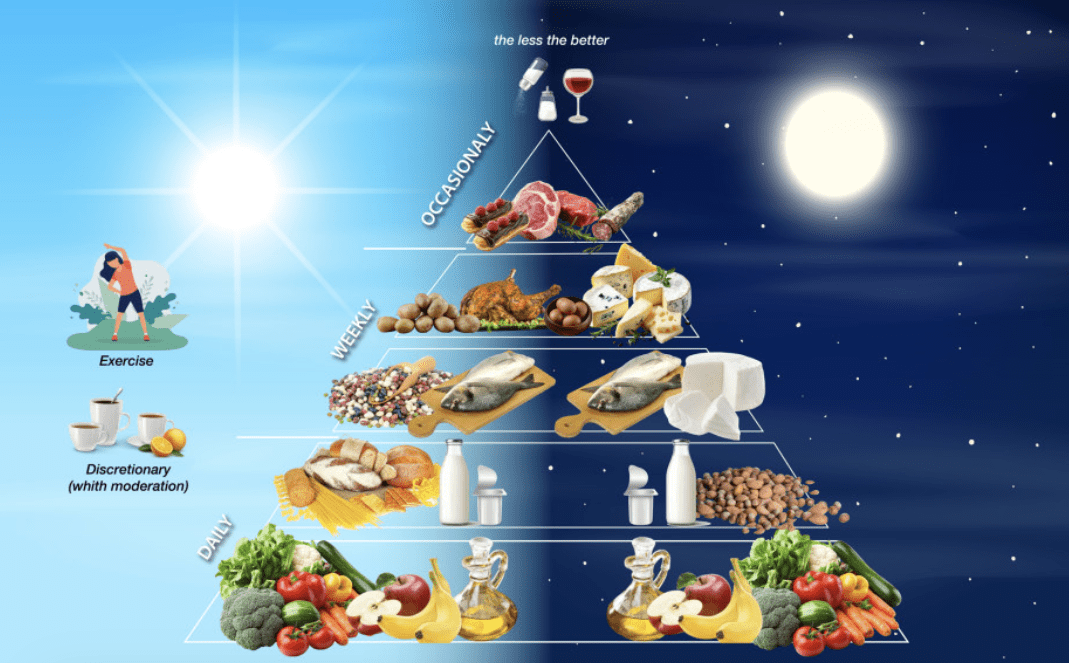
2. The Mediterranean Diet: A Recipe for Mental Well-Being

The Mediterranean diet, rich in fruits, vegetables, whole grains, olive oil, nuts, and fish isn’t just good for your heart. Studies show it’s also one of the most effective dietary patterns for reducing symptoms of depression. A 2017 study published in BMC Medicine found that participants who followed this diet had a 33% lower risk of developing depression compared to those who didn’t.

Why It Works: This diet is packed with anti-inflammatory foods, omega-3 fatty acids, and antioxidants, all of which support brain health and reduce oxidative stress, a known contributor to mental health disorders.

3. Probiotics: The Mood-Boosting Bacteria

Probiotics, live microorganisms found in fermented foods like yogurt, kefir, sauerkraut, and kimchi, can do more than aid digestion. Research suggests that certain strains, such as Lactobacillus and Bifidobacterium, may alleviate symptoms of depression and anxiety by improving gut health and reducing inflammation.

Practical Tip: If you’re considering probiotics, look for strains specifically studied for mental health benefits, such as Lactobacillus helveticus and Bifidobacterium longum.


From Science to Your Plate: Practical Tips for a Mood-Boosting Diet

Guillaume Fond’s book doesn’t just stop at theory, it offers actionable advice to help you integrate psychonutrition into your daily life. Here are some key takeaways:

1. Eat the Rainbow

Aim for a diverse, colorful plate filled with fruits, vegetables, and whole grains. These foods are rich in vitamins, minerals, and antioxidants that combat inflammation and support brain function.

2. Prioritize Omega-3s

Fatty fish like salmon, mackerel, and sardines are packed with omega-3 fatty acids, which are essential for brain health. If you’re not a fan of fish, or if you are vegetarian like me, consider plant-based sources like flaxseeds, chia seeds, and walnuts.

3. Feed Your Gut

Incorporate probiotic-rich foods (yogurt, kefir, miso) and prebiotic foods (garlic, onions, bananas, asparagus) to nurture a healthy gut microbiome.

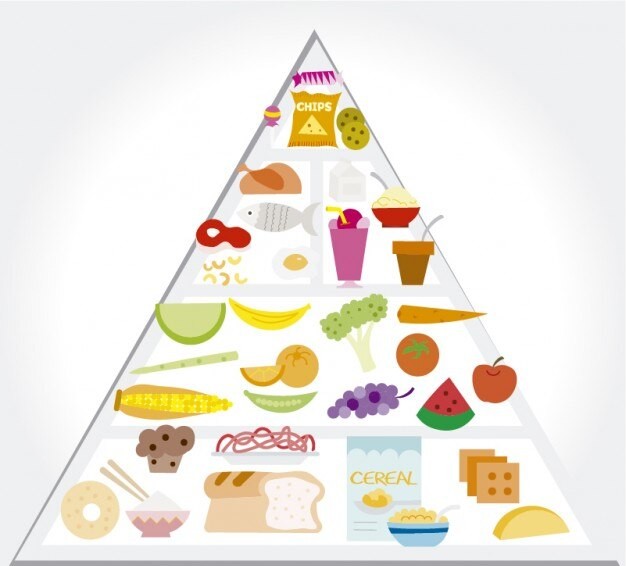
4. Watch Your Sugar and Processed Foods

High-sugar and ultra-processed foods can disrupt gut health and trigger inflammation, which is linked to poorer mental health. Opt for whole, minimally processed foods whenever possible.


The Bigger Picture: Nutrition as a Complement to Mental Health Care

While psychonutrition offers promising tools, it’s not a standalone cure for depression or other mental health conditions. Fond emphasizes that diet should be seen as a complement to traditional treatments like therapy and medication, not a replacement. However, the beauty of this approach is its accessibility, everyone can start making small, meaningful changes to their diet today.


Start Small to Feel the Difference

You don’t need to overhaul your diet overnight. Start with one or two changes, perhaps swapping a sugary snack for a handful of nuts or adding a serving of fermented food to your meals. Track how you feel over the next few weeks. Does your energy improve? Do you notice a shift in your mood?

Share Your Journey: Have you tried adjusting your diet for better mental health? What changes made the biggest difference for you? Let’s continue the conversation in the comments below!

Thank you for reading! Please sign up for my blog crisbiecoach so you don’t miss out on any posts!