
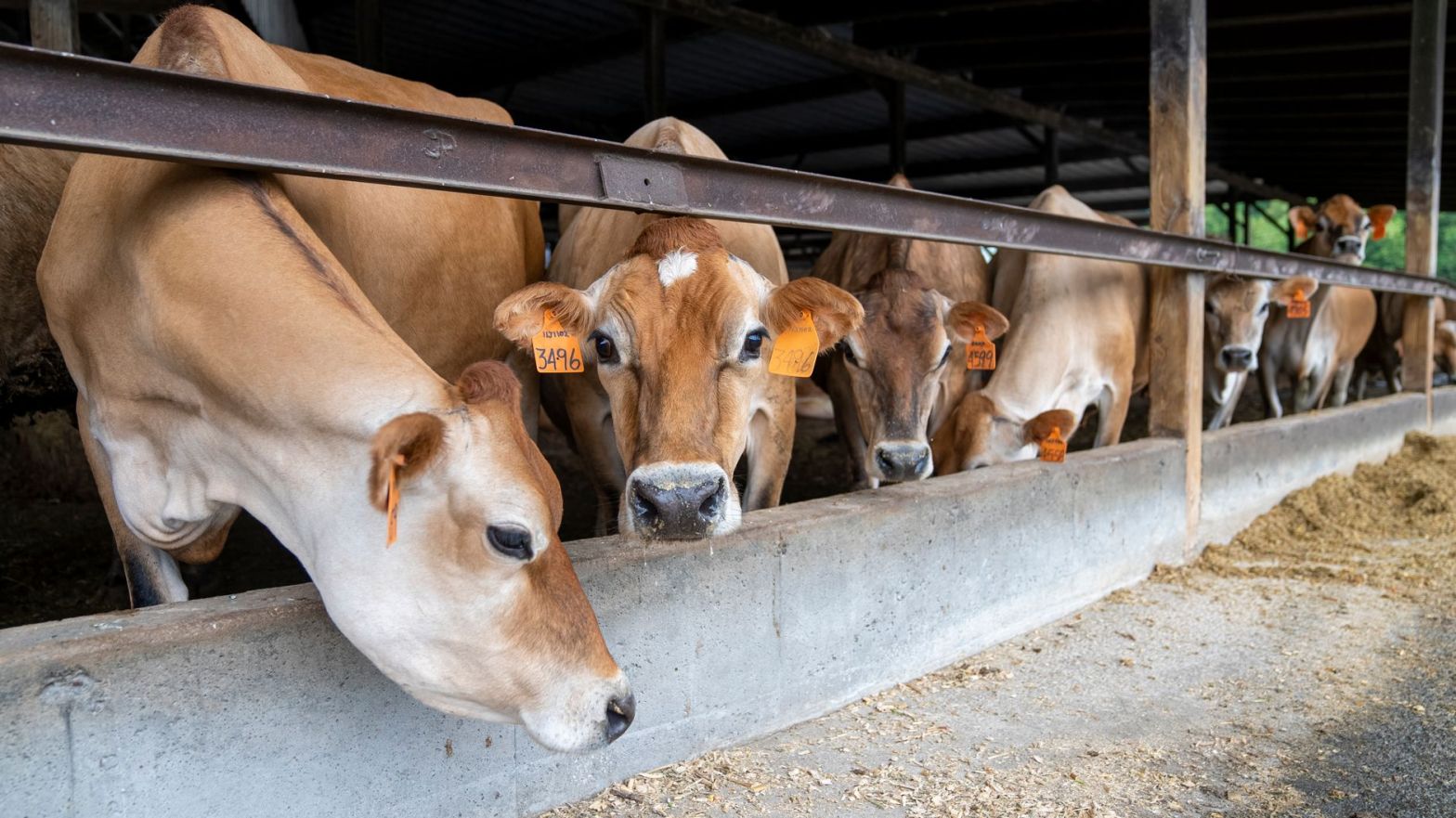
The Hidden Cost of Food Waste

A Startling Reality

Did you know that every year, 18 billion animals—chickens, turkeys, pigs, sheep, goats, and cows—die or are killed without ever reaching our plates? This staggering figure, revealed in a 2023 study published in Sustainable Production and Consumption, highlights a often-overlooked consequence of food loss and waste (FLW): the ethical and environmental cost of wasted animal lives.

While discussions about food waste often focus on economic losses (1.3 billion tons annually, costing $1 trillion) or environmental impacts (greenhouse gas emissions, land use), the animal welfare dimension is rarely part of the conversation. This study bridges that gap, quantifying the number of animal lives lost due to inefficiencies in the global meat supply chain.

Why Does This Matter?

1. The Scale of the Problem

In 2019 alone, 77.4 million tons of meat from six major species (pig, cow, sheep, goat, chicken, turkey) were lost or wasted before consumption. This translates to 18 billion animal lives. Animals that were raised, transported, and slaughtered for no purpose. To put it in perspective:

  • Chickens account for 93.6% of all animal life loss (16.8 billion), due to their high production volumes and vulnerability to spoilage.
  • Cattle represent 0.4% (74.1 million), but their larger body size means their waste contributes disproportionately to greenhouse gas emissions.

2. Where Does Waste Occur?

Food loss happens at every stage of the supply chain:

  • Developing countries: Losses occur early, livestock die from disease, or meat spoils due to poor storage/transport.
  • Developed countries: Waste happens later, consumers and retailers discard edible meat due to overproduction, strict cosmetic standards, or poor inventory management.

3. The Ethical Dilemma

The study emphasizes that animal suffering is harder to quantify than economic or environmental costs. Yet, the sheer scale of unnecessary animal deaths raises moral questions about our food systems. If we accept that animals are sentient beings capable of suffering, then reducing waste is also an ethical imperative.


Leverage Points for Change

  • High-income countries (e.g., North America, Oceania, Industrialized Asia) have the highest per-capita waste and thus the greatest potential for impact.
  • Chicken and beef present a trade-off: Reducing chicken waste saves more lives, but reducing beef waste has a bigger environmental payoff (lower emissions, land use).

What Can You Do?

As a Consumer

  • Buy only what you need: Plan meals to avoid overbuying.
  • Embrace “ugly” produce: Support retailers that sell imperfect but edible meat/cuts.
  • Store food properly: Freeze meat before it spoils.

As a Business or Policymaker

  • Improve infrastructure: Better storage/transport in developing nations.
  • Standardize labeling: Clearer “use-by” dates to reduce premature discards.
  • Incentivize waste reduction: Tax breaks or subsidies for companies that cut waste.

The Bigger Picture

This study forces us to confront an uncomfortable truth: Our food systems are not just inefficient, they’re also ethically unsustainable. While reducing waste won’t eliminate animal farming, it can save billions of lives annually and align our actions with growing concerns for animal welfare, environmental stewardship, and food security.

What do you think about food waste put in this perspective?

Thank you for reading! Please sign up for my blog crisbiecoach so you don’t miss out on any posts.

Additional Reading

The Cheesy Truth: How Sustainable Dairy Practices Win Consumer Hearts

When shoppers reach for milk or cheese in the supermarket, they’re increasingly making decisions based on more than just price and taste. A growing body of research reveals that environmental and ethical practices in dairy production create powerful “humane halos” – positive perceptions that significantly influence purchasing behavior.

Beyond the Carton: What Consumers Really Want

Recent studies indicate that approximately 80% of dairy consumers now prioritize sustainability and brands that align with their social values. This shift represents a fundamental change in how people evaluate dairy products, moving beyond traditional factors like brand recognition and nutritional content to include environmental impact and animal welfare considerations.

The Humane Halo Effect

The concept of “humane halos” refers to how companies perceived as environmentally responsible or ethically operated benefit from enhanced brand reputation. When dairy farms implement sustainable practices – such as reducing carbon footprints, improving animal welfare standards, or implementing regenerative agricultural techniques, consumers develop positive associations that extend beyond the specific practice itself.

This psychological phenomenon means that once a brand establishes credibility in sustainability areas, consumers tend to view their entire product line more favorably, even if other aspects remain unchanged.

Marketing Realities vs. Consumer Expectations

The research highlights an important gap between what consumers expect and what they actually receive. Many companies recognize that ethical considerations strongly influence purchasing decisions, leading to increased marketing of sustainable practices. However, consumers have become more sophisticated in distinguishing between genuine commitment and superficial “greenwashing.”

What This Means for the Dairy Industry

For dairy producers, the message is clear: environmental and ethical practices are no longer optional extras but essential components of competitive strategy. Companies that authentically implement sustainable practices benefit from:

  • Enhanced brand loyalty
  • Willingness to pay premium prices
  • Positive word-of-mouth marketing
  • Improved employee satisfaction and retention

Making Informed Choices as Consumers

As conscious consumers gain more information about food production systems, they’re demanding greater transparency. The rise of certifications, blockchain traceability, and detailed sustainability reporting reflects this trend. Smart companies are responding by providing verifiable information about their environmental and ethical practices.

Looking Ahead

The dairy industry stands at a crossroads where profitability and sustainability must work together rather than compete. Forward-thinking companies are discovering that environmental stewardship and animal welfare aren’t just ethical obligations, they’re powerful business drivers that resonate deeply with today’s values-conscious consumers.


Key Takeaways:

  • 80% of consumers prioritize sustainability and ethical alignment when choosing dairy products
  • Humane halos create positive brand associations that extend across entire product lines
  • Consumers increasingly distinguish between genuine sustainability and marketing fluff
  • Environmental practices are becoming essential business strategy, not just ethical choices

Ready to make more informed dairy choices? Look beyond the marketing claims and research brands that provide transparent, verifiable information about their environmental and ethical practices. Share your favorite sustainable dairy brands in the comments below – let’s build a community of conscious consumers!

Thank you for reading! You can read more from me on my blog crisbiecoach and, please, subscribe!