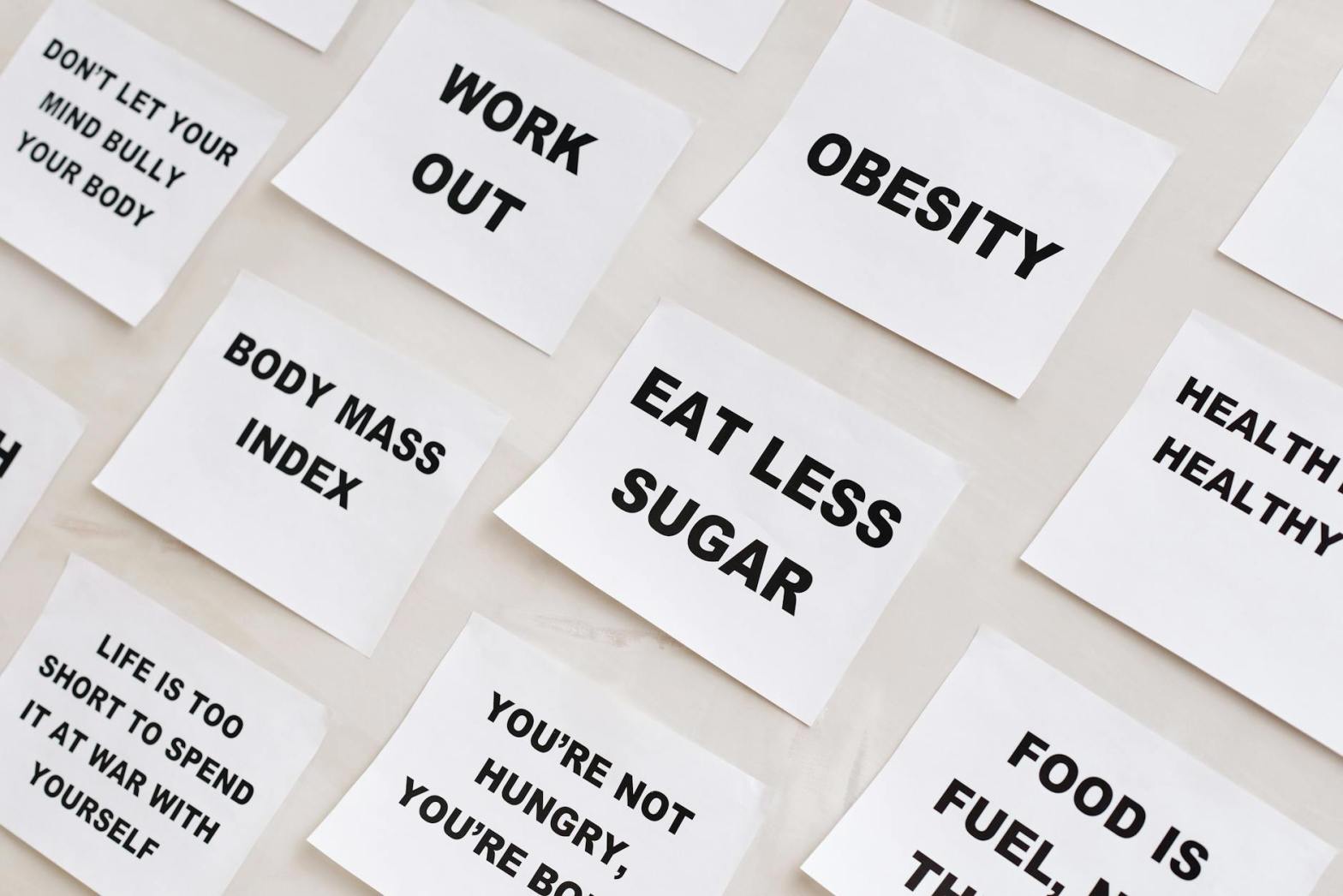
The Perfect Breakfast: A Nutritious Start to Your Day

Do you eat a proper breakfast or does it take a backseat? Many of us grab a quick bite—perhaps some cookies, milk, cereal, or toast with butter and jam, accompanied by a glass of orange juice and coffee. However, from a nutritional standpoint, this typical breakfast is far from ideal. It’s laden with sugars that spike insulin levels, something best avoided, especially in the morning. So, what constitutes a healthy breakfast? Let’s have a look.

The Power of Protein

We’re accustomed to sweet breakfasts, but incorporating savory elements, particularly proteins, can set a positive tone for the day. Consuming proteins in the morning boosts dopamine production, a neurotransmitter that enhances alertness and motivation.

  • Eggs: They are an excellent source of high-quality protein and are packed with vitamins and minerals. Contrary to popular belief, eating eggs does not significantly raise LDL cholesterol levels for most people.
  • Other Protein Sources: Consider options like a slice of quality ham, cheese, yogurt, or even sardines. For vegetarians, soy yogurt, chia seeds, and nuts are great alternatives.

Including protein in your breakfast helps maintain a prolonged sense of fullness and prevents mid-morning hunger pangs. It also slows down carbohydrate digestion, reducing the glycemic index and avoiding insulin spikes.

Healthy Fats: The Unsung Heroes

Incorporating healthy fats into your breakfast is crucial. Omega-3 and omega-9 fatty acids are essential for cardiovascular health, diabetes prevention, and brain development.

  • Nuts and Seeds: Almonds, walnuts, and hazelnuts are rich in these beneficial fats. A small portion of mixed nuts can provide a good dose of omega-3, fiber, and magnesium.
  • Other Sources: Chia seeds, pumpkin seeds, avocado, and fatty fish like salmon and sardines are also excellent choices.

Instead of sugary jams, try spreading nut butter on your toast for a healthier alternative.

Fresh Fruit Over Fruit Juice

While fruit juice might seem like a healthy option, it lacks the fiber found in whole fruits, leading to a higher glycemic index. Chewing whole fruits also promotes a sense of fullness and provides more vitamins.

  • Whole Fruits: Opt for an orange, apple, or banana instead of their juiced counterparts to benefit from the fiber and nutrients.

To Eat or Not to Eat Breakfast?

If you’re not hungry in the morning, don’t force yourself to eat. Skipping breakfast can be part of intermittent fasting, which gives your digestive system a break. However, ensure you maintain a balanced diet throughout the day and avoid unhealthy snacking later.

Quality Carbohydrates

If you can’t do without carbohydrates, choose wisely. Opt for low glycemic index options like whole grain or sourdough bread and classic muesli.

Hydration with Green Tea

Starting your day with green tea is an excellent choice. Rich in antioxidants, green tea helps prevent various diseases and improves brain function. It also contains caffeine, which enhances attention and memory.

  • Coffee: While coffee is also a good source of antioxidants, it should be consumed in moderation.

Transform your mornings with these nutritious breakfast tips. By making mindful choices, you can turn breakfast into a powerhouse meal that fuels your body and mind for the day ahead.

Share your favorite breakfast combinations in the comments below and don’t forget to subscribe for more health and wellness tips!

Nutrition Education: Making Science-Based Food Choices Every Day

Today, you can find diet and nutritional advice almost everywhere. Threfore, making informed food choices can be difficult. With an abundance of misinformation, distinguishing fact from fiction often feels like an uphill battle. However, understanding the fundamentals of nutrition science can empower you to make smarter, healthier choices tailored to your needs. Let’s have a look at the world of nutrition, examine some trending topics, and learn how to make evidence-based food decisions for a healthier you.

The Fundamentals of Nutrition Science

Nutrition science is the study of how food and its components affect the body. It focuses on the consumption of nutrients and their role in growth, metabolism, and disease prevention. Let’s break down its core elements:

  1. Macronutrients: These are the nutrients we need in larger amounts – carbohydrates, proteins, and fats. Each serves a unique function in the body. Carbohydrates provide energy, proteins support growth and repair, and fats are essential for energy storage, cellular structure, and hormone production.
  2. Micronutrients: These include vitamins and minerals that are crucial for bodily functions but needed in smaller quantities. For example, Vitamin C boosts immunity, while calcium supports bone health.
  3. Water: Often overlooked, water is vital for maintaining bodily functions, including temperature regulation and waste elimination.

Understanding these fundamentals allows for a balanced diet that can be adapted to various dietary types, such as vegetarian, vegan, ketogenic, or Mediterranean diets. Each diet type emphasizes different sources of macronutrients and micronutrients but should adhere to principles of balance, variety, and moderation.

Credibility of Trending Nutrition Topics

The digital age has brought a surge of nutrition information, making it difficult to discern credible advice from fleeting fads. Here are some trending topics, assessed for credibility:

  • Intermittent Fasting: This eating pattern cycles between eating and fasting periods. Scientific evidence suggests potential benefits like improved metabolic health and weight loss. However, it’s not suited for everyone and should be approached with newfound knowledge.
  • Plant-Based Diets: With increasing endorsements from health experts, plant-based diets are shown to reduce risks of chronic diseases. The key is ensuring a balanced intake of nutrients commonly lacking, like Vitamin B12 and omega-3 fatty acids.
  • Keto Diet: High-fat, low-carb, the keto diet is praised for quick weight loss. However, long-term adherence requires caution as it may lead to nutrient deficiencies and heart health concerns without professional guidance.

Making Informed Food Choices

To make informed food choices, apply these science-backed strategies:

  1. Prioritize Whole Foods: Whole foods such as fruits, vegetables, whole grains, and lean proteins are nutrient-dense, offering essential vitamins and minerals without added sugars or unhealthy fats.
  2. Practice Mindful Eating: This involves paying attention to hunger cues and savoring meals. It can help prevent overeating and foster a healthier relationship with food.
  3. Read Food Labels: Understanding nutrition labels is crucial. Look for products low in saturated fat, sodium, and added sugars, and rich in fiber and essential nutrients. Avoid food additives and preservatives starting with letter E as much as possible.
  4. Consult Credible Sources: Utilize platforms such as MyPlate.gov or the Academy of Nutrition and Dietetics for reliable, evidence-based information.
  5. Seek Professional Guidance: Consider consulting with a registered dietitian for personalized dietary advice tailored to your individual health needs.

Informed nutrition education involves understanding the science behind what we eat, evaluating trending diet topics critically, and applying this knowledge to everyday choices. A robust foundation in nutrition can empower us to navigate the world of food confidently and sustainably.

Begin your journey to informed eating today! By empowering yourself with knowledge, you take the first steps toward a healthier and more informed dietary lifestyle. Share your own nutrition story in the comment box here below, and leave tips that may be useful to all.

Happy eating!

Understanding Obesity: The Complexy of Diet, Appetite, and Behavior

Obesity is a global health challenge that affects millions of people worldwide. It is a complex condition influenced by a myriad of factors, including diet, appetite, genetics, environment, and psychology. Despite significant advancements in our understanding of obesity, there are still gaps in our knowledge that hinder effective prevention and treatment. This blog post explores the intricate web of obesity, what we know and what we still need to uncover.

The Physiology of Obesity

Obesity is fundamentally a result of an energy imbalance—consuming more calories than the body expends. However, the physiology of obesity is far more nuanced. Hormones such as leptin and ghrelin play crucial roles in regulating appetite and energy expenditure. Leptin, produced by fat cells, signals the brain to reduce appetite and increase energy expenditure. Ghrelin, on the other hand, stimulates hunger.

One of the intriguing aspects of obesity is the concept of “food addiction.” Some researchers suggest that certain foods, particularly those high in sugar and fat, can trigger addictive-like responses in the brain. This can lead to compulsive eating behaviors, making it difficult for individuals to control their food intake.

The Role of Diet and Appetite

Diet is a cornerstone in the development and management of obesity. The modern food environment, characterized by an abundance of high-calorie, palatable foods, contributes to overeating. Processed foods, sugary beverages, and large portion sizes are significant culprits.

Appetite control is a complex interplay of biological, psychological, and environmental factors. The brain’s hypothalamus plays a central role in regulating hunger and satiety. However, psychological factors such as stress, emotions, and early-life experiences can also influence eating behaviors.

Stress and Early-Life Experiences

Stress is a well-known trigger for overeating. High levels of stress can lead to emotional eating, where individuals turn to food for comfort. This is often linked to the release of cortisol, a stress hormone that can increase appetite and cravings for unhealthy foods.

Early-life experiences, including childhood trauma and adverse events, can also shape eating behaviors. These experiences can lead to maladaptive coping mechanisms, such as binge eating, which can persist into adulthood.

Barriers to Healthy Eating

Despite the known benefits of a healthy diet, numerous barriers can hinder individuals from making nutritious food choices. These barriers include:

  1. Food Insecurity: Lack of access to affordable, nutritious food is a significant barrier. Food insecurity can lead to reliance on cheap, high-calorie foods that are often less nutritious.
  2. Time Constraints: Busy lifestyles can make it challenging to prepare healthy meals. Convenience foods, which are often high in calories and low in nutrients, become an easy alternative.
  3. Cultural and Social Influences: Cultural norms and social environments can shape dietary habits. Social gatherings often revolve around food, making it difficult to resist unhealthy options.
  4. Knowledge and Education: A lack of nutrition education can lead to poor food choices. Many people may not be aware of the nutritional content of foods or how to prepare healthy meals.

The Psychology of Appetite Control

The psychology of appetite control is a fascinating area of study. Portion sizes play a crucial role in determining how much we eat. Larger portion sizes can lead to overeating, as they distort our perception of a “normal” serving size. This phenomenon, known as the “portion size effect,” highlights the importance of mindful eating.

Food insecurity, as said before, can also affect eating behaviors. When individuals are uncertain about their next meal, they may overeat when food is available, leading to cycles of feast and famine. This can disrupt normal appetite regulation and contribute to weight gain.

Gaps in Our Knowledge

Despite significant progress, there are still gaps in our understanding of obesity. For instance, the exact mechanisms underlying food addiction are not fully understood. Additionally, the interplay between genetics, environment, and behavior in the development of obesity remains a complex puzzle.

Obesity is a serious condition that requires a comprehensive approach to prevention and treatment. Understanding the complex interplay of diet, appetite, and behavior is crucial for developing effective strategies. By addressing the barriers to healthy eating and continuing to explore the gaps in our knowledge, we can make strides in combating this global health challenge.

Join the conversation on understanding and addressing obesity. Share your experiences and insights in the comments box here below.

Thank you for reading! Please sign up for my blog crisbiecoach so you don’t miss out on any posts!

What You Should Know About Detoxification, Sweeteners, and Food Choices

Do you think like me that we’re constantly bombarded with information about detoxes, sweeteners, and the best food choices? But do you know how much of it is based on science, and how much is just clever marketing? Let’s see some of the most talked-about topics in nutrition and separate fact from fiction.

The Body’s Natural Detoxification Process

The human body is an amazing machine, equipped with its own detoxification system. The liver, kidneys, lungs, and skin work together to filter out toxins and waste products. The liver, in particular, plays a crucial role in breaking down harmful substances and excreting them from the body.

Natural Detoxification vs. Commercial Detoxes

While our bodies are designed to detoxify naturally, the market is flooded with detox teas, juices, and supplements promising quick fixes. However, there’s little scientific evidence to support the effectiveness of these products. In fact, some detox diets can be harmful, leading to nutrient deficiencies and other health issues.

Instead of relying on commercial detoxes, focus on supporting your body’s natural detoxification processes. Eat a balanced diet rich in fruits, vegetables, whole grains, and lean proteins. Stay hydrated, get enough sleep, and engage in regular physical activity. Your body will thank you!

The Impact of Sweeteners on Health

Sweeteners are a hot topic in the world of nutrition. From natural sugars to artificial sweeteners, the choices can be overwhelming. But how do these sweeteners affect our health?

Common Sweeteners and Their Effects

  • Refined Sugars: Found in many processed foods, refined sugars like sucrose and high-fructose corn syrup can contribute to weight gain, tooth decay, and chronic diseases like type 2 diabetes and heart disease.
  • Natural Sweeteners: Options like honey, maple syrup, and agave nectar are often marketed as healthier alternatives. While they may contain some beneficial nutrients, they are still high in calories and can have similar effects on blood sugar levels as refined sugars.
  • Non-nutritive Sweeteners: Artificial sweeteners like aspartame, sucralose, and stevia are calorie-free and can be a useful tool for weight management. However, some studies suggest that they may disrupt gut bacteria and lead to increased sugar cravings.

The key (again) is moderation. Enjoy sweeteners in small amounts and focus on a balanced diet that includes plenty of whole foods.

Genetically Modified Foods vs. Conventionally Grown Produce

Genetically modified organisms (GMOs) have been a subject of debate for years. But what’s the difference between GMOs and conventionally grown produce?

Understanding GMOs

GMOs are created by altering the DNA of an organism to introduce desirable traits, such as resistance to pests or herbicides. While some people have concerns about the long-term effects of GMOs on health and the environment, extensive research has shown that GMOs currently on the market are safe to eat.

Conventionally Grown Produce

Conventionally grown produce is cultivated using traditional farming methods, which may include the use of pesticides and synthetic fertilisers. While these practices can increase crop yields, they can also have environmental impacts and leave residues on food.

The choice is yours. Remember that the best is always to buy organic.

Nutrients in Organic, Grass-Fed, and Pasture-Raised Meat

When it comes to meat, the choices can be confusing. Organic, grass-fed, pasture-raised—what do these labels mean, and how do they affect the nutritional value of the meat?

Organic Meat

Organic meat comes from animals raised without the use of synthetic hormones, antibiotics, or genetically modified feed. While organic meat may have slightly higher levels of certain nutrients, the differences are generally small.

Grass-Fed Meat

Grass-fed meat comes from animals that have been fed a diet of grass and forage, rather than grain. Grass-fed meat tends to be leaner and may have higher levels of omega-3 fatty acids and antioxidants.

Pasture-Raised Meat

Pasture-raised meat comes from animals that have been raised on pasture, with access to fresh grass and sunlight. Like grass-fed meat, pasture-raised meat may have a more favourable nutrient profile.

Ultimately, the best choice depends on your personal preferences and values. All types of meat can be part of a healthy diet when consumed in moderation.

To conclude, nutrition can be challenging, but armed with the right information, you can make the right choice to support your health and well-being. Remember, the key to a healthy diet is of course balance, variety, and moderation.

What’s your take on detox diets and sweeteners? Will you make any changes to your diet based on the information in this post? Share your thoughts in the comments below!

Thank you for reading! Please sign up for my blog crisbiecoach so you don’t miss out on any posts!

How Junk Food Can Alter Your Brain in Just a Few Days

Imagine this: you’re on vacation, enjoying a week of indulgence. Snacks and sausages for an aperitif, churros and ice cream for a snack—it’s a well-deserved break, right? But did you know that just five days of this high-calorie diet can significantly alter your brain activity? A recent study published in Nature Metabolism reveals some eye-opening findings that might make you rethink your vacation eating habits.

The Impact of a High-Calorie Diet on Your Brain

The study, led by Stephanie Kullmann of the University of Tübingen in Germany, recruited 29 healthy men. For five days, 18 of these men followed a diet rich in fatty and sugary snacks, while the remaining 11 maintained their usual diet. The participants’ brain activity was measured using functional magnetic resonance imaging (fMRI) before the study, after the diet, and a week after returning to a normal diet.

The results were striking. After just five days of a high-calorie diet, the participants showed increased sensitivity to insulin in two critical brain areas: the pons and the insula. These regions are involved in regulating appetite and the reward system, which is linked to pleasure and learning. However, this heightened sensitivity came with a cost—the participants’ cognitive abilities were impaired, making them less sensitive to rewards but more sensitive to punishments. This shift could significantly affect their future decision-making processes.

The Role of Insulin in Brain Function

Insulin, a hormone produced by the pancreas, plays a crucial role in regulating blood sugar levels. In the brain, it helps reduce the desire to eat. However, when you consume too much fat or sugar, your body’s cells initially become highly sensitive to insulin to store the excess sugar. Over time, if this high-calorie intake continues, the cells can become insensitive to insulin, leading to a condition known as insulin resistance.

Insulin resistance impairs the body’s ability to regulate blood sugar, and in the brain, it weakens the appetite-regulating effect. This can lead to overeating and is associated with various metabolic diseases, including obesity and type 2 diabetes. The study’s findings suggest that these imbalances can occur in just a few days, highlighting the importance of maintaining a balanced diet even during short periods of indulgence.

Long-Term Effects and the Importance of Balance

Interestingly, the study also found that after twelve days (seven days after returning to a balanced diet), the hippocampus and the fusiform gyrus—brain regions involved in memory and evaluating the appeal of food—had become very insensitive to insulin. This secondary insulin resistance developed rapidly, indicating that even short-term dietary changes can have lasting effects on brain function.

These findings serve as a reminder that while it’s okay to indulge occasionally, maintaining a balanced diet is crucial for long-term health. High-calorie diets can quickly lead to insulin resistance, making fatty foods more desirable and healthy foods less appealing. This can set the stage for unhealthy eating habits and increase the risk of metabolic diseases.

So, the next time you’re tempted to indulge in a week of junk food, remember the potential impact on your brain and overall health. Opt for healthier alternatives and maintain a balanced diet to keep your brain functioning at its best. Your future self will thank you!

Thank you for reading! Please sign up for my blog crisbiecoach so you don’t miss out on any posts and also for Wise&Shine an incredible online magazine!

Veganuary 2025 Challenge – Results

Veganuary 2025 has marked a significant milestone in the global movement towards plant-based eating. For the first time ever, active Veganuary campaigns are now running in 20 countries across the globe, showcasing the growing enthusiasm and commitment to sustainable and ethical food choices. This year’s theme, “Food doesn’t have to be weird,” has resonated with people worldwide, highlighting that plant-based eating is not only delicious and sustainable but also the more sensible choice.

A Theme That Resonates

The “Food doesn’t have to be weird” theme has been instrumental in breaking down barriers and misconceptions about plant-based diets. By emphasizing the simplicity and familiarity of plant-based meals, Veganuary 2025 has encouraged more people to explore and adopt this lifestyle. The campaign has shown that plant-based eating can be just as satisfying and enjoyable as traditional diets, making it an accessible option for everyone.

Celebrity Endorsements

Veganuary 2025 has garnered support from a diverse range of celebrities, who have lent their voices to amplify the mission. Notable figures such as actor Woody Harrelson, comedian Preacher Lawson, and star of House of the Dragon Bethany Antonia have joined the cause, inspiring their fans and followers to consider the benefits of a plant-based diet. Their influence has helped spread awareness and encourage more people to participate in the campaign.

Corporate Participation

Hundreds of companies have taken part in Veganuary 2025, demonstrating their commitment to sustainability and ethical consumerism. In the UK, major retailers like Aldi and IKEA have actively participated, offering a wide range of plant-based products to their customers. In the US, Love & Sandwiches has been a prominent supporter, while in Germany, more than 1,000 businesses have joined the initiative. This widespread corporate involvement has made it easier for consumers to access plant-based options and contribute to the movement.

Tangible Impact on Consumer Behavior

The impact of Veganuary on consumer behavior is evident, particularly in Germany. New data published this January revealed that during the last two campaigns, meat sales declined by 12.5% in January 2024 and 14.3% in January 2023 compared to the annual average. This significant reduction in meat consumption highlights the tangible influence of Veganuary on consumer choices, encouraging more people to opt for plant-based alternatives.

Join the Movement

Veganuary 2025 has shown that the shift towards plant-based eating is not just a trend but a growing global movement. By choosing plant-based options, we can make a positive impact on our health, the environment, and animal welfare. Whether you’re a seasoned vegan or just starting to explore plant-based eating, there’s never been a better time to join the movement.

So, are you ready to make the difference?


Thank you for reading! Please sign up for my blog crisbiecoach so you don’t miss out on any posts and also for Wise&Shine an incredible online magazine!

The Shifting Plate: Sustainable Diets in Asia

With climate change accelerating, dietary shifts, particularly in rapidly expanding Asian economies, are emerging as a critical player in global climate solutions. A recent study delves into how consumers in China, Japan, and Vietnam are balancing their love for traditional foods with a growing interest in eco-friendly choices. This exploration uncovers insights that could pave the way for more sustainable diets across the region.

The Impact of Sustainable Diets

Shifting to more sustainable diets is one of the most effective ways to cut global greenhouse gas emissions and ease the strain on land and water resources. Experts agree that reducing the consumption of resource-intensive animal proteins, such as beef, can significantly benefit both the planet and our health.

While countries in South and East Asia have traditionally leaned on plant-forward diets, the demand for animal protein is skyrocketing. By 2030, meat consumption is expected to grow by 75% in Vietnam and 20% in China compared to 2010 levels. This trend underscores the urgency of promoting sustainable eating habits in these regions.

Exploring Consumer Readiness in Asia

Most research on reducing meat consumption has focused on Western countries, where strategies like food labeling and education campaigns have proven effective. However, little is known about whether similar approaches would work in Asian markets. The study conducted by Research and Advocay Officer Elena Schaller explores how ready consumers in China, Japan, and Vietnam are to embrace more sustainable eating habits.

Researchers surveyed over 5,000 people across the three countries to understand their food habits and awareness of environmental issues and health concerns associated with meat production. They also asked how much people would pay for food certified as environmentally friendly.

Methodology and Findings

To dig deeper, participants were presented with “food baskets” filled with different items that varied in sustainability and price. These foods considered food culture and habits and included meat, vegetables, fruits, and starch staples like rice or bread. Participants could also choose a meat-free option. The researchers then tested whether providing educational “nudges” could influence their choices. Participants were randomly divided into groups and exposed to one of three nudges or no nudge at all (the control group):

  1. Climate Impact Nudge: Explained how the growing demand for meat contributes to increased greenhouse gas emissions.
  2. Resource Use Nudge: Highlighted the environmental toll of intensive farming.
  3. Health Effects Nudge: Emphasized risks from fertilizers and pesticides used in intensive agriculture.

Each nudge ended with a statement about the ability of the participant’s personal choices to make a difference.

The survey was delivered face-to-face in China and Vietnam and online in Japan. Participants were recruited from both urban and rural areas in each country, and the sampling was designed to represent population demographics in terms of age, gender, and household income to investigate country-level effects.

Key Insights

  • Protein Preferences: Chicken and fish were the most popular protein choices, with people willing to pay 2% more for them compared to pork. Beef was slightly less popular, and lamb was the least preferred.
  • Carbohydrate Choices: Rice was the clear favorite, with consumers willing to pay 7% more for rice than bread or potatoes.
  • Sustainable Labeling: Food labeled as sustainable was well received across all three countries, with participants being willing to pay roughly 16% more for a food basket with items that were certified as sustainably produced. Vietnamese consumers stood out, being willing to pay 39% more for eco-friendly options.
  • Demographic Differences: Younger and wealthier participants were the most interested in sustainable options and willing to pay more for them. Older and rural consumers responded better to health-focused messages.
  • Trust in Certification: 84% of consumers trusted certified environmental labels, with international organizations being trusted the most. Participants in China and Vietnam expressed the most trust in government certification schemes (50%), while Japanese participants were the least trusting of these (26%).

The Effectiveness of Nudges

The nudges didn’t significantly reduce the consumption of less sustainable proteins like beef and pork. However, they did slightly increase interest in chicken and fish, particularly the greenhouse gas emission and health-related message. This suggests that promoting better choices may be easier than discouraging worse ones.

Implications for Advocates

While many Asian consumers are reluctant to reduce their animal protein intake, there’s growing concern for the environment. The strong interest in food certification shows that people are open to sustainable choices, especially when they’re seen as trustworthy and high quality.

Creating meaningful change will require more than awareness campaigns or nudges. A comprehensive approach will combine culturally tailored strategies, reliable certification programs, and improved access to affordable sustainable options. Together, these efforts could help lower the environmental footprint of diets in these diverse markets.

As consumers, we have the power to drive change through our food choices. By supporting sustainable practices and advocating for reliable certification programs, we can collectively reduce our environmental footprint. Let’s embrace this shift and contribute to a healthier planet, one meal at a time.

Thank you for reading! Please sign up for my blog crisbiecoach so you don’t miss out on any posts and also for Wise&Shine an incredible online magazine!

The Science of Weight Loss: A New Approach to Understanding and Achieving Your Goals

Since the discovery of the first appetite hormone in the 1990s, the science of obesity has advanced dramatically. The growing understanding of how hunger and weight “set point” are regulated is changing the way we need to approach weight loss. By learning about our biology and how to work with it, rather than against it, you can become more successful at reaching your goals.

The Complex Interplay of Hunger and Weight Regulation

The brain, hormones, gut, and emotions interact in a complex dance to control food intake and weight. This intricate system involves several key players:

  • Hormones: Ghrelin, often referred to as the “hunger hormone,” signals the brain to increase appetite. It was discovered through its receptor, the growth hormone secretagogue receptor, and plays a crucial role in energy homeostasis. Leptin, on the other hand, is produced by fat cells and acts as an appetite suppressant. It communicates with the brain to regulate long-term energy balance.
  • Gut: The gastrointestinal tract releases various peptides that influence eating behavior. For instance, cholecystokinin (CCK) is released in response to fat and protein intake, slowing down gastric emptying and promoting feelings of fullness.
  • Brain: The hypothalamus integrates signals from hormones and the gut to regulate appetite and satiety. This region of the brain is crucial for maintaining energy homeostasis and controlling food intake.
  • Emotions: Stress, anxiety, and other emotional states can significantly impact our eating habits. Chronic stress can lead to increased levels of cortisol, which can stimulate appetite and contribute to weight gain.

Beyond Calorie Counting: The Quality of Calories Matters

Counting calories can be helpful, but not all calories are equal. Different foods are broken down and interact with our body in dramatically different ways. For example, foods high in fiber and protein can promote feelings of fullness and stabilize blood sugar levels, while processed foods high in sugar and unhealthy fats can lead to overeating and weight gain.

To design a diet that supports weight loss, look at the common ground among the healthiest dietary patterns. A framework supported by existing scientific studies includes:

  • Whole Foods: Focus on consuming whole, unprocessed foods such as fruits, vegetables, lean proteins, and whole grains.
  • Healthy Fats: Incorporate healthy fats from sources like avocados, nuts, seeds, and extra-vierge olive oil.
  • Limited Processed Foods: Reduce intake of processed foods, sugary drinks, and refined carbohydrates.

The Role of Stress, Exercise, and Sleep

While the foods we eat are critical for managing weight, they are only part of the challenge. Often underestimated are the effects of stress, exercise, and sleep on our hormones and metabolism.

  • Stress: Chronic stress can disrupt the hormonal balance, leading to increased appetite and weight gain. Practicing stress-reduction techniques such as mindfulness, meditation, and yoga can help manage stress levels.
  • Exercise: Regular physical activity can improve insulin sensitivity, boost metabolism, and reduce stress. Aim for a combination of aerobic exercise and strength training to support weight loss goals.
  • Sleep: Adequate sleep is essential for hormonal regulation and metabolism. Lack of sleep can lead to increased levels of ghrelin and decreased levels of leptin, contributing to overeating and weight gain.

The Power of Habit and Mindfulness

Habits drive many of our everyday choices. Unlike deliberate decisions, habits are carried out instinctively. To support your weight loss goals, it’s crucial to adopt habits that align with your objectives.

  • Mindful Eating: Practice mindfulness when you eat. Pay attention to your hunger and fullness cues, and avoid distractions like TV or phones during meals.
  • Consistent Routines: Establish consistent routines for meals, exercise, and sleep. Consistency helps reinforce positive habits and makes them easier to maintain.
  • Small Changes: Start with small, manageable changes. For example, swap sugary drinks for water, or add a daily walk to your routine. Small changes can lead to significant improvements over time.

Practical Steps for Long-Term Success

  1. Educate Yourself: Learn about your appetite and energy balance systems. Understanding how your body regulates hunger and weight can help you make informed decisions.
  2. Focus on Quality: Prioritize whole, nutrient-dense foods in your diet. Limit processed foods and sugary drinks.
  3. Manage Stress: Incorporate stress-reduction techniques into your daily routine. Mindfulness, meditation, and yoga can be beneficial.
  4. Stay Active: Engage in regular physical activity. Aim for a combination of aerobic exercise and strength training.
  5. Prioritize Sleep: Ensure you get adequate sleep each night. Good sleep hygiene can support hormonal regulation and metabolism.
  6. Build Positive Habits: Adopt habits that support your weight loss goals. Practice mindful eating, establish consistent routines, and make small, manageable changes.

By understanding the science behind weight loss and implementing these practical steps, you can design a long-term successful weight loss plan that works with your biology, rather than against it.

Ready to take control of your weight loss journey? Let me know in the comment box!

Thank you for reading! Please sign up for my blog crisbiecoach so you don’t miss out on any posts!

Useful Links

Raising Awareness on Nutrition and Eating Disorders

When we think about nutrition and eating disorders, we often associate them with young females, typically during adolescence. However, these disorders can affect anyone, regardless of age, gender, or body type. They are complex and multifactorial, deeply rooted in psychological issues that manifest through one’s relationship with food.

First of all, we should understand the difference between nutrition and eating.

Nutrition refers to the process by which living organisms obtain and utilize the nutrients necessary for growth, maintenance, and overall health. It encompasses the biochemical and physiological processes involved in the intake, absorption, and metabolism of nutrients.

Eating on the other hand, is a broader term that refers to the act of providing or receiving nourishment. It includes the selection, preparation, and consumption of food. While nutrition focuses on the body’s use of nutrients, alimentation covers the entire process of feeding and eating.

It’s important to recognize that eating disorders are not limited to anorexia and bulimia. Conditions like binge eating disorder and vigorexia also fall under this category. Vigorexia, for instance, affects many men, leading to a distorted perception of their bodies, which they see as too thin and not muscular enough.

Today, over 70 million people worldwide suffer from these disorders, with more than 3 million in Italy alone. Unfortunately, finding specialized treatment centers can be challenging, often requiring individuals to travel far from home, sometimes even out of their region.

By continuing to discuss nutrition and eating disorders accurately, we can raise collective awareness and ensure that people receive early diagnoses and appropriate treatments tailored to their needs.

If you or someone you know is struggling with an eating disorder, don’t hesitate to seek help. Early diagnosis and treatment are crucial. Reach out to a healthcare professional or a specialized center today.

Thank you for reading. You are welcome to visit my blog crisbiecoach and sign up if you like it!

Why Restrictive Diets Set You Up for Failure: The Science Behind Hunger and Weight Loss

If you ever wanted to lose weight, you’ve probably been told that extreme restriction is the fastest way to do it . However, science tells a different story. A 2011 clinical study led by Sumithran P. (Long-term Persistence of Hormonal Adaptation to Weight Loss, 2011) examined what happens to the body when weight loss is rapid and significant.

The Study: How Restrictive Diets Impact Hormones

Researchers followed 50 individuals with obesity or overweight who adhered to a highly restrictive diet for 10 weeks. They monitored them for a year to analyze how their bodies adapted to this sudden weight loss.

The findings were eye-opening:

  1. Leptin levels dropped – Leptin is the hormone responsible for signaling satiety to the brain, letting you know when you’re full.
  2. Ghrelin levels increased – Ghrelin, known as the “hunger hormone,” is produced by the stomach, pancreas, and intestines to trigger hunger and stimulate food intake.

What Does This Mean for Weight Loss?

When calorie intake is drastically reduced, the body perceives it as a threat. To counteract the perceived energy deficit, it activates a series of metabolic and hormonal responses:

  • It increases ghrelin production, making you feel hungrier.
  • It decreases leptin levels, making it harder to feel full.

These adaptations are survival mechanisms. Historically, prolonged calorie deficits posed serious risks to survival. The body, therefore, fights against prolonged restriction by pushing you to seek food.

Why Weight Loss Is More Complex Than “Eat Less, Move More”

This study contributed to a broader understanding of the biological mechanisms that influence body composition and our relationship with food. Weight loss, particularly in the context of obesity, is not just a matter of willpower or lifestyle changes—it involves complex physiological, genetic, cultural, and psychological factors.

Yet, harmful stereotypes still dominate mainstream discussions on obesity. The media often oversimplifies weight loss, ignoring the scientific reality that obesity is a multifactorial condition requiring a personalized and expert-led approach.

The Importance of Informed and Sustainable Approaches

If you’re considering weight loss, it’s crucial to:

  • Avoid extreme restriction – Sustainable habits lead to long-term success.
  • Consult qualified professionals – A tailored approach considers your unique physiological and psychological needs.
  • Challenge harmful narratives – Weight loss is not just about willpower; it’s also about understanding your body and working with it, not against it.

Take Action: A Smarter Approach to Health

Are you tired of yo-yo dieting and misinformation about weight loss? It’s time to take a science-backed approach. Seek guidance from qualified professionals and focus on long-term, sustainable habits.

Thank you for reading! Please sign up for my blog crisbiecoach so you don’t miss out on any posts!