Perché dovresti accettare le tue insicurezze

“Tutto quello che ho ottenuto nella vita è stato grazie alla fortuna”. “I miei colleghi di lavoro sono più bravi di me”. “Non credo alle mie orecchie quando sento i colleghi che mi fanno dei complimenti per il lavoro ben fatto.”

Ti suona familiare? Se pensi che tutto quello che ti capita sia dovuto al caso, alla fortuna o al destino, probabilmente sei una persona con locus esterno e non hai molto controllo sulla tua vita.

Le tue insicurezze possono fare parte della sfera personale o professionale, oppure di tutte e due. Potresti ritenerti incapace di gestire un progetto (ricorda che dagli insuccessi nascono le migliori idee) o di non essere all’altezza di una determinata persona che ti piace (ma gli hai mai parlato?).

L’insicurezza non si manifesta sempre con la stessa intensità: va da una sensazione sgradevole a una vera e propria paralisi, per esempio quando devi fare una presentazione di fronte a un pubblico vasto o quando non hai il coraggio di parlare con una persona che ti attira.

Photo by Samuel Pereira

Tuttavia, l’insicurezza può diventare tua alleata se sai volgerla a tuo favore. Il primo passo è riconoscere che sei insicuro/a. Poi, cerca di pensare obiettivamente ai tuoi successi, grandi o piccoli. Grazie alla tua volontà di cambiamento, sei sicuramente riuscito/a realizzare qualcosa proprio perché ne hai le capacitá.

Lamentarsi costantemente, guardare ai successi degli altri, pensare continuamente che sei sfortunato/a, di sicuro non ti aiuta. Forse non riuscirai a superare tutti gli aspetti della tua insicurezza, ma potresti cambiare atteggiamento. Prova a pensare che ce la puoi fare, prendi il coraggio tra le mani e lanciati!

Accettarsi per quello che si è con tutti i nostri punti di forza e tutte le nostre debolezze, anche se non ci piacciono, ci aiuta nel cammino verso la serenità.

Sei pronta/o per sfidare le tue insicurezze?

Photo by Slava on Unsplash

How Our Idea of Life in the City Has Changed During the Pandemic

Covid has radically changed our way of life in the city. Consequently, also our relationship with the city has changed.

If you were willing to pay more for a down-town rent or to buy a small apartment to live in the city, would you do the same today?

Data on home purchases in Belgium show that people during the pandemic wanted to buy or rent properties in the countryside, where homes are cheaper and bigger. Nature is a source of energy that can help us in difficult times such as those of Covid.

If being able to have a quick aperitif after work, to go out for dinner in the evening without having to travel too many kilometres, or going to the cinema or a concert, justified the fact of living in small apartments, where you are exposed to not always easy coexistence with the neighbours and outside noise and traffic, is this still the case now?

Cities during the pandemic have turned into places to mainly work and sleep. Maybe you started asking yourself, what kind of life is it?

If you were able to go to work during the pandemic, didn’t you have the impression of living in the office? If, on the other hand, you have always worked from remote, don’t you think that you have been experiencing difficulty in finding work-life balance?

With the rules of lockdown even using public transport was a problem, due to the fear of contagion. We started to do shopping close to home.

Photo by Matt Seymour on Unsplash

Staying at home all the time and respecting the rules of lockdown have caused spreading of anxiety in a worrying way. In fact, it has been proven that living in the city makes you feel more isolated, even if the opposite would seem to be true.

For a long time we have been deprived of our need and desire for sociability, our walks have been reduced to the tour of the neighbourhood to fulfil our daily commitment to take 6000 steps or not to forget the challenge of staying healthy despite everything.

Things as common as eating with friends or colleagues, going to the cinema or shopping, have turned into extraordinary things.

Is that why living in the countryside has perhaps become more popular? Would spending less on a house with a garden and nature nearby make you change your mind about living in the city?

Photo by Badiuth on Unsplash

Come è cambiata la nostra idea di vita in città durante il Covid

Il Covid ha cambiato radicalmente il nostro modo di vita in citta. Di conseguenza, anche il nostro rapporto con la cittá.

Se eravamo disposti a pagare di più per un affitto in centro o per comprare un appartamento piccolo pur di stare in città, lo siamo ancora?

Dati sull’acquisto di case in Belgio, dimostrano che le persone durante la pandemia si sono indirizzate maggiormente verso la campagna, dove le case costano meno ma si può usufruire di più spazio. Per quanto riguarda gli appartamenti, le persone ora vogliono almeno un balcone.

Se prima il fatto di poter prendere un aperitivo velocemente dopo il lavoro, poter uscire la sera a cena senza dover fare troppi chilometri, o di andare al cinema o a un concerto, giustificava il fatto di vivere in appartamenti piccoli, esposti alla convivenza non sempre facile con i vicini di condominio e al rumore esterno, forse ora non è più così.

Le città durante la pandemia si sono trasformate in luoghi dove lavorare e dormire. E ci si comincia a chiedere, che vita sto facendo?

Se sei potuto andare al lavoro durante la pandemia, non hai avuto l’impressione di vivere in ufficio? Se invece, hai fatto sempre telelavoro, hai avuto difficoltà a conciliare la vita lavorativa e quella familiare e/o personale?

Con le regole del confinamento usare i mezzi pubblici costituiva un problema, a causa della paura del contagio e perciò si faceva la spesa vicino a casa.

Photo by Matt Seymour on Unsplash

Lo stare sempre in casa e rispettare le regole del lockdown hanno fatto aumentare in maniera preoccupante casi di ansia nelle persone. Infatti, è dimostrato che vivere in città ci si sente più isolati, anche se apparentemente sembrerebbe vero il contrario. La natura è energizzante e rivitalizzante e ci può aiutare nei periodi difficili come quelli del Covid.

Per tanto tempo siamo stati privati dalla nostra necessità e voglia di socialità, le nostre passeggiate si sono ridotte al giro del quartiere per adempiere al nostro impegno quotidiano di fare 6000 passi (se avevamo preso questo impegno con noi stessi) o per non dimenticare la sfida di mantenerci in salute nonostante tutto.

Cose comuni come mangiare insieme agli amici o ai colleghi, andare al cinema o fare shopping, si sono trasformate in cose straordinarie.

È per questo che forse abitare in campagna è diventato più popolare? Spendere meno per una casa con giardino in mezzo alla natura, ti farebbe cambiare idea sul vivere in città?

Photo by Badiuth on Unsplash

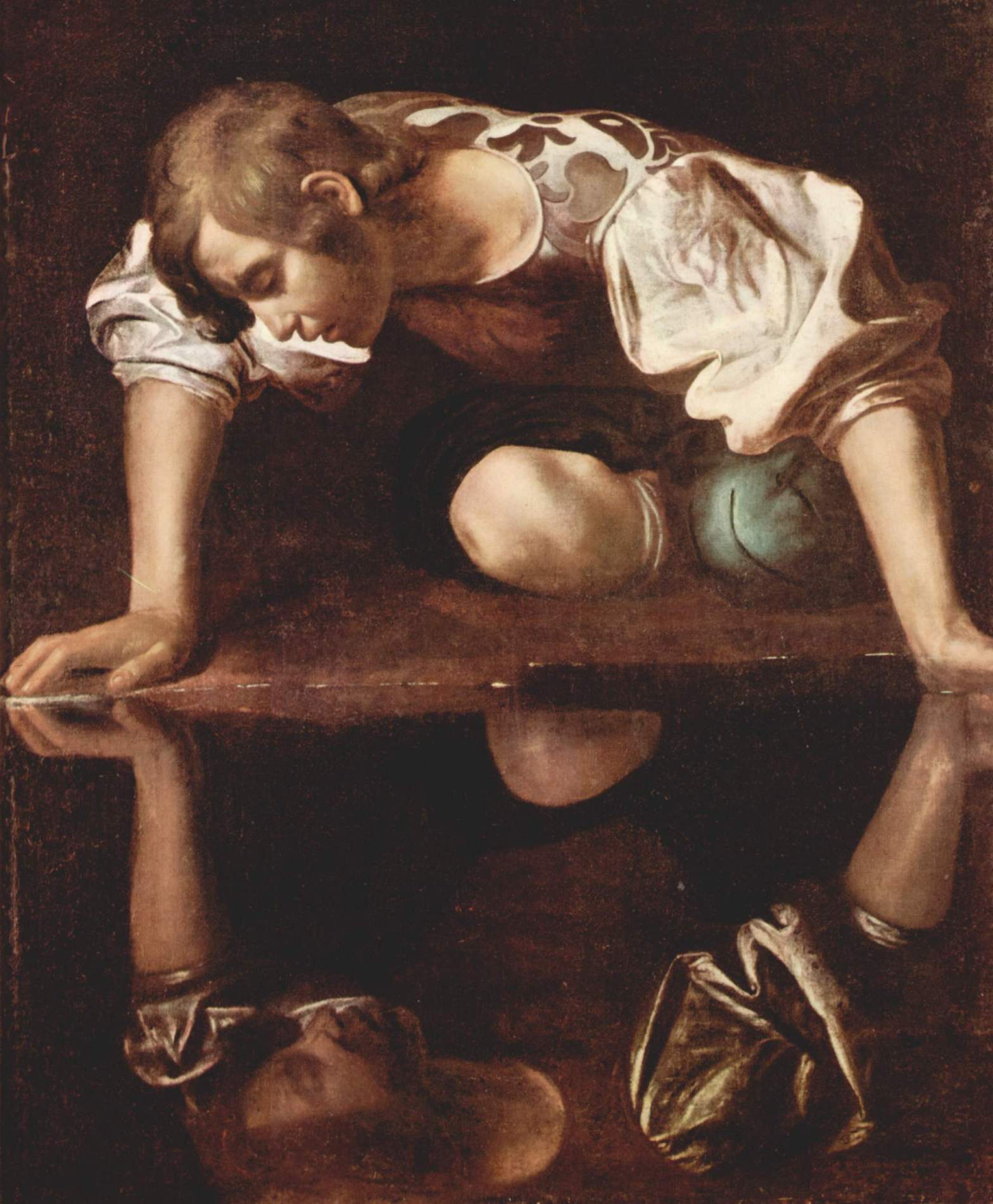
How to Identify a Narcissistic Personality

The common definition of narcissism is the pursuit of gratification from vanity or egotistic admiration of one’s idealised self-image and attributes.

Narcissists are people who believe be unique, superior to others and masters of a wonderful existence that no one can imagine. As a result, they may be bully and arrogant. They need constant admiration and always want to be the best. Therefore, they may become extremely competitive. In their view, they are the only ones capable of achieving results in life.

They also think their experience is more valuable than that of others and feel they need to set an example for those around them. They do not do it to give advice but to be at the centre of the attention. Because of that, their social relationships deteriorate fast and they need new people to admire them, even if, over time, they will be left alone.

The world of narcissists is small, it is limited to what they think and do. In their their mind there are echoes of their thoughts. They do not listen to others because they don’t care about anything. Their greed for admiration leads them to believe that there are no ordinary events happening in their life, their existence is just wonderful and successful.

Photo by NASA on Unsplash

Envy prevails in their personal and social relationships, both what they feel about others’ success and what they think other people feel about their fantastic life.

Caution is the norm if a narcissist approaches you, because they want to excel and they will not hesitate to crush you. They are the worst acquaintances you can have because their lack of empathy makes them unable to help and support.

They live in a parallel reality, in a dream world where they want to exert power over others. Whatever they do is addressed to achieve success at any costs.

They have a vivid imagination that leads them to lie often, and they may tell amazing things they have done, even though they are difficult to prove. Remember that they cannot fail, failure does not belong to their world.

Narcissists need to hide their flaws and turn their insecurity into a false security. In order not to show their vulnerability, they will do anything necessary, such as talking excessively, changing the subject in order to shift attention to them, and belittle others by pointing out their flaws.

Narcissists are control freaks and try to bring every situation to their own ground, where they feel safe. If they are managers, they will micromanage.

They must constantly feel euphoria not to show their discomfort, because the narcissistic person do not want to feel frustrated. A common way to avoid frustration is addiction, whether it is shopping, alcohol, drugs, sports, sex, or gambling.

Another characteristic of narcissists is that they tend to take advantage of others. For example, they will partner with well-positioned people to earn their trust and use them to help them grow. They will also take credits of others’ success to advance their career or social ladder.

Narcissists master the subtle art of manipulation. They are always on an alert mode, ready to redirect those who try to say or do something they do not like, or that does not allow them to show their greatness and power in front of others.

If after reading this article you think you are a narcissist, don’t worry as a true narcissist will never identify with these traits. For a narcissistic person, aspirations are never excessive. If they are the centre of attention it is because they think they deserve it. It is ridiculous for these people to try to identify themselves in any profile. The narcissist is unique, in no way you can compete with him or her.

Have you ever dealt with a narcissist?

Photo by Marina Lakotka on Unsplash

Come individuare una personalitá narcisista

Quali sono le caratteristiche principali di una persona narcisista? Nel linguaggio corrente, si identifica il narcismo con la persona che fa di sé stesso/a, delle proprie qualità fisiche e intellettuali, il centro esclusivo e preminente del proprio interesse e l’oggetto di una compiaciuta ammirazione, mentre resta più o meno indifferente agli altri, di cui ignora o disprezza il valore e le opere.

I narcisisti sono persone che si credono uniche, superiori agli altri e padroni di un’esistenza meravigliosa che nessuno può immaginare. Di conseguenza possono essere arroganti e prepotenti. Hanno bisogno di costante ammirazione e vogliono essere sempre i migliori diventando così estremamente competitivi. Secondo il loro modo di vedere, sono gli unici a conseguire successi nella vita.

Pensano anche che le loro esperienze siano più preziose di quelle degli altri e sentono di dover dare l’esempio a coloro che li circondano. Non lo fanno per dare consigli ma per essere al centro dell’attenzione. Questo fa sì che le loro relazioni sociali si deteriorino e hanno bisogno di nuovi contatti per sentirsi nuovamente ammirati, anche se, nel tempo, le persone tendono ad allontanarsi da loro.

Photo by NASA on Unsplash

Il mondo dei narcisisti è limitato a ciò che pensano e fanno, nella loro mente si trova solo l’eco di quello che pensano. Non ascoltano gli altri perché non si preoccupano di nulla. La loro necessitá di ammirazione li porta a credere che tutto nella loro vita sia eccezionale e meraviglioso, che non ci siano eventi normali e che la loro esistenza sia costellata di fama e successi.

Tuttavia, l’invidia prevale nelle loro relazioni personali e sociali, sia per i successi degli altri sia per quella che credono gli altri abbiano verso i loro successi. La cautela è la norma se un narcisista si avvicina a te, perché vuole eccellere ed essere il/la primo/a della classe e quindi non esiterá a schiacciarti.

Sono le peggiori conoscenze che si possano avere perché la loro mancanza di empatia li rende incapaci di aiutare gli altri. Vivono in una realtà parallela, in un mondo di fantasia in cui vogliono esercitare potere sugli altri. Hanno un’unica meta: raggiungere il successo a tutti i costi. 

Sono dotati di una fervida immaginazione che li porta a mentire spesso per raccontare cose strabilianti che hanno fatto ma non si possono verificare. Ricorda che il fallimento non appartiene al loro orizzonte di vita.

I narcisisti sentono il bisogno di nascondere i loro difetti e trasformano la loro insicurezza in una falsa sicurezza il cui obiettivo è non essere danneggiati. Per non mostrare la loro vulnerabilità parlano in modo eccessivo, cambiano discorso per poter spostare l’attenzione su di loro e tendono a sminuire gli altri per sottolinearne i difetti. Sono anche maniaci del controllo e cercano con tutti i mezzi di portare ogni situazione sul loro terreno, dove si sentono sicuri. Se sono manager, adoterranno sicuramente lo stile micromanagement.

Devono provare costantemente euforia per attutire il disagio, perché la persona narcisista non può permettere che nella sua vita ci sia dolore. Un modo comune per evitare il dolore o la frustrazione è la dipendenza, che si tratti di acquisti compulsivi, alcol, droghe, sport, sesso o gioco d’azzardo.

Un’altra caratteristica dei narcisisti è che tendono a trarre vantaggio dagli altri. Ad esempio, si affiancheranno a persone ben posizionate per guadagnare la loro fiducia. Usano le persone che li aiutano a crescere e si appropriano dei successi degli altri per avanzare in carriera o nella scala sociale.

I narcisisti padroneggiano la sottile arte della manipolazione. Sono sempre all’erta, pronti a reindirizzare chi cerca di dire o fare qualcosa che non gli piace, o che non gli permette di manifestare la propria grandezza e potere davanti agli altri.

Se dopo aver letto questo articolo pensi di essere narcisista, non preoccuparti perché un vero narcisista non si identificherebbe mai con questi tratti. Per la persona narcisista, le aspirazioni non sono mai eccessive. Se sono al centro dell’attenzione è perché, secondo il loro punto di vista, se lo meritano. Per queste persone è ridicolo cercare di identificarsi in un qualsiasi profilo. Il narcisista è unico, non c’è nessun’altro che possa competere con lui o lei.

Hai mai avuto a che fare con un narcisista?

Photo by Marina Lakotka on Unsplash

How and Why You Need to Learn to Take Better Care of Yourself

The education we have received has taught us that we must treat well the others. But why the others and not ourselves?

Are you your own worst critic? Do you sometimes insult yourself for something you did wrong or wanted to do better? Do you eat poorly, sleep little, abuse of harmful substances (alcohol, tobacco)? Or are you simply worried about pleasing others? Know that you are not alone. This is a common problem and normal to a certain extent. Because of this, it would be useful to pay attention to some daily details to learn how to look better after yourself.

As I was saying before, we have not been taught to take good care of ourselves. We put often aside our well-being. How many times have your parents told you to look well after the others or do things for the others? How many times, on the other hands, have you been told that you must also take care of yourself?  

The way you look after yourselves is a kind of extension of what you have learned from your parents, teachers or caregivers.

For a very young person this may seem exaggerated, as some basic principles of self-esteem are taught in schools today. Some parents also try to instil some self-care virtues in their children.

However, for an adult or elderly person, taking care of themselves well and being truly respectful of themselves is not always something they have consciously internalized. In the past, it was not so easy to find someone who could help you cultivate a certain self-love without it being considered selfish.

In fact, this is precisely the basis: self-love, not to be confused with narcissism or egocentrism. To better understand this concept, we can first imagine what we do when we really love someone: we seek their happiness, we help them, we try to make them feel good, and we accept them as they are, with all their imperfections and qualities. Actually, looking well after yourself means really accepting yourself for who you are.

Becoming kind towards yourself, means understand yourself, especially when you face failures and mistakes.

Photo by Klimkin on Pixabay

That attitude can be a great ally. You can challenge yourselves in a healthy way, taking into account your possibilities, your desires, and not the desires that others have for you.

The use of language is very important to achieve the goal of taking good care of yourself. It is common, and to some extent normal, that on some occasions you speak “badly” to yourself, you do it unconsciously. You cannot talk to yourself always in a loving way, as you could enter into toxic positivity (when a positive attitude is used to mask negative emotions, namely pretending that all is well when it is not).

However, you must not use words that hurt yourself. Nobody insults those who truly love, right? Talking to yourself and thinking badly about some personal aspects (physical or mental), and constantly reiterating it, can in the end make you really believe it.

Taking care of yourself is essential. This implies developing a healthier and more suitable lifestyle. Sleeping and resting enough hours, for example, as well as eating well based on our weight, age and lifestyle, not abusing alcohol or tobacco, are all ways to take care of yourself. Taking time to relax, reconnect with what you really like to do, keep your hobbies, follow your passions and interact with people who bring you something positive in your life means being respectful of yourself.

What about you? Do you take good care of yourself?

Photo by Freestocks on Unsplash

Come e perché devi imparare a trattarti meglio

L’educazione che abbiamo ricevuto ci ha insegnato che dobbiamo trattare bene gli altri. Ma perché solo gli altri e non noi stessi?

Ti capita per esempio di essere il peggior critico di te stesso/a? A volte, ti insulti per qualcosa che hai fatto male o volevi fare meglio? Mangi male, dormi poco, abusi di sostanze dannose (alcol, tabacco)? Oppure sei semplicemente preoccupato/a di compiacere gli altri? Sappi che non sei solo/a. Si tratta di un problema abbastanza diffuso e normale fino ad un certo punto. Per questo sarebbe utile fare attenzione ad alcuni dettagli quotidiani per imparare a trattarti meglio.

Come dicevo prima, non ci è stato insegnato che dobbiamo trattarci bene. Abbiamo messo da parte l’attenzione verso il nostro benessere. Quante volte i tuoi genitori ti hanno detto di trattare bene gli altri o di fare delle cose per gli altri? Quante volte invece ti hanno detto che devi occuparti anche di te stesso/a

La maniera con cui tratti te stesso/a è una sorta di estensione di ciò che ti è stato insegnato dai tuoi genitori e da altre figure di riferimento nella tua vita, come gli insegnanti.

Per una persona molto giovane questo può sembrare esagerato, poiché oggi nelle scuole vengono insegnati alcuni principi fondamentali dell’autostima. Ci sono poi genitori che cercano di instillare l’attenzione verso il proprio benessere ai loro figli.

Tuttavia, per una persona adulta o anziana, trattarsi bene ed essere veramente rispettosi di sé stessi non è sempre qualcosa di evidente. In passato non era così facile trovare qualcuno che potesse aiutarti a coltivare un certo amor proprio senza passare per egoista.

Infatti è proprio questa la base: l’amor proprio, da non confondere con il narcisismo o l’egocentrismo. Per comprendere meglio questo concetto, possiamo prima immaginare cosa facciamo quando amiamo davvero qualcuno: cerchiamo la sua felicità, lo aiutiamo, cerchiamo di farlo sentire bene e lo accettiamo così com’è, con tutte le sue imperfezioni e qualità. Trattare bene te stesso/a significa infatti accettarti per quello che sei.

Diventare gentile verso te stesso/a significa innanzitutto essere comprensivi con te stesso/a, specialmente di fronte ai tuoi fallimenti ed errori.

Photo by Klimkin on Pixabay

Questo atteggiamento può essere un grande alleato. Puoi sfidarti in modo sano, tenendo conto delle tue possibilità e dei tuoi desideri e non dei desideri che gli altri hanno per te.

Il linguaggio che usi è molto importante per trattarti bene. È comune, e in una certa misura normale, che in alcune occasioni parli “male” a te stesso/a, lo fai inconsciamente. Non puoi parlare sempre in modo amorevole a te stesso/a, poiché potresti entrare in una positività tossica, cioè quando un atteggiamento positivo viene utilizzato per mascherare le emozioni negative, in pratica far finta che tutto vada bene anche quando non è vero.

Tuttavia, non devi usare parole offensive verso te stesso/a. Nessuno insulta chi ama veramente e tratta bene, giusto? Se parli o pensi male spesso di alcuni tuoi aspetti personali (fisici o mentali), finirai per crederci davvero.

Prenderti cura di te stesso/a è essenziale. Ciò implica lo sviluppo di uno stile di vita più sano. Dormire e riposare abbastanza ore, ad esempio, così come mangiare bene in base al nostro peso, età e stile di vita, non abusare di alcol o tabacco, sono tutti modi per prenderti cura di te stesso/a. Prenderti del tempo per rilassarti, riconnetterti con ciò che ti piace davvero fare, mantenere i tuoi hobby, seguire le tue passioni e interagire con le persone che ti portano qualcosa di positivo nella tua vita significa che ti stai rispettando.

Tu come tratti te stesso/a?

Photo by Freestocks on Unsplash

How and Why to Prevent a Recurring Thought from Turning into an Obsession.

You have thought – and rethought – if you locked the door when you went out? Are you on the street and you wonder if you turned off the light; or the gas? This is not as serious as it looks like. Moreover, you are not the only person it happens to. The thoughts that come to your mind are normal; they are not obsessions … yet.

Thoughts don’t turn into obsession overnight. At first, they are imperceptible, then they grow, but they don’t seem so serious to you; when you start having problems at work, in the family, with friends, you may have developed an obsession. Recognizing the degree of frequency and intensity is crucial to avoid that one of your recurring thoughts starts to be harmful.

If you don’t get major problems in your daily life, you can let your recurring thoughts flow and unlock them with relaxation techniques, and by becoming aware of their cause.

Imagine a grandmother lighting a candle in the Church so that her grandson succeeds the exam. Or the songs you hum in your brain and can’t get rid of them. Or the cultures that pray to get some rain. They are examples of small obsessions that do not harm anyone or give problems in everyday life. Therefore, in similar cases, you do not need to take actions.

However, there are other kinds of thoughts that trap the mind in a vicious circuit and catch your attention very often. They are called OCD (Obsessive Compulsive Disorder).

There are some tricks you can use to keep them under control.

Let’s see some of them.

Photo by Claudio Schwarz on Unsplash

If, for example, you wash your hands too often, try to actually count how many times you’ve washed them. Then, think about the absurdity of doing it so often because washing your hands well once should be enough, and doing it twice should reassure you that they are really clean.

If your fear is to get infected on the public transport, because you touch knobs, bars, doors, use gloves every time you take them or take a hydro-alcoholic gel with you to be used as soon as you get off (very useful also during Covid times).

The important thing is to be able to rationalize your recurring thoughts and find solutions to control them. If you really cannot manage to do it, however, you should consult a professional (doctor, psychologist, coach) who can help you keep your thoughts from becoming obsessions.

Also be aware that genetics can be a cause of your recurring thoughts. If you are very emotional and have difficulty controlling your impulses, you are somewhat predisposed. Exposure to obsessive models in the family, which transmit the values ​​of order, norms, not making mistakes, can also be a cause. Highly demanding, perfectionist, rigid, excessively ordered, inflexible and reluctant to delegate tasks personalities are also more prone to developing OCD.

Recurring thoughts are normal until they become fixations. In addition, remember that most of the things that worry us never happen. Try to notice it and let me know.

Photo by Brett Jordan on Unsplash

Come e perché evitare che una preoccupazione si trasformi in ossessione.

Hai pensato – e ripensato – se hai chiuso il gas uscendo di casa? Oppure non ti ricordi se hai chiuso a chiave la porta? Non ti ricordi e perciò torni indietro? Non ti preoccupare, è meno grave di quello che sembra. Soprattutto, non sei l’unica persona a cui succede. Le preoccupazioni che ti assalgono sono normali, non è un’ossessione … Per il momento.

Le preoccupazioni non si trasformano in ossessione da un giorno all’altro. All’inizio sono impercettibili, poi crescono, ma non ti sembrano così gravi; poi riconosci di avere un’ossessione e cerchi di risolverla da solo finché non inizi ad avere problemi al lavoro, in famiglia, con gli amici. Quindi, riconoscere il grado di intensità è la chiave per evitare che un pensiero si trasformi in ossessione e possa diventare dannoso per te e la tua qualità di vita.

Se riesci a capire che hai un’ossessione (o piú ossessioni) che non pone grandi problemi nella vita quotidiana, puoi cercare di risolvere questo problema con tecniche di rilassamento.

Immagina una nonna che accende una candela in Chiesa affinché suo nipote faccia bene l’esame. O le canzoni che canticchi nel tuo cervello di cui non riesci a liberartene. O le culture che pregano perché piova. Queste piccole ossessioni non danneggiano nessuno e non rappresentano un problema nella vita di tutti i giorni. Perciò, non hai bisogno di fare niente.

Tuttavia, ci sono altri tipi di pensieri che intrappolano la mente in un circuito vizioso e che catturano spesso la tua attenzione. Si chiamano DOC (Disturbo Ossessivo Compulsivo).

Ci sono alcuni trucchi che puoi usare per tenerli sotto controllo.

Vediamone un paio.

Photo by Claudio Schwarz on Unsplash

Se, per esempio, ti lavi le mani troppo spesso, prova a contare effettivamente quante volte te le sei lavate. Pensa quindi all’assurdità di farlo così spesso perché lavarsi bene le mani una volta dovrebbe essere sufficiente, e farlo due volte dovrebbe darti tutte le garanzie di pulizia.

Se la tua paura è quella di infettarti sull’autobus, perché tocchi manopole, sbarre, porte, usa dei guanti ogni volta che ci vai o prendi con te un gel idroalcolico da usare appena scendi (molto utile anche per il Covid).

L’importante è riuscire a razionalizzare i tuoi pensieri ricorrenti e trovare delle soluzioni per controllare. Se proprio non ci riesci, dovresti però consultare un professionista (medico, psicologo, coach) che possa aiutarti a non trasformare le tue preoccupazioni in ossessioni.

Sappi anche che la genetica puó essere una causa della tua ossessione. Se sei molto emotivo/a e hai difficoltà a controllare i tuoi impulsi, sei in un certo senso predisposto/a. Anche l’esposizione a modelli ossessivi in ​​famiglia, che trasmettono i valori dell’ordine, delle norme, del non sbagliare, possono essere una causa. Personalità altamente esigenti, perfezioniste, rigide, eccessivamente ordinate, inflessibili e riluttanti a delegare compiti sono anch’esse più inclini a sviluppare un DOC.

I pensieri ricorrenti sono normali fino a quando non diventano delle fissazioni. Ricorda comunque che quasi tutte le cose che ti preoccupano non accadono mai. Prova a farci caso e fammi sapere.

Photo by Brett Jordan on Unsplash

Why Your Well-being Must Be a Top Priority

The society we live in often leads us to reverse priorities and put work first. This can negatively affects our quality of life and physical, mental and emotional health.

According to researches carried out in France, physical suffering related to work affects 3.1% of women and 1.4% of men, but according to some experts, the figures are higher. The international classification of diseases identifies burn-out as a work-related phenomenon but in reality work is not the only cause.

With the cost of living constantly rising, we are likely to work longer hours to earn a salary that allows us to provide for our own needs and those of our family. Because of this, many elements of our private life are put aside.

We spend many hours working, reducing the time to eat, to rest, to be with the family, and we do not realize how much this can harm us.

While most of us cannot afford to leave their job, a balance must be found between work and private life to prevent stress from building up in a worrying way.

Photo by Christin Hume on Unsplash

In this period of forced tele-working, it is even more difficult to put boundaries between work and private life. For this reason, many governments have been drafting directives that establish the right to “disconnect”. We need to have the time to do sports, to walk, to take care of our dear ones, to follow our passions or simply to rest.

More and more people suffer from stress, feel exhausted, have problems with nutrition, addictions, or relationship difficulties, and all that because of the long working days, which do not leave us the time to do activities for our well-being.

If you feel you are in one of those situations, know that no salary is worth your health, no job is worth the wear and tear that comes from working days that annihilate your energy and happiness.

If you have no other alternatives to the work you are currently doing, find something positive to balance your life, because otherwise, there may come a time when you will start making mistakes at work and your overall performance will suffer. Start looking for another job but put your health in the first place, because if you get ill it may take a long time to recover.

Your job is an important part of your life, but it is not your life. There is much more: family, health, and friends. Do not allow work to take up all the space in your mind and body, taking the joy away from you.

Remember always taking care of yourself first, because this is the only way you can live a better life.

How do you take care of yourself?

Photo by KT on Unsplash