Ecco una storia che ti fará riflettere sull’importanza di lasciar andare.
Tre monaci stavano portando dei vasi d’olio al loro monastero. Da alcuni giorni praticavano il silenzio interiore su consiglio del monaco anziano.
Mentre camminavano, giunse un forestiero che si era perso nella foresta e chiese indicazioni per il villaggio più vicino. I tre monaci si guardarono. Il monaco più giovane, decise di interrompere il voto e indicò all’uomo la strada più breve per arrivare al villaggio. Il forestiero ringraziò e parti.
I tre monaci ripresero a camminare e, dopo aver percorso un breve tratto di strada, uno dei due monaci interruppe il silenzio sgridando il giovane per aver parlato. L’altro monaco, nel frattempo, continuò a borbottare.
Arrivati al monastero, sbottò chiedendo ai due come mai avessero interrotto il voto del silenzio.
L’anziano monaco della comunità aveva osservato e sentito quello che stava succedendo.
Si avvicinò allora ai tre monaci, dicendo: “Venerabili fratelli, è vero che il monaco più giovane ha parlato e risposto a quel forestiero, ma il suo è stato un atto di gentilezza e il fatto si è concluso lí. Voi invece, non avevate alcun motivo per parlare. Inoltre, avete portato rancore per tutto il viaggio, mentre avreste dovuto lasciar perdere.
Studies show that a diet low in fibre and high in sugars and saturated fat makes sleep lighter, and less restful.
Incorporating vegetables into your weekly menu will be a game-changer.
Here are some tips on how to get more energy during the day and sleep better at night.
While we all know that having an espresso after dinner will not help us fall asleep and that it is better to drink water rather than wine before going to bed, studies show that our diet plays a role. Diets high in fibre and low in saturated fat can promote deeper, more restful sleep. The main reason why it is better to go for a vegetable-based diet is the presence of serotonin, tryptophan and melatonin in many vegan foods, essential elements for good sleep.
Photo by Cristiana Branchini
To boost your production of melatonin, known as the sleep hormone, eat fruits and vegetables like kiwis, spinach, tomatoes, lettuce, avocados, bananas, sour cherries, and red grapes. This hormone helps your body regulate its circadian rhythm and promotes healthy sleep. Researchers believe that fatty fish can help you fall asleep by providing a healthy dose of vitamin D and omega 3 fatty acids, which play a key role in the body’s regulation of serotonin. Serotonin is an essential hormone that works to stabilize mood, provide a feeling of well-being, promote happiness and improve sleep.
This hormone influences your whole body. It allows brain cells and the nervous system to communicate with each other.
In addition, consuming nuts, rice, and oily fish will help you rest. So eat almonds, walnuts, pistachios and cashews. These good treats contain melatonin, as well as essential minerals like magnesium and zinc that support the body in many essential functions, including sleep.
Eat protein to get energy during the day and complex carbohydrates at dinner to have a good sleep.
Did you strain a little last night and feel lazy now? Instead of going for a sugary snack, choose a snack that is high in protein. Experts say that, contrary to popular belief, they are more energizing than sugar. Protein will give you energy by making you alert and active.
Eating complex carbohydrates at night will keep you fuller for longer. In addition, they have the advantage of stimulating the sleep hormone. Thus, a dinner consisting of food such as pasta, beans, quinoa, rice or potatoes will help for a good night’s sleep.
Last tips. At the supermarket, head straight for soybeans. One cup of soybeans contains 28 grams of protein, roughly the same amount as 150 grams of chicken. Also, stock up on lentils, cheese, sunflower seeds and Greek yogurt.
Mangiare bene per dormire meglio, sembra un sogno. E se ti dicessi che potresti farcela? Studi dimostrano che una dieta povera di fibre e ricca di zuccheri e grassi saturi rende il sonno più leggero, irrequieto e meno riposante. Ma perché non provi ad integrare piú verdure nel tuo menu settimanale?
Ecco alcuni suggerimenti su come ottenere più energia durante il giorno e dormire meglio la notte.
Tutti sappiamo (almeno credo) che bere un espresso dopo cena non ci aiuta ad addormentarci e che è meglio bere acqua piuttosto che vino prima di andare a letto.
Alcuni studi hanno dimostrato che la dieta gioca un ruolo più importante sul sonno di quanto sembri. Le diete ricche di fibre e povere di grassi saturi possono favorire un sonno più profondo e riposante. Il motivo principale per cui è meglio seguire una dieta a base di verdure è la presenza di serotonina, triptofano e melatonina, fondamentali per un sonno ristoratore.
Per aumentare la produzione di melatonina, nota come ormone del sonno, mangia frutta e verdura come kiwi, spinaci, pomodori, lattuga, avocado, banane, amarene e uva rossa. Questo ormone aiuta il tuo corpo a regolare il suo ritmo circadiano e favorisce un sonno sano. Inoltre, non esitare a consumare noci, riso e pesce azzurro per aiutarti a riposare. I ricercatori ritengono che il pesce grasso possa aiutarti ad addormentarti fornendo una buona dose di vitamina D e acidi grassi omega 3, che svolgono un ruolo chiave nella regolazione della serotonina nel corpo. La serotonina è un ormone essenziale che lavora per stabilizzare l’umore, fornisce una sensazione di benessere, promuove la felicità e migliora il sonno.
Photo by Cristiana Branchini
Mangia proteine durante il giorno per avere più energia e carboidrati complessia cena per dormire bene.
Hai avuto una notte difficile e ora ti senti stanco/a? Invece di optare per uno spuntino zuccherato, scegline uno ricco di proteine: gli esperti dicono che, contrariamente alla credenza popolare, sono più energizzanti dello zucchero.
Mangiare carboidrati complessi a cena non solo ti manterrà sazio/a più a lungo, ma stimolerà anche l’ormone del sonno, la melatonina. Perció, una cena composta da cibi come pasta, fagioli, quinoa, riso o patate ti aiuterà ad avere un sonno ristoratore.
Ultimi consigli. Al supermercato, compra i semi di soia. Una tazza di semi di soia contiene 28 grammi di proteine, più o meno la stessa quantità di 150 grammi di pollo. Fai anche scorta di lenticchie, formaggio, semi di girasole e yoghurt greco.
As trees are losing their leaves in the fall, we are losing our hair.
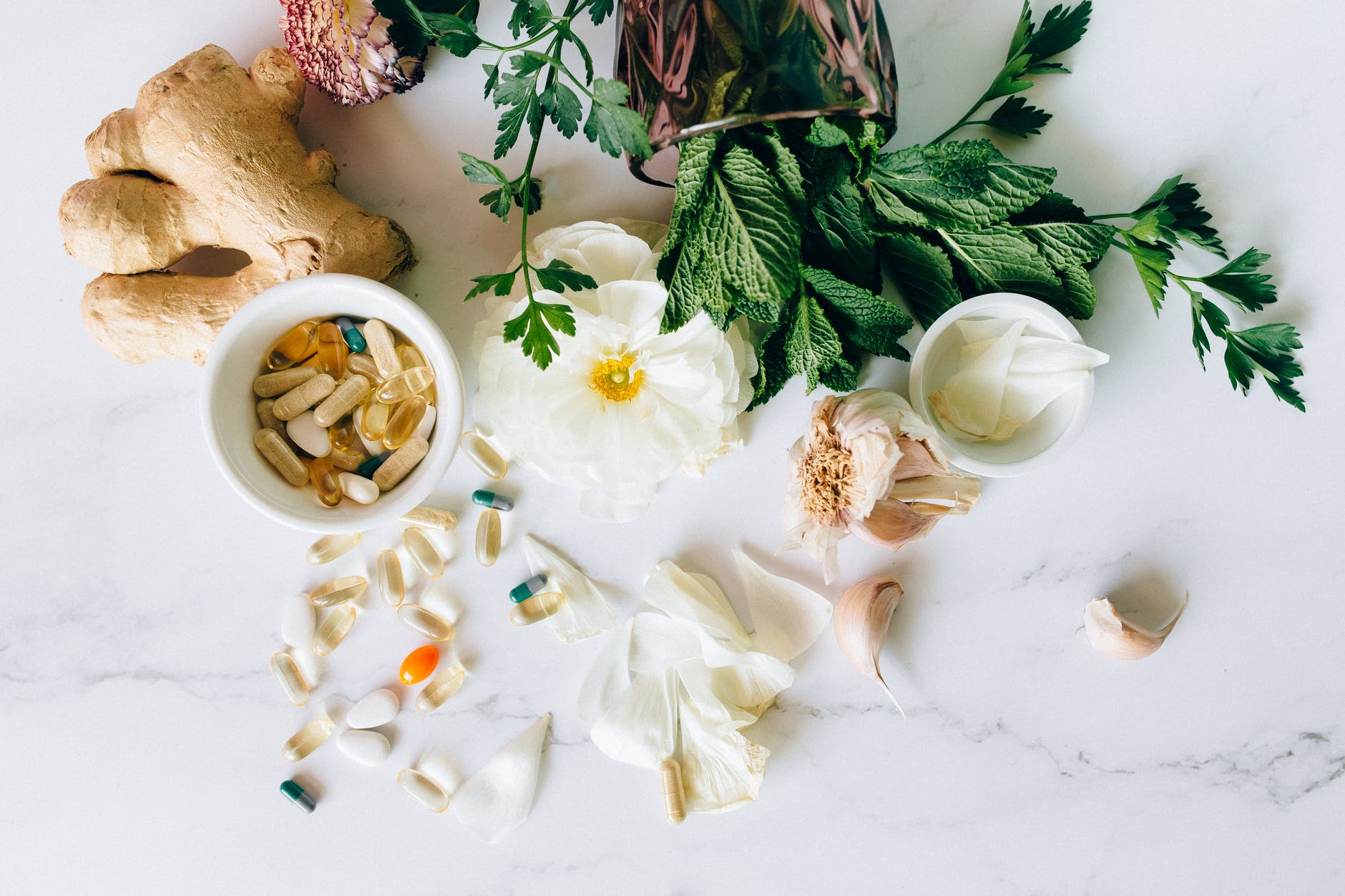
A plant that slows down hair loss is nettle. Re-mineralizing thanks to the silicon it contains, rich in iron, vitamin B and other minerals, nettle helps in the prevention of anaemia, slightly drains the kidneys and strengthens hair, nails and skin.
Using it in powder or capsules for the duration of autumn, you will find yourself with more voluminous hair, stronger nails and new radiance of your skin.
During the autumn, the days get shorter and you may lack some motivation.
You can try rhodiola. It will help you adapt to the different types of stress you experience. It is a plant with antidepressant properties and increases the production of dopamine in the brain, thus helping you to regain some motivation and enthusiasm to start projects. It can also prevent burnout, professional but also personal. In the autumn period, when you need more energy, the rhodiola will help you not to yield to the progressive lack of light.
Orange leaves are a panacea for the soul because it gives you comfort and calms down anxiety, stress and nervousness. They say that it can reconnect you to your inner child. It is a first-rate nervous rebalancing, also with antispasmodic properties if the spasms are of nervous origin (cough, stomachache).
Pay attention that if you have any particular health conditions or if you are pregnant, you shall consult your doctor. Plants have powerful properties and you have to be careful.
Come gli alberi perdono le foglie, in autunno noi perdiamo i capelli.
Una pianta che rallenta la caduta dei capelli è l’ortica. Remineralizzante grazie al silicio che contiene, ricca di ferro, vitamina B e altri minerali e oligominerali, l’ortica aiuta nella prevenzione dell’anemia, drena leggermente le reni e rafforza i capelli, le unghie e la pelle.
Utilizzandola in polvere o in capsule per tutta la durata dell’autunno, ti ritroverai con capelli più voluminosi, delle unghie più forti e una pelle che mantiene la sua luminosità.
Durante l’autunno, le giornate si accorciano e potrebbe mancarti un po’ di motivazione. Prova a usare la rodiola. Ti aiuterà ad adattarti ai diversi tipi di stress che subisci. È una pianta con proprietà antidepressive e aumenta la produzione di dopamina nel cervello, aiutandoti cosi a ritrovare una certa motivazione e dell’entusiasmo per cominciare nuovi progetti anche in autunno. Può prevenire il burn-out, professionale ma anche personale. Nel periodo autunnale, quando hai bisogno di più carica, la rodiola ti aiuterà a non soccombere alla progressiva mancanza di luce.
Le foglie d’arancio sono un toccasana per l’anima perché la conforta, calma l’ansia, lo stress e il nervosismo. Si dice che possano riconnetterti al tuo bambino interiore. Sono un riequilibrante nervoso di prim’ordine, dotato anche di proprietà antispasmodiche, se gli spasmi sono di origine nervosa (tosse, mal di pancia).
Mi raccomando se hai delle condizioni di salute particolari o se sei incinta, consulta il tuo medico. Le piante hanno potenti proprietà e bisogna stare attenti.
How can you resist the temptation to drink a good glass of wine, eat a piece of cake or skip the gym and go to the cinema instead?
“The only way to get rid of temptation is to yield to it” said Oscar Wilde.
Diet, sport, sleeping enough are fine, but sometimes indulging in the breach of the rule helps your psycho-physical well-being and eases the performance anxiety that often accompanies a healthy lifestyle.
However, in addition to giving in to temptations, we can learn to control them.
A child is left alone in a room in front of a Marshmallow: they can choose whether to eat it immediately or wait 15 minutes and get two as a reward. Some children will know how to wait; others, unable to resist, will throw themselves on that inviting sugar candy.
The professor compared throughout the years the self-control skills shown by children with the successes achieved in their adult age and found out that those who did not eat the marshmallow achieved more goals in life.
Is self-control therefore the secret of success? Is it postponing rewards really more likely to bring success in life?
The Mischel experiment actually explains how self-control is fundamental in studying, in sport, at work and in many other circumstances of your life.
Self-control means knowing how to make decisions in the right time and in the right place to improve your skills to not yield to the temptation of a marshmallow.
People who are best at mastering their decision-making are generally people who are better off. They eat well, play sports, get enough sleep. These people structure their lives around good habits and build routines that are easy to follow.
Eating a piece of pie is not a moral failure, even if you have decided to go on a diet. Giving up on the piece of cake may cause you more stress and therefore cause you more harm than eating it. The trick is rather to avoid buying a cake or passing in front of a cake! But don’t feel guilty if you eat a slice. Don’t forget that an excess of willpower can also be more harmful because, as mentioned before, it can cause additional stress.
Self-control depends on your choices and it is your responsibility. Stress has become a personal burden, which you are called to manage alone with the help of techniques, like meditation, coaching, yoga.
Remember that it is important to recognize your own limits because it makes you become aware of the fact that you cannot be perfect and control everything.
Come resistere alla tentazione di bere un buon bicchiere di vino, mangiare una fetta di torta o saltare la palestra e andare invece al cinema?
“L’unico modo per liberarsi di una tentazione è cedervi” diceva Oscar Wilde.
Vanno bene la dieta, lo sport, il sonno a sufficienza, ma a volte concedersi degli strappi alla regola (i famosi “sgarri”) aiuta il tuo benessere psico-fisico e allenta l’ansia da prestazione che spesso si accompagna allo stile di vita salutista.
Tuttavia, oltre a cedere alle tentazioni possiamo imparare a controllarle.
Un bambino viene lasciato da solo in una stanza davanti a un Marshmallow: può scegliere se mangiarlo subito oppure attendere 15 minuti e averne in premio ben due. Alcuni bambini sapranno aspettare; altri, incapaci di resistere, si lanceranno su quell’invitante dolcetto di zucchero.
II professore ha comparato nel tempo le capacità di autocontrollo dimostrate dai bambini con i successi ottenuti da adulti e ha dimostrato che chi ha saputo aspettare ha raggiunto più traguardi nella vita.
L’autocontrollo è dunque il segreto del successo? Chi sa tenere a bada gli istinti e rinviare le gratificazioni ha più probabilità di realizzarsi nella vita?
L’esperimento di Mischel in effetti spiega come l’autocontrollo sia fondamentale nello studio, nello sport, nel lavoro e in tante altre circostanze della vita quotidiana.
Sapersi controllare significa saper prendere le decisioni giuste al momento giusto e creare così le competenze adatte per non cedere alla tentazione del Marshmallow.
Le persone che sanno padroneggiare al meglio le tentazioni sono generalmente le persone che stanno meglio. Si nutrono bene, fanno sport, dormono a sufficienza. Queste persone strutturano la loro vita attorno a delle buone abitudini e costruiscono delle routine facili da realizzare.
La buona notizia è che nuove abitudini si possono acquisire.
Mangiare un pezzo di torta non è un fallimento morale, anche se hai deciso di metterti a dieta. Rinunciare al pezzo di torta potrebbe procurarti più stress e quindi causarti più danno che non mangiarla. Il trucco consiste ovviamente nell’evitare di comprare una torta ma anche quello di non passare davanti a una pasticceria! Ma non sentirti colpevole se ne mangi una fetta. Non dimenticare che anche un eccesso di forza di volontà può avere controindicazioni perché, come detto prima, può causare stress aggiuntivo.
L’autocontrollo dipende dalle tue scelte ed é una tua responsabilità. Lo stress è diventato un fardello personale, che sei chiamato a gestire da solo con l’aiuto di tecniche, come la meditazione, il coaching, lo yoga.
Ricorda che è importante riconoscere i tuoi limiti perché ti permette di diventare cosciente del fatto che non potrai mai essere perfetto/a e controllare tutto.
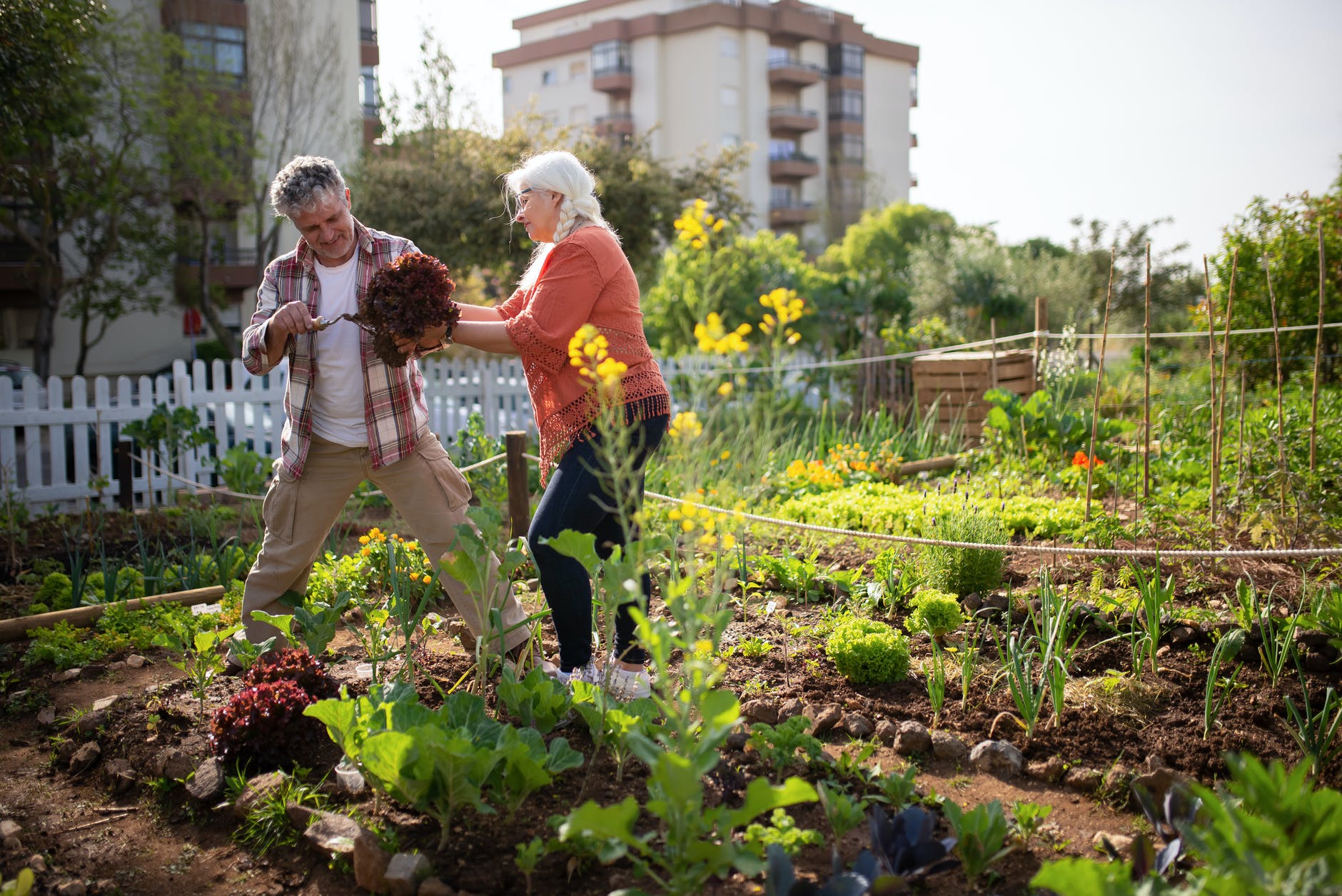
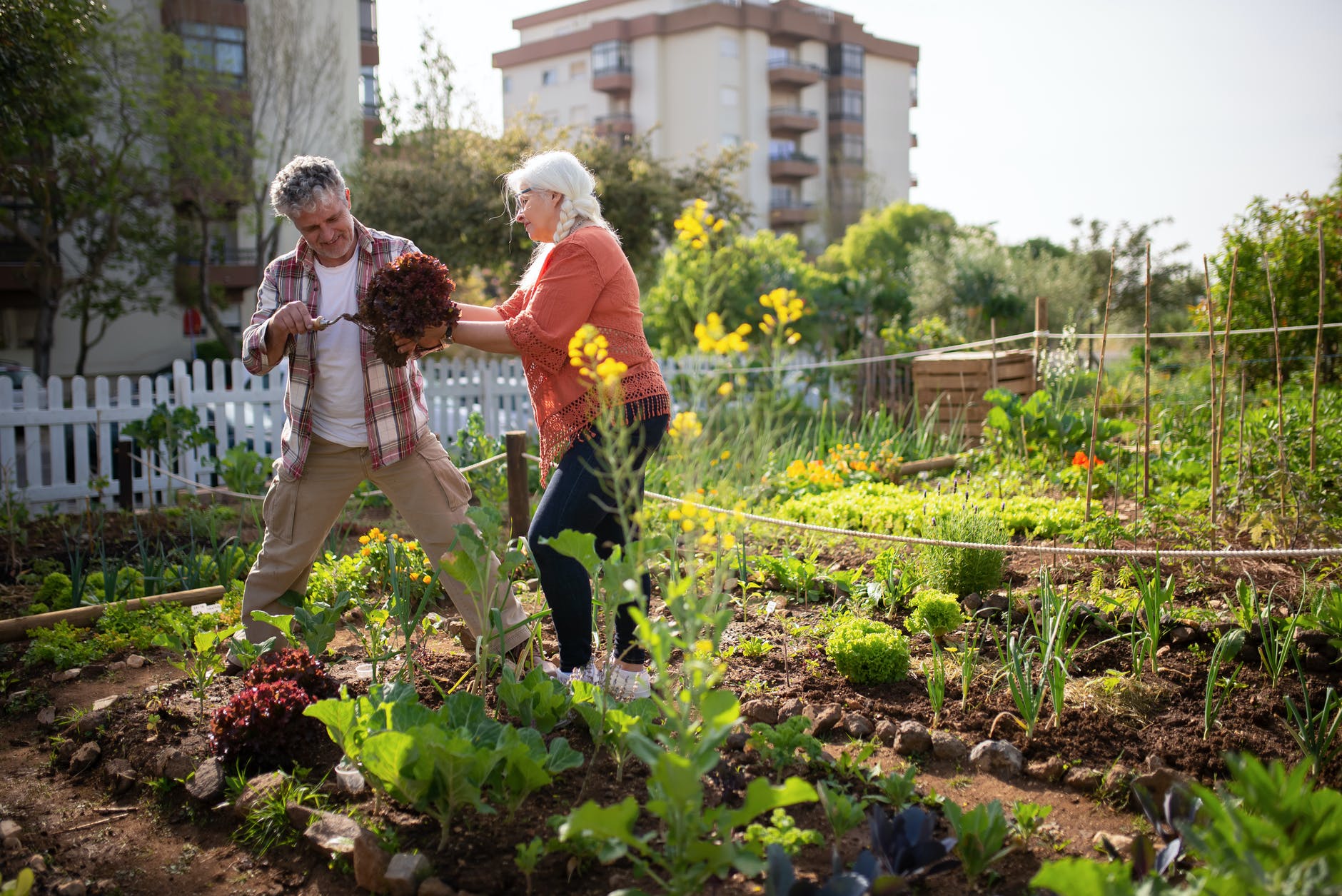
Plants improve the air we breathe and can be a place to grow vegetables. Therefore, green spaces have been increasing recently in urban spaces thanks to the creation of rooftop gardens.
For those who live in the city, the importance of having a green space close to home has become necessary during the lockdown due to Covid. From London to New York, parks and public gardens have always offered a precious refuge in the asphalt jungle of the streets, shops and offices that make up the typical urban landscape. But apart from these oases of peace, there is not much room left to become “greener”, which is why we are witnessing the development of rooftop gardens.
From improving physical and mental health to bringing communities closer passing by fighting pollution, the creation of green spaces at the top of the buildings can be truly seductive.
Here are some benefits you can get from growing a rooftop garden.
They help purify the air
All cities in the world face the same challenge: maintaining quality of life despite the high pollution rate and rising CO2 concentrations. For this reason, planting trees or shrubs on the roofs can be useful to exchange carbon dioxide for pure oxygen. In addition, roof gardens can also improve the insulation of the building, reducing heat loss in winter and maintaining a cooler temperature in summer. In this way, besides making a gift of oxygen to the environment, you will lower the consumption of electricity and heating, paying less expensive bills.
They offer shelter to wildlife
Loss of natural habitat is a threat to wild animals in general.
A roof garden can quickly become a refuge for bees, butterflies and birds, where they can rest and nest, thus keeping the pollination cycle active, which is essential for human nutrition.
They allow you to grow your own vegetables
Tomatoes, courgettes, peas and strawberries, all organic. The fact of sowing and growing your own vegetables is an incredibly rewarding activity that allows you not only to save money but also to eat healthier.
They inspire engaging actions for communities
Why not thinking about involving the primary school close to home by inviting children to discover your garden or vegetable garden? You will be surprised to see the enthusiasm of the little boys and girls. Gardening is a real contribution to integration into the local community. Where I live in Brussels there is an association called Parck Farm that has taken over a greenhouse and created a botanical garden. In addition, it offers small plots of land to cultivate. We share the land together with Belgians of several origins, Poles, Portuguese, … The association also offers the possibility of organising team building activities there. Participants can help members of associations to remove weeds, collect garden products, prepare the soil for winter. Educational activities for boys and girls are regularly scheduled to make them discover the wonders of flowers and plants. Workshops for the preparation of creams and syrups are other events organized by the association to promote integration among the inhabitants of the neighbourhood.
They improve physical and mental health
We all know that spending time in nature revitalises the body, spirit and soul. This practice is known as shinrin-yoku (forest bath) in Japan and has been validated by scientific research. In 2019, a study revealed that spending at least 120 minutes a week (the equivalent of about 17 minutes a day) in nature can have a significant impact on our health and general well-being. Other research has established a link between regularly visiting green spaces, improving sleep and decreasing negative thoughts.
Gli spazi verdi nelle città stanno aumentando grazie alla creazione di giardini sui tetti. I vantaggi immediati sono avere piante che migliorano l’aria che respiriamo e avere a disposizione uno spazio dove coltivare delle verdure,
Per coloro che abitano in città, l’importanza di avere uno spazio verde vicino a casa è stata evidenziata durante il lockdown dovuto al Covid. Da Londra a New York, i parchi e i giardini pubblici offrono da sempre un prezioso rifugio nella giungla d’asfalto delle strade, dei negozi e degli uffici che compongono il paesaggio urbano tipico. Ma a parte queste oasi di pace, non resta molto altro spazio per diventare più “verdi”, ragione per la quale assistiamo allo sviluppo delle coltivazioni in altezza.
Dal miglioramento della salute fisica e mentale ad una integrazione maggiore delle comunità, passando dalla lotta all’inquinamento, la creazione di spazi verdi in altezza può essere davvero vista come un beneficio.
Ecco alcune ragioni per le quali coltivare un giardino o un orto fa bene a te e all’ambiente:
Aria piú pura
Tutte le città al mondo devono affrontare la stessa sfida: mantenere una certa qualità di vita nonostante il tasso di inquinamento elevato e le concentrazioni di CO2 in aumento. Per questo piantare alberi o arbusti sui tetti può essere utile a scambiare anidride carbonica contro ossigeno puro. Inoltre, i giardini sui tetti possono anche migliorare l’isolamento dell’edificio, riducendo la perdita di calore d’inverno e mantenendo una temperatura più fresca d’estate. In questo modo, oltre fare un dono di ossigeno all’ambiente, abbasserai il consumo di elettricità e riscaldamento, pagando meno care le fatture.
Rifugio per la fauna selvatica
La perdita dell’habitat naturale è una minaccia per gli animali selvatici in generale.
Un giardino in altezza può in breve tempo diventare rifugio per le api, le farfalle e gli uccelli, dove potranno riposarsi e nidificare, mantenendo così attivo il ciclo dell’impollinazione, che è essenziale per l’alimentazione umana.
Coltivazione di verdure
Pomodori, zucchine, piselli e fragole, tutto biologico. Il fatto di seminare e di coltivare le tue verdure è un’attività incredibilmente gratificante che ti permette non solo di risparmiare ma anche di mangiare più sano.
Azioni per la comunità
Perché non pensare di coinvolgere la scuola primaria vicino a casa invitando i bambini a scoprire il tuo giardino o il tuo orto? Resterai sorpreso/a nel vedere l’entusiasmo dei bambini e delle bambine. Il giardinaggio è un reale contributo all’integrazione nella comunità locale. Dove abito a Bruxelles c’è un’associazione che si chiama Parck Farm che ha preso in gestione una serra e creato un giardino botanico. Inoltre, offre delle parcelle di terreno da coltivare. Noi abbiamo un piccolo spazio da coltivare insieme a belgi, maghrebini, polacchi, portoghesi,… L’associazione offre anche la possibilità di fare attività di team building nella natura. I partecipanti possono aiutare i membri delle associazioni a eliminare le erbacce, raccogliere i prodotti dell’orto, preparare il terreno per l’inverno. Attività educative per bambini e bambine sono programmate regolarmente per fare scoprire loro le meraviglie dei fiori e delle piante. Laboratori per la preparazione di creme e sciroppi naturali sono altri eventi organizzati dall’associazione per favorire l’integrazione degli abitanti del quartiere.
Migliorano la salute fisica e mentale
Tutti sappiamo che passare del tempo nella natura rivitalizza il corpo, lo spirito e l’anima. Questa pratica è conosciuta come shinrin-yoku (bagno nella foresta) in Giappone ed è stata validata da ricerche scientifiche. Nel 2019, uno studio ha rivelato che trascorrere almeno 120 minuti alla settimana (l’equivalente di circa 17 minuti al giorno) nella natura può generare un impatto notevole sulla nostra salute e sul nostro benessere generale. Altre ricerche hanno stabilito un legame tra la frequentazione regolare di spazi verdi, il miglioramento del sonno e la diminuzione dei pensieri negativi.
Life is constant change, Buddha and Aristotle already said it: change is a fact of life. But change has also been accelerating in recent decades. Massive disruption across the social, technological, political and environmental dimensions of our lives means that we are constantly trying to figure out how best to manage uncertainty. And for someone it can be scary.
The origin of this fear can be found in biology. Our brain is the result of two and a half million years of evolution. We have lived in caves much longer than we have in cities. This means that we have “coded” automatic responses to successfully respond to everyday threats.
If absurdly you see a tiger walking down the street, you would not try to understand what breed it is but you would rather try to escape as quickly as possible (flight). Another codified reaction would be to stay still, hoping that the tiger will not see you (freeze). The last possible reaction would be to fight it (fight), with very, very limited chances of success, so your brain would immediately discard it.
Flight, Freeze or Fight are the three primal reactions to events that we perceive as dangerous to our safety.
However, the wonderful circuits that have allowed us to evolve as a species are not suited to addressing the most subtle threats of our age, such as digitization, the pandemic or the risk of losing your job.
These fears are evolutionarily new and are not always easy to manage.
Remember that the brain is designed for your survival, not your happiness. Therefore, to face changes, you have to understand them as opportunities and learn from the potentials they entail. Moreover, this is not as automatic as running away from something dangerous. On the contrary, it takes effort and training.
Let us see how you could get started by following these four tips.
1. First of all, it is important to train your mind daily. Just as you go to the gym or practice by yourself, you need to keep your brain muscle in shape. Try to do something different every day. For example, you could change sources of information when reading the news (also useful to understand various points of view), change your route to go to work, or try a new dish.
2. Second, you can try to consider what happens to you in a different manner. For instance, a good way is reading history to realize that although we live in an age where changes happen very fast, all these progresses have allowed us, for example, to increase our life expectancy.
3. Third, try to disconnect from technology and reconnect with yourself and your surroundings. If you are always immersed in the digital world, you will not have time to integrate learning and to find a certain and needed tranquility. For example, one day during the weekend or on vacation you can put your mobile in the “don’t disturb” mode.
4. Fourth, trust. If you look at the difficulties that you have already faced in the past, you will see that now they look easy to you. If you have already been able to overcome challenging situations, why should not you be able to do it now?

















 Crisbie Coach