Ireland, May 1970. The country’s banks were closing one after the other. The reason? The employees claimed for a salary increase. Their strike would be long lasting, it went on for 6 months! How will people withdraw money, receive their pay-checks or buy things?
Their way out to this long lasting strike was going to the pub! Indeed, these typical bars of the country have a lot of cash.
In addition, the owners know everyone, and enjoy great trust from their customers.
Therefore, Irish people turned to them. They signed cheques and collected cash in exchange. Pub owners will only need to wait for the banks to reopen. Thank to this way out, they could pay for their purchases, and everything went well.
For the anthropologist David Graeber, this episode would tend to show that the job of bank’s employees has no “social utility”. When they would not work, everything continued to function normally. This proved to be true as in the year of the strike, the Irish economy grew as well as usual.
Obviously,Irish could not do some operations, like asking for loans, making investments in the stock market or establishing business companies.
Finally, everyone was very happy when they could go to the bank again, especially the pub owners who could cash out all the checks they received.
Actually, bank jobs have changed a lot during the last twenty years. When I opened my first bank account, I had to go there and meet someone to do all the papers. The last one I opened, I went to the bank just to sign one paper, to verify the authenticity of my signature.
Beyond social utility, today we are witnessing the disappearance of professions due to the increasingly widespread use of artificial intelligence which causes, and will massively cause, a radical change in the job market.
Irlanda, maggio 1970. Le banche del paese stanno chiudendo una dopo l’altra. Il motivo? Gli impiegati chiedono aumenti. Iniziano uno sciopero che durerà 6 mesi!
Come faranno le persone a prelevare denaro, ricevere gli stipendi o semplicemente fare compere?
Bene, vanno al pub! In effetti, questi bar tipici del paese hanno un sacco di soldi in contanti. Inoltre, i proprietari dei pub conoscono bene i loro clienti e tra di loro esiste un rapporto di fiducia reciproca.
Gli irlandesi si rivolgono quindi ai gestori di pub che scambiano assegni contro contanti. I proprietari quindi potranno incassarli quando le banche riapriranno. In questo modo la vita si svolge piú o meno come prima.
Per l’antropologo David Graeber, questo fatto tenderebbe a mostrare che il lavoro di cassiere di banca non ha “utilità sociale”. Infatti, quando gli impiegati sono assenti tutto continua a funzionare quasi normalmente. La prova é che durante i sei mesi di sciopero, l’economia irlandese continua a crescere.
Graeber contrappone questa ad altre professioni che, al contrario, hanno una forte utilità sociale. Se qualcuno smette di lavorare in ospedale, per esempio, l’assenza del personale diventa evidente e provoca gravi conseguenze! Pensa se durante il Covid il settore medico avesse scioperato!
In verità, in quel periodo gli irlandesi non potevano fare proprio tutto. Per esempio, non potevano chiedere prestiti, né fare investimenti sul mercato azionario o creare una società.
Quindi, quando le banche riaprirono tutti brindarono di gioia (al pub ovviamente) e i proprietari poterono finalmente incassare tutti gli assegni ricevuti!
Al di lá dell’utilitá sociale, oggi assistiamo alla scomparsa di professioni a causa del sempre piú diffuso utilizzo dell’intelligenza artificiale (IA) che causa, e causerá sempre piú, un cambiamento radicale del mondo del lavoro.
Quando ho aperto il mio primo conto corrente, sono dovuta andare allo sportello per firmare una quantitá di carte. L’ultimo che ho aperto, sono andata in banca solo per depositare la mia firma.
Quali professioni socialmente utili pensi potranno cambiare in un prossimo futuro? Fammelo sapere!
Intelligenza artificiale – Photo by Alex Knight on Pexels.com
Here are some new ideas to try out in your free time.
Organize a picnic. Choose a date, a place and invite your friends and/or family. The formula, particularly convivial, is declined in many ways and can integrate a theme, a specific culinary style, a walk, or even games for the youngest and, why not, also for the older.
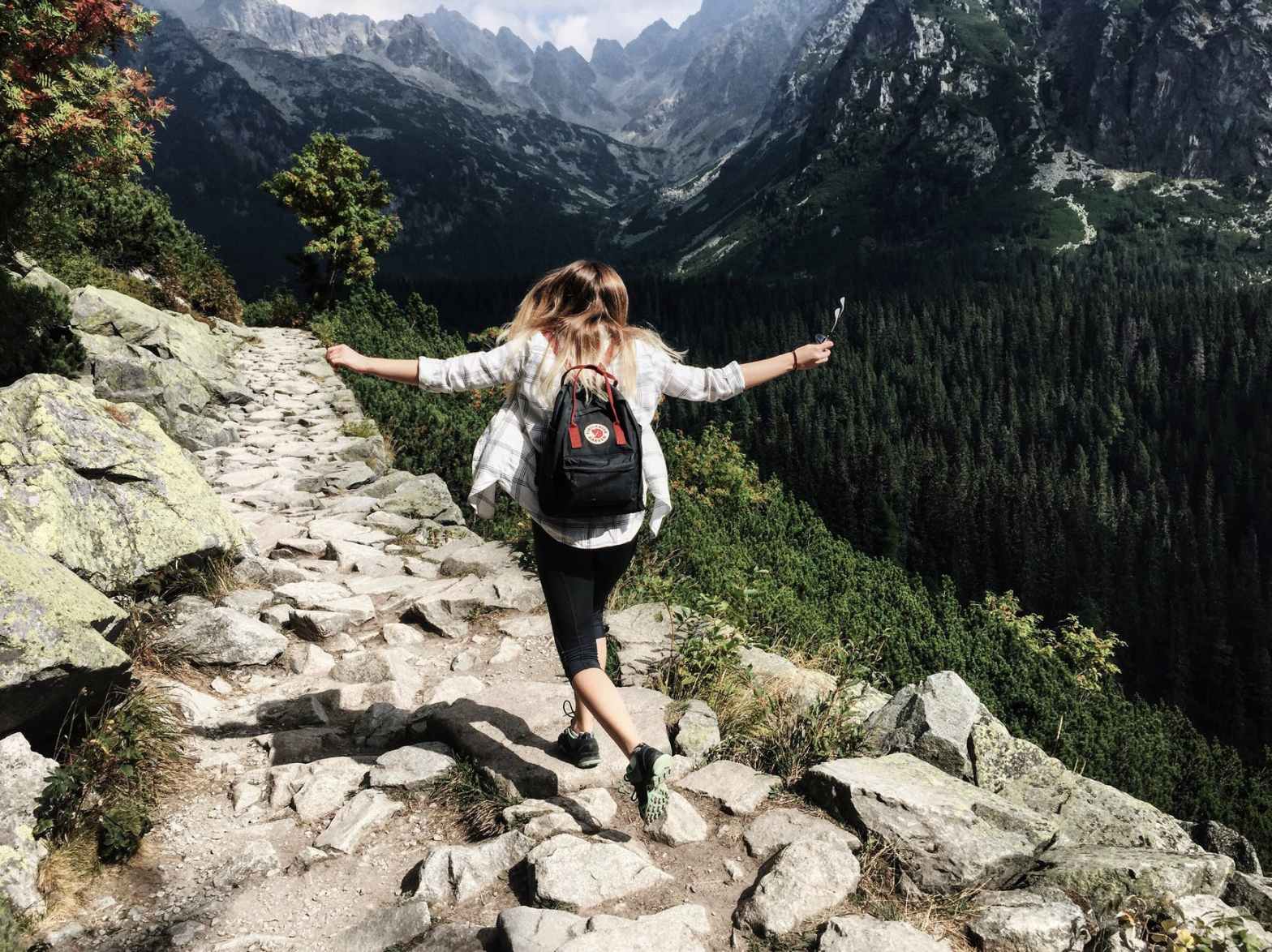
Take a trip alone. This may seem like a very bold big step if you are used to travelling with your partner, family or friends. The advantage is the incredible freedom to really do what you want, not to compromise with others on what you want to do, and to plan an itinerary only according to your wishes.
Read a book outdoors. Choose a comfortable place, a park with a beautiful lawn for example, and take a blanket to sit on. Take advantage of your time to read a book by occasionally looking at the people around you, walking, children playing, dogs running. Enjoy the life that unfolds around you, without you having to do anything. And if you finish the book, why not leave it on a bench with some advice for those who want to take it?
Cultivate your own garden. Whether you want medicinal plants, vegetables or flowers, making a garden is fun and instructive. If you don’t have land, you can also do it on a balcony. And if you do not have a balcony either, there are plants that live well also inside. This activity is particularly healthy because it allows you to regain contact with nature, to understand its dynamics and to observe its wonders.
Immerse yourself in nature. As I said before, being in contact with nature is extremely energizing, relaxing and reassuring. Whether it’s a walk in a forest, in a park or a full immersion in nature, like camping, listen to your wishes and make them come true.
Prosegue il viaggio per esplorare delle idee da provare nel tuo tempo libero, che puoi aggiungere alle altre pubblicate in precedenza.
Ecco altre idee da provare nel tuo tempo libero.
Organizza un pic-nic. Scegli una data, un luogo e invita i tuoi amici e/o i tuoi familiari. La formula, particolarmente conviviale, si declina in molti modi e può integrare una tematica, uno stile culinario specifico, una passeggiata, o anche dei giochi per grandi e piccini.
Fai un viaggio da solo/a. Questo può sembrare un passo molto audace se siamo abituati a viaggiare in compagnia, sia in coppia, sia in famiglia o con amici. Il vantaggio è l’incredibile libertà di fare davvero quello che vuoi, di non scendere a compromessi con gli altri su quello che vuoi fare, e programmare un itinerario seguendo i tuoi desideri.
Leggi un libro all’aperto. Scegli un luogo confortevole, un parco con un bel prato per esempio, e prendi una copertina per sederti. Approfitta del tuo tempo per leggere un libro guardando di tanto in tanto le persone che ti circondano, che camminano, i bambini che giocano, i cani che corrono. Assapora la vita che si svolge intorno a te, senza che tu debba fare niente. E se finisci il libro, perché non lasciarlo su una panchina con qualche consiglio per chi vorrà prenderlo?
Fai un giardino. Che sia con piante officinali, verdure o fiori, fare un giardino è divertente e istruttivo. Se non disponi di un terreno, potrai farlo anche su un balcone. E se non hai nemmeno un balcone, ci sono piante che vivono bene anche in casa. Questa attività è particolarmente salutare perché ti permette di riprendere contatto con la natura, di capirne la dinamica e di osservarne le meraviglie.
Immergerti nella natura. Come dicevo prima, stare a contatto con la natura è estremamente energizzante, rilassante e tranquillizzante. Che si tratti di una passeggiata in un bosco, in un parco o che si tratti di un’immersione totale nella natura, come fare campeggio, ascolta i tuoi desideri e realizzali.
We live in a time of political uncertainty and perpetual conflict. While it’s easy to give up and say that you can’t change the world, that one person can’t make a difference, the inspiring life of Mahatma Gandhi (1869-1948) proves us wrong. Gandhi is the living embodiment of the values of democracy, and he inspires us to do good without ever giving up.
The Father of the Indian Nation
Leader of the Congress Party in 1921, Gandhi led national campaigns to reduce extreme poverty in India, give more rights to women, establish peace between hostile ethnic and religious groups, and gain the independence of the people. Perhaps his greatest legacy is the way he used non-violence to combat oppression, a belief adopted today by thousands of followers of peaceful resistance around the world. Indians often refer to him as the father of the nation. He owes his exceptional leadership to his way of building bridges between different communities: upper and lower caste Hindus, Muslims, Christians. Gandhi believes in the goodness of people, regardless of their religion, social class or gender. For him, no religion surpasses the pure force of true faith.
Strength of peaceful opposition
Eternally optimistic, Gandhi always believed in the ability of the human being to evolve towards a higher level of consciousness. This is what he demonstrated by leading by example into old age, turning every crisis and conflict into an opportunity for spiritual growth. “I never stopped being optimistic,” he said. « Even in the darkest moments, I always cultivated hope.».
Gandhi advocated religious harmony, he wanted equal rights for Muslims in India. When violence broke out between Muslims and Hindus, he resorted to fasting, repeatedly threatening to let himself die. He intended to be judged on deeds rather than words and firmly believed that his personal suffering would prompt men to lay down their arms.
Strengthened by this moral philosophy, his public and private life are closely linked. “Only the service of others makes it possible to apprehend the truth and discover the true nature,” he confides. He clearly showed us the power of peaceful opposition in the face of oppression, injustice and brutality.
However, non-violence is not about abstaining from any real struggle. It took a lot of courage for him to confront the violence and strengthen his convictions. “I oppose violence,” he once said, “because when it seems to produce good, the resulting good is only transitory, while the evil produced is permanent.”. Tragically, the irony is that Gandhi’s life ends in violence. He was assassinated on January 30, 1948 by the Hindu nationalist Nathuram Godse. Nearly 70 years after his death, the legacy he left us continues to live on and remains a true source of inspiration. In 2007, the United Nations General Assembly proclaimed 2 October, Gandhi’s birthday, the International Day of Non-Violence.
Leading by example
Gandhi’s life served as a shining example to many political leaders including Martin Luther King, Václav Havel and Nelson Mandela, all of whom fought for social change. Their powerful message to us is to respect human dignity and reject intolerance. This is something we should all think about, especially considering the current political climate, where so many countries seem deeply divided in their way of thinking, that it would seem that there are two nations instead of one. While it is tempting to read the news and conclude that you cannot change anything about this sad situation, it is enough to remember Mahatma Gandhi and how he embodied the change he wanted to see in the world to convince yourself otherwise. One person can make a difference; our best hope for the future is to look to those men, women and movements that have positively acted in the past.
Viviamo in un’epoca di incertezza politica e di conflitto perpetuo. Mentre è facile arrendersi e dire che non si può cambiare il mondo, che una persona non può fare la differenza, la vita del Mahatma Gandhi (1869-1948) ci dimostra che é vero il contrario. L’azione di Gandhi ci ispira a fare del bene senza mai arrenderci.
Il padre della nazione indiana
Leader del Partito del Congresso nel 1921, Gandhi guidò campagne nazionali per ridurre la povertà estrema in India, attribuire più diritti alle donne, stabilire la pace tra gruppi etnici e religiosi ostili e ottenere l’indipendenza del popolo. Forse la sua più grande eredità è il modo in cui ha usato la nonviolenza per combattere l’oppressione, una credenza adottata oggi da migliaia di seguaci della resistenza pacifica in tutto il mondo. Gli indiani spesso si riferiscono a lui come il padre della nazione. Deve la sua eccezionale leadership alla capacitá di costruire ponti tra diverse comunità: indù di casta superiore e inferiore, musulmani, cristiani. Gandhi crede nella bontà dell’uomo, indipendentemente dalla sua religione, classe sociale o genere.
Forza dell’opposizione pacifica
Eternamente ottimista, Gandhi ha sempre creduto nella capacità dell’essere umano di evolversi verso un livello superiore di coscienza. Questo è ciò che ha dimostrato guidando con l’esempio durante la sua vita, trasformando ogni crisi e conflitto in un’opportunità di crescita spirituale. Gandhi non ha mai smesso di essere ottimista, anche nei momenti più bui, la luce della speranza ardeva in lui.
Gandhi sosteneva l’armonia religiosa. Ha costantemente sostenuto la parità di diritti per i musulmani in India. Quando scoppiavano le violenze tra musulmani e indù, ricorreva al digiuno, minacciando ripetutamente di lasciarsi morire.
Intendeva essere giudicato in base ai fatti piuttosto che alle parole e credeva fermamente che la sua sofferenza personale avrebbe spinto gli uomini a deporre le armi. Rafforzato da questa filosofia morale, la sua vita pubblica e privata sono strettamente legate. Ci ha mostrato chiaramente il potere dell’opposizione pacifica di fronte all’oppressione, all’ingiustizia e alla brutalità.
Tuttavia, la nonviolenza non consiste nell’astenersi da qualsiasi vera lotta. Gli ci è voluto molto coraggio per affrontare la violenza e rafforzare le sue convinzioni. “Mi oppongo alla violenza”, disse una volta, “… perché quando sembra produrre il bene, il bene risultante è solo transitorio, mentre il male prodotto è permanente.”.
Tragicamente, l’ironia è che la vita di Gandhi finisce in modo violento. Fu assassinato il 30 gennaio 1948 dal nazionalista indù Nathuram Godse. L’eredità che ci ha lasciato continua a vivere e rimane una vera fonte di ispirazione. Nel 2007, l’Assemblea Generale delle Nazioni Unite ha proclamato il 2 ottobre, compleanno di Gandhi, la Giornata Internazionale della Nonviolenza.
Dare l’esempio
La vita di Gandhi è stata un esempio luminoso per molti leader politici tra cui Martin Luther King, Václav Havel e Nelson Mandela, che hanno combattuto per il cambiamento sociale. Il loro potente messaggio per noi è di rispettare la dignità umana e essere tolleranti. Questo è qualcosa a cui tutti dovremmo pensare, soprattutto considerando l’attuale contesto politico, in cui così tanti paesi sembrano profondamente divisi nel loro modo di pensare. Mentre leggendo le notizie si è tentati di concludere che non si può cambiare nulla in questa triste situazione, è sufficiente ricordare il Mahatma Gandhi e come ha incarnato il cambiamento che voleva vedere nel mondo per convincersi del contrario. Una persona può fare la differenza: dobbiamo guardare al futuro pensando a quegli uomini, donne e movimenti che hanno agito in passato per cambiare il mondo in un mondo migliore.
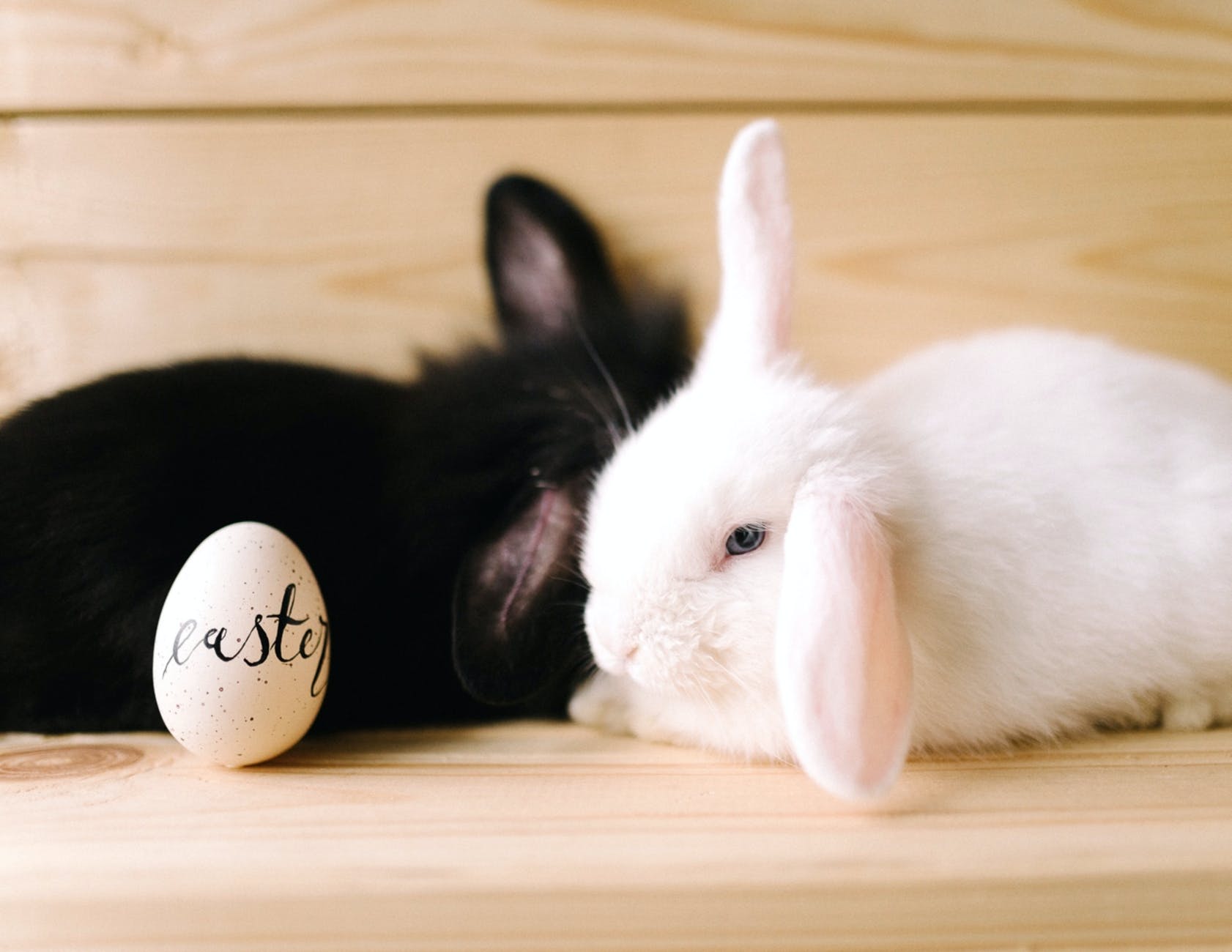
Easter egg hunting dedicated to the little ones, has become part of the Easter traditions in the Western world. However, do you know where it comes from? This is how the tradition of hiding eggs in the most unexpected places was born and who is Easter Bunny, the bunny who hides them.
Easter is accompanied, as any other holidays, with all the old, local traditions. We all know that the fun of the Easter egg hunting consists in finding as many eggs as possible in the most unexpected places. It is a real treasure hunt. But do you know the origins of this tradition, that is cheering up all the children during this Sunday?
Origins of the Egg Hunting
The tradition of egg hunting was born in Germany, where the Osterhase, the Easter bunny (which is actually a hare), brings to good children the Osterei, a chocolate egg. The custom soon spread from Germany to the United States, imported by German immigrants in the eighteenth century. In English-speaking countries, the Osterhase becomes a rabbit and turns into Easter bunny. All American children, but also British, Canadian, Australian and New Zealand children await the Easter bunny, which hides the Easter eggs in the most unexpected corners of the garden, so that they can be found in the great Easter egg hunting.
How the Easter egg hunting is organised
In Anglo-Saxon countries, to prepare a successful Easter egg hunting, parents decorate boiled eggs and hide them. Each child is then given a basket where they can keep the eggs they find and, like a regular treasure hunt, all participants look for cards and clues that help them find the hidden eggs. Whoever finds more eggs wins the treasure that will consist of sweets, chocolate and toys.
In Italy the tradition is getting big chocolate eggs, with gifts inside.
However, for some years, even in Italy this egg hunting has started in a revisited way, which consists in hiding the traditional chocolate eggs in some corner of the house or of the garden.
Sebbene la Pasqua sia una delle due principali festività cristiane, la caccia alle uova di Pasqua non ha nulla a che fare con il cristianesimo. Infatti, il coniglietto pasquale e le uova di Pasqua sono legati alle tradizioni pagane. Ma comunque la si guardi, la caccia alle uova di Pasqua è un evento amato dai bambini di tutto il mondo. Ecco come è iniziata la tradizione.
Il coniglietto pasquale
Non ci sarebbe una caccia alle uova di Pasqua senza il coniglietto pasquale, quindi per capire le origini della caccia alle uova, dobbiamo prima scoprire perché i coniglietti sono associati alla Pasqua. Noti per la loro prolifica procreazione, i conigli sono stati a lungo considerati un simbolo di fertilità. In effetti, i conigli erano l’animale sacro della dea sassone della primavera e della fertilità. Secondo History Channel, la leggenda del coniglietto pasquale è iniziata molto tempo fa in Germania con una lepre che depone le uova di nome “Osterhase“. I bambini tedeschi facevano nidi e li lasciavano fuori dalla propria casa perché la lepre deponesse le uova.
Legame tra uova e conigli
L’idea di un coniglio che depone le uova potrebbe essere iniziata con i Romani, che credevano che la vita provenisse dalle uova. Un altro legame tra il coniglio e l’uovo proviene dalle tradizioni pagane, in cui il coniglio era associato alla luna e l’uovo al sole. All’equinozio di primavera, quando il giorno e la notte hanno la stessa lunghezza, il coniglio e l’uovo si uniscono.
Coniglietti pasquali – Photo by Ivan Samkov on Pexels.com
Prima caccia alle uova
La caccia alle uova di Pasqua iniziò in America quando gli immigrati tedeschi portarono la loro tradizione Osterhase in Pennsylvania nel 1700. La festa si diffuse presto in tutta la nazione e i cesti sostituirono i nidi. Alla fine, il gioco si è evoluto in una caccia al tesoro e i premi si sono trasformati da uova sode a cioccolato, caramelle, giocattoli e monete. In molte famiglie, il coniglietto pasquale lascia un cesto pieno di regali, non solo uova da trovare.
Decorazione dell’uovo
La decorazione delle uova per Pasqua probabilmente iniziò nel 13 ° secolo, quando le uova (oltre alla carne) erano proibite durante la stagione della Quaresima cristiana, che termina a Pasqua. Per segnare la fine del tempo della penitenza e del digiuno, le persone dipingevano e decoravano le uova prima di mangiarle. Alcuni dipingevano le uova con disegni elaborati. Oggi, l’uovo colorato si è evoluto in un uovo di cioccolata al cui interno si trova una piccola sorpresa.
Buona Pasqua!
Felice Pasqua – Photo by Alena Koval on Pexels.com
Sleeping well is one of the secrets for your well-being that has been confirmed by science several times.
Find out what a good night’s sleep can bring in terms of well-being.
In the past people would go to bed at sunset and get up at sunrise. Our ancestors had no alarm clocks, they did not have neither a schedule to stick to, nor morning meetings to participate in. Their sleep rhythm was simply based on the natural day/night cycle, basically on the light.
Maintaining a healthy and regular sleep pattern is one of the (many) challenges of modern life. With our busy schedules, long working hours and smartphones always on, it may happen that we don’t get enough sleep.
Yet even though we all have a schedule to stick to, cutting back on your sleep hours is never a good idea. Sleep really has fabulous benefits, and getting enough sleep is vitally important for your overall health and well-being. Sleeping well doesn’t just serve to look good: it keeps you healthy.
Discover six benefits of sleep for your happiness and health.
1. Sleep makes you look good
Sleep is perhaps the closest thing to a fountain of youth. During deep sleep, the brain secretes a growth hormone responsible for cell renewal and repair of damaged tissue. This growth hormone is only released at night and can work miracles for your skin. The skin cells themselves go into repair mode when you sleep. Their metabolism accelerates and they regenerate faster than at any other time of the day.
In addition to these freshly renewed and healthy cells, sleep also has the effect of increasing blood flow to your skin, which is why your cheeks are warm and pink when you sleep. Lack of sleep can make the skin dull or chalky.
Thanks to a good night’s sleep you will look naturally throughout the following day.
2. Sleep strengthens the immune system
Researchers are only confirming what your mom has always told you: when you’re sick, the best thing to do is stay in bed and sleep as much as possible. Sleep helps fight the flu and other similar conditions, because the body produces disease-fighting proteins called cytokines when you sleep. If you’re sick often, maybe you’re not getting enough sleep. To strengthen your immune defences, try going to bed earlier or napping during the day.
3. Sleep helps solve problems
When faced with a dilemma, a good night’s sleep can help make the right decision. Researchers have observed that sleep helps solve problems creatively, because it provides access to the mass of knowledge and memories stored in your brain. At rest, your brain looks for associations that are not obvious when you are awake. This makes it possible to imagine creative solutions to solve the most difficult problems using information you didn’t even know you had.
Sleep and stress are back-feeding. Stress can cause a lack of sleep and lack of sleep can generate stress. It’s a vicious circle that can be hard to get out of. But by managing your sleep well, you learn to fight stress too. Better quality sleep helps your body and mind recover, but you’ll also be less sensitive to stress if you’ve slept well. All challenges are easier to face after at least 6 hours of good sleep!
5. Sleep helps to lose weight
If you’re looking to get back on your ideal weight, a good nap can be as effective as a workout. A study published by the American Journal of Clinical Nutrition claims that people who sleep well burn more calories during the day than people who don’t get enough sleep. According to researchers at the University of Chicago, sleep promotes weight loss, and another study in the journal Obesity shows that tired people tend to consume more caloric foods.
6. Sleep is good for your social relationships
Sleeping well is not only good for your physical and mental well-being, it is also a way to keep healthy relationships. Lack of sleep makes us more irritable, less patient, and with less energy to devote to others. It also impacts our capacity for empathy, and prevents us from being sensitive to the emotions of our loved ones. In short, we are much more pleasant for others when we are well rested. A nap may not solve all your relationship problems, but sometimes all that’s missing is a few hours of sleep.












 Crisbie Coach