A Glass Full of Water

You all know about the half empty or half full glass of water. By saying how you see it, you will understand if you are an optimist or not.

And if you would like another perspective on a half empty or half full glass, you can read Wynne’s post The Glass Is Refillable.

But what you are going to read here is something different that I saw recently in a simple, short but very effective video.

A professor during a lecture surprised his students by showing a full glass of water in his hand.  The students, who thought he would talk about the classic concept of a glass half empty or half full were amazed when he asked them about the weight of the glass. His intention was quite different, in fact he did not want to explain the concept of glass half empty or half full.

The answers were different and most of them could be considered acceptable. However, the explanation given by the professor was different and much deeper.

The weight of the glass depends on the time you will have to hold it. If you hold it in your hand for 5 minutes, it is very unlikely that you will have troubles. However, if you hold it in your hand for 2 hours, the arm will get tired. And if you hold it even longer, let’s say one day, the arm will be as if paralyzed and eventually the glass will fall.

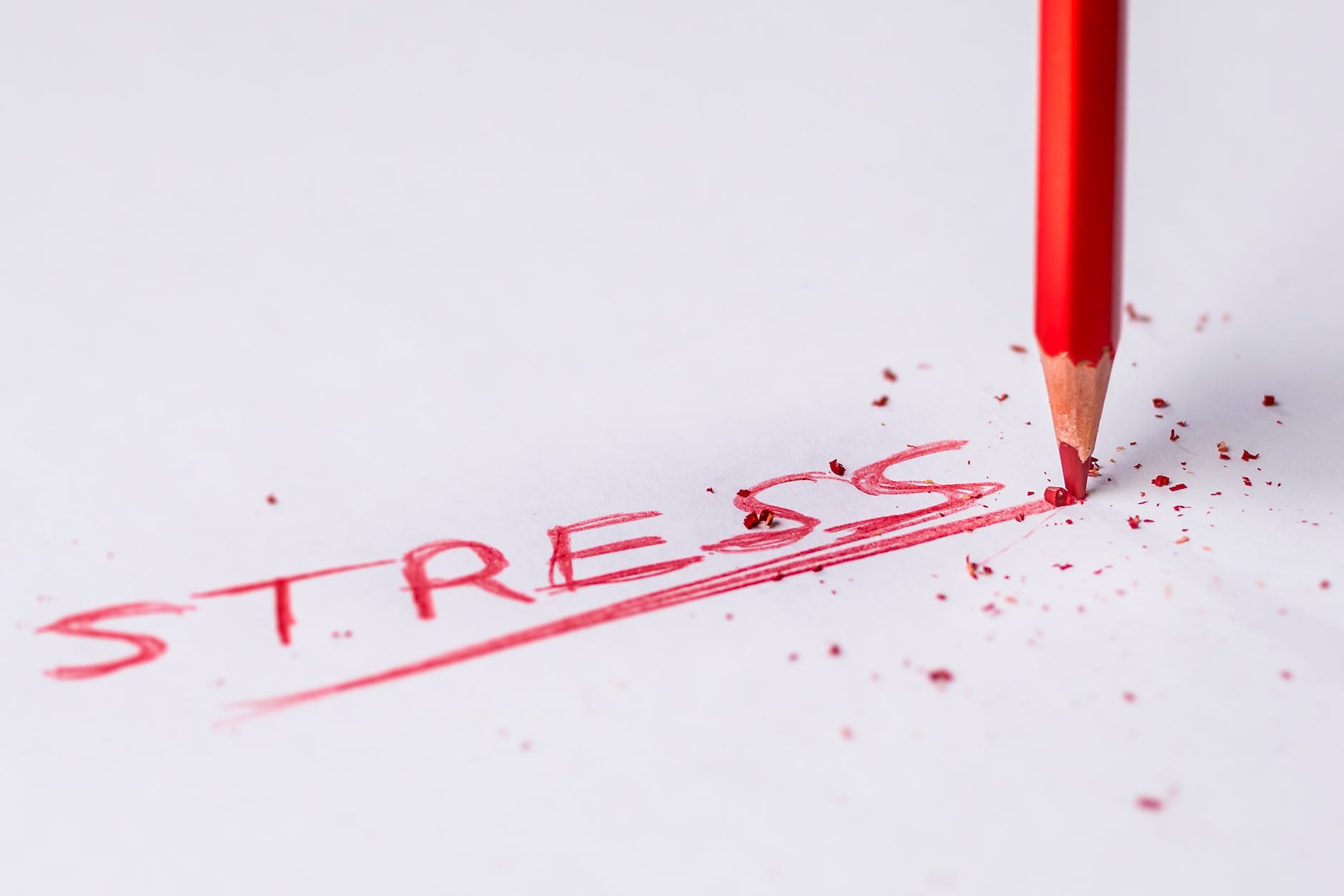
The same happens with stress.  If you are under stress for a relatively short period of time you will have no side effects. But if you experience stress for weeks and months, you may eventually get sick.

The disease in this case would be of psychosomatic origins.

What is a psychosomatic disorder?

The word psychosomatic comes from the Greek psyche “soul” and soma “body”. A psychosomatic illness occurs when the mind creates an alteration of the body.

For example, imagine that you have a colleague, or a person you know, who often criticizes you.

Their criticisms are not sporadic, on the contrary they are recurrent enough to become a habit. This behaviour also creates a negative environment around you.

If you can’t get rid of this stress in time, you’ll accumulate so much negativity that it could cause side effects on your health. It would be like holding a glass full of water for a whole day.

This reality is unfortunately so common that it is even believed that some physical illnesses can worsen due to mental factors such as stress and anxiety. It is believed, for example, that conditions such as psoriasis, eczema, gastric ulcers, hypertension and many heart diseases can occur due to psychosomatic problems such as stress or anxiety.

Would you like to learn some techniques to reduce stress: have a look at the conclusion on this article published on wiseandshinezine.com.

What about you? What are the solutions you adopt to fight your stress?

stress handwritten text on white printer paper
Stress – Photo by Pedro Figueras on Pexels.com

Is the Ego a Friend?

What is the ego? Is it really negative? How to keep it under control? Is the ego a friend?

The word ego comes from the Latin and means “I”. It is difficult to define it because it is not visible and it manifests mainly in a negative way.  It is easier to recognize the ego in others than in oneself.

Sometimes, the ego is represented with animals. The octopus, the bloodsucker, any parasite, the wolf or the tiger. Or it is also represented with objects. Mask, dress, glasses, onion, egg or even serious illnesses.

It is a mystery and a paradox at the same time. The ego is us but not really us. It is a false self, or a pseudo self. It is not the personality but a part of the personality. It is not our true consciousness, but an altered, partial and non-objective consciousness. It does not represent a real need, but it wants to make us look perfect in a certain way, it wants to control everything and always be right. It is not real, but an illusion, an empty shell, which is based on fear, separation, loneliness and opposition. The ego can be a defensive or an aggressive reaction. In reality, the ego tries to protect us from showing our vulnerabilities.

Is the ego negative?

For Westerners, the ego is a necessary evil with which we must live, it is not so serious, indeed sometimes it can be useful or even positive. In fact, Western civilization since 1623 is based on the ego thanks to Descartes.

On the contrary, for spiritual masters, most of them Orientals, the ego has nothing positive, since it is the opposite of love, it represents our dark part, our Mr. Hyde, our shadow zone.

The ego is a false friend that makes us lack authenticity, honesty, and humanity. This is why certain traits of our character might be selfishness, self-centredness, narcissism, individualism, greed, possessiveness, materialism, avarice, susceptibility, and even paranoia. The ego is responsible for almost all of our negative emotions, especially hatred. It pushes us to defend ourselves, to justify ourselves, to rationalize, to deny the evidence, and generates childish behaviours. Escape, rejection, negative or destructive communication (like haters). It can also be responsible for toxic relationships, manipulation, harassment, and violence in a broad sense.

Why would we keep the ego under control?

On an individual level, keeping the ego under control would mean being happier, having better physical and mental health, more self-confidence, connecting better with others, living in harmony, having happier relationships, more energy, and being even more efficient.

On a social level, keeping it under control would help society overcome racism, sexism, nationalism, domination, oppression, exploitation, delinquency and even war! It would allow us to live better together, to develop a sense of brotherhood, equality, cohesion, solidarity, understanding and peace.

How to keep the ego under control?

It is impossible to eliminate the ego, because it is part of our personality. What we can do is trying to control it.

At the social level there are institutions such as the family and school that are delegated to this role. Other institutions, such as the police and justice, try to correct it.

We can try to transform the ego into our ally with meditation techniques, practising yoga, or using psychotherapeutic techniques that can help us to be more attentive, conscious, and to become more collaborative. We will be able to learn to listen, to help, to forgive, to let go, to create, to laugh and make people laugh, and of course to love.

I would like to conclude with a short story, The Story of the Two Wolves.

“One evening, an old Indian grandfather tells his grandson the story of the two wolves.

In each of us coexist two wolves, constantly fighting. One is bad, angry, jealous, sad, greedy, arrogant, liar, feels superior to the other wolf.

The other wolf is kind, empathetic, generous, sincere, compassionate, cheerful, peaceful, serene, hopeful, and humble.

The grandson asks his grandfather: “Who wins between the two wolves?”

Grandpa simply answers, “The one you feed will be the winner.”

Which wolf do you give priority in your life?

white wolf on brown dried leaves
Wolves – Photo by Shelby Waltz on Pexels.com

L’ego é un amico?

Che cos’è l’ego veramente? È davvero negativo? Come fare per tenerlo sotto controllo? L’ego é un amico?

La parola ego deriva dal latino e significa “io”.

Definire l’ego é difficile perché non è visibile e si manifesta prevalentemente in modo negativo. È più facile riconoscere l’ego negli altri che in noi stessi.

L’ego a volte viene rappresentato da animali. La piovra, la sanguisuga, un parassita qualsiasi, il lupo o la tigre. Oppure lo si rappresenta con degli oggetti. Maschera, vestito, occhiali, cipolla, uovo o addirittura una malattia.

È un mistero e un paradosso allo stesso tempo. L’ego siamo noi ma non proprio. E’ un falso noi stessi, o uno pseudo noi. Non è l’intera personalità ma solo una parte di essa. Non è la nostra vera coscienza, ma una coscienza alterata, parziale e non obiettiva. Non rappresenta un vero bisogno, ma vuole farci apparire in un certo modo perfetti, vuole controllare tutto e avere sempre ragione. Non è reale, ma un’illusione, una conchiglia vuota, che si basa sulla paura, la separazione, la solitudine e l’essere contro. L’ego è una reazione aggressiva o difensiva. In realtà l’ego cerca di proteggerci dal mostrare le nostre vulnerabilità.

L’ego è negativo?

Per noi occidentali, l’ego è un male necessario con il quale bisogna convivere, non è così grave, anzi a volte può risultare utile o addirittura positivo. In realtà la civilizzazione occidentale fin dal 1623 si basa sull’ego grazie a Descartes.

Al contrario, per i maestri spirituali, la maggior parte orientali, l’ego non ha nulla di positivo, poiché è il contrario dell’amore, rappresenta la nostra parte oscura, il nostro Mr. Hyde, la nostra zona d’ombra.

L’ego è un falso amico, sembra che ci voglia bene ma in realtá ci limita, ci fa mancare di autenticità, di onestà, e di umanità. Per questo alcuni tratti del nostro carattere possono sfociare nell’egoismo, nell’egocentrismo, nel narcisismo, nell’individualismo, nell’avidità, nella possessività, nel materialismo, nell’avarizia, nella suscettibilità e perfino nella paranoia.

L’ego è il responsabile di quasi tutte le nostre emozioni negative, soprattutto l’odio. Ci spinge a difenderci, a giustificarci, a razionalizzare, a negare l’evidenza, e genera dei comportamenti infantili. Fuga, rifiuto, comunicazione negativa o distruttiva (come gli haters). Puó anche essere responsabile di relazioni tossiche, manipolazioni, molestie, violenza in senso lato.

Perché tenere sotto controllo l’ego?

A livello individuale tenere sotto controllo l’ego significherebbe essere più felici, avere una migliore salute fisica e mentale, più fiducia in se stessi, una migliore connessione con gli altri, più gioia, più armonia, più energia, e perfino più efficienza.

A livello collettivo, tenerlo sotto controllo, aiuterebbe la società a superare il razzismo, il sessismo, il nazionalismo, la dominazione, l’oppressione, lo sfruttamento, la delinquenza e perfino la guerra! Ci permetterebbe di vivere meglio insieme, di sviluppare un senso di fratellanza, uguaglianza, coesione, solidarietà, intesa e pace.

Come tenere sotto controllo l’ego?

E’ impossibile eliminare l’ego, perché fa parte a tutti gli effetti della nostra personalità. Quello che possiamo fare è cercare di limitarlo.

A livello sociale ci sono delle istituzioni come la famiglia e la scuola che sono deputate a questo ruolo. Altre istituzioni come la polizia e la giustizia, cercano di correggerlo.

Possiamo tentare di trasformare l’ego in un nostro alleato con tecniche di meditazione, praticando lo yoga, oppure utilizzando delle tecniche psicoterapeutiche che ci possono aiutare ad essere più attenti, coscienti, a diventare più collaborativi, a prestare ascolto, ad aiutare, perdonare, lasciar andare, creare, ridere e far ridere, amare.

Vorrei concludere con una breve storia, La storia dei due lupi.

“Una sera, un vecchio nonno indiano racconta a suo nipote la storia dei due lupi.

In ciascuno di noi coesistono due lupi, che combattono costantemente. Uno è cattivo, collerico, geloso, triste, avido, arrogante, bugiardo, si sente superiore all’altro lupo.

L’altro lupo è gentile, empatico, generoso, sincero, compassionevole, allegro, pacifico, sereno, pieno di speranze, e umile.

Il nipote chiede al nonno: “Chi vince dei due lupi?”

Il nonno risponde semplicemente: “Quello che tu nutrirai”.

Tu, a quale lupo dai preferenza nella tua vita?

white wolf on brown dried leaves
Lupi – Photo by Shelby Waltz on Pexels.com

Come migliorare la qualità della tua vita con queste tecniche di rilassamento

Come forse saprai, le tecniche di rilassamento sono pratiche molto semplici che puoi usare per calmarti, affrontare situazioni stressanti, lasciare andare le tue preoccupazioni ma anche dormire meglio, perché possono aiutarti ad addormentarti o ad addormentarti più velocemente.

Le tecniche di rilassamento non solo ti aiutano a superare lo stress quotidiano o preoccupazioni piú importanti, ma ti aiutano anche a:

  • ridurre la pressione
  • migliorare il tuo umore
  • lasciare andare la rabbia
  • migliorare la digestione
  • ridurre la tensione muscolare e i dolori articolari.

Ecco qui alcune semplici tecniche di rilassamento che possono aiutarti ad ottenere una migliore qualità della vita.

  • Auto-ipnosi. Se non conosci l’ipnosi, dimentica tutto quello che puoi aver visto nei film. L’ipnosi é uno stato alterato della mente che si produce quando sei molto concentrato/a su un’idea o ripeti una frase come per esempio “mi sto rilassando profondamente”. Esistono delle app (oggi si trovano app per qualsiasi cosa!) che ti possono aiutare a praticare l’autoipnosi, o anche dei tutorial su YouTube.
  • Esercizi di respirazione. Probabilmente saprai che un respiro profondo ti aiuta a stabilizzare la respirazione quando sei agitato/a. Io uso la tecnica del 4-2-6. Ora ti spiego come funziona. Innanzitutto mettiti in una posizione comoda, non importa se seduto/a, sdraiato/a o anche in piedi. Quindi chiudi gli occhi e inspira contando fino a 4. Poi trattieni il respiro contando fino 2 ed espira contando fino a 6. Fai questo per almeno un minuto o due e vedrai che il tuo respiro rallenterà, riproducendo il modello di respirazione che assumi quando dormi, e quindi comunicando al cervello che vuoi dormire.
  • Yoga Nidra. Lo Yoga Nidra si può tradurre con yoga del sonno. Questa pratica ti aiuta a rilassarti mentre la mente resta sveglia e vigile. Lo scopo è quello di guidarti attraverso i quattro principali passi delle attività cerebrali, le onde beta, alfa, theta e delta per raggiungere uno stato intermedio tra la veglia e il sonno. Per praticare lo Yoga Nidra, trova uno spazio isolato e sdraiati supino/a, stabilisci l’intenzione per questa seduta, come ad esempio, rilassarti o liberarti dallo stress o da una determinata preoccupazione. Osserva il tuo corpo, le tensioni o le sensazioni di malessere contrapposte a quelle di benessere. Anche in questo caso puoi trovare delle app o dei tutorial su YouTube che ti guidano in questa pratica.
    Una ricerca ha dimostrato che questo tipo di yoga può essere molto efficace nel trattamento dell’insonnia. La pratica regolare dello Yoga Nidra ha migliorato la qualità del sonno dei partecipanti allo studio e anche ridotto gli episodi di insonnia, i sintomi dell’ansia e i livelli di stress. Questi risultati sono stati verificati anche tre mesi dopo l’inizio della pratica.
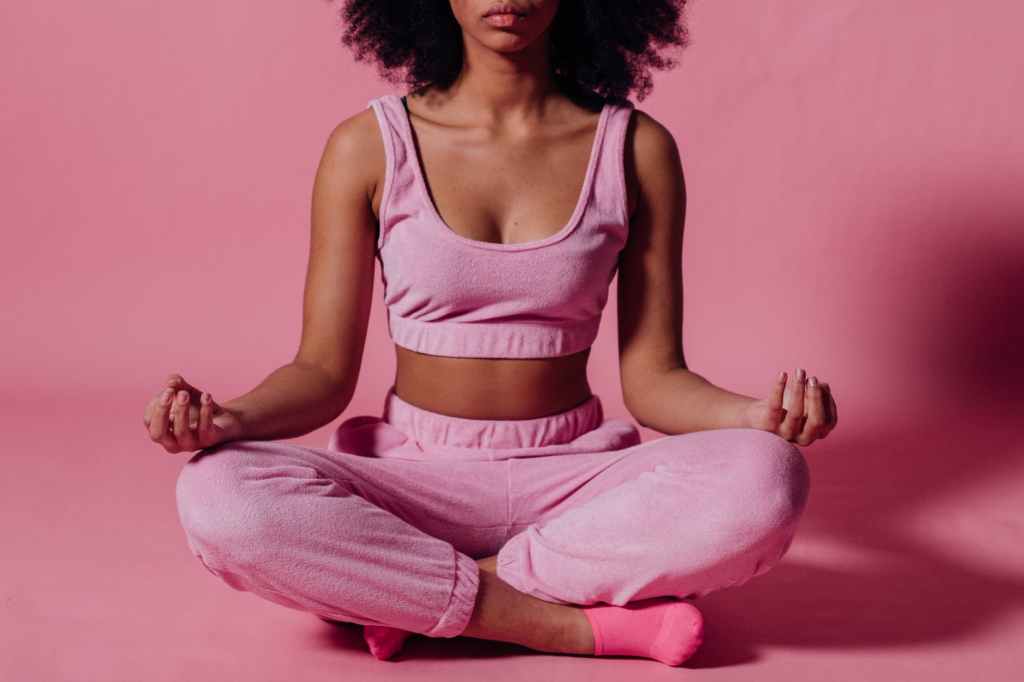
woman in pink crop top and jogging pants practicing yoga
Photo by KoolShooters on Pexels.com
  • Un’ora per lasciare andare la giornata. Questa pratica consiste nel dedicare un’ora ad attività che ti aiutano a rilassarti prima di andare a letto. Suddividi l’ora in pratiche di 20 minuti ciascuna. Nei primi 20 minuti svolgi delle cose che ti sono rimaste da fare in casa, come ad esempio svuotare la lavastoviglie, dar da mangiare al gatto. Nei successivi 20 minuti fai qualche attività non impegnativa come parlare con la tua famiglia, praticare altre tecniche di rilassamento o scrivere tre motivi per cui sei grato/a della giornata appena trascorsa. Non guardare il telefono perché la luce blu che emette può inibire la produzione naturale di melatonina e quindi rendere più difficile addormentarsi. Infine, gli ultimi 20 minuti, dedicali alla tua igiene personale, come fare una doccia o un bagno caldo. Creare un rituale prima di dormire è un metodo veramente utile per passare una notte tranquilla.
  • Immaginazione guidata. L’immaginazione guidata è una tecnica che agisce sulla mente e sul corpo mediante il quale da solo/a o con l’aiuto di un professionista puoi evocare e generare immagini mentali che coinvolgono i tuoi sensi, che riducono lo stress e ti aiutano a dormire meglio. Mettiti comodo/a e prova a farti queste domande a occhi chiusi:
    1. Cosa vedi? Guarda da vicino e da lontano i colori, le forme e la luce.
    2. Cose senti? Ascolta tutti i suoni dell’ambiente in cui ti trovi e cercane degli altri, non concentrarti su uno solo.
    3. Cosa assapori? Questo é il meno facile perché non stai mangiando. Immagina perciò di mangiare qualcosa che ti piace molto e le sensazioni che ti dà.
    4. Cosa puoi odorare? Concentrate sugli odori intorno a te, quali sono e quanti ce ne sono?
    5. Cosa percepisci? Manda la tua attenzione alle parti del tuo corpo che sono in contatto con qualcosa, ad esempio il pavimento, la sedia o la poltrona.
  • Rilassamento progressivo. Attraverso un graduale rilassamento muscolare diventerai più consapevole dei punti di tensione nel tuo corpo. La tecnica consiste nel tendere i muscoli per poi rilassarli. Di solito si comincia dai piedi per poi arrivare fino alla testa. In questo modo raggiungerai la consapevolezza di come sono le parti del tuo corpo quando sono tese e quando sono rilassate. Puoi anche usare questa tecnica tutte le volte che hai male da qualche parte.

Ricorda di non fare questi esercizi se stai guidando, lavorando con delle macchine o facendo qualcosa che richiede la tua totale attenzione.

Cosa pensi di queste tecniche di rilassamento? Ne conoscevi giá una?

food wood man love
Photo by Thirdman on Pexels.com

How to Improve the Quality of Your Life with Relaxation Techniques

As you may know relaxation techniques are simple practices you can do to help yourself calm down, cope with stressful situations, and relieve stress. The warning signs are out there: headaches, stomach knots, and racing thoughts. They are all signalling you to take action. The good news is that you can. The resources are here. They can also help you fall asleep, and go to sleep (or back to sleep) faster. 

Try out the different tips and techniques listed here and see what works best for you.

1. One Hour to Let Go

This technique allows you to finish your daily tasks and help you get ready for sleep an hour before bedtime. This exercise is done in three 20-minute sessions.

  • In the first 20 minutes, take care of any simple tasks, for instance preparing the dishwasher or feeding your cat.
  • In the second 20 minutes, do some relaxing activities like talking with family members, doing an additional relaxation technique, or thanking for three things that have happened in your day. Avoid scrolling on your phone though, as the blue light on your screen can inhibit your natural melatonin production and make it harder for you to fall asleep.
  • In the last 20 minutes, take care of your personal hygiene. Take a warm bath or shower.

Creating consistent and healthy rituals is really a good way to getting a good night’s sleep each night.

2. Guided Visualisation

Guided Visualisation uses your imagination to engage your senses. This simple exercise can be done on your own, or with the help of a therapist or a guided imagery practitioner. Here are some questions you can ask yourself:

  • What can you see? Look close and far, colours, shapes, and light.
  • What can you hear? Hear as many sounds as you can and keep looking for new ones, don’t focus on anyone for too long.
  • What can you taste? This is less fun as you are not eating, but try to imagine yourself eating something you love.
  • What can you smell? Focus on the smells around you – what are they and how many can you find?
  • What can you feel? Send your attention to the parts of your body that have contact with something, like the floor or a chair or table.

Through this technique, you can connect your conscious mind to your unconscious mind and help direct your body and brain towards a desired goal response. Guided imagery helps you relieve stress, reduce feelings of anxiety, and encourage healthy sleep.

fashion people woman relaxation
Photo by PNW Production on Pexels.com

3. Self-Hypnosis. If you are only familiar with hypnosis that you might have seen on films, forget about it. Hypnosis is a state of consciousness where someone is intensely focused on an idea, which can make their brain more receptive to new thoughts or ideas. If you want to try it, there are apps or tutorials on YouTube available.

4. Breathing Exercises

You probably know that a deep breath can help you stabilize your breath when you are anxious or worry about something deeply. A breathing exercise can help encourage relaxation, reduce muscle tension, and even lower your heart rate and blood pressure. Repeat this as many times as you need. By practising deep breathing, you reproduce your breathing patterns as you fall asleep. In doing so, you encourage your body to enter that state of restfulness and get itself ready for sleep.

5. Progressive Relaxation

This technique allows you to become more familiar with your body and any of the places you may be holding onto stress or tension.

Progressive relaxation involves working with your body in different areas and each muscle group, first by tensing the muscles and then relaxing them. Usually you start with your feet and go your way up to the top of the head. In this way you will be aware of how the parts of your body feel when they are tense, as well as when they are relaxed. You can use this technique to address any tension or stress you may have.

6. Yoga Nidra

Yoga Nidra is also known as yogic sleep. It helps the body relax while the mind is alert and awake. The goal is to guide yourself through the main four stages of brain wave activity— beta, alpha, theta, and delta— and achieve a state of being between wakefulness and sleep.

To practice Yoga Nidra, all you need is a comfortable place to lie down. Begin then by lying face-up and set an intention for that session, for example stress relief or relaxation. Watch your body and notice any tension or sensations you feel. You can always find apps or tutorial on the Internet to guide you through this practice.

One study has shown that Yoga Nidra can be a very effective supplemental treatment for insomnia. In participants practicing Yoga Nidra, regular participation improved their sleep quality and reduced their insomnia severity, anxiety symptoms and their stress levels. This improvement even continued 3 months after they began practising.

Remember not to practice any of these relaxation techniques while operating machinery, driving a car, or doing anything that requires your full attention.

Have you ever heard of any of these techniques before?

photo of woman laying on ground
Photo by Natalie on Pexels.com

How and Why Yoga Helps You Maintain Physical and Mental Balance

Over the last few years, a very old practice has become the subject of scientific studies: yoga. Positive effects on the brain have begun to be measured, such as anti-stress and anti-depressant effects.

The studies began thanks to the spectacular spread of yoga. Millions of people practice yoga regularly. Positions (asanas) such as the warrior or the cobra are increasingly known among different people and age group. The reasons are mainly that persons want to learn how to relax, how to get rid of several kinds of pain (back, neck, shoulders, etc.) manage stress, and maintain good physical shape.

Traditional yoga (from the Sanskrit “yuga” which means “union”) comes from India and is a discipline more than five thousand years old. An important source of this spiritual school, which should guide us towards the divine, is a writing by Patañjali: Yoga Sutra, which contains the essential foundations of the discipline.

According to this essay, the purpose of yoga is to attain a higher form of self-knowledge, which can be achieved with inner contemplation. In addition to specific physical exercises, and breathing techniques, traditional yoga also includes meditation, a vegetarian diet and an entire philosophy of life. The modern and western form of yoga omits many of these elements. The development of strength and plasticity, meditation and breathing exercises play the most important role today.

At the beginning of the twentieth century, a small group of Indian yoga teachers began to spread the teachings of yoga in the Western world. After the explosion of fitness in the 1980s, which focused above all on the cult of the body, the spiritual part has been lost a little. Therefore, in the Western world mainly hatha yoga began to spread.

Photo by Mor Shani on Unsplash

The effects of hatha yoga on health are: improving body consciousness and coordination, strengthening muscles and enhancing blood circulation. Moreover, yoga is also beneficial to stress management.

From experience, I can say that after a yoga session I feel relaxed and rested. It takes longer to reach a similar state with meditation, while hatha yoga produces effects immediately, probably thanks to the more marked physical component. It is actually proved that physical exercise is good for your spirit. Perhaps, this is why yoga is a fast-acting cure-all, as it associates physical exercise with meditative practice.

In fact, by associating postures (asanas) with breathing (pranayama), we act on the body by relaxing the muscles, and on the spirit because the sympathetic nervous system (the nervous system that is stimulated when we rest or sleep) is activated.

Yoga allows you to find calm despite the limits imposed by everyday life. With regular practice, even 5 minutes a day is enough, you will sleep better, your self-confidence will increase, as well as your ability to make decisions and manage stress.

Considering all those positive aspects, are you planning to start practising yoga?

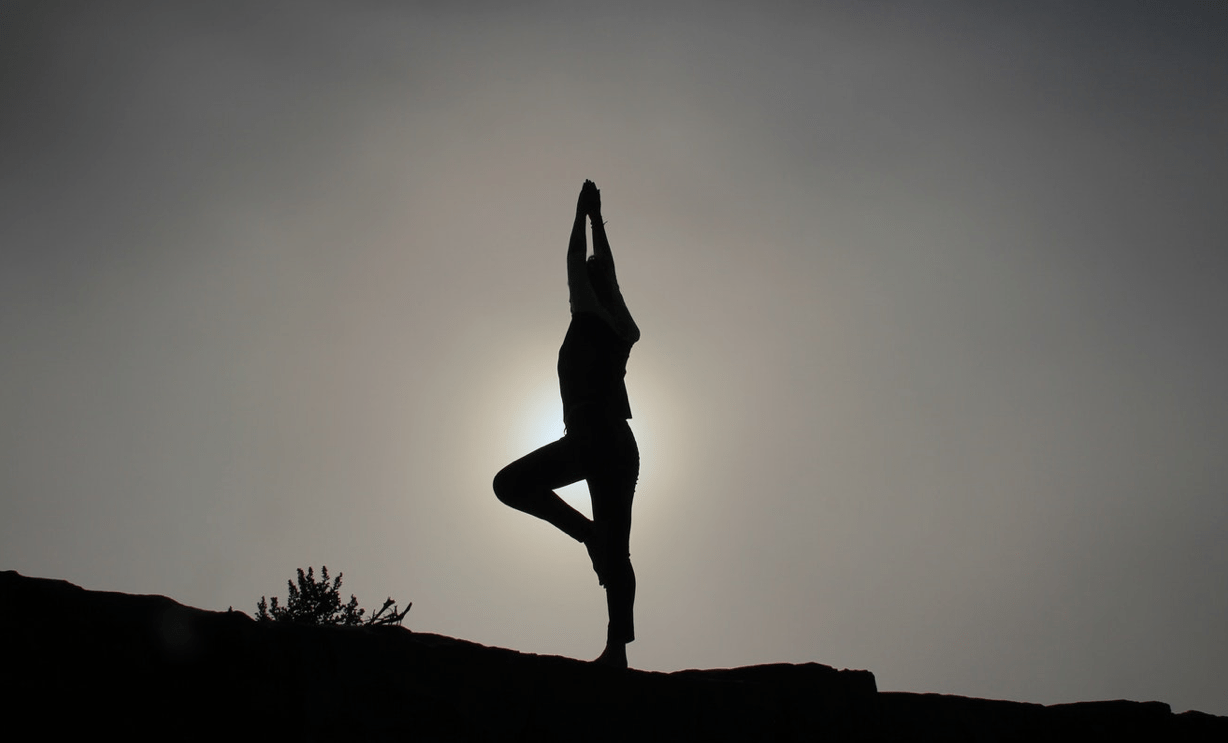
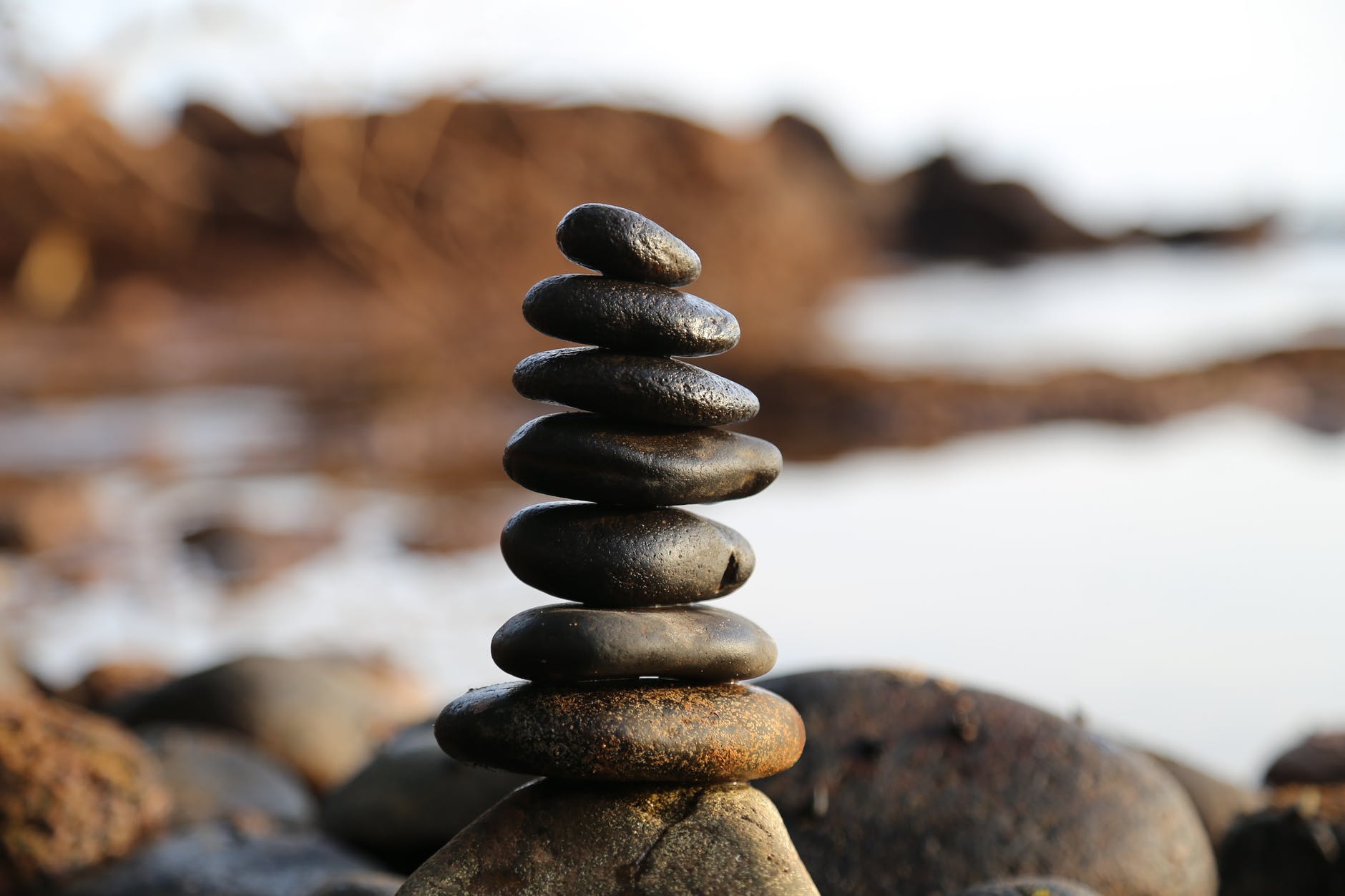
balance blur boulder close up
Photo by Pixabay on Pexels.com

Come e perché lo yoga ti aiuta a mantenere l’equilibrio fisico e mentale

Da qualche anno una pratica millenaria è diventata oggetto di studi scientifici: lo yoga. Si é cominciato a misurarne gli effetti positivi sul cervello e si é riscontrato che una pratica costante puó agire come antistress e antidepressivo.

Gli studi sono cominciati grazie alla grande diffusione dello yoga. Milioni di persone oggi praticano yoga regolarmente. Le posizioni (asanas) come il guerriero o il cobra sono sempre più conosciute, indipendentemente dalla classe sociale, dalla professione e dal gruppo di età. Le ragioni sono principalmente: come imparare a rilassarsi, come curare il mal di schiena o il male al collo, come mantenere una buona forma fisica e come gestire lo stress.

Lo yoga tradizionale (dal sanscrito “yuga” che significa “unione”) arriva dall’India ed è una disciplina vecchia più di cinquemila anni. Una fonte importante di questa scuola spirituale, che dovrebbe guidarci verso il divino, è uno scritto del filosofo Patañjali: lo Yoga Sūtra che contiene le basi essenziali della disciplina.

Secondo questo saggio, lo scopo dello yoga è di raggiungere una forma superiore di conoscenza del sé, che può essere raggiunta con la contemplazione interiore. Oltre agli esercizi fisici specifici e le tecniche di respirazione, lo yoga tradizionale comprende anche la meditazione, un’alimentazione vegetariana e un’intera filosofia di vita. La forma moderna e occidentale dello yoga omette molti di questi elementi. Lo sviluppo della forza e della plasticità, la meditazione e gli esercizi di respirazione giocano oggi il ruolo più importante.

All’inizio del XX secolo, un piccolo gruppo di professori di yoga indiani cominciarono a diffondere gli insegnamenti dello yoga in Occidente. Dopo l’esplosione del fitness a partire dagli anni 80, che puntava soprattutto sul culto del corpo, si è persa un po’ di vista la parte spirituale. Perciò in Occidente cominciò a diffondersi principalmente lo hatha yoga.

Photo by Mor Shani on Unsplash

Gli effetti dello hatha yoga sulla salute sono il miglioramento della coscienza del corpo e la coordinazione, il rafforzamento dei muscoli e il potenziamento della circolazione del sangue. Ma gli effetti dello yoga riguardano anche la gestione dello stress.

Per esperienza posso dire che dopo una seduta yoga mi sento distesa e riposata. Per arrivare a raggiungere uno stato analogo con la meditazione ci vuole più tempo, mentre lo hatha yoga produce effetti immediatamente, verosimilmente grazie alla componente fisica piú marcata. È provato da tanto tempo, infatti, che l’esercizio fisico fa bene al morale. Forse è per questo che lo yoga è un toccasana ad azione rapida, perché associa l’esercizio fisico alla pratica meditativa.

In effetti, associando delle posture (asanas) alla respirazione (pranayama), si agisce sul corpo distendendo i muscoli e i tessuti e sullo spirito perché viene stimolato il sistemo nervoso simpatico, cioè il sistema nervoso che si attiva quando riposiamo o dormiamo.

Lo yoga ti permette di ritrovare la calma nonostante i limiti imposti dal quotidiano. Con una pratica regolare, anche 5 minuti al giorno bastano, ritroverai un sonno migliore, la fiducia in te stesso/a aumenterà, così come la tua capacità di prendere decisioni e di gestire lo stress.

Considerando tutti questi aspetti positivi, pensi di iniziare a praticare lo yoga?

balance blur boulder close up
Photo by Pixabay on Pexels.com

5 Secrets To Sleep Better

We all know someone who complains about not sleeping or sleeping badly. In Europe, about one third of the adult population has difficulty falling asleep and between 10% and 15% suffer from chronic insomnia. I myself have suffered from insomnia for a long time. This is a problem that can have various causes (from the excessive use of digital devices that emit blue light – computers, tablets, TVs, etc. – to biological issues). One of the causes may also be the obsession with sleeping well.

What is this obsession? It is a phenomenon called orthosomnia (from the Greek ortho, “perfect”, and from the Latin somnia, “rest”) and, according to experts, although it is not yet considered a disorder, it is getting increasingly common. It consists in continually recurring thoughts, that I call “circular thoughts”, namely thoughts that enter a vicious circle precisely because they are always the same and recur all the time. The main causes of these thoughts are, guess what, stress and anxiety. Not being able to sleep, your mind does not stop thinking about the same things over and over (hence circular thoughts, i.e. thoughts that come back).

If you suffer from insomnia, even if not severe, it would be good to do a complete sleep study (polysomnography) to find an effective solution. I had this test. I was in a sleep clinic for one night, with electrodes attached all over the body including, of course, the head. I have found that, during my sleeping time, Alpha waves (the brain waves typical of the awaking period) intrude from time to time.

The obvious solution would be to try eliminating or at least reducing stress. I know, it’s not easy. Therefore, I propose that you try the following five tips.

Photo by Alex Basov on Unsplash
  1. Learn to breathe well and deeply by practising a discipline such as Yoga, Pilates or meditation.
  2. Create a relaxing environment. A quiet home is the key to a restful night. If you have trouble falling asleep, keep your bedroom clean and clear of unnecessary items, tidy up the things you have left lying around and you will see that you will have a more peaceful night.
  3. Use essential oils that are particularly suitable for inducing sleep, such as lavender or chamomile.
  4. Create a playlist to help you relax and fall asleep.
  5. Try using Bach Flowers and melatonin. White Chestnut against circular thoughts and Rescue Sleep to help you fall asleep. I used them for several months, then gradually I stopped and now I suffer much less from thoughts that come back and I also sleep much better. At the moment I use only melatonin and I think it is a good solution for my insomnia.

And you, do you suffer from insomnia? Do you have circular thoughts that haunt you? Would you try these tips?

Photo by Cristiana Branchini

5 segreti per dormire bene

Conosciamo tutti qualcuno che si lamenta di non dormire o di dormire male. In Europa, circa un terzo della popolazione adulta ha difficoltà ad addormentarsi e tra il 10% e il 15% soffre di insonnia cronica. Io stessa ho sofferto d’insonnia per un lungo periodo. Si tratta di un problema che può avere origini diverse (dall’utilizzo eccessivo dei dispostivi digitali che emettono luce blu – computer, tablet, TV, ecc. – a questioni biologiche). Ma tra le cause c’è anche l’ossessione di dormire bene.

Che cos’é questa ossessione? E’ un fenomeno chiamato ortosonnia (dal greco ortho, “perfetto”, e dal latino somnia, “riposo”) e, secondo gli esperti, sebbene non sia ancora considerato un disturbo, è sempre più comune. Consiste nel ripresentarsi continuamente di quelli che io chiamo “pensieri circolari”, cioè pensieri che entrano in un circolo vizioso proprio perché sono sempre gli stessi e si ripresentano di continuo. Le cause principali di questi pensieri sono, indovina un po’, lo stress e l’ansia. Non riuscendo a dormire, la tua mente non smette pensare sempre alle stesse cose (da qui pensieri circolari, cioè pensieri che ritornano). Piú vuoi dormire, meno ci riesci. Ecco l’ossessione.

Se soffri di insonnia, anche non grave, sarebbe bene fare uno studio completo del sonno (polisonnografia) per trovare una soluzione efficace. Io l’ho fatto, sono stata in una clinica del sonno per una notte, con elettrodi attaccati in tutto il corpo compresa, ovviamente, la testa. Ho scoperto che, durante il sonno, ho delle incursioni di onde Alfa, le onde cerebrali tipiche del periodo di veglia.

La soluzione più ovvia sarebbe cercare di eliminare o almeno ridurre lo stress. Lo so, non è facile. Perciò, ti propongo di provare a seguire questi cinque consigli.

Photo by Alex Basov on Unsplash
  1. Impara a respirare bene e profondamente, praticando una disciplina come lo Yoga, il Pilates o facendo meditazione.
  2. Crea un ambiente rilassante. Una casa tranquilla è la chiave di una notte riposante. Se hai delle difficoltà ad addormentarti, mantiene pulita e sgombera la tua camera dagli oggetti inutili, riordina le cose che hai lasciato in giro e vedrai che passerai una notte più serena.
  3. Utilizza degli oli essenziali particolarmente adatti a conciliare il sonno, come la lavanda o la camomilla.
  4. Crea una playlist che ti aiuti a rilassarti e ad addormentarti.
  5. Prova a utilizzare i fiori di Bach e melatonina. White Chestnut contro i pensieri circolari e Rescue Remedy notte per aiutarti ad addormentarti. Li ho usati per diversi mesi, poi progressivamente ho smesso e ora soffro decisamente meno di questi pensieri che ritornano e dormo anche molto meglio. Adesso uso solo la melatonina e trovo che sia una buona soluzione per combattere la mia insonnia.

E tu, soffri d’insonnia? Hai dei pensieri circolari che ti assillanno? Proverai uno di questi suggerimenti?

Photo by Cristiana Branchini

How And Why Adopting Resolutions Now.

When the holidays are over and you start working or studying again, you want to commit to getting back in shape.

Maybe you ate too much and did little physical activity but it is normal, you have been on holidays!

It could also be an opportunity to take stock of the resolutions taken at the beginning of the year and see where you are.

Often, however, among working or studying and other daily activities, you do not have neither time nor motivation.

How would it be following a program that helps you in achieving your objectives now?

Here are some ideas to help you stick to an easy-to-maintain schedule.

Small daily efforts

Decision taken, this year you will try to use less the car, both because it is a super ecological action and therefore good for the planet, and because you will be forced to find other means of transport to get around. You will also strengthen your body without realizing it.

Ready to include some physical activity in your daily life?

  1. Do not park the closest possible to the shop entrance. Park further away and take a stroll.

2. Stop taking the elevator if you live or work on a relatively low floor.

3. Get around by bike or on foot.

4. Don’t have your shopping delivered to you, do it yourself.

5. Go and buy a sandwich at lunchtime on foot. It allows you to relax a bit, change air and walk.

6. Go for walks of at least 30 minutes at least once a week (I walk at least 30 minutes every day, but I suffer from the restless legs syndrome – RLS). You can walk on the street, in the nature, on the beach, alone or with friends. The important thing is to walk.

7. Buy a Pilates ball and sit on it to watch your favourite TV series, movie, or whatever you like.

As you can see nothing strange and impossible! Start introducing one habit at a time and you will soon find your shape again with a minimum effort. To help you out, you can use an app or a bracelet that monitors your activity like a real coach.

Little efforts at home

We know that sometimes it is hard to find time to go to the gym. Why not doing some physical activity at home then? You can buy accessories that allow you to do some gym without leaving your place, such as electro-stimulators, vibrating platforms or abdominal belts, which tone the muscles by causing contractions. You can also follow some exercises online, YouTube offers them of all kinds. You can do Yoga to relax the body without forgetting the muscles, meditation and relaxation, perfect for learning to breathe deeply and to use breathing as a method to fight stress and anxiety. 10 minutes every morning when you wake up will be good for you. Find a trainer you like, subscribe to their channel and receive notifications every time they upload a new video.

Photo by Wee Lee on Unsplash

Small efforts on the plate

Holidays are sometimes synonymous with excess. To get back in shape you need to fill up on vitamins. Start the day with a smoothie or fresh fruit juice. Then continue with a healthy, non-fat lunch of seasonal vegetables. It will help you regain your shape.

You can also drink a glass of warm water in the morning on an empty stomach to stimulate metabolism, detoxify the body and facilitate digestion. Add some lemon and it will be tasty.

So, are you ready for this little revolution?

Photo by Chris Lawton on Unsplash