Are High-Protein Products Really Beneficial for Your Health?

In recent years, high-protein products have surged in popularity, largely due to their marketing as superfoods that can enhance fitness goals, support weight loss, and boost overall health. However, the reality of these products is more nuanced than their marketing suggests. As consumers become more health-conscious, it’s important to peel back the marketing layers and evaluate the true benefits and downsides of high-protein products.

Not a Magic Bullet for Weight Loss

Contrary to what flashy advertisements might imply, high-protein products are not inherently weight-loss wonders. Many people are drawn to these items in the hope of losing weight, but the reality is that they don’t possess any magical properties that will automatically lead to weight loss. While protein is indeed an important macronutrient that supports muscle repair and growth, consuming it in excess does not necessarily translate to losing body fat. Effective weight management relies on a balanced diet and regular physical activity, not just on increasing protein intake.

Unveiling the Sugar and Additives

One of the biggest misconceptions about high-protein products is that they are entirely healthy. A closer look at the labels reveals that many of these products are loaded with sugars and additives that can undermine their health benefits. The added sugars can contribute to various health issues such as increased blood sugar levels, weight gain, and an elevated risk of heart disease. Moreover, chemical additives and artificial flavorings, often present in these products, raise concerns about their long-term effects on health. When choosing high-protein snacks or drinks, it’s crucial to scrutinize ingredient lists and be mindful of these often overlooked components.

The Cost Factor

Another important consideration is the cost of high-protein products. They often come with a significant price tag, making them an expensive addition to your diet. While protein is a necessary nutrient, it doesn’t have to be expensive. Affordable and natural sources of protein, such as eggs, legumes, lean meats, and dairy, can easily fulfill your nutritional needs without costing a fortune. Instead of investing in costly high-protein bars or shakes, focus on incorporating these natural sources into a balanced diet for a more economical and sustainable approach to nutrition.

A Marketing Strategy with Limited Substance

The surge in popularity of high-protein products can largely be attributed to effective marketing strategies. Brands capitalize on the health trends surrounding protein by aggressively promoting their products as essential for achieving health and fitness goals. However, this is often more a matter of marketing than real nutritional innovation. The label “high-protein” can be misleading if the product is high in other less desirable ingredients, such as sugar or unhealthy fats. Consumers should be skeptical of marketing claims and base their choices on nutritional content rather than catchy slogans.

Making Smarter Choices

The key to a healthy diet is finding the right balance. While protein is essential, it should be consumed as part of a varied and balanced diet that also includes carbohydrates, fats, vitamins, and minerals. Prioritizing whole foods and natural protein sources over processed, high-protein products ensures that you get a full spectrum of nutrients without unnecessary additives. Reading labels, understanding ingredient lists, and being aware of marketing tactics can empower you to make healthier, more informed food choices.

In conclusion, while high-protein products can offer convenience, they are not a one-stop solution for health or weight loss. The real value of these products may often be overstated in marketing materials. By focusing on whole, unprocessed foods and being mindful of ingredient quality and sugar content, you can support your health in a more effective and sustainable way.

What do you think about high-protein products? Share your experiences and insights in the comments box here below!

Thank you for reading! Please sign up for my blog crisbiecoach so you don’t miss out on any posts!

Nutrition Education: Making Science-Based Food Choices Every Day

Today, you can find diet and nutritional advice almost everywhere. Threfore, making informed food choices can be difficult. With an abundance of misinformation, distinguishing fact from fiction often feels like an uphill battle. However, understanding the fundamentals of nutrition science can empower you to make smarter, healthier choices tailored to your needs. Let’s have a look at the world of nutrition, examine some trending topics, and learn how to make evidence-based food decisions for a healthier you.

The Fundamentals of Nutrition Science

Nutrition science is the study of how food and its components affect the body. It focuses on the consumption of nutrients and their role in growth, metabolism, and disease prevention. Let’s break down its core elements:

  1. Macronutrients: These are the nutrients we need in larger amounts – carbohydrates, proteins, and fats. Each serves a unique function in the body. Carbohydrates provide energy, proteins support growth and repair, and fats are essential for energy storage, cellular structure, and hormone production.
  2. Micronutrients: These include vitamins and minerals that are crucial for bodily functions but needed in smaller quantities. For example, Vitamin C boosts immunity, while calcium supports bone health.
  3. Water: Often overlooked, water is vital for maintaining bodily functions, including temperature regulation and waste elimination.

Understanding these fundamentals allows for a balanced diet that can be adapted to various dietary types, such as vegetarian, vegan, ketogenic, or Mediterranean diets. Each diet type emphasizes different sources of macronutrients and micronutrients but should adhere to principles of balance, variety, and moderation.

Credibility of Trending Nutrition Topics

The digital age has brought a surge of nutrition information, making it difficult to discern credible advice from fleeting fads. Here are some trending topics, assessed for credibility:

  • Intermittent Fasting: This eating pattern cycles between eating and fasting periods. Scientific evidence suggests potential benefits like improved metabolic health and weight loss. However, it’s not suited for everyone and should be approached with newfound knowledge.
  • Plant-Based Diets: With increasing endorsements from health experts, plant-based diets are shown to reduce risks of chronic diseases. The key is ensuring a balanced intake of nutrients commonly lacking, like Vitamin B12 and omega-3 fatty acids.
  • Keto Diet: High-fat, low-carb, the keto diet is praised for quick weight loss. However, long-term adherence requires caution as it may lead to nutrient deficiencies and heart health concerns without professional guidance.

Making Informed Food Choices

To make informed food choices, apply these science-backed strategies:

  1. Prioritize Whole Foods: Whole foods such as fruits, vegetables, whole grains, and lean proteins are nutrient-dense, offering essential vitamins and minerals without added sugars or unhealthy fats.
  2. Practice Mindful Eating: This involves paying attention to hunger cues and savoring meals. It can help prevent overeating and foster a healthier relationship with food.
  3. Read Food Labels: Understanding nutrition labels is crucial. Look for products low in saturated fat, sodium, and added sugars, and rich in fiber and essential nutrients. Avoid food additives and preservatives starting with letter E as much as possible.
  4. Consult Credible Sources: Utilize platforms such as MyPlate.gov or the Academy of Nutrition and Dietetics for reliable, evidence-based information.
  5. Seek Professional Guidance: Consider consulting with a registered dietitian for personalized dietary advice tailored to your individual health needs.

Informed nutrition education involves understanding the science behind what we eat, evaluating trending diet topics critically, and applying this knowledge to everyday choices. A robust foundation in nutrition can empower us to navigate the world of food confidently and sustainably.

Begin your journey to informed eating today! By empowering yourself with knowledge, you take the first steps toward a healthier and more informed dietary lifestyle. Share your own nutrition story in the comment box here below, and leave tips that may be useful to all.

Happy eating!

Why Sustainable Eating Matters

Eating sustainably isn’t just a buzzword—it’s a powerful way to care for both your health and the planet. Every bite we take impacts more than just our bodies; it shapes ecosystems, influences climate change, and affects global food security. Choosing sustainable foods means prioritizing local, seasonal, and minimally processed options that respect natural resources and reduce waste.

A sustainable approach to eating supports farming practices that protect biodiversity and soil health, reduce greenhouse gas emissions, and ensure fair treatment of workers. At the same time, it’s a path to better health, as these choices often emphasize nutrient-dense, whole foods over heavily processed ones. Sustainable eating is about balance: nourishing yourself while contributing to a healthier world for future generations. It’s a small act with a big impact, proof that our daily choices truly matter.

Let’s see why it matters.

Buy Seasonal and Local Foods

Why it matters: Seasonal produce is harvested at its peak, meaning it’s fresher and more nutritious. It also has a lower environmental footprint because it doesn’t require energy-intensive storage and locally bought food doesn’t travel long-distance, which reduces greenhouse gas emissions.

Prioritize Plant-Based Proteins

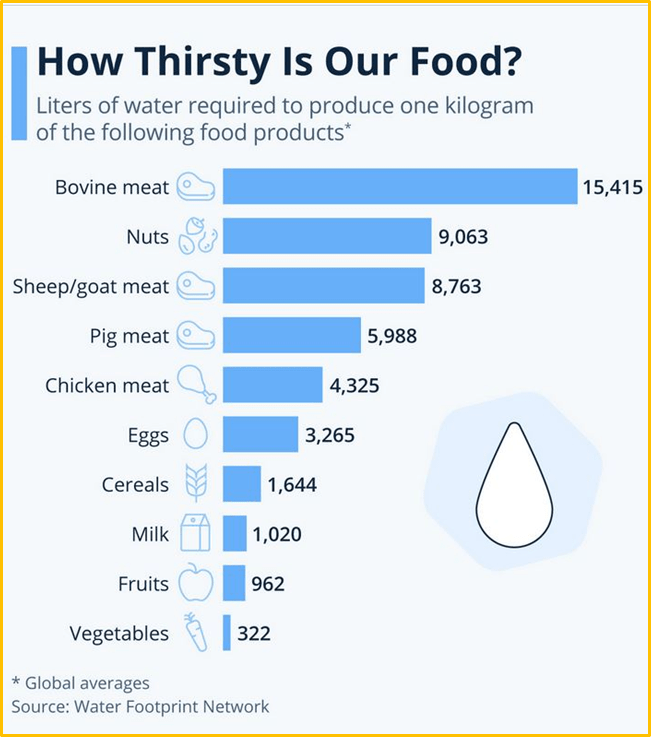
Why it matters: Producing plant-based proteins like lentils, beans, and tofu requires significantly fewer resources—such as water and land—than meat and dairy. This reduction in resource use helps lower greenhouse gas emissions and conserve biodiversity.

Reduce Food Waste

Why it matters: Food waste is a major contributor to greenhouse gas emissions. When food is wasted, all the resources used to produce, transport, and store it are also wasted. Reducing food waste helps conserve these resources and decreases methane emissions from landfills.

Opt for Whole Foods Over Processed Foods

Why it matters: Whole foods are less processed, retain more nutrients, and require less energy to produce. Additionally, they generate less packaging waste, which reduces environmental pollution.

Support Sustainable Seafood Choices

Why it matters: Overfishing and unsustainable fishing practices can deplete fish populations and damage marine ecosystems. Choosing sustainably sourced seafood helps protect these ecosystems and ensures that fish populations remain healthy for future generations. Moreover, you would avoid the economic decline of coastal communities reliant on fisheries.

Buy in Bulk Where Possible

Why it matters: Buying in bulk reduces the amount of packaging waste, which often ends up in landfills or as litter in the environment. It also tends to be more cost-effective, allowing you to save money while reducing your environmental impact.

Minimize Ultra-Processed Foods

Why it matters: Ultra-processed foods are often high in unhealthy fats, sugars, and salt, and their production is energy-intensive, contributing to higher greenhouse gas emissions. By choosing minimally processed foods, you support a healthier diet and a more sustainable food system.

Cook at Home More Often

Why it matters: Cooking at home gives you control over the ingredients and portion sizes, which can lead to healthier eating habits. It also reduces the need for takeout and packaged meals, which often come with excess packaging and food waste.

Rethink Portion Sizes

Why it matters: Overeating not only affects your health but also increases the demand for food production, which can strain natural resources. By serving smaller portions and eating mindfully, you can reduce food waste and promote a more sustainable food system.

Grow Your Own Food

Why it matters: Growing your own food reduces your reliance on store-bought produce, which often involves long supply chains and significant carbon footprints. It also allows you to enjoy fresh, organic produce right from your garden or balcony.

Be Informed About Certifications

Why it matters: Certifications like organic, Fair Trade and Rainforest Alliance indicate that products are produced using more sustainable and ethical practices. Supporting these products helps promote better environmental and social standards in the food industry.

Hydrate Wisely

Why it matters: Bottled water generates significant plastic waste and requires a lot of energy to produce and transport. Using a reusable water bottle and filtering tap water reduces plastic waste and conserves resources.


By understanding the reasons behind these recommendations, you can make more informed choices that benefit both your health and the environment. Knowing why it’s important to reduce plastic use can motivate you to opt for reusable bags and containers. Similarly, understanding the impact of a plant-based diet on both personal health and environmental sustainability can encourage you to incorporate more plant-based meals into your diet. This knowledge empowers you to make decisions that are not only good for you but also for the planet.

Feel free to ask me any questions, and don’t hesitate to comment in the box below.

Thank you for reading! Please sign up for my blog crisbiecoach so you don’t miss out on any posts!