
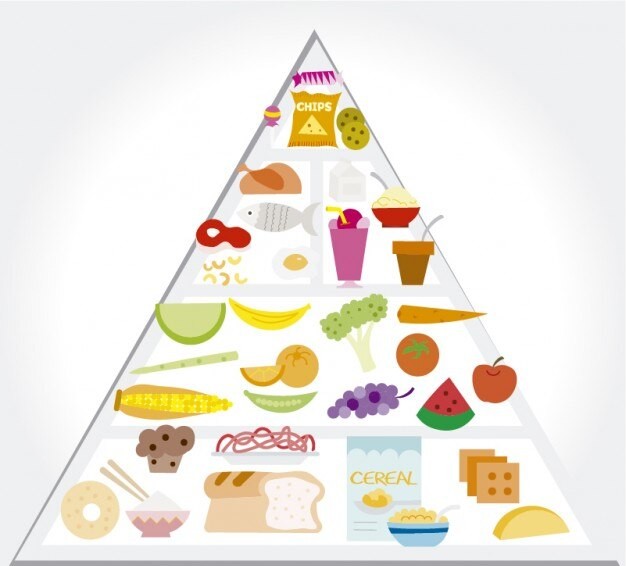
France, a country synonymous with beef bourguignon among other meat based food, has made headlines by urging its citizens to “limit” meat consumption as part of its updated National Strategy for Food, Nutrition and Climate. This move is not just about climate action, it’s a recognition that our food choices have profound consequences for both our health and the environment.
As someone who has embraced vegetarianism for years and is now reducing dairy and fish for environmental reasons, I see France’s guidelines as a necessary and inspiring shift. Here’s why I support this change, and why you might consider it too.
France’s New Guidelines: What’s Changing?
France’s updated strategy aims to align food habits with climate goals by 2030. The key recommendations include:
- Prioritizing whole foods: Fruits, vegetables, legumes, nuts, and whole grains take center stage.
- Limiting meat and charcuterie: While not banning meat, the guidelines encourage moderation.
- Reducing imported meat: A nod to the carbon footprint of global food chains.
- Moderate dairy and fish: These are allowed in “sufficient” amounts, but the environmental impact of dairy, especially cow’s milk, which emits three times more greenhouse gases than plant-based alternatives, is acknowledged.
The guidelines also emphasize local and sustainable agriculture, supporting farmers while cutting emissions.
The Environmental Case for Less Meat
- Food and agriculture contribute one-third of global greenhouse gas emissions, second only to fossil fuels.
- A 100g serving of beef emits 15.5 kg CO2 equivalent—the same as driving 78.7 km in a car.
- Livestock farming drives deforestation, water depletion, and biodiversity loss.
France’s push to reduce meat aligns with global research. The EAT-Lancet Commission and the IPCC both highlight plant-based diets as critical for sustainability. Yet, critics argue that “limiting” meat isn’t enough—we need systemic change.
Health Benefits: A Double Win
Beyond the planet, reducing meat improves health:
- Lower risk of heart disease, diabetes, and certain cancers (WHO).
- More fiber and nutrients from plant-based diets.
- Cost savings: With meat prices rising, many French citizens are already cutting back for financial reasons.
France’s guidelines reflect a growing awareness: what’s good for the planet is good for us.
My Journey: From Vegetarian to Plant-Based
I’ve been vegetarian for years, but my commitment to sustainability has led me to reduce dairy and fish too. Here’s why:
- Dairy’s carbon footprint: Cow’s milk is far more resource-intensive than plant alternatives.
- Overfishing: Our oceans are under strain, and even “sustainable” fish has an impact.
For two years, I’ve participated in Veganuary, a global pledge to try vegan for January. It’s a powerful way to explore plant-based living and the recipes are delicious!
Is “Limiting” Meat Enough?
France’s use of “limit” instead of “reduce” has drawn criticism. Activists argue for clearer targets, like the UK’s recommendation to cut meat by 20% by 2030. But this is a start, a cultural shift in a country where meat is deeply embedded in tradition.
What can you do?
- Try Meat Free Mondays or join Veganuary next year.
- Swap beef for lentils or mushrooms in classic dishes.
- Explore French plant-based recipes (yes, they exist!).
Conclusion: A Plate for the Future
France’s guidelines are a reminder that food is climate action. As someone who’s seen the benefits firsthand for my health, I’m heartened by this step. It’s not about perfection; it’s about progress, and the will to give my contribution in an effective way.
Ready to try? Share your favorite plant-based recipe in the comments and start with joining the Meat Free Monday campaign and skip meat one day a week!
Thank you for reading! Please sign up for my blog crisbiecoach so you don’t miss out on any posts!


 Crisbie Coach