
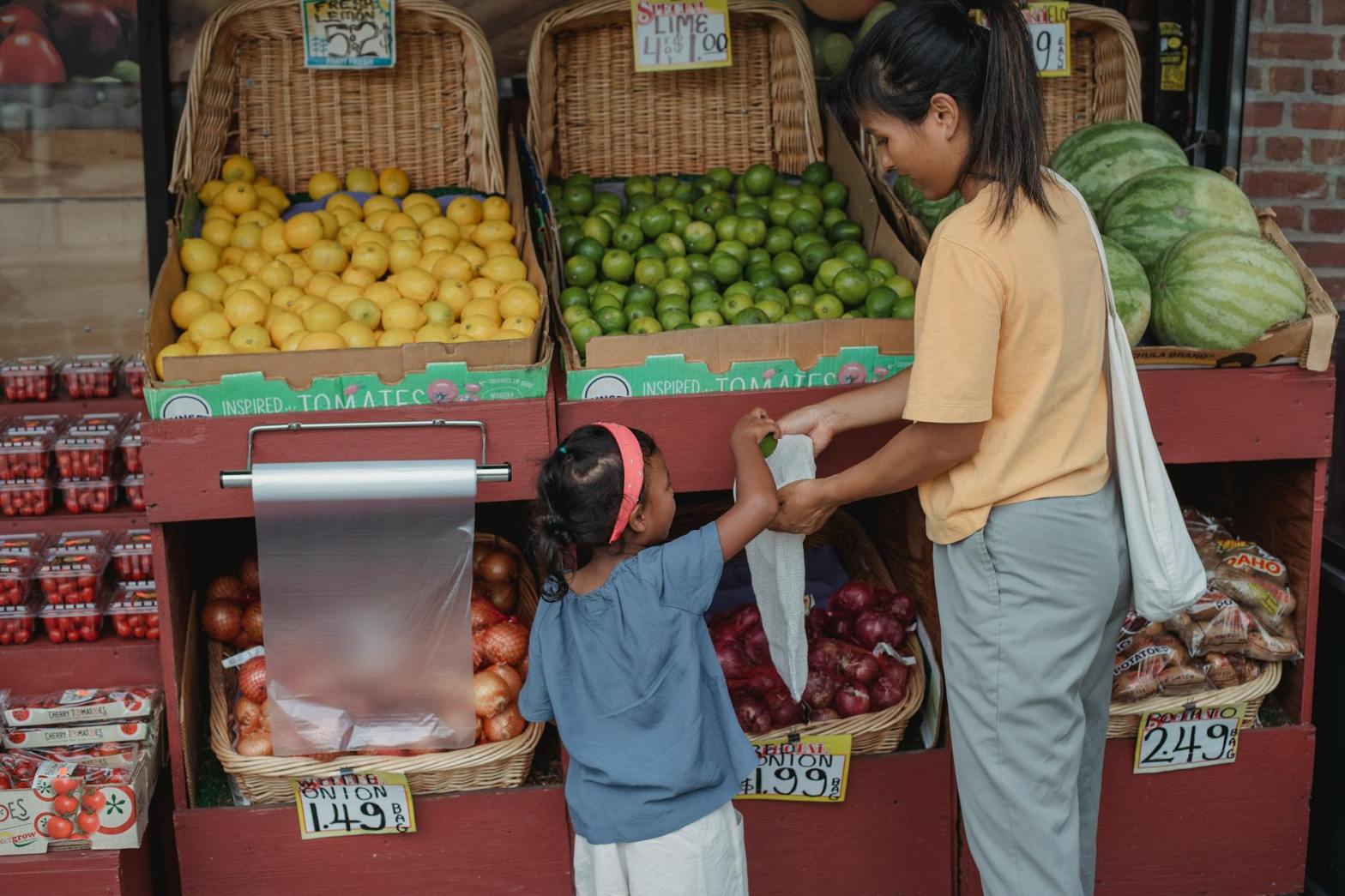
How Retailers Can Win with Plant-Based Foods: Urban vs. Rural Strategies That Actually Work

Imagine walking into your local grocery store. You’re curious about trying plant-based burgers or almond milk, but the shelf is nearly empty. Or maybe you see a wall of options, but the prices make you pause. What makes you pick one over the other?

New research reveals that where you live, city or countryside, changes everything about how retailers should stock, price, and promote plant-based foods. And the results might surprise you.


What Actually Moves the Needle?

A four-year study of over 20,000 Italian grocery stores found that three retail strategies make the biggest difference:

  1. Assortment: More Choices, More Sales
    • Stores with a wider variety of plant-based options saw a consistent boost in sales, especially in rural areas.
    • Why? Limited choices push people back to familiar animal products. Rural people, in particular, respond strongly to variety, likely because they’ve had fewer options.
  2. Price Promotions: Urban Shoppers Love a Deal
    • Discounts and promotions worked best in cities and towns, where competition is fierce and people are used to comparing prices.
    • Rural consumers? Not so much. Promotions had little impact outside urban areas, except for plant-based.
  3. Relative Price: Not the Game-Changer You’d Expect
    • Even though plant-based products often cost more, price alone didn’t significantly sway market share.
    • Consumers choosing plant-based foods are often motivated by health, ethics, or the environment, not just cost. However, price sensitivity was slightly higher in rural areas, where budgets may be tighter.

The Bigger Picture: What Consumers Really Want in 2026

The plant-based market isn’t just for vegans anymore. More and more citizens have been buying plant-based foods during the last years, and most of them also buy animal products. The real growth is coming from flexitarians, those who mix plant and animal foods for health, convenience, or sustainability.

Trends to Watch:

  • Clean labels and whole foods are in. Consumers are reading ingredient lists and walking away from overly processed options.
  • Health and nutrition now drive purchases more than environmental concerns, which is a pity considering the impact that our food choices have. But let’s says that it’s a starting point to become more aware.
  • Convenience and taste are non-negotiable. Brands that deliver on both are winning.

Why This Matters for the Future

The plant-based market is projected to grow from 14.79 billion in 2026 to €46.04 billion by 2036, driven by mainstream adoption and innovation. Retailers who adapt their strategies to local needs, and focus on variety, smart promotions, and clear value will lead the change.

The future of plant-based food isn’t about replacing animal products overnight. It’s about giving everyone real choices, real value, and real reasons to try something new.

What’s your experience with plant-based shopping? Have you noticed these trends in your local stores? Let’s discuss in the comments!

Thank you for reading! You can read more from me on my blog crisbiecoach and, please, subscribe!

Is Food Addictive? The Impact of the Food Industry on Our Health

Maintaining a healthy diet is a challenge many of us face daily. But what if some of our food choices are beyond our control? Could food be as addictive as drugs or alcohol? Pulitzer Prize-winning investigative reporter Michael Moss explores these questions in his book Hooked. I recently read this book, and these are my takeaways.

The Addictive Nature of Food

Moss delves into the latest research on addiction, revealing that food can be even more addictive than alcohol, cigarettes, and drugs. Our bodies are naturally wired to crave sweets, and food manufacturers exploit this by adding various types of sugar to their products. This creates an expectation that everything we eat should be sweet. Studies have shown that certain foods, especially those high in sugar, fat, and salt, can trigger the release of dopamine in the brain, similar to the effects of addictive drugs [1][2]. This biochemical response can lead to cravings and compulsive eating behaviors.

The Role of the Food Industry

The processed food industry, including giants like Nestlé, Mars, and Kellogg’s, has not only ignored but also exploited the addictive nature of its products. In response to dieting trends, these companies have introduced “diet” foods that are often just as unhealthy as the original products. As obesity rates rise, manufacturers claim to add ingredients that can effortlessly curb our compulsive eating habits. However, these claims are often misleading. The industry uses strategic marketing, product engineering, and internal practices to drive consumer habits and health issues [3][4]. For example, the “bliss point” concept creates the perfect combination of sugar, fat, and salt to maximize palatability and consumption [3].

The Impact on Public Health

Moss’s Hooked provides a gripping account of the legal battles, insidious marketing campaigns, and cutting-edge food science that have led to our current public health crisis. The book highlights how the food industry deepens our addictions and why our food choices have never been more critical. The public health implications are significant, as food addiction can contribute to obesity, diabetes, heart disease, and other chronic conditions [5][6]. Understanding the addictive nature of food and the food industry’s role in exploiting our vulnerabilities is crucial. As we become more aware of these issues, we can make better-informed decisions about what we eat and push for greater transparency and accountability from food manufacturers.

Conclusion

Recognizing the addictive nature of certain foods and the tactics used by the food industry to exploit these cravings is essential for making healthier choices. By staying informed and advocating for better food policies, we can work towards a healthier future for ourselves and our communities.

It’s a choice you can make!

Thank you for reading! Please sign up for my blog crisbiecoach so you don’t miss out on any posts and also for Wise&Shine an incredible online magazine!


References

[1] The 18 Most Addictive Foods (and the 17 Least Addictive) – Healthline

[2] Why Are Certain Foods so Addictive? – Cleveland Clinic Health Essentials

[3] Episode: The Role of the Food Industry in Creating Food Addiction l …

[4] Episode: The Role of the Food Industry in Creating Food Addiction l …

[5] Can food be addictive? Public health and policy implications

[6] The Impact of Food Addiction on Food Policy – PEACH Lab