La tensione é quando pensi di dover essere.
Il rilassamento é quando sei veramente.
Proverbio cinese


Bringing Positive Changes in Your Life

La tensione é quando pensi di dover essere.
Il rilassamento é quando sei veramente.
Proverbio cinese

1970: NASA, the American space agency, completes the “Skylab“: a space station designed to accommodate 3 people for a period of three months. But, while the technology is advanced, the interior decoration looks sad: the cockpit is cold, and austere … the astronauts deserve better!
NASA then asks for help to a professional designer, Raymond Loewy, who works in the field of aesthetics applied to industrial objects. He conceived and designed, for example, several logos of famous brands, car and locomotive lines and even the Air Force One, the aircraft of the President of the United States.
Arriving at NASA, Raymond is amazed but speechless. The decoration of the Skylab? Too blue that diffuses a pale color. The lighting? It comes from above and creates distressing shadows. He therefore proposes to install portholes to look outside.

Raymond follows the M.A.Y.A. (Most Advanced Yet Acceptable) principle, which in practice means: dare but not too much. If an invention or design is too revolutionary, the consumer is frightened.
This idea takes into account the “cognitive bias“, that is a very common deformation of our way of thinking, of familiarity. We tend to prefer what we know, because it reassures us rather than what we don’t know. For this reason, for example, producers use advertising to make their products familiar to consumers.
According to Raymond, an important innovation must contain elements that users would be able to accept and embrace.
With the portholes, the brave occupants of the Skylab could admire a familiar sight: our dear old planet Earth!

1970: la NASA, agenzia spaziale americano, termina lo “Skylab“: una stazione spaziale concepita per accogliere 3 persone per un periodo di tre mesi. Ma, mentre la tecnologia é avanzata, la decorazione interna lascia un po’ a desiderare: l’abitacolo é freddo, triste, austero…gli astronauti meritano di meglio!
La NASA quindi si rivolge a un professionista del design, Raymond Loewy, che lavora nel campo dell’estetica applicata agli oggetti industriali. Per esempio, ha concepito e disegnato diversi logo di marche famose, delle linee di auto e di locomotive e persino l’Air Force One, l’aereo del Presidente degli Stati Uniti.
Arrivando alla NASA, Raymond rimane a bocca aperta. La decorazione dello Skylab? Troppo blu che diffonde un colore pallido. L’illuminazione? Arriva dall’alto e crea delle ombre angoscianti. Propone quindi di installare degli oblò per guardare fuori.
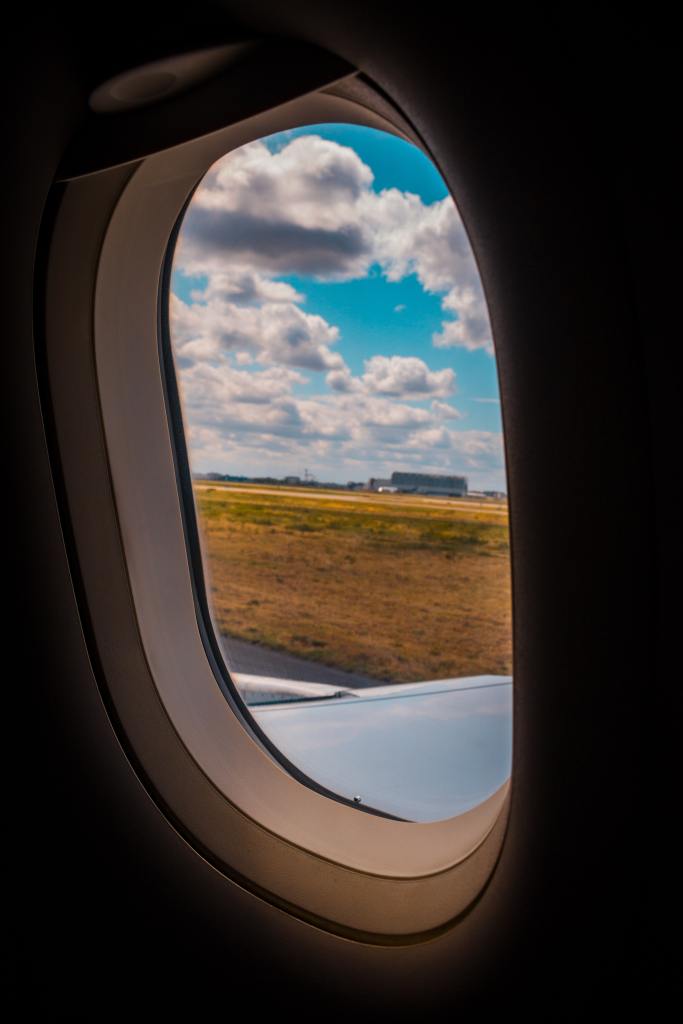
Raymond segue il principio M.A.Y.A. (Most Advanced Yet Acceptable), che in pratica significa: osare ma non troppo. Se un’invenzione o un design é troppo rivoluzionario, il consumatore si spaventa.
Questa idea tiene conto di un “pregiudizio – biais – cognitivo“, cioè una deformazione del nostro modo di pensare, molto comune: il pregiudizio di familiarità. Si tende a preferire quello che si conosce, perché ci rassicura, piuttosto che quello che non si conosce. Per questo, per esempio, i produttori utilizzano la pubblicità: per rendere familiare i loro prodotti ai consumatori.
Secondo Raymond, un’innovazione importante deve contenere un elemento rassicurante per essere accettata.
Con gli oblò, i coraggiosi occupanti dello Skylab, hanno potuto ammirare una vista familiare: la nostra cara vecchia Terra!


Markus Persson, a Swedish 36-year-old business man, spends his time on Twitter, where he talks about his life and that of his company. One day, he twitted something that will change his life.
Markus created in 2009 the video game called Minecraft, a kind of virtual Lego game that has become a social phenomenon. But, all of a sudden, he ends up getting tired of running his business, Mojang.
So, one evening in June 2014, he announced on Twitter that he would sell Mojang. In no time one IT giant contacted him and bought it for 2.5 billion dollars (2.2 billion euros).

On permanent vacation or lying in his luxury villa, he continues to tell about his life on Twitter: he complains that he no longer sees his friends, that parties in Ibiza have become boring…to make a long story short, he gets depressed.
Markus may be the victim of what is called the “Easterlin Paradox“, after the name of the economist who demonstrated it. Richard Easterlin has observed over several years that while the per capita income in the US increased, the proportion of people saying being “very happy” did not increase at the same time.
Later, other researchers found that the more money you made, the happier you felt but there was a limit: up to 75,000 dollars (about 68,000 euros) per year per household. Over this amount of money, the extra money would not make you happier!
Markus earned far more than 75,000 dollars but he has no friends, no plans for the future, and he is also depressed. He even ends up arguing with lots of people on Twitter, making comments deemed racist and misogynist.
As a result, in 2019 the big IT company who bought his business does not invite him to the 10 year anniversary of Minecraft, and deleted his name from the credits of the game. Markus gained a lot of money, but he also lost a lot.
Do you agree with the Easterlin Paradox? Would you be happier with more money? Would 75,000 dollars be enough to have a happy life? In my case, I would be definitely happy with 75,000 dollars a year!

Markus Persson, un uomo d’affari svedese di 36 anni, passa il suo tempo su Twitter, dove parla della sua vita e quella della sua ditta. Un giorno twitta qualcosa che cambierá per sempre la sua vita.
Markus ha creato nel 2009 il video game chiamato Minecraft, una specie di Lego virtuale che é diventato un fenomeno sociale. Peró, improvvisamente, si stanca di gestire la sua ditta, Mojang.
Cosí una sera di giugno del 2014 annuncia su Twitter che mette in vendita Mojang. In zero attimi, un gigante dell’IT la compra per 2,5 miliardi di dollari (circa 2,2 miliardi di euro).
In vacanza permanente o disteso sul divano nella sua villa di lusso, continua a raccontare la sua vita su Twitter: si lamenta di non vedere più i suoi amici, che le feste a Ibiza sono diventate noiose…insomma, per farla breve, si deprime.
Markus potrebbe essere la vittima di quello che é chiamato il paradosso di Easterlin, dal nome dell’economista che lo ha dimostrato. Richard Easterlin ha osservato per lungo tempo che, mentre il reddito pro capite degli Stati Uniti cresceva, l’indice di felicità delle persone non aumentava nella stessa maniera.
Successivamente, altri ricercatori hanno scoperto che piú soldi si hanno piú si é felici, ma c’é un limite: oltre ai 75.000 dollari (circa 68.000 euro) non si sarebbe piú felici, nel senso che la felicitá non aumenterebbe oltre questo limite.
Markus ha guadagnato molto di piú di 75.000 dollari ma non ha piú amici, non ha progetti per il futuro ed é anche depresso. In Twitter si mette a litigare con i suoi followers e fa commenti che vengono ritenuti razzisti e misogini.
Il risultato é che nel 2019, la grande ditta IT che aveva comprato Mojang non lo invita nemmeno alla celebrazione del decimo anniversario di Minecraft e cancella perfino il suo nome dai credits del gioco.
Markus ha guadagnato molto ma ha anche perso molto.
Cosa ne pensi del paradosso di Easterlin? Saresti piú felice con piú soldi? Ti basterebbero 68.000 euro all’anno per essere felice? Per quanto mi riguarda sarei decisamente felice con 68.000 euro!

Insomnia can have different causes: noisy surrounding environment, excess of light or lack of light, extreme heat or cold, intense rhythm of life that causes stress, anxiety and depression. Good sleep is the cornerstone of a healthy life, while insomnia can cause mental and physical health ailments and weaken the immune system.
Several studies have shown a positive effect of essential oils on sleep disorders. However, if you experience severe sleeping disorders that have a significant impact on any aspect of your well-being, seek professional help.
I have selected five essential oils that I use for myself and my family that I hope will be useful to you too.
Oils that prevent insomnia and calm the spirit by reducing anxiety:
Lavender: relaxes the muscles, has antidepressant, calming and balancing properties. I used it also when my son was little and found difficult to fall asleep.
Roman chamomile: powerful calming oil, helps to manage nervous and anguish crisis.
Bitter orange: calming, balancing, sedative, it allows to fight anxiety, anguish, restless sleep and night time awakenings.

Oils to calm muscle spasms responsible for agitation:
Marjoram: a very powerful anxiolytic, antispasmodic and sedative. In addition to providing a sedative and anti-inflammatory effect, it relieves stiff and painful joints.
Ravensara (Ravintsara): muscle relaxant. Complements and strengthens the marjoram and helps you fall asleep.
This is only a small selection based on my preferences. You can also try mandarin, neroli, hypericum, valerian and lemon scented geranium.

How to use them:
Aroma Diffuser: pour 20 to 25 drops of essential oil into an electric diffuser to avoid combustion and turn it on 5 minutes before going to bed.
Massage: pour 4 to 10 drops of essential oil into a vegetable oil such as argan or hemp. Massage the solar plexus before going to bed. If you have the chance, ask those who live with you to massage your feet, back, legs and belly.
Bath (for an adult): mix 5 to 10 drops of essential oil with unrefined coarse salt (a medium-sized glass) and add it to your bath water just before plunging in. Rest about 15 minutes in the tub and then go to bed. For children use only 5 drops.
Steam your pillow: spray some oil a few times on your pillow before going to sleep.
General tips to improve your sleep:
Avoid noise and light in your room. Deep darkness is optimal for a deep sleep. Keep the temperature between 18 and 19 degrees C, before going to bed open the window for 5 minutes and eliminate allergens (cat or dog hair, dust, pollen, etc.).
In the evening, eliminate exciting drinks like coffee, tea, carbonated drinks and alcohol. Eat light food and do not go to bed immediately after eating, even if you are very tired. Beware if you miss vitamin B, calcium and magnesium as it may be the cause which can cause sleep disorders.
Avoid spending many hours in front of a screen (both computer and television) before going to sleep. Of course, you should also avoid having a television in the room.
Emotions
Anxiety and adaptation to change are two enemies of sleep. Read, drink a herbal tea, meditate. Plan a 30 minute relaxation time to at least calm your spirit and body before going to bed.
Sleep Cycle
Respect your schedules and habits as much as possible so as not to upset your biological clock. Always try to eat and go to bed at the same time. If you suffer from insomnia do not take an afternoon nap because you risk changing your sleeping pattern.
What about you? Do you think that one of those oils may help you improve your sleep?

L’insonnia puó avere cause diverse: ambiente circostante rumoroso, eccesso di luce o mancanza di luce, caldo o freddo estremi, ritmo di vita intenso che provoca stress, ansia e depressione. Delle belle dormite sono il pilastro di una vita sana, mentre l’insonnia può provocare disturbi di salute mentale e fisica che possono indebolire il sistema immunitario.
Diversi studi hanno dimostrato un effetto positivo degli oli essenziali sul sonno. Attenzione però che se soffri di insonnia in modo ripetuto e continuativo dovresti consultare un medico.
Per insonnia di tipo leggero e/o moderato, l’uso di oli essenziali può rivelarsi benefico.
Ho selezionato cinque oli essenziali che utilizzo per me e per la mia famiglia e che spero possano servire anche a te.
Oli che prevengono l’insonnia e calmano lo spirito riducendo l’ansia:
Lavanda fine: rilassa i muscoli, ha proprietà antidepressive, calmanti e riequilibranti. L’ho usata anche quando mio figlio era piccolo e non dormiva mai!
Camomilla romana: calmante potente, aiuta a gestire le crisi di nervi e di angoscia. Un’ottima scelta per favorire il sonno.
Arancia amara: calmante, equilibrante, sedativa, permette di combattere l’ansia, l’angoscia, il sonno agitato e i risvegli notturni.

Oli per calmare gli spasmi muscolari responsabili dell’agitazione:
Maggiorana: l’anti-insonnia per eccellenza. Potente ansiolitico, antispasmodico e sedativo. Oltre a procurare un effetto sedativo e anti-infiammatorio, allevia le articolazioni rigide e dolorose.
Ravensara: rilassante muscolare. Completa e rafforza la maggiorana e aiuta ad addormentarsi.
Questa non é che una piccola selezione basata sulle mie preferenza. Puoi provare anche il mandarino, il neroli, l’iperico, la valeriana e il geranio odoroso al limone.

Come utilizzarli per dormire meglio:
Prova a usarli in uno di questi modi.
Diffusione: versa da 20 a 25 gocce d’olio essenziale in un diffusore elettrico per evitare la combustione e accendilo 5 minuti prima di andare a letto.
Massaggio: versa da 4 a 10 gocce d’olio essenziale in un olio vegetale come l’argan o la canapa. Massaggia il plesso solare prima di andare a letto. Se ne hai la possibilitá, chiedi a chi abita con te di massaggiarti i piedi, la schiena, le gambe e la pancia.
Bagno (per un adulto): mischia da 5 a 10 gocce di olio essenziale con del sale grosso non raffinato (un bicchiere di media grandezza) e aggiungilo all’acqua del tuo bagno giusto prima di immergerti. Resta 15 minuti circa dentro la vasca e poi vai a letto. Per i bambini usa solo 5 gocce.
Vaporizzato sul cuscino: spruzza un paio di volte l’olio sul tuo cuscino prima di andare a dormire.
Consigli generali per migliorare il tuo sonno:
Nella tua camera evita rumori e luce. Un buio profondo é ottimale per un sonno profondo. Mantieni la temperatura tra 18 e 19 gradi C, prima di andare a letto apri la finestra per 5 minuti e elimina gli allergeni (peli di gatto o cane, polvere, polline, ecc.).
La sera elimina gli eccitanti come il caffé, il thé, le bevande gassate e l’alcol. Mangia leggero e non andare a letto subito dopo mangiato nemmeno se sei stanca/o morta/o. Attenzione alla carenza di vitamina B, calcio e magnesio che possono causare dei disturbi del sonno.
Evita di passare molte ore davanti ad uno schermo prima di andare a dormire (computer e televisione sono fonti di luce che eccitano il tuo cervello e non favoriscono il sonno) . Ovviamente, dovresti anche evitare di tenere la televisione in camera.
Emotivitá
L’ansia e l’adattamento al cambiamento sono due nemici del sonno. Leggi, bevi una tisana, medita. Organizza un momento di rilassamento di 30 minuti almeno per calmare il tuo spirito e il tuo corpo prima di andare a letto.
Ciclo del sonno
Rispetta al massimo i tuoi orari e le tue abitudini per non sconvolgere il tuo orologio biologico. Cerca sempre di mangiare e andare a letto alla stessa ora. Se soffri di insonnia non fare il riposino pomeridiano perché rischi di cambiare il tuo ritmo sonno-veglia.
E tu, come dormi? Pensi che l’utilizzo di uno di questi oli potrebbe aiutarti?


Summer 1959, Moscow. During an official meeting, the head of the Soviet Union, Nikita Khrushchev, drinks a Pepsi Cola. Yes, victory! A member of the meeting discreetly welcomes.
The happy man is a representative of the famous American brand of drinks, Donald Kendall. That evening, Kendall had one goal: to convince the Russians to sell their drink in that immense country.
But Kendall shouted victory too early. If Khrushchev likes Pepsi, we are still in the times of the “cold war”. We don’t really talk about consuming a product from capitalist America!
But a few years later, when relations between the two countries improve, Pepsi tries again. And this time the Russians also see an interest in them because they can sell vodka to the Americans.
The deal can only be done without using the currency: Russia rejects the dollars of the American capitalists and cannot bring out the rubles from the country.
Then we return to the oldest form of exchange: bartering. The Russians authorize Americans to sell their drink on their soil in exchange for selling vodka on American soil.
This Pepsi exchange for vodka has continued for years, but in 1979 the US no longer wants to exchange Pepsi for vodka.
So Pepsi finds an alternative. Instead of regulating trade in vodka, the Russians will be able to pay with their old warships. Pepsi thus resells the old scrap metal to make a good profit.

What do you think about it? Have you ever exchanged items with your friends? Would you like to do it, like when you were a child and you exchanged stickers?
Do you know that there are Local Exchange Trading Systems (LETS) where you can trade not only things but also services?
In times of crisis, it would be good to start applying new economic models, like the sharing economy, where individuals can hire out things like their cars, homes and time to others in a peer-to-peer modality. We exchanged our home for vacation for many years through a website called Home Based Holidays, and on the Web you can find many more. No worries about your belongings: they come to you place, but you go to theirs!
Once, at a second hand market I bought a sweater made by a famous French brand for 2 euros. I was astonished and the lady told me: What I don’t like any longer, you may like it.
Actually this is the principle: instead of buying things that we maybe use only once, or we get tired of soon, like children with their toys, we could start exchanging them.
It will be a step towards a more sustainable economy, that will bring us some benefits like reducing negative environmental impacts by decreasing the amount of goods needed to be produced, and cutting down on industry pollution. It will also increase recycling items and grant access to people who can’t afford buying certain types of goods or use them only from time to time.
All this is also in the perspective of the degrowth theory, that will let us go towards strengthening our belonging to our local community.
By the way, I have been using that sweater since then!

Estate 1959, Mosca. Durante una riunione ufficiale, il capo dell’Unione sovietica, Nikita Chruščëv, beve una Pepsi Cola. Yes, vittoria! Si rallegra discretamente un membro della riunione.
L’uomo contento è un rappresentante della famosa marca americana di bibite, Donald Kendall. Quella sera, Kendall aveva un obiettivo: convincere i russi a vendere la loro bibita in quel paese immenso.
Però Kendall ha gridato vittoria troppo presto. Se a Chruščëv piace la Pepsi, siamo ancora ai tempi della “guerra fredda”. Non se ne parla proprio di consumare un prodotto proveniente dall’America capitalista!
Ma qualche anno dopo, quando le relazioni tra i due paesi migliorano, Pepsi tenta di nuovo il colpo. E questa volta i russi ci vedono anche un loro interesse perché potranno vendere vodka agli americani.
L’affare si potrà fare solo senza utilizzare la moneta: la Russia rifiuta i dollari dei capitalisti americani e non può far uscire i rubli dal paese.
Quindi si ritorna alla forma più antica di scambio: il baratto. I russi autorizzano gli americani a vendere la loro bibita sul loro suolo, in cambio della vendita di vodka sul suolo americano.
Questo scambio Pepsi contro vodka continua per degli anni, ma nel 1979 gli USA non vogliono più scambiare Pepsi per vodka.
Quindi Pepsi trova un’alternativa. Anziché regolare gli scambi in vodka, i russi potranno pagare con le loro vecchie navi di guerra. Pepsi rivende così la vecchia ferraglia per ottenere un buon profitto.

Cosa ne pensi? Hai mai scambiato degli oggetti personali con dei tuoi amici? Ti piacerebbe farlo, come quando eri bambino/a e scambiavi le figurine?
Sai che esistono delle reti di scambio locale, non solo per prodotti ma anche per servizi? In Italia, ad esempio, abbiamo la Banca del tempo.
Oggi si sente anche parlare di “sharing economy“, cioé quel tipo di modello in cui gli individui affittano o “condividono” cose come la propria auto, casa e/o tempo con altri. Per anni abbiamo scambiato casa per le nostre vacanze estive tramite la piattaforma Home Based Holidays, ed ha sempre funzionato benissimo. Niente paura se lasci la tua casa in mani di sconosciuti, per loro é la stessa cosa!
In tempi di crisi non sarebbe male cominciare ad usare nuovi modelli economici, scambiarci le cose che abbiamo, affittarle o venderle per pochi soldi. Qualche anno fa, ad un mercatino dell’usato comprai per 2 euro un maglioncino di una famosa marca francese. Di fronte alla mia faccia stupita, la signora mi disse: “Quello che non piace più a me, piace a te.” E’ proprio questo il principio: anziché continuare a comprare cose delle quali ci stanchiamo presto, un po’ come i bambini con i giocattoli, potremo iniziare a scambiarcele. Faremo così un passo verso un’economia più sostenibile, riducendo la nostra impronta ecologica perché si produrrebbero meno beni e logicamente si userebbero meno risorse, che sappiamo essere limitate. Di conseguenza, si ridurrebbe l’inquinamento, anche perché potremmo riciclare di piú. Se poi abbiamo bisogno di una cosa solo una volta, perche comprarla quando la possiamo chiedere in prestito? Tutto questo é anche nell’ottica della teoria della decrescita. Non dimentichiamo poi che questo modello rafforzerebbe anche la nostra appartenenza alle comunitá locale.
A proposito, quel maglioncino lo uso ancora oggi!


A poem by Wislawa Szymborska
What needs to be done?
fill out the application
and enclose the résumé.
Regardless of the length of life,
a résumé is best kept short.
concise, well-chosen facts are de rigueur.
Landscapes are replaced by addresses,
shaky memories give way to unshakable dates.
Of all your loves, mention only the marriage;
of all your children, only those who were born.
Who knows you matters more than whom you know.
Trips only if taken abroad.
Memberships in what but without why.
Honors, but not how they were earned.
Write as if you’d never talked to yourself
and always kept yourself at arm’s length.
Pass over in silence your dogs, cats, birds,
dusty keepsakes, friends, and dreams.
Price, not worth,
and title, not what’s inside.
His shoe size, not where he’s off to,
that one you pass off as yourself.
In addition, a photograph with one ear showing.
What matters is its shape, not what it hears.
What is there to hear, anyway?
The clatter of paper shredders.

Translated from the Polish by Stanislaw Baranczak and Clare Cavanagh

 Crisbie Coach