How and Why Yoga Helps You Maintain Physical and Mental Balance

Over the last few years, a very old practice has become the subject of scientific studies: yoga. Positive effects on the brain have begun to be measured, such as anti-stress and anti-depressant effects.

The studies began thanks to the spectacular spread of yoga. Millions of people practice yoga regularly. Positions (asanas) such as the warrior or the cobra are increasingly known among different people and age group. The reasons are mainly that persons want to learn how to relax, how to get rid of several kinds of pain (back, neck, shoulders, etc.) manage stress, and maintain good physical shape.

Traditional yoga (from the Sanskrit “yuga” which means “union”) comes from India and is a discipline more than five thousand years old. An important source of this spiritual school, which should guide us towards the divine, is a writing by Patañjali: Yoga Sutra, which contains the essential foundations of the discipline.

According to this essay, the purpose of yoga is to attain a higher form of self-knowledge, which can be achieved with inner contemplation. In addition to specific physical exercises, and breathing techniques, traditional yoga also includes meditation, a vegetarian diet and an entire philosophy of life. The modern and western form of yoga omits many of these elements. The development of strength and plasticity, meditation and breathing exercises play the most important role today.

At the beginning of the twentieth century, a small group of Indian yoga teachers began to spread the teachings of yoga in the Western world. After the explosion of fitness in the 1980s, which focused above all on the cult of the body, the spiritual part has been lost a little. Therefore, in the Western world mainly hatha yoga began to spread.

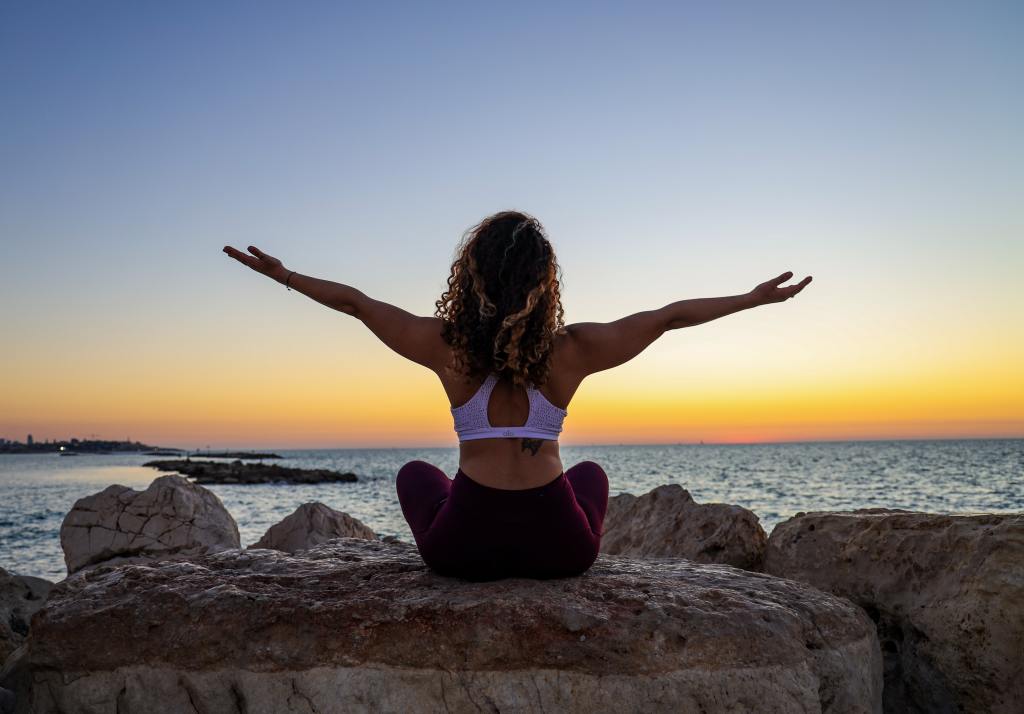
Photo by Mor Shani on Unsplash

The effects of hatha yoga on health are: improving body consciousness and coordination, strengthening muscles and enhancing blood circulation. Moreover, yoga is also beneficial to stress management.

From experience, I can say that after a yoga session I feel relaxed and rested. It takes longer to reach a similar state with meditation, while hatha yoga produces effects immediately, probably thanks to the more marked physical component. It is actually proved that physical exercise is good for your spirit. Perhaps, this is why yoga is a fast-acting cure-all, as it associates physical exercise with meditative practice.

In fact, by associating postures (asanas) with breathing (pranayama), we act on the body by relaxing the muscles, and on the spirit because the sympathetic nervous system (the nervous system that is stimulated when we rest or sleep) is activated.

Yoga allows you to find calm despite the limits imposed by everyday life. With regular practice, even 5 minutes a day is enough, you will sleep better, your self-confidence will increase, as well as your ability to make decisions and manage stress.

Considering all those positive aspects, are you planning to start practising yoga?

balance blur boulder close up
Photo by Pixabay on Pexels.com

Come e perché lo yoga ti aiuta a mantenere l’equilibrio fisico e mentale

Da qualche anno una pratica millenaria è diventata oggetto di studi scientifici: lo yoga. Si é cominciato a misurarne gli effetti positivi sul cervello e si é riscontrato che una pratica costante puó agire come antistress e antidepressivo.

Gli studi sono cominciati grazie alla grande diffusione dello yoga. Milioni di persone oggi praticano yoga regolarmente. Le posizioni (asanas) come il guerriero o il cobra sono sempre più conosciute, indipendentemente dalla classe sociale, dalla professione e dal gruppo di età. Le ragioni sono principalmente: come imparare a rilassarsi, come curare il mal di schiena o il male al collo, come mantenere una buona forma fisica e come gestire lo stress.

Lo yoga tradizionale (dal sanscrito “yuga” che significa “unione”) arriva dall’India ed è una disciplina vecchia più di cinquemila anni. Una fonte importante di questa scuola spirituale, che dovrebbe guidarci verso il divino, è uno scritto del filosofo Patañjali: lo Yoga Sūtra che contiene le basi essenziali della disciplina.

Secondo questo saggio, lo scopo dello yoga è di raggiungere una forma superiore di conoscenza del sé, che può essere raggiunta con la contemplazione interiore. Oltre agli esercizi fisici specifici e le tecniche di respirazione, lo yoga tradizionale comprende anche la meditazione, un’alimentazione vegetariana e un’intera filosofia di vita. La forma moderna e occidentale dello yoga omette molti di questi elementi. Lo sviluppo della forza e della plasticità, la meditazione e gli esercizi di respirazione giocano oggi il ruolo più importante.

All’inizio del XX secolo, un piccolo gruppo di professori di yoga indiani cominciarono a diffondere gli insegnamenti dello yoga in Occidente. Dopo l’esplosione del fitness a partire dagli anni 80, che puntava soprattutto sul culto del corpo, si è persa un po’ di vista la parte spirituale. Perciò in Occidente cominciò a diffondersi principalmente lo hatha yoga.

Photo by Mor Shani on Unsplash

Gli effetti dello hatha yoga sulla salute sono il miglioramento della coscienza del corpo e la coordinazione, il rafforzamento dei muscoli e il potenziamento della circolazione del sangue. Ma gli effetti dello yoga riguardano anche la gestione dello stress.

Per esperienza posso dire che dopo una seduta yoga mi sento distesa e riposata. Per arrivare a raggiungere uno stato analogo con la meditazione ci vuole più tempo, mentre lo hatha yoga produce effetti immediatamente, verosimilmente grazie alla componente fisica piú marcata. È provato da tanto tempo, infatti, che l’esercizio fisico fa bene al morale. Forse è per questo che lo yoga è un toccasana ad azione rapida, perché associa l’esercizio fisico alla pratica meditativa.

In effetti, associando delle posture (asanas) alla respirazione (pranayama), si agisce sul corpo distendendo i muscoli e i tessuti e sullo spirito perché viene stimolato il sistemo nervoso simpatico, cioè il sistema nervoso che si attiva quando riposiamo o dormiamo.

Lo yoga ti permette di ritrovare la calma nonostante i limiti imposti dal quotidiano. Con una pratica regolare, anche 5 minuti al giorno bastano, ritroverai un sonno migliore, la fiducia in te stesso/a aumenterà, così come la tua capacità di prendere decisioni e di gestire lo stress.

Considerando tutti questi aspetti positivi, pensi di iniziare a praticare lo yoga?

balance blur boulder close up
Photo by Pixabay on Pexels.com

How and Why You Should Learn to Forget

Letting go of the burden of the past is important to your happiness.

Many people live in the past; they remember what they were, the love stories that did not go well, their failures and disappointments.

Such a burden takes away space and energy from the present, which is actually the only time you can live actively.

I read somewhere that happiness consists in enjoying good health and having a bad memory.

Actually, you should learn to let go of the past, forget about the insults received, the bad events and the mistakes, in short, all the bad memories, and learn to focus more on the present.

Photo by Ian Dooley on Unsplash

Here are some tips you could follow.

  1. The best antidote to guilt, resentment, or anger that takes you back to the past is to devote energy to building the life you want.
  2. Stop playing the victim and become an active protagonist of your life
  3. Your memories change while time passes by, they may distort, and they do not really reflect what happened. Try asking a person who shared an event with you to tell you about their memory and then compare it with your memory. You will see that you and that person remember different aspects of the same fact.
  4. Prioritize your well-being. Life is too short to spend arguing and complaining. What happened could be a source of stress and even discomfort. Continuing to feel anger at a past event drains up your energy. It is more important for your physical and mental health to live quietly than to be right at all costs.

The past, however, also brings with it good memories and lessons learned, which shape your personality.

Have a look at what Buddhism teaches: “Joy and happiness arise from letting go. Sit down and take an inventory of your life. There are things you have been hanging on to that really are not useful and deprive you of your freedom. Find the courage to let them go.”  

What about you? Would you find the courage to let go of your past?

accomplishment action adventure challenge
Photo by Pixabay on Pexels.com

Come e perché dovresti imparare a dimenticare

Lasciare andare il peso del passato è importante per la tua felicità.

Molte persone vivono esclusivamente nel passato, vogliono ricordare solo quello che sono state, gli amori perduti, i loro insuccessi e le loro delusioni.

Questi ricordi costituiscono un peso che toglie spazio e energia al presente, che è in realtà l’unico tempo nel quale possiamo vivere in forma attiva. 

Ho letto da qualche parte che la felicità consiste nel godere buona salute e avere cattiva memoria.

In effetti, dovremmo imparare a lasciare andare il passato, dimenticarci degli affronti ricevuti, gli eventi nefasti e gli errori, insomma tutti i cattivi ricordi, e imparare a concentrarci di più sul presente.

Photo by Ian Dooley on Unsplash

Vediamo come fare.

  1. Il miglior antidoto contro i sensi di colpa, i risentimenti o la rabbia che ti riporta al passato è dedicare energia a costruire la vita che desideri.
  2. Smetti di fare la vittima e diventa protagonista attivo della tua esistenza.
  3. I tuoi ricordi cambiano con l’avanzare del tempo, si deformano, non rispecchiano davvero quello che è accaduto. Prova a chiedere a una persona che ha condiviso un evento con te di raccontarti il suo ricordo e poi confrontalo con il tuo ricordo. Vi ricorderete aspetti diversi dello stesso fatto.
  4. Dai priorità al tuo benessere. La vita é troppo breve per passarla a litigare e a lamentarsi. Quello che è successo potrebbe essere fonte di stress e potenzialmente anche di vero e proprio malessere.

Continuare a provare rabbia per un evento passato ti toglie energia. Per la tua salute fisica e mentale è più importante vivere tranquillamente che avere ragione a tutti i costi.

Il passato però porta con sé anche bei ricordi e insegnamenti, che formano la nostra personalità.

Ecco cosa ci insegna il Buddismo: “La gioia e la felicità nascono dal lasciare andare. Siediti a fai un inventario della tua vita. Ci sono cose che non è utile trattenere perché ti tolgono la libertà. Trova il coraggio di lasciarle andare.”

Che ne pensi? Troverai il coraggio per lasciare andare la parte inutile del tuo passato?

accomplishment action adventure challenge
Photo by Pixabay on Pexels.com

How and Why You Should Listen to Your Body

In our times, we receive information from many sources: emails, social networks, television, people we know and colleagues. Our mind is over-stimulated for the duration of the day and this can cause stress and anxiety, which can also cause a real burn-out.

The excessive exposure to those information is detrimental to the activity of our body which is relegated to a mere container of organs that allow us to move (even if sometimes less than what we should).

Too many hours spent in front of the screen (mobile phone, computer or television) do not allow the body to tone up and therefore regenerate. During the pandemic, it has become even worse, because of the restrictions imposed to avoid the spreading of the virus. We could go out less often, or not at all.

Furthermore, it can happen that we ignore the pain from the body by using analgesics or other types of medicines to avoid feeling sick.

crop patient taking pill from table
Photo by Artem Podrez on Pexels.com

If you do this, know that you are waging war to yourself, because silencing your body will not help you solve the problem.

Our body is sending us important signals that we will need to start considering. By continuing to ignore the messages it sends us, there may come a time when the pain becomes unbearable and it might be too late.

As soon as you hear a strange noise coming from your car, you take it to the mechanic before it breaks down. The same thing you should do with your body.

For example, if you experience often back pain, it means that you need to change your position, adopt a more adequate posture, maybe change chairs or just go for a walk.

Try to think that pain is actually your ally because it wants to tell you that there is something wrong with you and which you should take care of.

Let’s see four techniques that you can use every day to learn listening to your body.

Mental scanner. This is a mindfulness technique that involves mentally scanning of your body from the top of your head to the bottom of your toes to check if each part is healthy.

Daily walks. This is the best way to get up of your chair. Usually all mobile phones have an app to calculate steps. I signed up for a monthly “race” with colleagues to take at least 6,000 steps a day. At the end of the race, there will be an award for the walker who has taken the most steps. Run a race with your friends or colleagues too!

Feeding your body and mind. The Japanese eat up to 80% of their hunger in order not to get heavy (this is a principle of Ikigai). Therefore, eat less but eat healthy, and sleep at least six hours a night so that your body and mind can do a complete “reset”.

Respect the messenger. Instead of taking medicines at the first symptom of discomfort or pain, try listening to your body, what it is communicating to you. Think that your body needs to be considered and looked after. Don’t wait for your body to ask you for help when you are in extreme pain, as remember that it might be too late.

When you don’t feel well, what do you do? Do you listen to your body or you take medications?

namaste sign on wall
Photo by Mikhail Nilov on Pexels.com

Come e perché dovresti ascoltare il tuo corpo

Nella nostra epoca riceviamo informazioni e stimoli da tutte le parti: email, social, televisione, persone che conosciamo e colleghi di lavoro. La nostra mente è stimolata eccessivamente per tutta la durata della giornata e questo può causare stress e ansia che possono portare anche a un vero e proprio esaurimento.

Questa eccessiva attivitá cerebrale va a detrimento della attività del nostro corpo che viene relegato a un mero contenitore di organi che ci permettono solo di muoverci (anche se a volte meno di quello che dovremmo).

Troppe ore passate davanti allo schermo (cellulare, computer o televisione che sia) non consentono al corpo di tonificarsi e quindi rigenerarsi. Durante la pandemia, poi, abbiamo passato ancora più tempo davanti ad uno schermo, potevamo uscire molto meno o proprio non potevamo uscire!

Inoltre, può succedere che ignoriamo i dolori del corpo utilizzando analgesici o altri tipi di medicinali per stare bene il piú presto possibile.

crop patient taking pill from table
Photo by Artem Podrez on Pexels.com

Se fai così sappi che ti stai facendo la guerra, perché mettere a tacere il tuo corpo non ti aiuterà a risolvere il problema.

Il corpo infatti ci manda segnali importanti che dovresti iniziare a considerare. Continuando a ignorare i messaggi che ti manda, potrebbe arrivare un momento in cui il dolore diventa insopportabile. E potrebbe essere troppo tardi.

Cosa fai se senti un rumore strano provenire dalla tua macchina? La porti in officina per evitare di rimanere a piedi. La stessa cosa devi fare con il tuo corpo.

Per esempio, se hai mal di schiena frequenti, potrebbe significare che devi cambiare posizione, adottare una postura più adeguata, magari cambiare sedia o semplicemente andare a fare una passeggiata.

Prova a pensare che in realtà il dolore è un tuo alleato perché vuole farti notare che c’è qualcosa che non va e che dovresti occupartene per cercare di risolverla.

Vediamo come fare per imparare ad ascoltare il corpo con queste quattro tecniche che puoi usare tutti i giorni.

Scanner mentale. Questa è una tecnica della mindfulness che consiste nel percorrere mentalmente il tuo corpo, dalla testa ai piedi per verificare lo stato di salute di ciascuna parte.

Passeggiate quotidiane. Questo è il modo migliore per alzarti dalla sedia. Di solito tutti i cellulari hanno un app per calcolare i passi. Io mi sono iscritta a una “gara” mensile con colleghi per fare almeno 6.000 passi al giorno. Alla fine della gara, ci sarà un premio per il camminatore che avrá fatto più passi. Prova anche tu a fare una gara di passi con i tuoi amici o colleghi!

Nutrire il corpo e la mente. I giapponesi mangiano fino all’80% della loro fame per non appesantirsi (questo è un principio dell’Ikigai). Quindi, mangia meno ma mangia sano e dormi almeno sei ore per notte per fare in modo che il tuo corpo e la tua mente possano fare un “reset” completo.

Rispetta il messaggero. Anziché prendere dei medicinali al primo sintomo di malessere o di dolore, prova ad ascoltare il tuo corpo e cerca di capire quello che ti sta comunicando. Pensa che il tuo corpo ha bisogno di essere considerato e accudito. Non aspettare che il tuo corpo ti chieda aiuto con un estremo dolore, perché ricorda che potrebbe essere troppo tardi.

Se ascolti i messaggi del tuo corpo, il tuo corpo ti ringrazierá.

Tu cosa fai quando non ti senti bene, ascolti il tuo corpo o prendi subito una medicina?

namaste sign on wall
Photo by Mikhail Nilov on Pexels.com

Why You Should Accept Your Insecurities

“All I have achieved in life has been thanks to good luck”. “My colleagues are better than me”. “I cannot believe my colleagues complimenting me on a job well done.”

Does it sound familiar to you? If you think that everything that happens to you is due to chance and good luck you are probably someone with an external locus. You may feel insecure in one area of your life, personal or professional, or in both areas. Maybe you think being unable to manage a project (remember that the best solutions come after unsuccessful events) or that a person you like does not want to talk to you (but have you ever tried approaching them?).

Insecurity does not always come with the same intensity. It ranges from an unpleasant feeling to a real paralysis, for instance when you have to make a presentation in front of a big audience or when you do not have the courage to talk to someone you like.

Photo by Samuel Pereira on Unsplash

However, insecurity can become your ally if you know how to turn it in your favour. The first step is to recognize that you are insecure. Try to think objectively about your successes, big or small. At the beginning, you felt insecure but you succeeded thanks to your will and determination.

Continuously complaining, looking at others success, constantly thinking that you are unlucky certainly does not help you. Perhaps you will not be able to control your insecurity in any situations, but try to change your attitude, take it into your hands, look at it and say, “Yes, I can do it!”

Accepting yourself for who you are with all your strengths and weaknesses, even if you do not like them, will help you overcoming insecurity.

Are you ready to challenge your insecurities?

Photo by Slava on Unsplash

Perché dovresti accettare le tue insicurezze

“Tutto quello che ho ottenuto nella vita è stato grazie alla fortuna”. “I miei colleghi di lavoro sono più bravi di me”. “Non credo alle mie orecchie quando sento i colleghi che mi fanno dei complimenti per il lavoro ben fatto.”

Ti suona familiare? Se pensi che tutto quello che ti capita sia dovuto al caso, alla fortuna o al destino, probabilmente sei una persona con locus esterno e non hai molto controllo sulla tua vita.

Le tue insicurezze possono fare parte della sfera personale o professionale, oppure di tutte e due. Potresti ritenerti incapace di gestire un progetto (ricorda che dagli insuccessi nascono le migliori idee) o di non essere all’altezza di una determinata persona che ti piace (ma gli hai mai parlato?).

L’insicurezza non si manifesta sempre con la stessa intensità: va da una sensazione sgradevole a una vera e propria paralisi, per esempio quando devi fare una presentazione di fronte a un pubblico vasto o quando non hai il coraggio di parlare con una persona che ti attira.

Photo by Samuel Pereira

Tuttavia, l’insicurezza può diventare tua alleata se sai volgerla a tuo favore. Il primo passo è riconoscere che sei insicuro/a. Poi, cerca di pensare obiettivamente ai tuoi successi, grandi o piccoli. Grazie alla tua volontà di cambiamento, sei sicuramente riuscito/a realizzare qualcosa proprio perché ne hai le capacitá.

Lamentarsi costantemente, guardare ai successi degli altri, pensare continuamente che sei sfortunato/a, di sicuro non ti aiuta. Forse non riuscirai a superare tutti gli aspetti della tua insicurezza, ma potresti cambiare atteggiamento. Prova a pensare che ce la puoi fare, prendi il coraggio tra le mani e lanciati!

Accettarsi per quello che si è con tutti i nostri punti di forza e tutte le nostre debolezze, anche se non ci piacciono, ci aiuta nel cammino verso la serenità.

Sei pronta/o per sfidare le tue insicurezze?

Photo by Slava on Unsplash

How Our Idea of Life in the City Has Changed During the Pandemic

Covid has radically changed our way of life in the city. Consequently, also our relationship with the city has changed.

If you were willing to pay more for a down-town rent or to buy a small apartment to live in the city, would you do the same today?

Data on home purchases in Belgium show that people during the pandemic wanted to buy or rent properties in the countryside, where homes are cheaper and bigger. Nature is a source of energy that can help us in difficult times such as those of Covid.

If being able to have a quick aperitif after work, to go out for dinner in the evening without having to travel too many kilometres, or going to the cinema or a concert, justified the fact of living in small apartments, where you are exposed to not always easy coexistence with the neighbours and outside noise and traffic, is this still the case now?

Cities during the pandemic have turned into places to mainly work and sleep. Maybe you started asking yourself, what kind of life is it?

If you were able to go to work during the pandemic, didn’t you have the impression of living in the office? If, on the other hand, you have always worked from remote, don’t you think that you have been experiencing difficulty in finding work-life balance?

With the rules of lockdown even using public transport was a problem, due to the fear of contagion. We started to do shopping close to home.

Photo by Matt Seymour on Unsplash

Staying at home all the time and respecting the rules of lockdown have caused spreading of anxiety in a worrying way. In fact, it has been proven that living in the city makes you feel more isolated, even if the opposite would seem to be true.

For a long time we have been deprived of our need and desire for sociability, our walks have been reduced to the tour of the neighbourhood to fulfil our daily commitment to take 6000 steps or not to forget the challenge of staying healthy despite everything.

Things as common as eating with friends or colleagues, going to the cinema or shopping, have turned into extraordinary things.

Is that why living in the countryside has perhaps become more popular? Would spending less on a house with a garden and nature nearby make you change your mind about living in the city?

Photo by Badiuth on Unsplash

Come è cambiata la nostra idea di vita in città durante il Covid

Il Covid ha cambiato radicalmente il nostro modo di vita in citta. Di conseguenza, anche il nostro rapporto con la cittá.

Se eravamo disposti a pagare di più per un affitto in centro o per comprare un appartamento piccolo pur di stare in città, lo siamo ancora?

Dati sull’acquisto di case in Belgio, dimostrano che le persone durante la pandemia si sono indirizzate maggiormente verso la campagna, dove le case costano meno ma si può usufruire di più spazio. Per quanto riguarda gli appartamenti, le persone ora vogliono almeno un balcone.

Se prima il fatto di poter prendere un aperitivo velocemente dopo il lavoro, poter uscire la sera a cena senza dover fare troppi chilometri, o di andare al cinema o a un concerto, giustificava il fatto di vivere in appartamenti piccoli, esposti alla convivenza non sempre facile con i vicini di condominio e al rumore esterno, forse ora non è più così.

Le città durante la pandemia si sono trasformate in luoghi dove lavorare e dormire. E ci si comincia a chiedere, che vita sto facendo?

Se sei potuto andare al lavoro durante la pandemia, non hai avuto l’impressione di vivere in ufficio? Se invece, hai fatto sempre telelavoro, hai avuto difficoltà a conciliare la vita lavorativa e quella familiare e/o personale?

Con le regole del confinamento usare i mezzi pubblici costituiva un problema, a causa della paura del contagio e perciò si faceva la spesa vicino a casa.

Photo by Matt Seymour on Unsplash

Lo stare sempre in casa e rispettare le regole del lockdown hanno fatto aumentare in maniera preoccupante casi di ansia nelle persone. Infatti, è dimostrato che vivere in città ci si sente più isolati, anche se apparentemente sembrerebbe vero il contrario. La natura è energizzante e rivitalizzante e ci può aiutare nei periodi difficili come quelli del Covid.

Per tanto tempo siamo stati privati dalla nostra necessità e voglia di socialità, le nostre passeggiate si sono ridotte al giro del quartiere per adempiere al nostro impegno quotidiano di fare 6000 passi (se avevamo preso questo impegno con noi stessi) o per non dimenticare la sfida di mantenerci in salute nonostante tutto.

Cose comuni come mangiare insieme agli amici o ai colleghi, andare al cinema o fare shopping, si sono trasformate in cose straordinarie.

È per questo che forse abitare in campagna è diventato più popolare? Spendere meno per una casa con giardino in mezzo alla natura, ti farebbe cambiare idea sul vivere in città?

Photo by Badiuth on Unsplash